
Cocktail Recipes
Discover your perfect drink
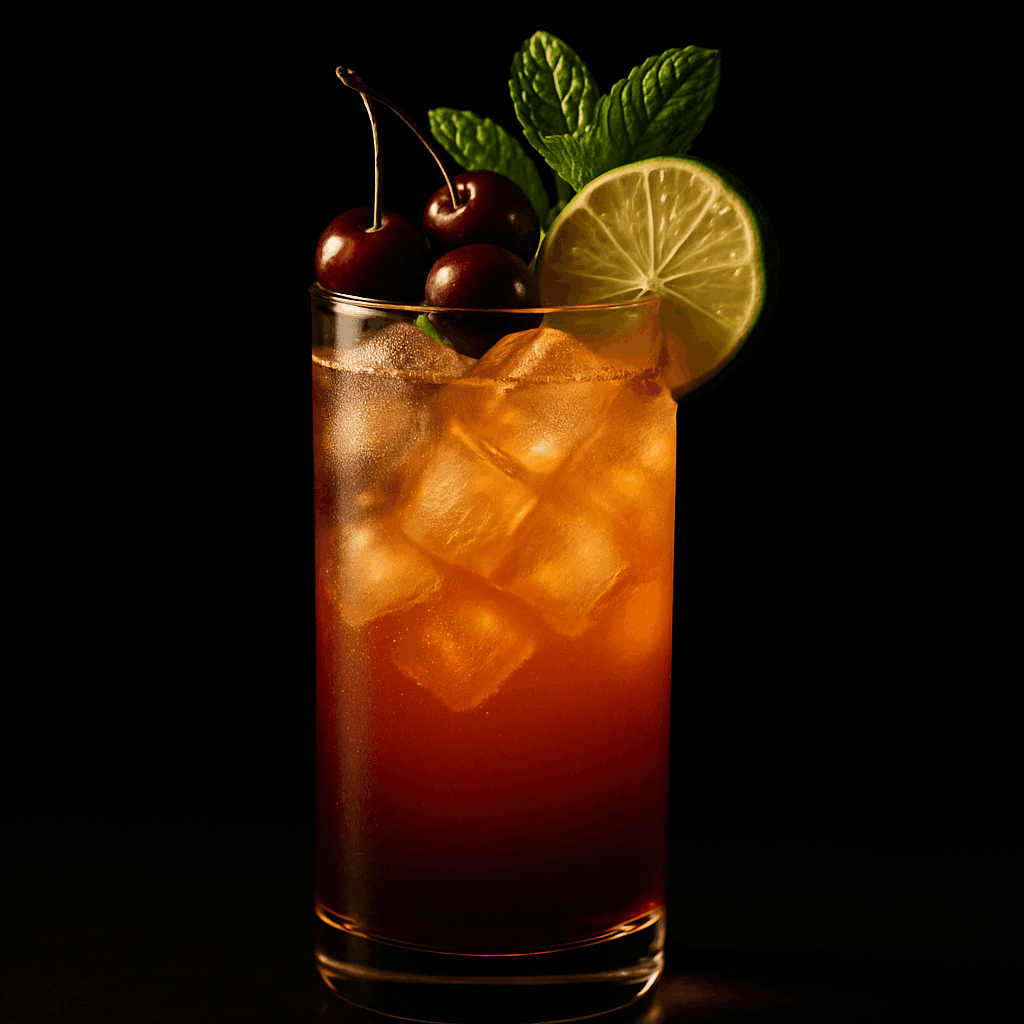
Cherry Sunset Mocktail
A vibrant alcohol-free cocktail that showcases the natural tartness of cherries balanced with citrus and a hint of sweetness. This refreshing drink captures the essence of summer sunsets with its beautiful ruby-red color and complex flavor profile.
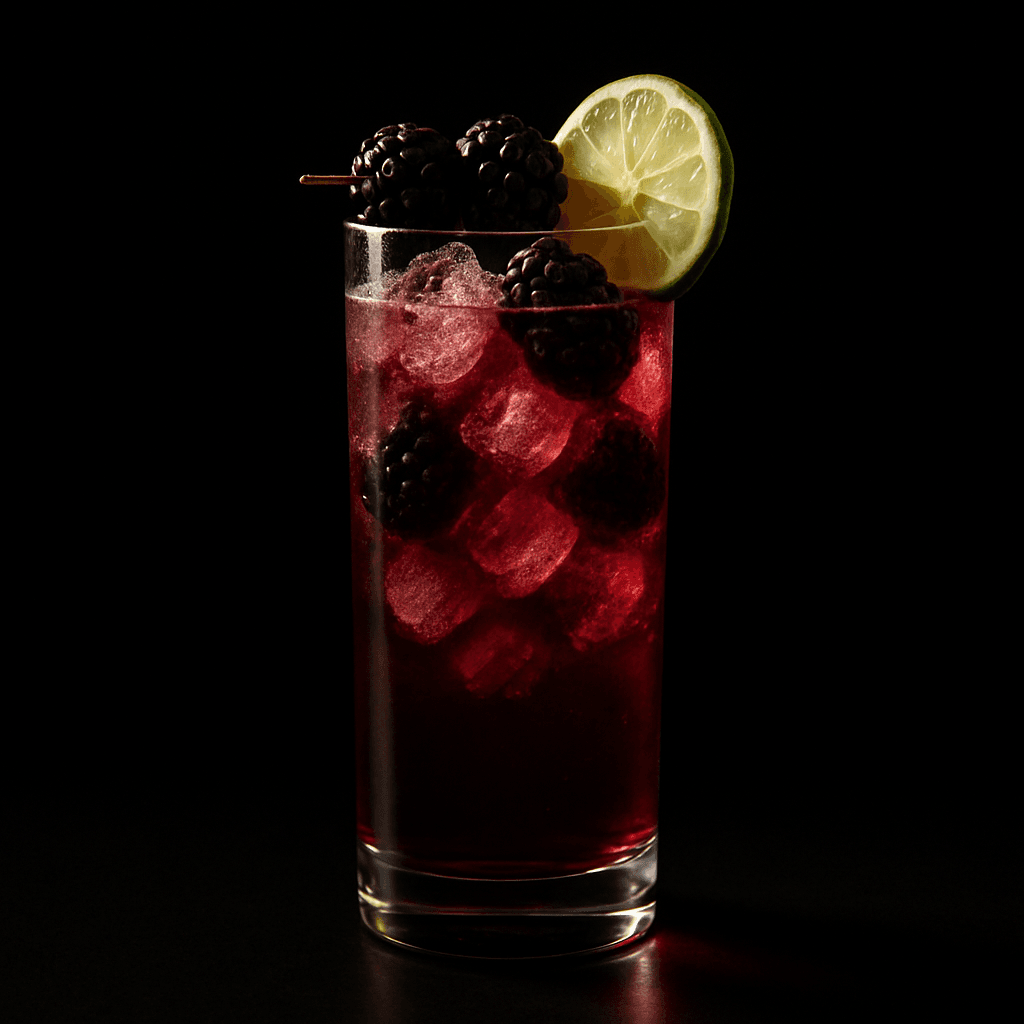
Blackberry Mocktail
A vibrant and refreshing non-alcoholic cocktail featuring muddled fresh blackberries, zesty lime, and sparkling water. This sophisticated mocktail delivers complex flavors with a beautiful deep purple hue that's perfect for any occasion.
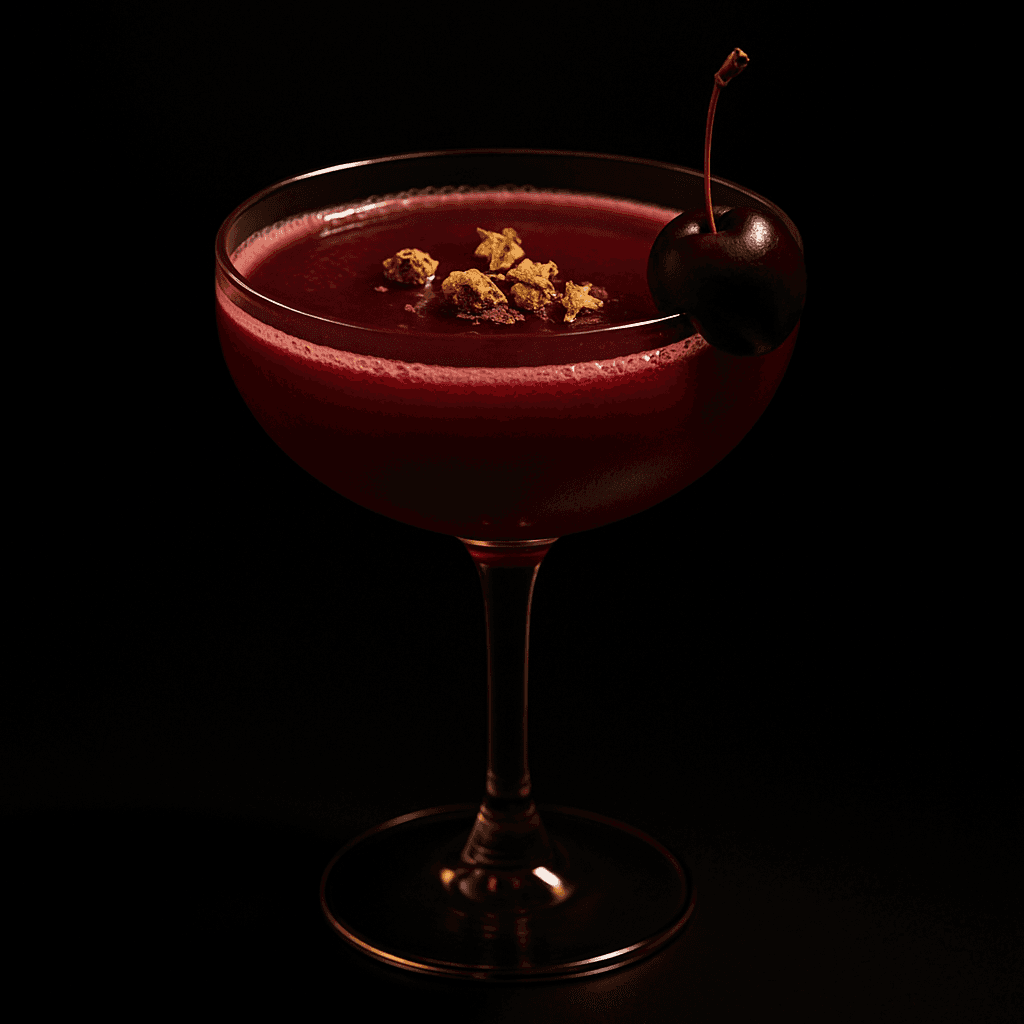
Tart Cherry Juice Sleep Mocktail
A soothing, naturally sweet mocktail combining tart cherry juice with calming chamomile and honey. Perfect for unwinding before bedtime with its anti-inflammatory properties and sleep-promoting compounds.
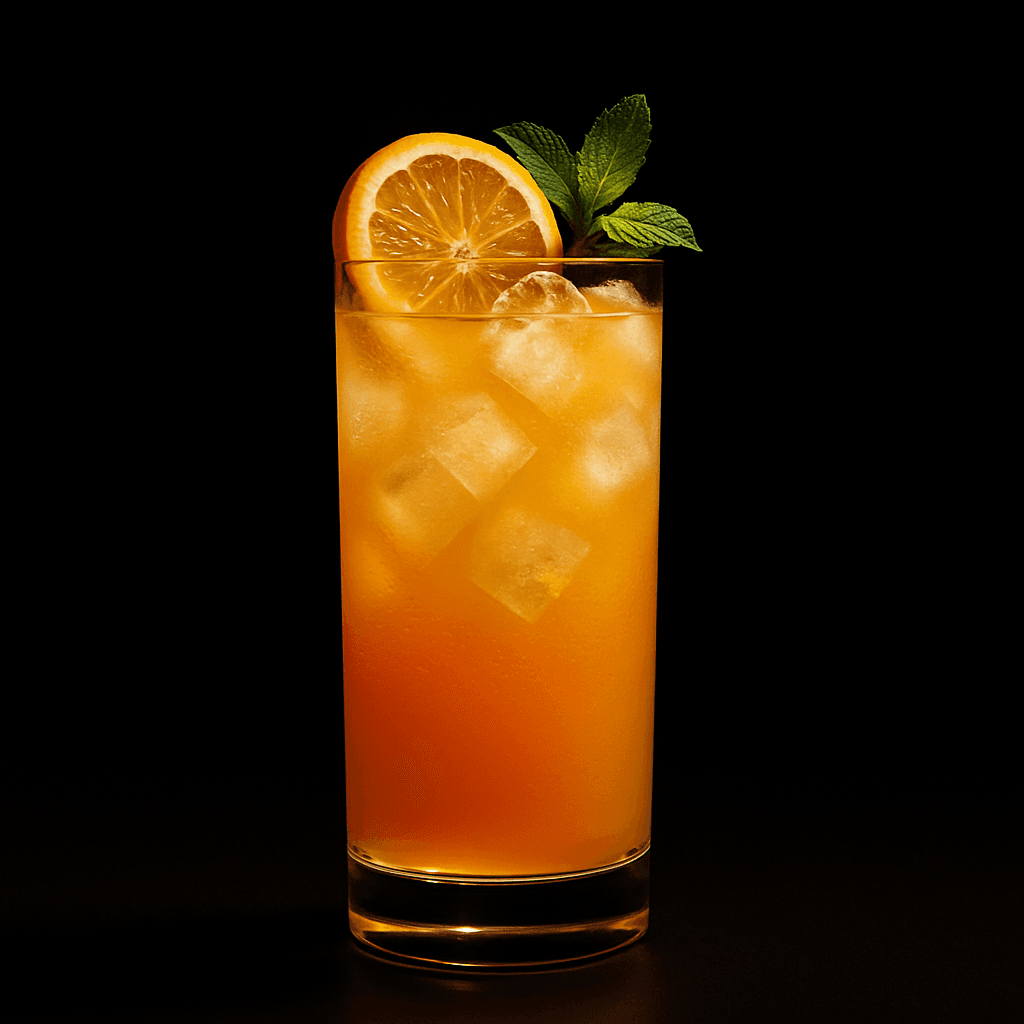
Adrenal Cocktail Mocktail
A wellness-focused mocktail designed to support adrenal function with natural electrolytes and vitamin C. This refreshing blend combines coconut water, fresh citrus, and Himalayan sea salt for a revitalizing drink that's both delicious and nourishing.
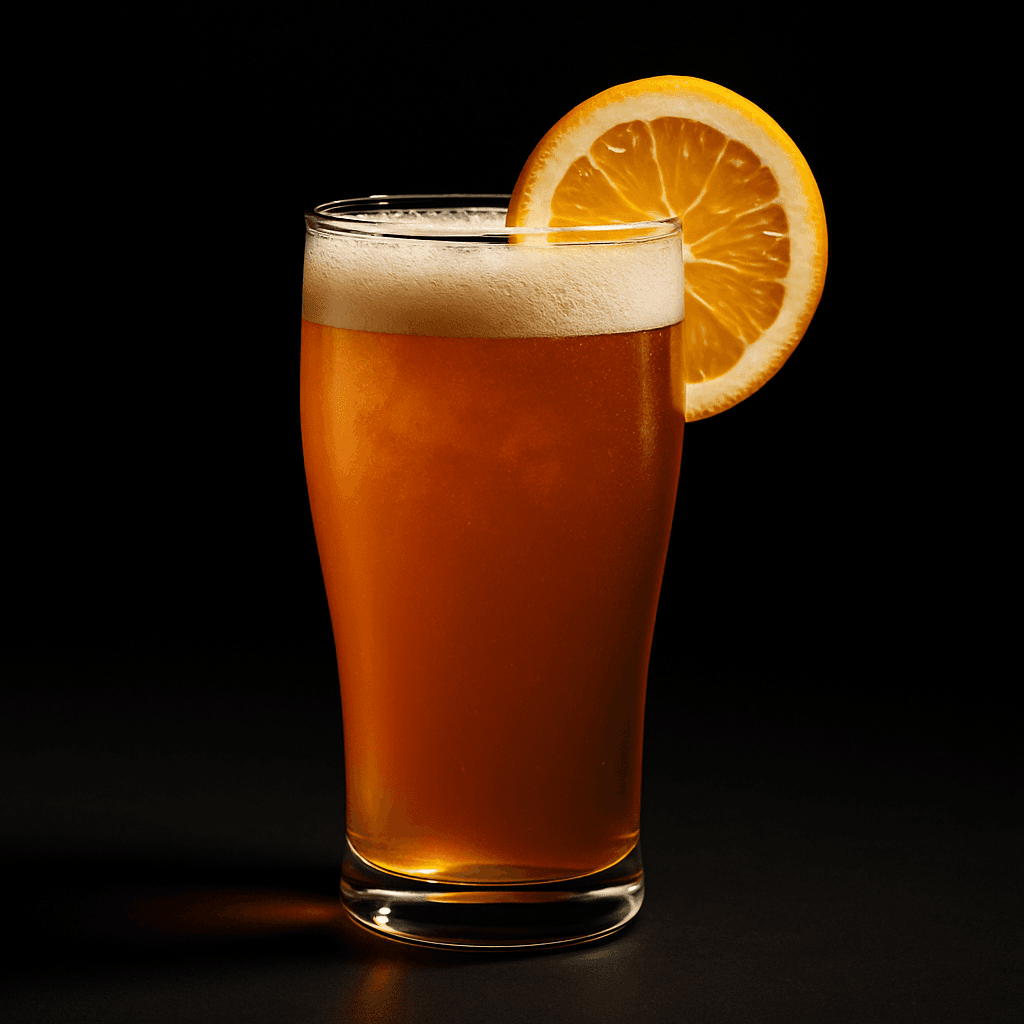
Lunchbox Beer Cocktail
A playful twist on the classic boilermaker that combines smooth bourbon with crisp lager and a hint of orange. This refreshing beer cocktail delivers nostalgic flavors with a sophisticated edge.
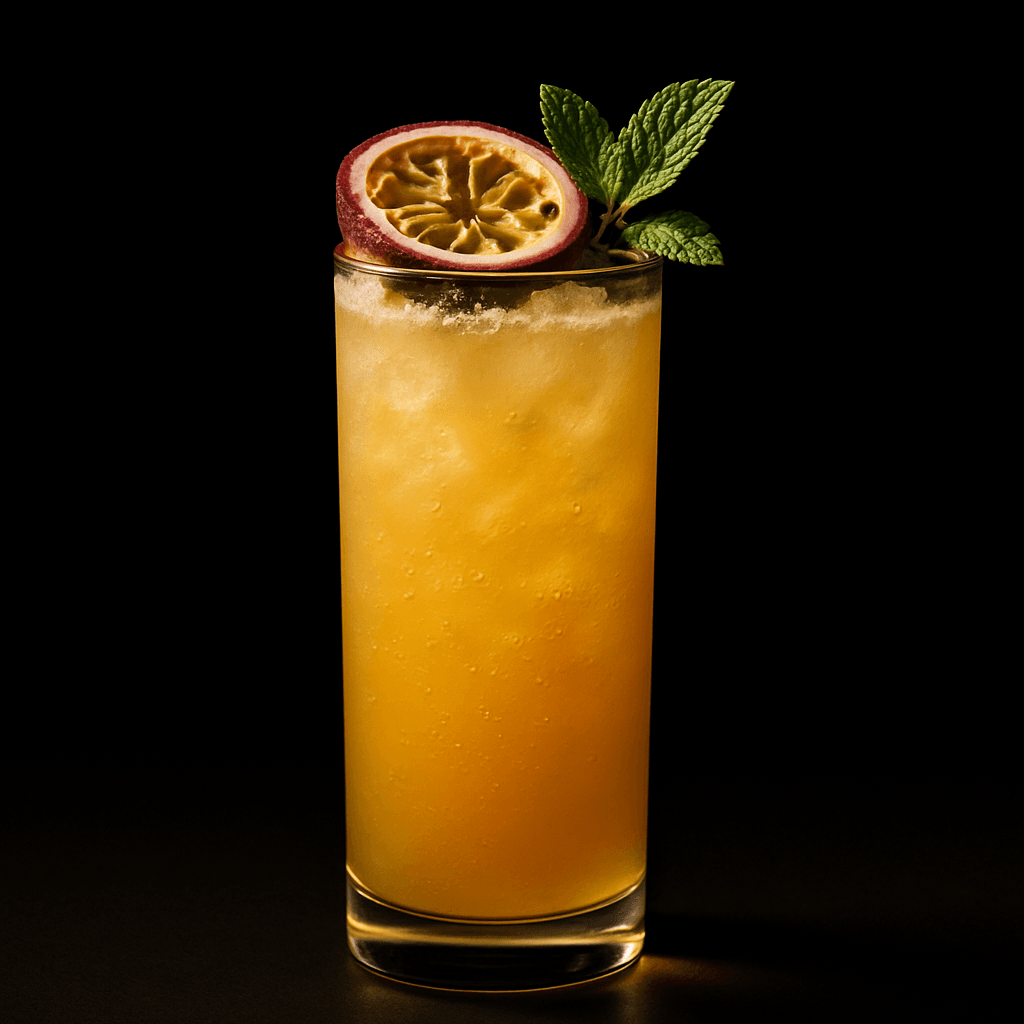
Passion Fruit Mocktail
A vibrant and refreshing non-alcoholic cocktail that captures the tropical essence of passion fruit. This mocktail balances sweet and tart flavors with a beautiful orange hue and aromatic finish.
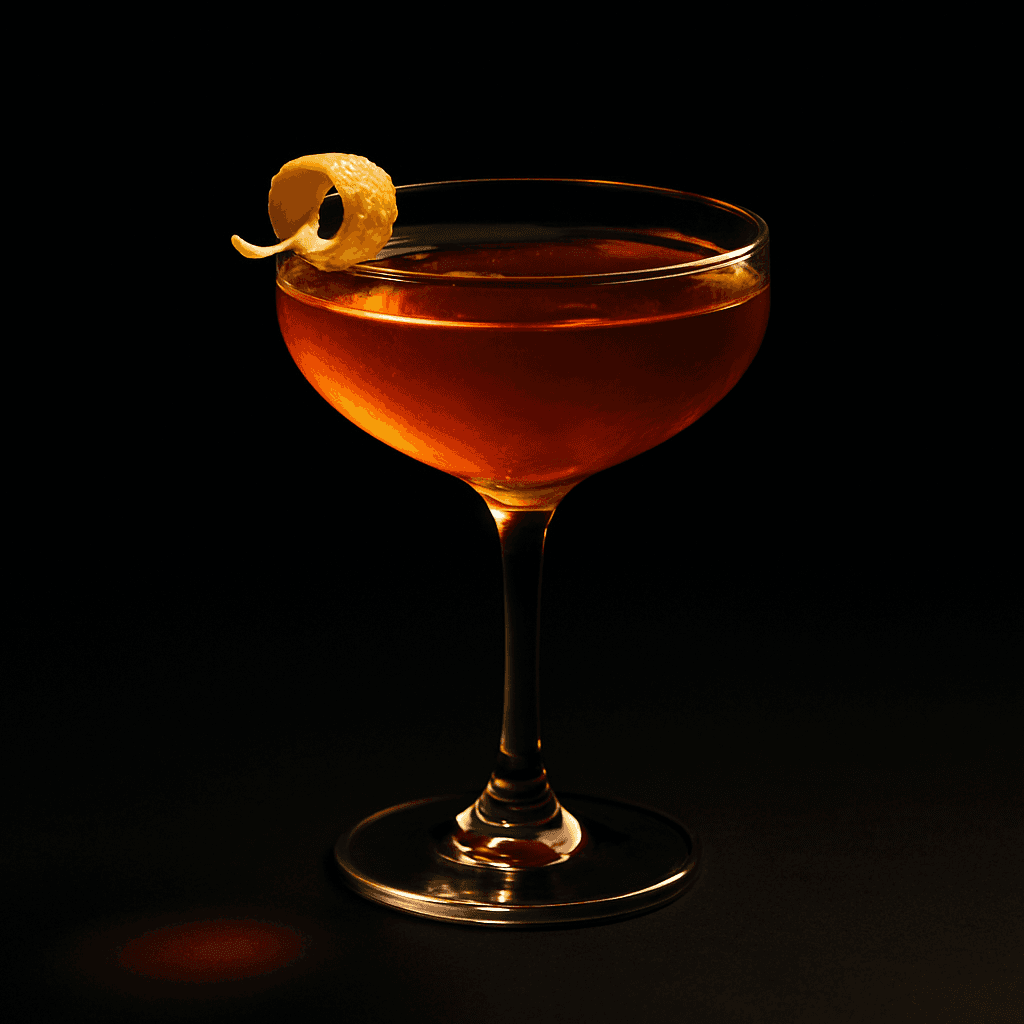
Belmont Jewel Cocktail
An elegant bourbon-based cocktail featuring the sophisticated interplay of whiskey, amaretto, and fresh citrus. This refined sipper showcases deep amber hues reminiscent of precious gemstones, with a perfectly balanced sweet and sour profile that embodies classic cocktail craftsmanship.
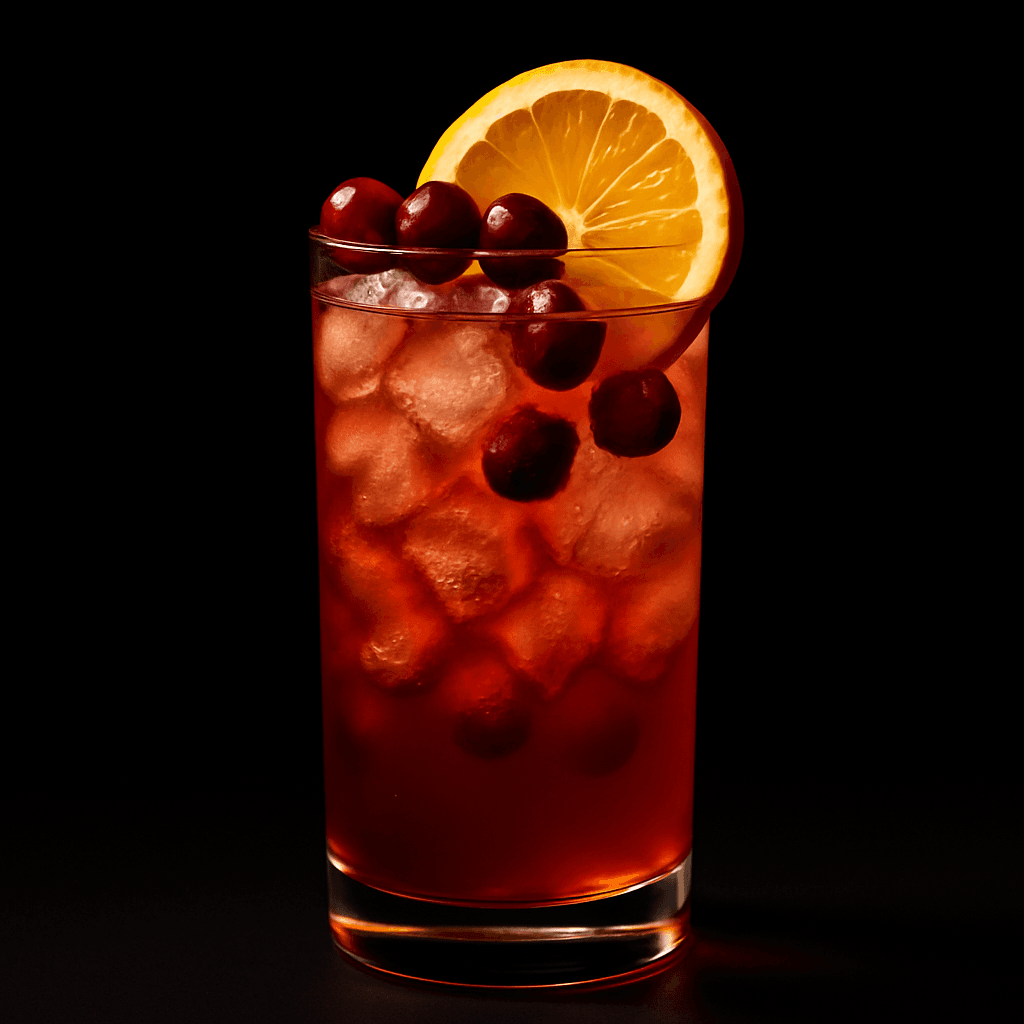
Madras
A refreshing vodka-based highball that combines the bright acidity of cranberry juice with the tropical sweetness of orange juice. This vibrant pink cocktail is simple, approachable, and perfect for any occasion.
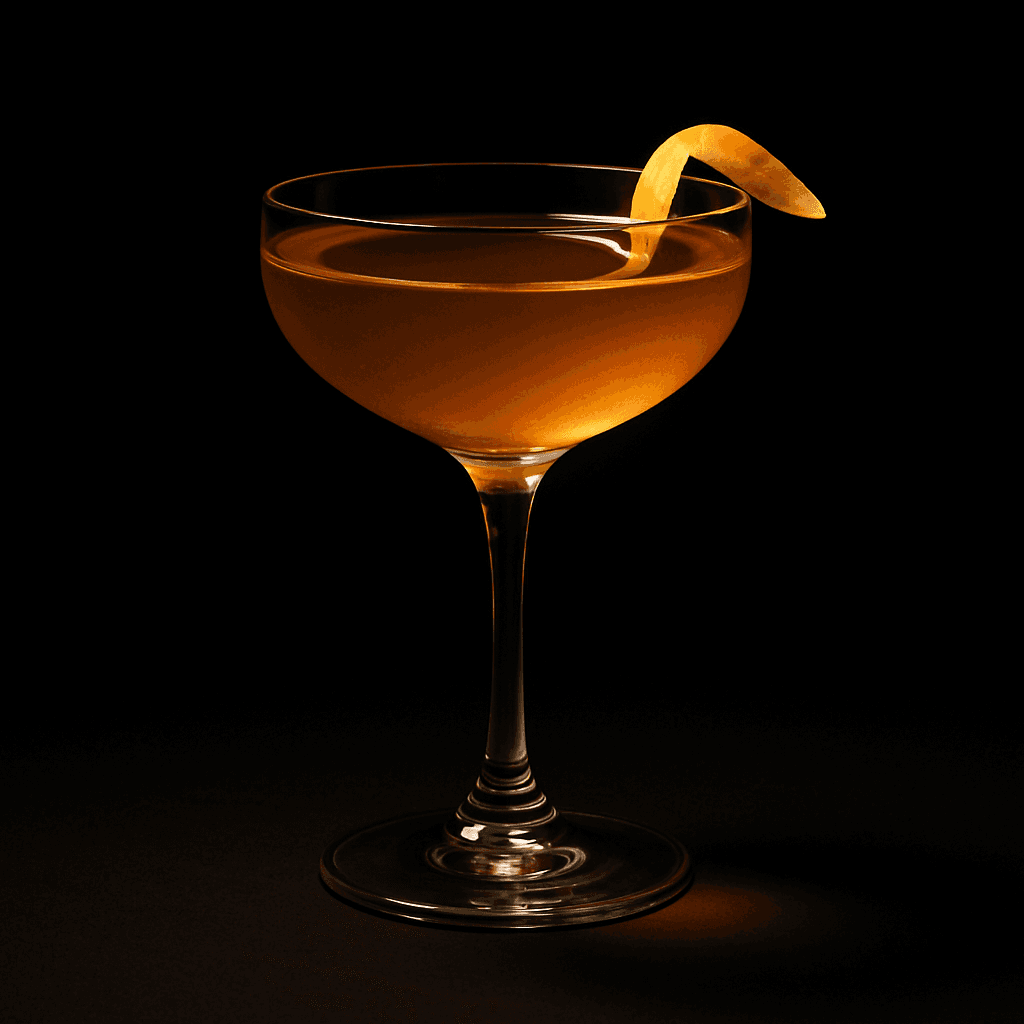
Belmont
A sophisticated bourbon cocktail that balances the warmth of whiskey with the brightness of citrus and the richness of raspberry liqueur. This elegant sipper offers complexity with every taste, making it perfect for contemplative evening moments.
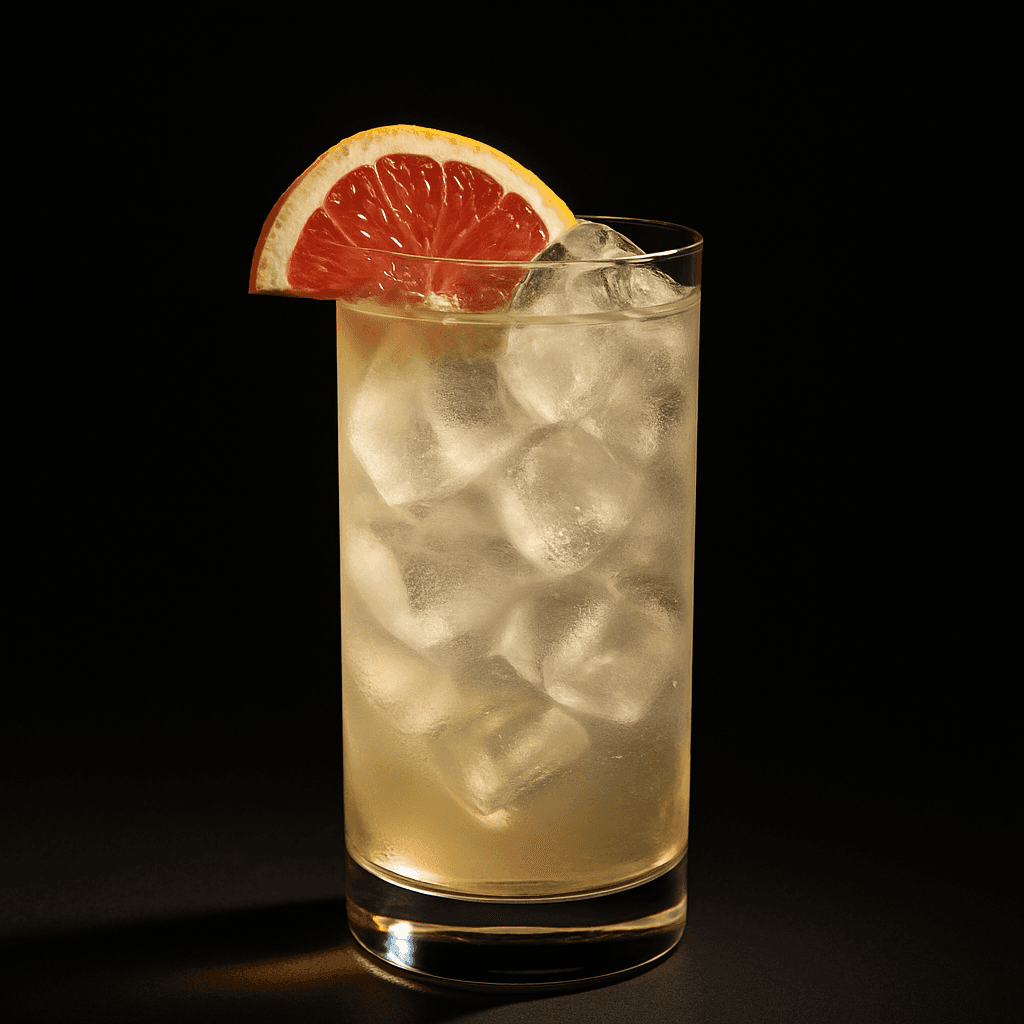
Long Drink
Finland's beloved national cocktail, the Long Drink is a refreshingly simple yet sophisticated blend of gin and grapefruit soda. Born from necessity during the 1952 Helsinki Olympics, this iconic drink has become synonymous with Finnish culture and summer celebrations.
Stinger
A classic after-dinner cocktail that combines the warming richness of cognac with the cool bite of white crème de menthe. This deceptively simple two-ingredient drink delivers a sophisticated balance of heat and refreshment.
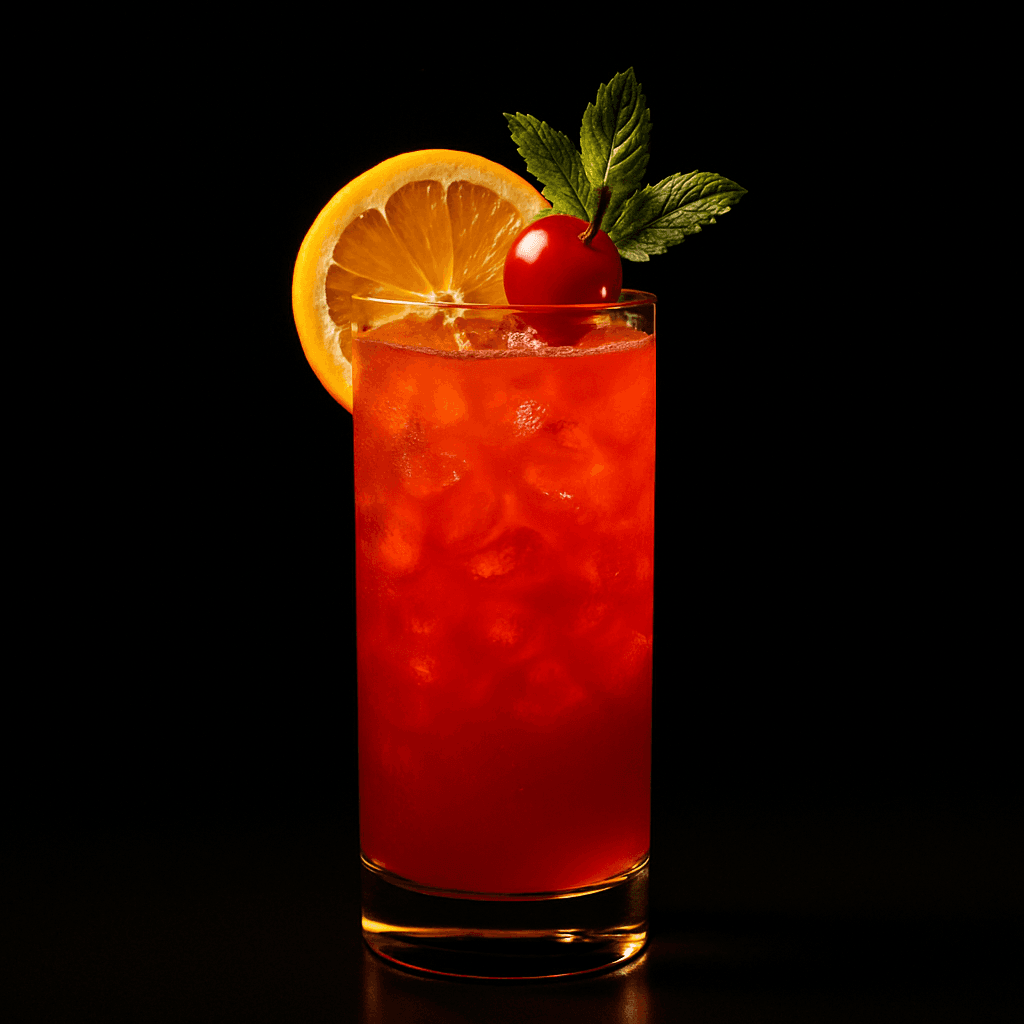
Fruit Punch Mocktail
A vibrant and refreshing non-alcoholic fruit punch that combines tropical and citrus flavors with sparkling water. This crowd-pleasing mocktail delivers all the festive spirit of traditional punch with layers of natural fruit sweetness and a beautiful ruby-red color.
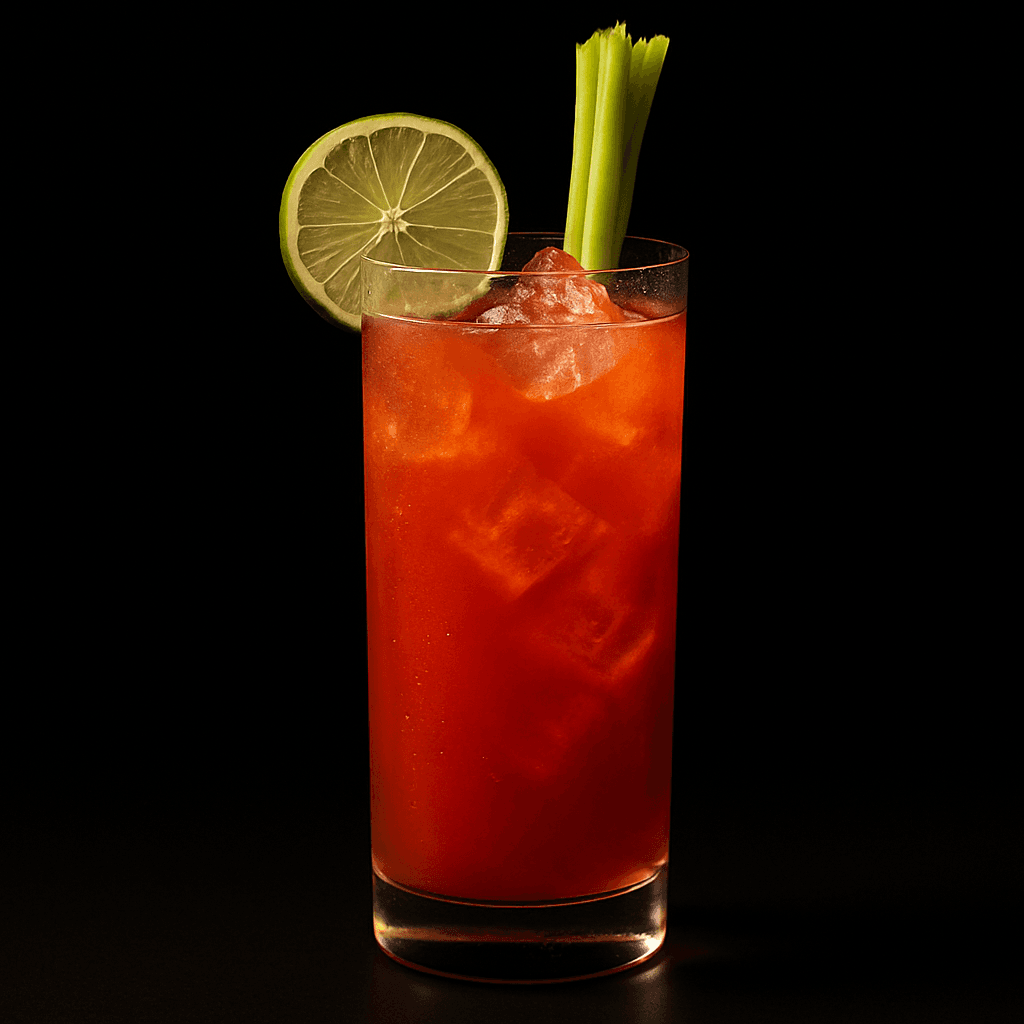
Vampiro
A bold and bloody Mexican cocktail that combines the earthy complexity of tequila with tangy tomato juice, citrus, and spicy seasonings. This savory sipper is perfect for those who love a drink with bite.
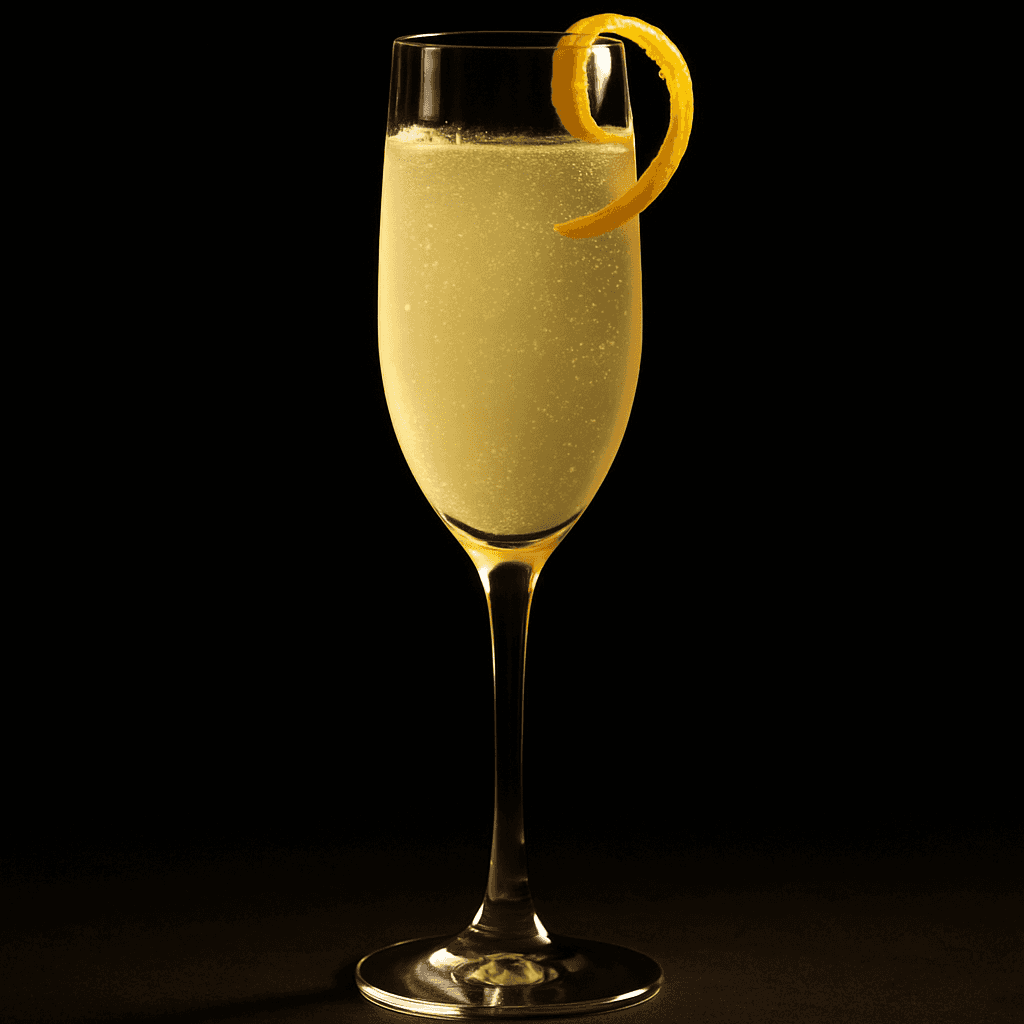
French 75 Mocktail
An elegant alcohol-free interpretation of the classic French 75, combining fresh lemon juice, simple syrup, and sparkling grape juice for a sophisticated and refreshing beverage. This mocktail captures all the effervescence and citrusy brightness of the original without the gin.
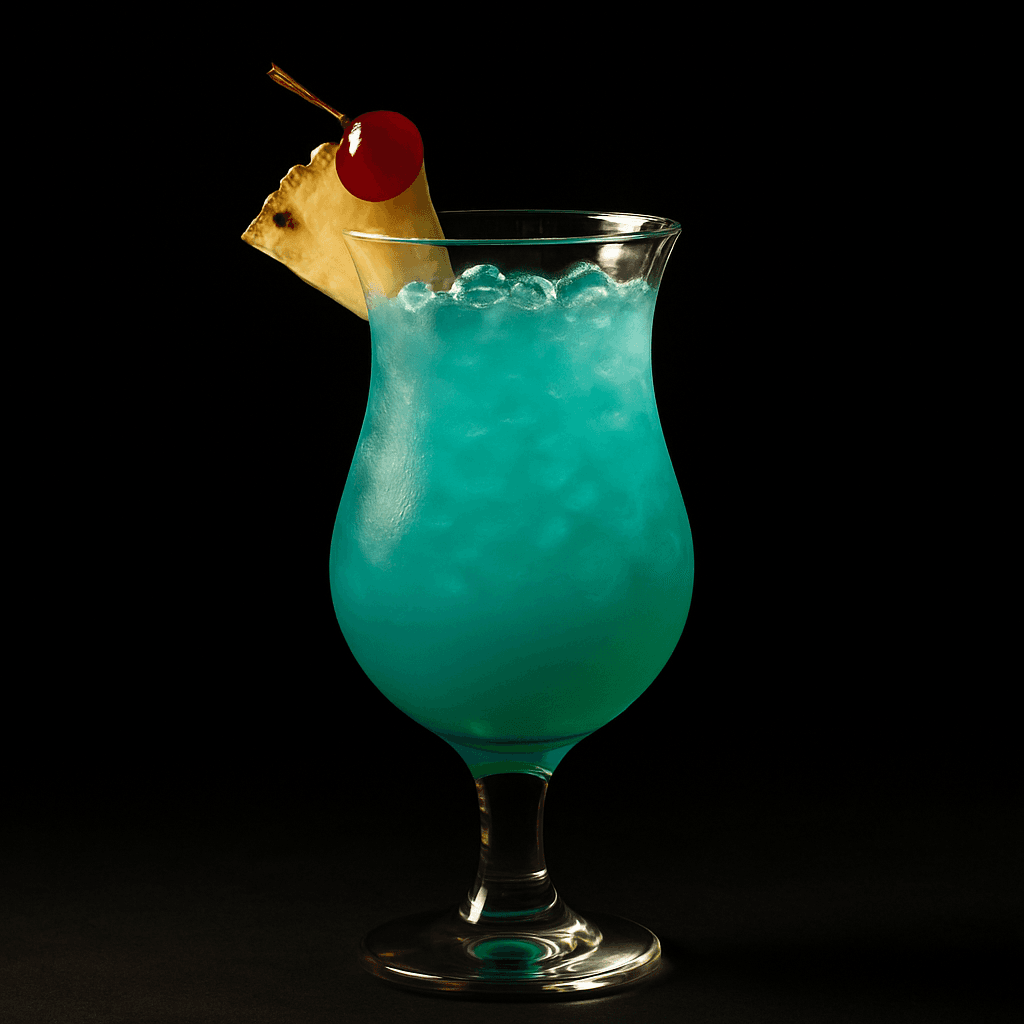
Sex in the Driveway
A vibrant blue tropical cocktail that's a playful twist on the classic Sex on the Beach. This fruity concoction combines peach schnapps, vodka, and blue curaçao with tropical juices for a refreshing, Instagram-worthy drink.
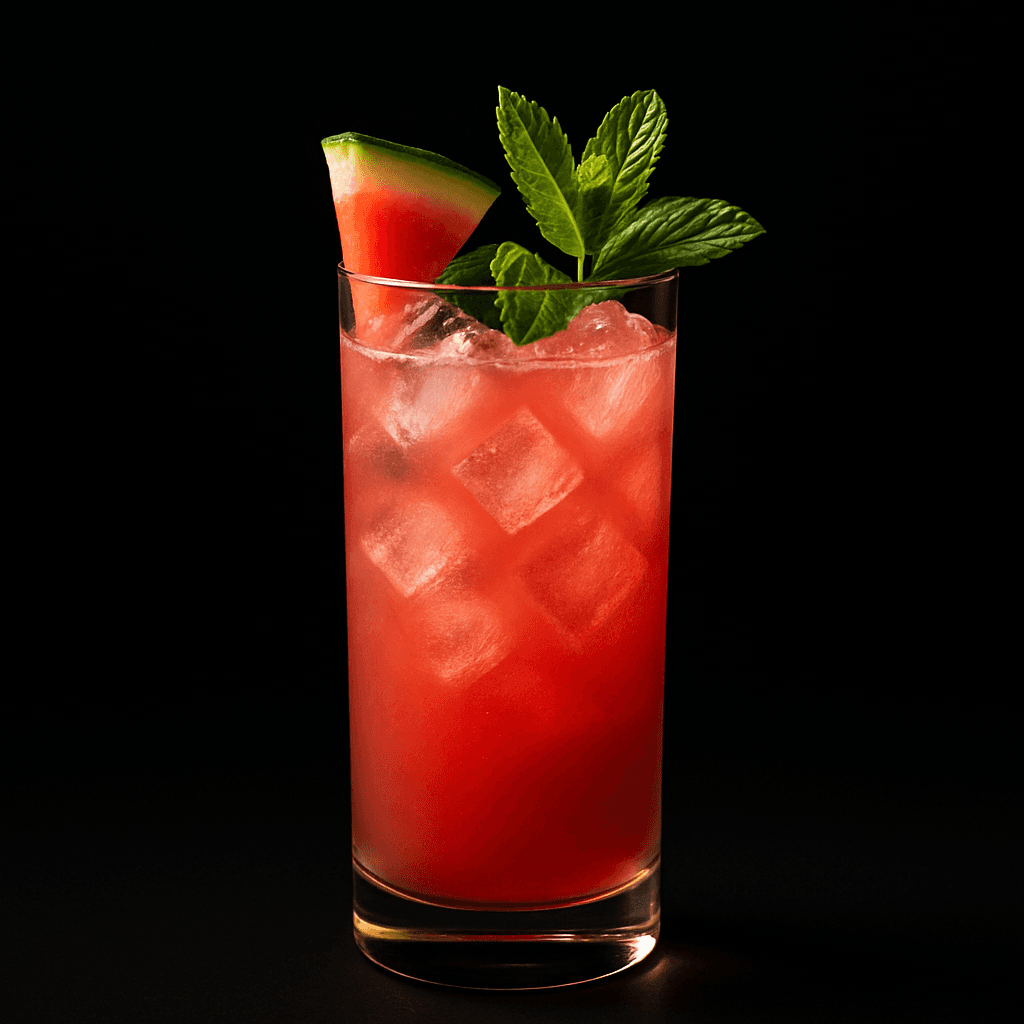
Watermelon Mint Mocktail
A refreshing and vibrant non-alcoholic cocktail that combines the sweet, juicy essence of fresh watermelon with crisp mint and a hint of lime. This thirst-quenching mocktail is perfect for summer gatherings and offers all the sophistication of a craft cocktail without the alcohol.
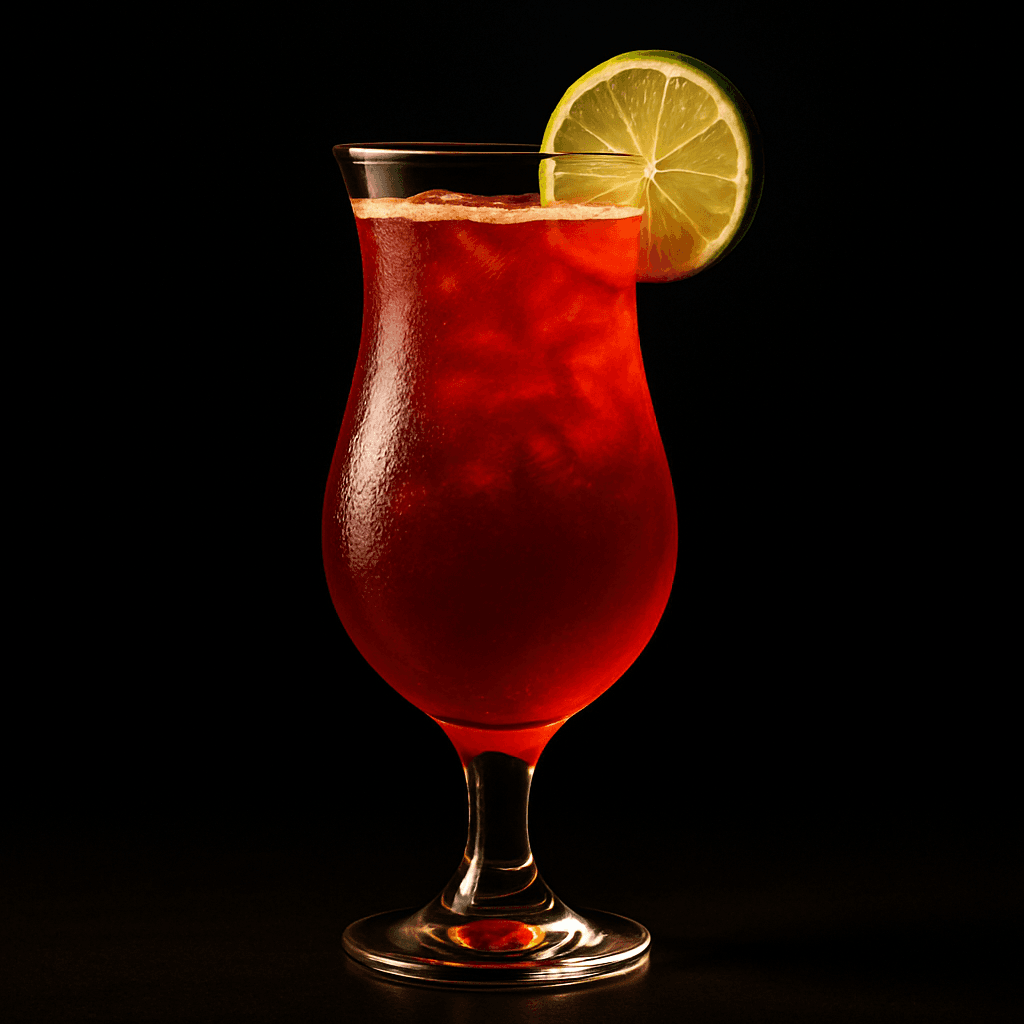
Brompton Cocktail
A sophisticated medicinal-inspired cocktail that transforms the historical pain-relieving mixture into an elegant libation. This complex drink balances herbal notes with warming spirits and a touch of sweetness.
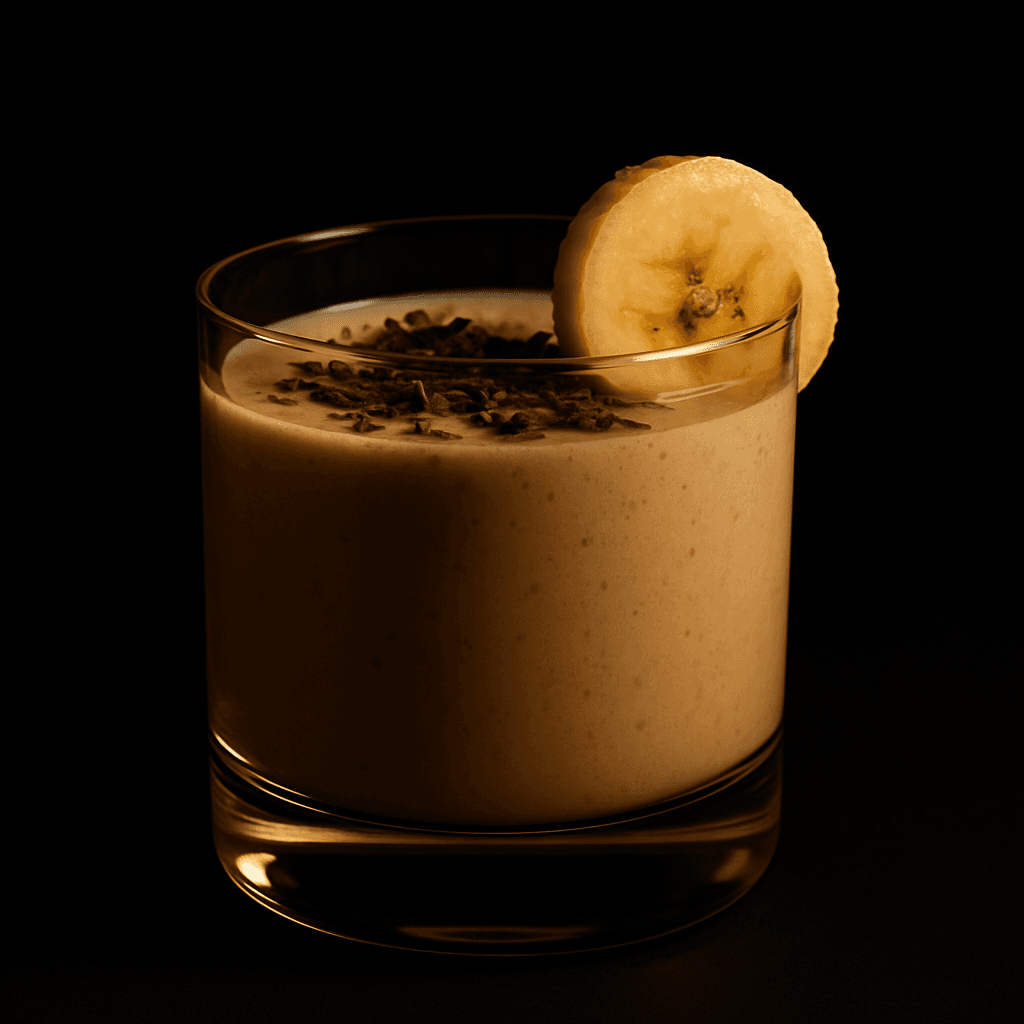
Dirty Monkey
A rich, tropical cocktail that combines the smooth sweetness of banana liqueur with dark rum and coffee liqueur. This indulgent drink delivers layers of chocolate, coffee, and banana flavors that create a dessert-like cocktail experience.
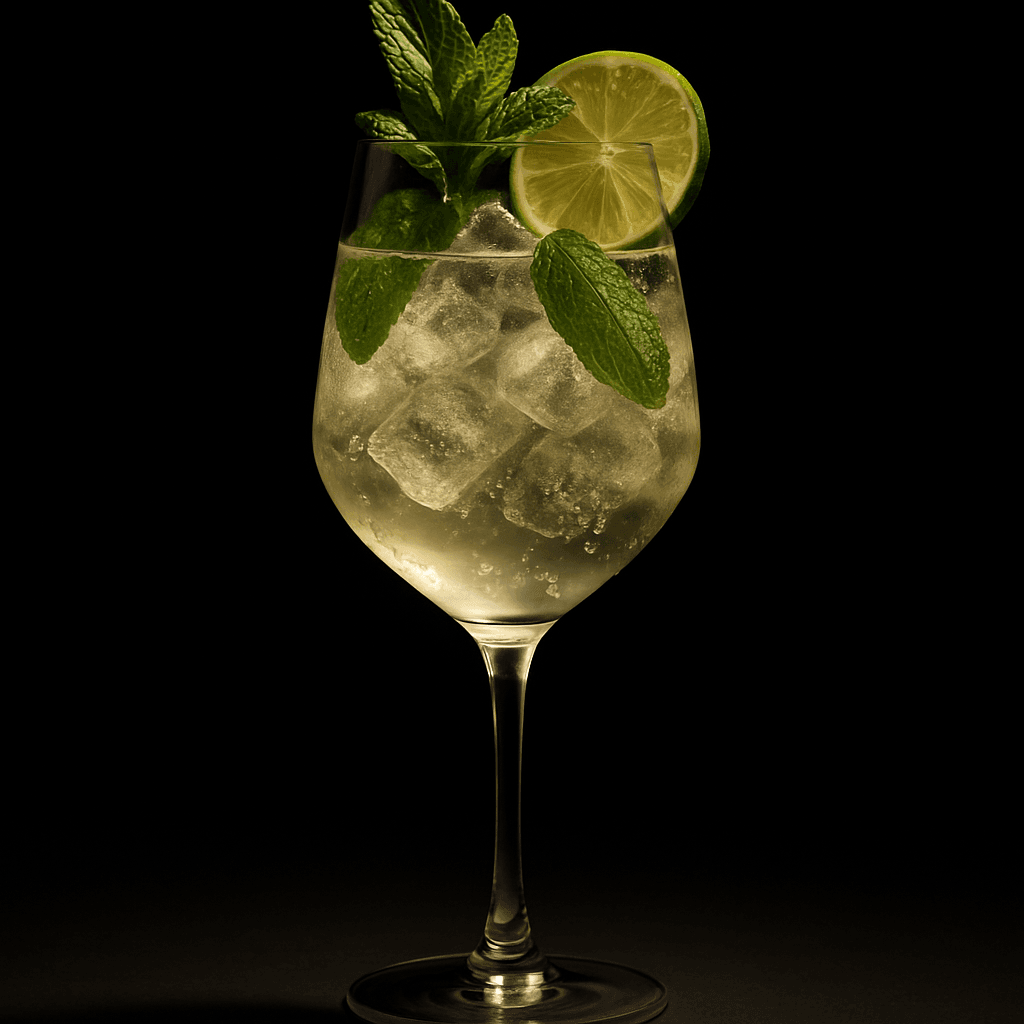
Hugo
A refreshing Austrian spritz cocktail featuring elderflower syrup, prosecco, and fresh mint. This light and floral aperitif has become a beloved summer drink across Europe.
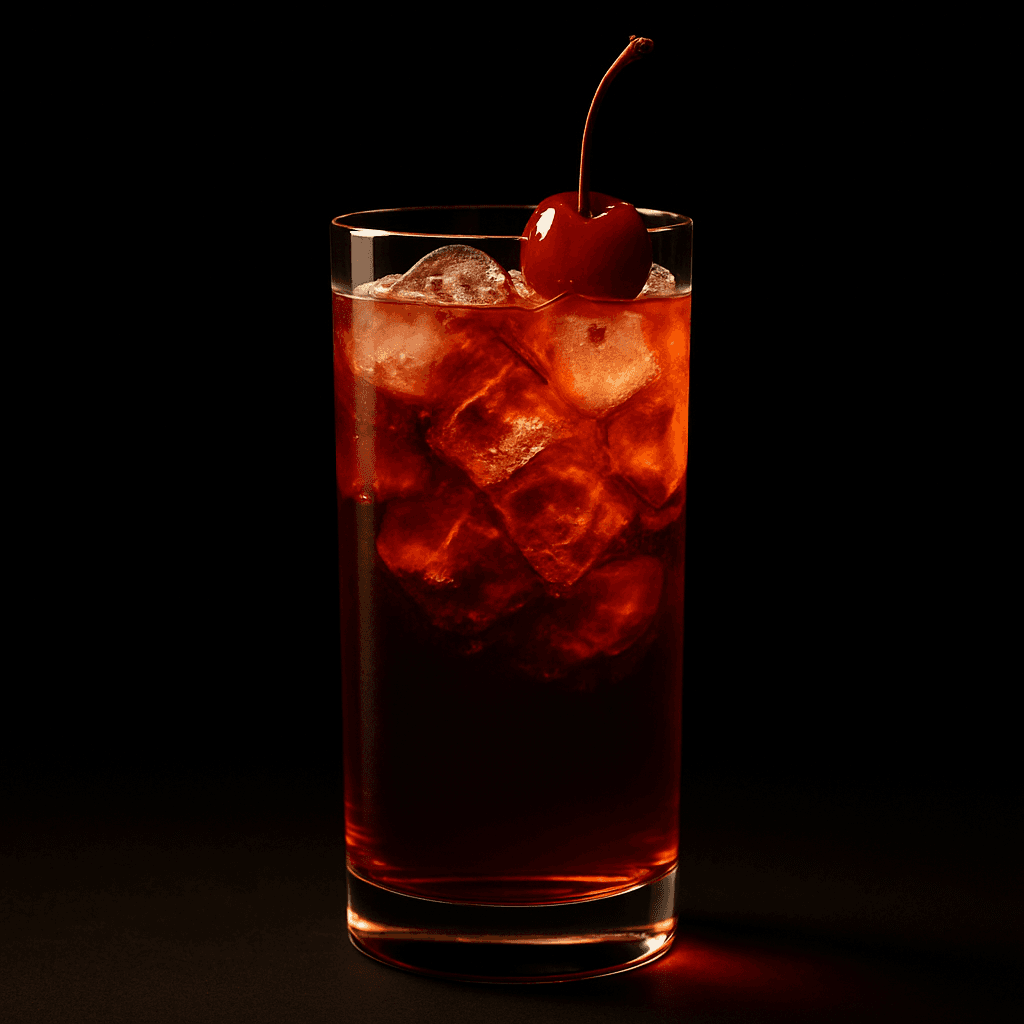
Roy Rogers Mocktail
A classic American non-alcoholic cocktail combining cola with grenadine syrup and garnished with a maraschino cherry. This sweet, fizzy drink is named after the famous cowboy actor and remains a popular choice for all ages.
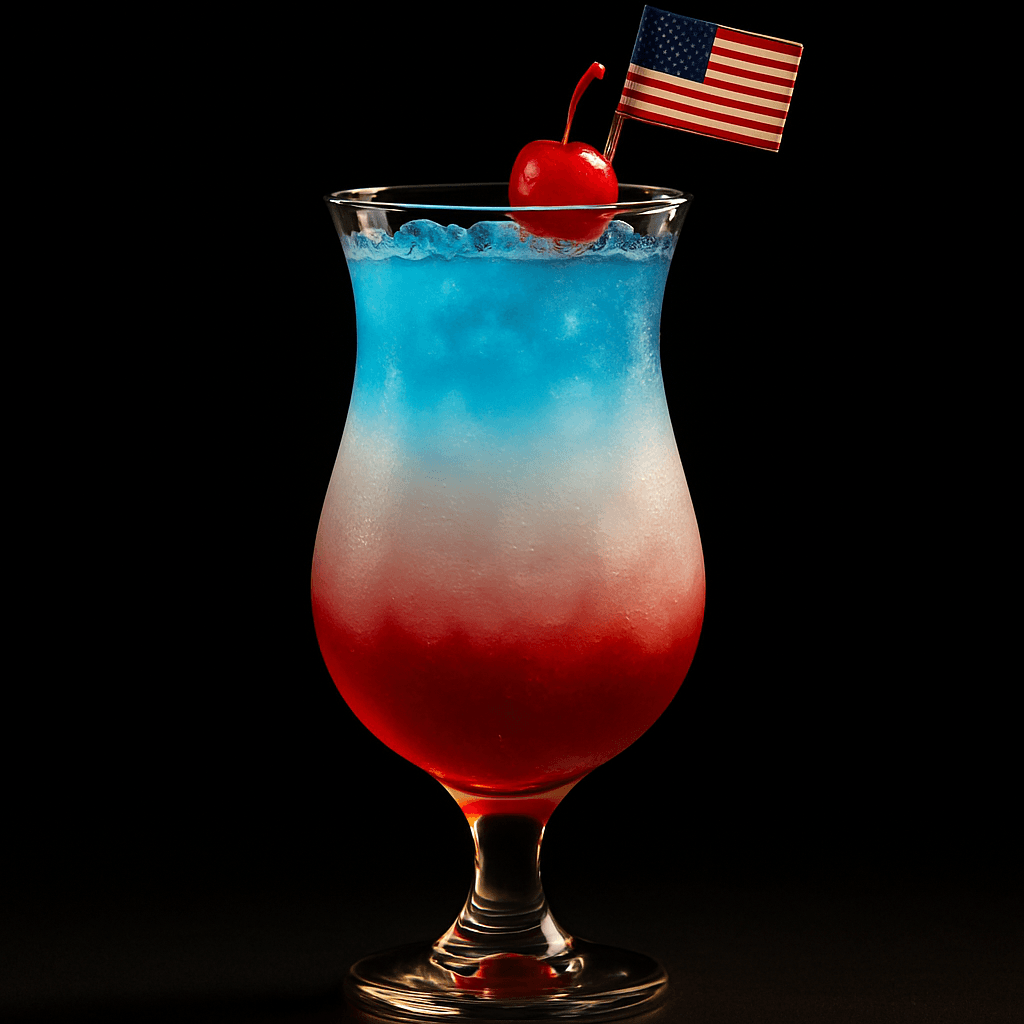
Bomb Pop
A vibrant layered cocktail that captures the nostalgic flavors of the classic red, white, and blue popsicle. This patriotic drink features distinct cherry, coconut, and blue curaçao layers that create a stunning visual presentation.
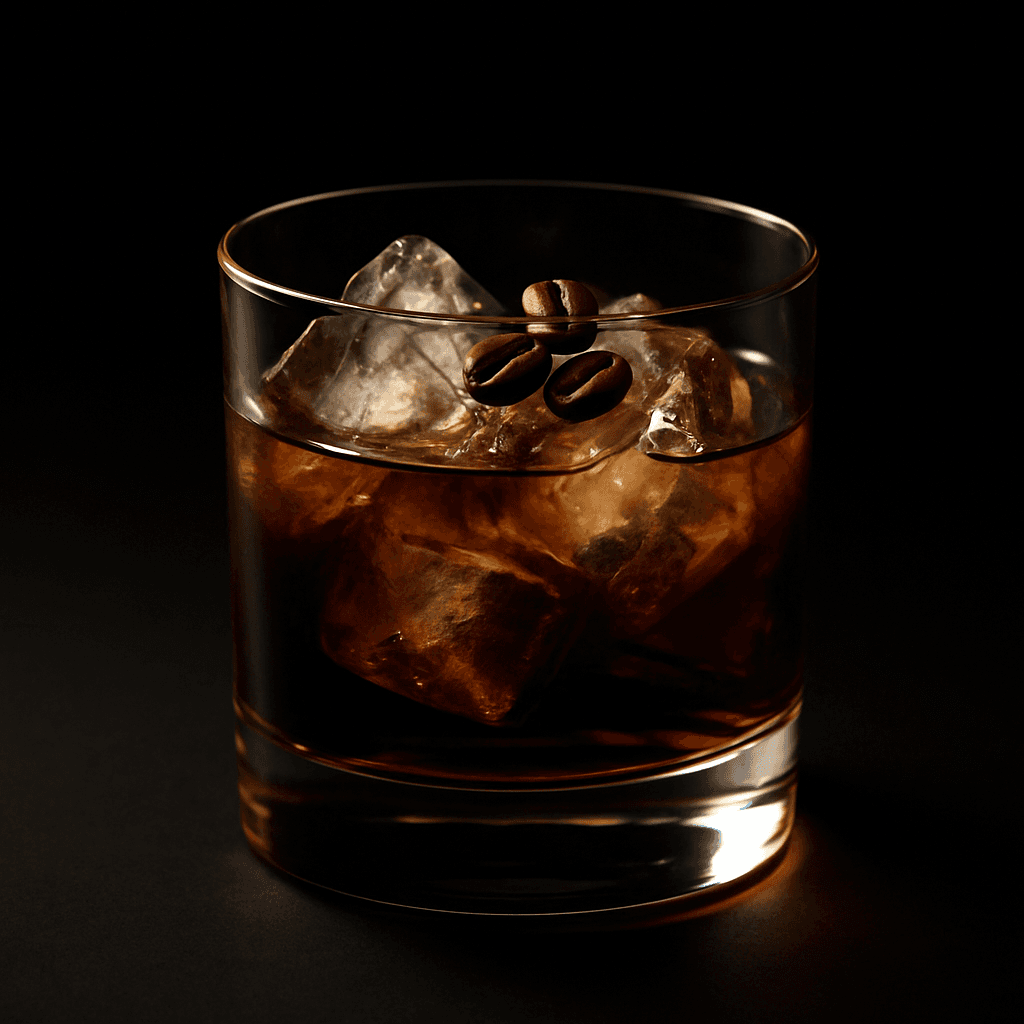
Black Russian
A simple yet sophisticated two-ingredient cocktail that combines vodka with coffee liqueur over ice. This dark, smooth drink delivers rich coffee notes balanced by clean vodka strength.
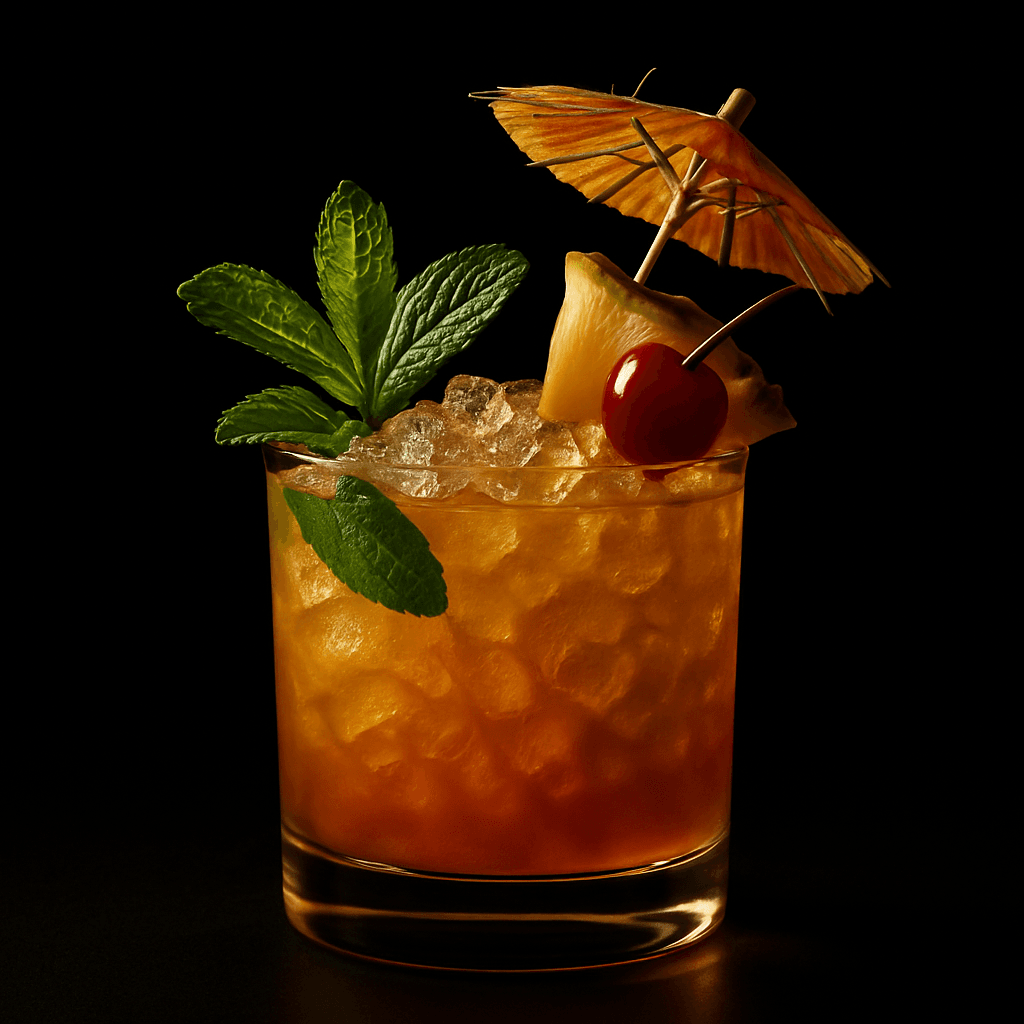
Mai Tai Mocktail
A vibrant, non-alcoholic tribute to the classic Polynesian cocktail that captures all the tropical essence without the rum. This refreshing mocktail combines the bright tartness of passion fruit and lime with the rich sweetness of orgeat syrup and orange juice.
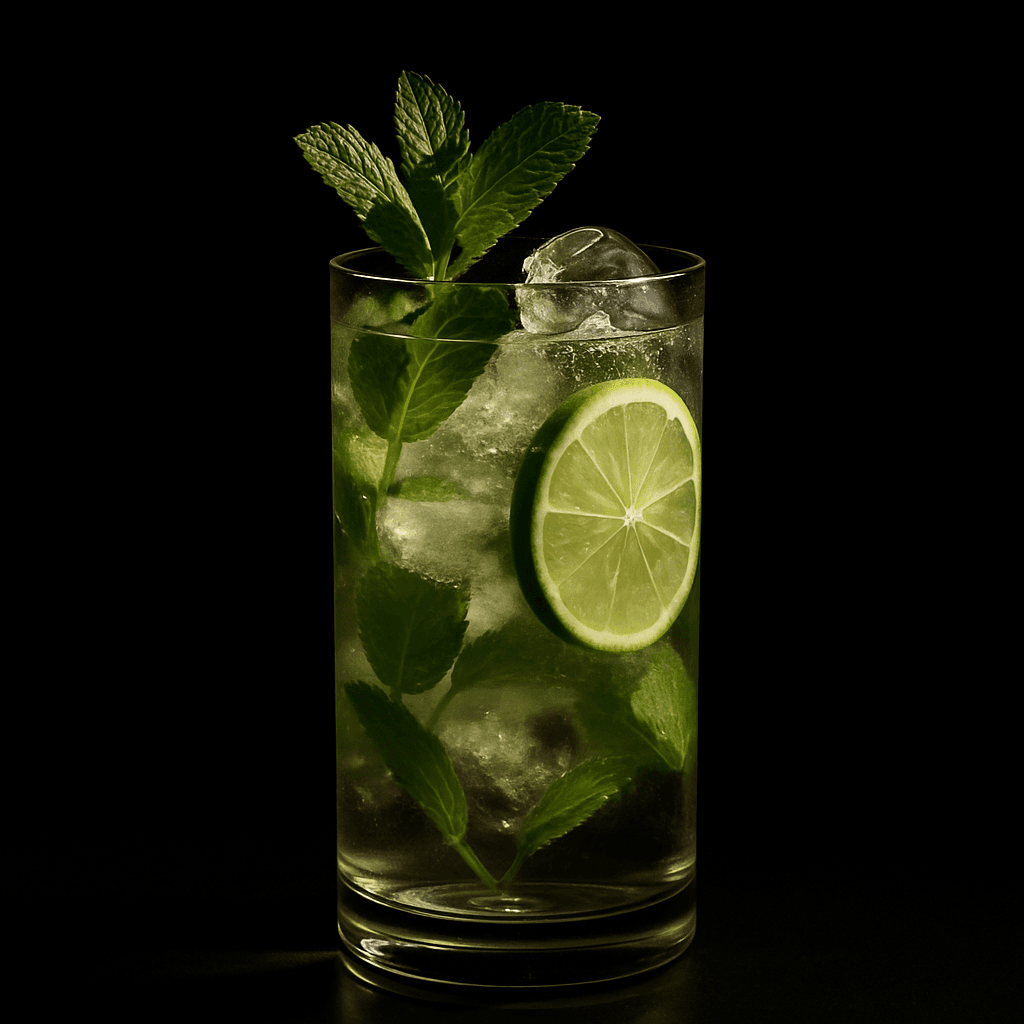
Non-Alcoholic Nojito Mocktail
A refreshing virgin mojito that captures all the bright, minty essence of the Cuban classic without the rum. Fresh lime juice, muddled mint, and sparkling water create a perfectly balanced mocktail that's both sophisticated and thirst-quenching.
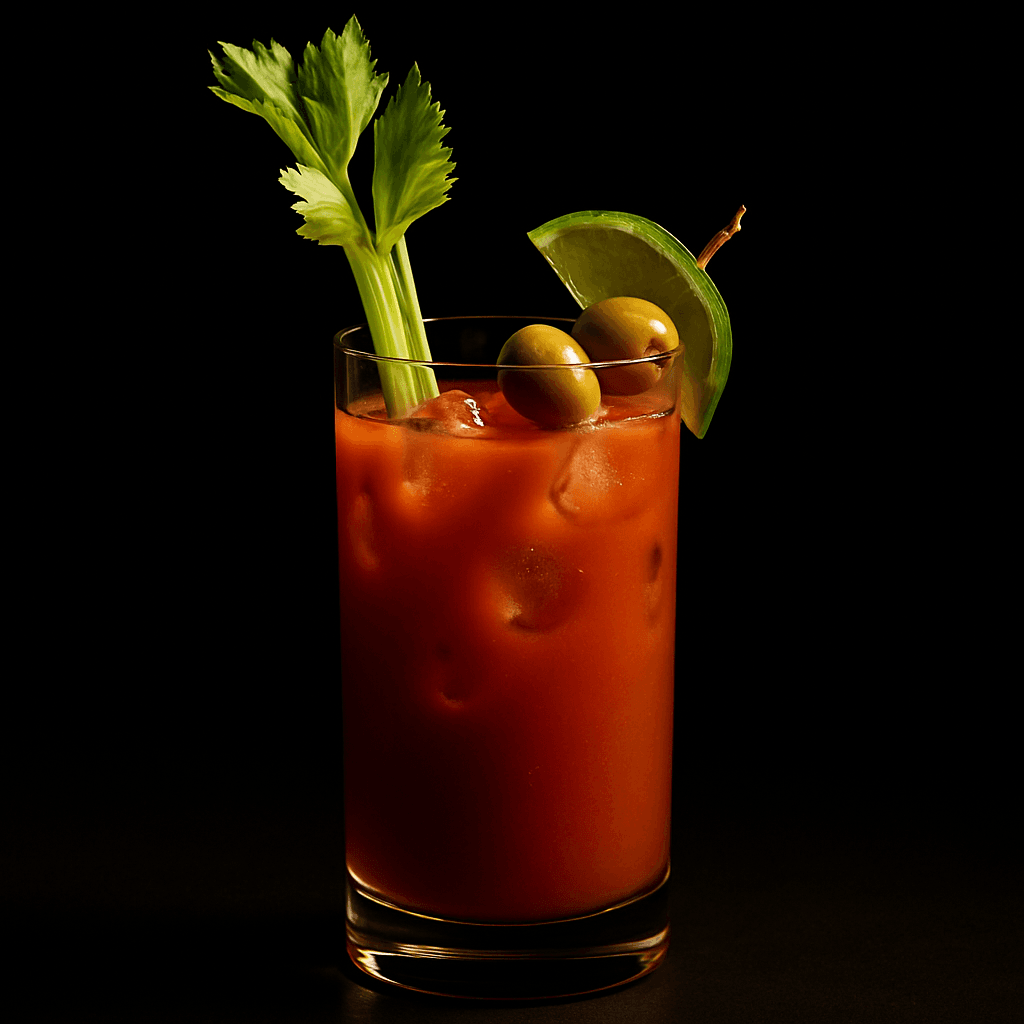
Bloody Mary Mocktail
A vibrant, non-alcoholic take on the classic Bloody Mary that delivers all the savory, spicy complexity without the vodka. This mocktail combines tomato juice with a carefully balanced blend of spices and umami-rich ingredients for a satisfying brunch companion.
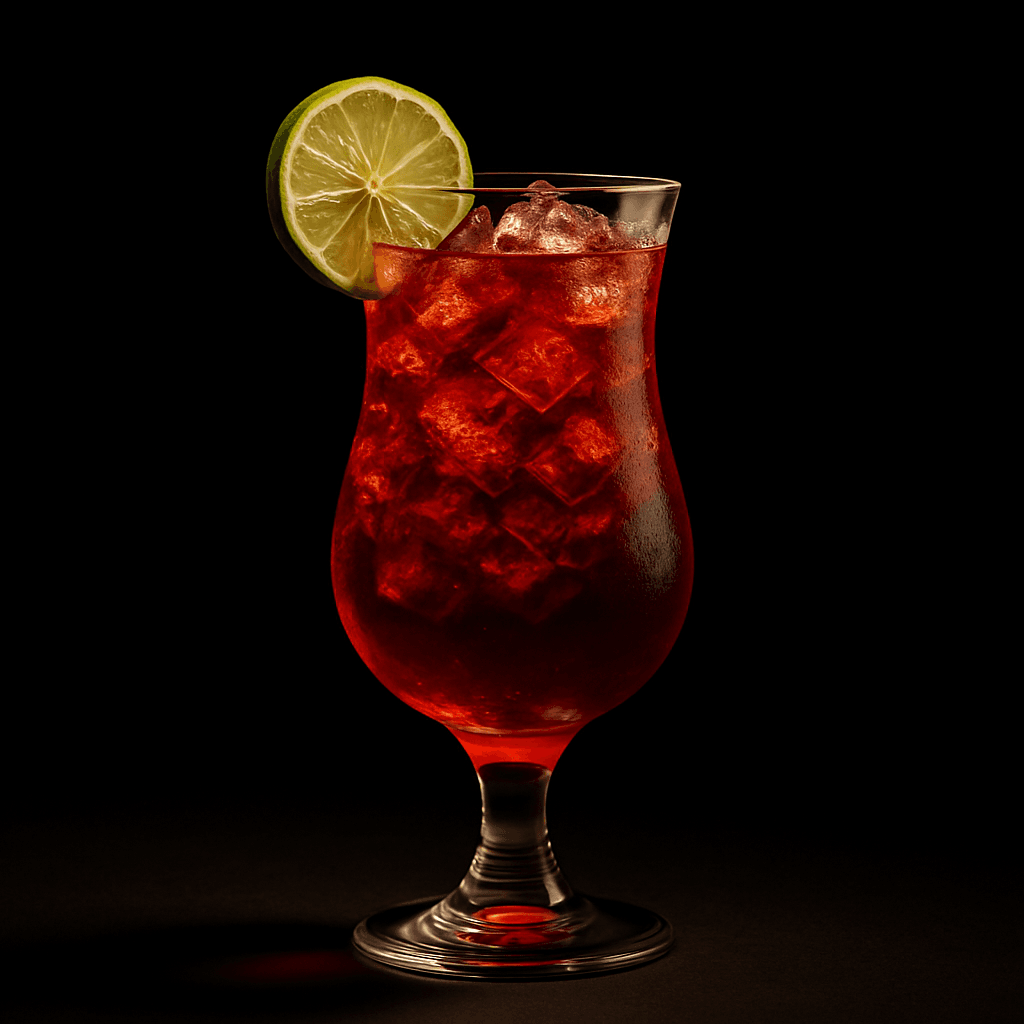
Roy Rogers
A classic non-alcoholic cocktail combining cola and grenadine, garnished with maraschino cherries. Named after the famous cowboy actor, this sweet and refreshing drink has been a favorite mocktail since the 1940s.
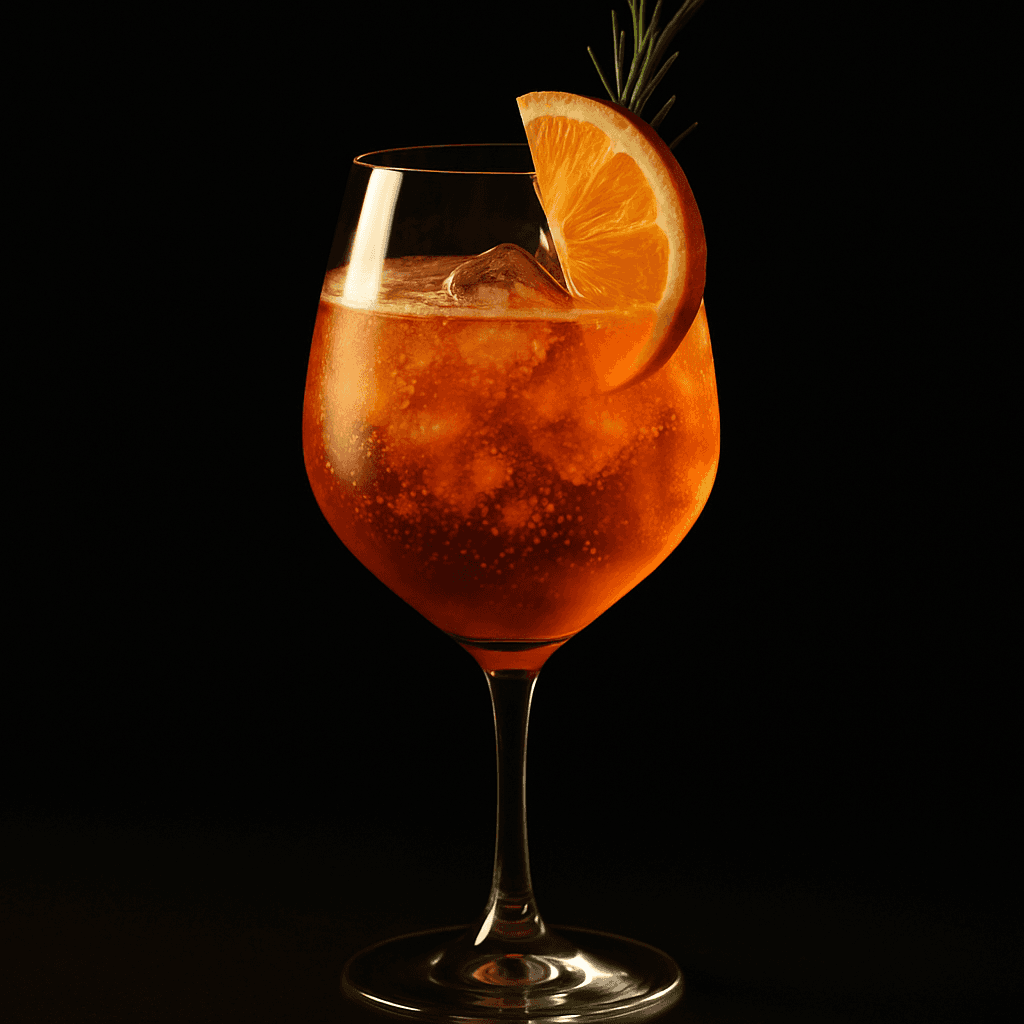
Virgin Aperol Spritz
A vibrant non-alcoholic interpretation of the beloved Italian aperitivo, capturing the bitter-sweet complexity of the original without the alcohol. This refreshing mocktail combines bitter orange flavors with effervescent bubbles for the perfect afternoon sipper.
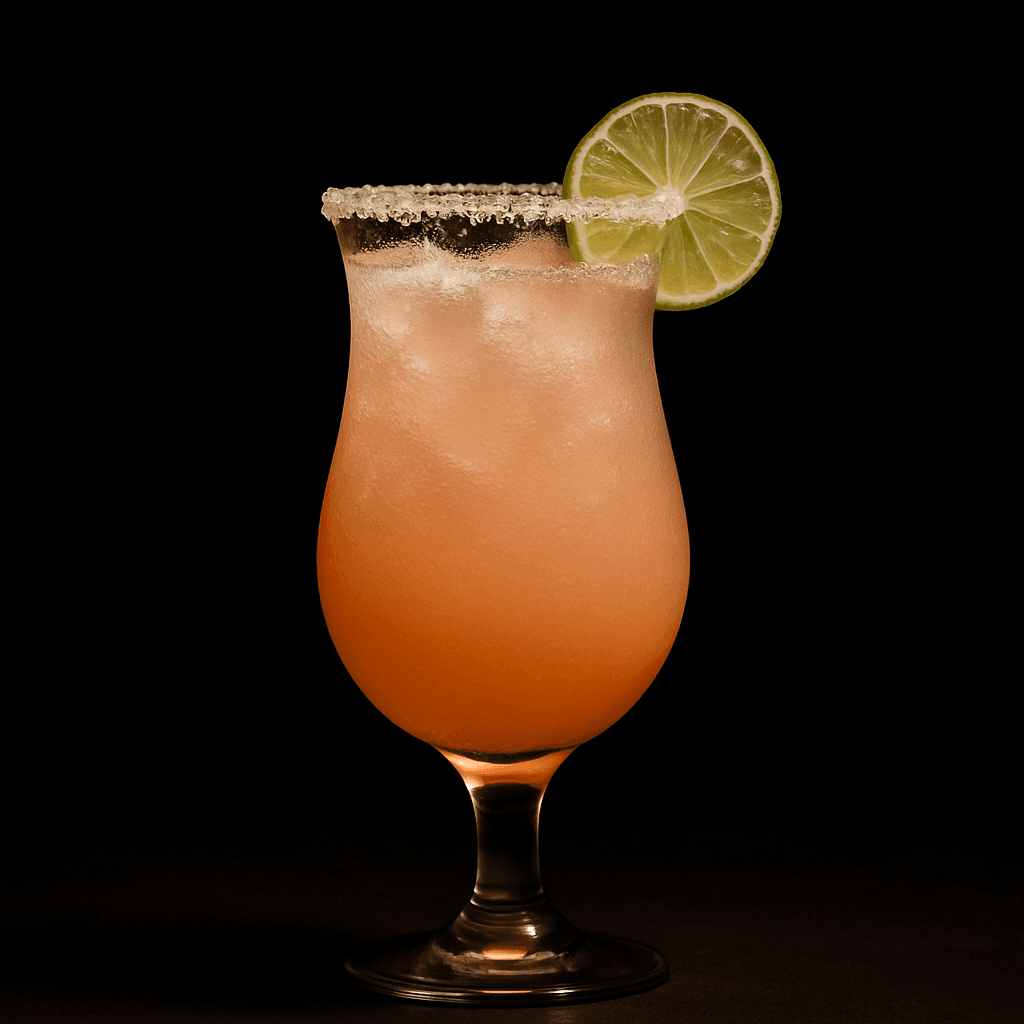
Salty Dog
A refreshing and tangy grapefruit cocktail with a distinctive salted rim. This simple yet satisfying drink combines the bright acidity of fresh grapefruit juice with smooth vodka or gin, creating a perfect balance of tart and salty flavors.
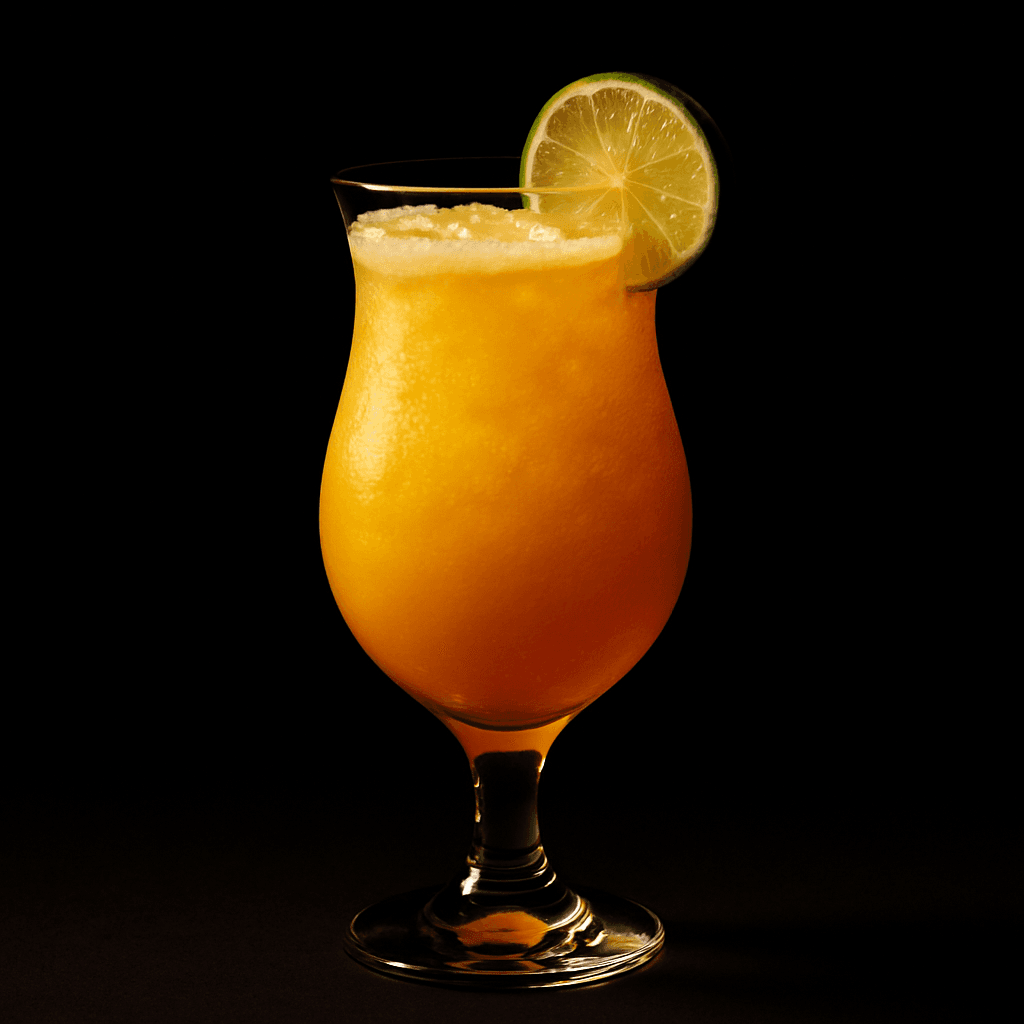
Cortisol Cocktail
A calming, adaptogenic-inspired mocktail designed to help you unwind and reset. This sophisticated blend combines earthy ashwagandha, bright citrus, and soothing honey to create a drink that tastes as good as it makes you feel.
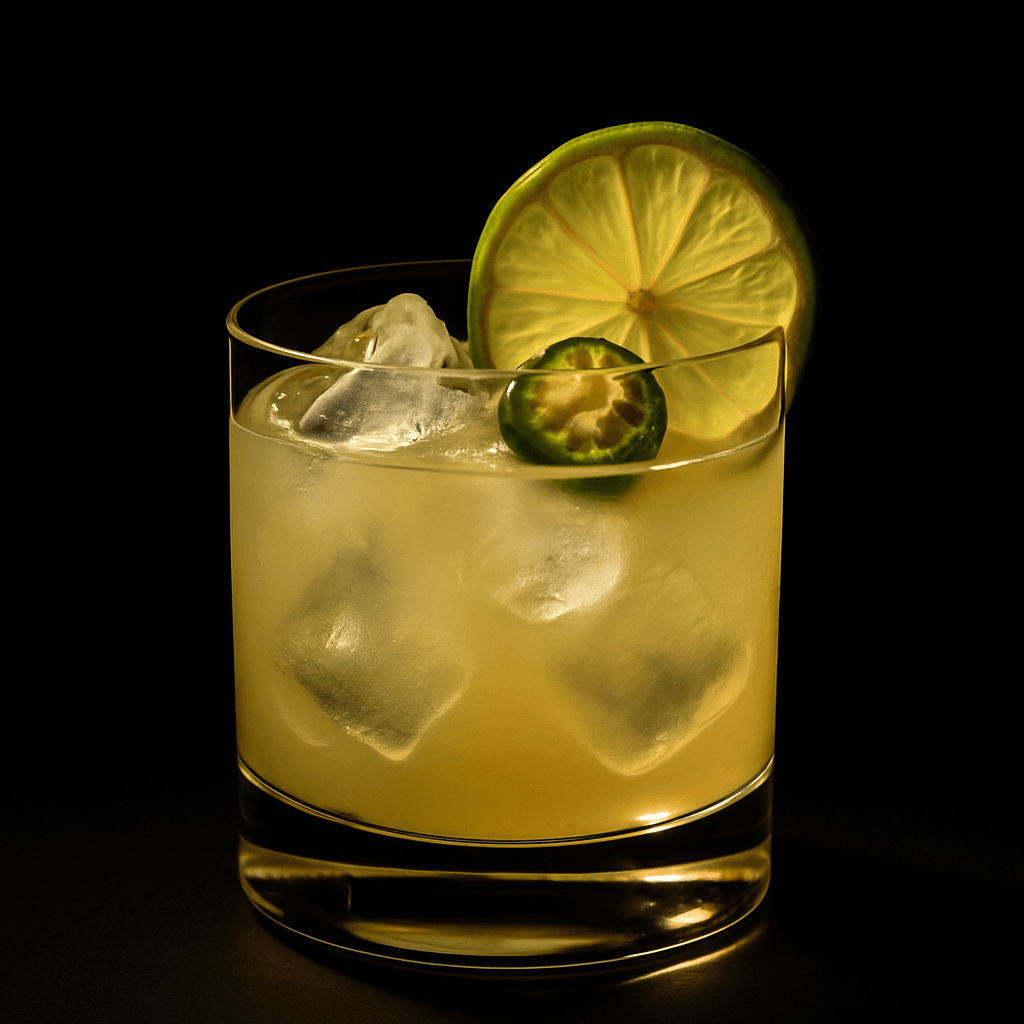
Spicy Margarita Mocktail
A vibrant non-alcoholic version of the classic margarita with a fiery kick from jalapeño and a perfect balance of lime, agave, and heat. This mocktail delivers all the complexity and satisfaction of its spirited counterpart.
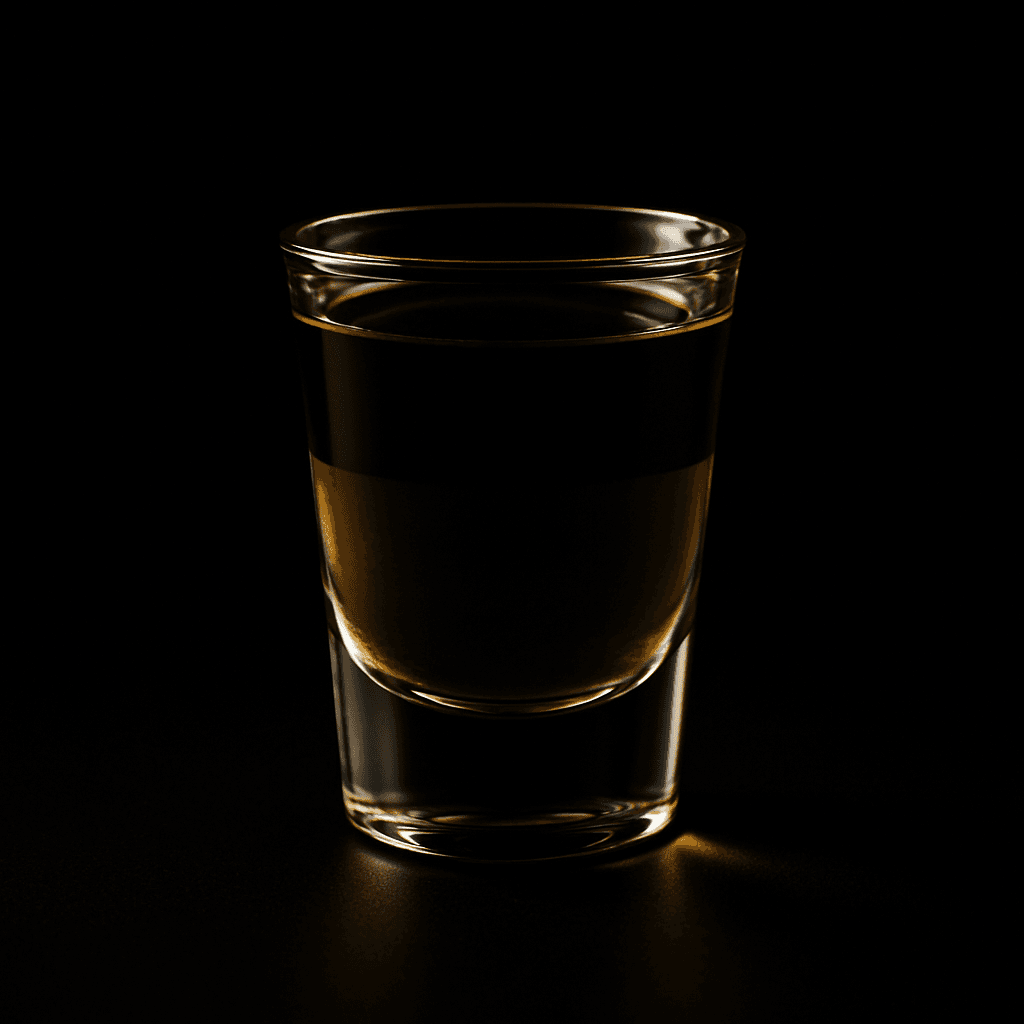
Liquid Cocaine
A potent, high-energy shot that combines multiple spirits with sweet liqueurs for an intense flavor experience. Despite its provocative name, this popular party shot delivers a smooth, layered taste that balances strength with sweetness.
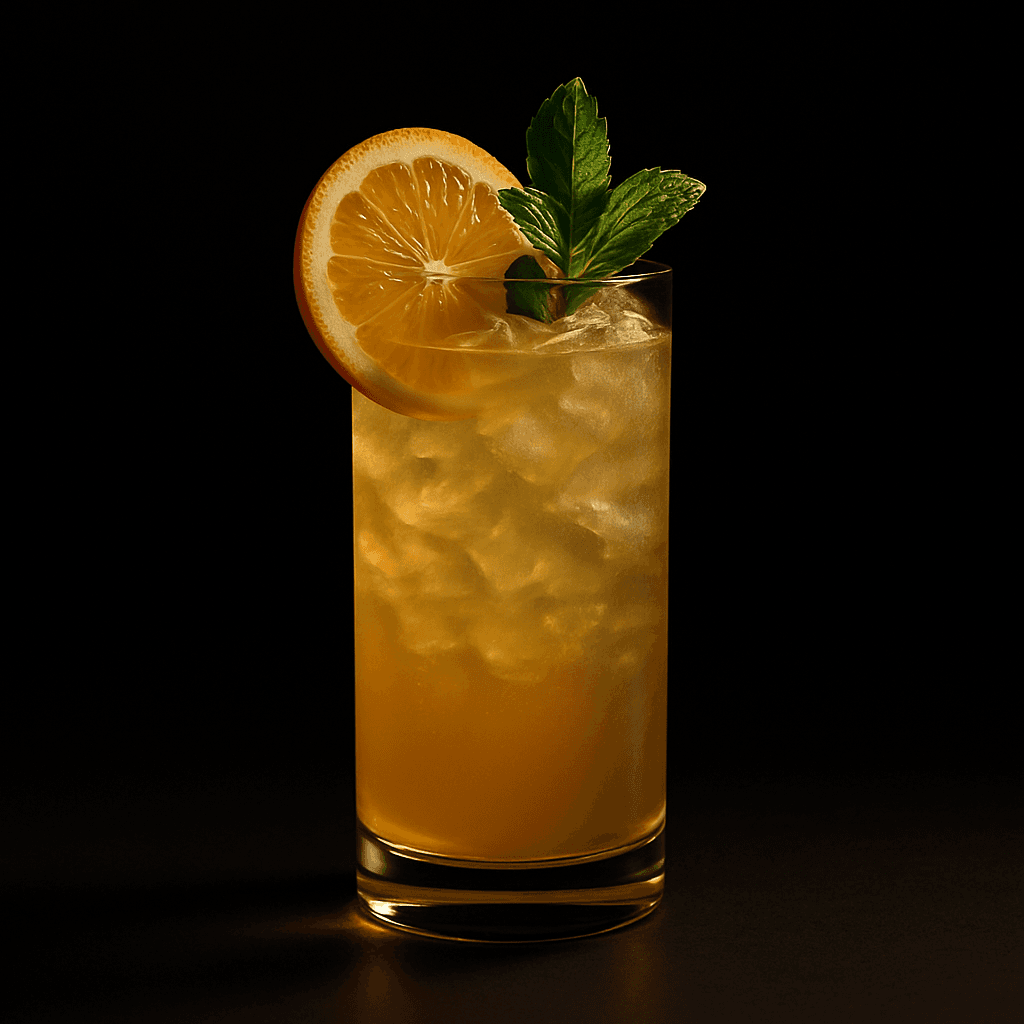
Adrenal Restore Mocktail
A nutrient-dense wellness mocktail designed to support adrenal health with natural vitamin C, potassium, and sodium. This refreshing blend combines fresh orange juice, coconut water, and a hint of sea salt for optimal hydration and mineral balance.
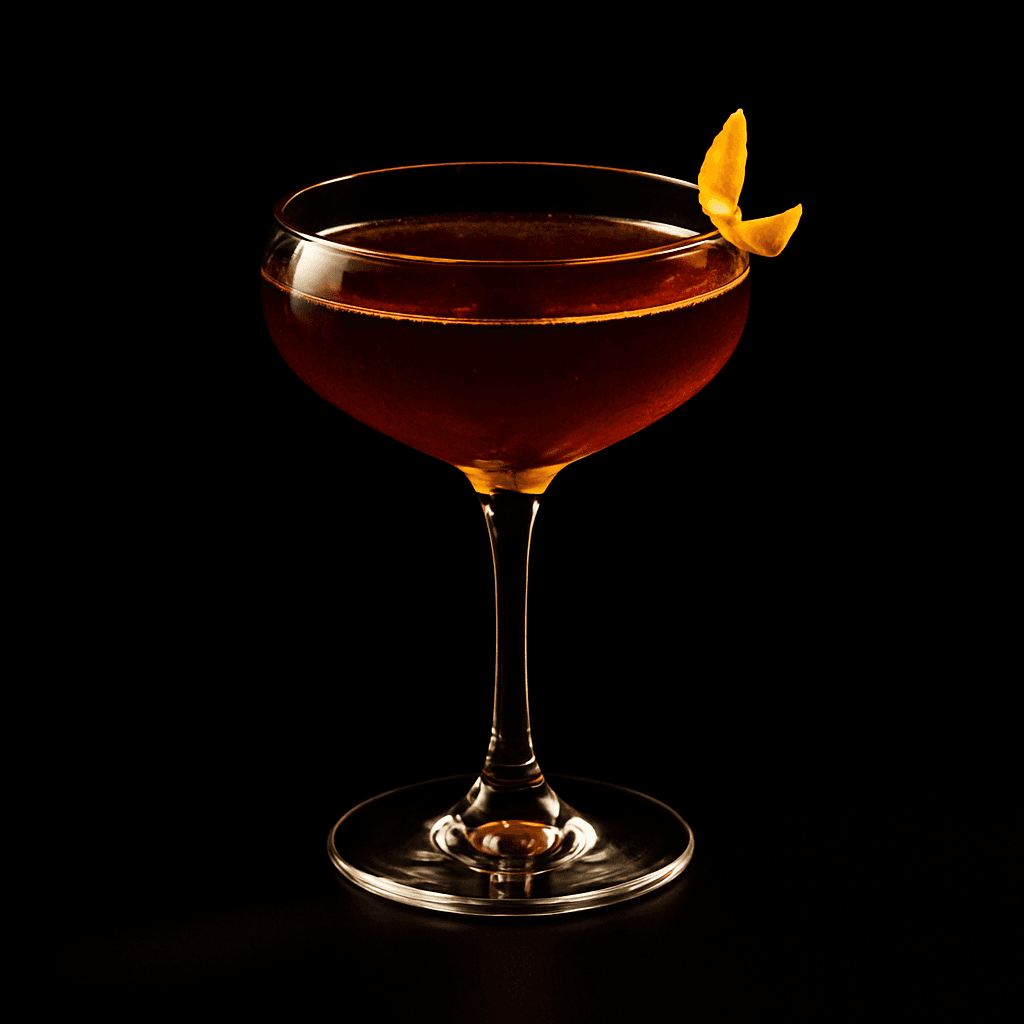
Preakness Cocktail
A sophisticated whiskey cocktail featuring rye whiskey, sweet vermouth, and Bénédictine liqueur. This golden-hued drink balances the spice of rye with herbal complexity and a touch of sweetness.
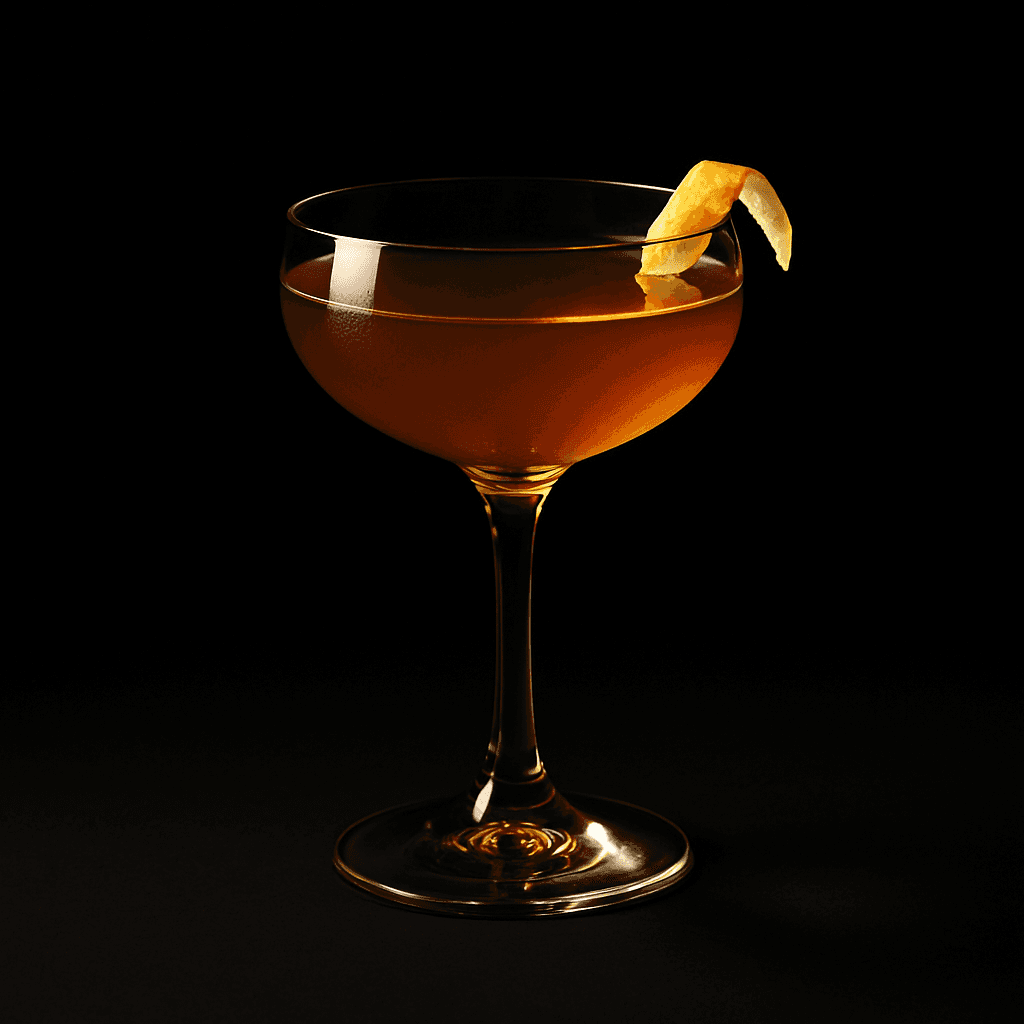
Japanese Cocktail
A pre-Prohibition classic featuring cognac enhanced with orgeat syrup and aromatic bitters. Despite its name, this cocktail has no Japanese origins but represents American bartending's golden age.
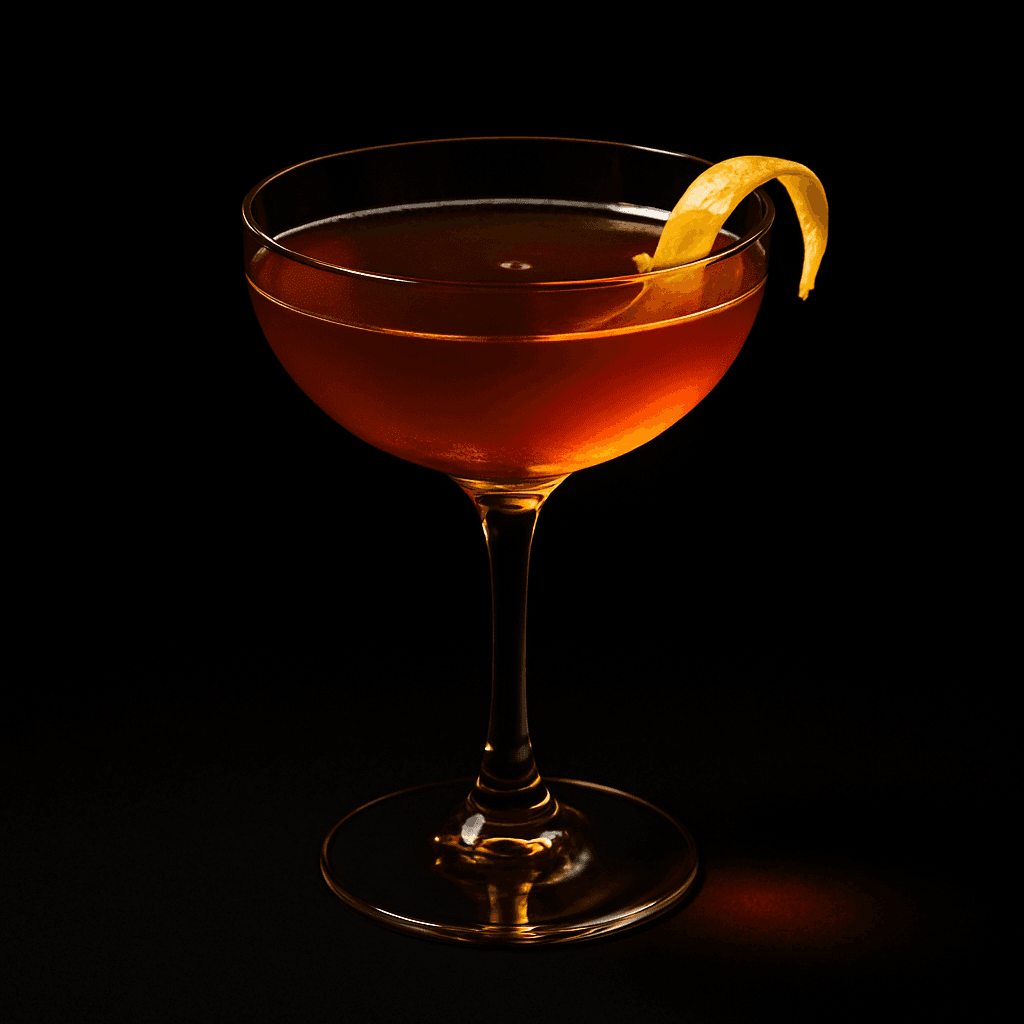
Preakness
A sophisticated whiskey cocktail that combines rye whiskey with sweet vermouth and Bénédictine, creating a complex and aromatic drink. Named after the famous horse race, this cocktail embodies the elegance and tradition of the Kentucky Derby's sister race.
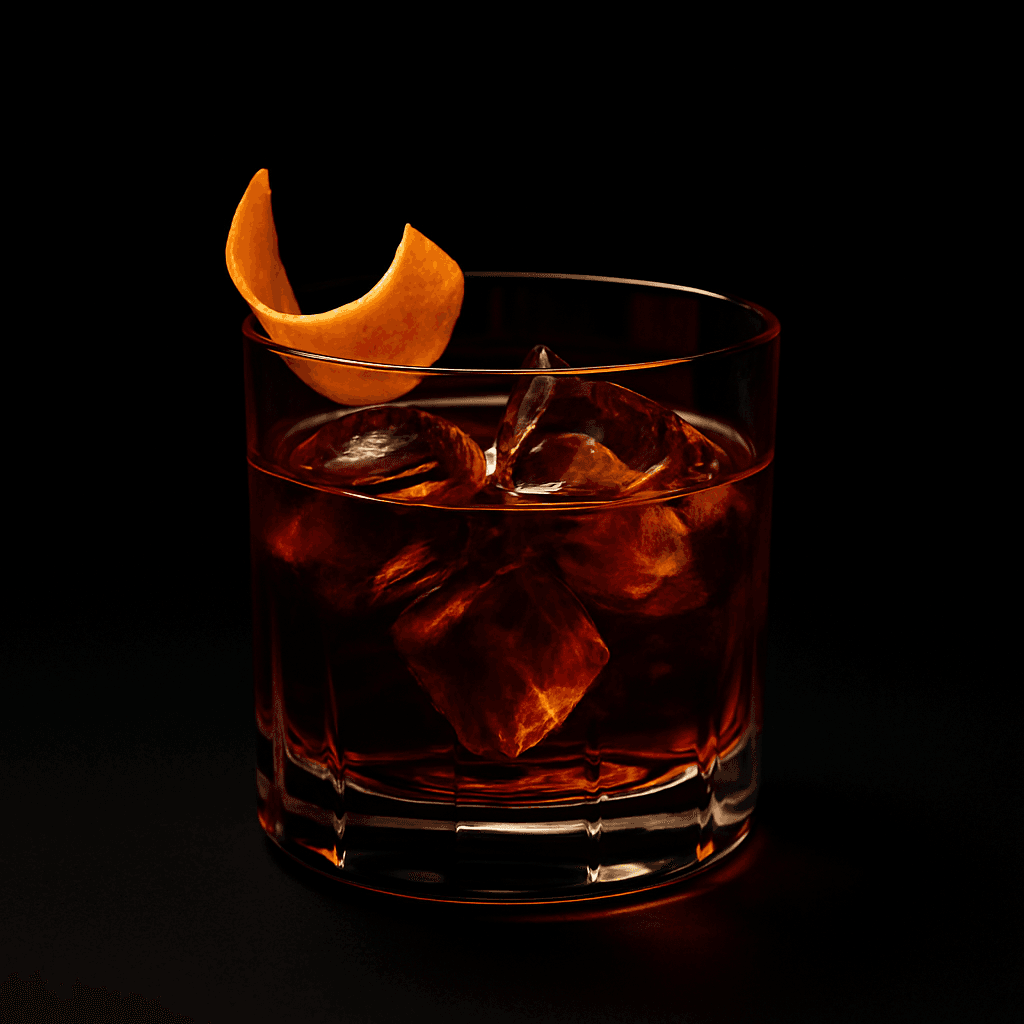
Negroni Mocktail
A sophisticated non-alcoholic interpretation of the classic Italian aperitif that captures the bitter-sweet complexity and ruby-red elegance of the original. This alcohol-free version uses botanical ingredients and artisanal bitters to recreate the iconic flavor profile.
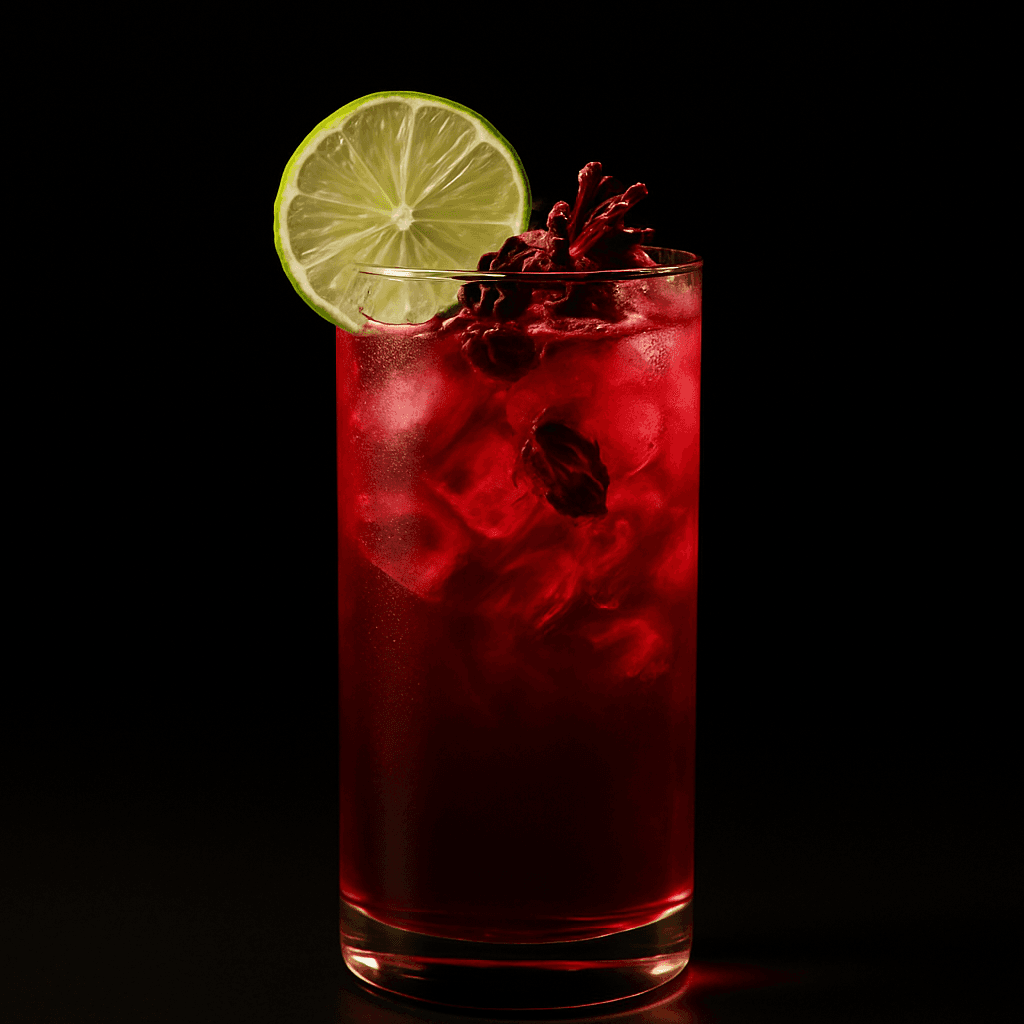
Hibiscus Bloom Mocktail
A vibrant, floral mocktail featuring tart hibiscus tea, bright citrus, and a touch of sweetness. This ruby-red refresher offers complex flavors without alcohol, perfect for any time of day.
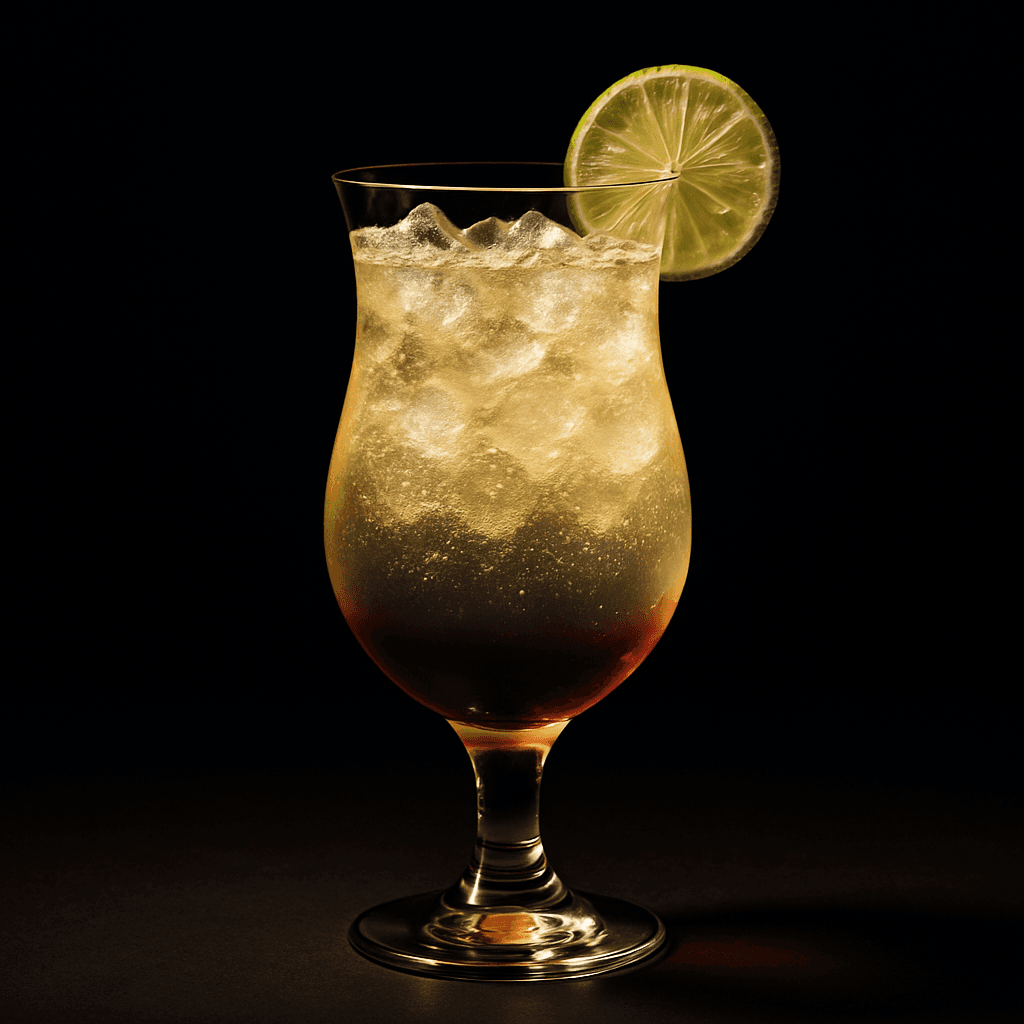
Blanc Cassis
A sophisticated French-inspired cocktail that marries the elegance of dry white wine with the luxurious sweetness of blackcurrant liqueur. This refreshing aperitif showcases the classic pairing of crisp wine and crème de cassis in perfect harmony.
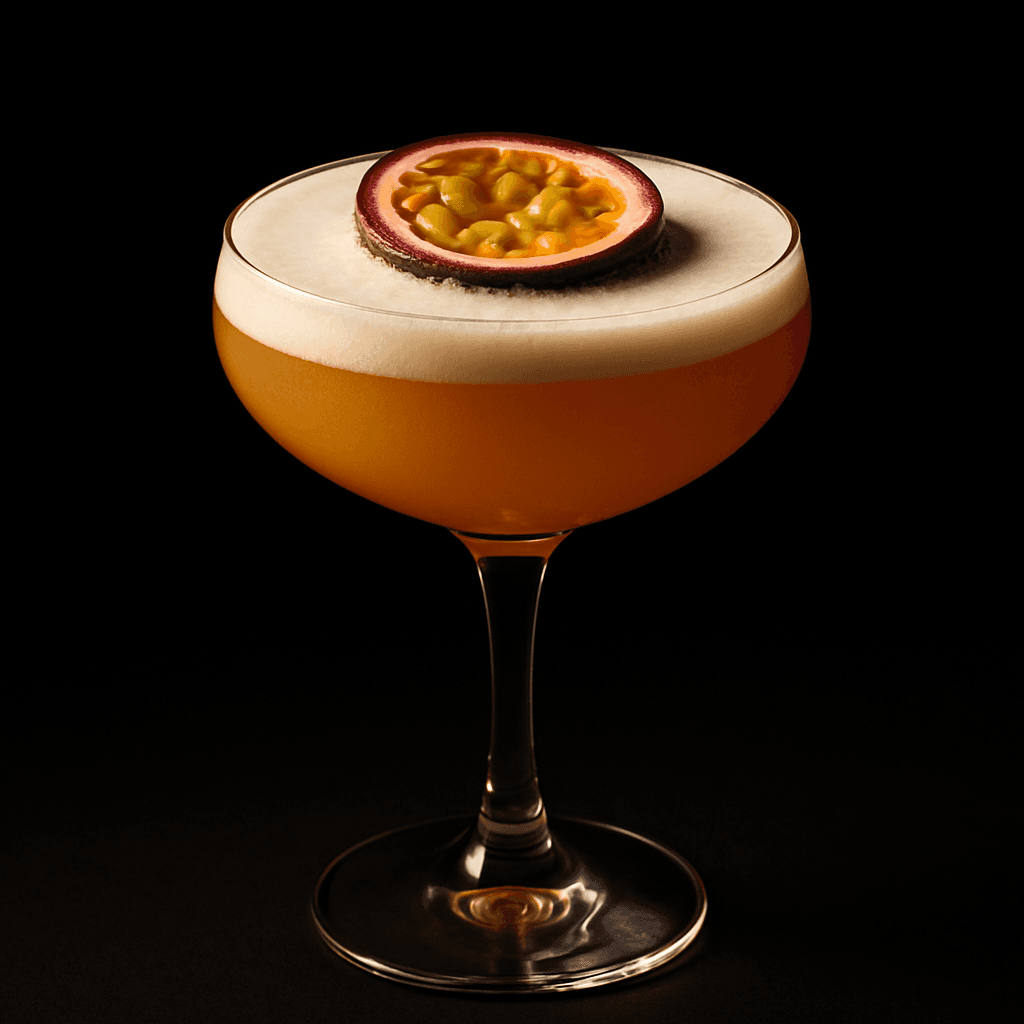
Pornstar Cocktail
A glamorous and seductive cocktail featuring vanilla vodka, passion fruit liqueur, and champagne. This pink-hued beauty combines tropical sweetness with effervescent elegance, creating a drink that's as bold and captivating as its provocative name.
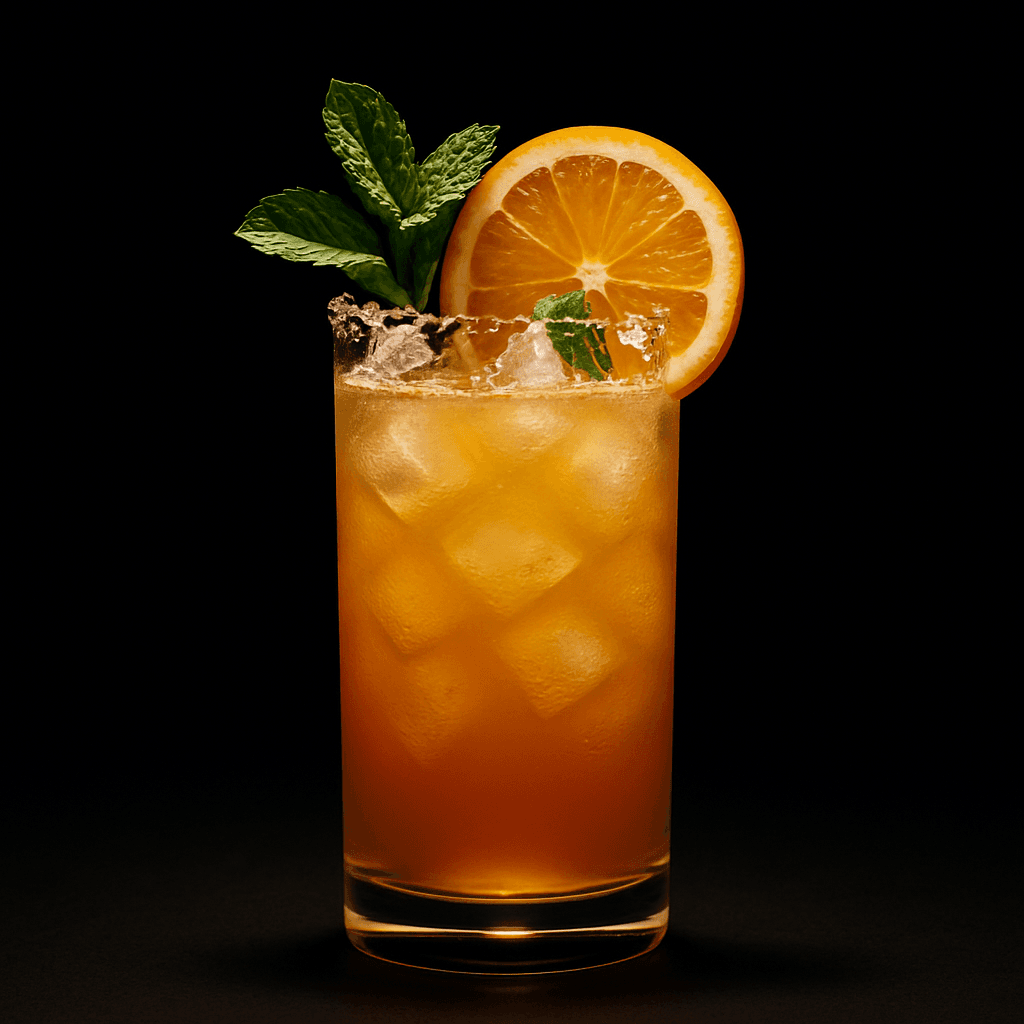
Adrenal Support Mocktail
A refreshing, nutrient-dense mocktail designed to support adrenal health with vitamin C-rich citrus, potassium from coconut water, and natural electrolytes. This wellness-focused drink combines functionality with fantastic flavor.
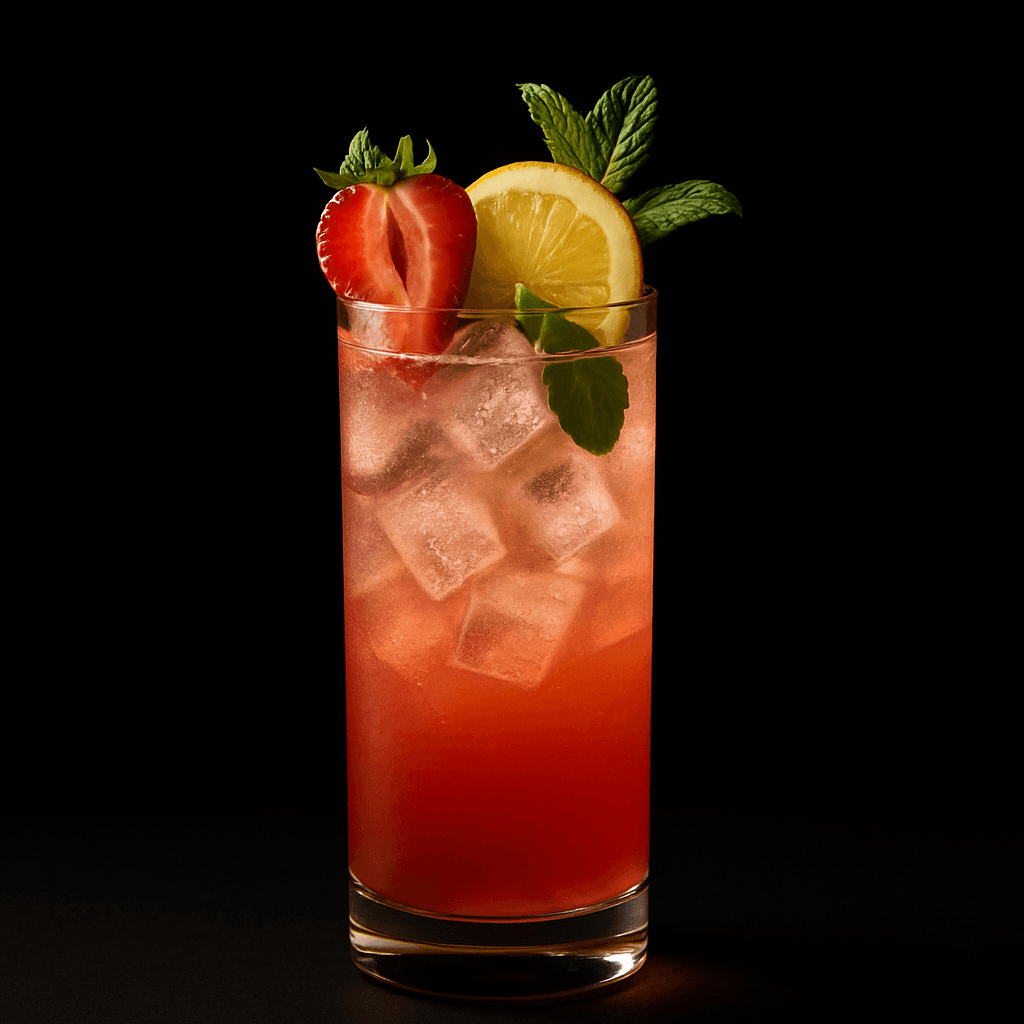
Strawberry Lemonade Mocktail
A vibrant and refreshing non-alcoholic cocktail that combines the sweetness of fresh strawberries with tart lemon juice. This crowd-pleasing mocktail is perfect for summer gatherings and those seeking a sophisticated alcohol-free option.
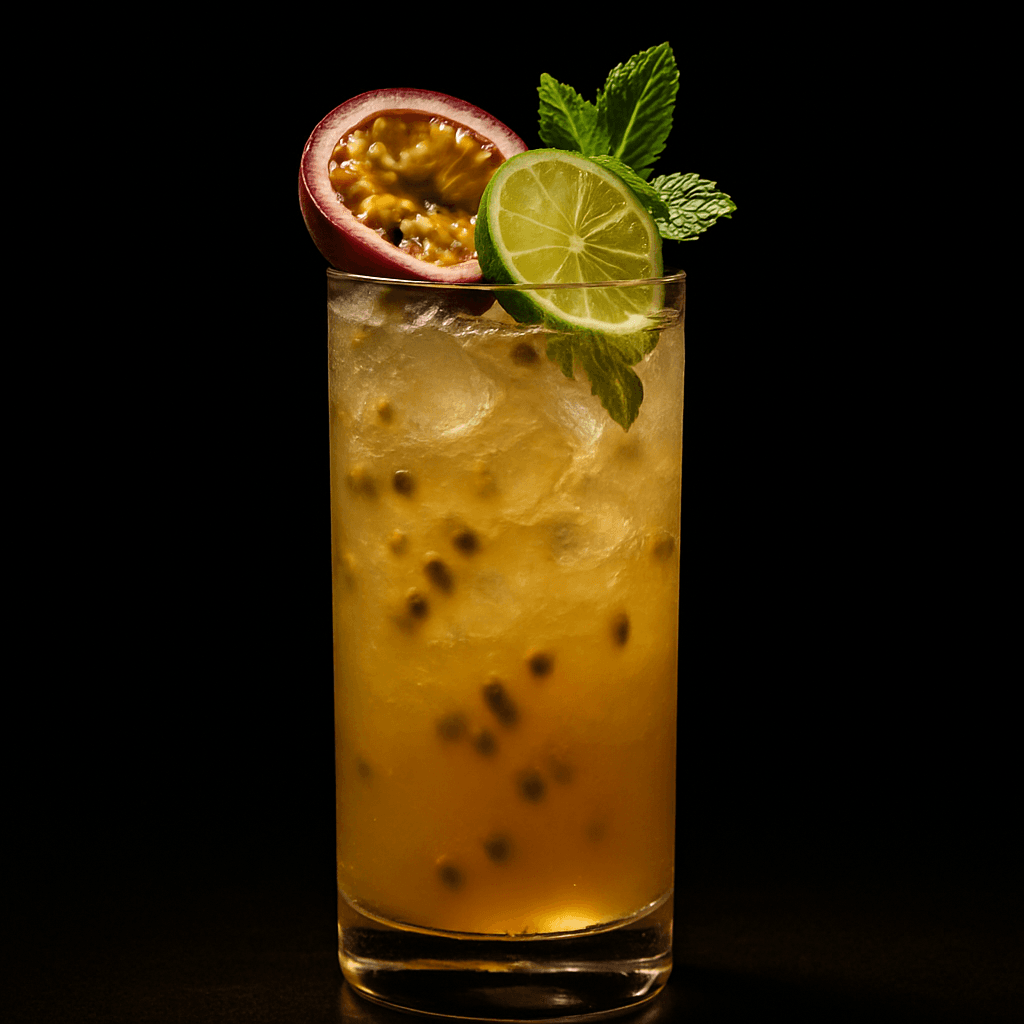
Passion Fruit Paradise
A vibrant, tropical mocktail that captures the exotic essence of passion fruit in every sip. This refreshing blend combines tart passion fruit with citrus and sparkling water for a sophisticated alcohol-free experience.
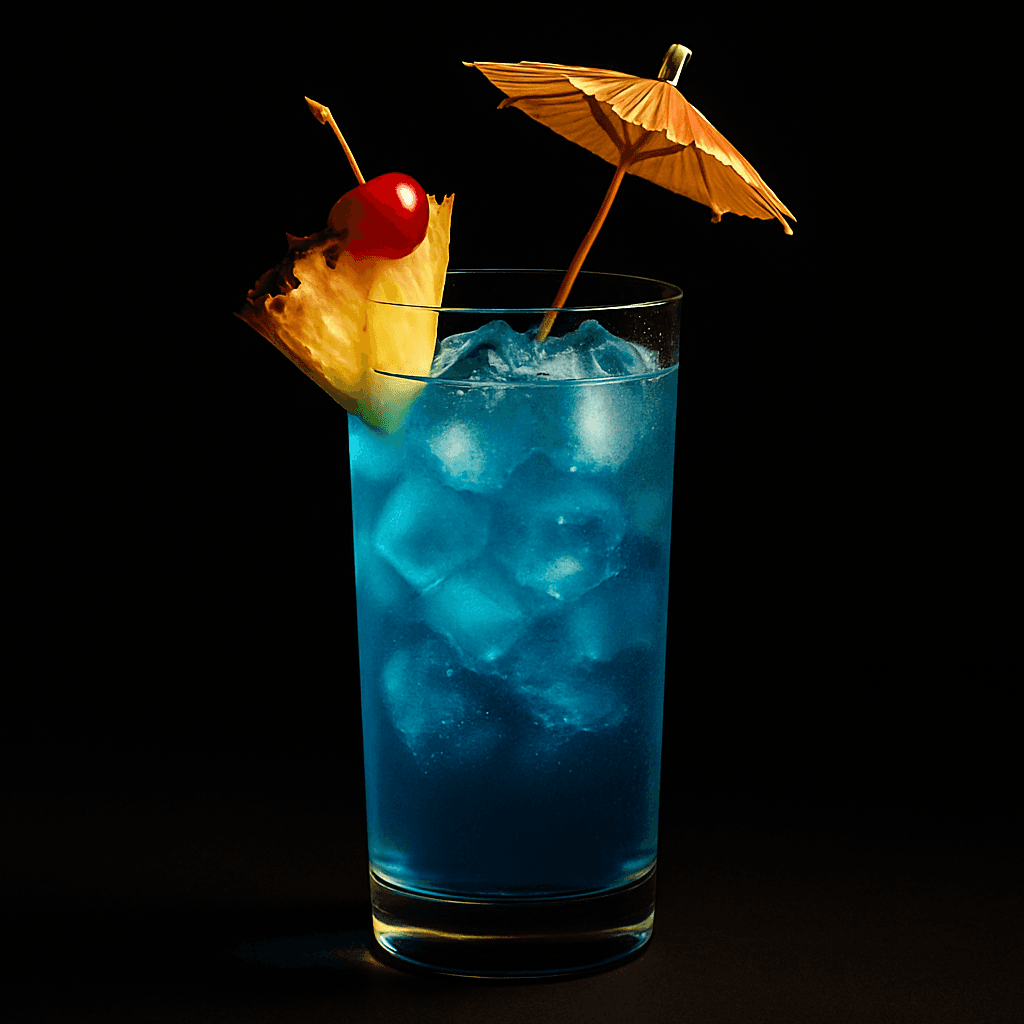
Blue Lagoon Mocktail
A vibrant, tropical non-alcoholic cocktail that captures the essence of paradise in a glass. This stunning blue drink combines citrus freshness with tropical sweetness, creating a refreshing escape perfect for any occasion.
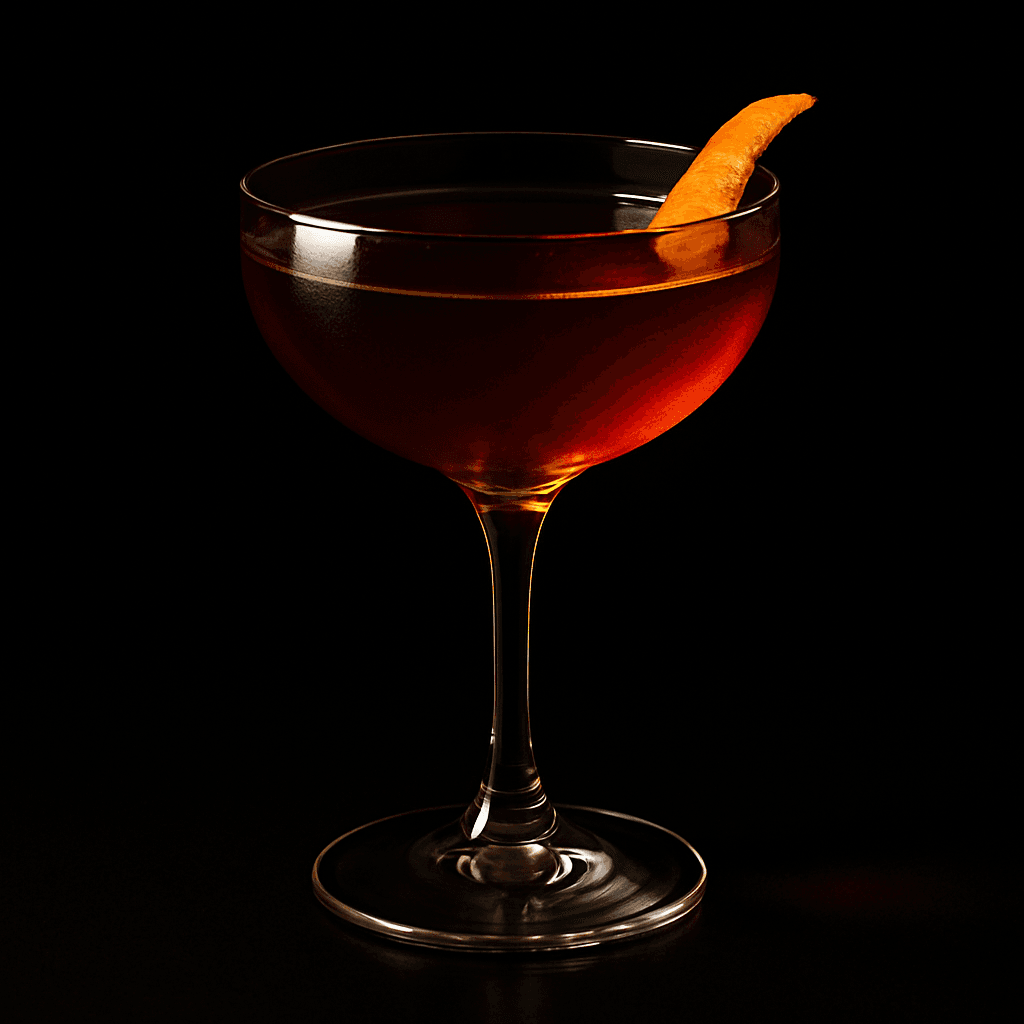
Brooklyn Cocktail
A sophisticated Manhattan variation that swaps sweet vermouth for dry and adds maraschino liqueur and Amer Picon. This pre-Prohibition classic offers complex bitter-sweet notes with a distinctly New York character.
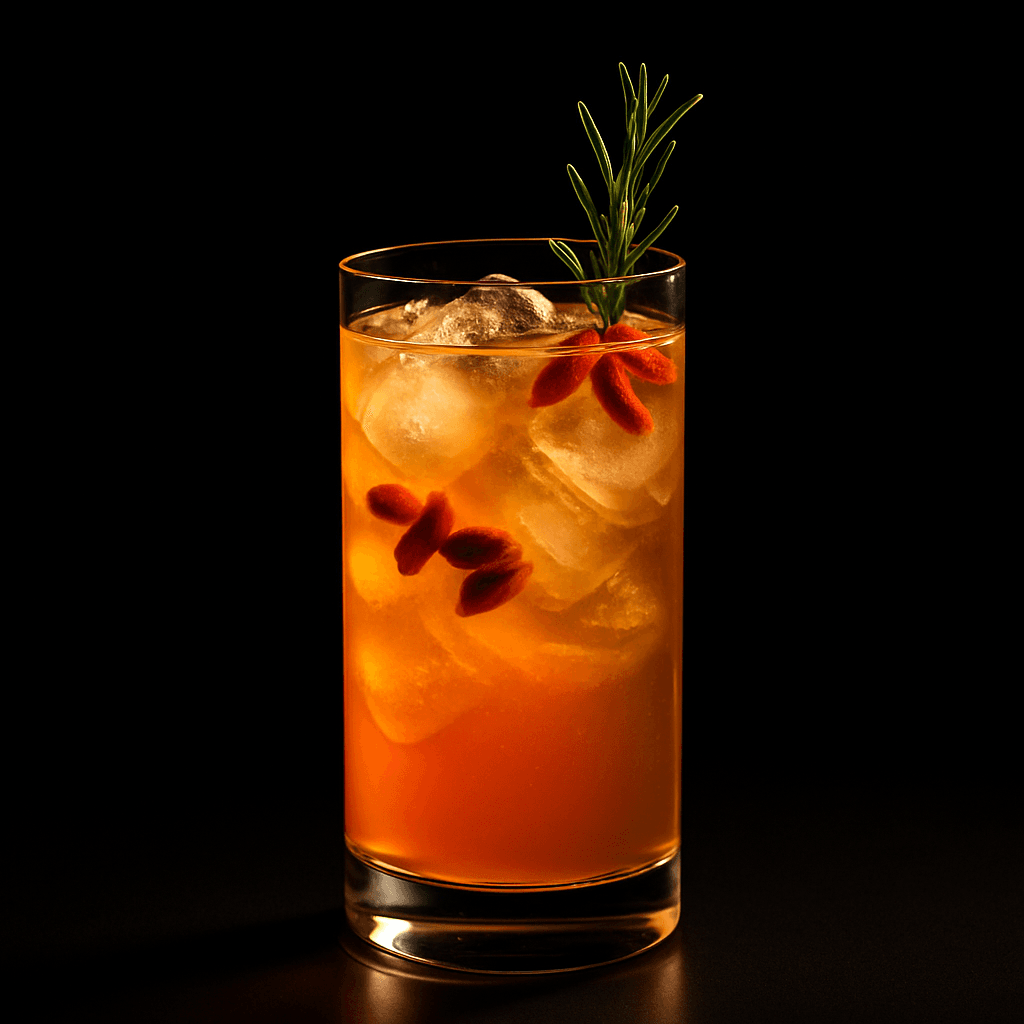
Adrenal Mocktail
A revitalizing non-alcoholic blend designed to support adrenal health with adaptogenic herbs and energizing botanicals. This wellness-focused mocktail combines tart cherry juice, ginger, and herbal elements for a refreshing drink that nourishes while it hydrates.
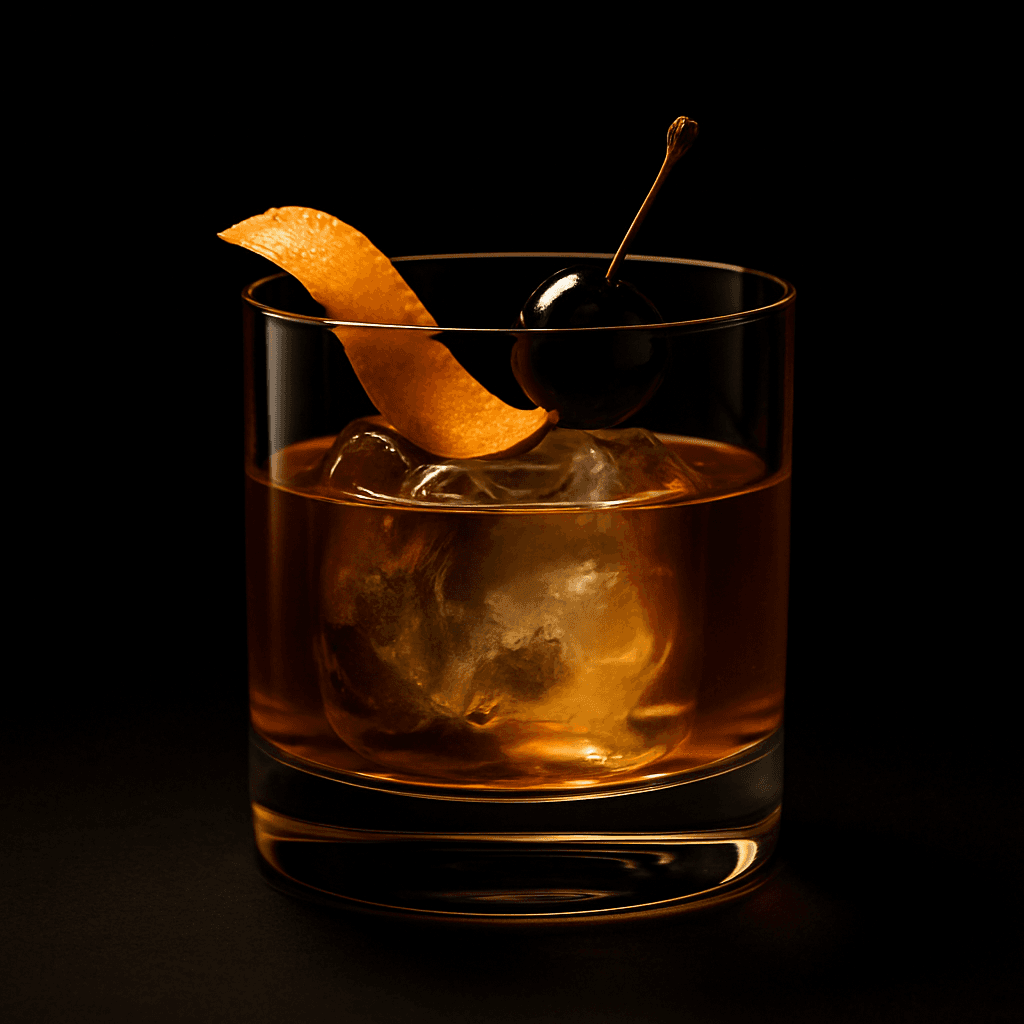
Old Fashioned Mocktail
A sophisticated non-alcoholic interpretation of the classic Old Fashioned that captures all the warmth and complexity of the original. This mocktail combines rich simple syrup, aromatic bitters, and sparkling water to create a drink that's both familiar and refreshing.
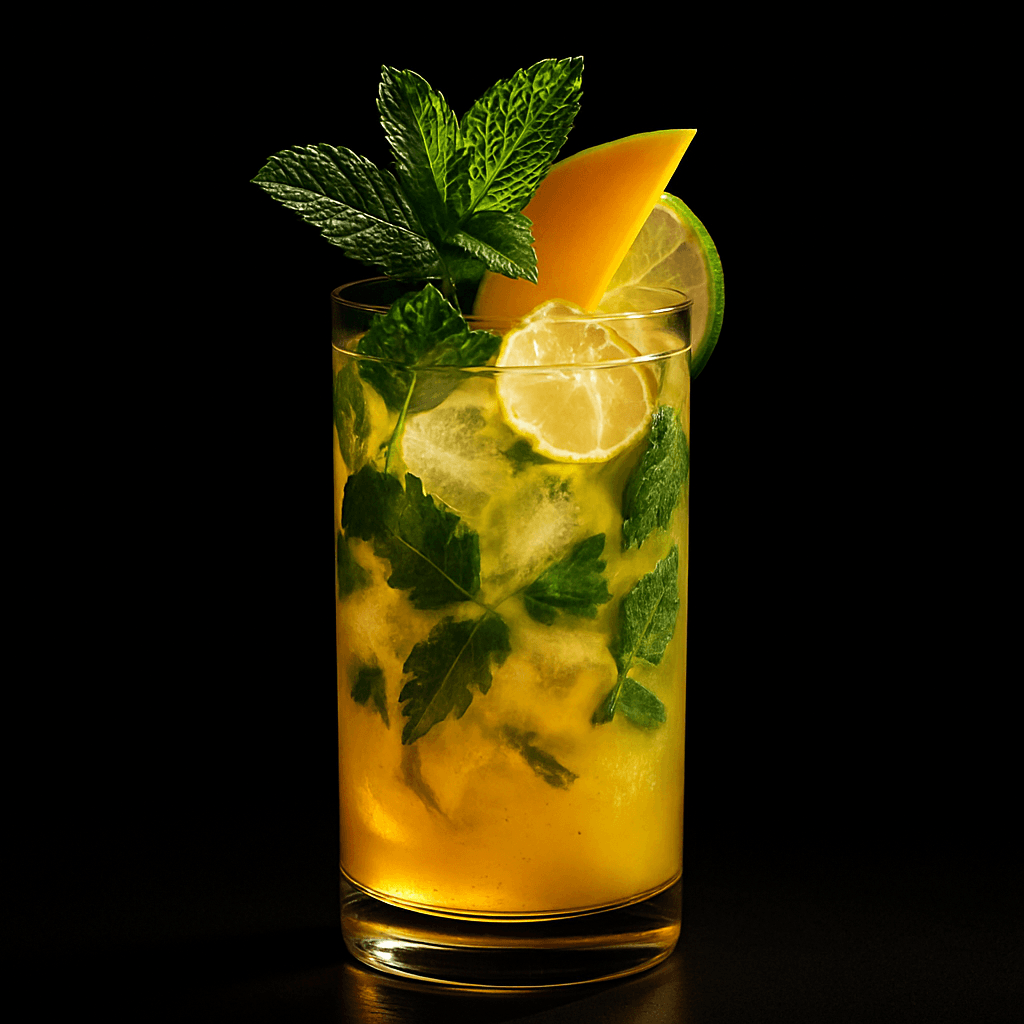
Mango Mojito Mocktail
A tropical twist on the classic Cuban mojito, featuring fresh mango puree and mint for a refreshing alcohol-free experience. This vibrant mocktail delivers all the bright, citrusy flavors of a traditional mojito with the sweet, tropical essence of ripe mango.
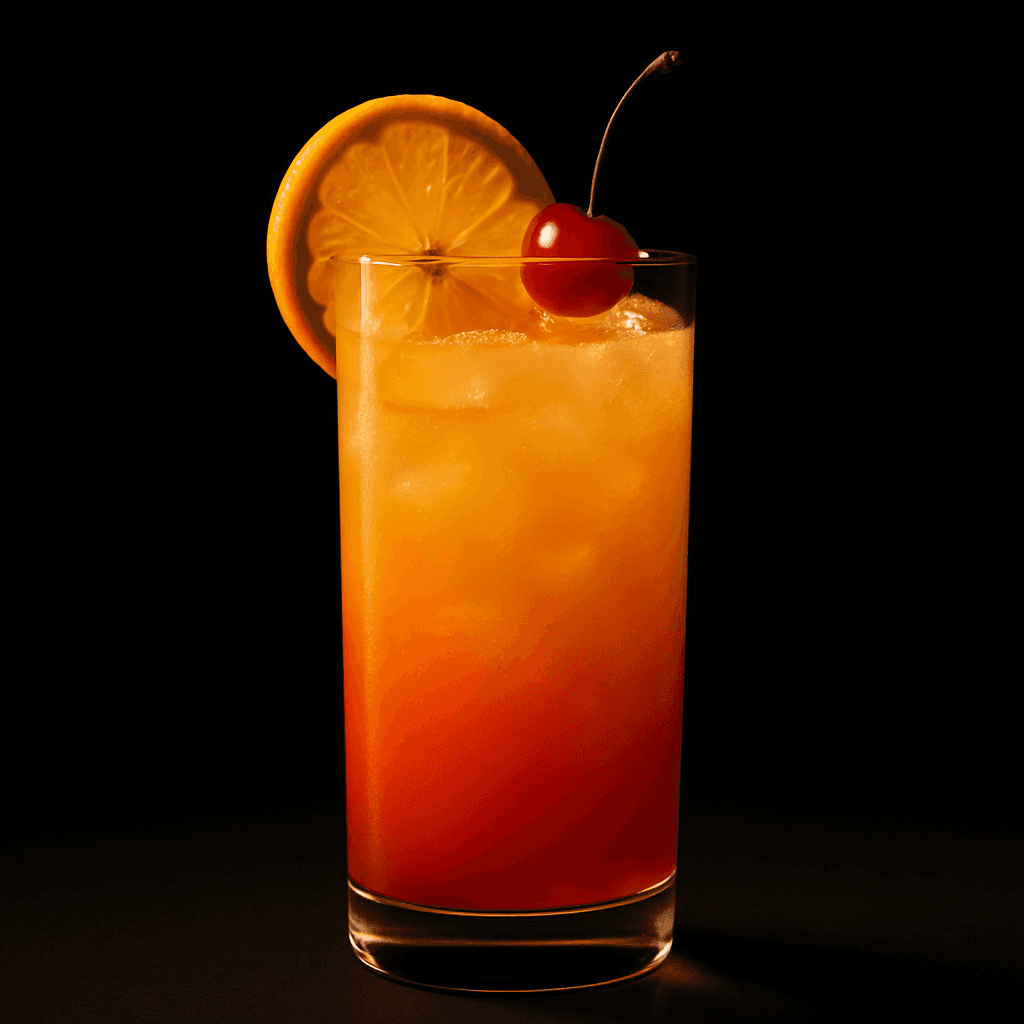
Sunrise Mocktail
A vibrant, alcohol-free cocktail that captures the beauty of dawn with layers of orange and red that mirror a perfect sunrise. This refreshing drink combines tropical flavors with a stunning visual presentation.
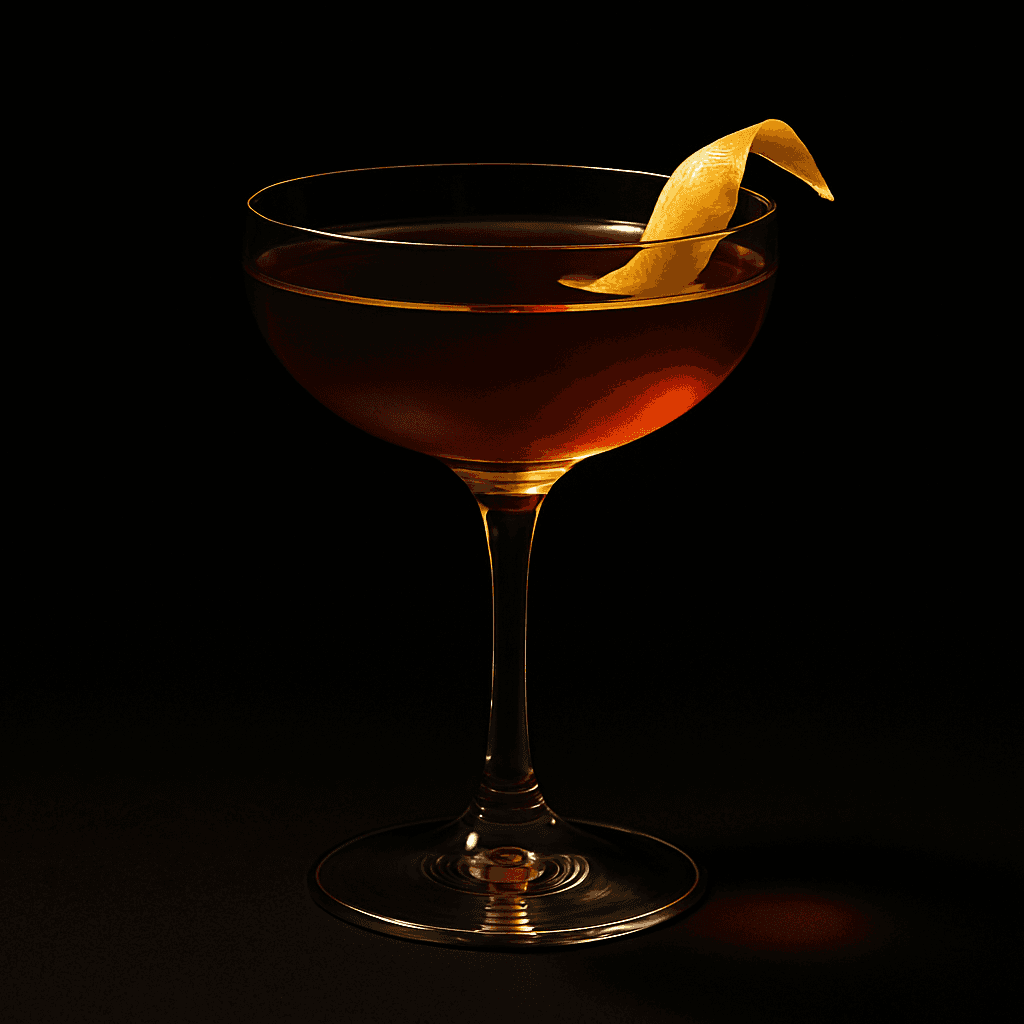
Monte Carlo
An elegant and sophisticated cocktail that embodies the luxury and glamour of the famous Monaco casino. This refined drink combines cognac with herbal complexity and a touch of sweetness.
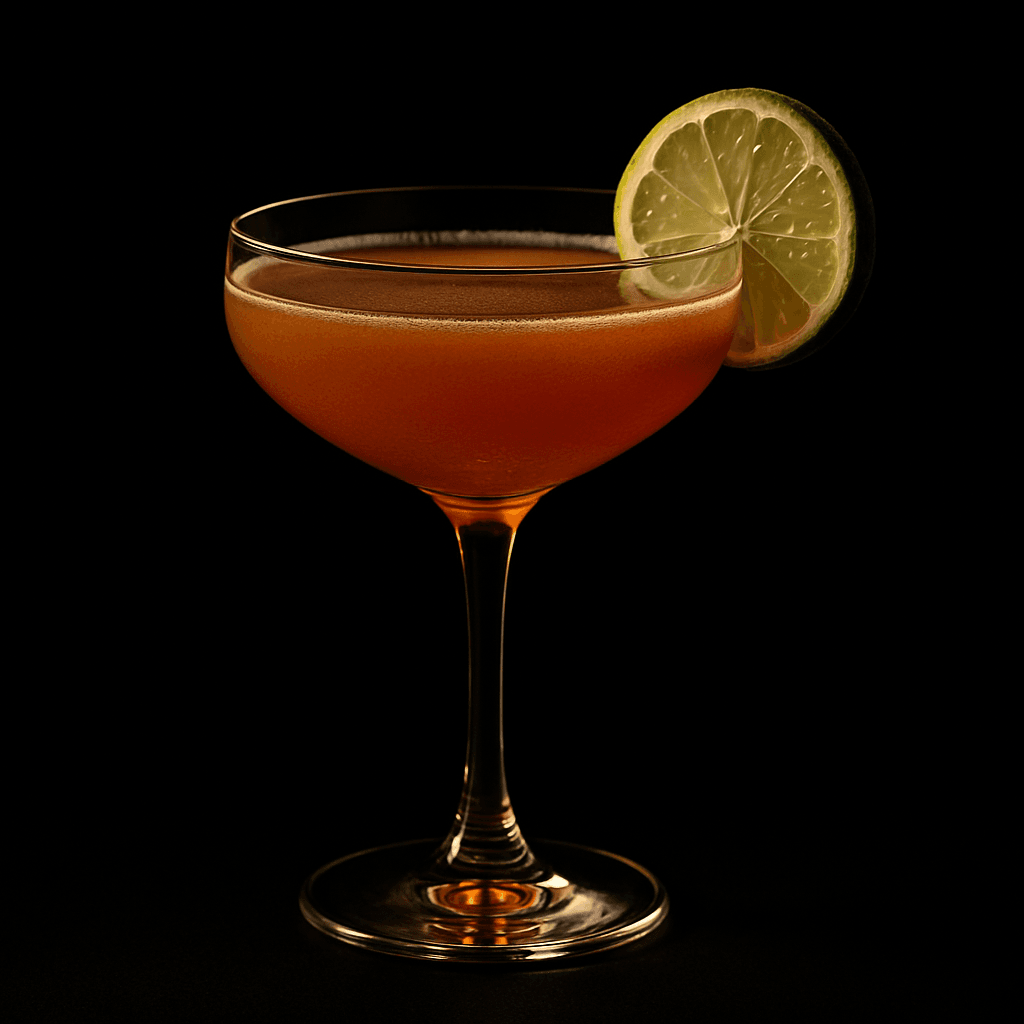
Lion's Tail
A bold and spicy bourbon cocktail that combines the warmth of allspice dram with the brightness of lime juice and sweetness of simple syrup. This forgotten classic from the early 20th century delivers a perfect balance of sweet, sour, and spice.
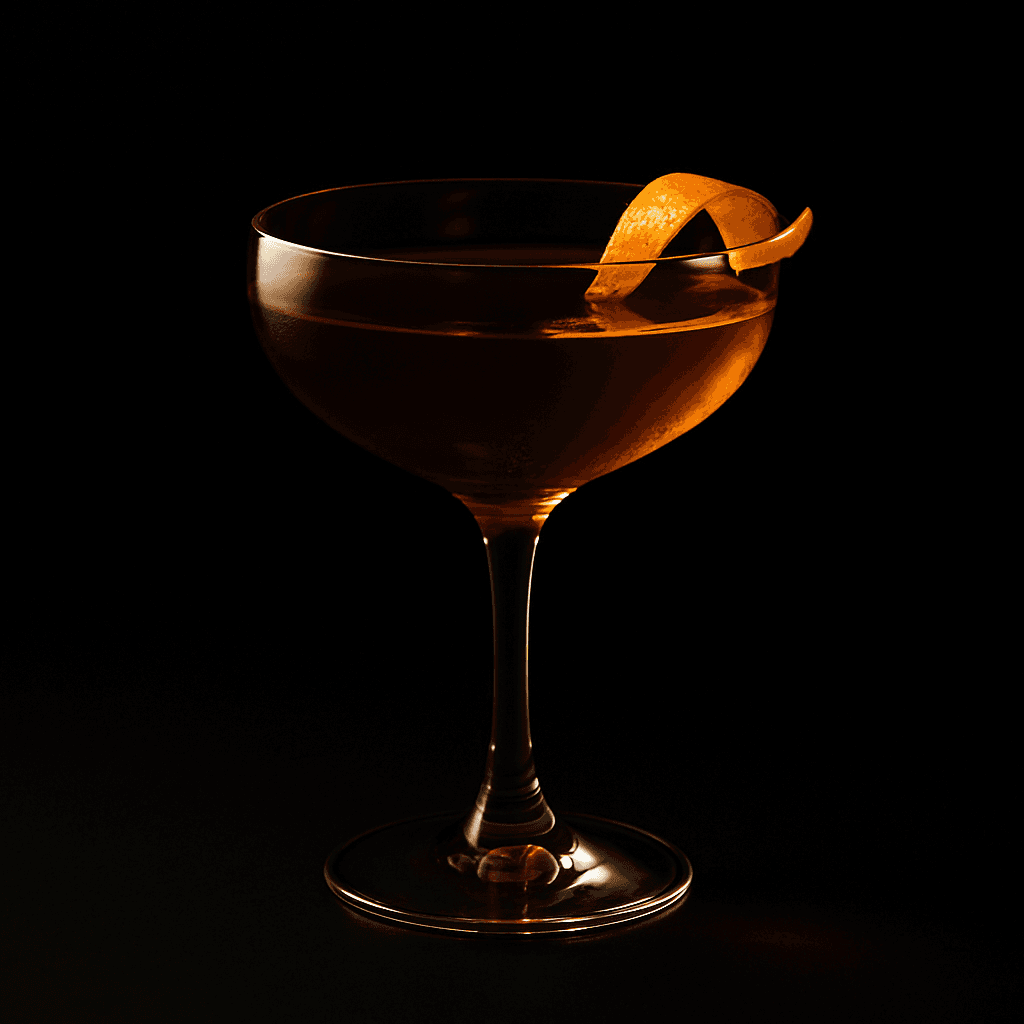
Bijou Cocktail
A sophisticated gin-based cocktail featuring the herbal complexity of Green Chartreuse and the rich sweetness of sweet vermouth. This jewel-toned drink offers a perfect balance of botanical and aromatic flavors.
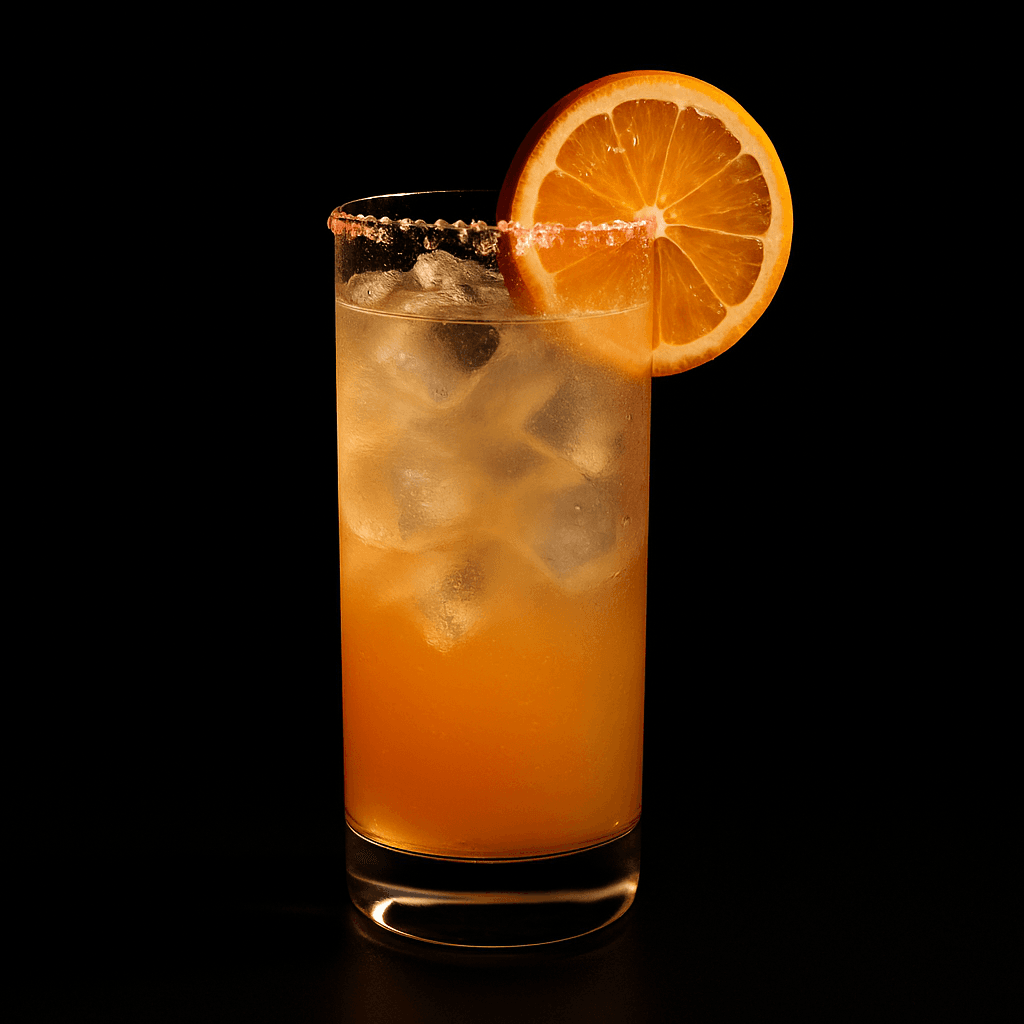
Non-Alcoholic Adrenal Cocktail Mocktail
A wellness-inspired mocktail combining orange juice, coconut water, and pink Himalayan salt to support adrenal health. This refreshing drink balances electrolytes while delivering natural energy and hydration in a sophisticated presentation.
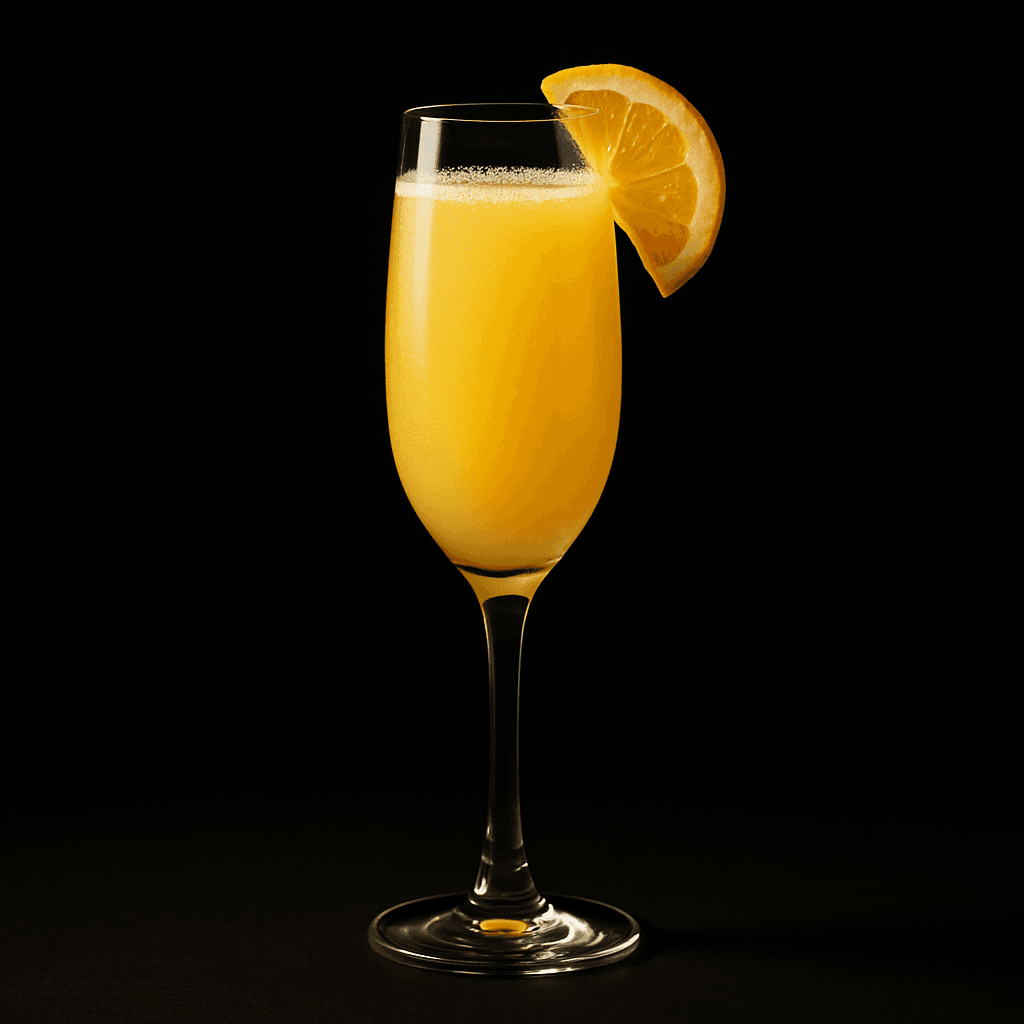
Mimosa
A delightfully effervescent brunch cocktail that combines fresh orange juice with sparkling wine. This elegant sipper strikes the perfect balance between fruity sweetness and crisp bubbles, making it an ideal companion for morning celebrations.
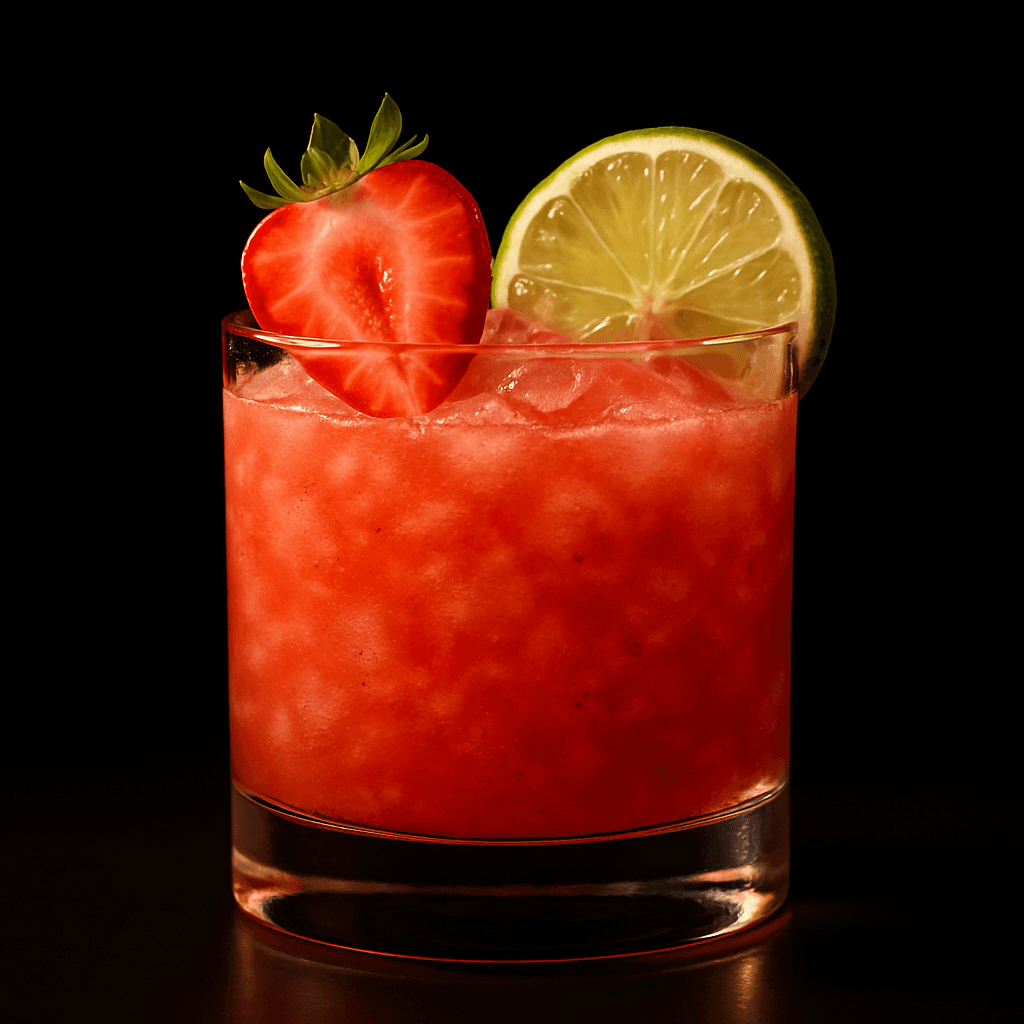
Strawberry Margarita Mocktail
A vibrant, alcohol-free twist on the classic margarita that captures all the refreshing, tangy flavors of the original. Fresh strawberries, zesty lime, and a touch of agave create a perfectly balanced mocktail that's ideal for any celebration.
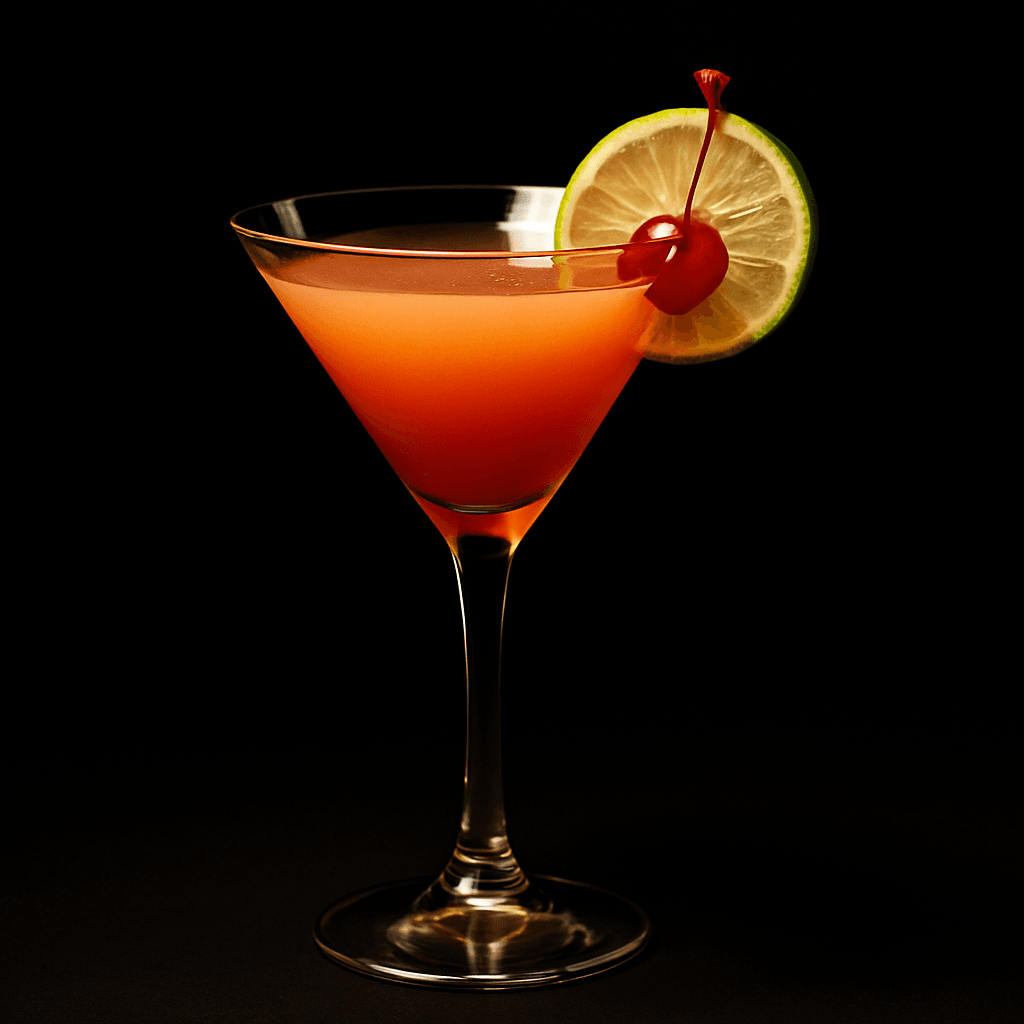
Kiss On The Lips
A seductive and fruity cocktail that combines the sweetness of peach schnapps with the tartness of cranberry juice and a hint of citrus. This vibrant pink drink is as alluring as its name suggests.
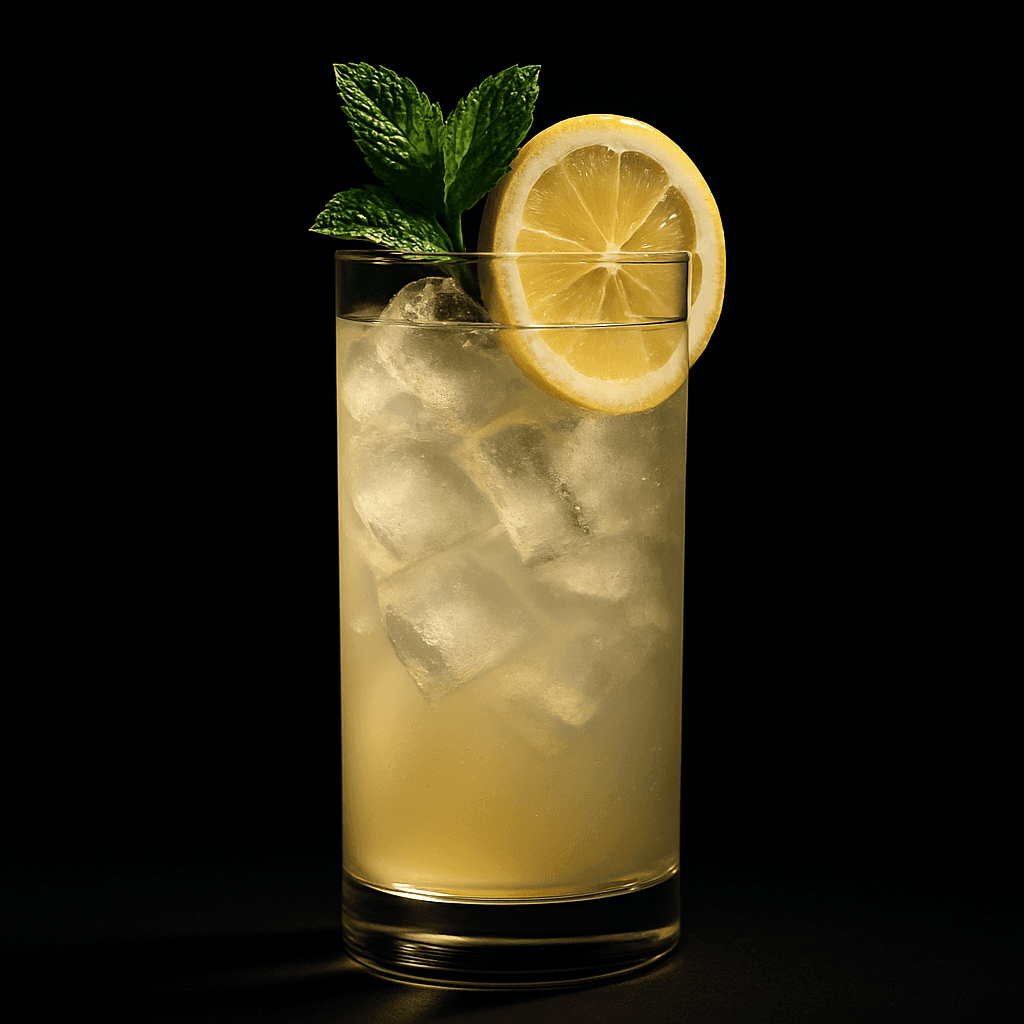
Lemonade Mocktail
A refreshing and zesty non-alcoholic beverage that captures the essence of summer in a glass. This elevated lemonade combines fresh citrus with aromatic herbs and sparkling water for a sophisticated twist on the classic.
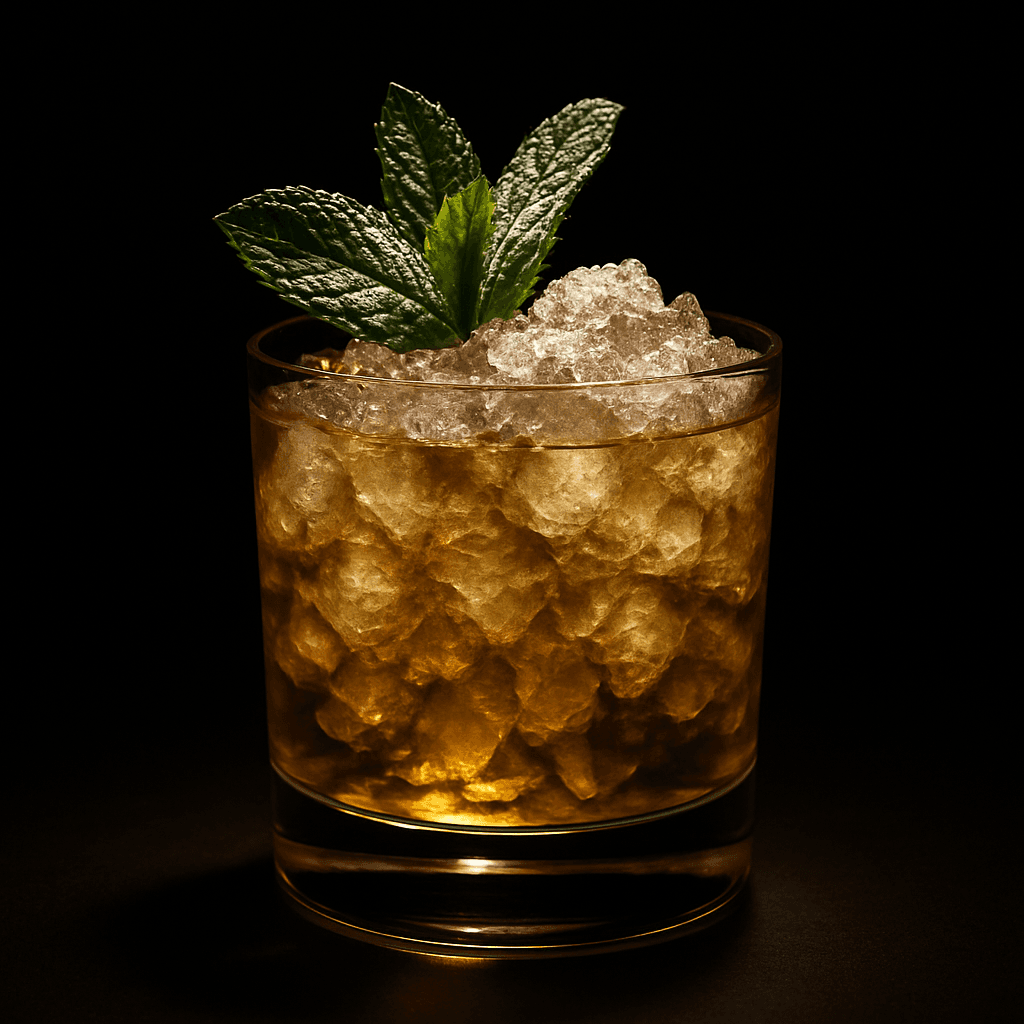
Virgin Mint Julep
A refreshing non-alcoholic interpretation of the classic Kentucky Derby cocktail. This virgin mint julep captures all the cooling mint and sweet sophistication of the original without the bourbon.
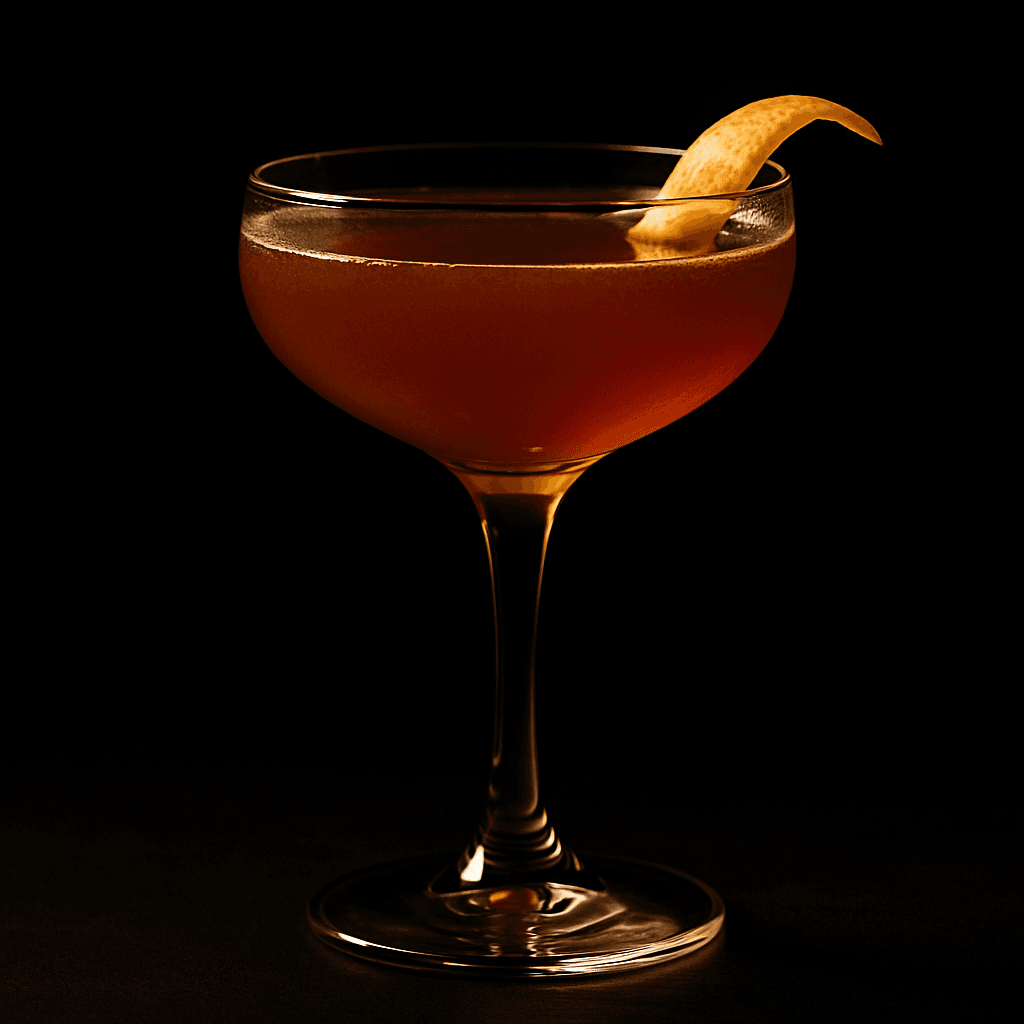
Brown Derby
A sophisticated bourbon cocktail that balances the richness of whiskey with fresh grapefruit juice and honey syrup. This classic American cocktail delivers a perfect harmony of sweet, tart, and warming flavors.
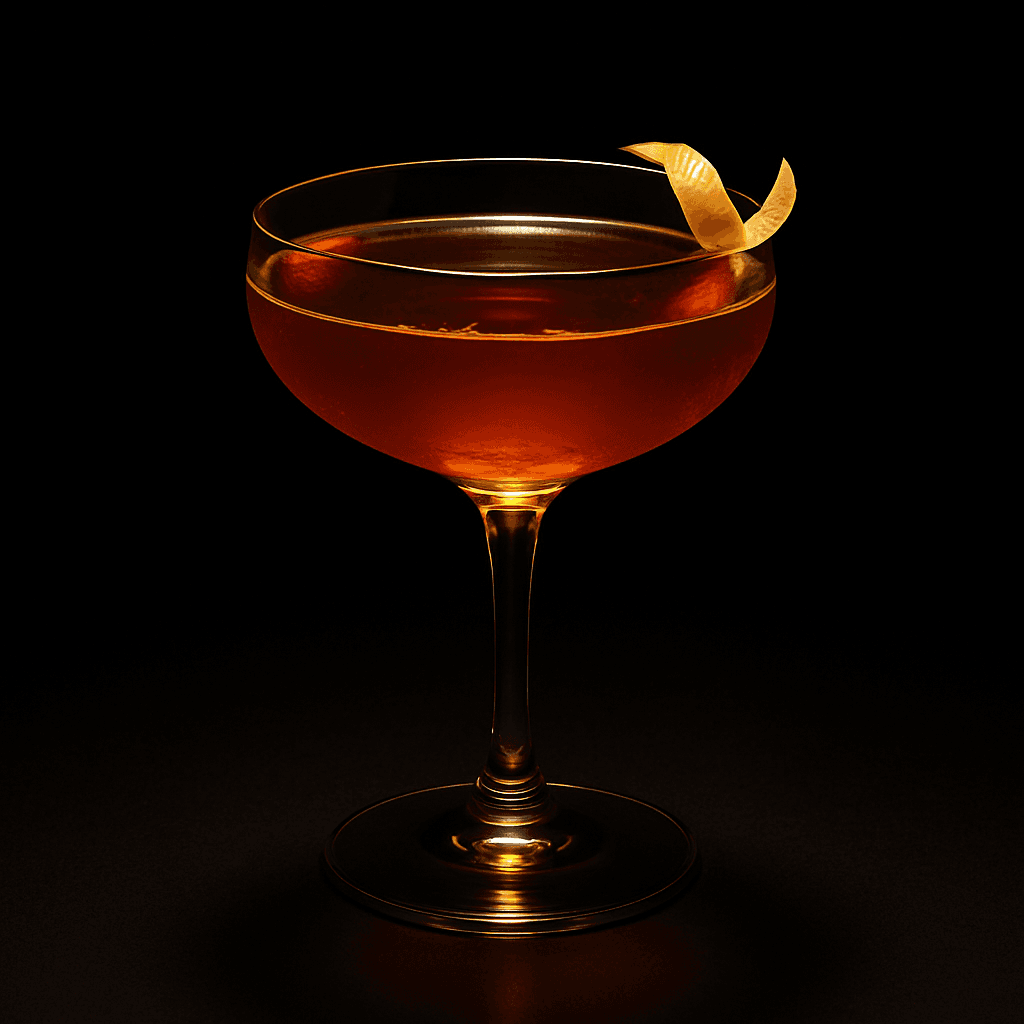
Kentucky Derby Cocktail
A sophisticated bourbon-based cocktail that captures the elegance and tradition of America's most famous horse race. This refreshing libation combines premium bourbon with peach liqueur and fresh citrus, creating a perfect balance of Southern charm and refined taste.
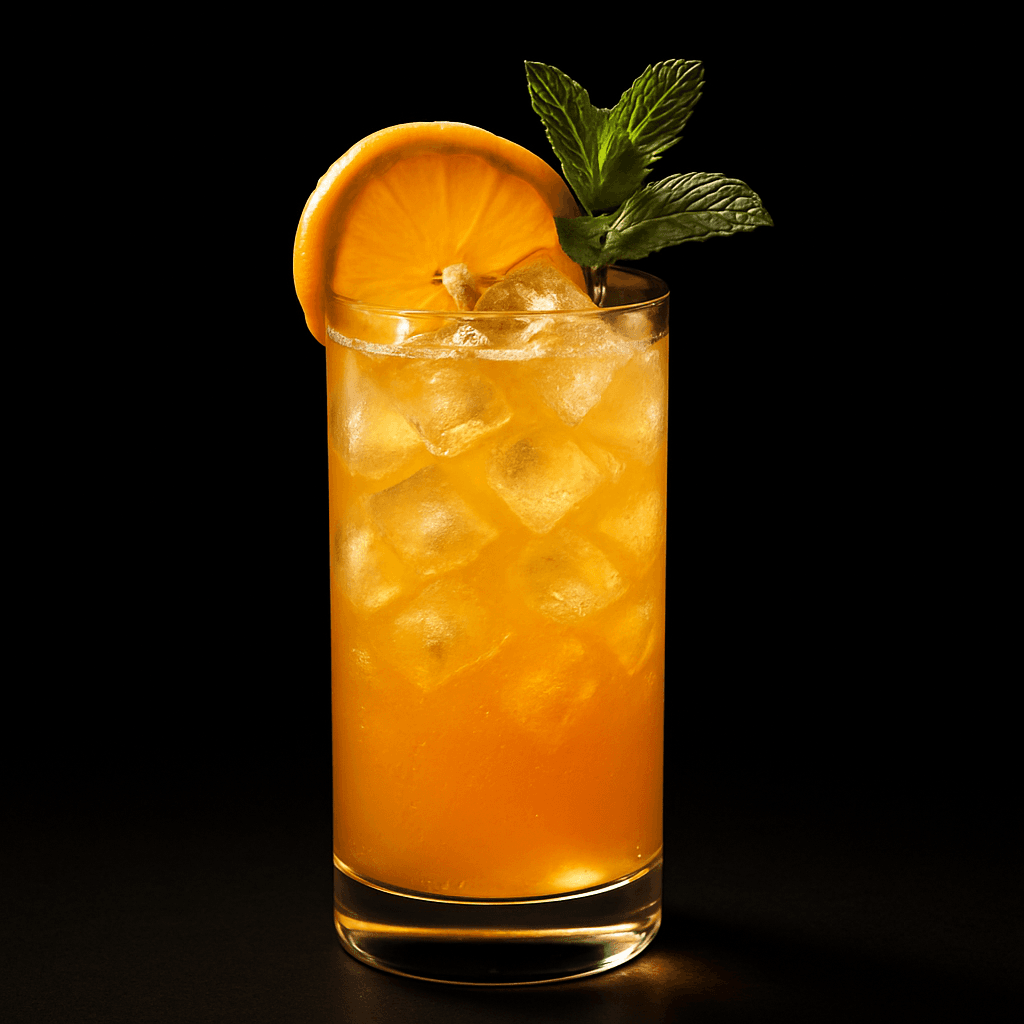
Orange Crush Cocktail
A refreshing, citrus-forward cocktail that captures the essence of fresh orange in every sip. This vibrant drink combines premium vodka with fresh orange juice and a hint of triple sec, topped with effervescent club soda for a crushingly good experience.
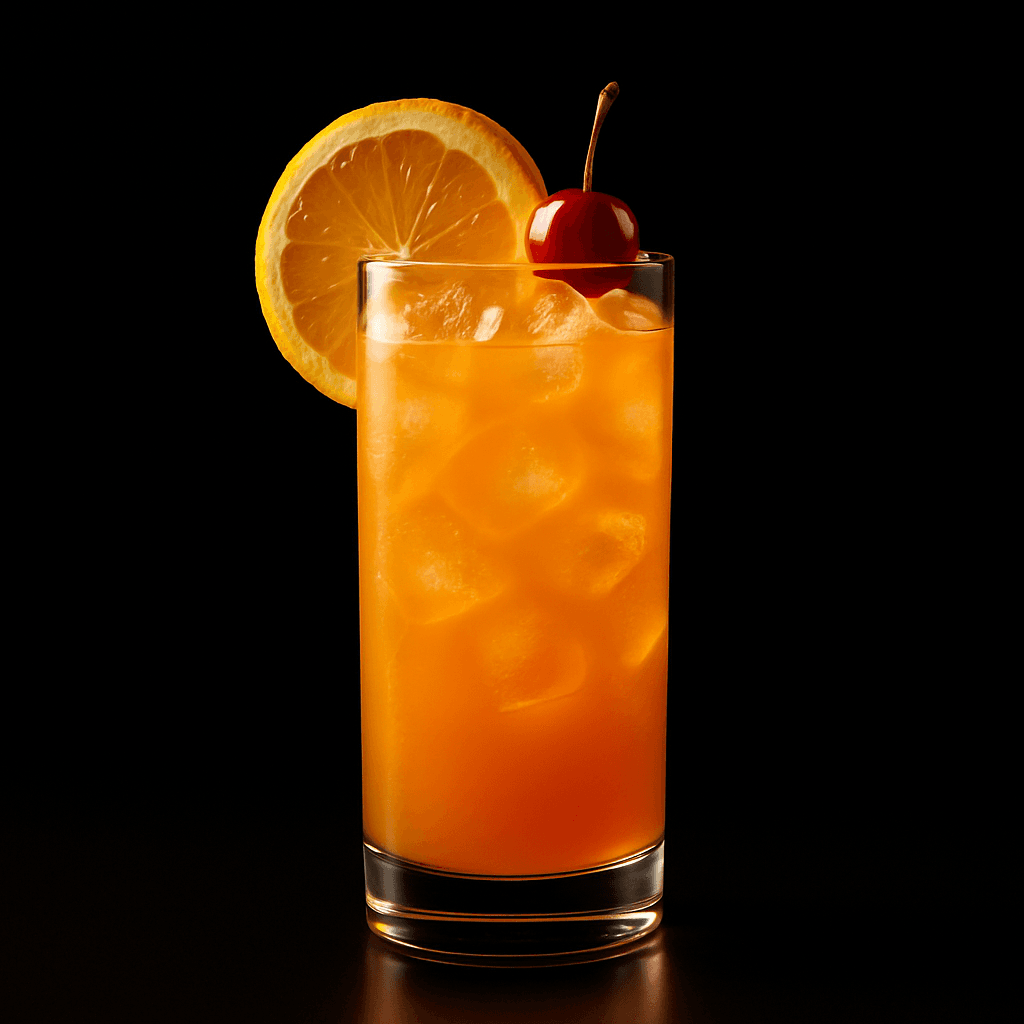
Orange Crush
A refreshing, citrus-forward cocktail that perfectly balances sweet orange flavors with vodka's clean profile. This crowd-pleasing drink captures the essence of fresh oranges in liquid form.
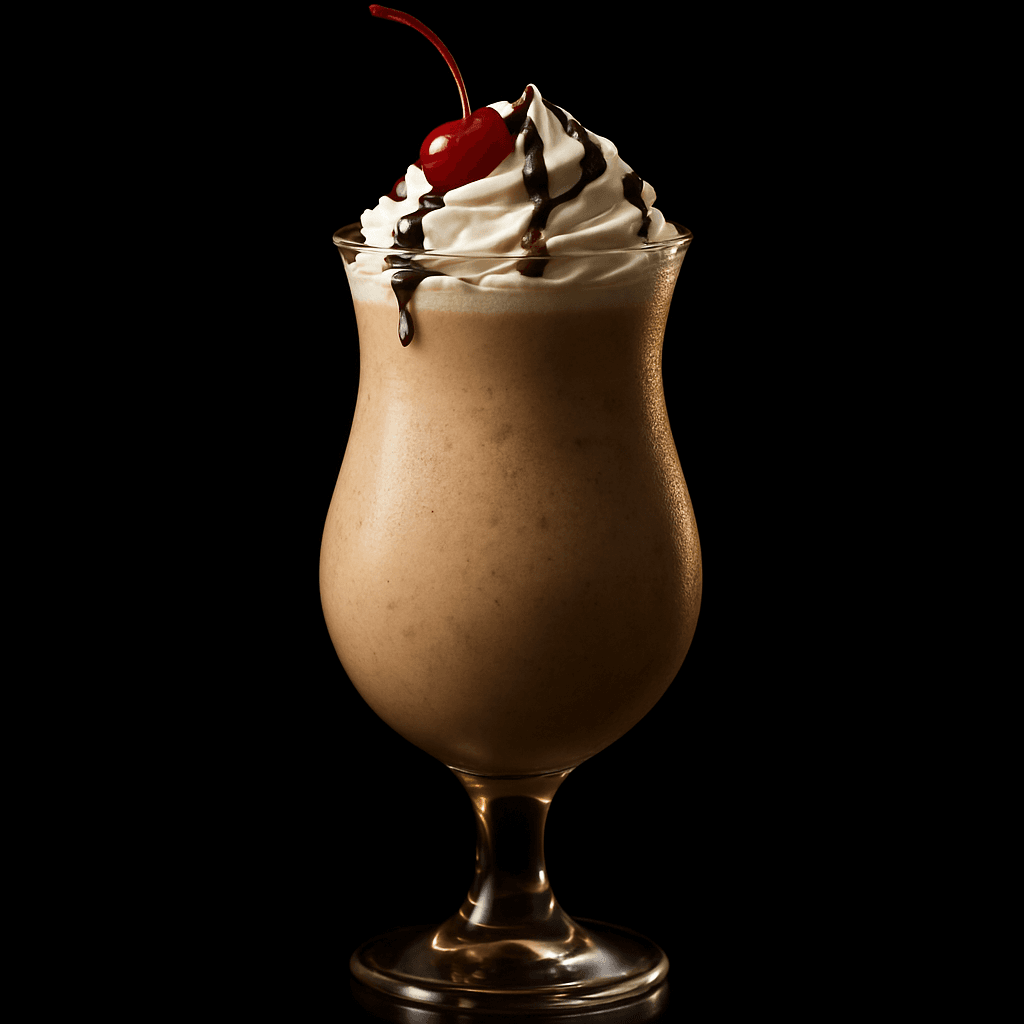
Bushwacker
A decadent frozen cocktail that's like a boozy milkshake for adults. This creamy, chocolate-coffee concoction blends multiple spirits with ice cream and cream for an indulgent treat that's become a beach bar favorite.
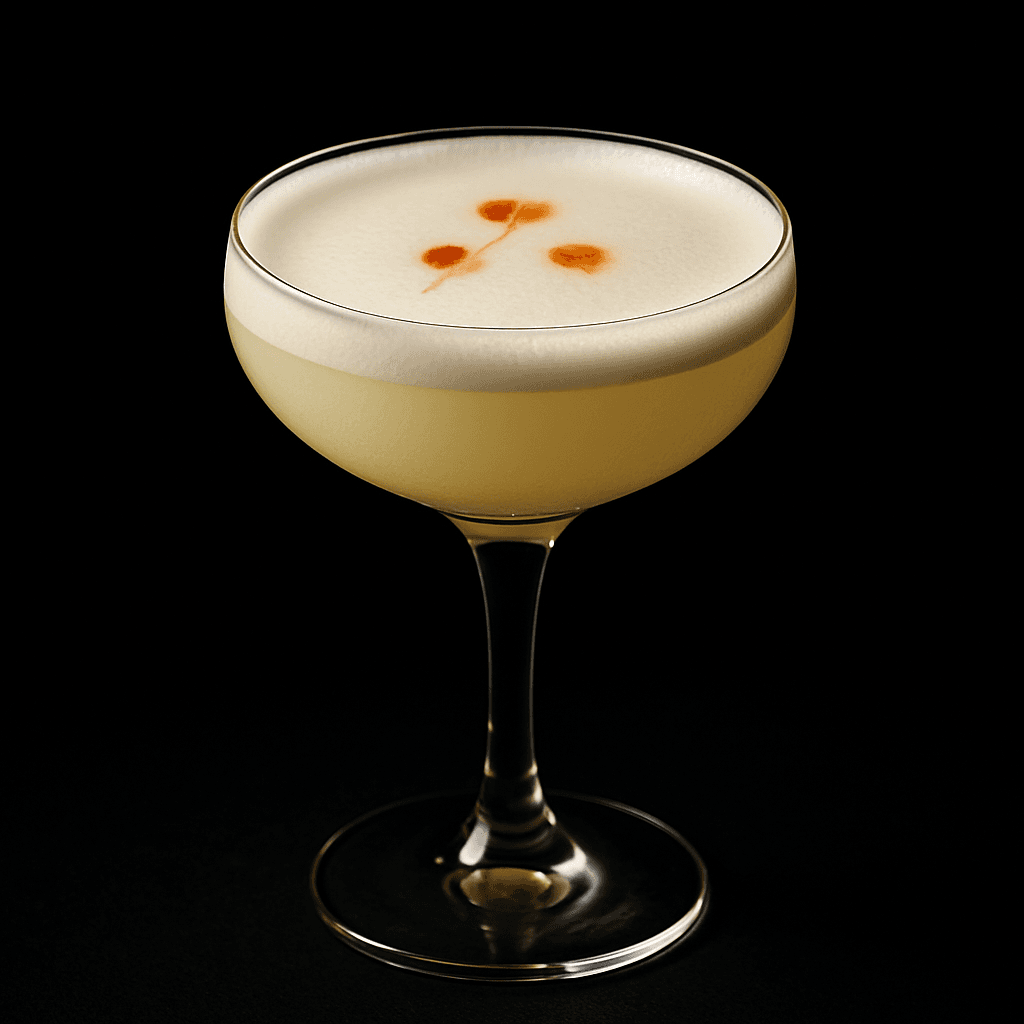
Pisco Sour
Ein klassischer südamerikanischer Cocktail mit Pisco, Limettensaft und Eiweiß, der eine perfekte Balance aus Säure und Cremigkeit bietet. Dieser elegante Drink verkörpert die Essenz peruanischer Cocktailkultur.
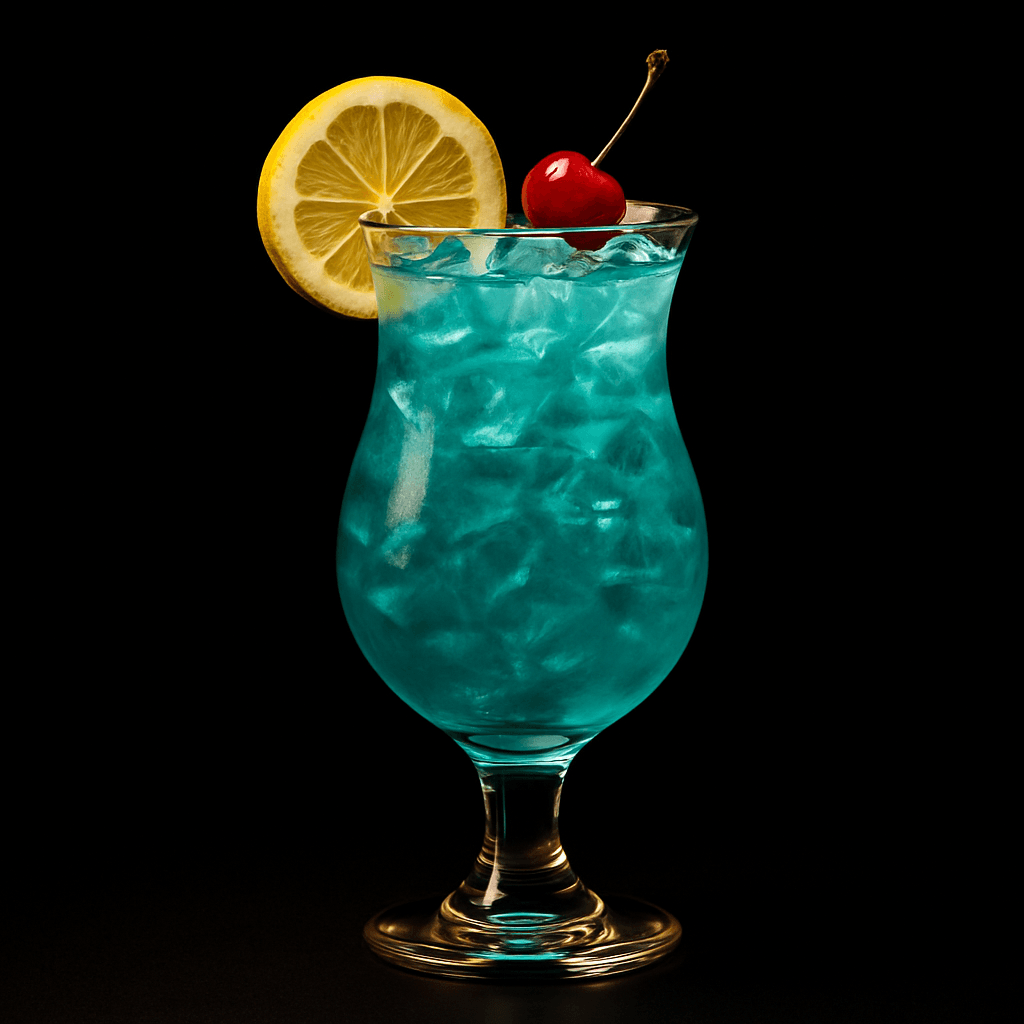
AMF (Adios Mother F***er)
A potent blue cocktail that packs a serious punch with five different spirits. Despite its intimidating reputation, the AMF delivers a surprisingly smooth and fruity flavor that masks its high alcohol content.
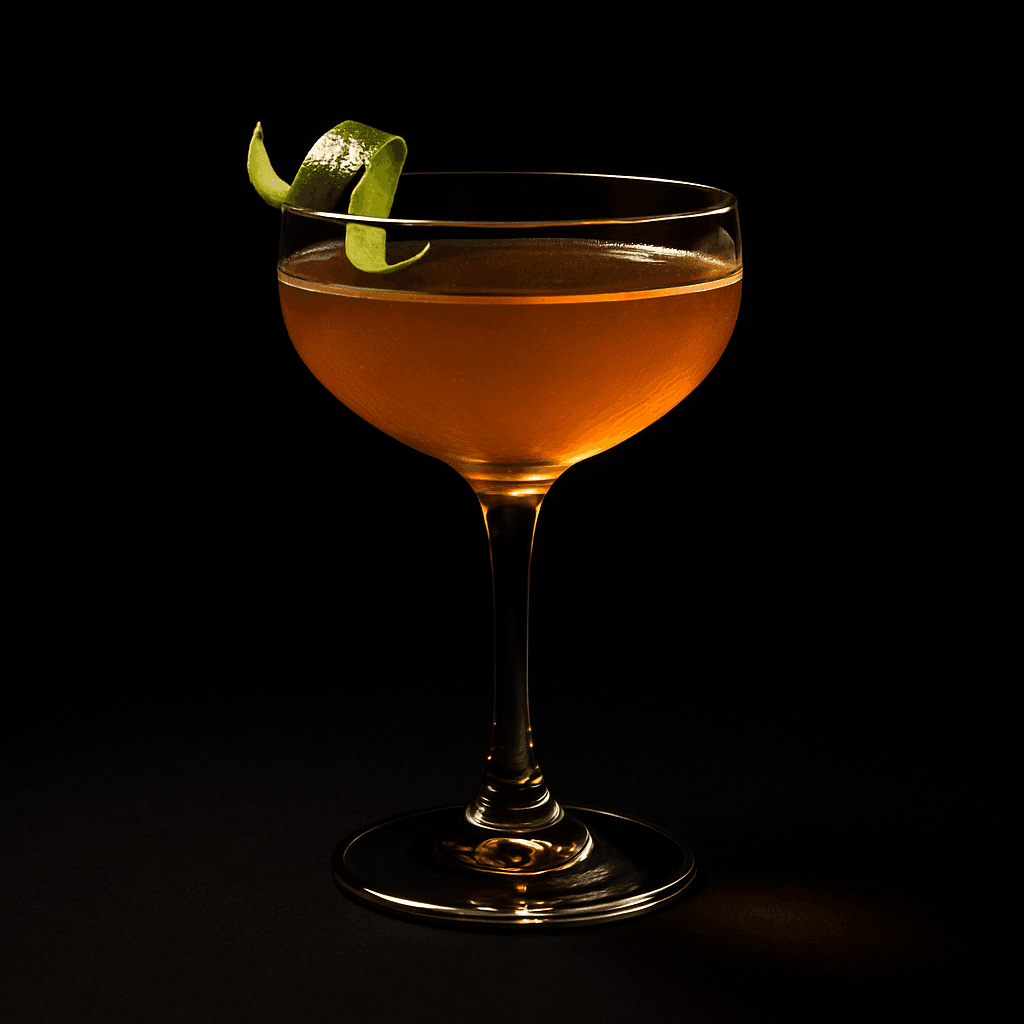
Derby Cocktail
A sophisticated bourbon-based cocktail with herbal complexity from Bénédictine and bright citrus notes. This pre-Prohibition era drink balances whiskey's warmth with sweet liqueur and fresh lime juice.
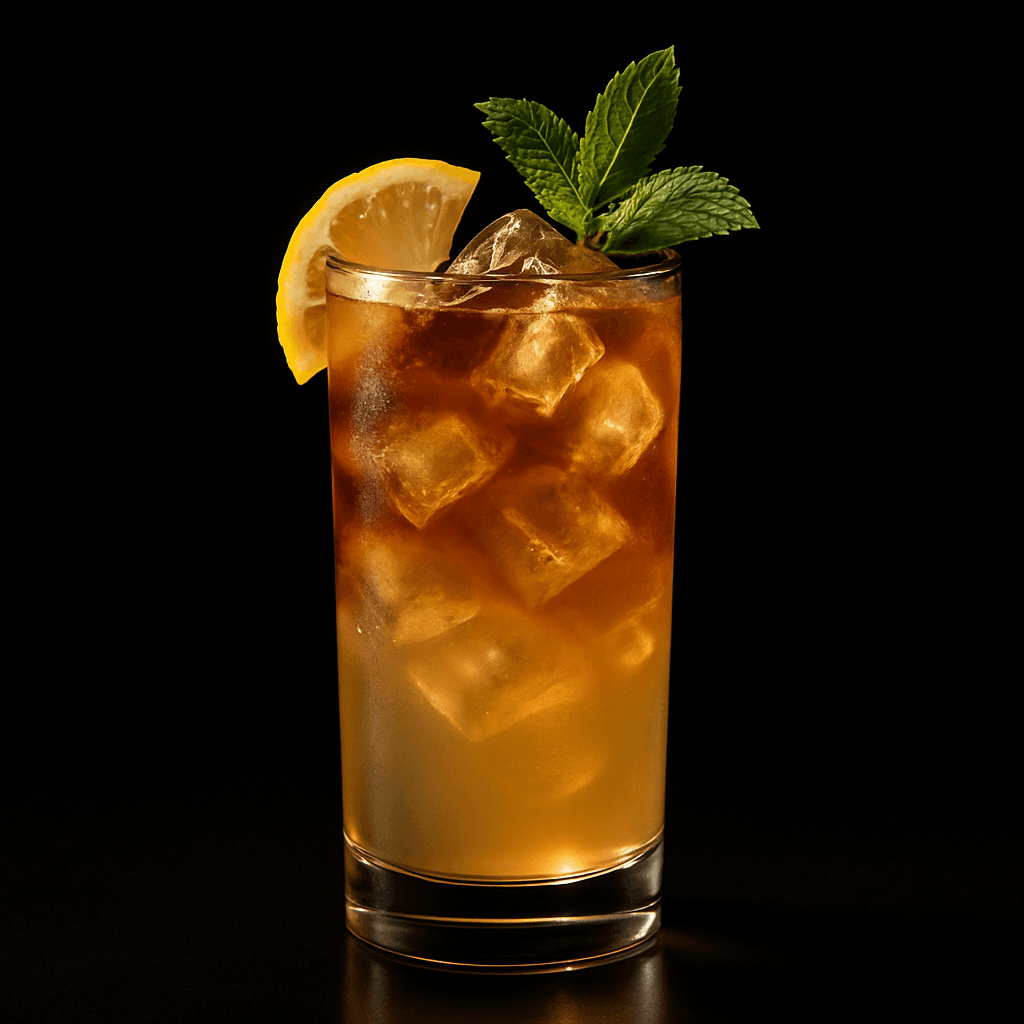
Arnold Palmer
A refreshing non-alcoholic blend of iced tea and lemonade that perfectly balances sweet and tart flavors. This beloved American beverage is as timeless as the golf legend it's named after.
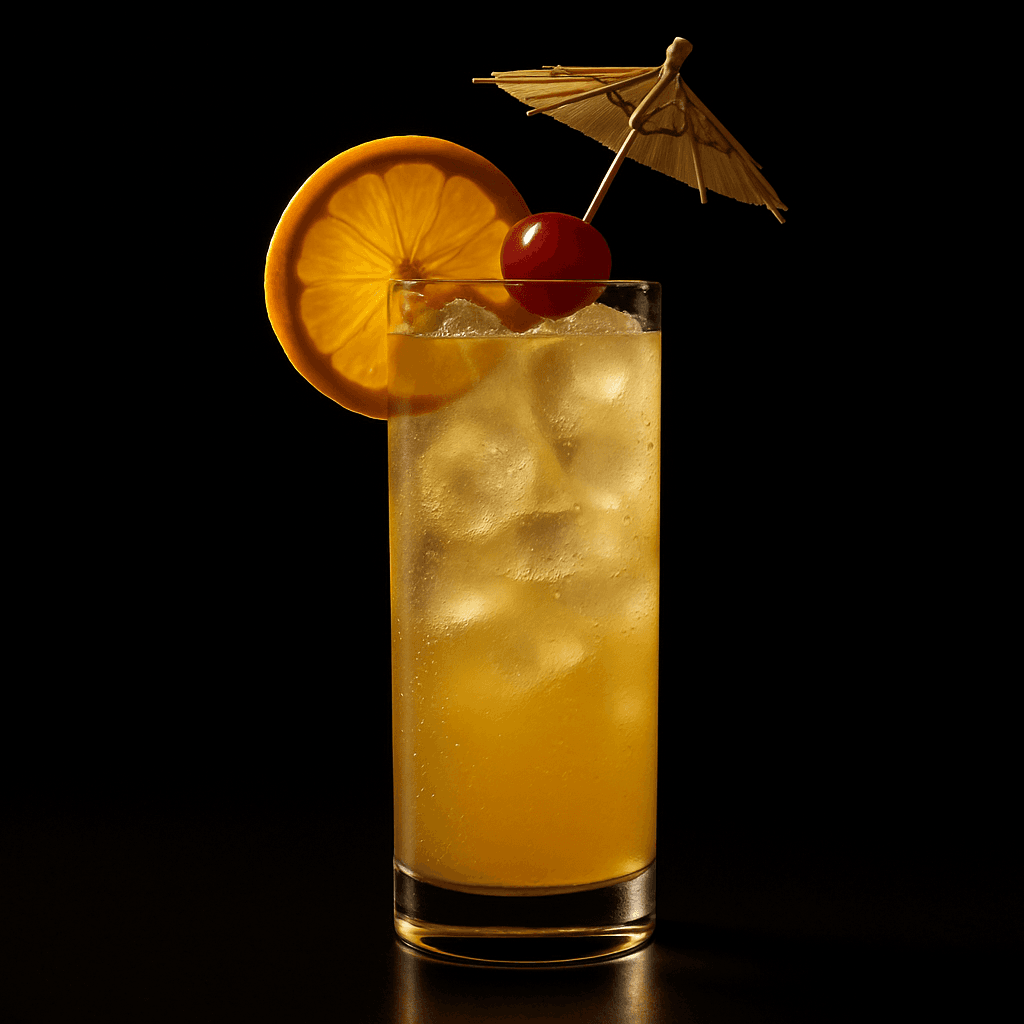
Everything But The Bartender
A playful, kitchen-sink cocktail that incorporates multiple spirits, liqueurs, and mixers in surprising harmony. Despite its complex ingredient list, this crowd-pleaser delivers a balanced, fruity, and refreshing drink that tastes far more sophisticated than its chaotic origins suggest.
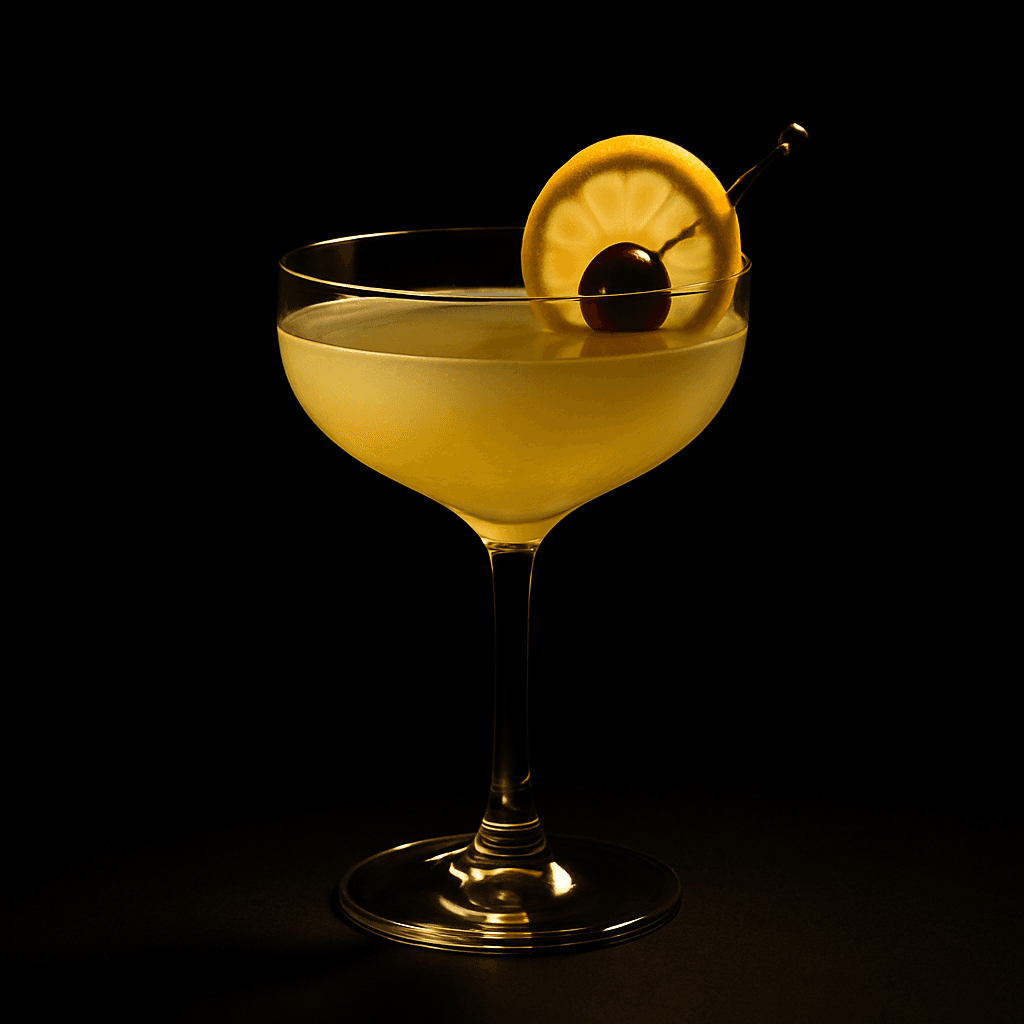
Saturn Cocktail
A tiki-inspired space odyssey that combines gin with passion fruit and lemon, creating a bright, tropical cocktail with cosmic appeal. This golden-hued beauty balances botanical complexity with exotic fruit flavors.
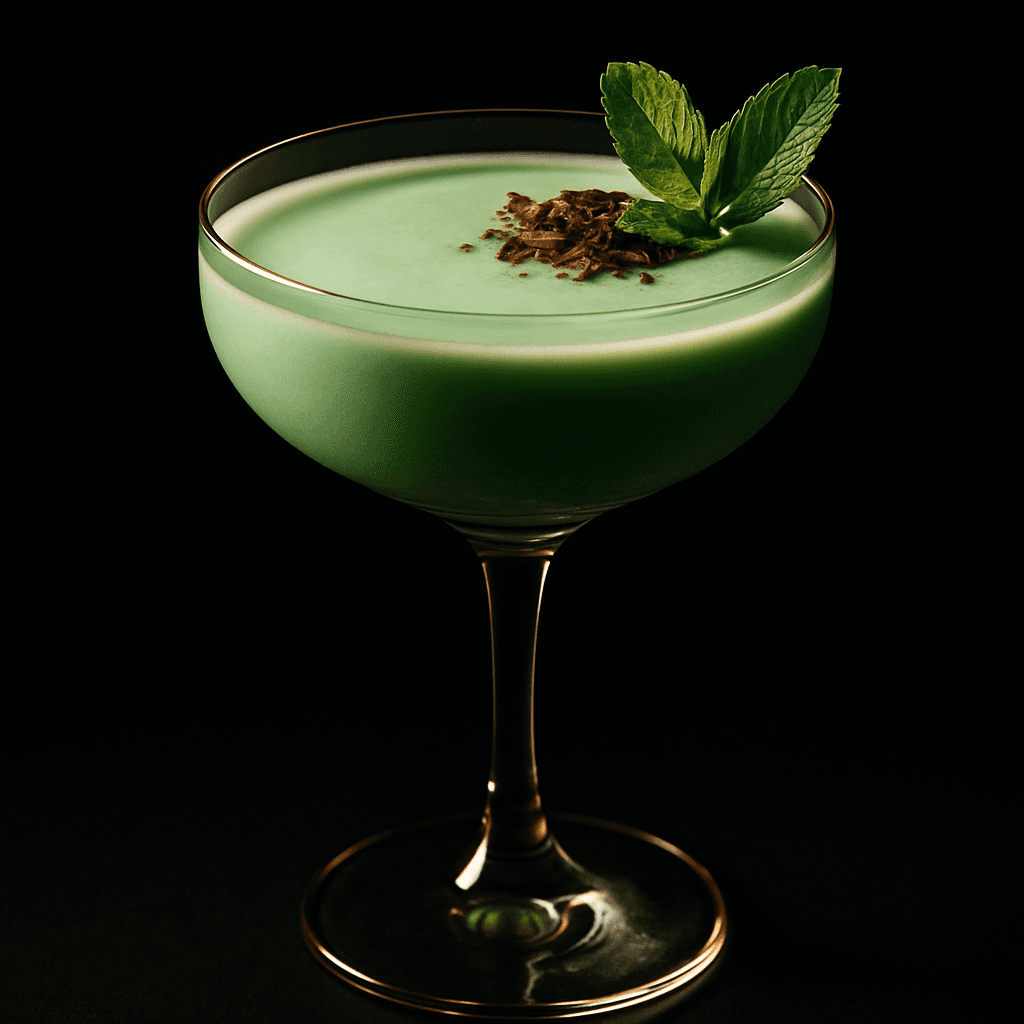
Grasshopper
A creamy, mint-chocolate dessert cocktail with a beautiful green hue. This indulgent after-dinner drink combines crème de menthe and crème de cacao with heavy cream for a smooth, luxurious experience.
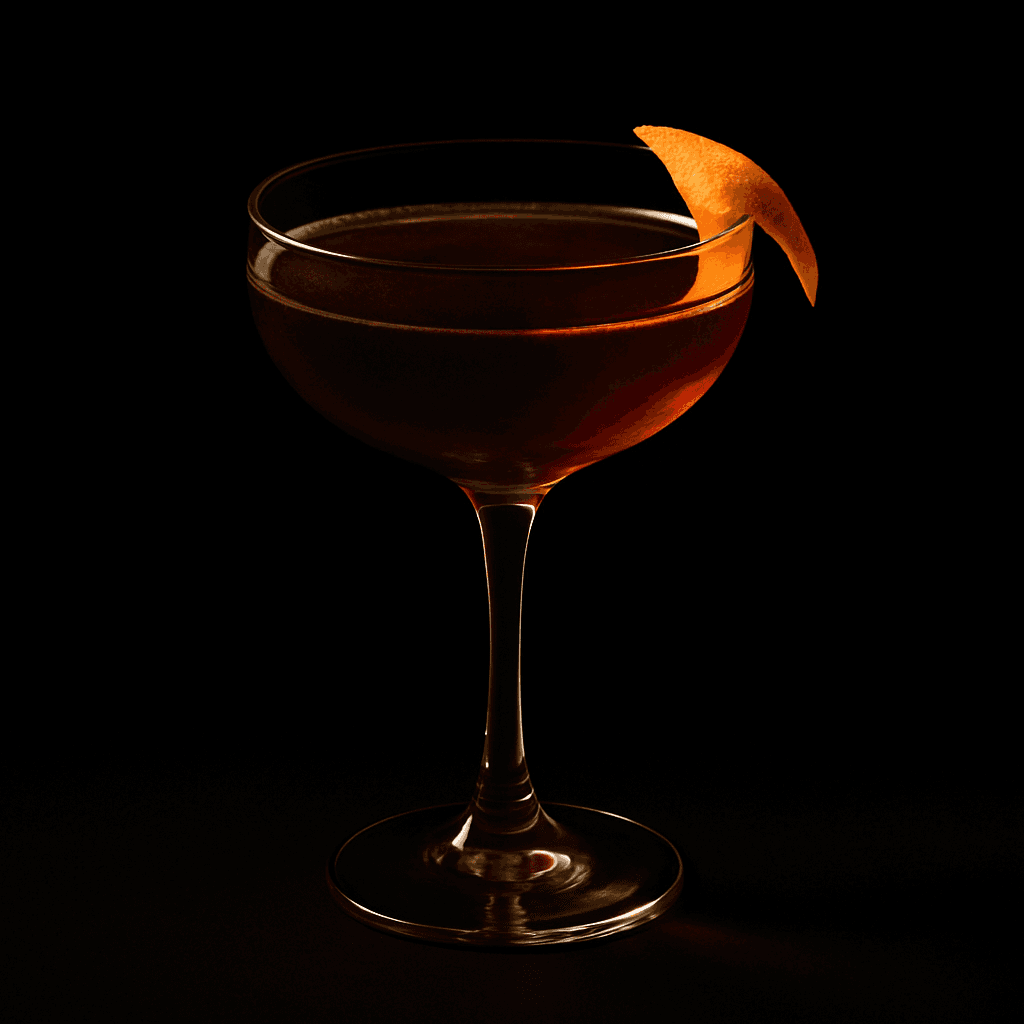
Revolver
A bold bourbon cocktail with coffee liqueur and orange bitters that packs a smooth, sophisticated punch. This modern classic balances the warmth of whiskey with rich coffee notes and a citrus accent.
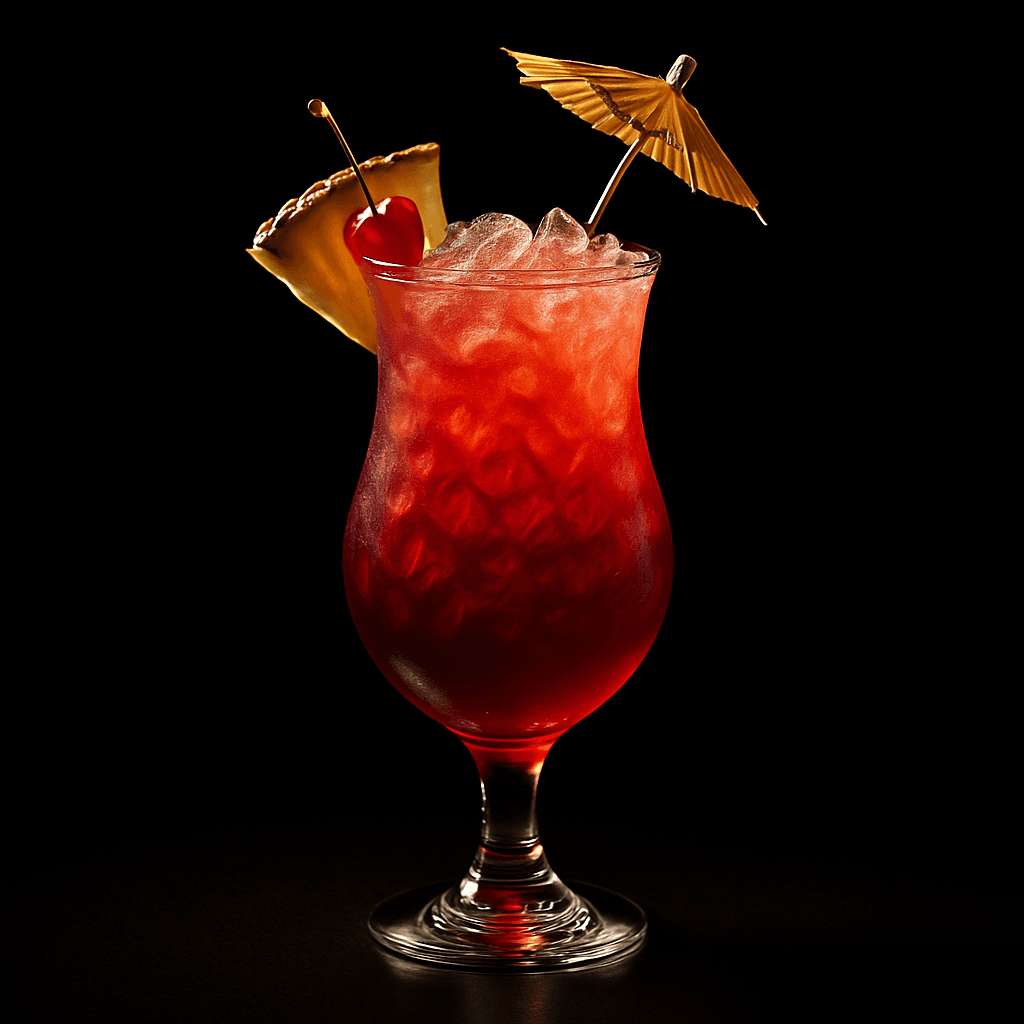
Grateful Dead
A potent tropical cocktail featuring multiple rums and fruit liqueurs that creates a dangerously smooth and colorful drink. This fruity concoction packs a psychedelic punch that lives up to its legendary namesake.
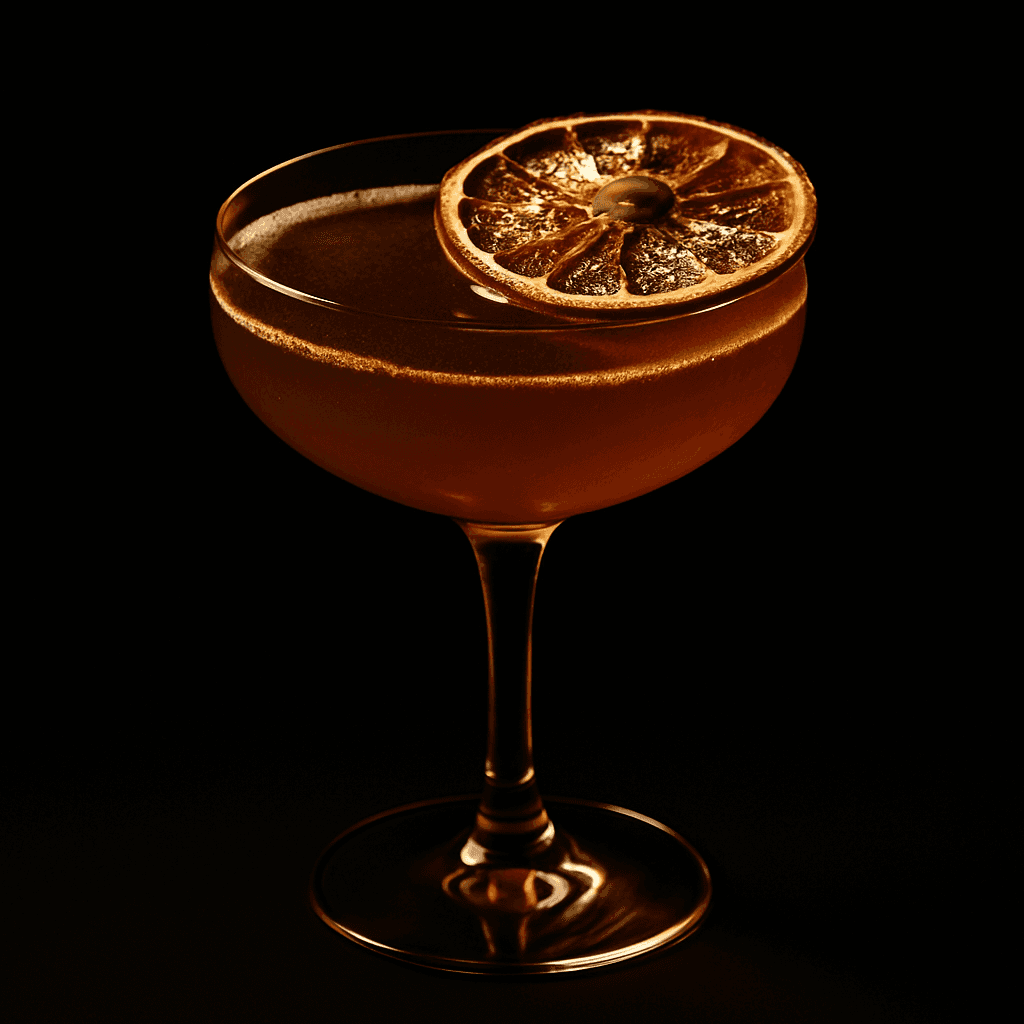
Drunken Pharaoh
A regal and mysterious cocktail that combines the ancient flavors of honey and dates with modern spirits. This golden elixir pays homage to the opulent drinking culture of ancient Egypt while delivering a sophisticated contemporary experience.
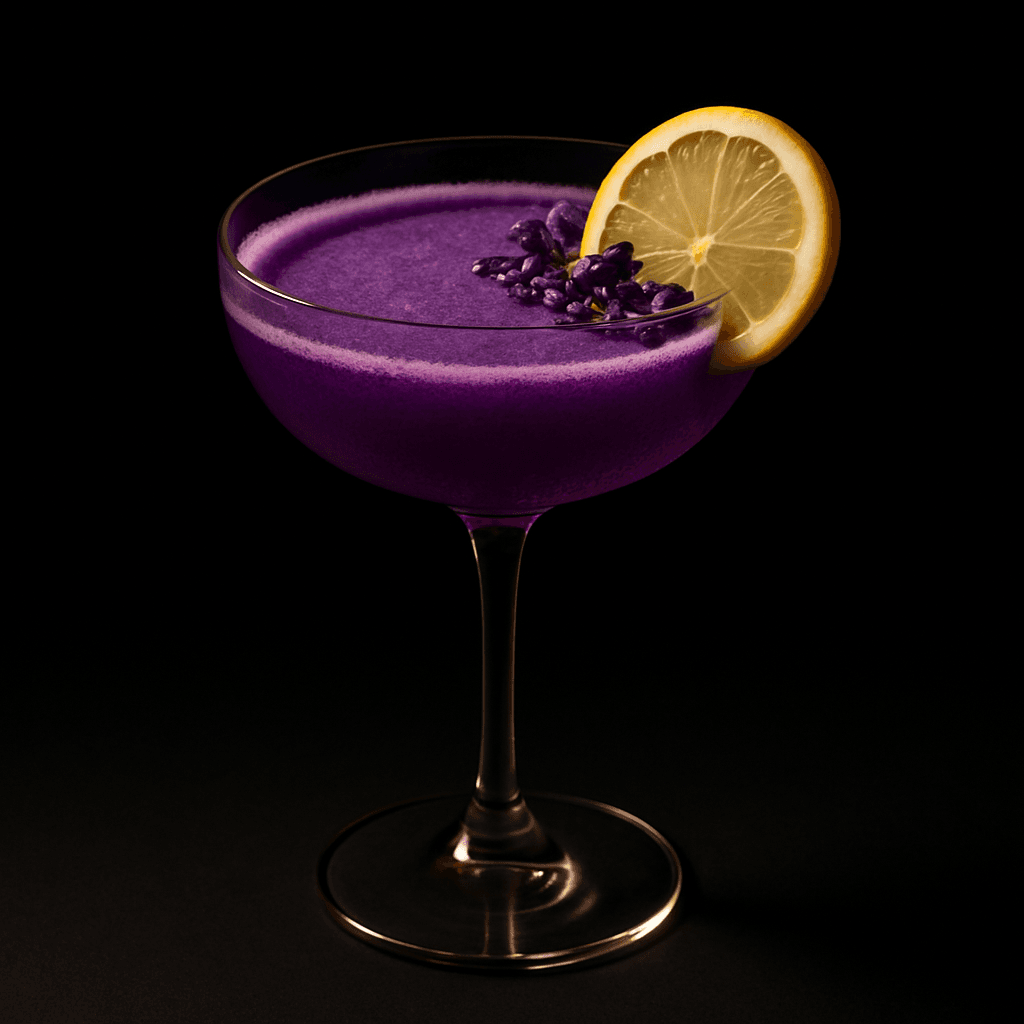
Purple Rain
A stunning purple cocktail that combines the smooth elegance of vodka with the floral notes of crème de violette and the tartness of fresh lemon. This visually striking drink creates a beautiful gradient effect reminiscent of a stormy sky.
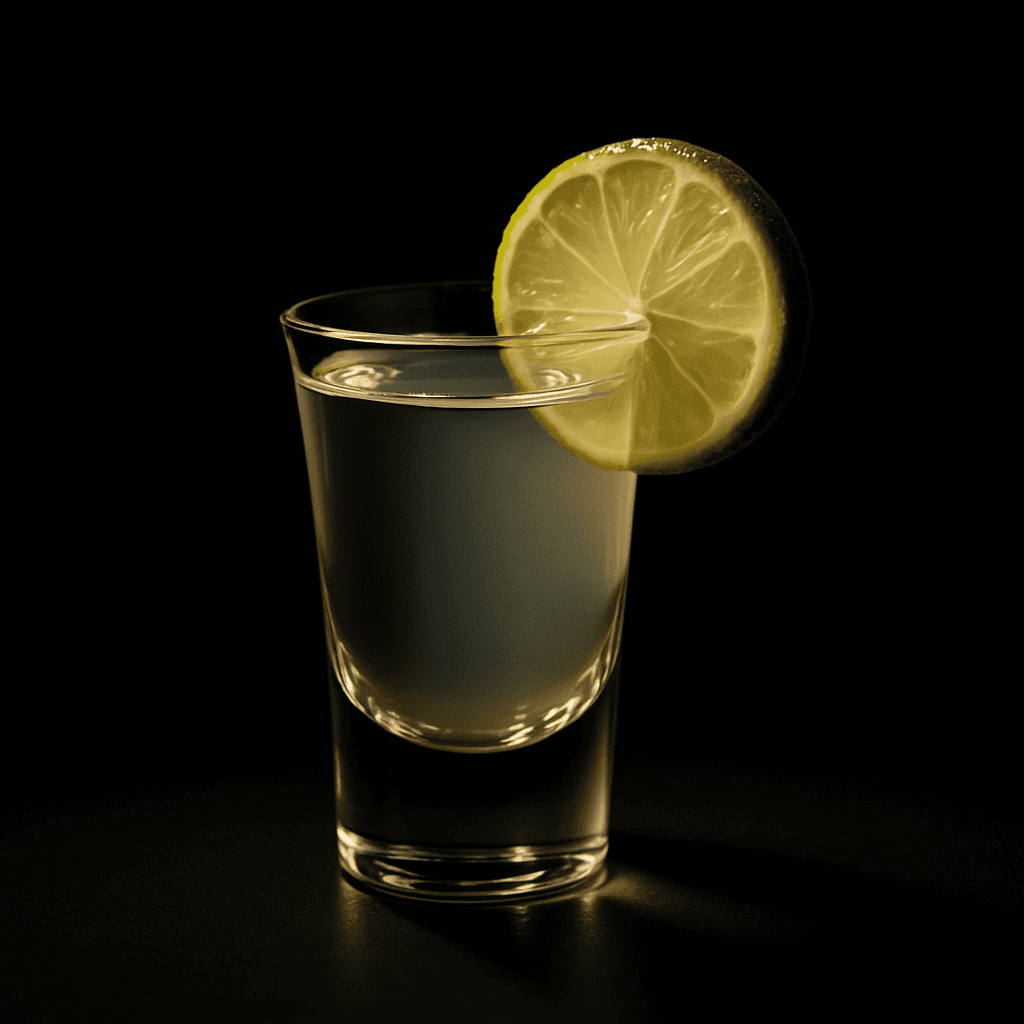
Kamikaze
A bold, lime-forward shooter that delivers a powerful punch of vodka balanced with tart cranberry and bright citrus. This Japanese-inspired cocktail is designed to be consumed quickly and decisively.
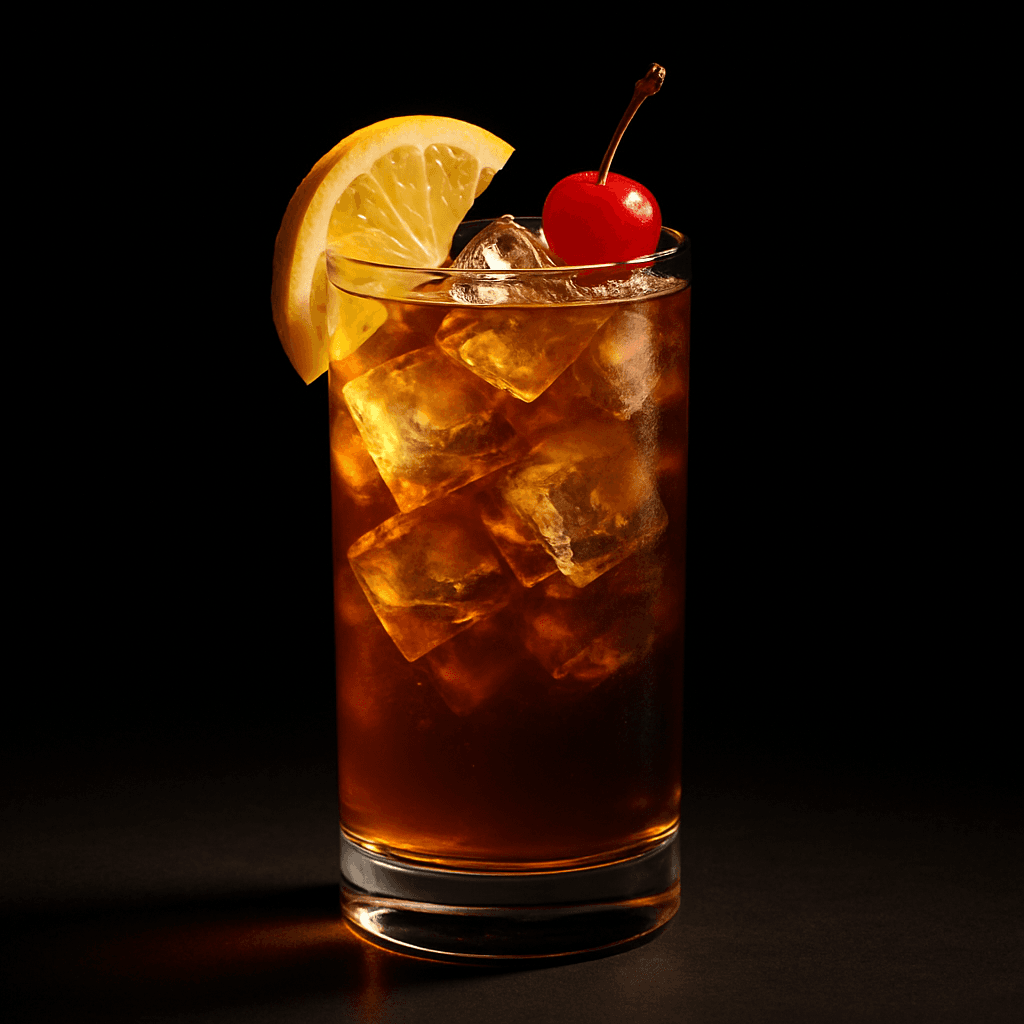
Long Beach Iced Tea
A vibrant twist on the classic Long Island Iced Tea, swapping cola for cranberry juice to create a beautiful pink-hued cocktail. This potent mix of five spirits gets a fruity makeover that's both refreshing and deceptively strong.
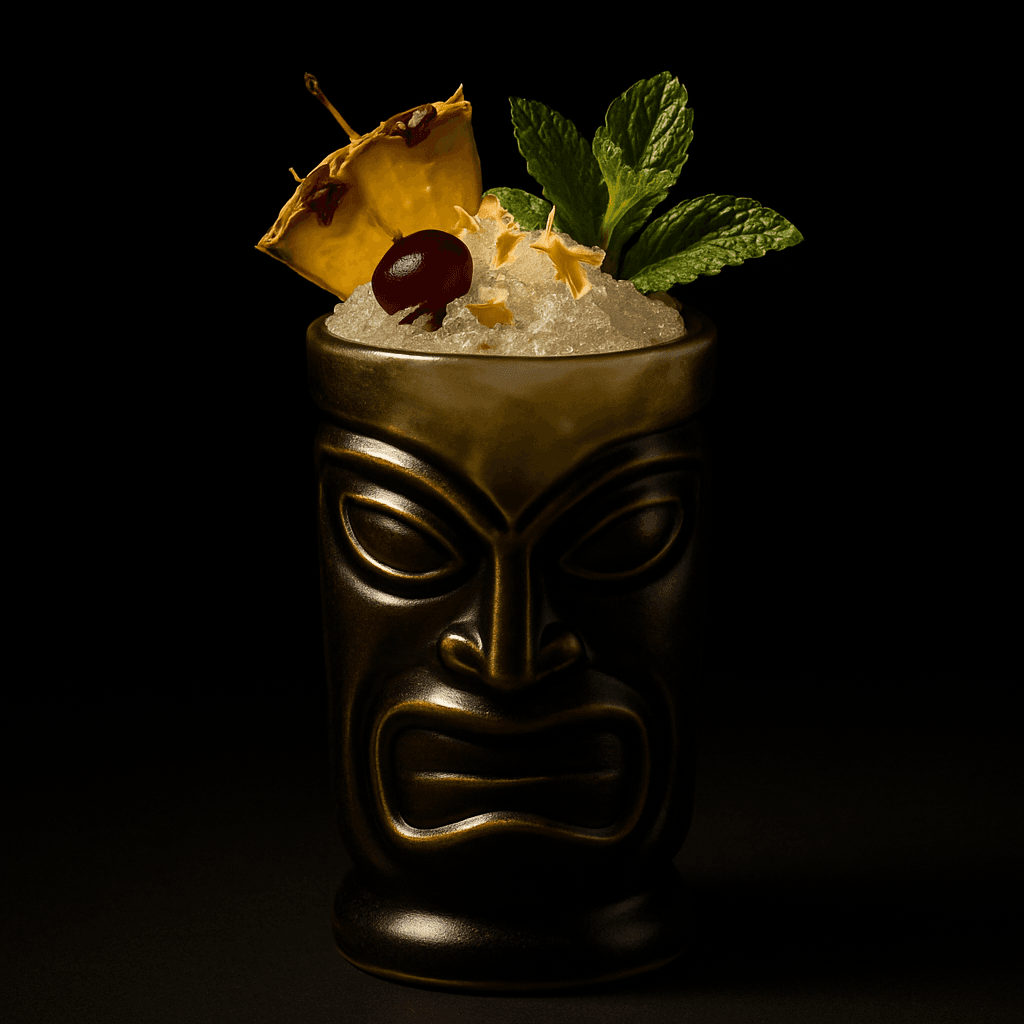
Pago Pago Cocktail
A tropical tiki-style cocktail that transports you to the Polynesian paradise of American Samoa. This exotic blend combines the richness of rum with tropical fruit flavors and aromatic spices for an island escape in a glass.
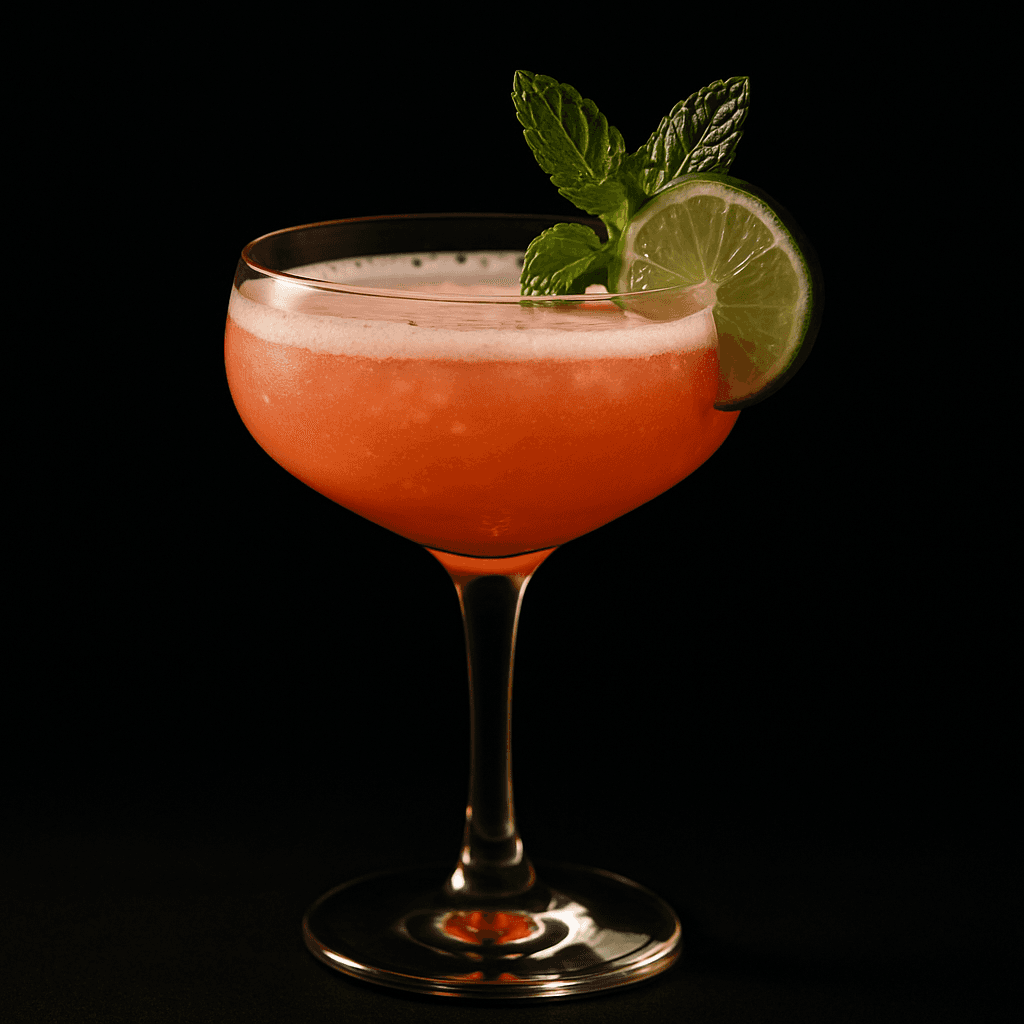
Tropical Guava Fizz
A refreshing non-alcoholic cocktail that captures the exotic sweetness of ripe guava with bright citrus notes and effervescent bubbles. This vibrant pink drink delivers tropical paradise in every sip.
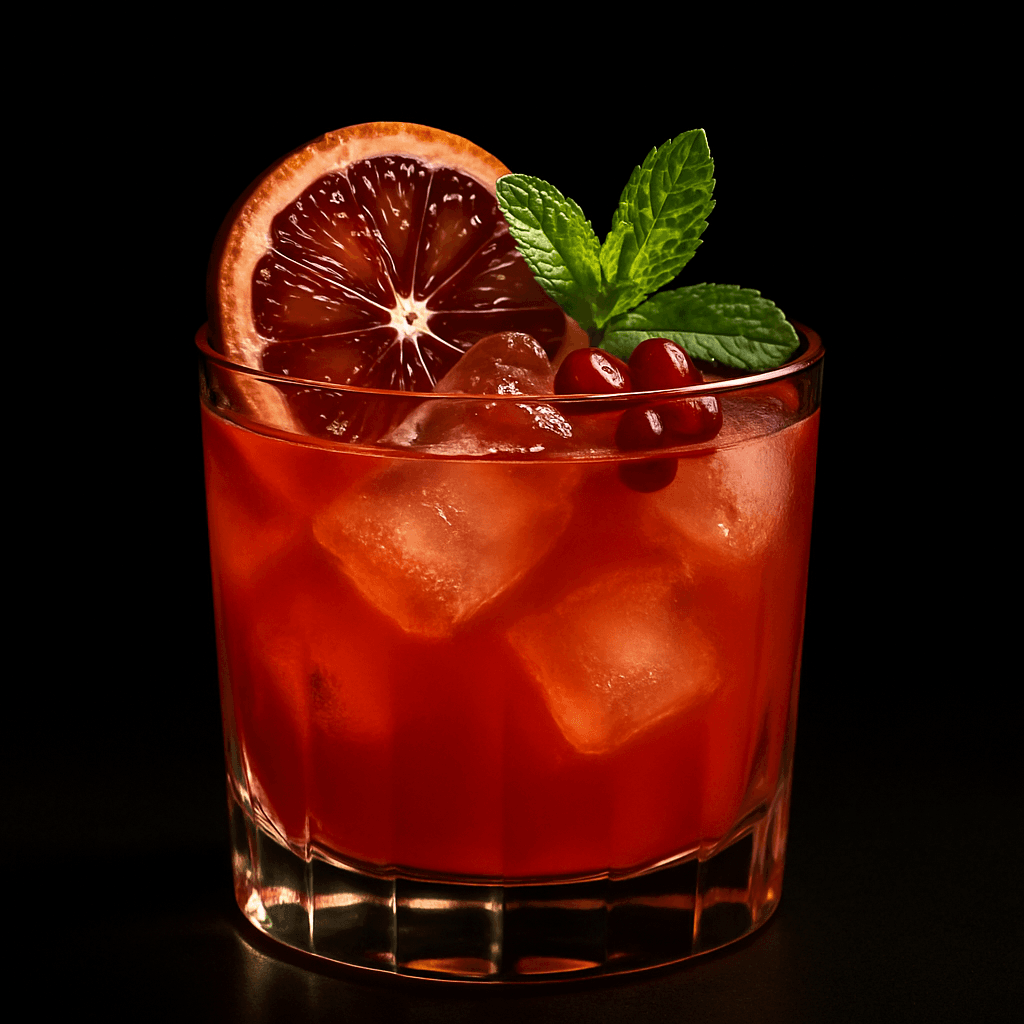
Blood Orange Mocktail
A vibrant non-alcoholic cocktail featuring the deep, sweet-tart flavor of blood oranges balanced with fresh lime and aromatic herbs. This refreshing mocktail delivers sophisticated complexity without the alcohol.
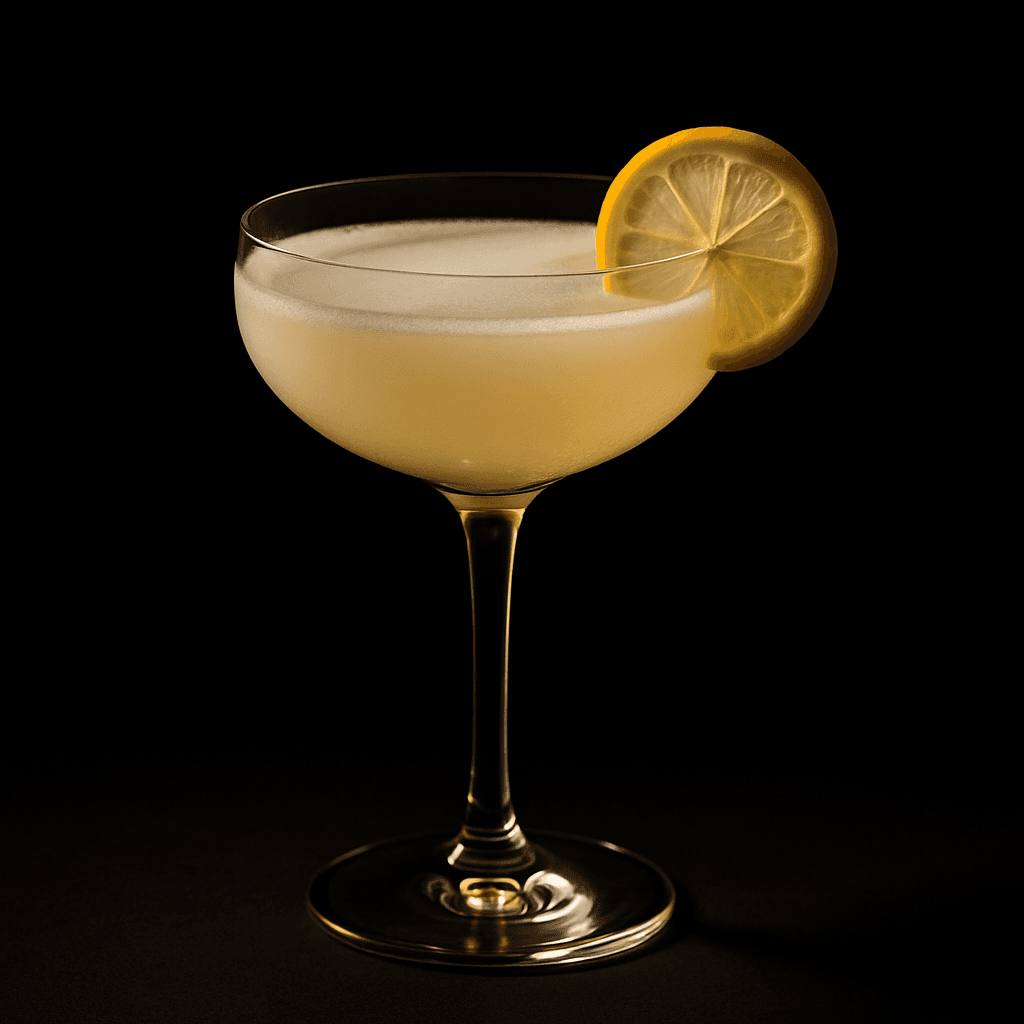
White Lady
A sophisticated gin-based cocktail that combines botanical gin with orange liqueur and fresh lemon juice. This elegant sipper delivers a perfect balance of citrusy brightness and smooth complexity.
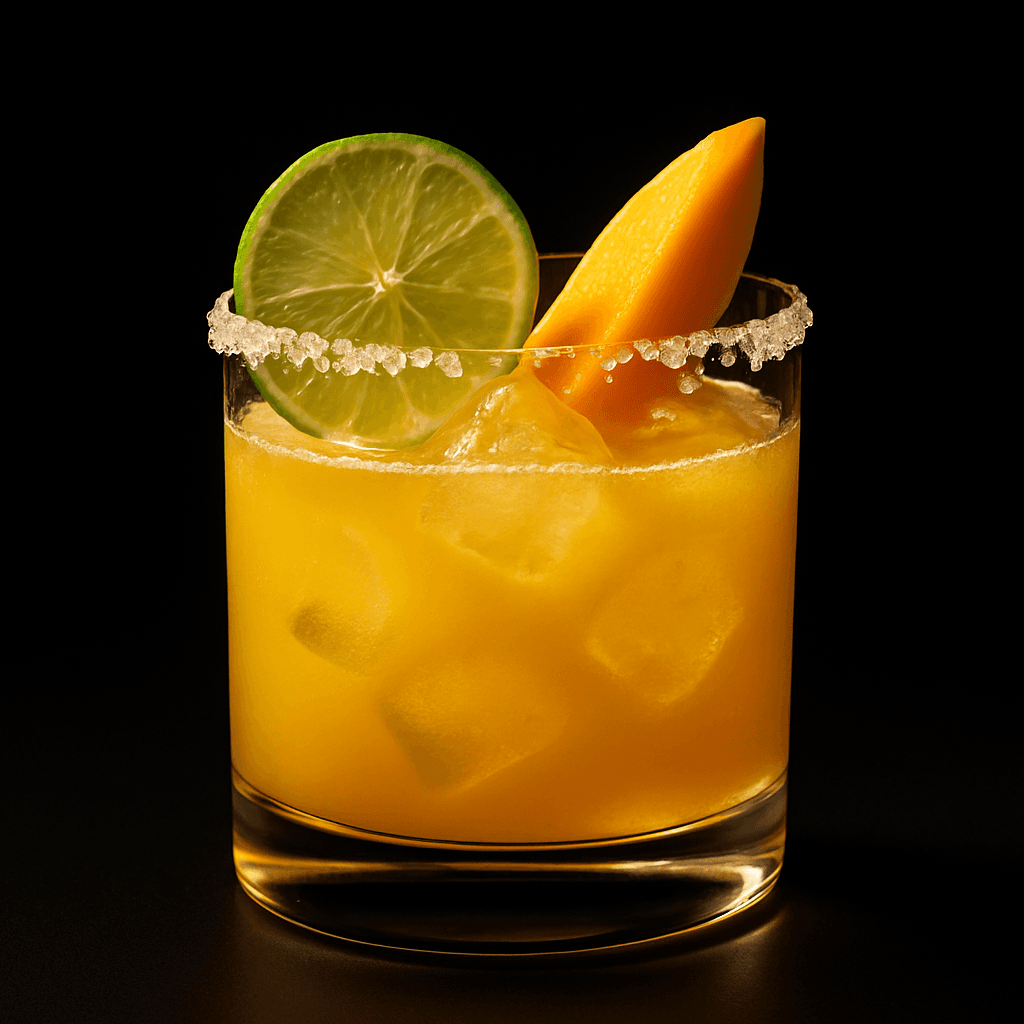
Mango Margarita Mocktail
A vibrant non-alcoholic twist on the classic margarita that captures all the tropical flavors without the tequila. This refreshing mocktail combines fresh mango with zesty lime and a hint of orange for the perfect balance of sweet and tart.
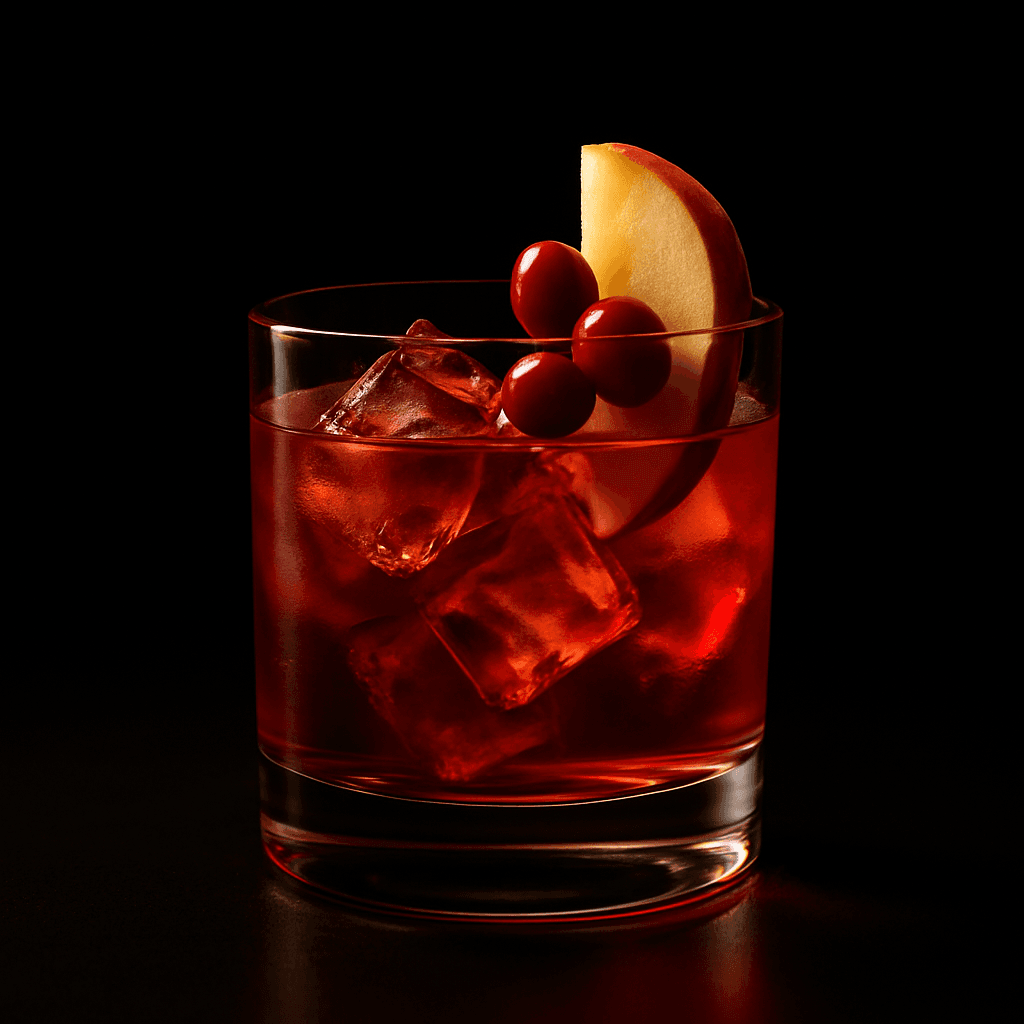
Washington Apple
A sweet and tart cocktail that perfectly balances Canadian whisky with crisp apple schnapps and tangy cranberry juice. This crowd-pleasing drink captures the essence of fresh Washington state apples in liquid form.
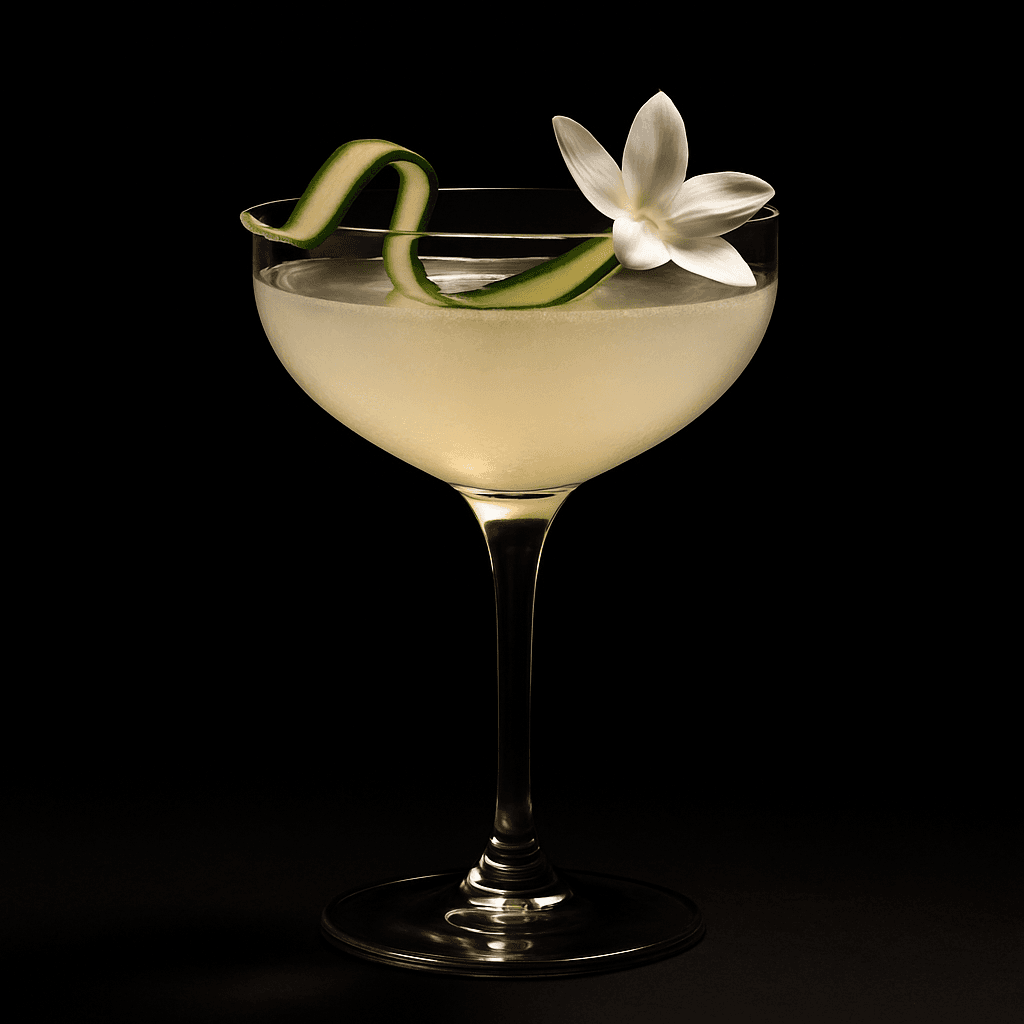
White Linen Cocktail
A sophisticated and refreshing gin-based cocktail featuring elderflower liqueur and fresh cucumber. This elegant drink combines botanical complexity with crisp, clean flavors that evoke the feeling of crisp white linens on a summer breeze.
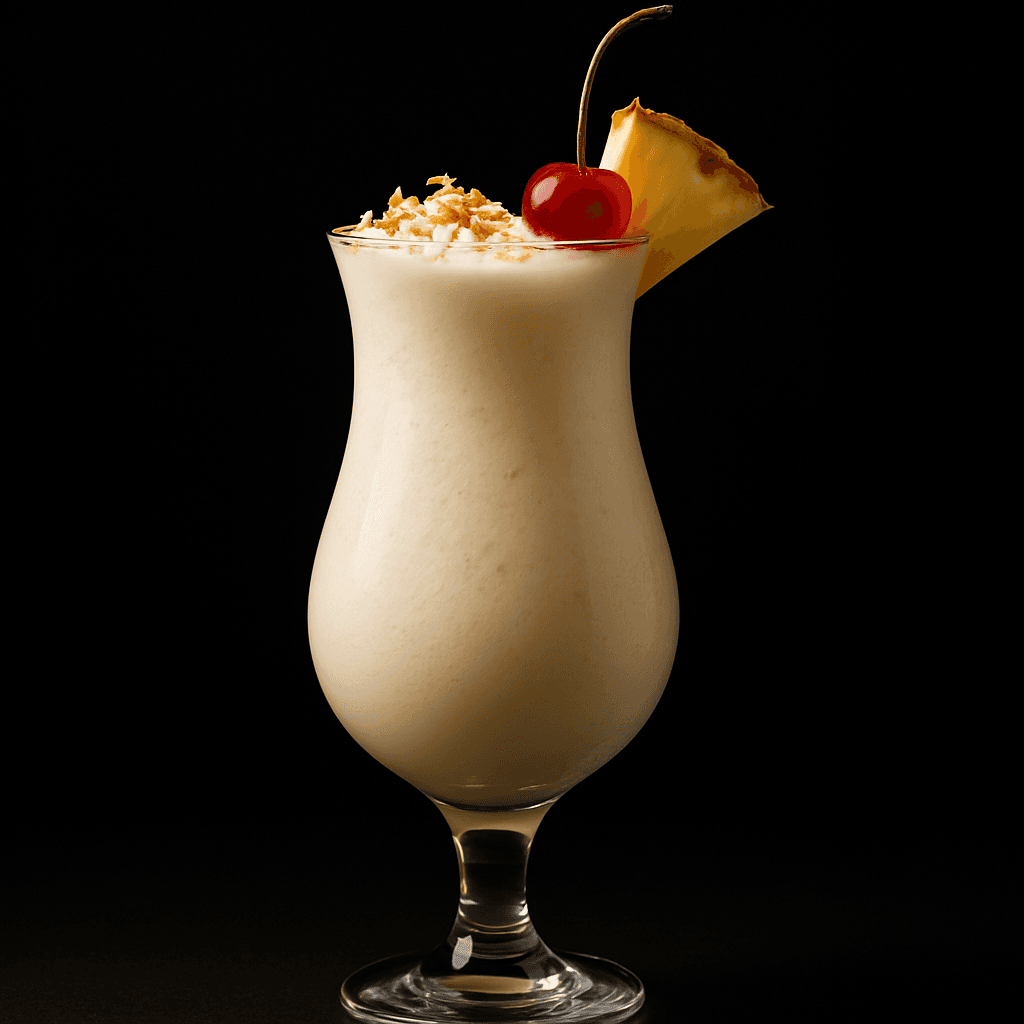
Virgin Piña Colada
A creamy, tropical non-alcoholic cocktail that captures all the paradise vibes of the classic Piña Colada. This frozen delight combines sweet pineapple, rich coconut cream, and a hint of lime for the perfect alcohol-free escape to the islands.
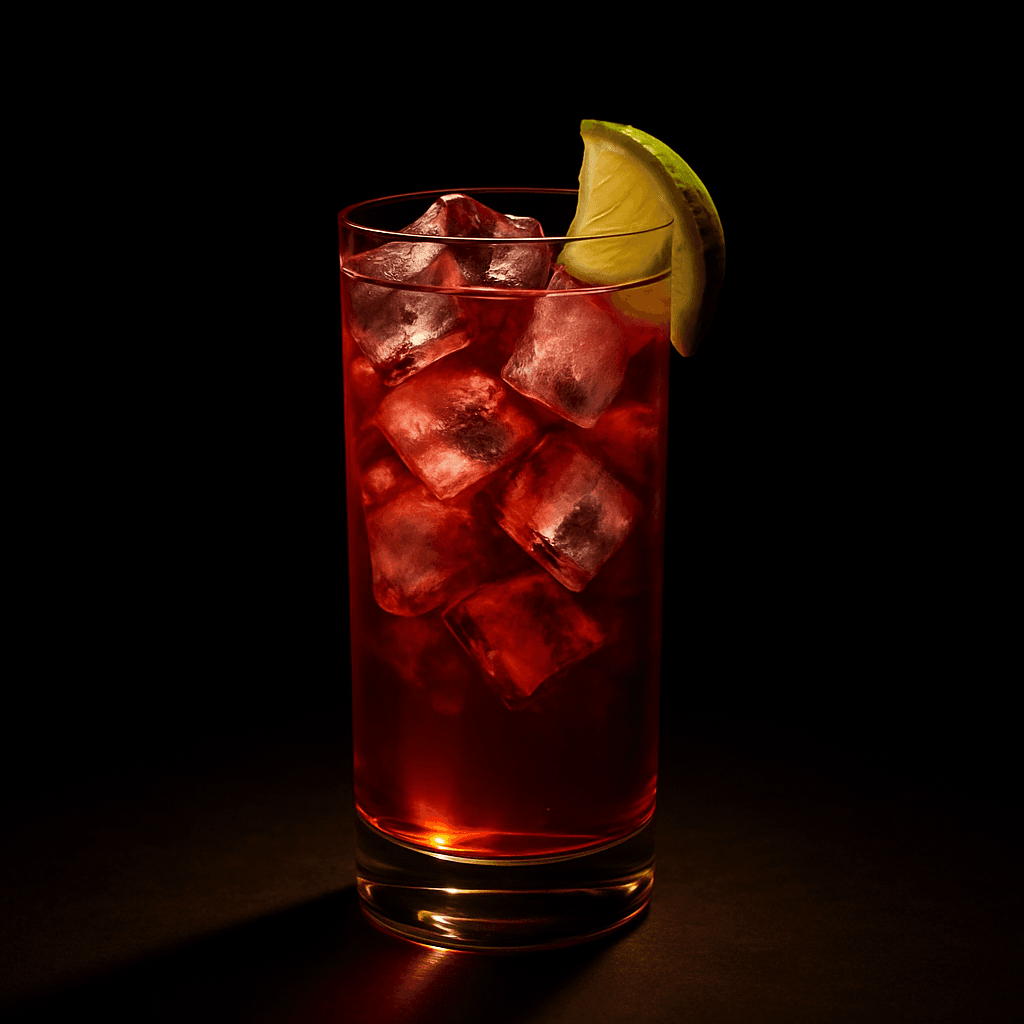
Cape Cod
A refreshing and simple vodka cocktail that combines the clean taste of vodka with tart cranberry juice and a bright lime wedge. This ruby-red drink is perfect for any occasion and embodies the coastal charm of its namesake.
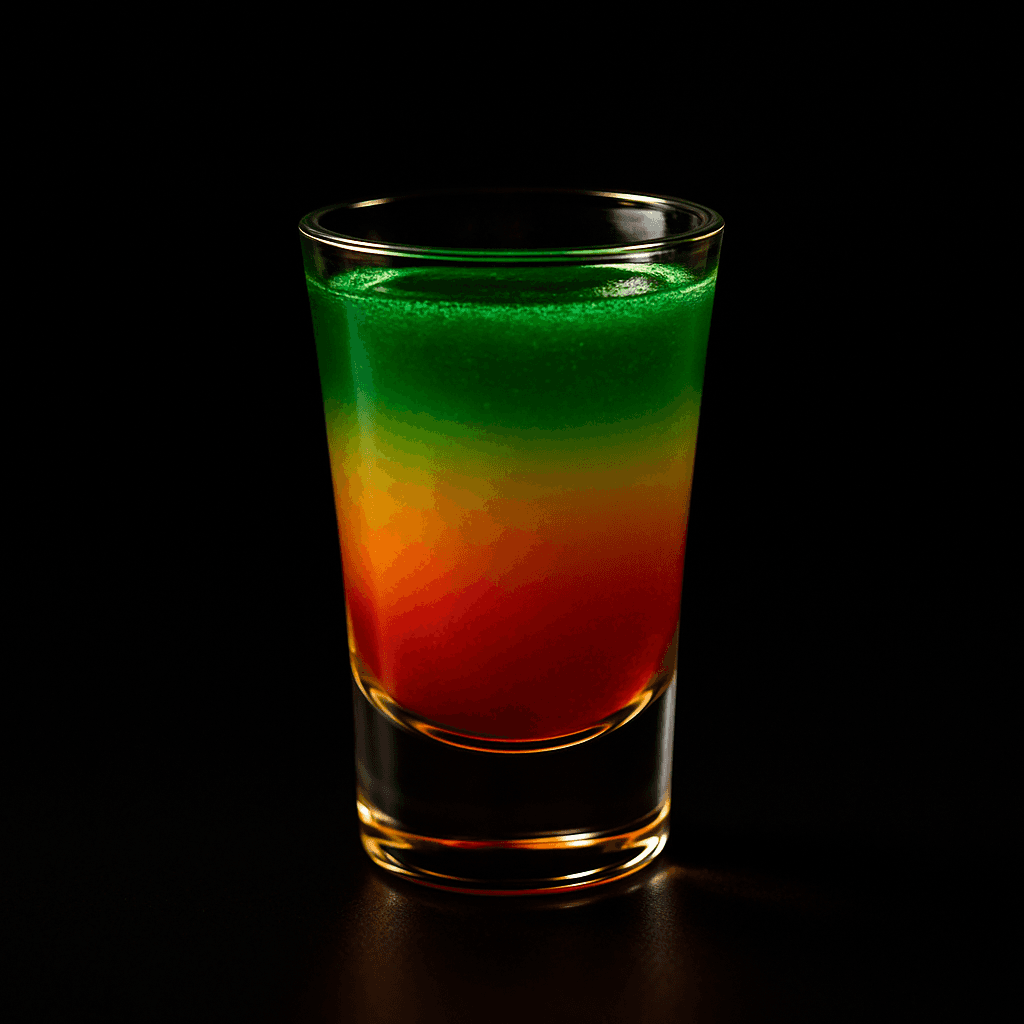
Bob Marley
A vibrant layered shot that pays homage to the reggae legend with the colors of the Jamaican flag. This tropical-inspired drink combines rum, banana liqueur, and grenadine for a sweet, fruity experience.
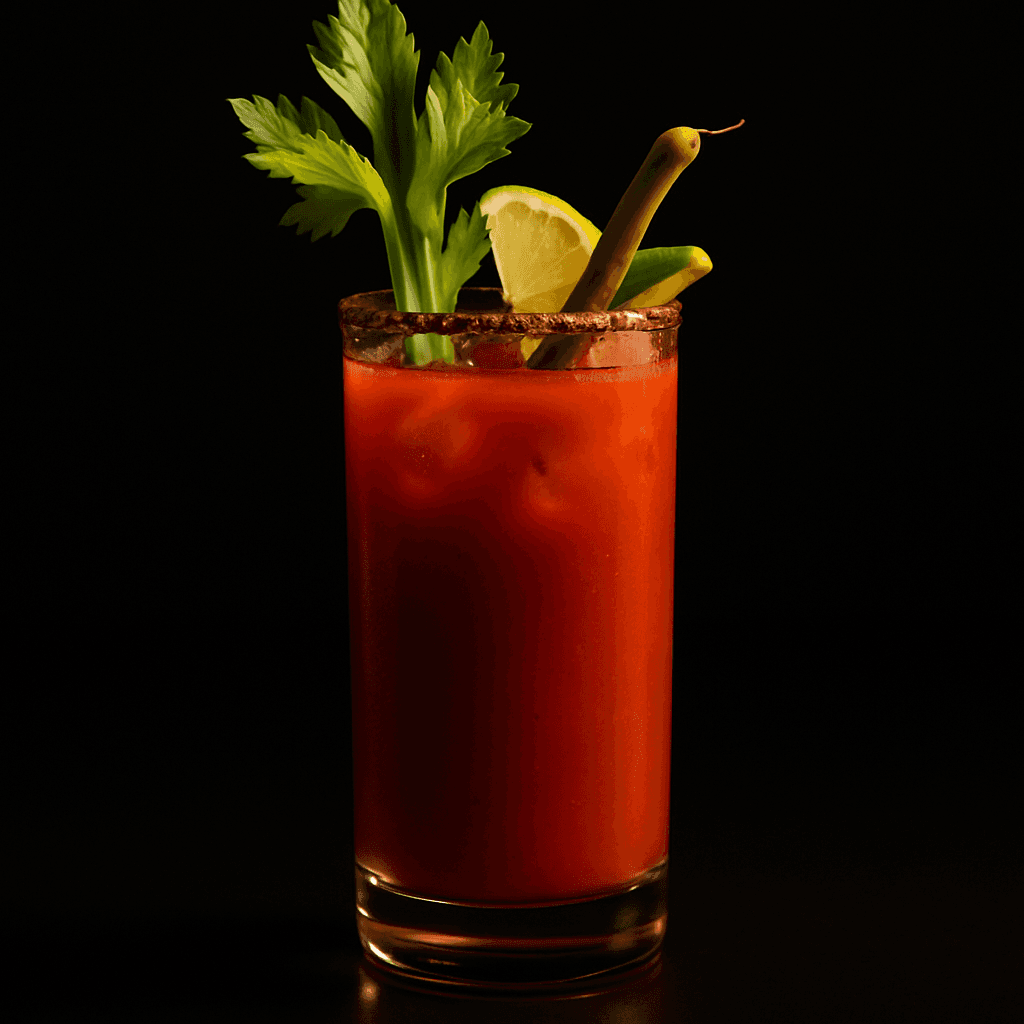
Caesar
Canada's iconic savory cocktail featuring vodka, Clamato juice, and a distinctive rim of celery salt. This umami-rich drink is garnished with celery and lime, creating a complex flavor profile that's both refreshing and satisfying.
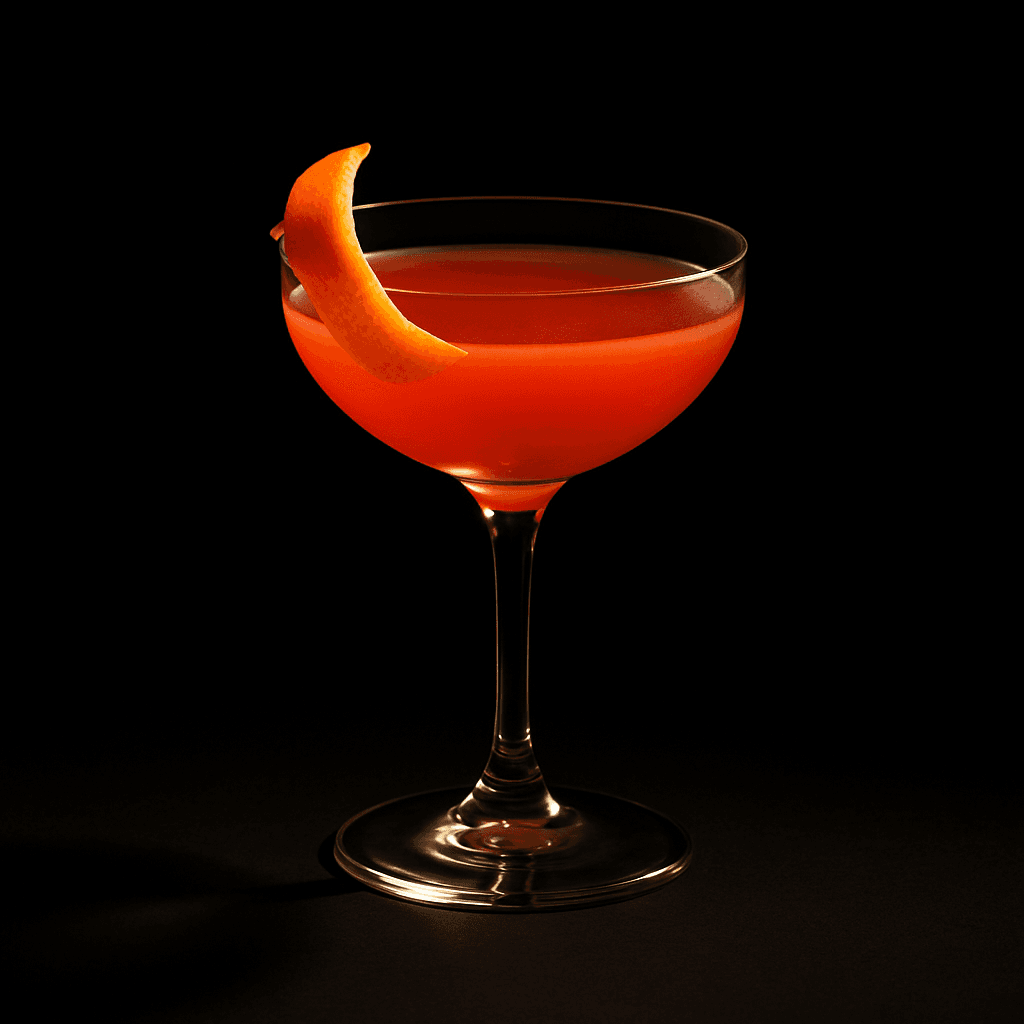
Siesta
A refreshing tequila-based cocktail that combines the brightness of grapefruit and lime with the complexity of Campari and simple syrup. This modern classic offers a perfect balance of bitter, sweet, and citrus notes.
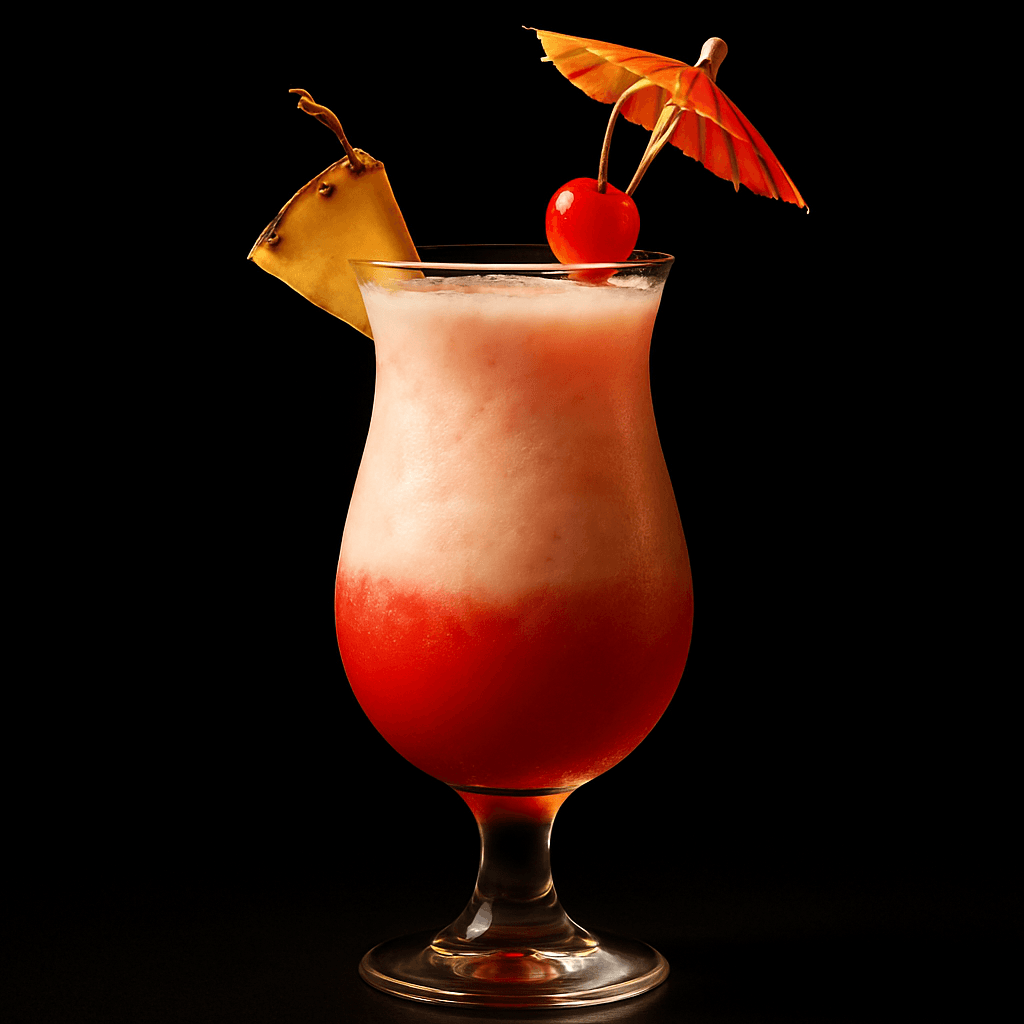
Miami Vice
A stunning layered cocktail that combines the tropical flavors of a Piña Colada with the fruity sweetness of a Strawberry Daiquiri. This visually striking drink captures the vibrant spirit of 1980s Miami with its signature pink and white layers.
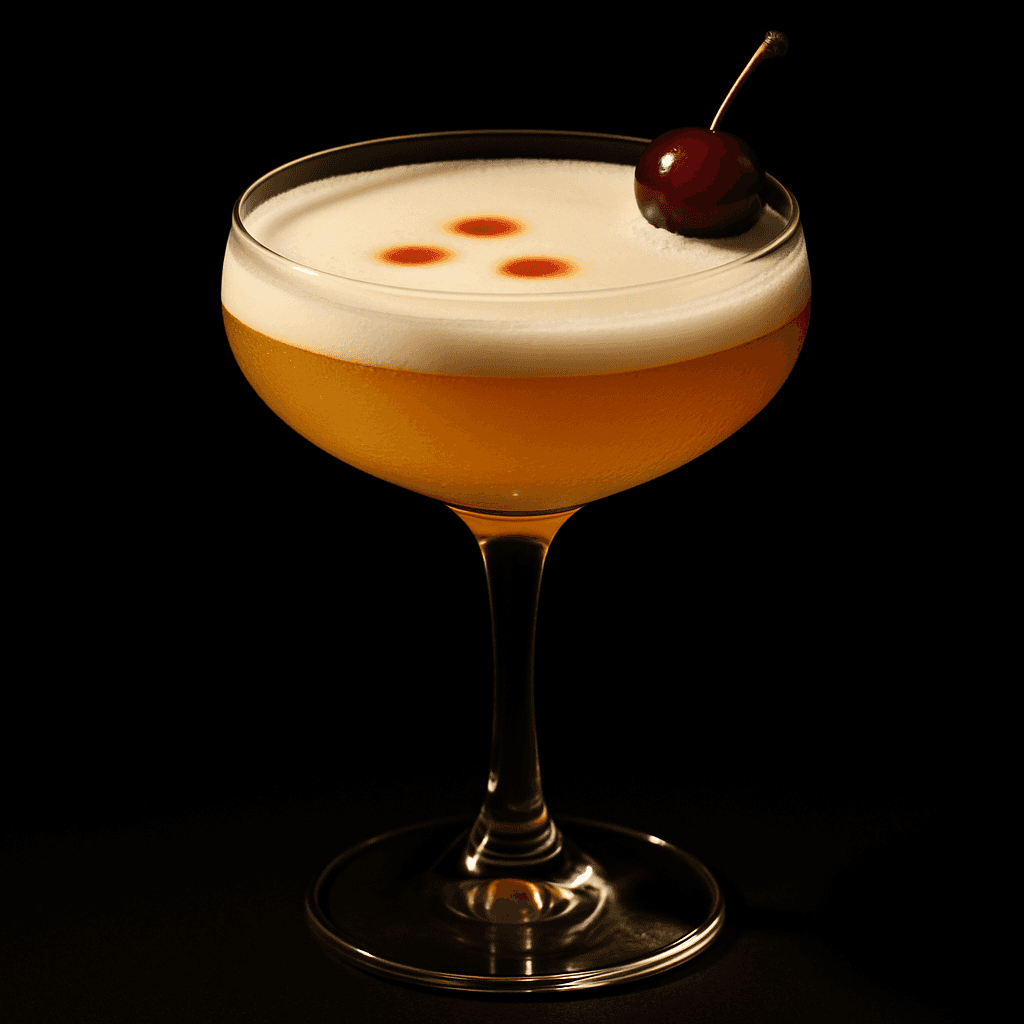
Whisky Sour
A perfectly balanced classic cocktail combining whiskey's warmth with bright citrus and smooth sweetness. The addition of egg white creates a luxurious foam that elevates this timeless drink to cocktail perfection.
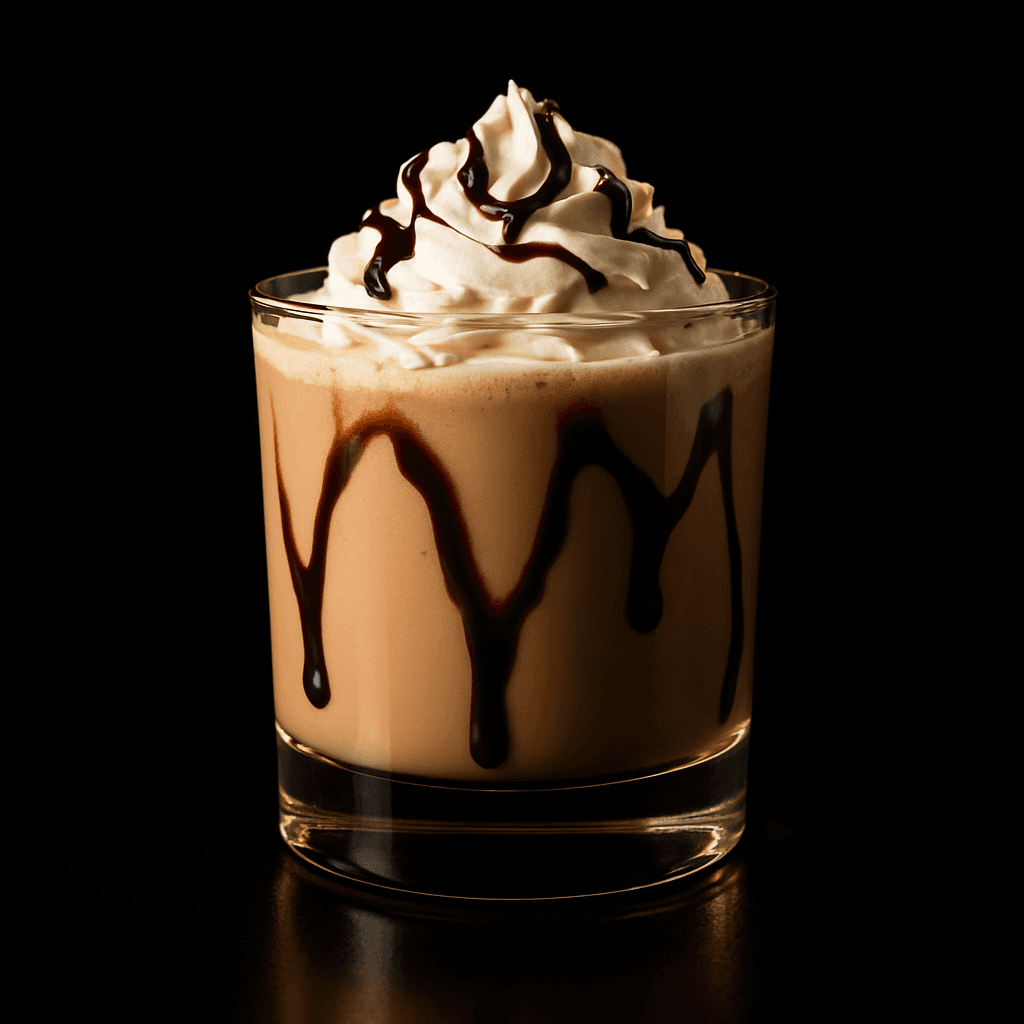
Mudslide
A decadent, dessert-like cocktail that combines vodka, coffee liqueur, and Irish cream in a creamy, indulgent blend. Served over ice with a chocolate drizzle, it's liquid dessert in a glass.
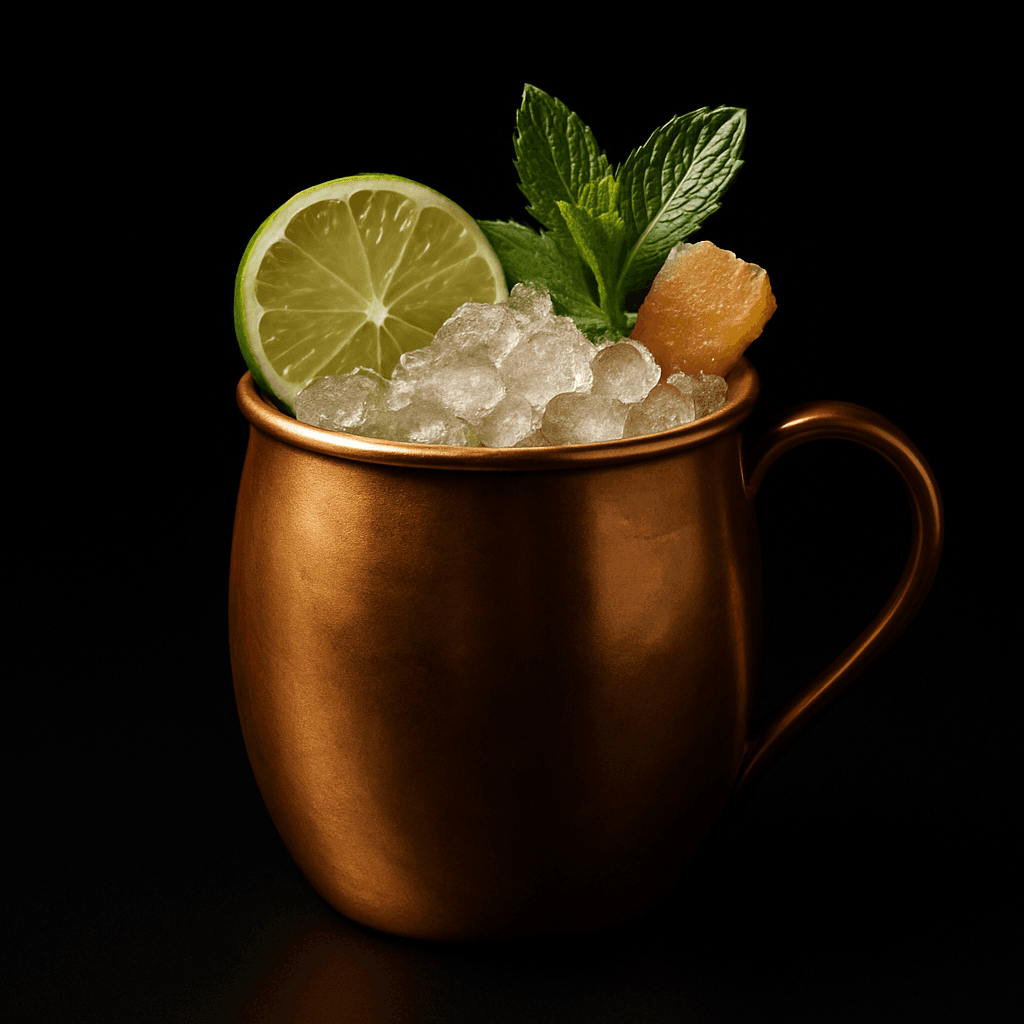
Mocktail Mule
A vibrant non-alcoholic take on the classic Moscow Mule, featuring zesty ginger beer, fresh lime juice, and aromatic mint. This refreshing mocktail delivers all the spicy kick and copper mug charm of the original without the vodka.
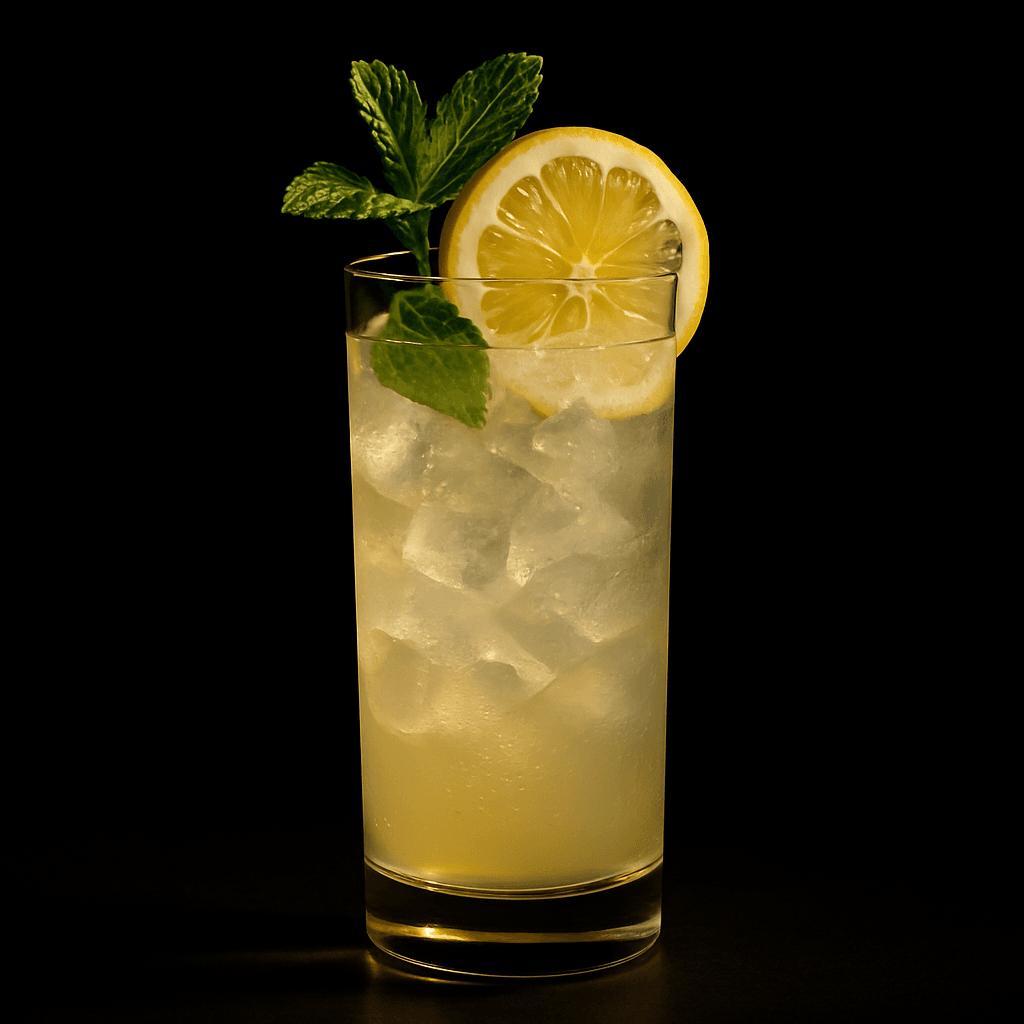
Garden Party Lemonade Mocktail
A refreshing and sophisticated non-alcoholic lemonade elevated with muddled mint, a touch of elderflower, and sparkling water. This mocktail delivers all the brightness of classic lemonade with botanical complexity that will impress any crowd.
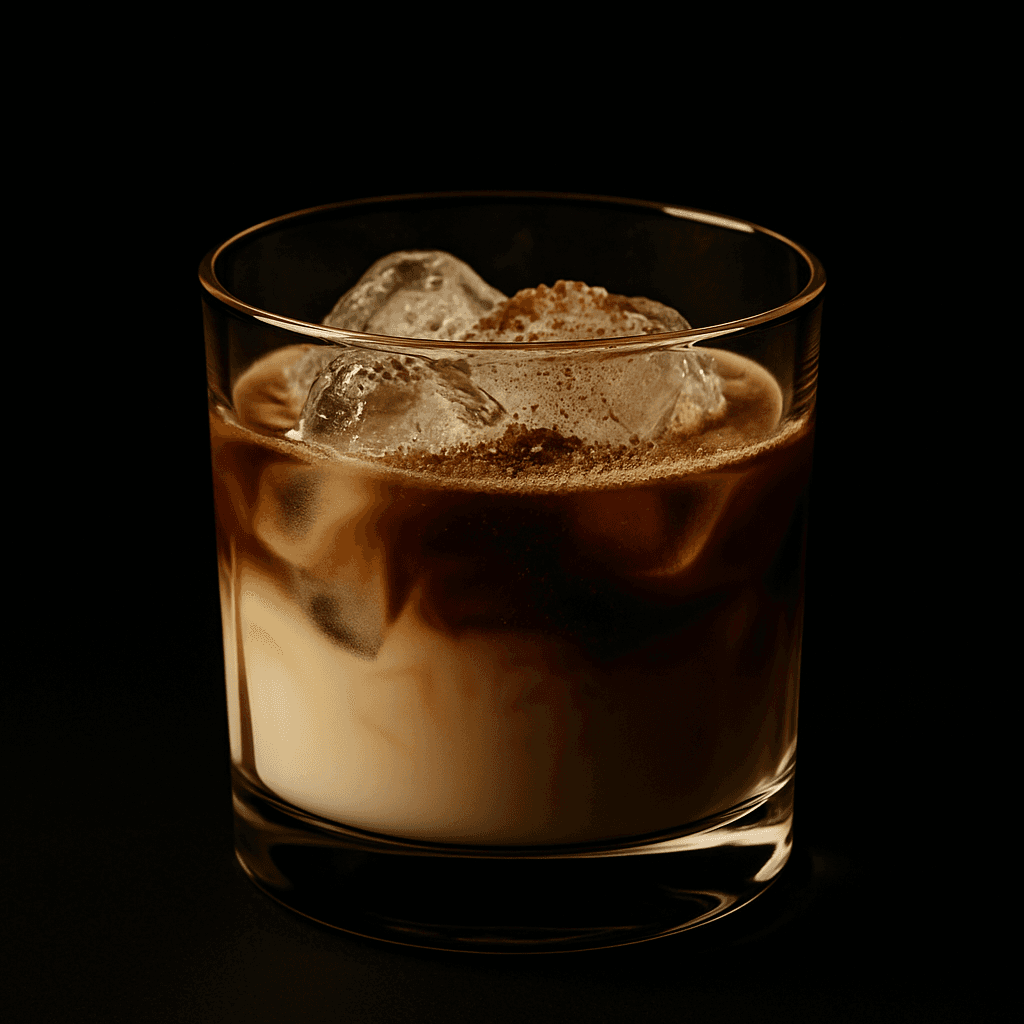
White Russian
A creamy, indulgent cocktail that combines vodka, coffee liqueur, and heavy cream. This sweet and smooth drink is perfect for dessert or as a nightcap.
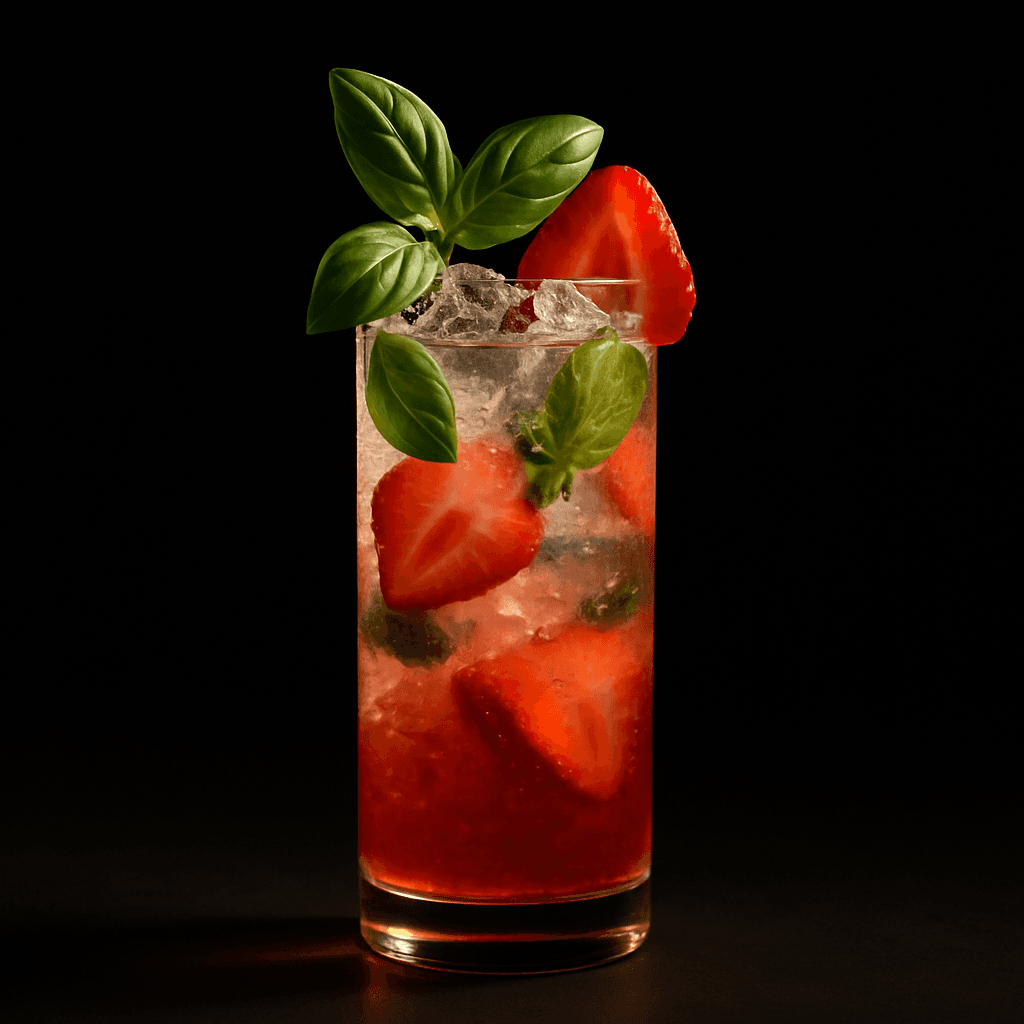
Strawberry Basil Mocktail
A refreshing non-alcoholic cocktail that combines the sweetness of fresh strawberries with the aromatic complexity of basil. This sophisticated mocktail delivers garden-fresh flavors with a beautiful ruby-red color.
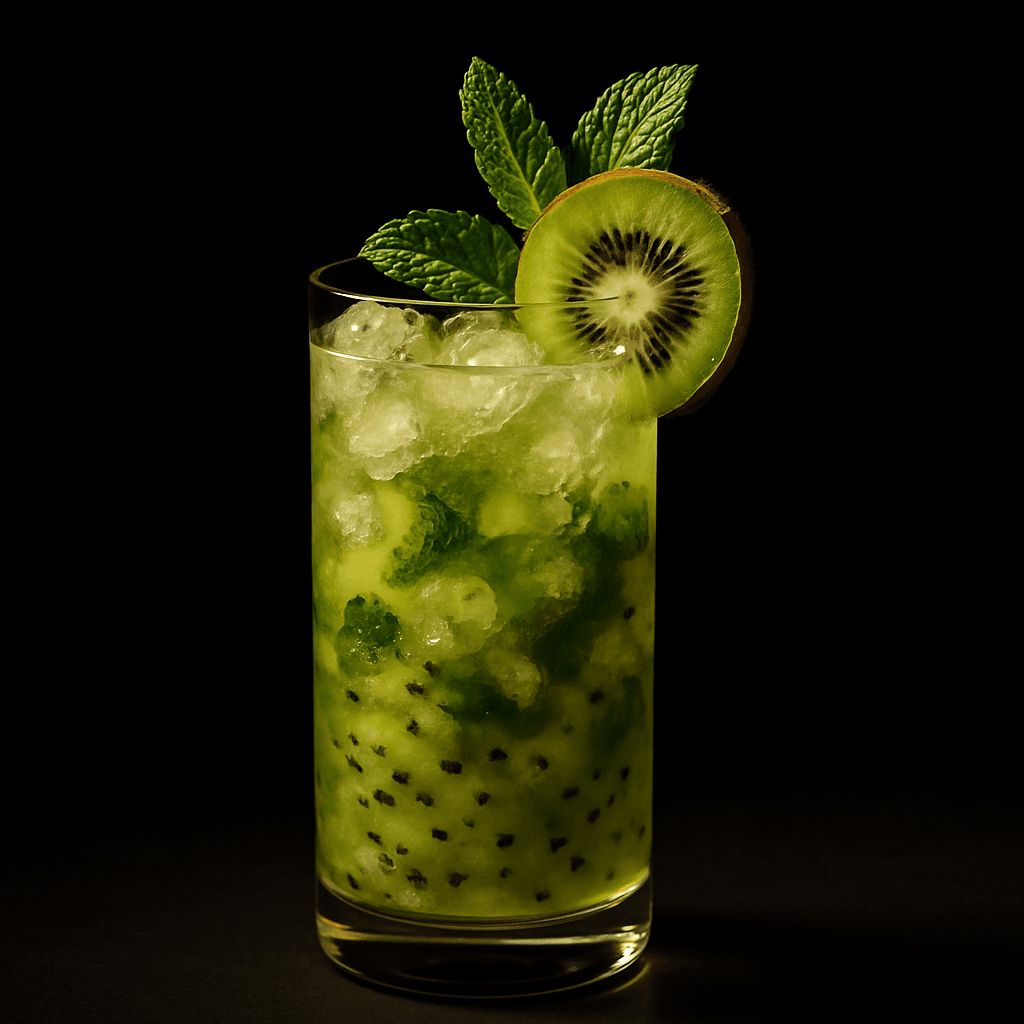
Kiwi Mocktail
A vibrant, refreshing non-alcoholic cocktail that celebrates the tropical sweetness of fresh kiwi. This emerald-green drink combines muddled kiwi with zesty lime and sparkling water for a perfect balance of sweet and tart flavors.
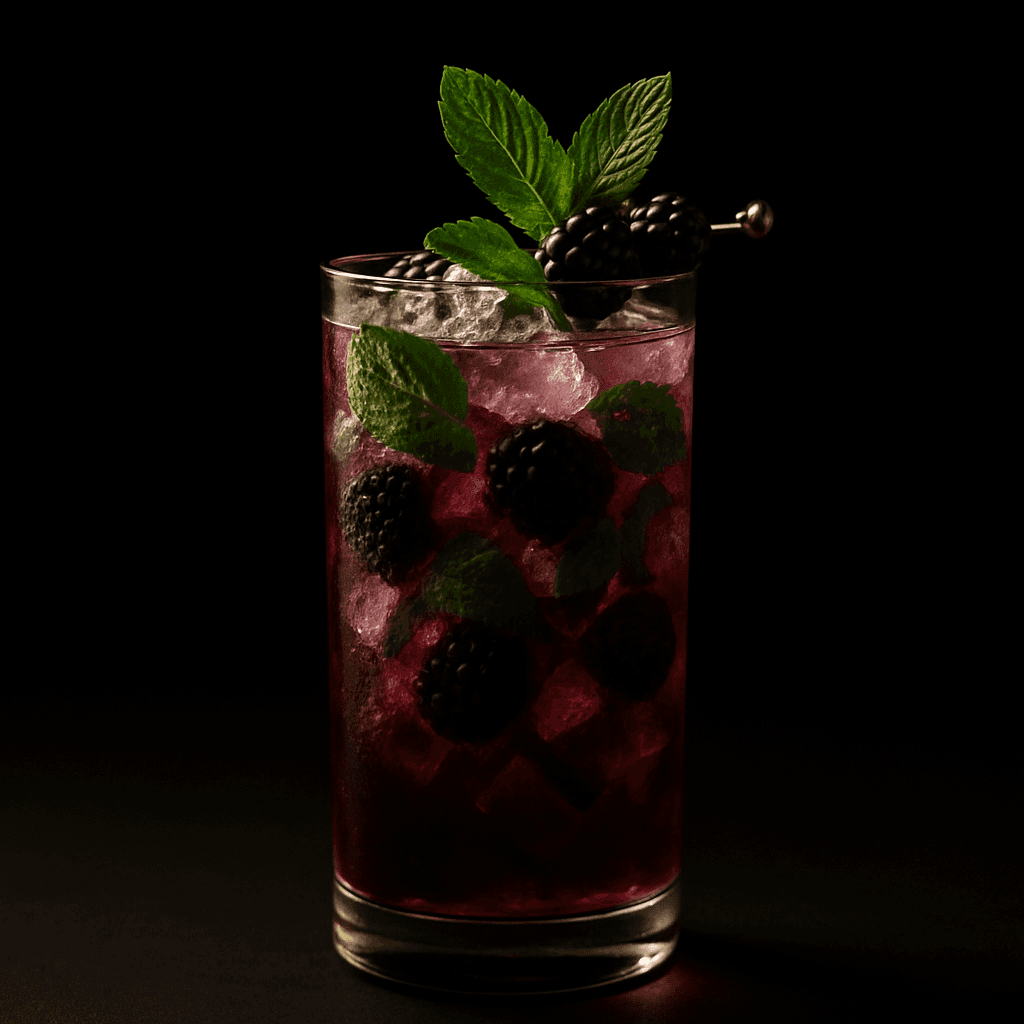
Blackberry Mojito Mocktail
A refreshing non-alcoholic twist on the classic Cuban mojito, featuring muddled blackberries and fresh mint. This vibrant purple mocktail delivers all the cooling satisfaction of the original with added berry sweetness and antioxidant benefits.
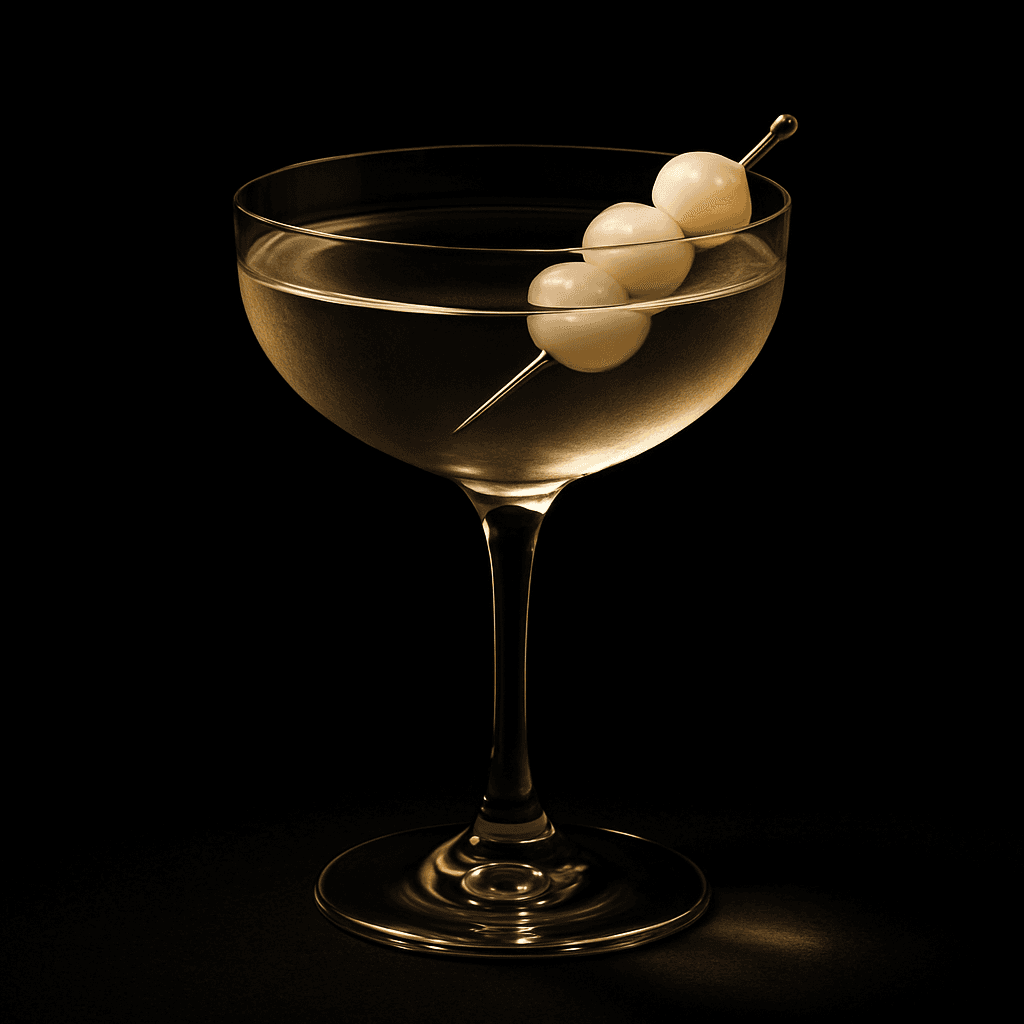
Gibson
A sophisticated twist on the classic martini, the Gibson replaces the traditional olive with a pickled cocktail onion. This subtle change creates a drier, more savory profile that has captivated discerning drinkers for over a century.
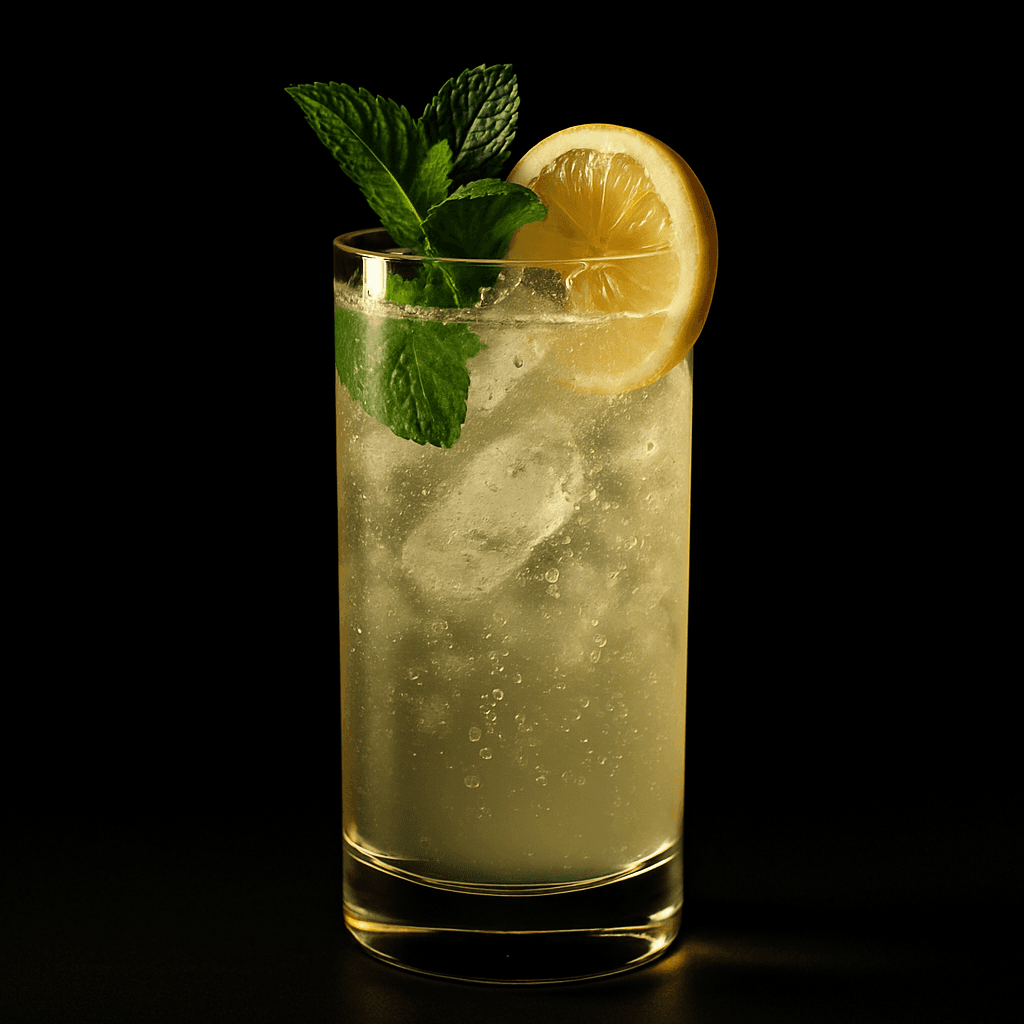
Sparkling Garden Lemonade
A refreshing non-alcoholic twist on classic lemonade featuring fresh herbs and sparkling water. This elevated mocktail combines tart lemon juice with a touch of sweetness and aromatic herbs for a sophisticated alcohol-free experience.
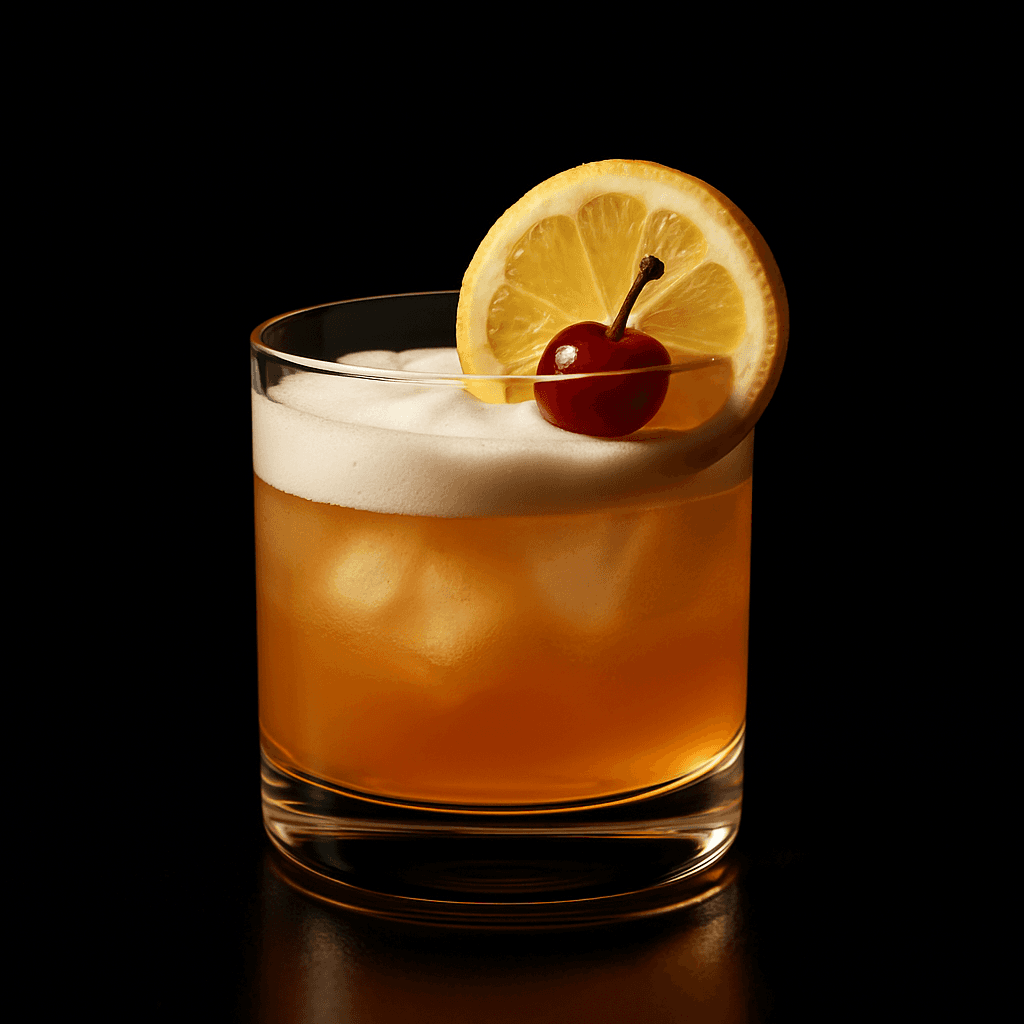
Whiskey Sour Mocktail
A sophisticated non-alcoholic interpretation of the classic whiskey sour that captures all the complex flavors without the alcohol. This mocktail combines rich tea-based whiskey alternative with fresh lemon juice and a touch of sweetness for a perfectly balanced drink.
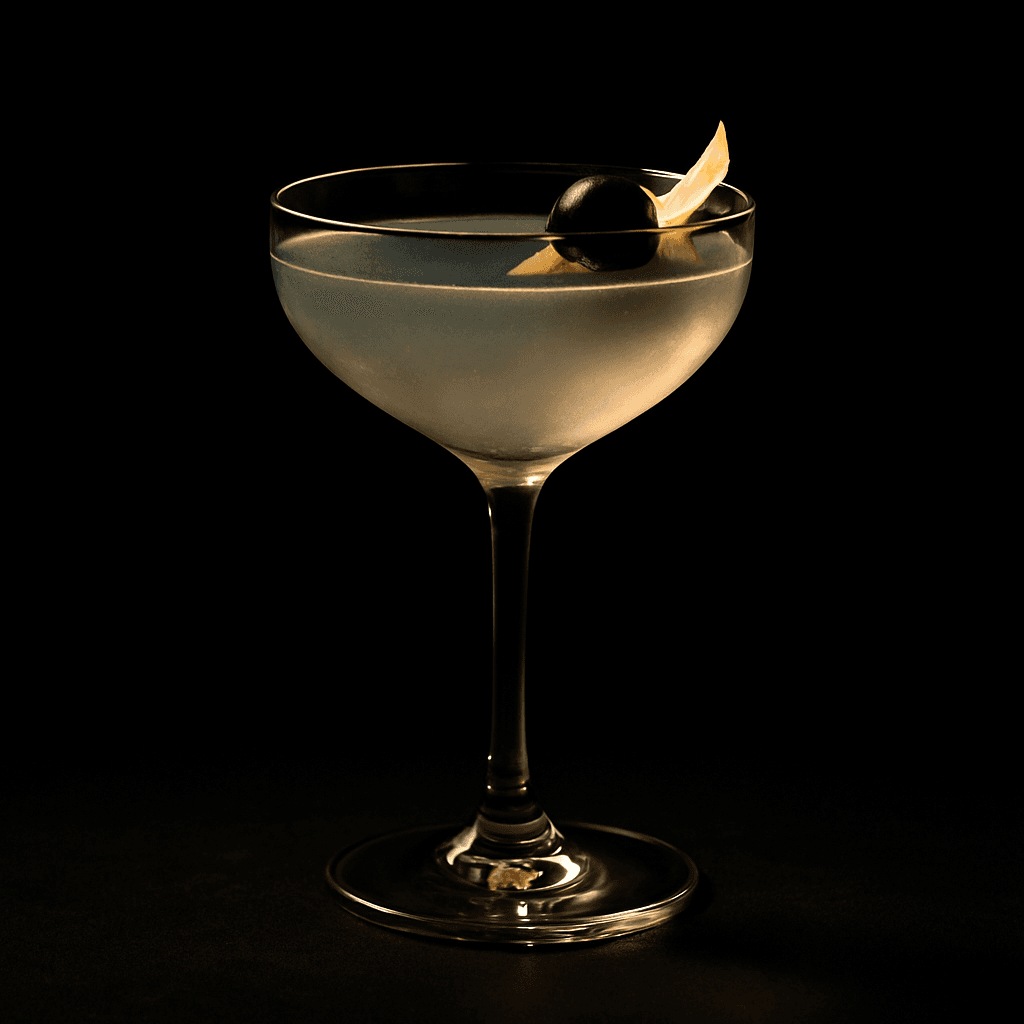
Aviation Cocktail
A sophisticated gin-based cocktail featuring the unique floral notes of crème de violette balanced with maraschino liqueur and fresh lemon juice. This pre-Prohibition classic delivers an elegant, perfumed complexity that's both mysterious and refined.
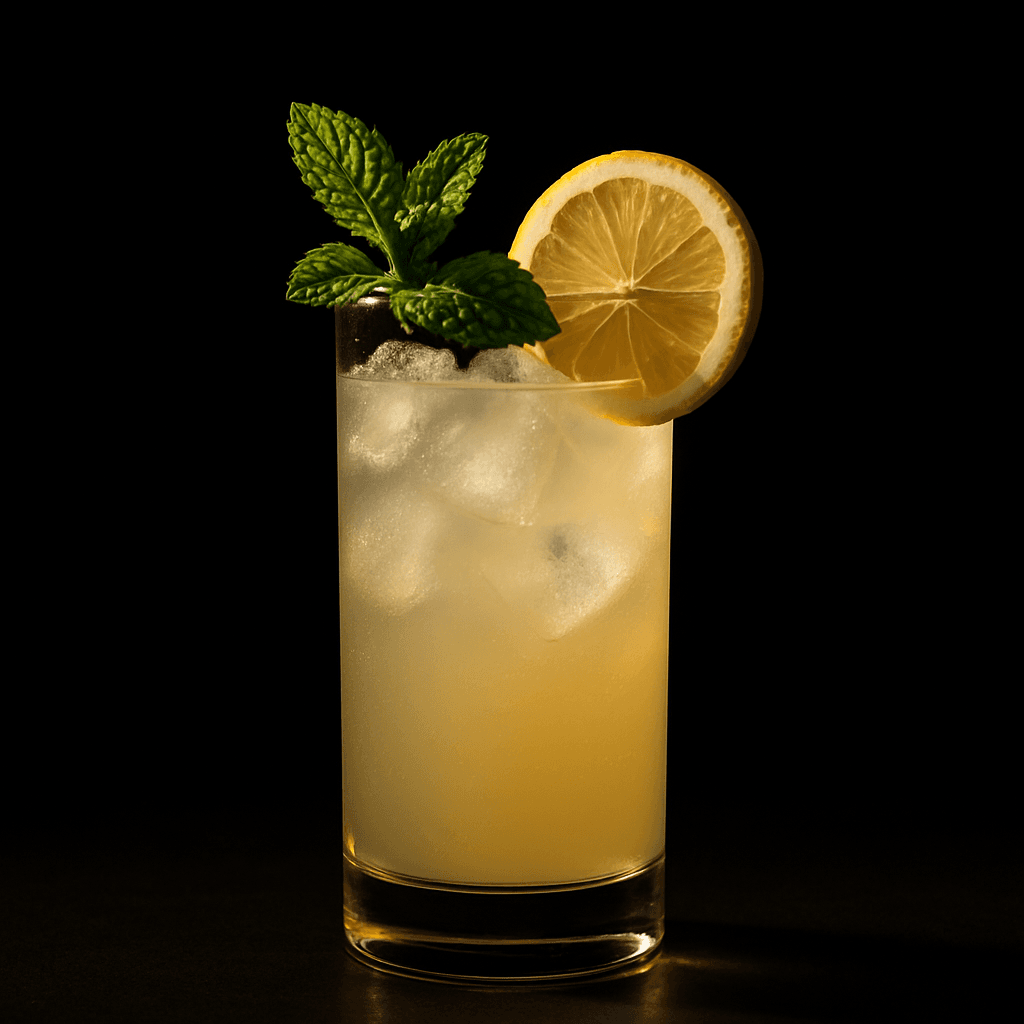
Garden Fresh Lemonade Mocktail
A refreshing and sophisticated non-alcoholic beverage that elevates classic lemonade with fresh herbs and sparkling water. This mocktail combines tart lemon juice with simple syrup and muddled mint for a drink that's both nostalgic and refined.
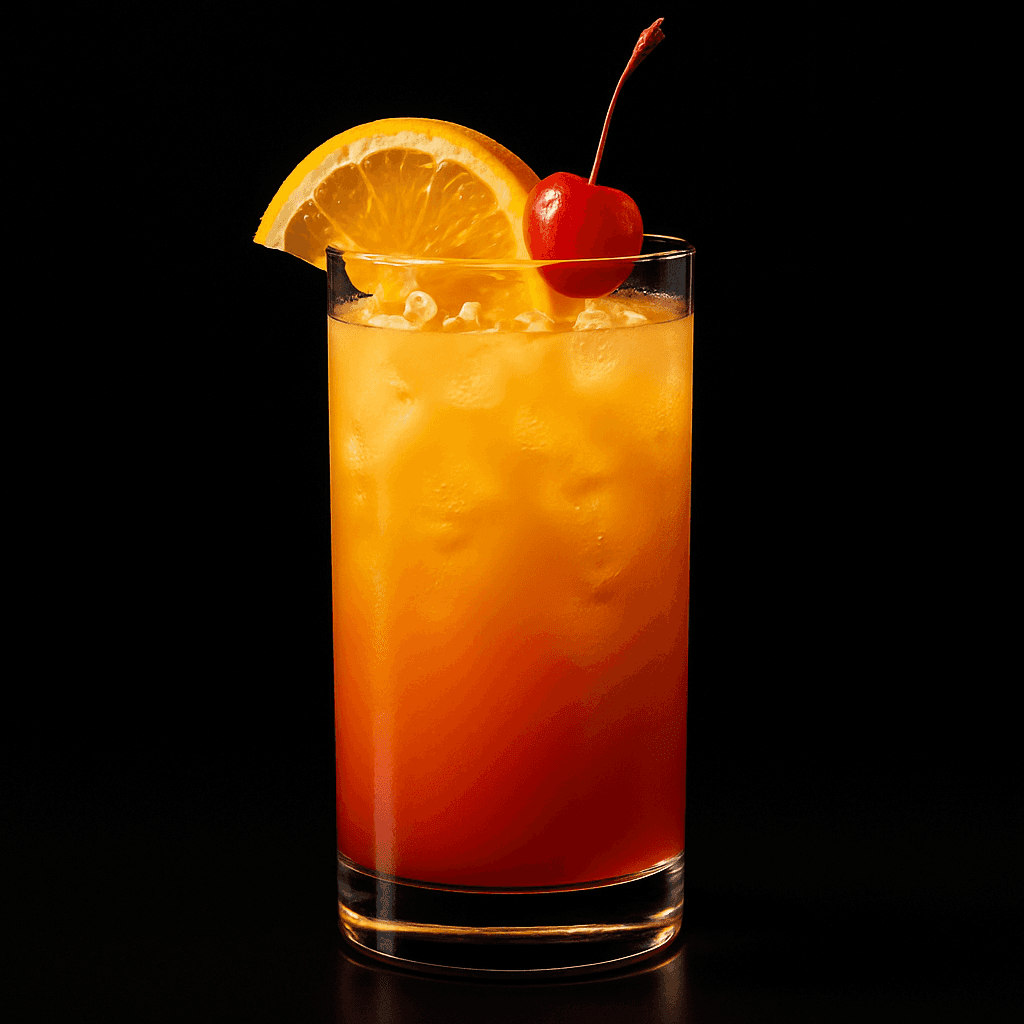
Tequila Sunrise Mocktail
A vibrant alcohol-free version of the classic Tequila Sunrise that captures all the visual drama and tropical flavors of the original. This refreshing mocktail layers bright orange juice with a stunning grenadine gradient that mimics a beautiful sunrise.
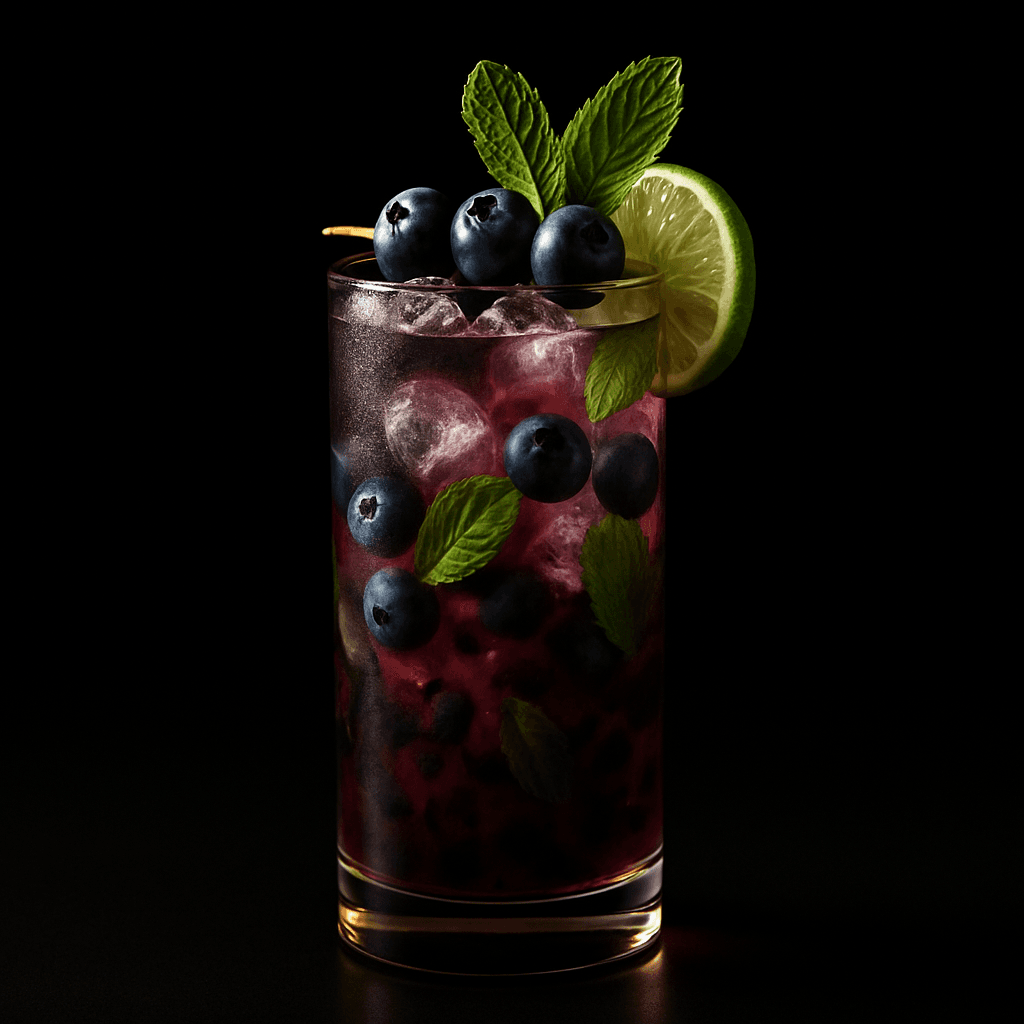
Blueberry Mojito Mocktail
A refreshing non-alcoholic twist on the classic Cuban mojito, featuring fresh blueberries muddled with mint and lime. This vibrant purple-hued mocktail delivers all the cooling satisfaction of its rum-based cousin while showcasing the sweet-tart flavor of fresh blueberries.
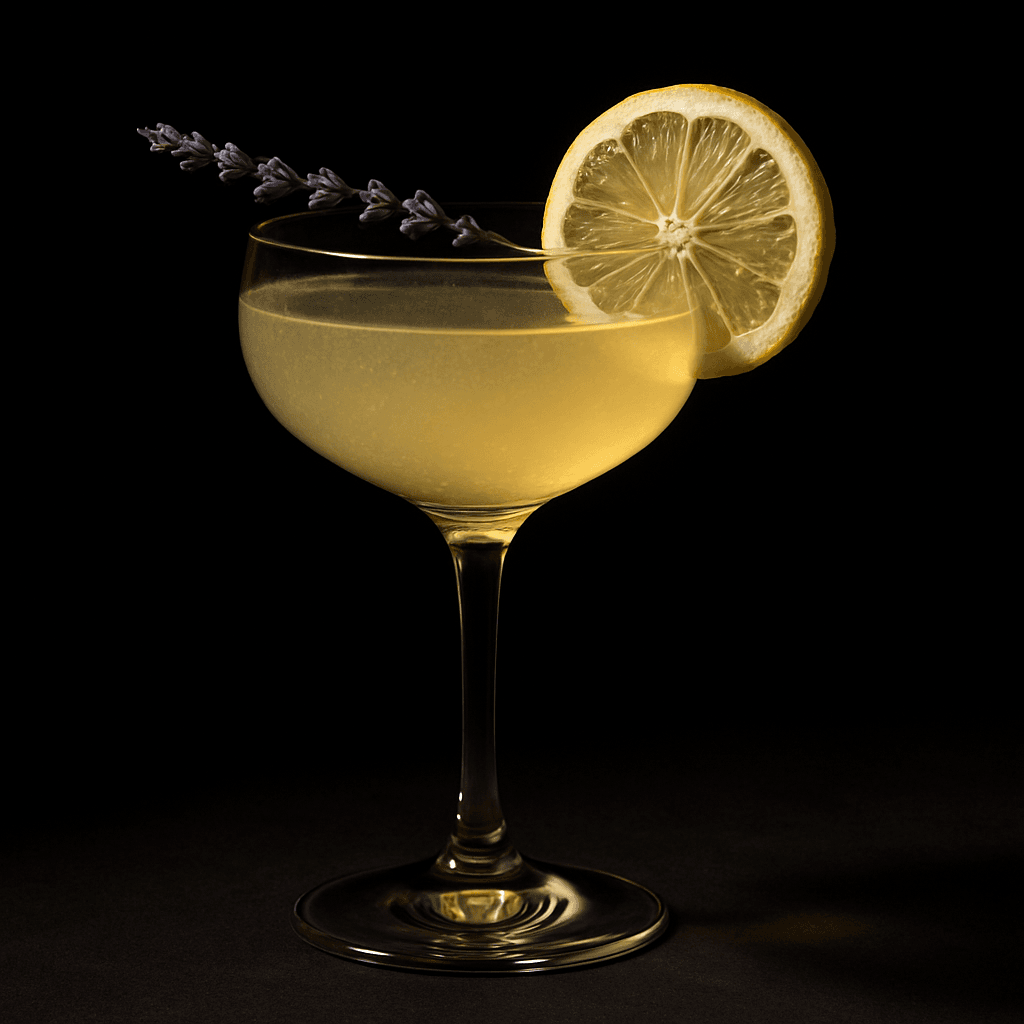
Sleepy Time Mocktail
A soothing, alcohol-free nightcap that combines calming chamomile tea with warm honey, gentle lavender, and a splash of citrus. This aromatic mocktail is designed to help you unwind and prepare for restful sleep.
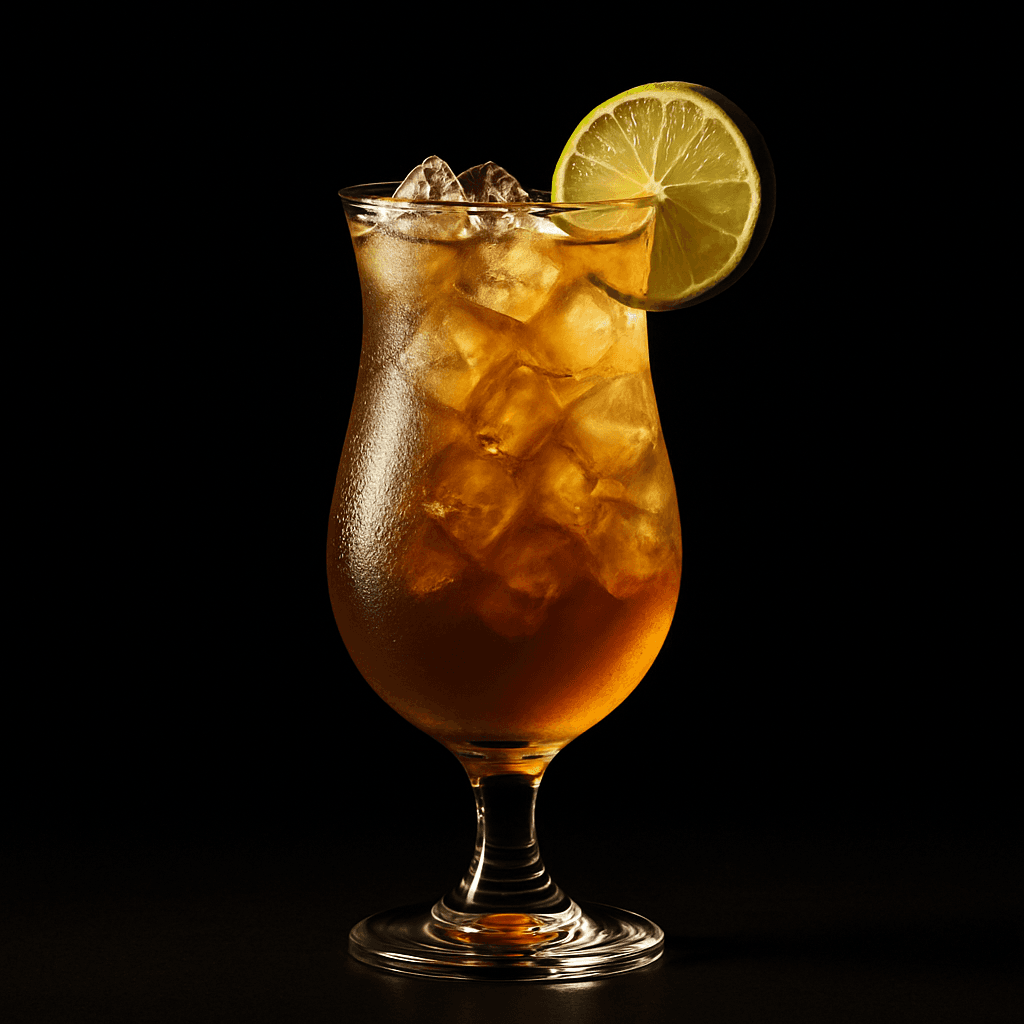
John Daly
A refreshing and boozy twist on the Arnold Palmer, combining sweet tea vodka with lemonade and a splash of club soda. Named after the colorful professional golfer known for his love of both golf and cocktails.
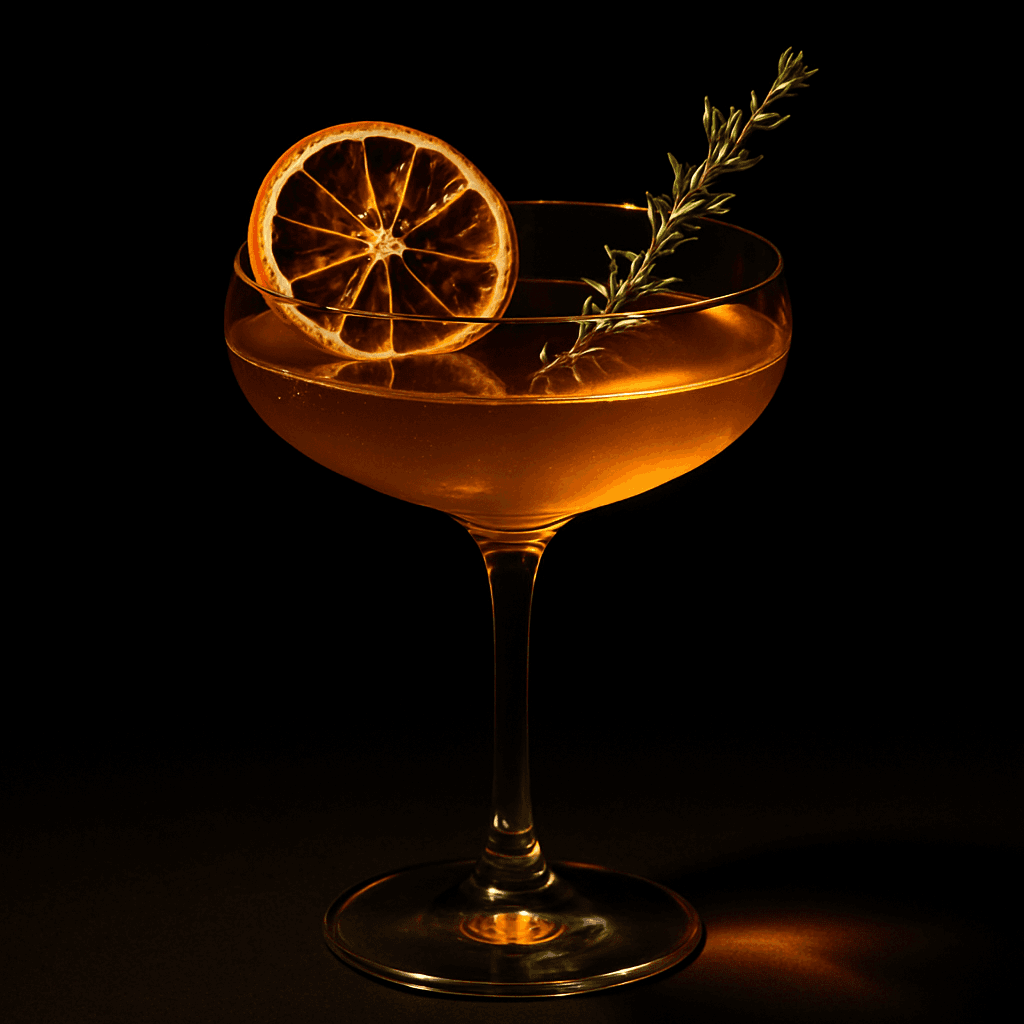
Der Goldene Sirup
Ein eleganter, süß-säuerlicher Cocktail, der die reine Essenz von hausgemachtem Sirup mit frischen Zitrusnoten und einem Hauch von Kräutern vereint. Perfekt für besondere Anlässe.
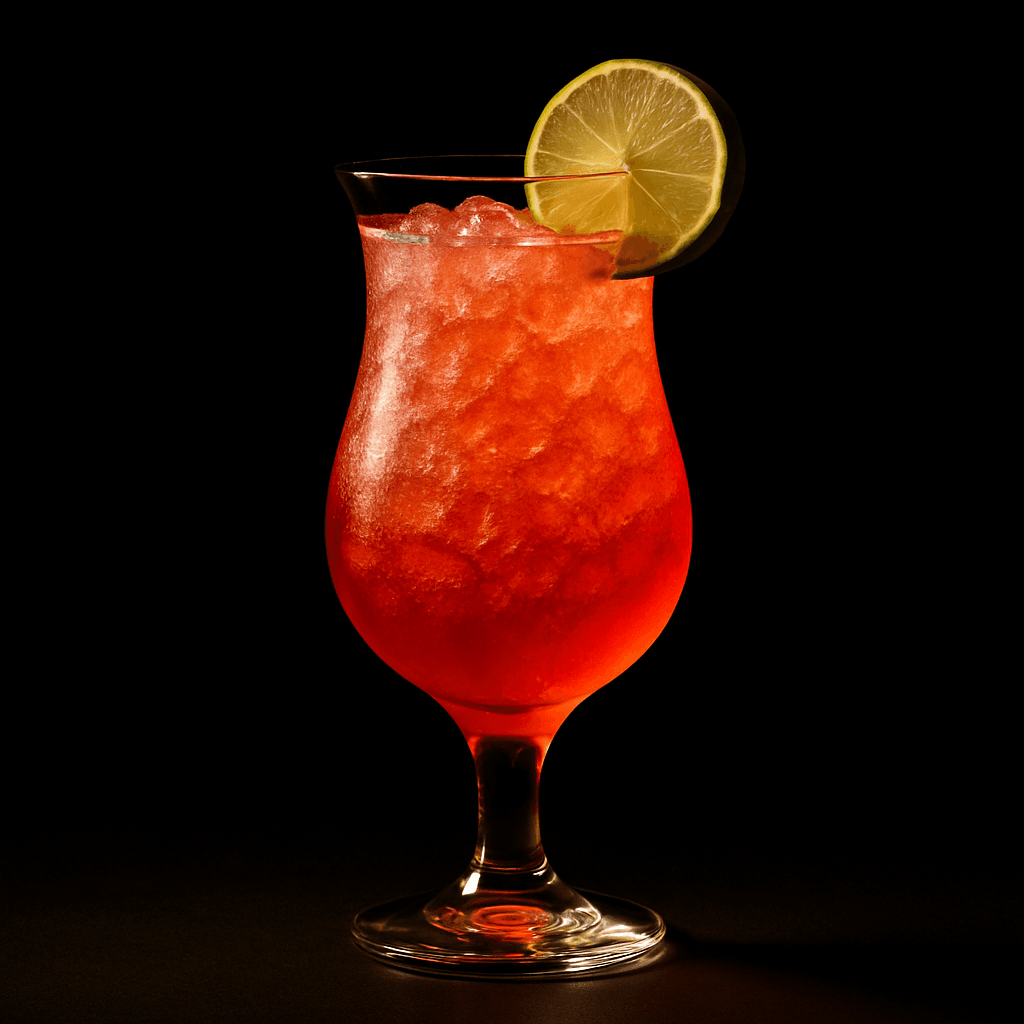
Chelsea Cocktail
A sophisticated gin-based cocktail that balances herbal complexity with citrus brightness. This elegant drink combines London Dry gin with Yellow Chartreuse and fresh lemon juice for a refined sipping experience.
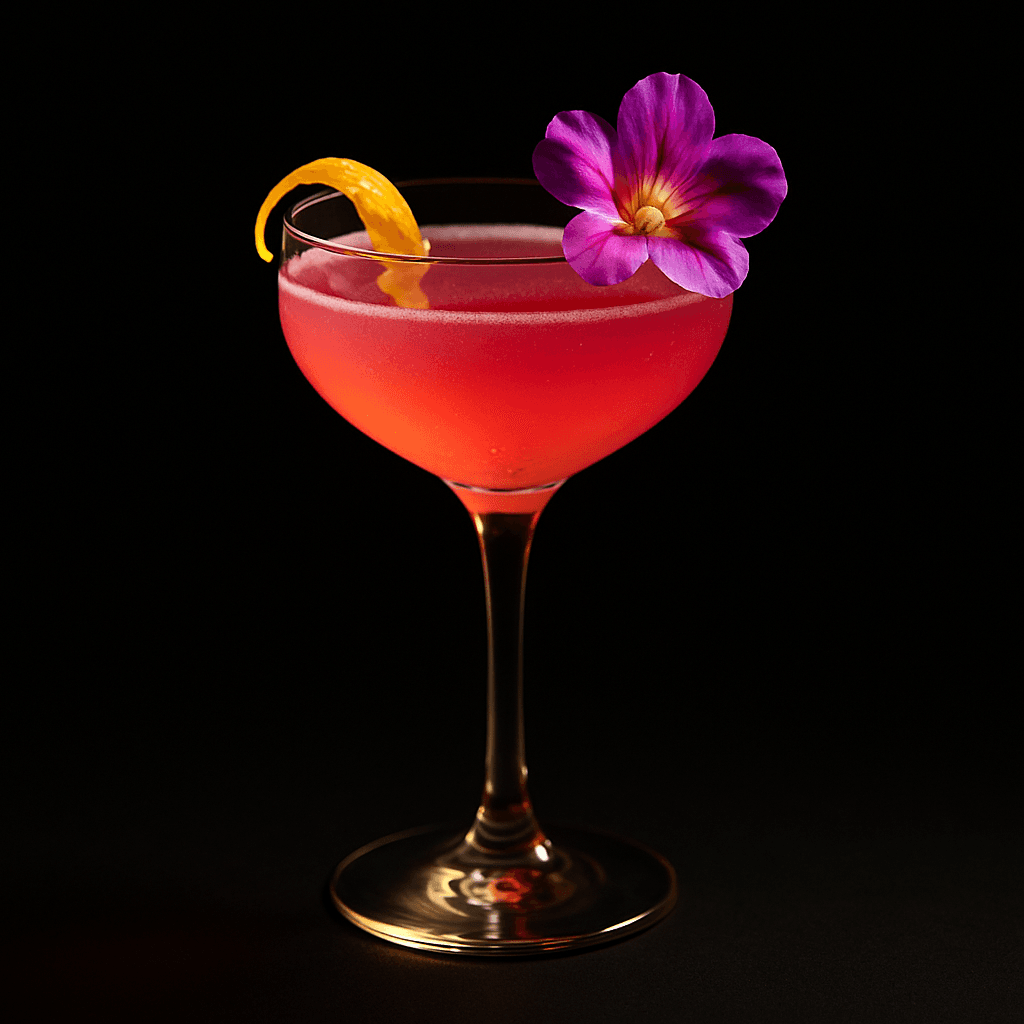
Azalea
A delicate and floral cocktail that captures the essence of spring blooms. This gin-based drink combines botanical spirits with elderflower liqueur and fresh citrus for an elegant, garden-fresh experience.
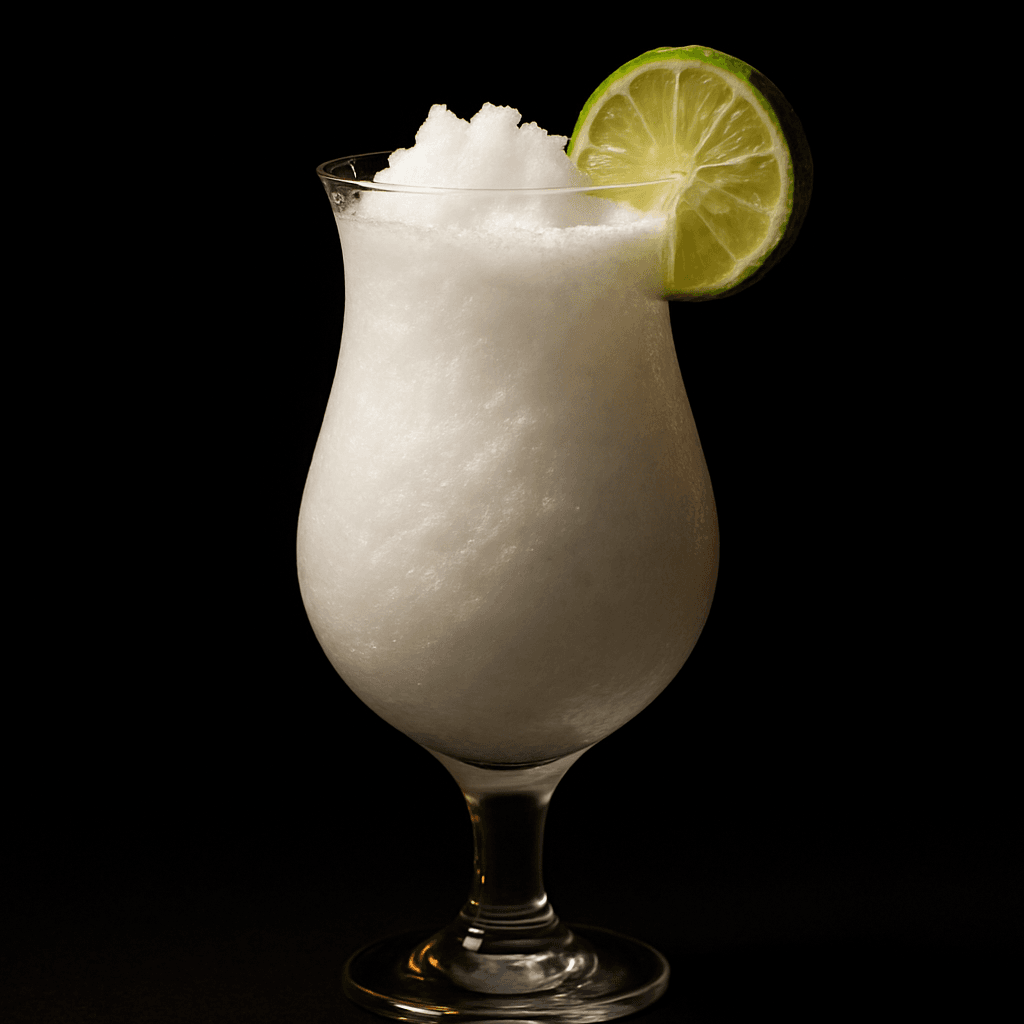
Snowflake Cocktail
An elegant winter cocktail that captures the delicate beauty of fresh snowfall with its pristine white color and crystalline rim. This sophisticated blend of vodka, elderflower liqueur, and citrus creates a refreshing yet warming drink perfect for cold winter evenings.
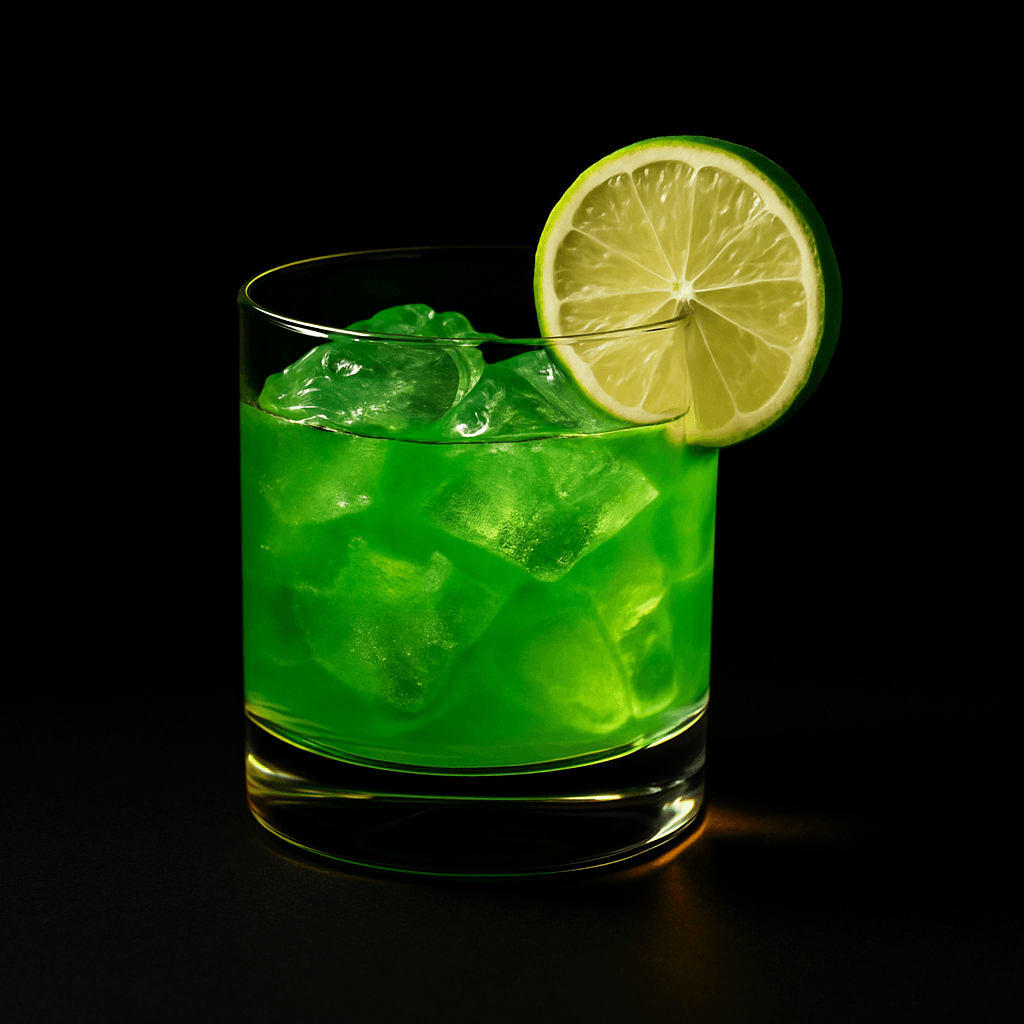
Incredible Hulk
A vibrant green cocktail that packs a powerful punch with cognac and Hpnotiq liqueur. This electric-colored drink is as bold and intense as its comic book namesake.
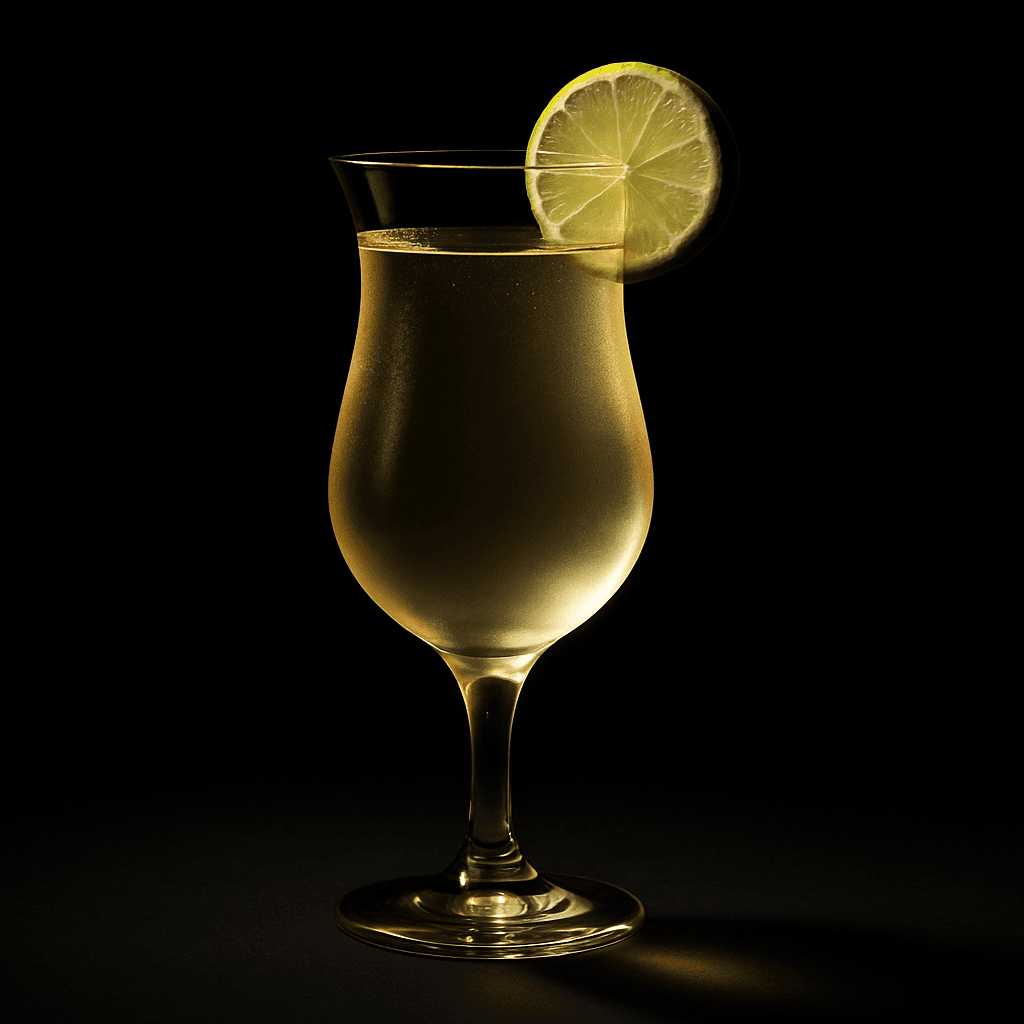
Vesper
The iconic martini variation created by Ian Fleming for James Bond, featuring both gin and vodka with Lillet Blanc. A sophisticated, bone-dry cocktail with a distinctive bite and elegant complexity.
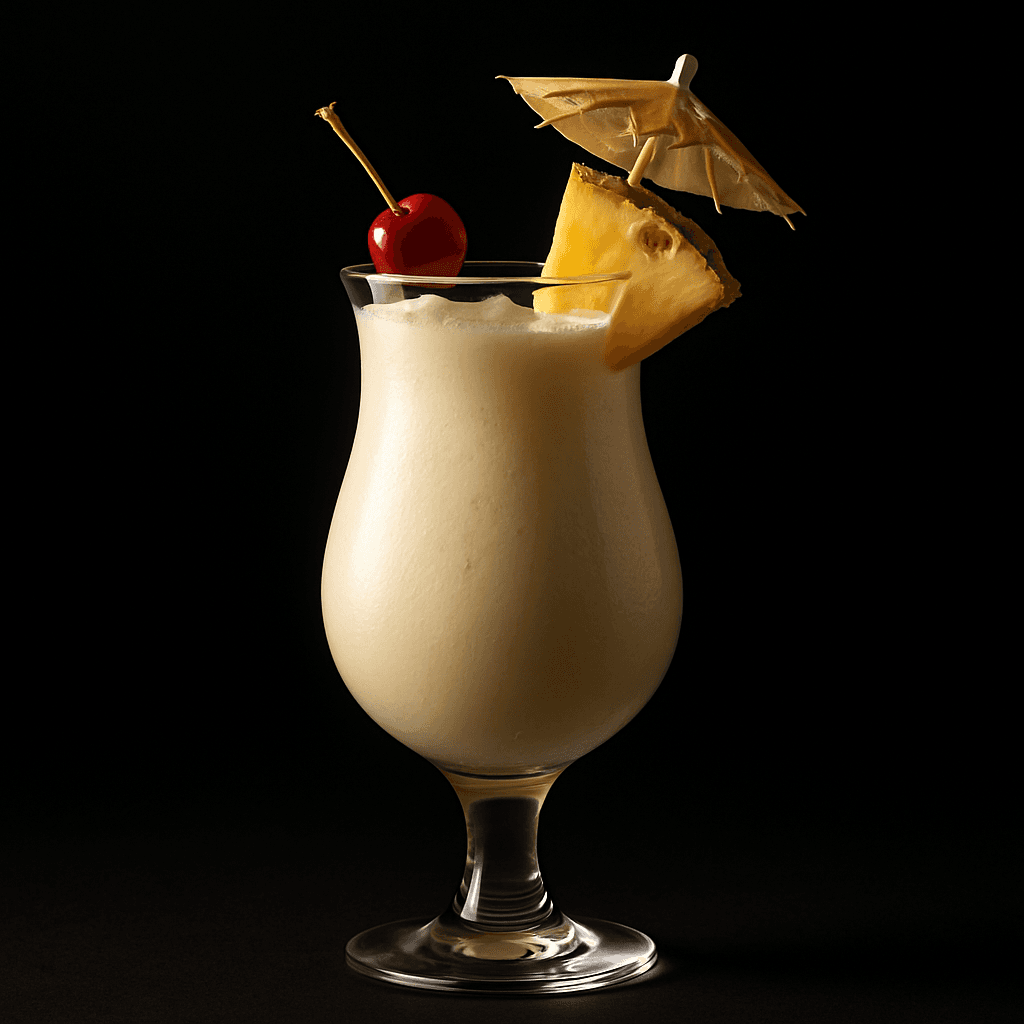
Piña Colada Mocktail
A creamy, tropical escape in a glass featuring fresh pineapple juice, rich coconut cream, and a hint of lime. This virgin version delivers all the paradise vibes of the classic without the rum.
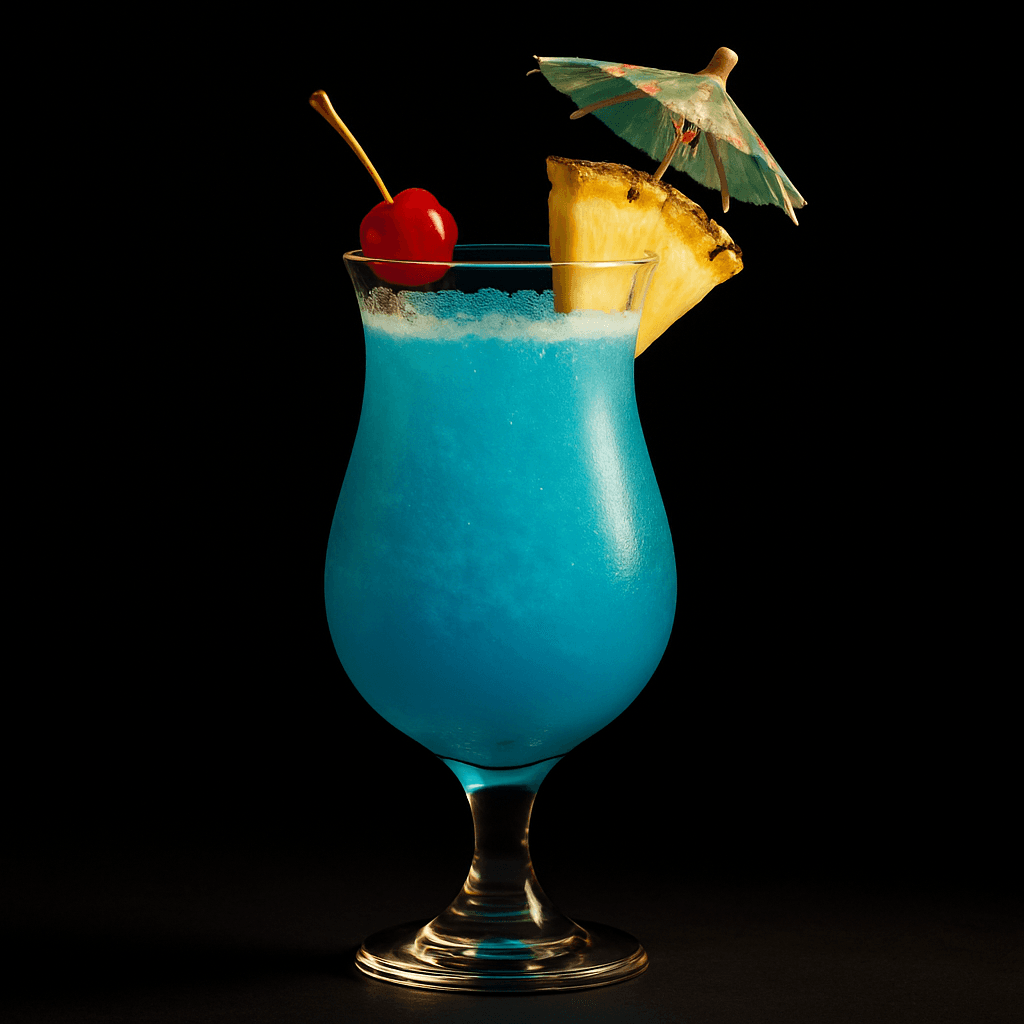
Blue Hawaiian Mocktail
A vibrant tropical escape in a glass, combining sweet pineapple, tart lime, and coconut cream with stunning blue curaçao syrup. This alcohol-free version captures all the paradise vibes of the classic tiki cocktail.
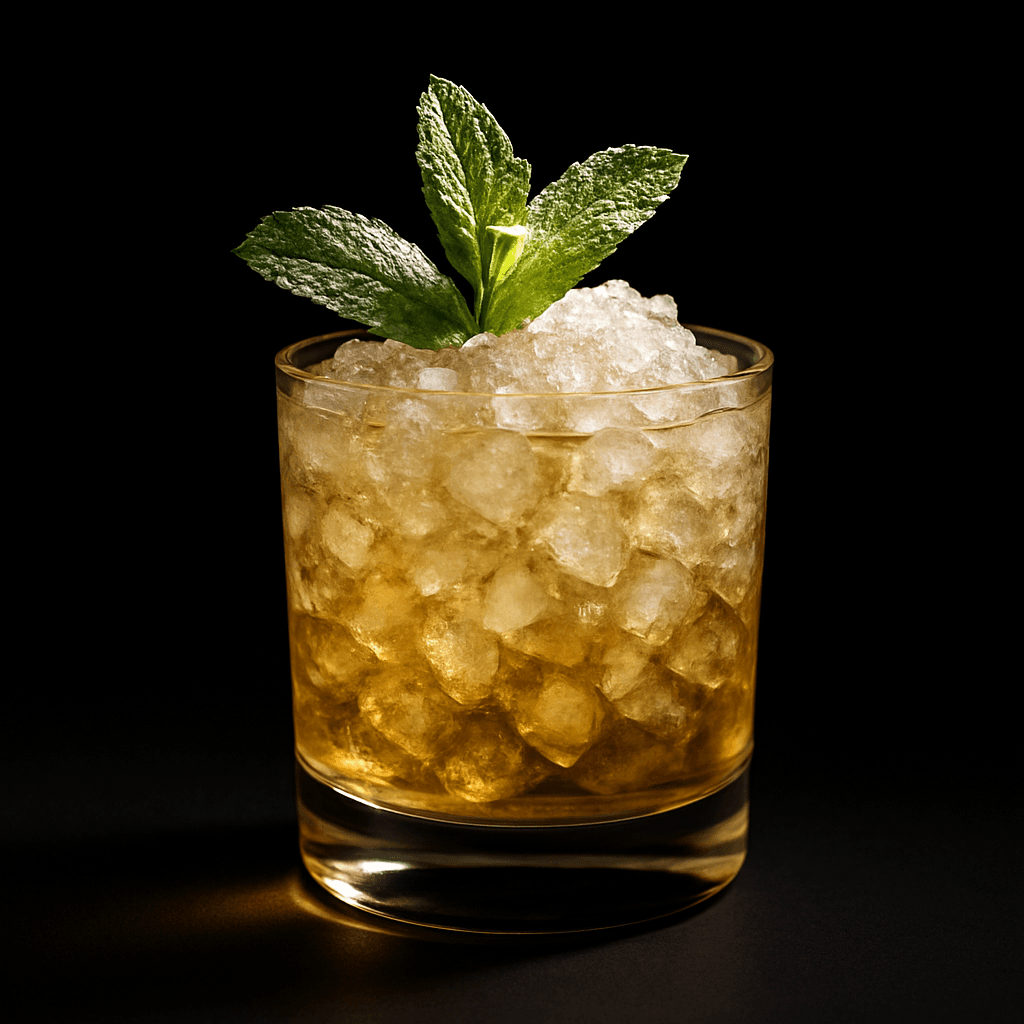
Mint Julep Mocktail
A refreshing non-alcoholic tribute to the classic Southern Mint Julep. This mocktail captures the essence of the original with fresh mint, sweet syrup, and crushed ice, delivering all the cooling satisfaction without the bourbon.
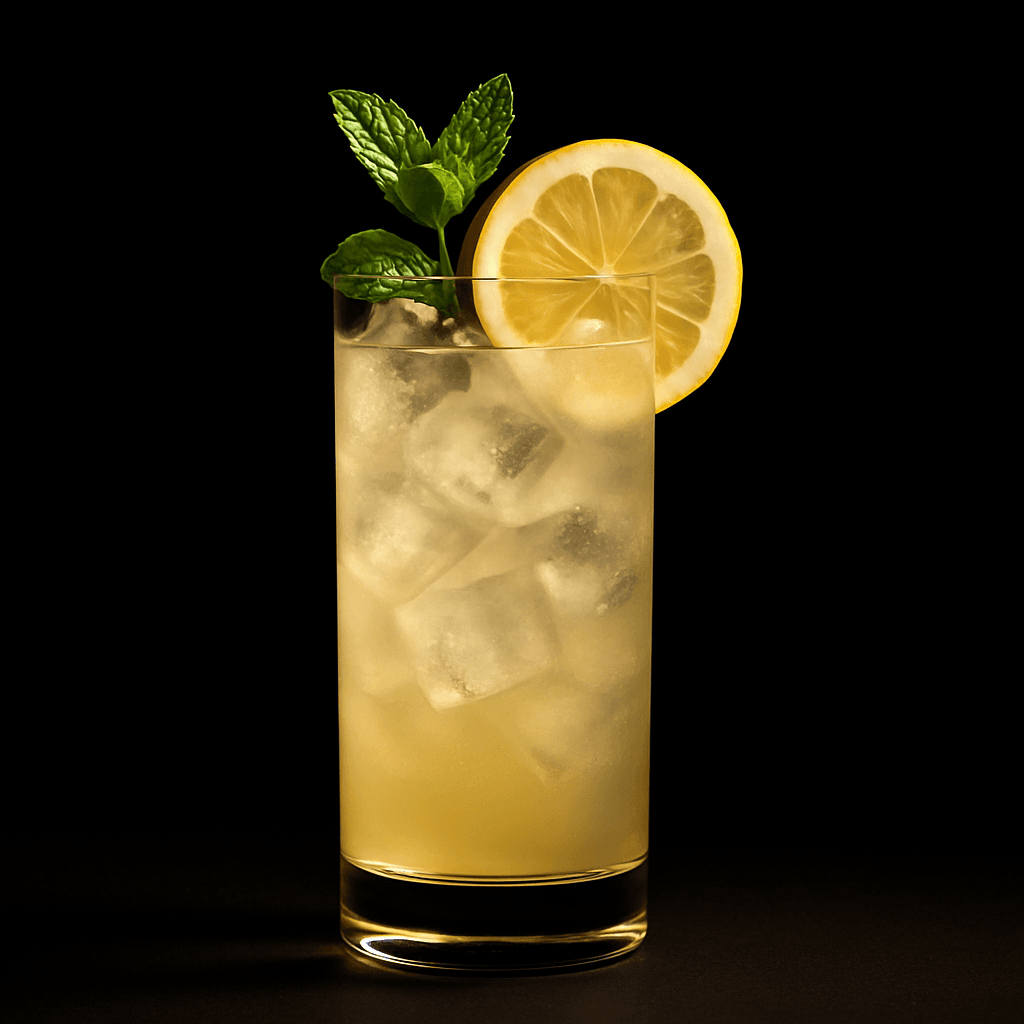
Garden Fresh Lemonade
A refreshing non-alcoholic twist on classic lemonade, elevated with fresh herbs and sparkling water. This vibrant mocktail balances tart lemon juice with natural sweetness and aromatic botanicals.
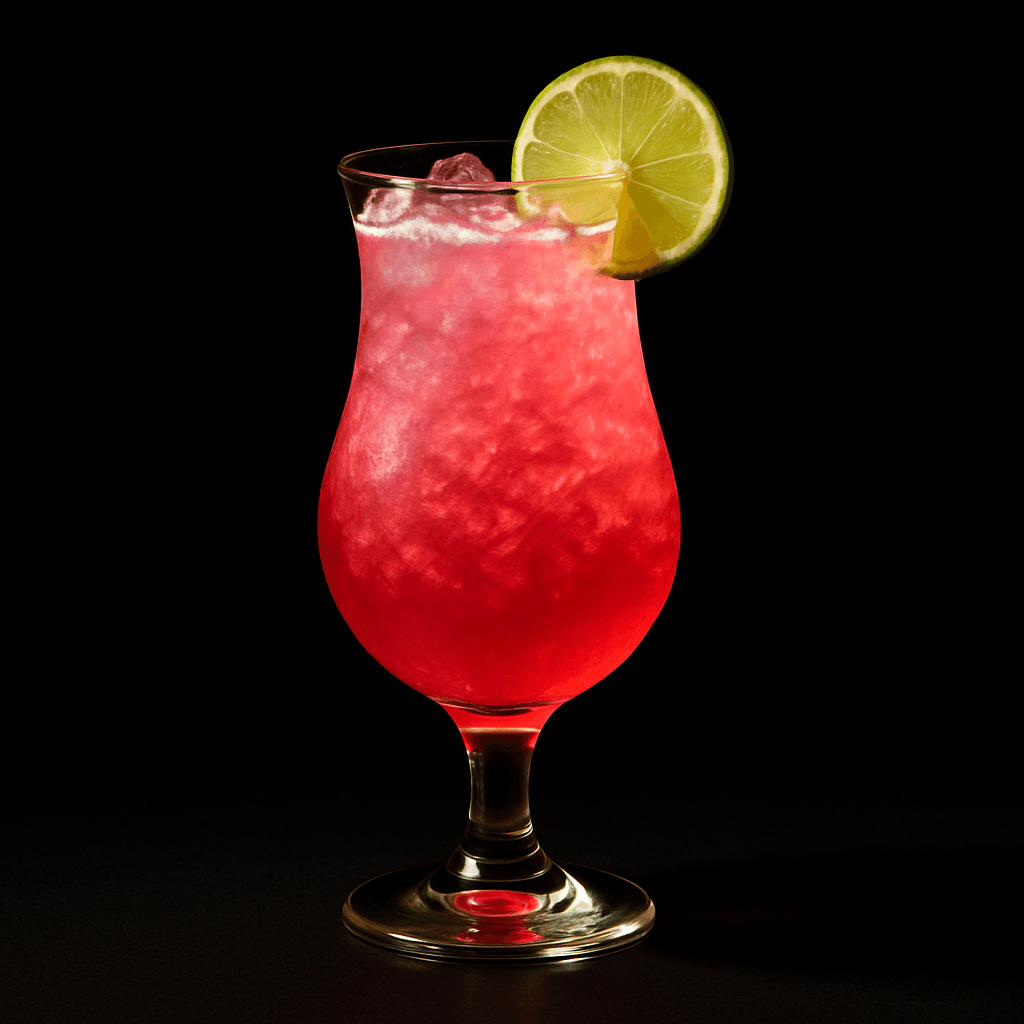
Azalea Masters Drink
A refreshing Southern-inspired cocktail that captures the elegance of Augusta National's famous azalea blooms. This pink-hued libation combines bourbon with floral and citrus notes, perfect for springtime celebrations.
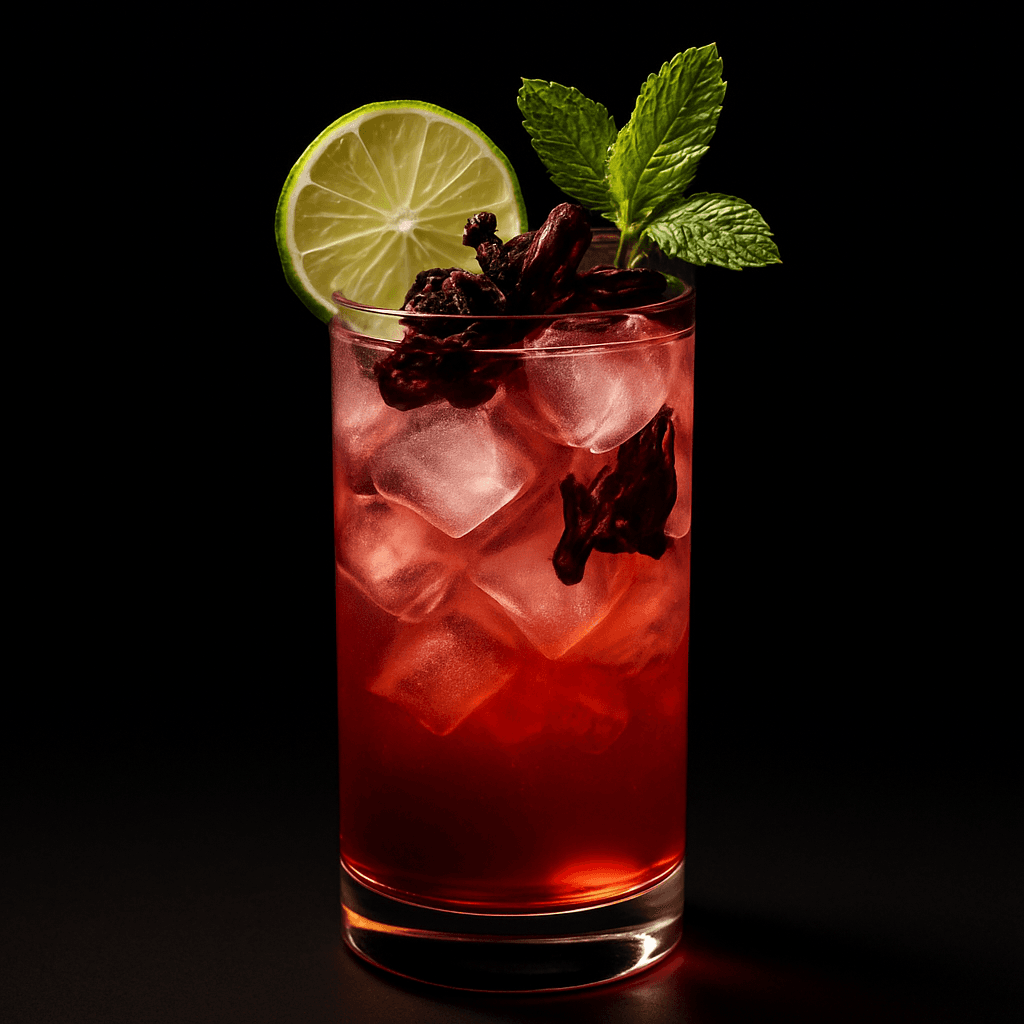
Hibiscus Sunset Mocktail
A vibrant, ruby-red mocktail that combines the tart floral notes of hibiscus tea with zesty citrus and a hint of ginger spice. This refreshing alcohol-free drink offers sophisticated flavor complexity that rivals any craft cocktail.
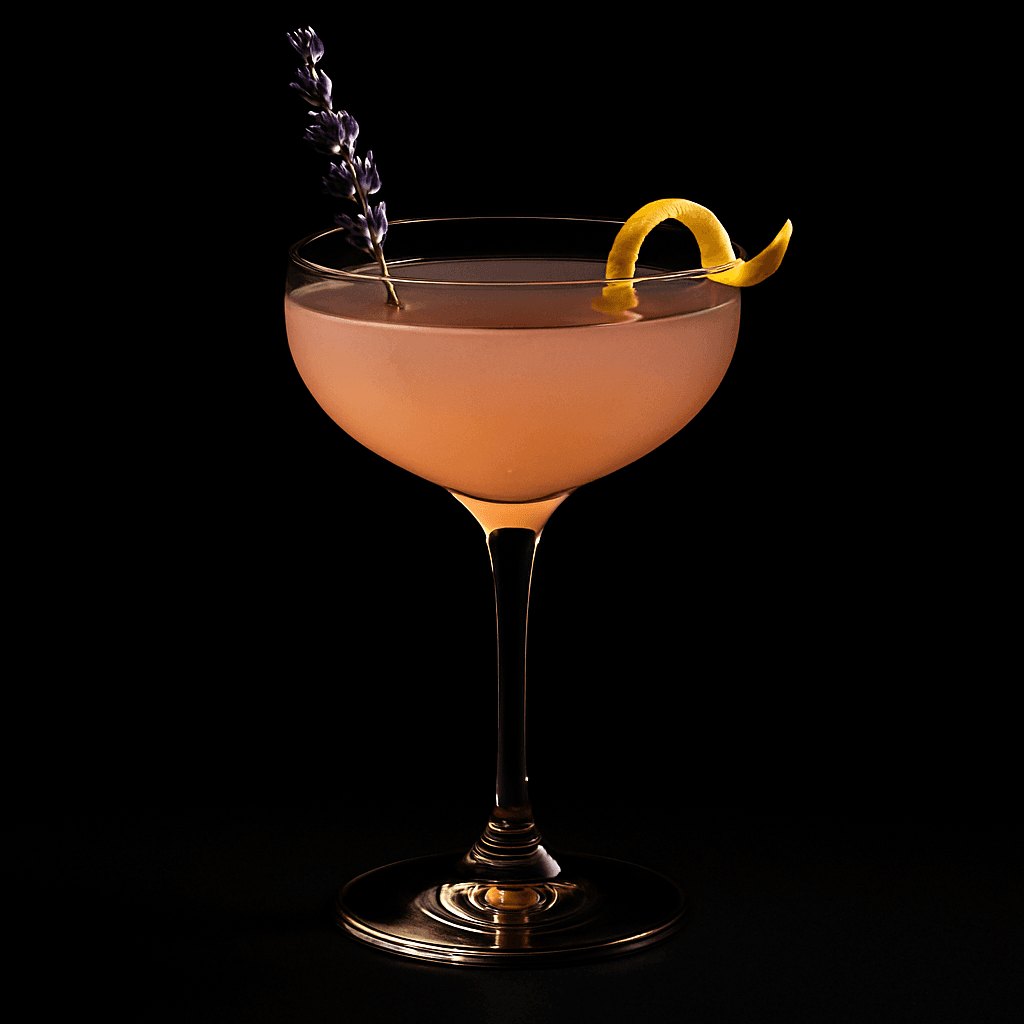
Mommy Mocktail
A sophisticated, stress-busting non-alcoholic cocktail designed for busy parents who deserve a moment of luxury. This refreshing blend combines calming chamomile, bright citrus, and a hint of lavender for the perfect end-of-day unwind.
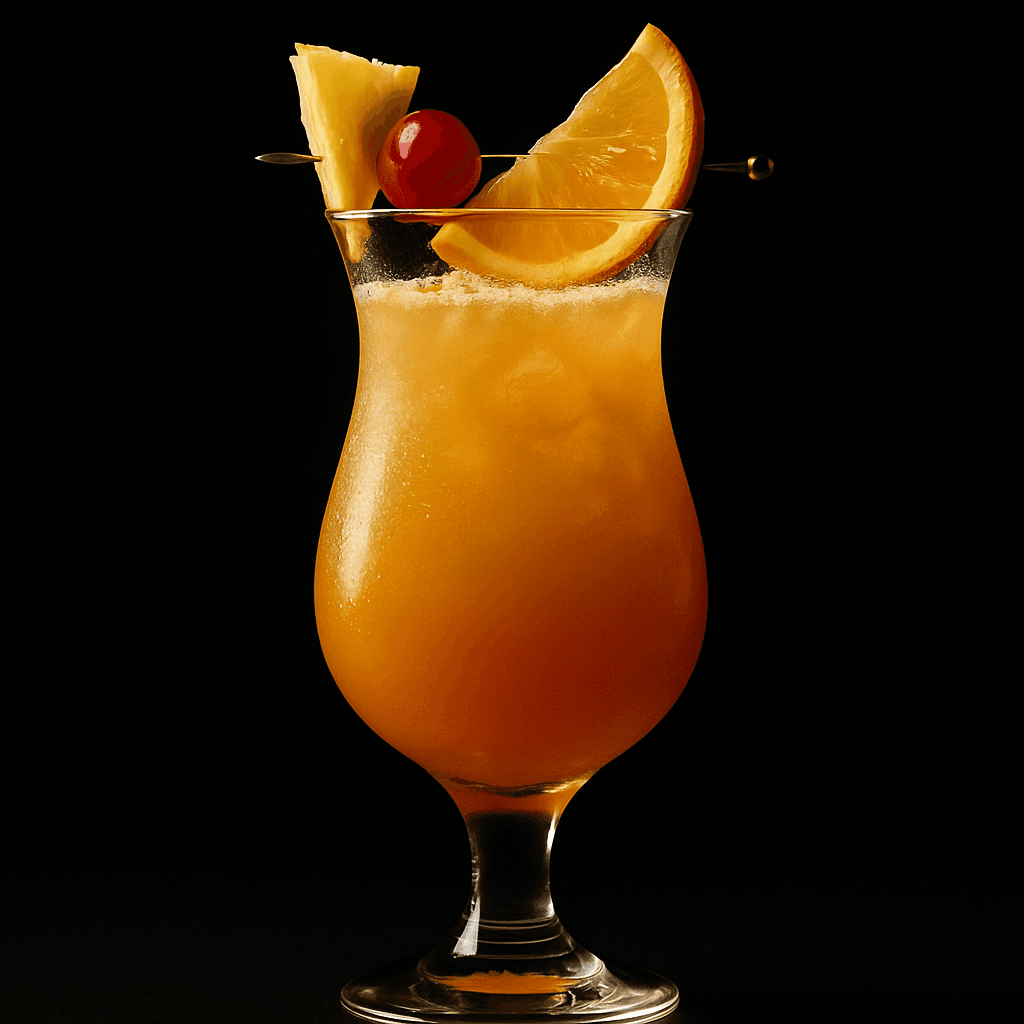
Cinderella Mocktail
A sparkling non-alcoholic cocktail that combines tropical pineapple juice, tangy orange juice, and refreshing lemon-lime soda. This elegant mocktail is finished with a splash of grenadine for a beautiful sunset effect and garnished with fresh fruit.
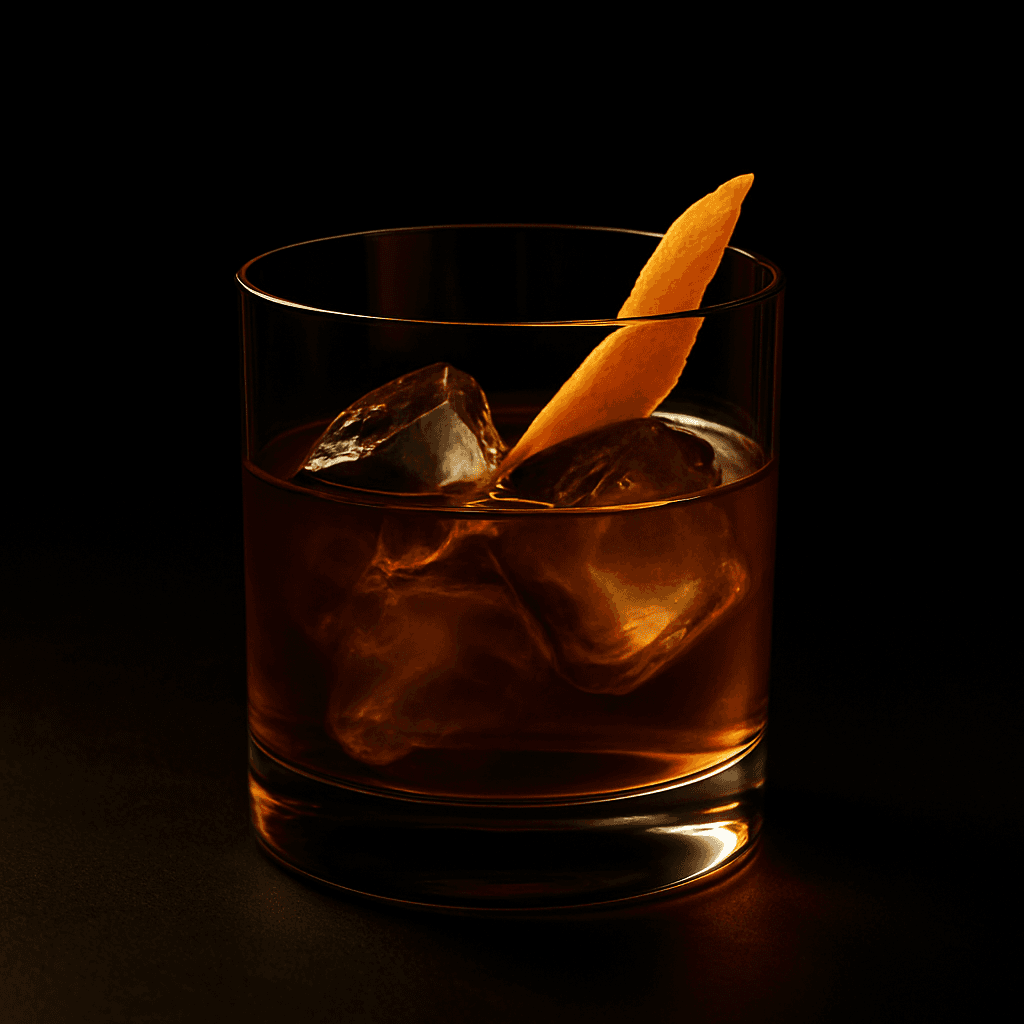
Godfather
A simple yet sophisticated two-ingredient cocktail combining Scotch whisky and amaretto liqueur. This smooth, nutty sipper is perfect for contemplating life's complexities.
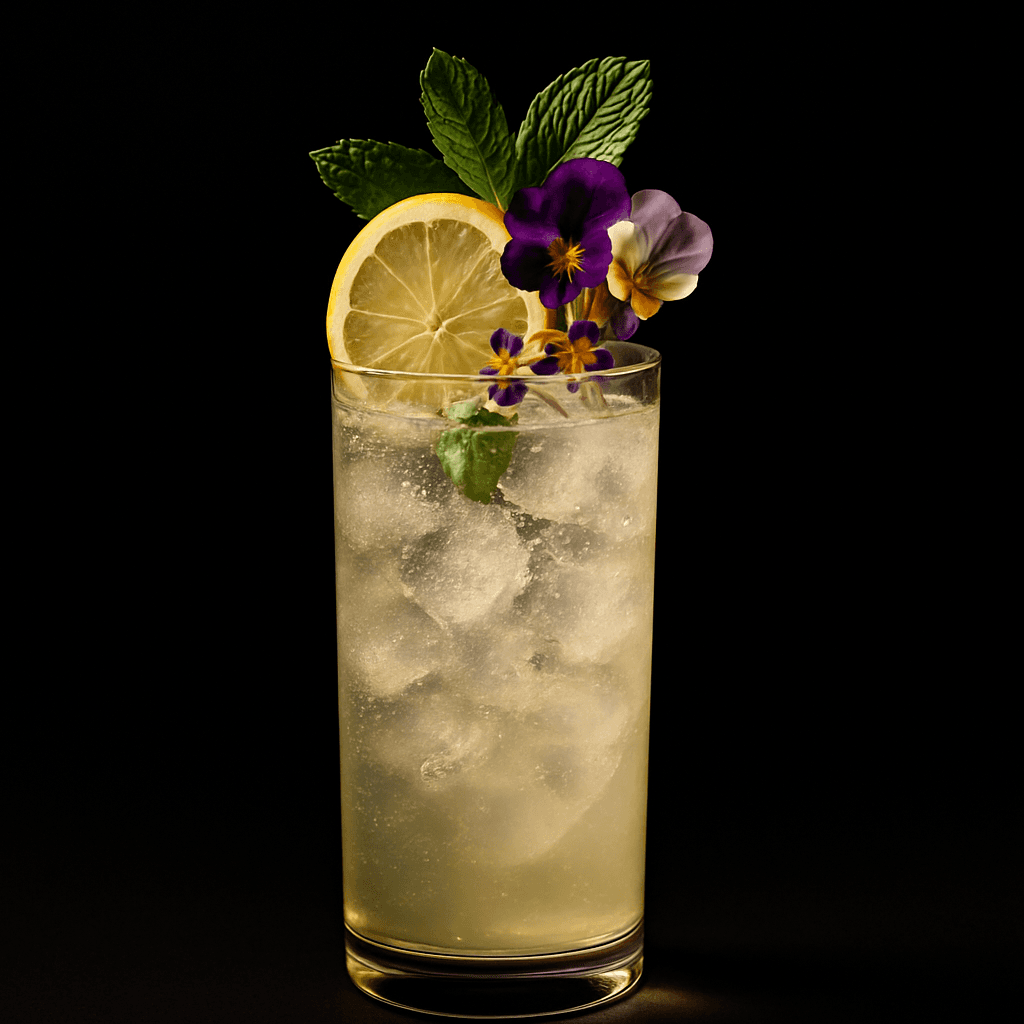
Sparkling Herb Garden Lemonade
A refreshing non-alcoholic cocktail that elevates classic lemonade with fresh herbs, sparkling water, and a touch of floral sweetness. Perfect for any time of day when you want something sophisticated and thirst-quenching.
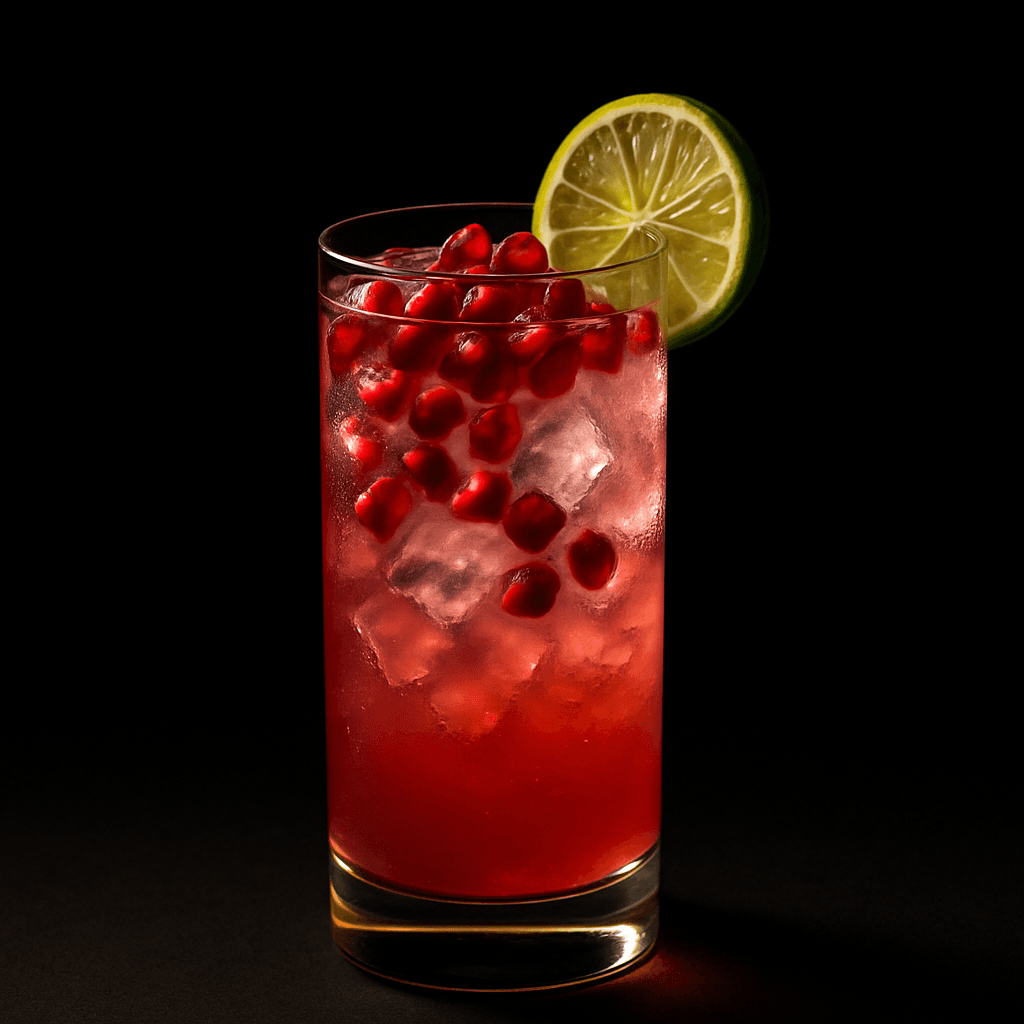
Pomegranate Mocktail
A vibrant and refreshing non-alcoholic cocktail featuring tart pomegranate juice balanced with citrus and sparkling water. This elegant mocktail delivers sophisticated flavors without the alcohol.
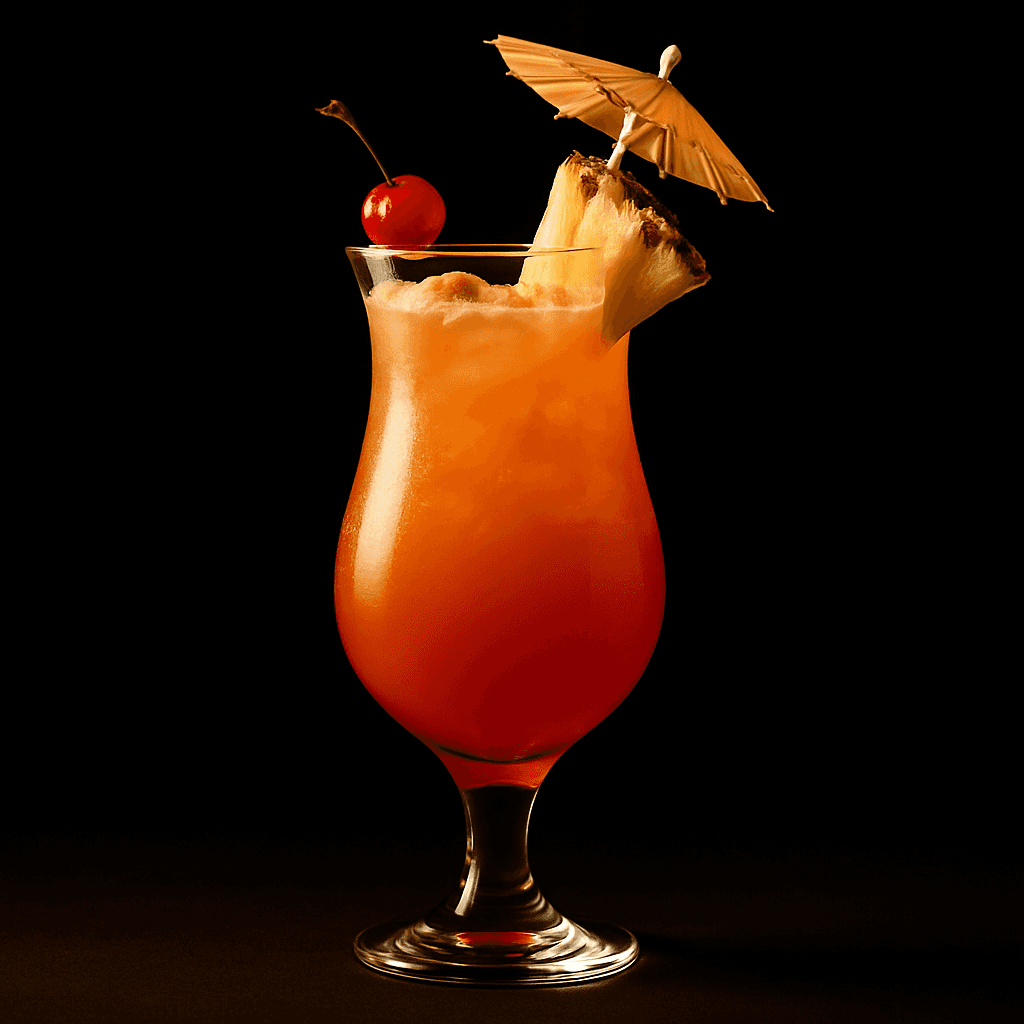
Virgin Sex on the Beach
A vibrant, fruity mocktail that captures all the tropical flavors of the classic cocktail without the alcohol. This refreshing drink layers beautiful sunset colors with a perfect balance of sweet and tart fruit juices.
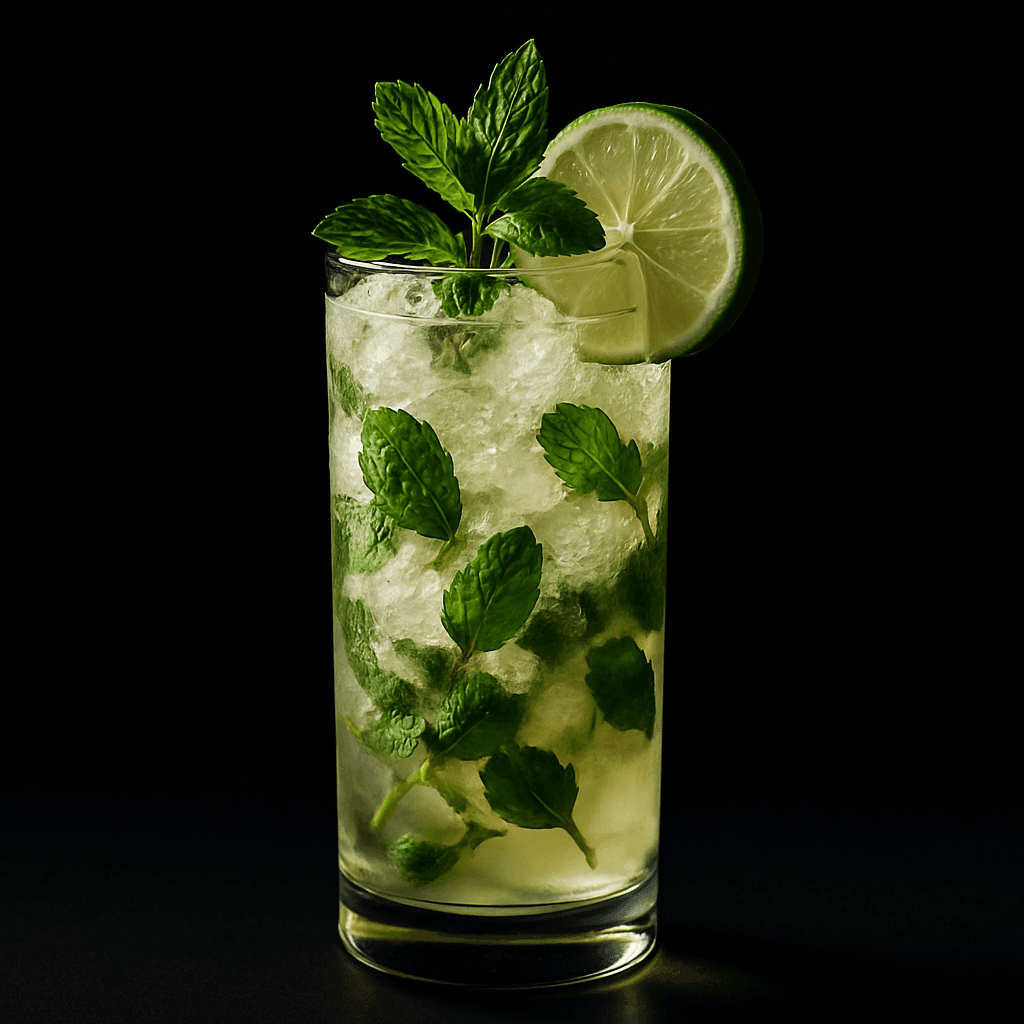
Mint Mojito Mocktail
A refreshing alcohol-free version of the classic Cuban mojito that captures all the vibrant flavors of fresh mint, zesty lime, and effervescent bubbles. This mocktail delivers the same cooling satisfaction as its rum-based counterpart.
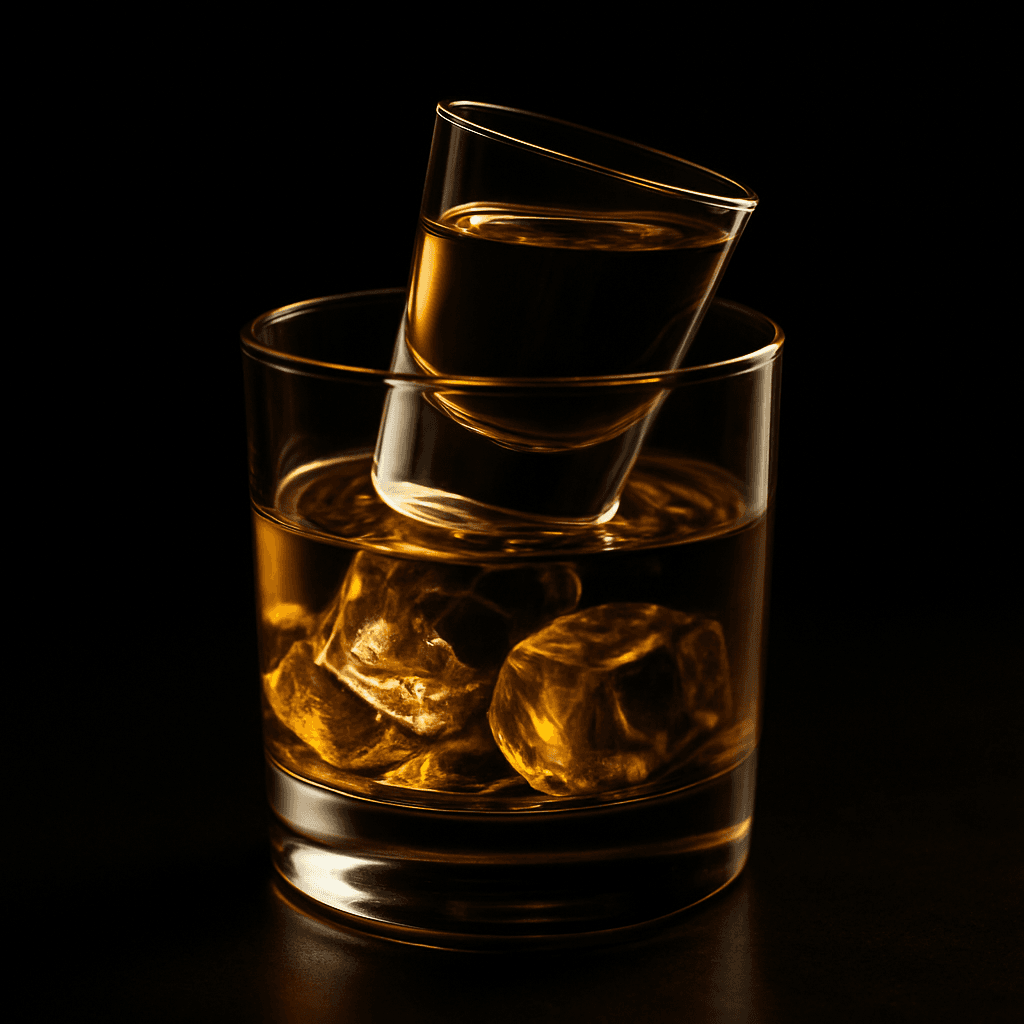
Vegas Bomb Shot
A high-energy party shot that combines coconut rum, peach schnapps, and pineapple juice, dropped into Red Bull for an electrifying Vegas-style experience. Sweet, fruity, and caffeinated - it's liquid celebration in a glass.
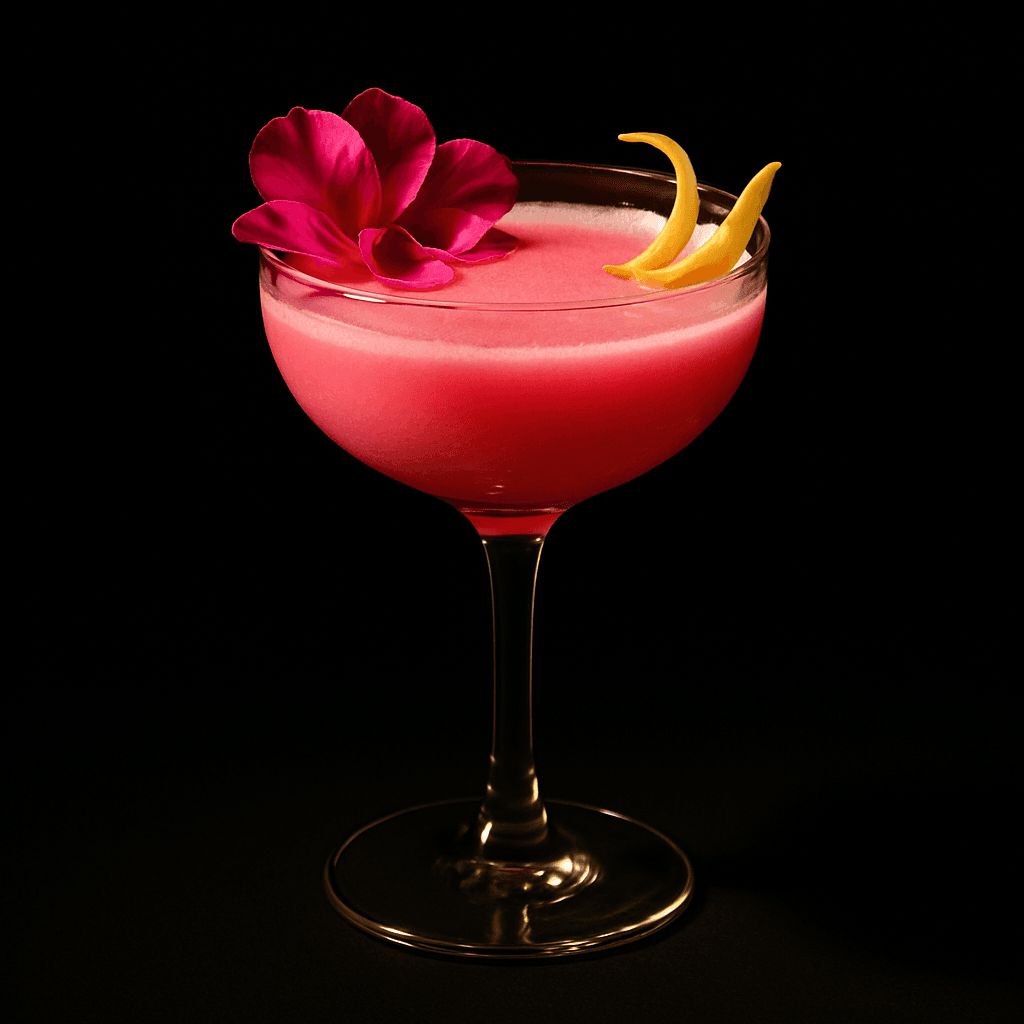
Azalea Mocktail
A vibrant, floral-inspired non-alcoholic cocktail that captures the essence of spring with tart cranberry, bright citrus, and a delicate rose water finish. This beautiful pink drink is as stunning visually as it is refreshing on the palate.
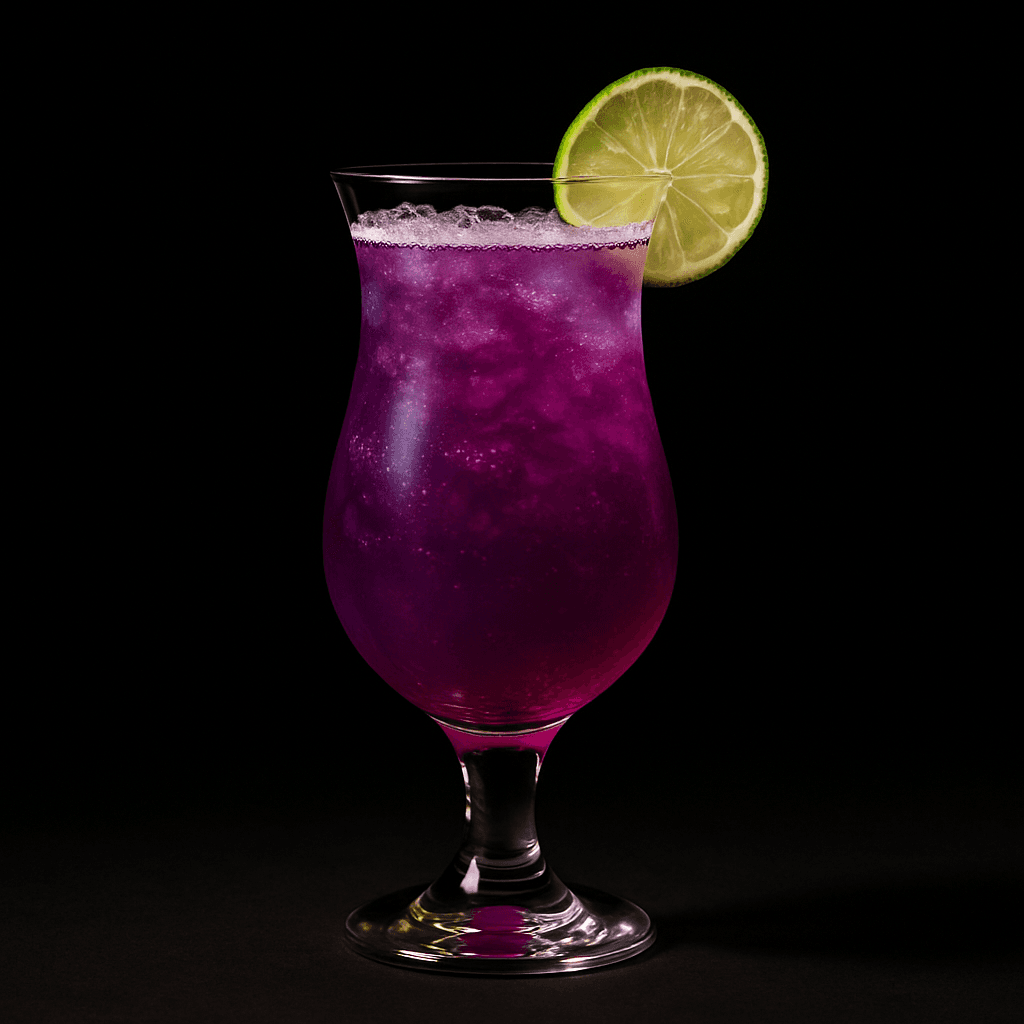
Transfusion
A refreshing highball cocktail that combines vodka with grape juice and ginger beer, creating a surprisingly sophisticated drink. This purple-hued cocktail offers a perfect balance of fruity sweetness and spicy effervescence.
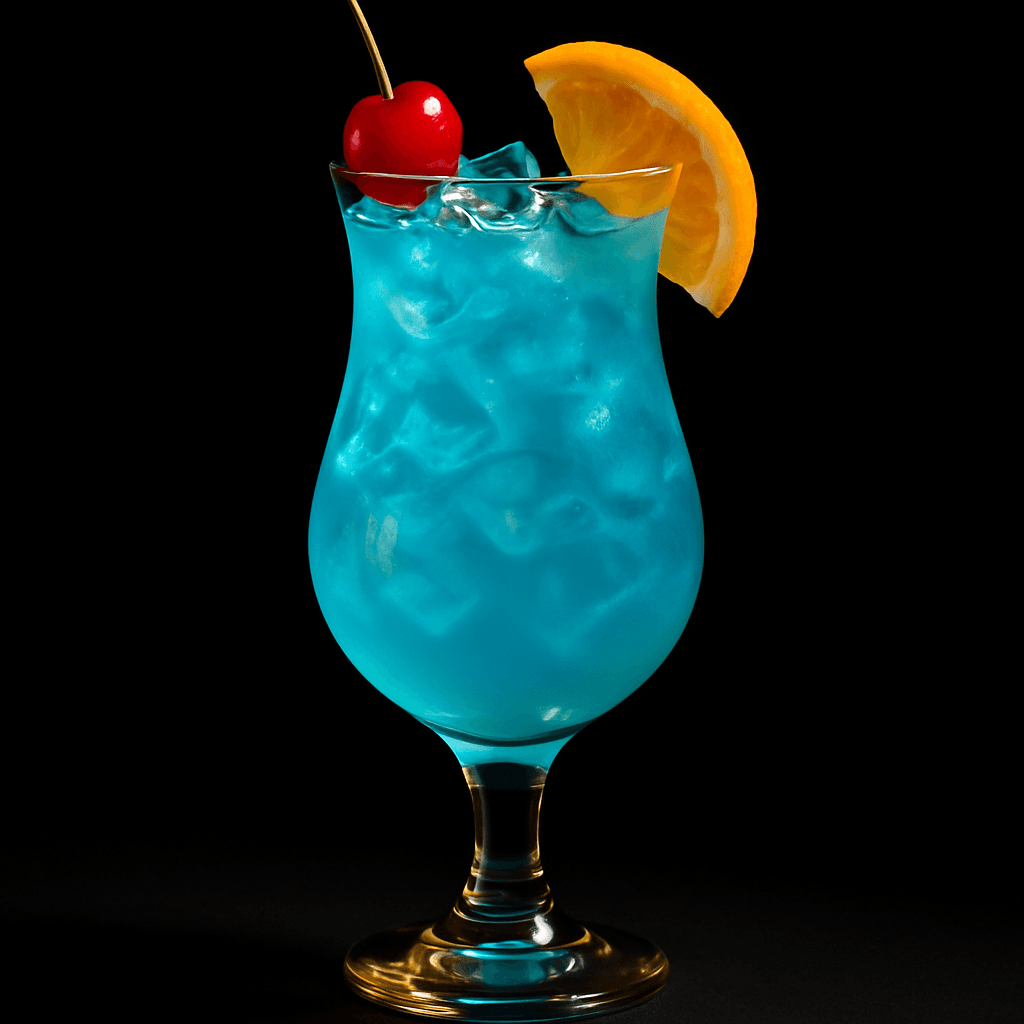
Adios Motherfucker
A potent blue-hued cocktail that lives up to its bold name with five different spirits and a sweet-tart flavor profile. This party favorite delivers a deceptively smooth taste that masks its considerable alcoholic strength.
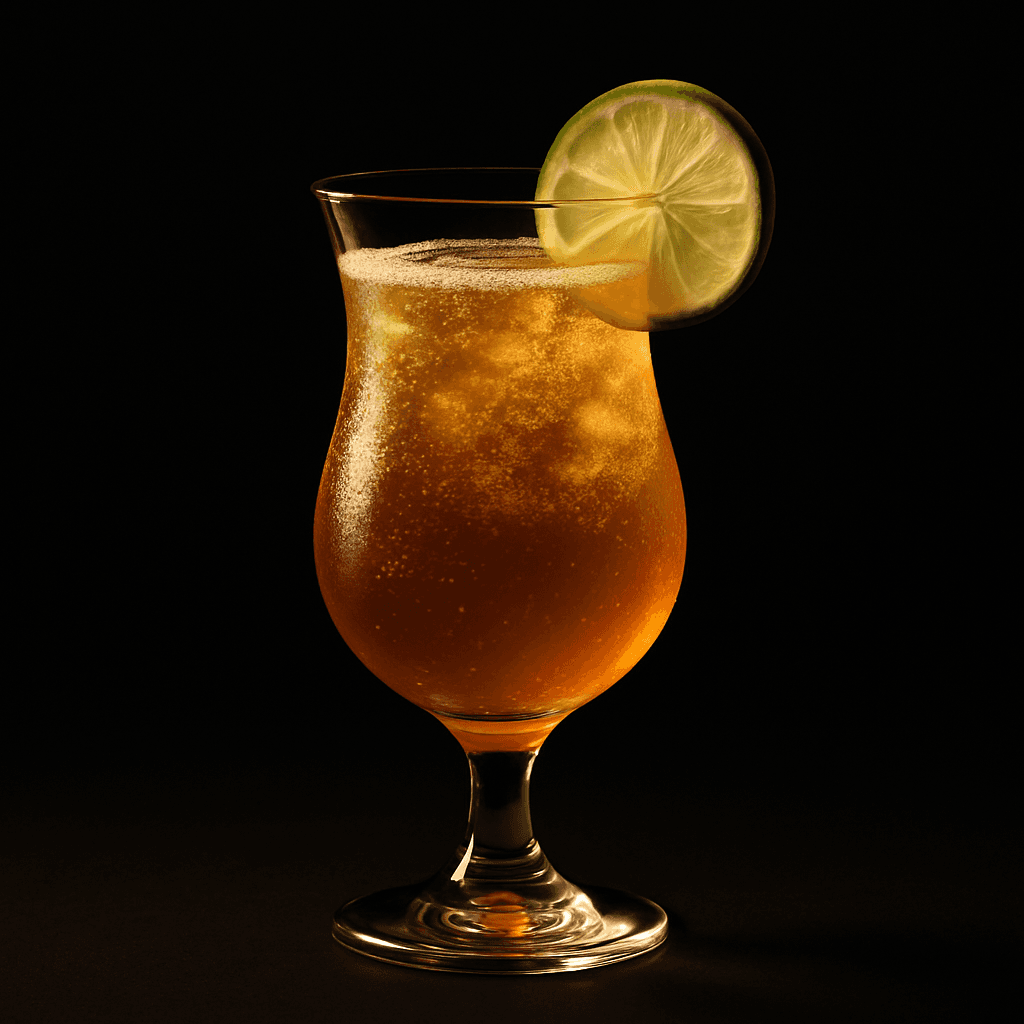
Old Cuban
A sophisticated twist on the classic Mojito that elevates the rum and mint combination with aged rum and sparkling wine. This elegant cocktail balances the earthiness of muddled mint with the richness of aged rum and the effervescence of champagne.
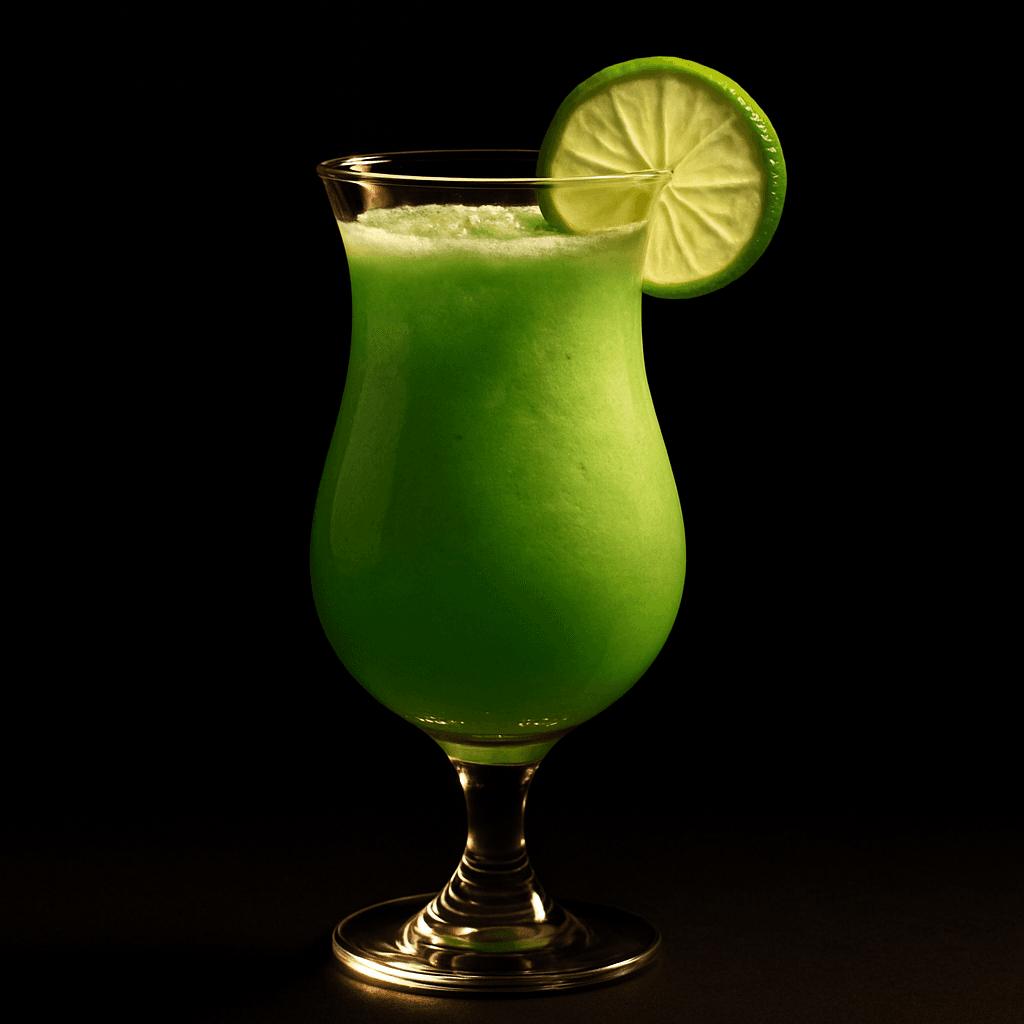
Scooby Snack
A playful tropical cocktail that combines banana and coconut flavors with a splash of pineapple. This creamy, dessert-like drink captures the whimsical spirit of everyone's favorite cartoon Great Dane.
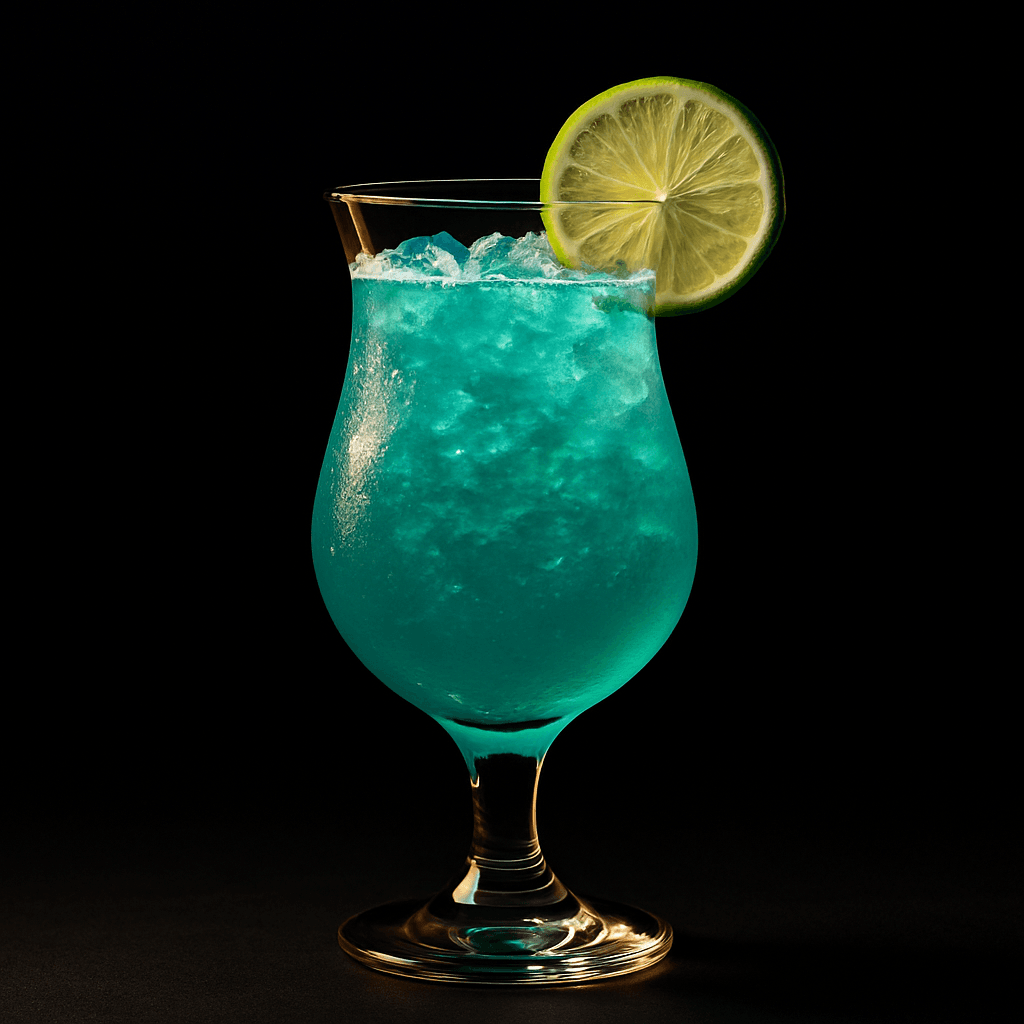
Water Hazard
A refreshing golf-themed cocktail that combines the crisp bite of gin with the tropical sweetness of blue curaçao and coconut. This visually striking drink mimics the treacherous beauty of a water hazard on the golf course.
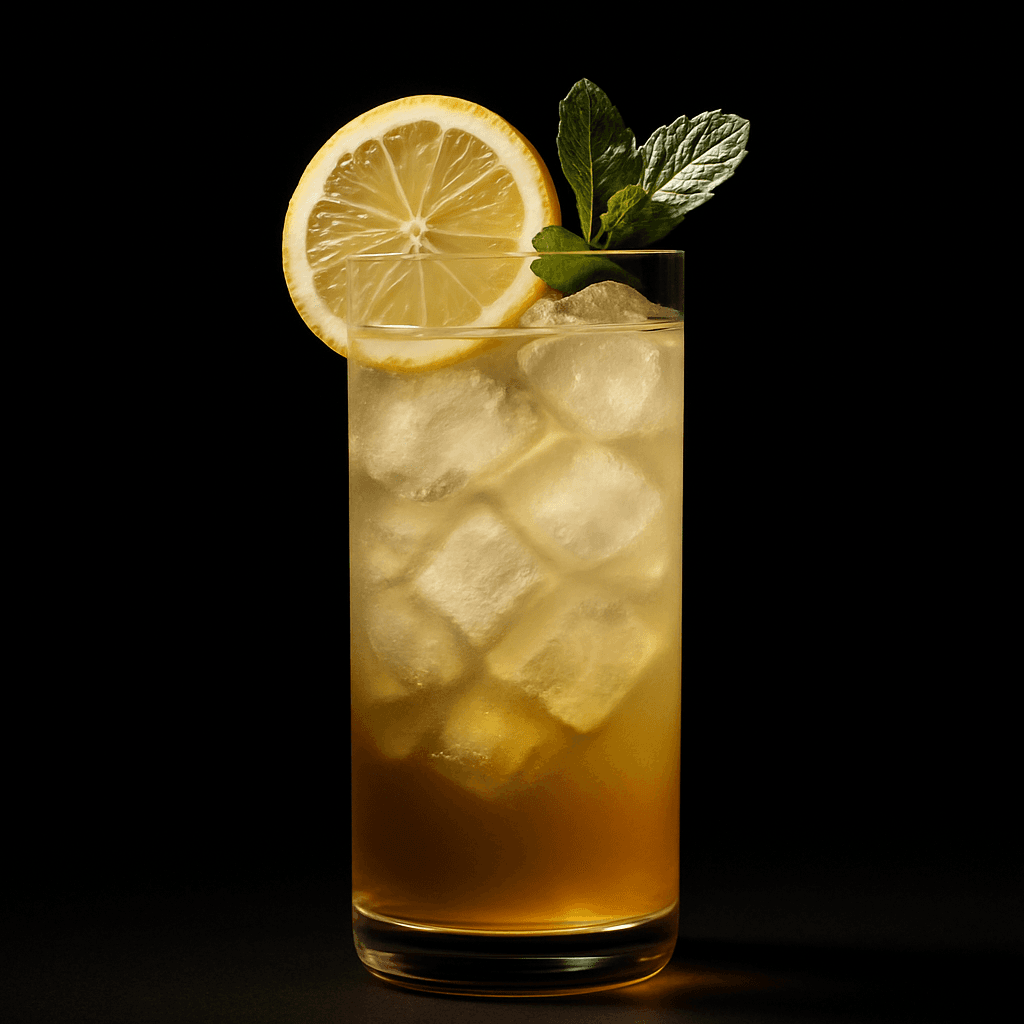
Non-Alcoholic Arnold Palmer Mocktail
A refreshing blend of freshly brewed iced tea and tangy lemonade, perfectly balanced and served ice-cold. This classic American beverage combines the best of both worlds in every sip.
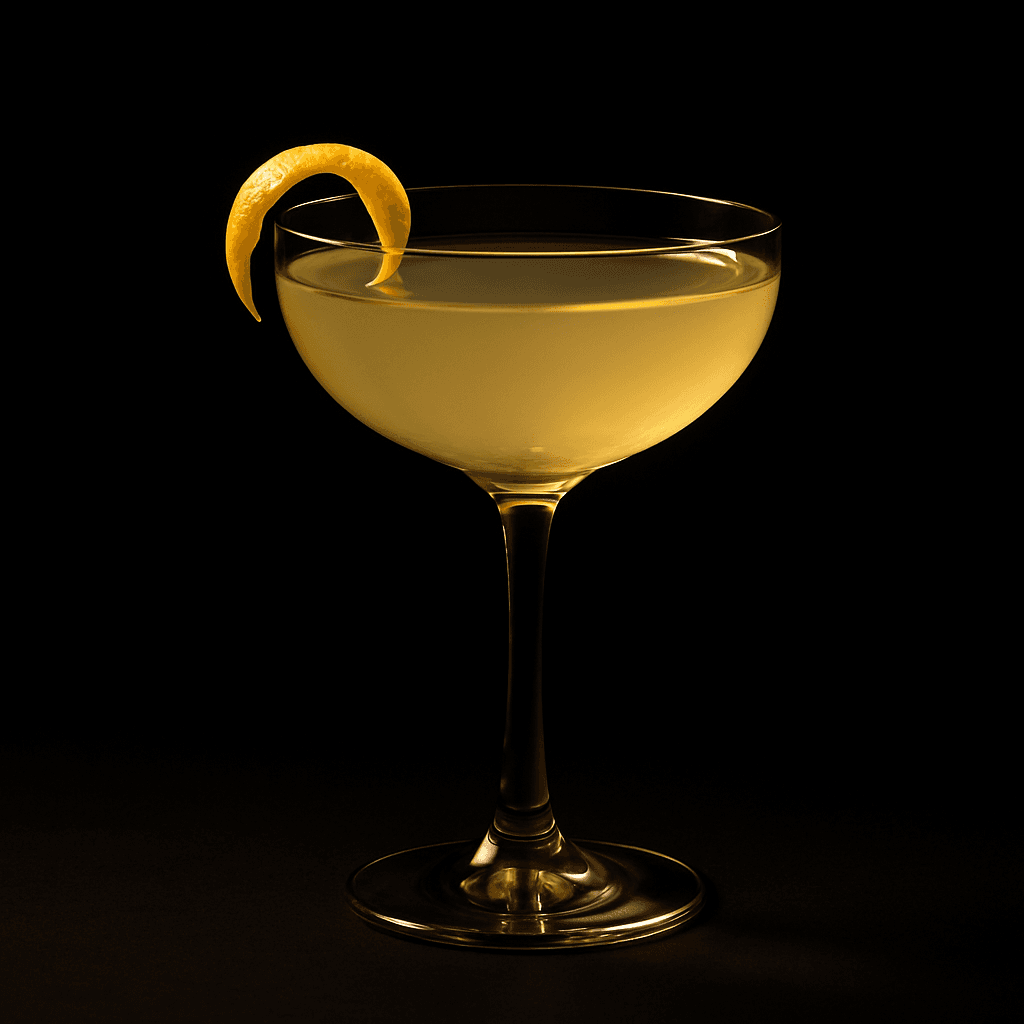
Amalfi Cocktail
A sophisticated Italian-inspired cocktail that captures the essence of the Amalfi Coast with limoncello, gin, and fresh citrus. This elegant drink balances the sweet intensity of limoncello with botanical gin and bright lemon juice for a refreshingly complex experience.
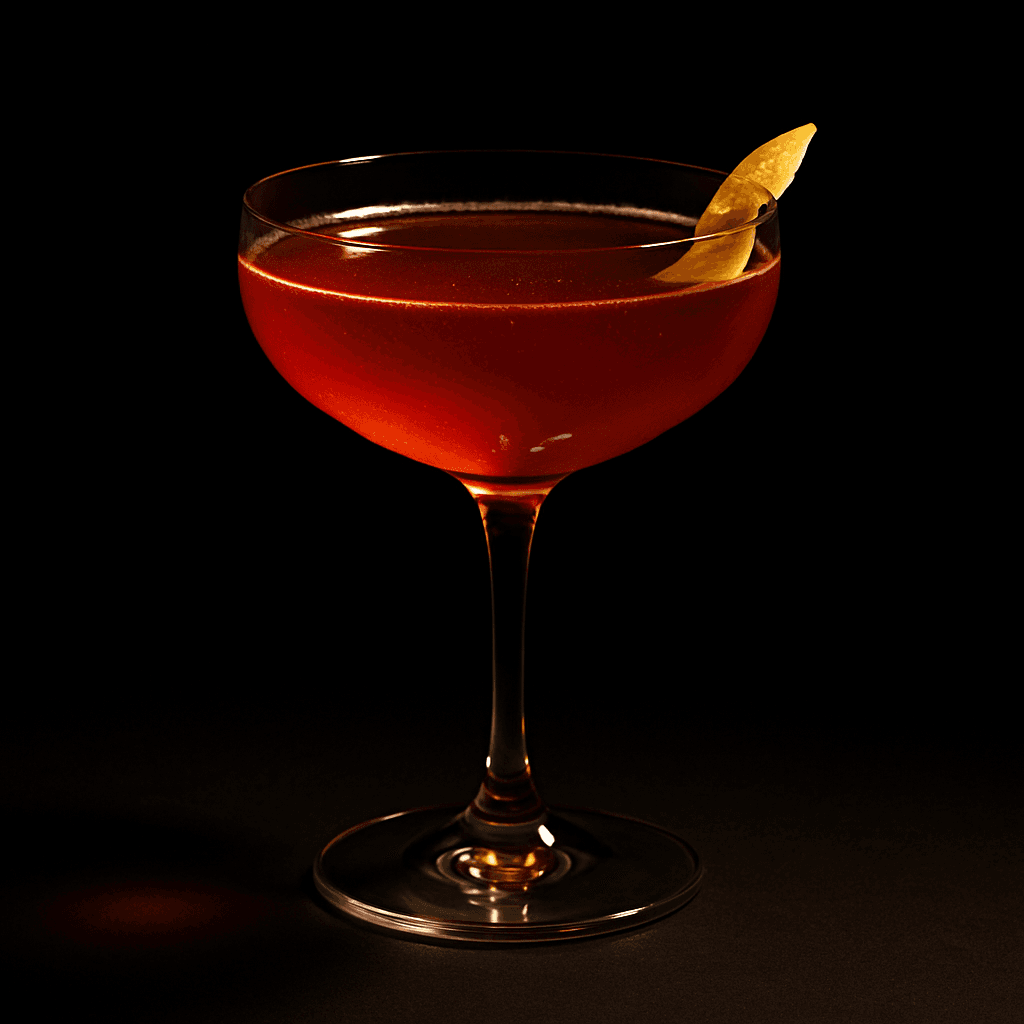
Cruise Cocktail
A sophisticated rum-based cocktail that captures the essence of maritime adventure. This balanced sipper combines aged rum with citrus and herbal notes, creating a drink that's both refreshing and contemplative.
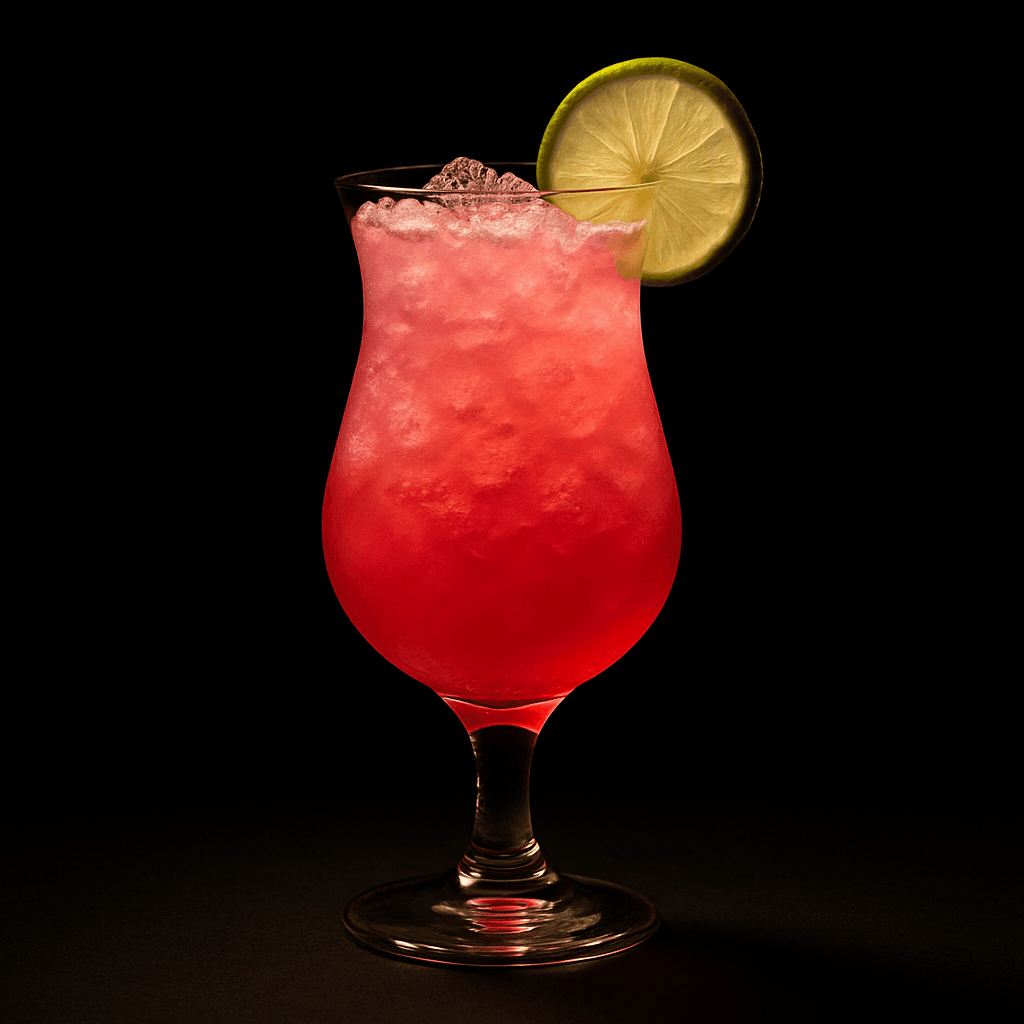
Masters Azalea Cocktail
An elegant pink cocktail inspired by the blooming azaleas of Augusta National Golf Club. This refined drink combines floral notes with crisp citrus and a hint of Southern charm.
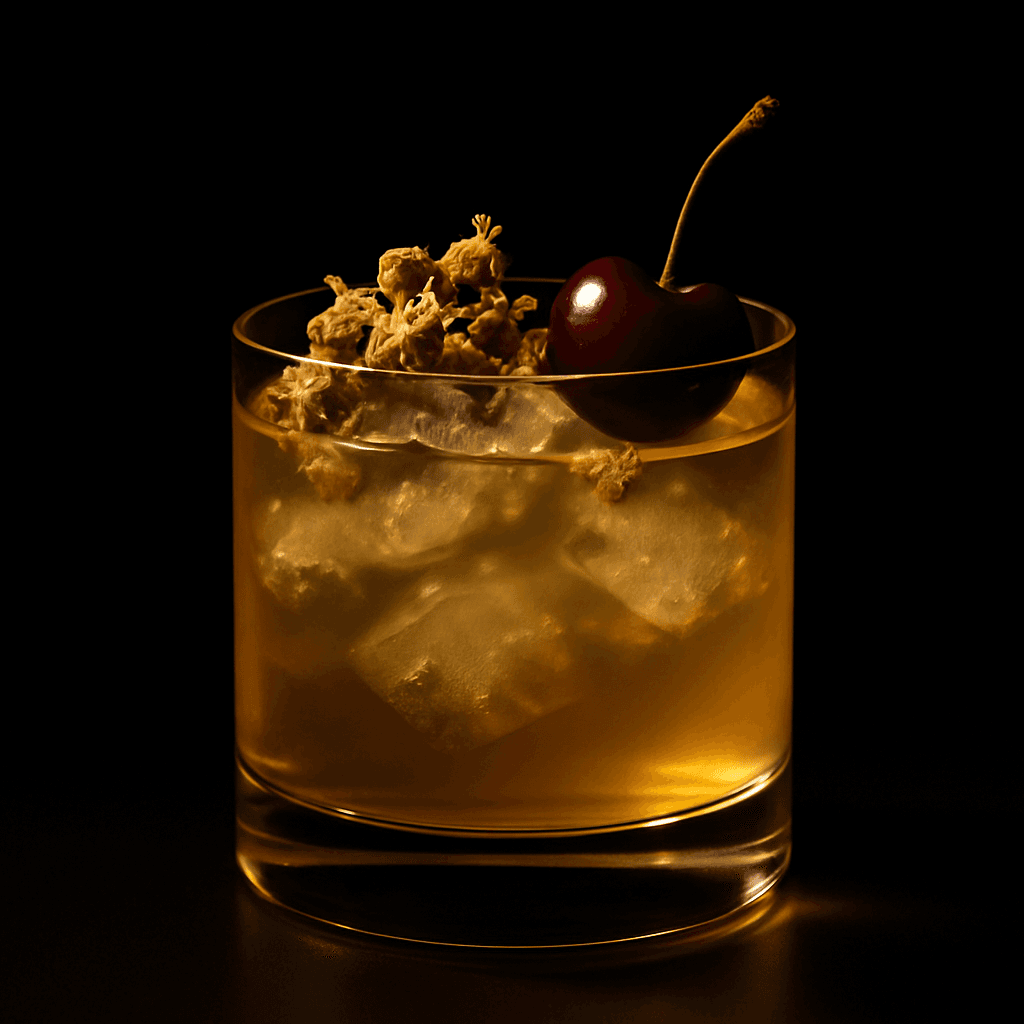
Sleepy Girl Mocktail
A dreamy, alcohol-free cocktail featuring tart cherry juice, magnesium powder, and calming botanicals. This viral TikTok sensation combines sleep-promoting ingredients in a deliciously soothing bedtime ritual.
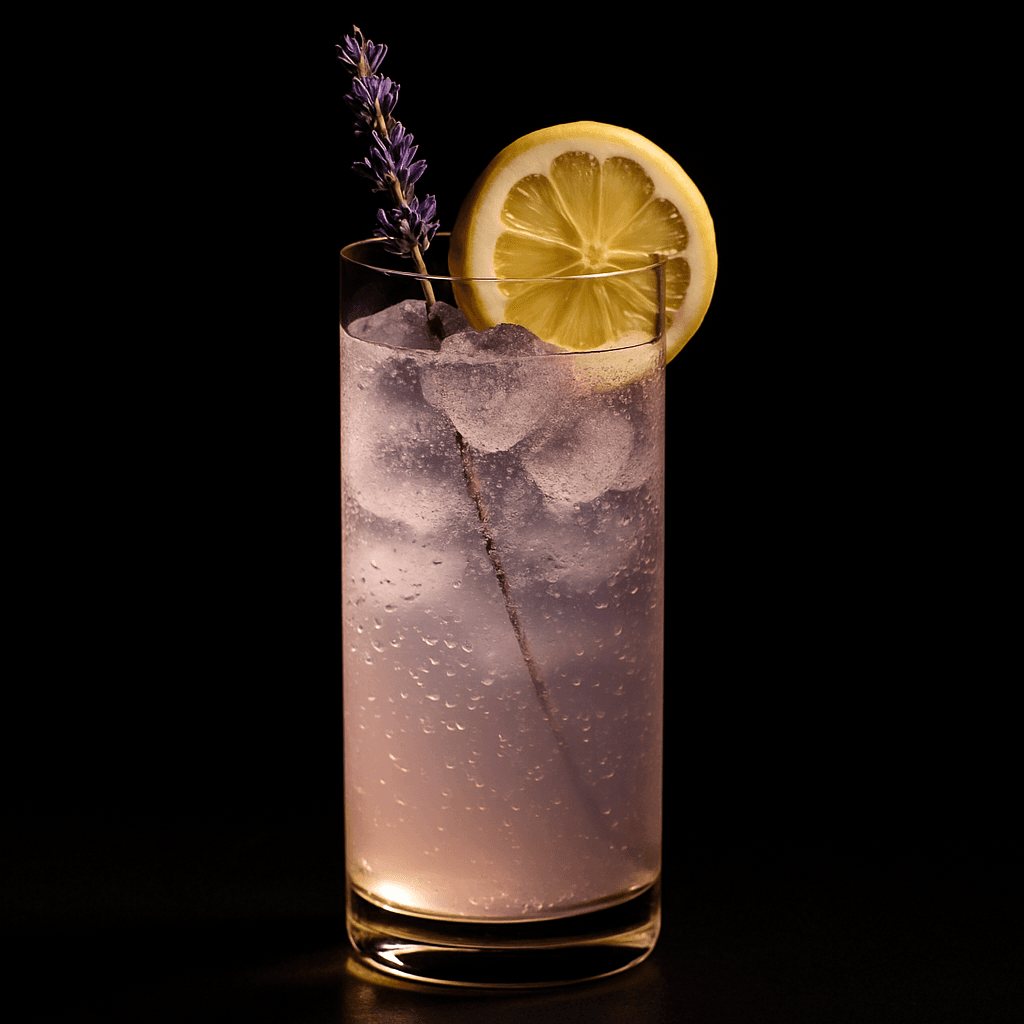
Sparkling Lavender Lemonade
A refreshing non-alcoholic cocktail that elevates classic lemonade with aromatic lavender and effervescent bubbles. This sophisticated mocktail balances tart lemon with floral notes and a hint of sweetness.
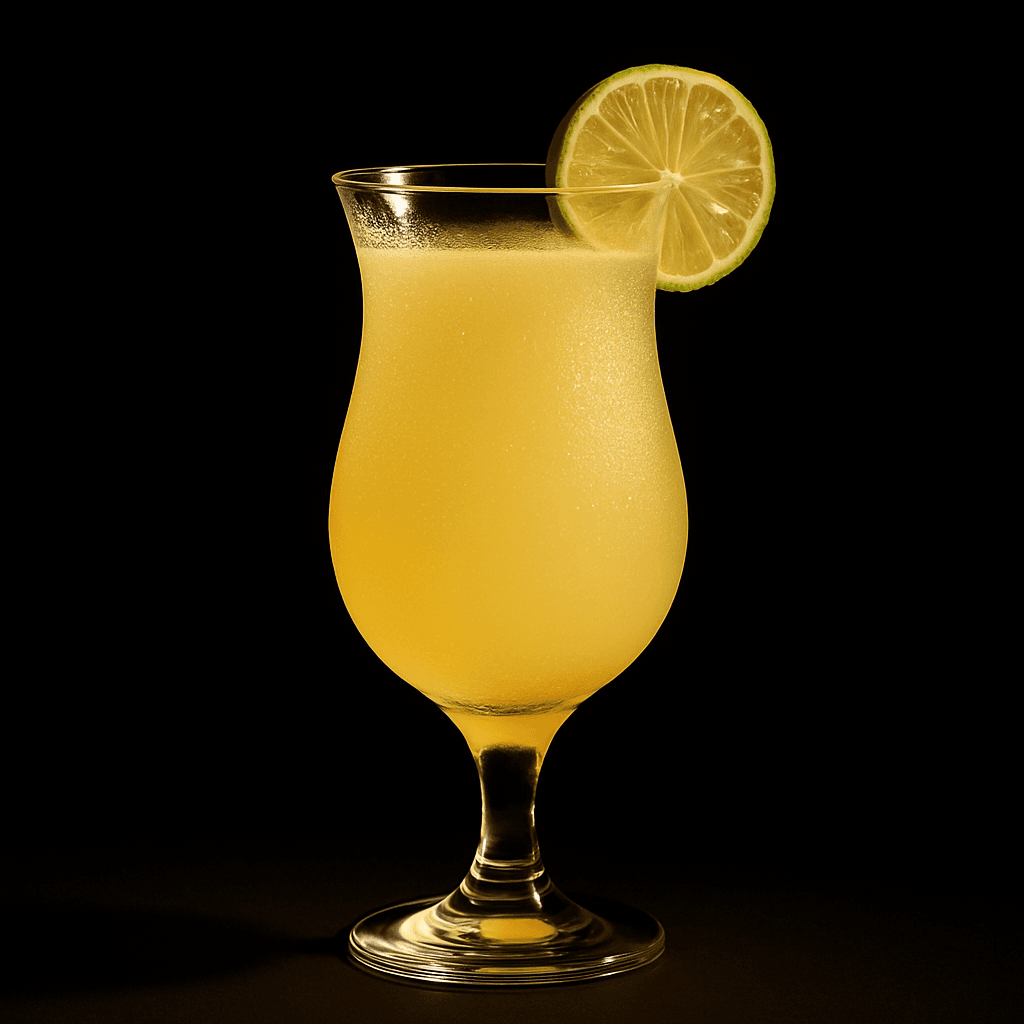
Lemon Drop
A bright and zesty vodka cocktail that perfectly balances sweet and sour flavors. This modern classic features vodka, fresh lemon juice, and simple syrup, served in a sugar-rimmed glass for the ultimate citrus experience.
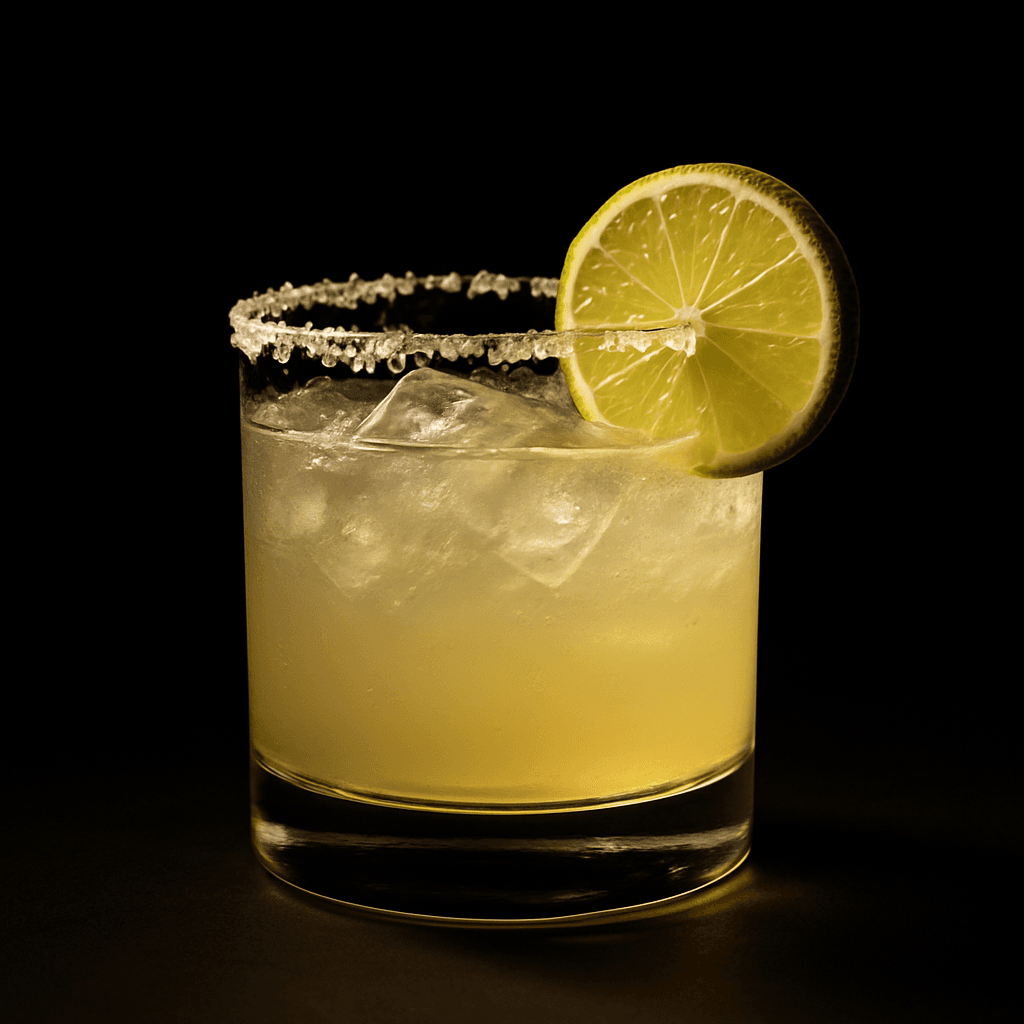
Virgin Margarita
A refreshing non-alcoholic version of the classic margarita that captures all the bright, citrusy flavors without the tequila. Perfect for designated drivers, pregnant women, or anyone seeking a delicious alcohol-free cocktail experience.
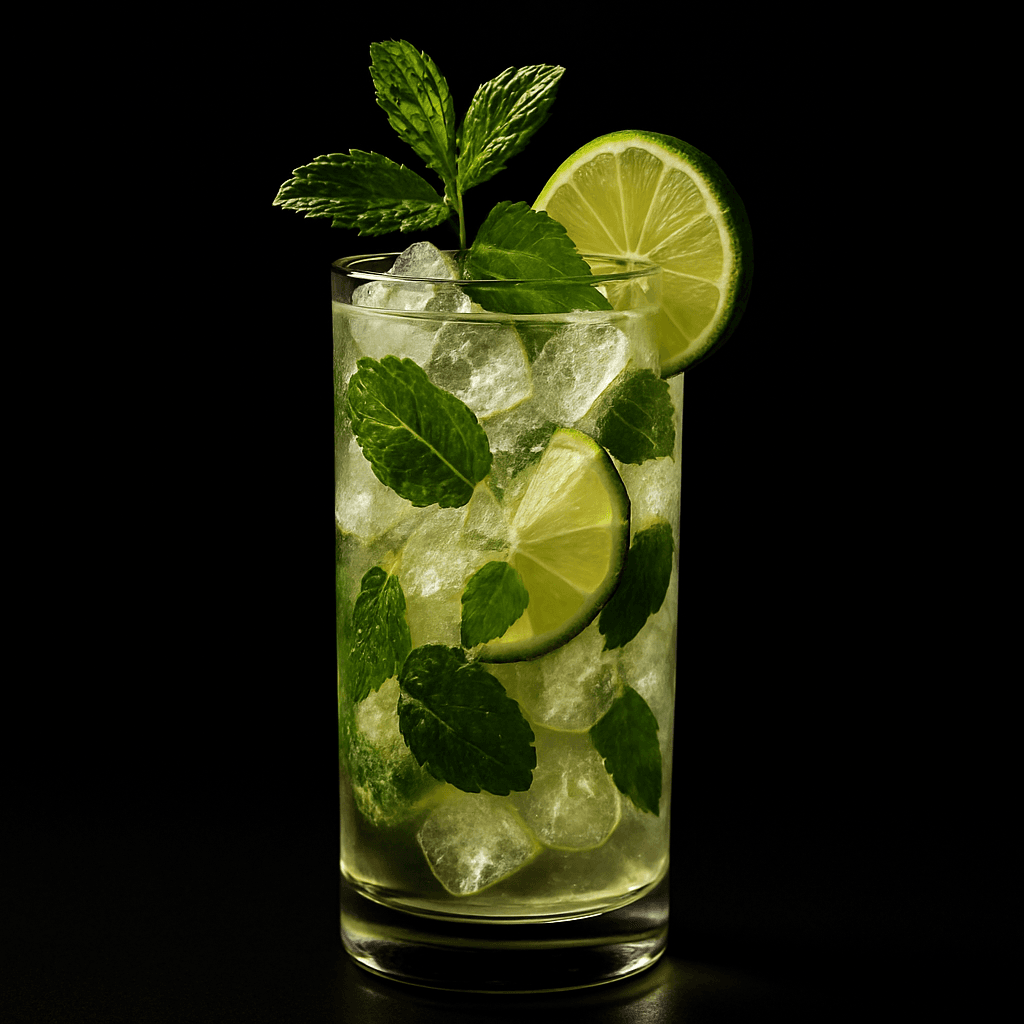
Virgin Mojito
A refreshing non-alcoholic version of the classic Cuban mojito that captures all the vibrant flavors of mint, lime, and sparkling water. This mocktail delivers the same cooling sensation and zesty kick as its alcoholic counterpart.
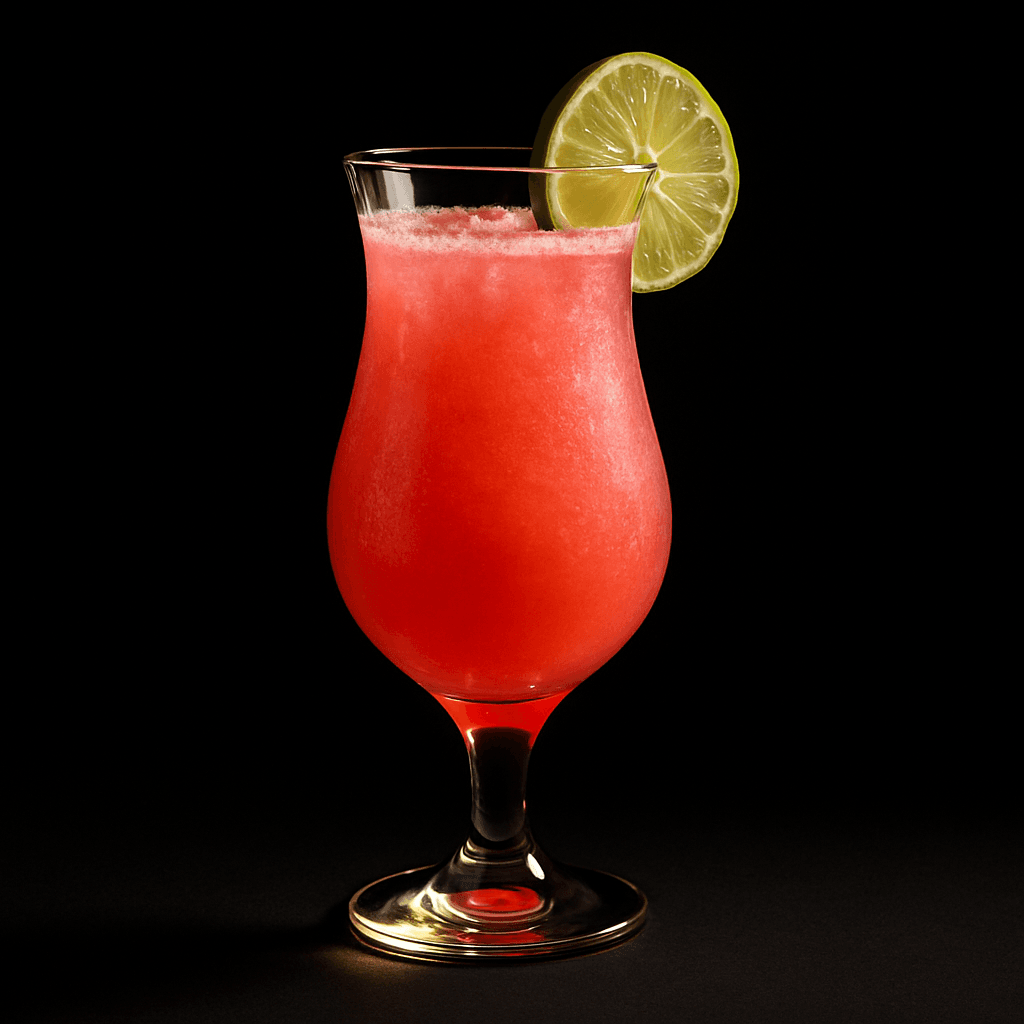
Azalea Cocktail
A delicate and floral pink cocktail that captures the essence of spring's most beloved bloom. This elegant gin-based drink combines botanical spirits with fresh citrus and a touch of grenadine for a beautiful, garden-inspired libation.
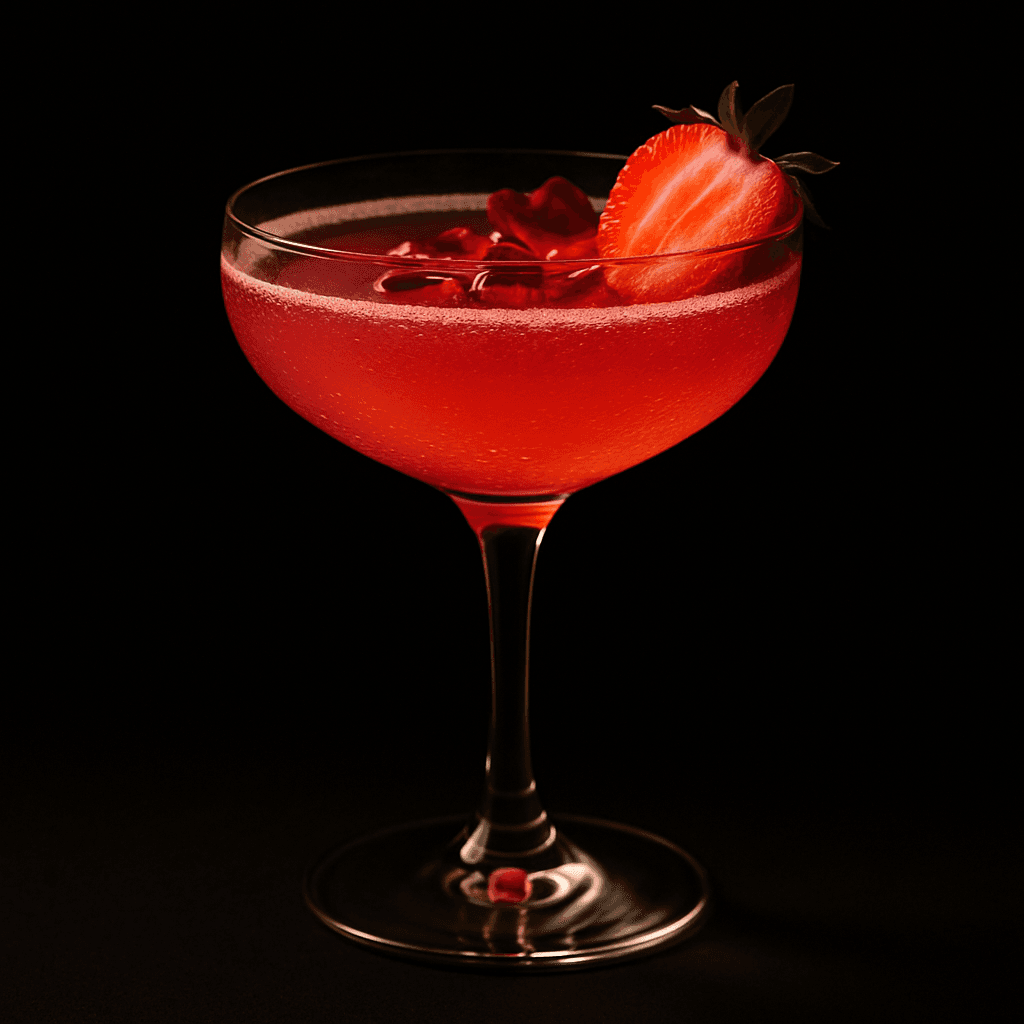
Love Mocktail
A romantic non-alcoholic cocktail that combines the sweetness of strawberries with the elegance of rose, creating a beautiful pink drink perfect for special occasions. This enchanting mocktail delivers layers of floral and fruity flavors with a sparkling finish.
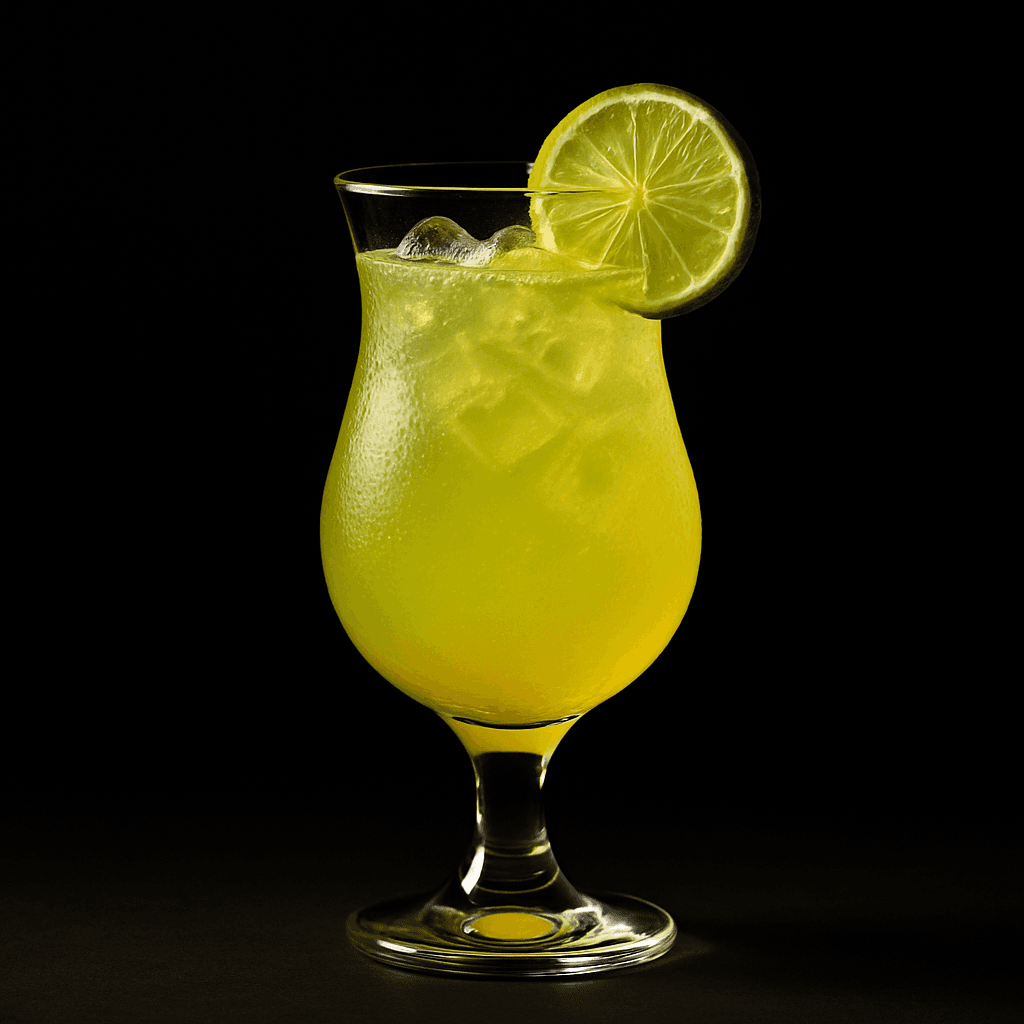
Garden Party Cocktail
A refreshing botanical cocktail that captures the essence of an English garden in full bloom. This elegant drink combines gin's juniper notes with fresh cucumber, elderflower, and a hint of mint for a sophisticated summer sipper.
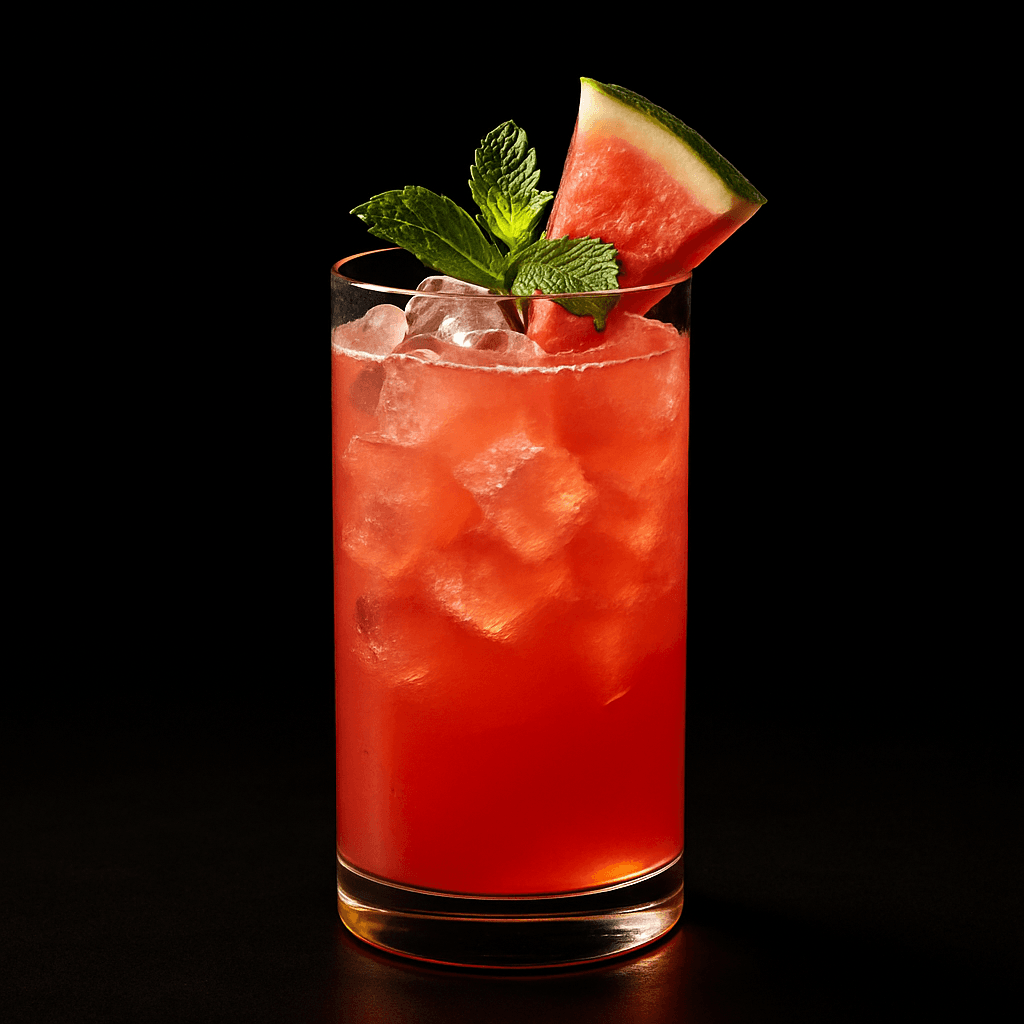
Watermelon Mocktail
A refreshing and vibrant non-alcoholic cocktail that captures the essence of summer in every sip. This thirst-quenching drink combines fresh watermelon juice with zesty lime and a hint of mint for the perfect balance of sweet and tart flavors.
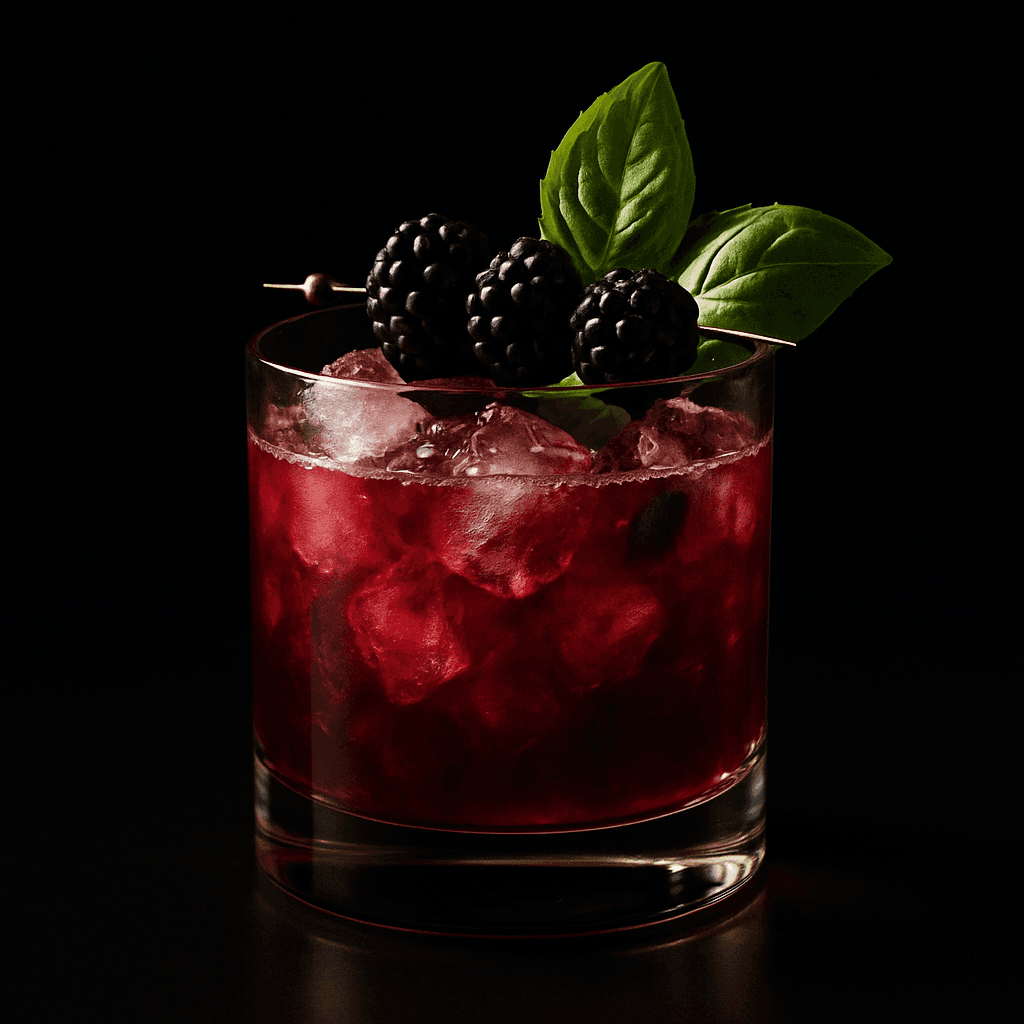
Blackberry Basil Smash
A vibrant non-alcoholic cocktail that combines fresh muddled blackberries with aromatic basil, brightened with lemon juice and topped with sparkling water. This refreshing mocktail delivers sophisticated flavors without the alcohol.
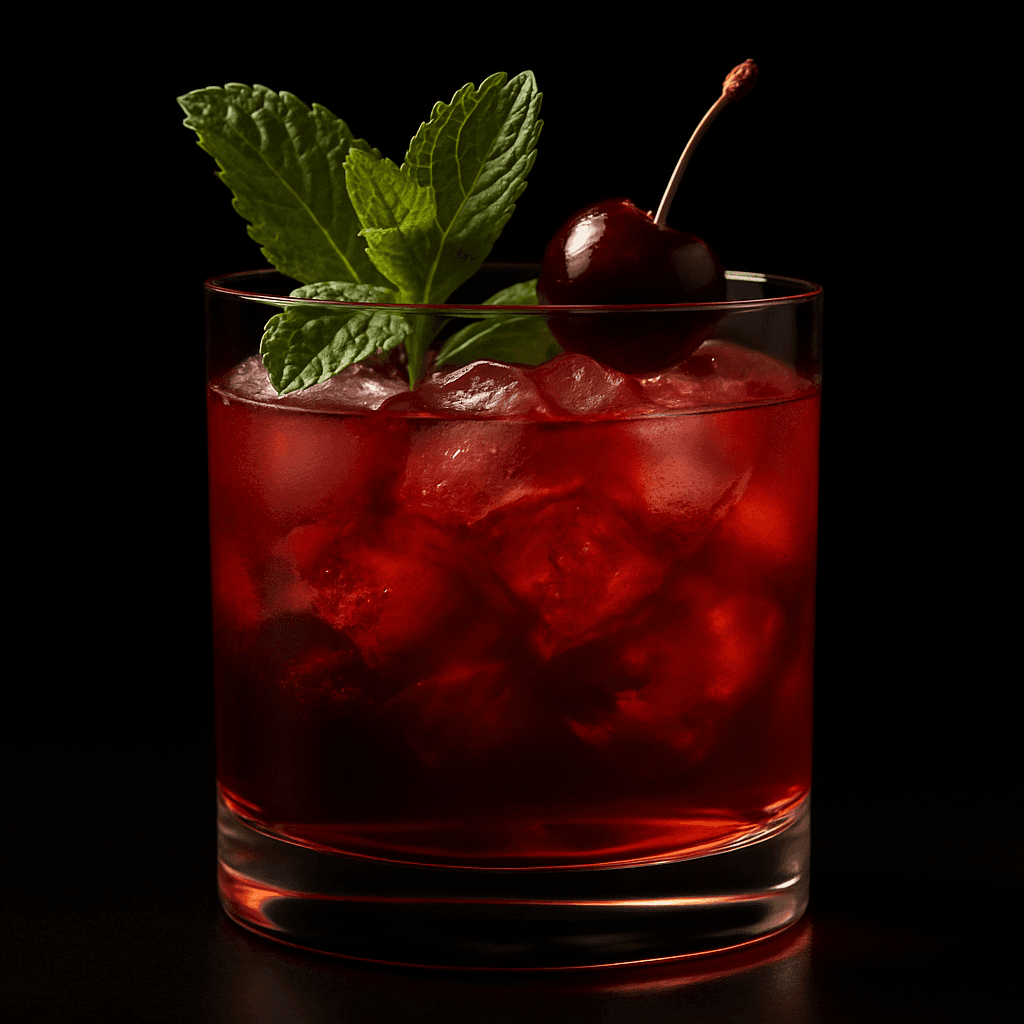
Tart Cherry Mocktail
A vibrant, refreshing non-alcoholic cocktail that celebrates the bold flavor of tart cherries. This sophisticated mocktail balances sweet and sour notes with a hint of herbal complexity.
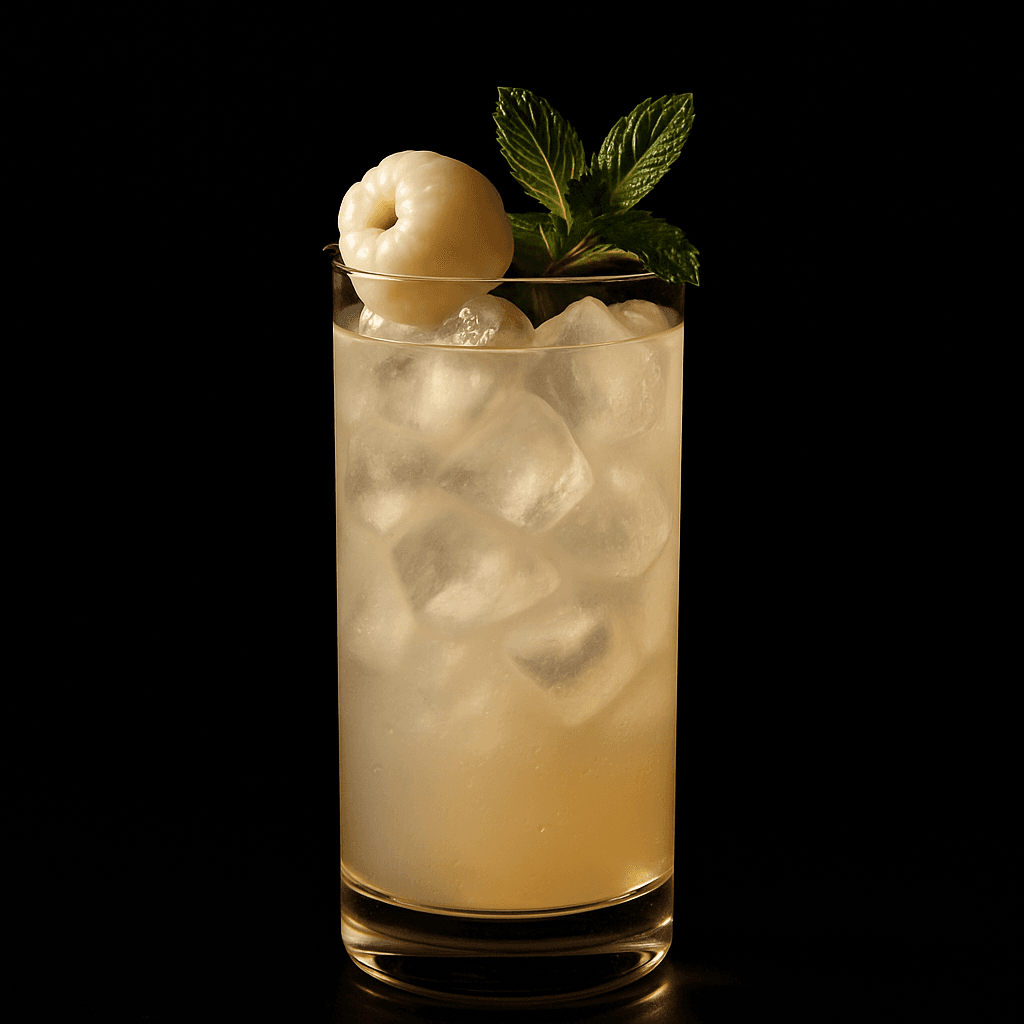
Lychee Mocktail
A refreshing and elegant non-alcoholic cocktail featuring the delicate floral sweetness of lychee fruit, balanced with citrus and sparkling water. This sophisticated mocktail delivers exotic flavors with a beautiful presentation.
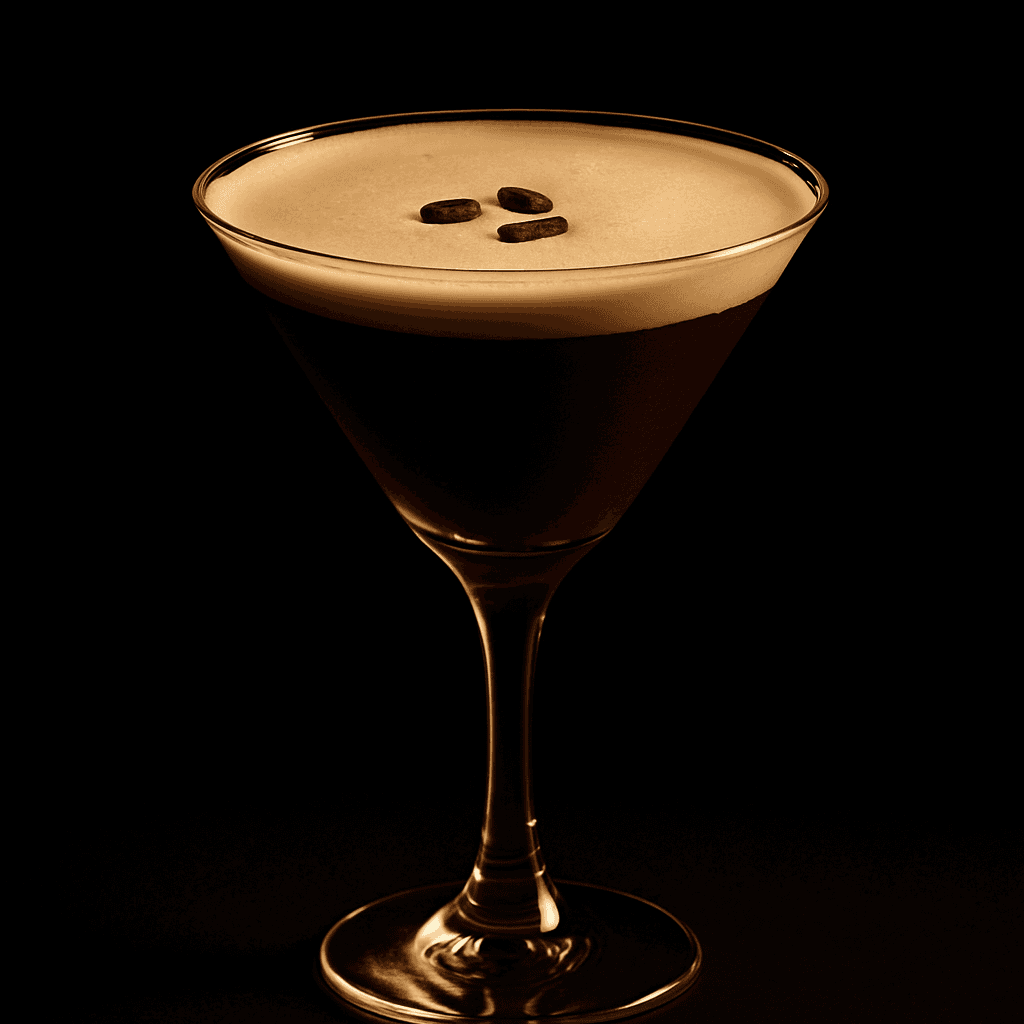
Espresso Martini Mocktail
A sophisticated non-alcoholic take on the beloved Espresso Martini that delivers the same rich coffee flavor and elegant presentation. This mocktail combines bold espresso with creamy vanilla and a touch of chocolate for a luxurious evening drink.
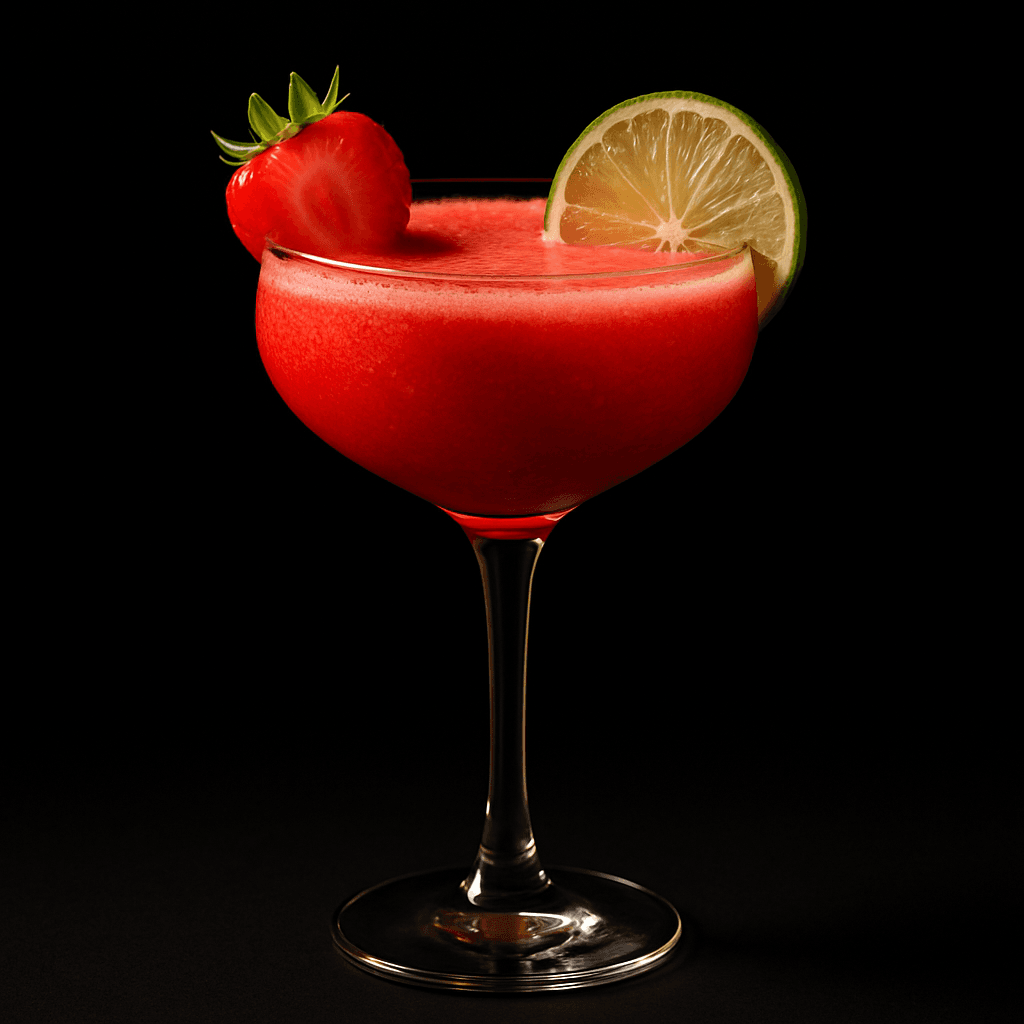
Strawberry Daiquiri Mocktail
A vibrant, alcohol-free version of the classic Cuban daiquiri that captures all the tropical charm without the rum. Fresh strawberries and lime create a perfect balance of sweet and tart flavors.
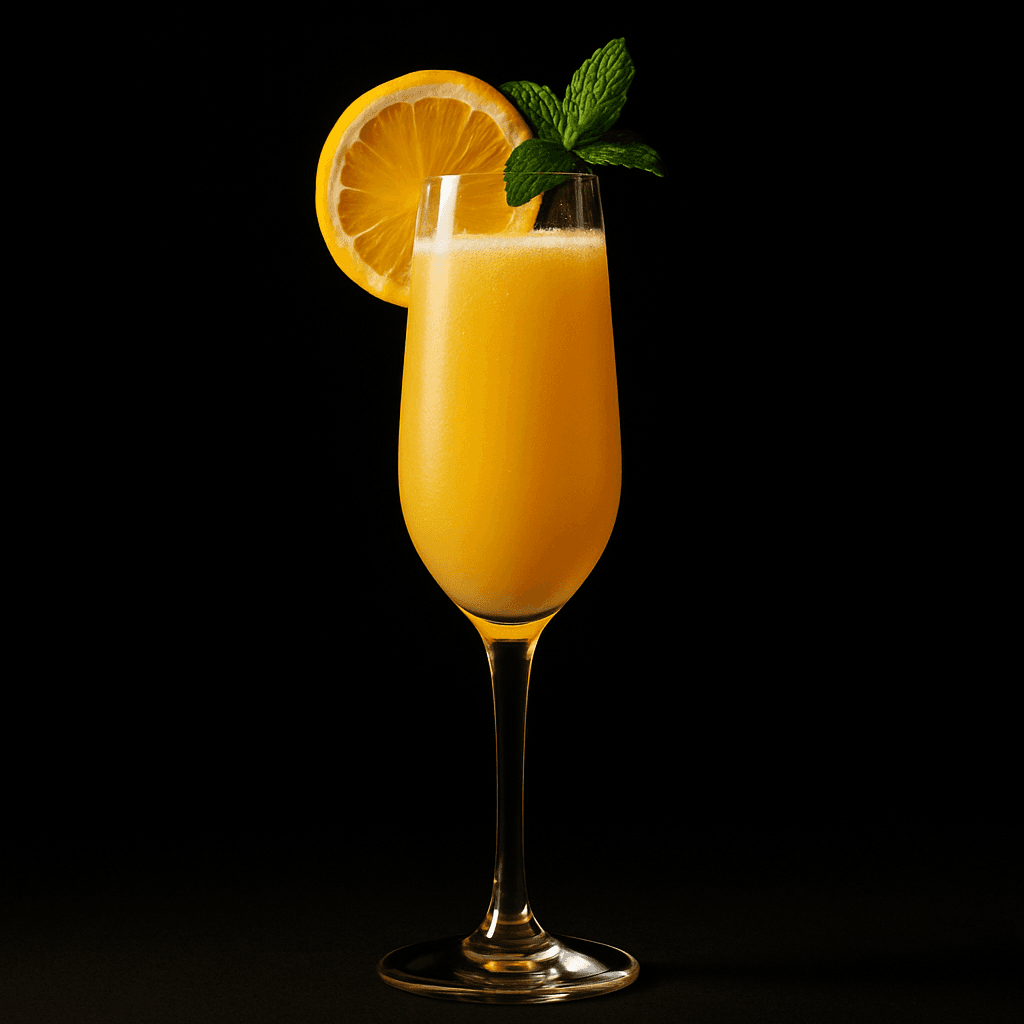
Virgin Mimosa
A refreshing non-alcoholic version of the classic brunch cocktail that captures all the celebratory spirit without the alcohol. Made with sparkling grape juice and fresh orange juice, it's perfect for any time of day.
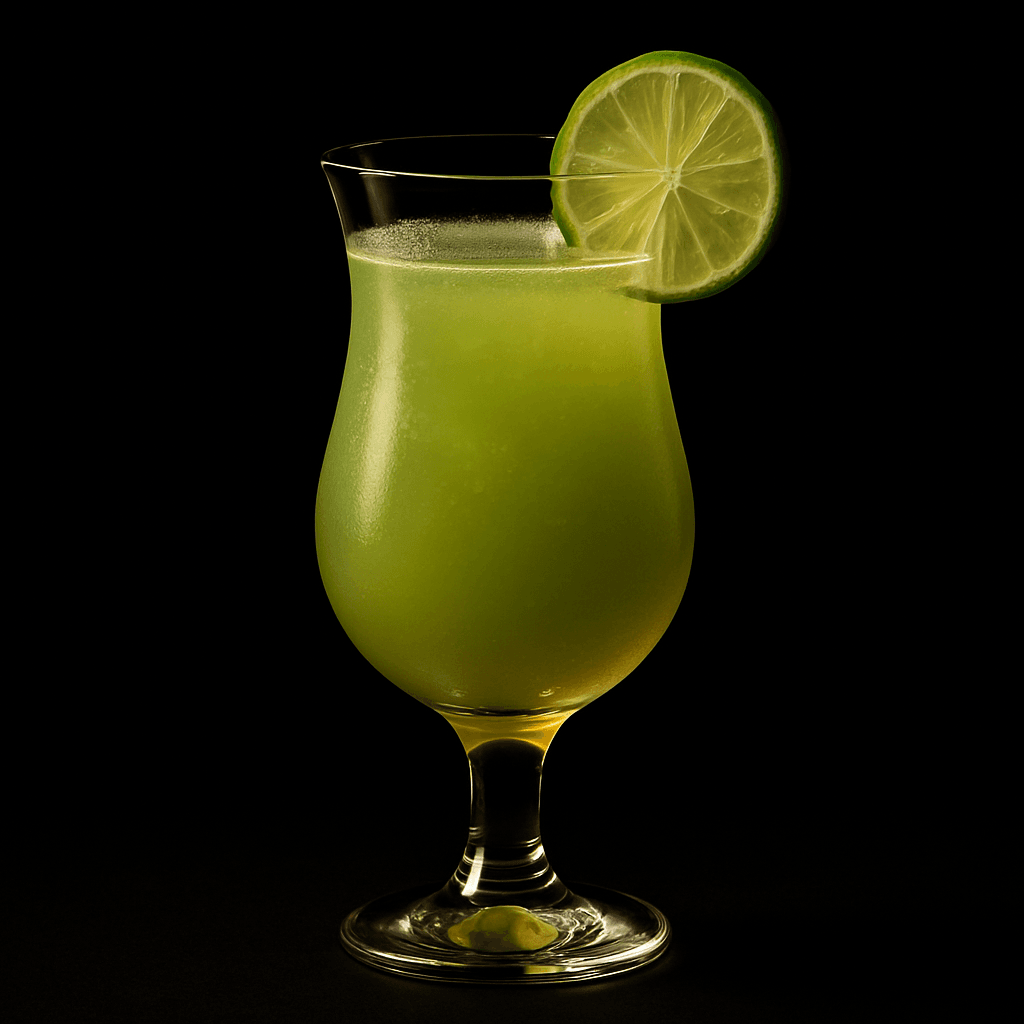
Green Tea Shot
Despite its name, this vibrant green shot contains no actual tea. A deceptively smooth and sweet combination of Irish whiskey, peach schnapps, sour mix, and Sprite that tastes remarkably like iced green tea.
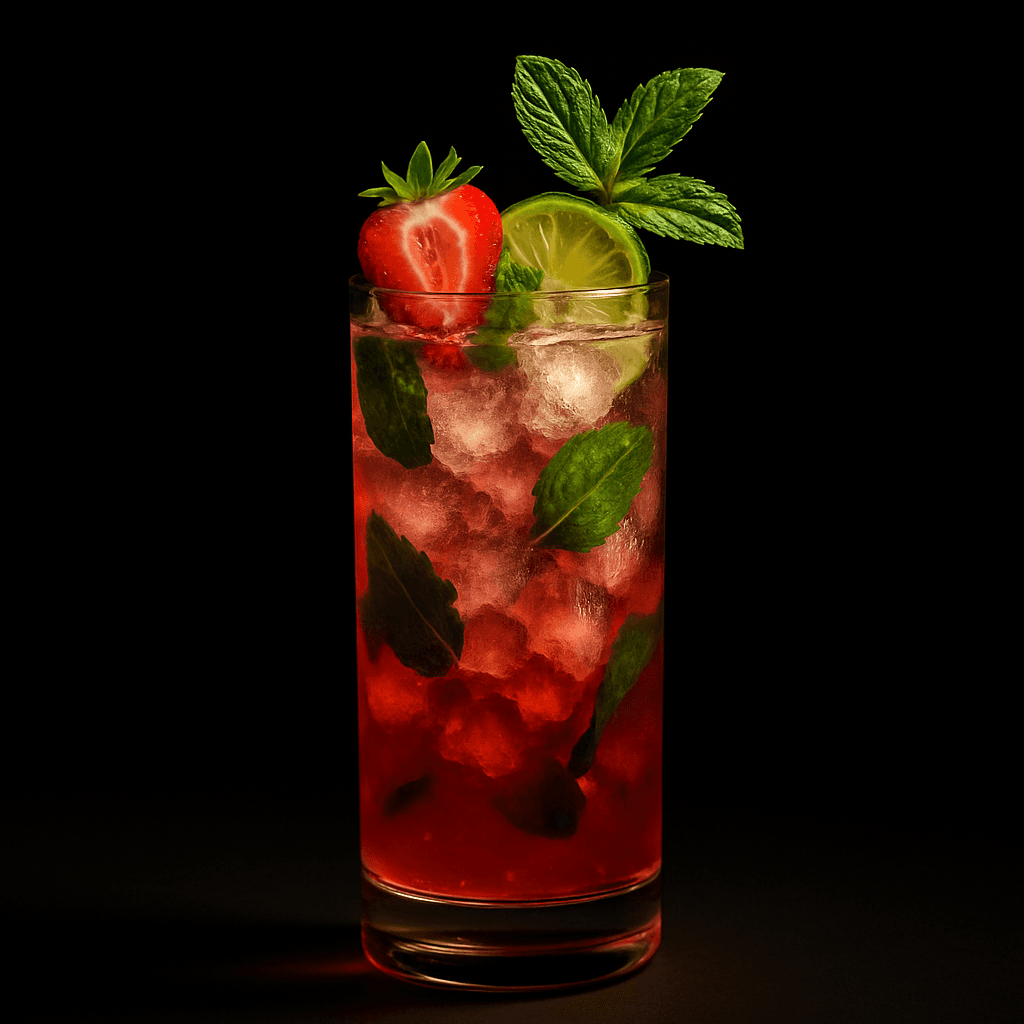
Strawberry Mojito Mocktail
A refreshing non-alcoholic twist on the classic Cuban mojito, featuring fresh strawberries muddled with mint and lime. This vibrant mocktail delivers all the cooling satisfaction of the original with a sweet berry enhancement.
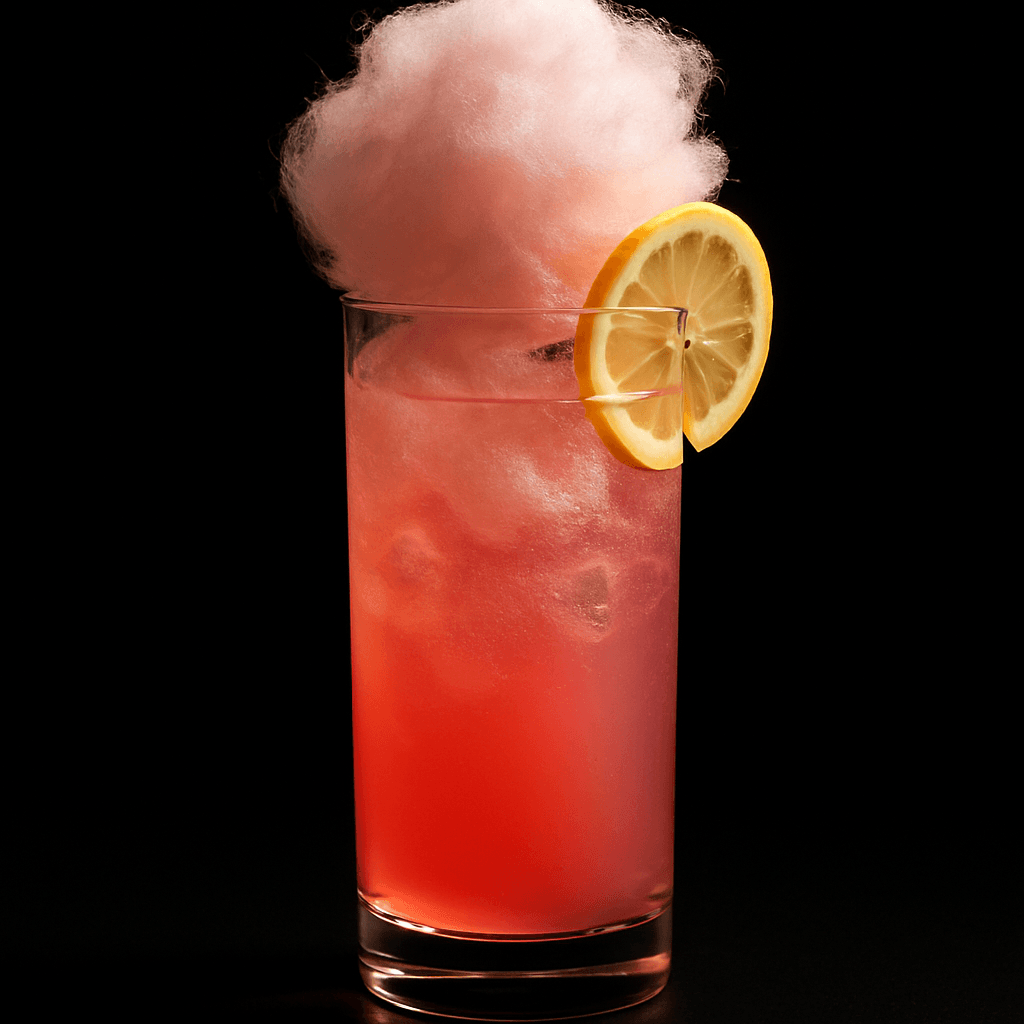
Cotton Candy Mocktail
A whimsical and Instagram-worthy non-alcoholic cocktail that transforms a simple drink into a magical experience. Pink cotton candy dissolves into sparkling lemonade, creating a sweet, fizzy treat that's perfect for all ages.
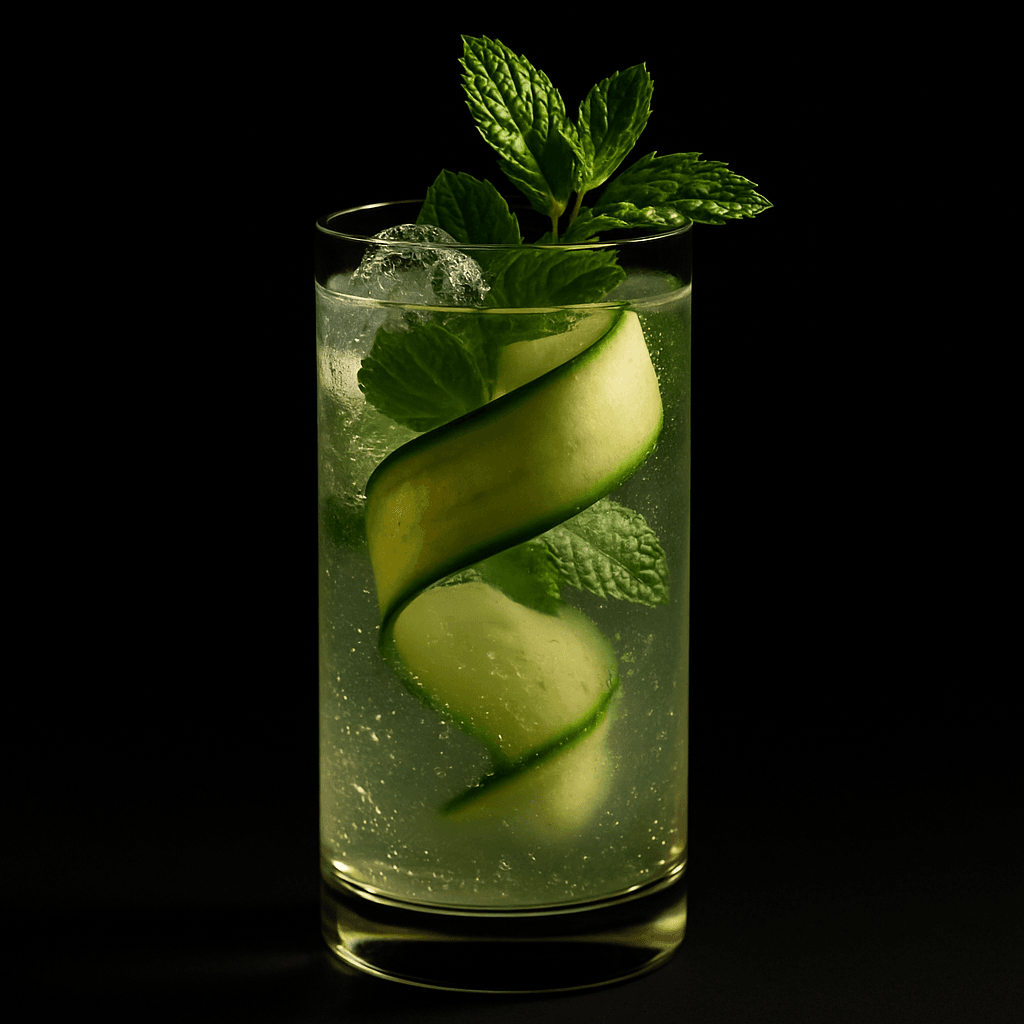
Cucumber Mint Mocktail
A crisp, refreshing non-alcoholic cocktail that combines the cooling properties of fresh cucumber with aromatic mint and bright citrus. This garden-fresh mocktail delivers sophisticated flavors without any alcohol.
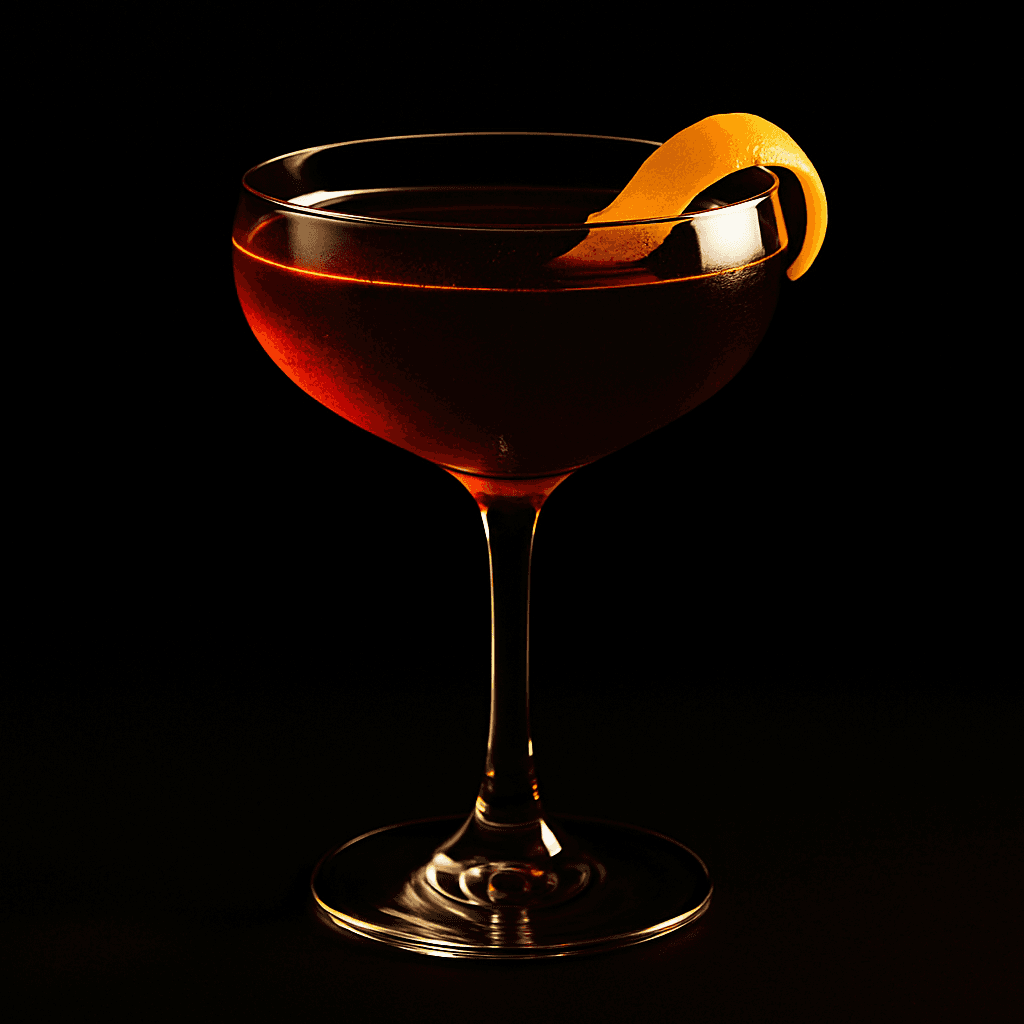
Mission Cocktail
A sophisticated gin-based cocktail that balances botanical complexity with citrus brightness and herbal depth. This lesser-known classic delivers elegant simplicity with a memorable finish.
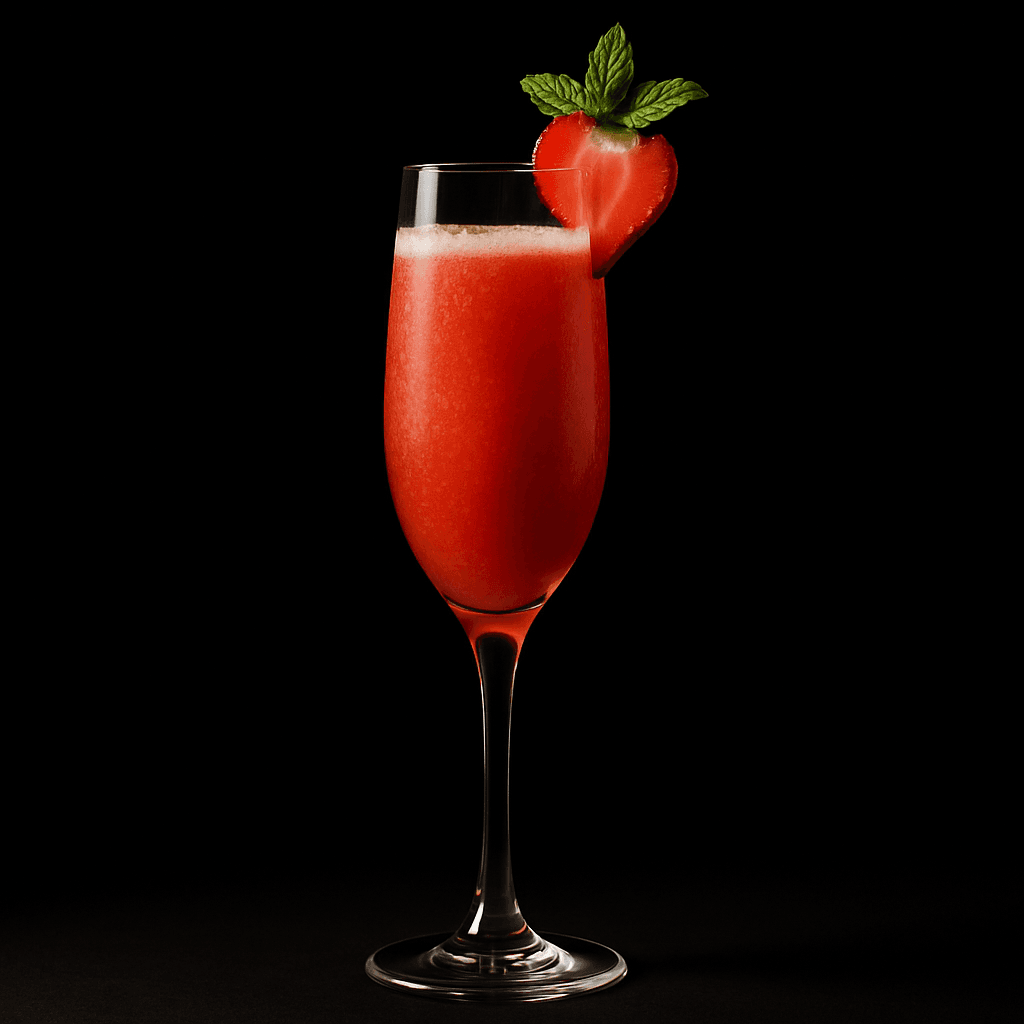
Strawberry Bellini
A luscious twist on the classic Italian Bellini, featuring fresh strawberry purée crowned with sparkling Prosecco. This elegant cocktail combines the sweetness of ripe strawberries with crisp Italian bubbles for a perfect celebratory drink.
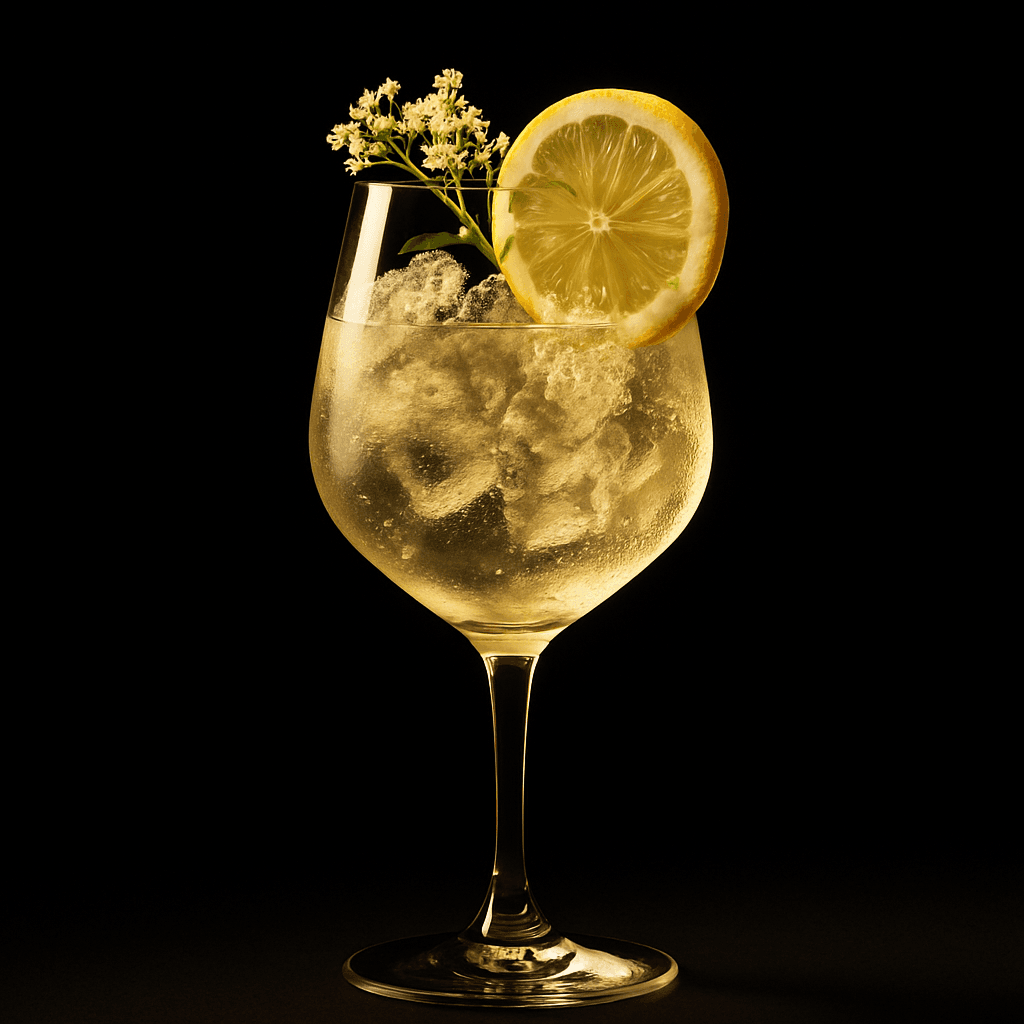
Elderflower Spritz
A delicate and refreshing spritz featuring the floral elegance of elderflower liqueur, brightened with crisp Prosecco and a splash of soda water. This effervescent cocktail captures the essence of spring in a glass.
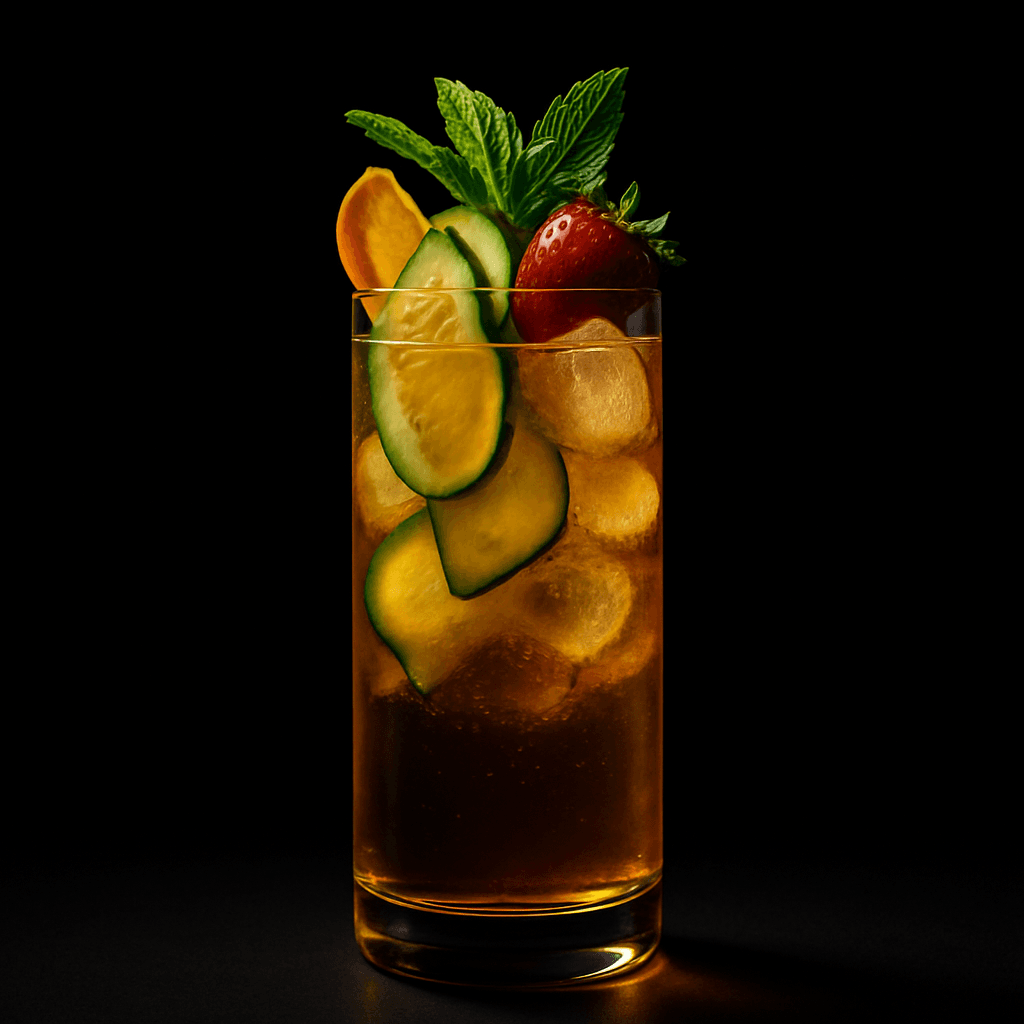
Pimm's Cup
A quintessentially British summer cocktail featuring Pimm's No. 1 liqueur topped with ginger beer and garnished with fresh cucumber and mint. Light, refreshing, and perfectly balanced with herbal complexity.
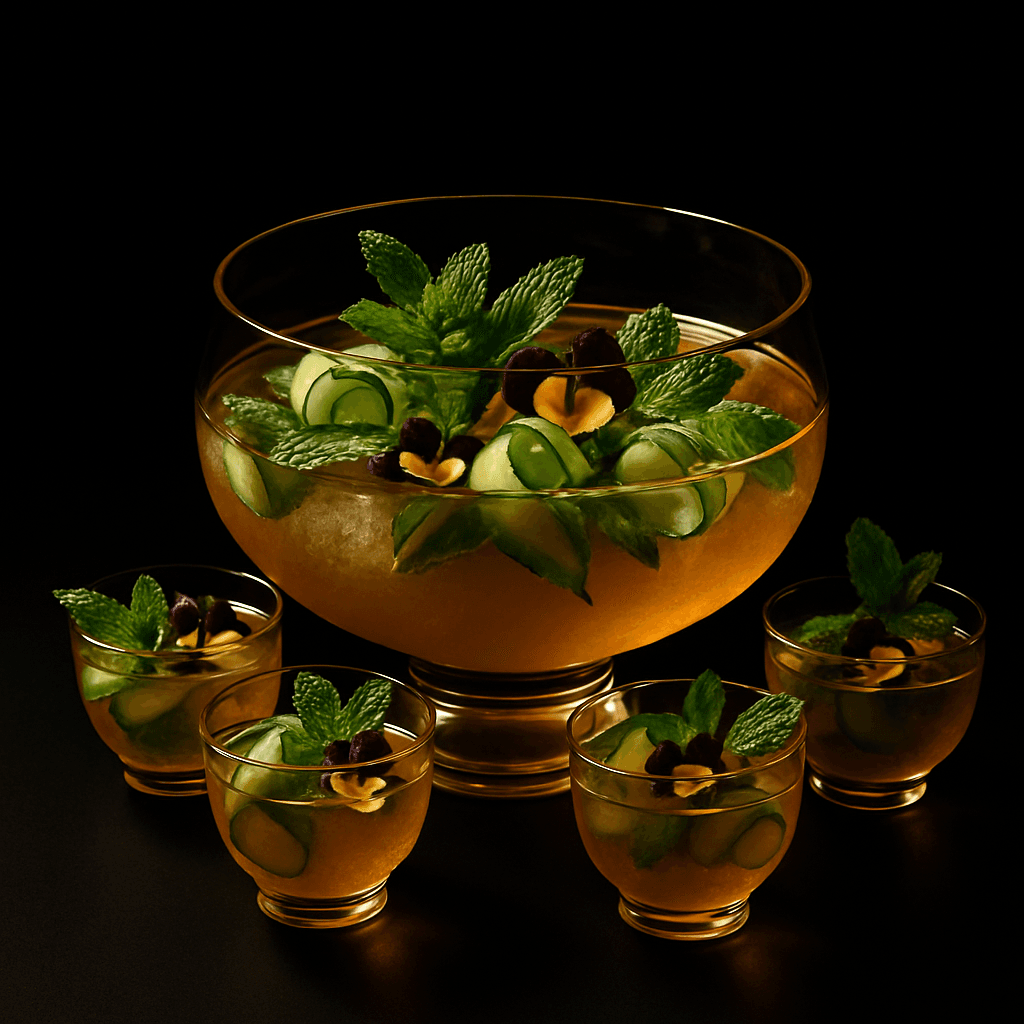
Champagne Garden Punch
An elegant and refreshing punch that celebrates the bounty of the garden with fresh herbs, seasonal fruits, and effervescent champagne. This sophisticated crowd-pleaser balances floral elderflower, bright citrus, and aromatic herbs in perfect harmony.
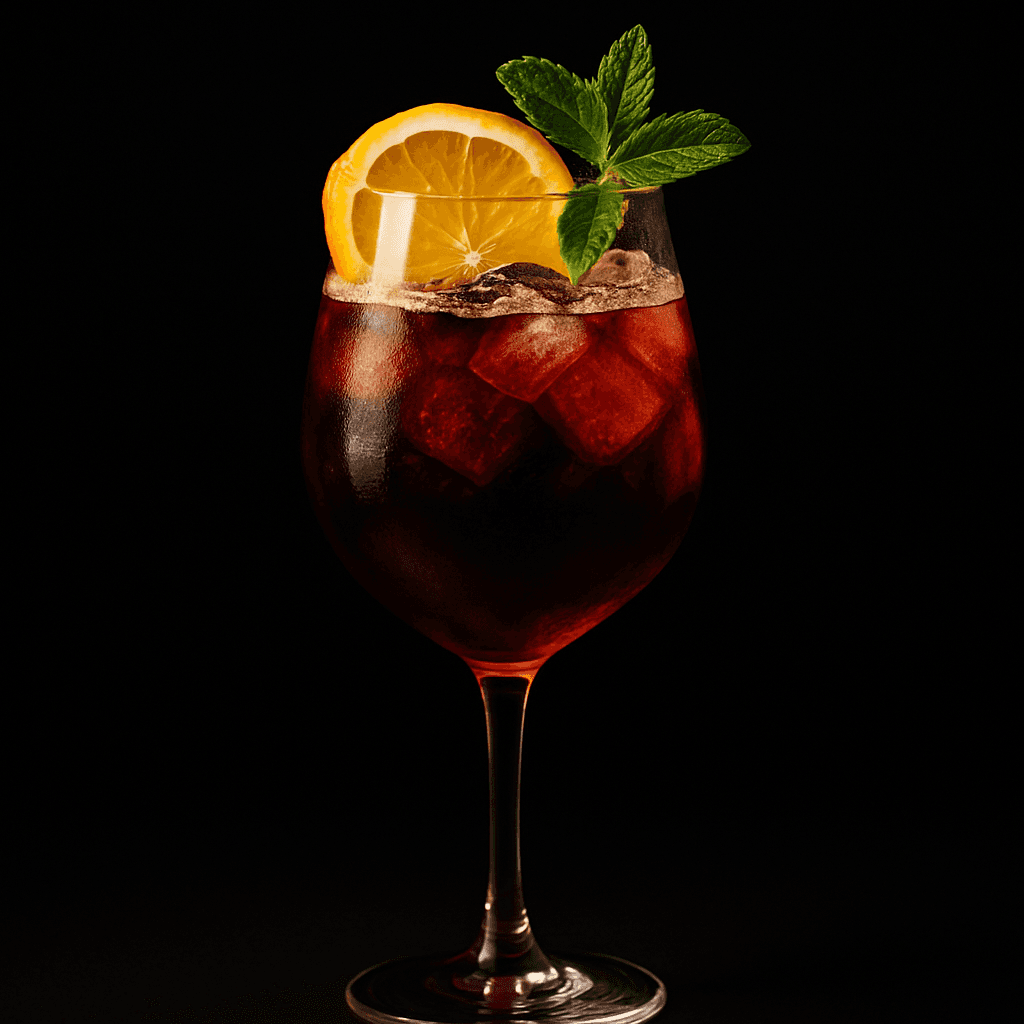
Calimocho Royal
An elevated take on the beloved Spanish Calimocho, this refined version combines premium red wine with artisanal cola and a splash of Champagne for effervescence. A sophisticated twist on a street-fair classic that brings elegance to the humble wine and cola combination.
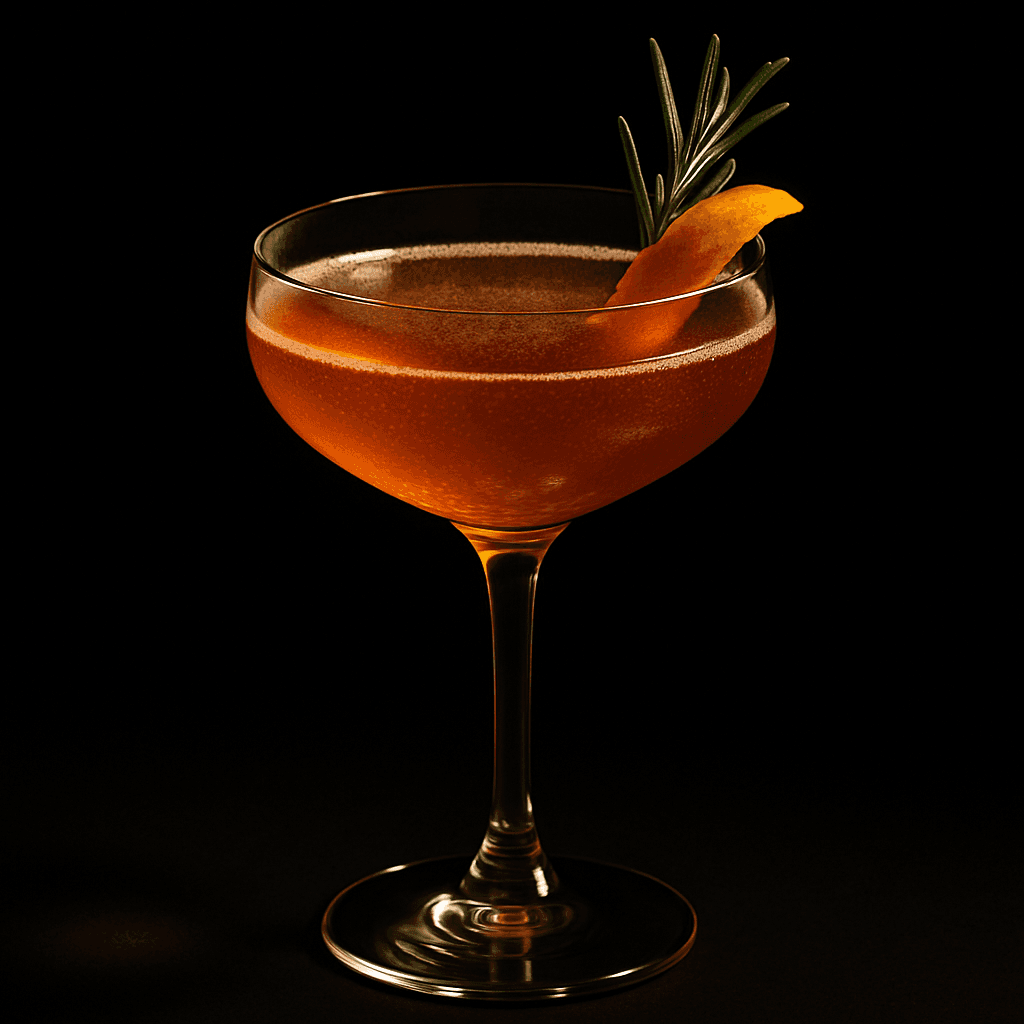
Espumoso
A vibrant Spanish-inspired cocktail that captures the essence of celebration with its sparkling finish and citrus-forward profile. This effervescent delight combines Spanish brandy with fresh citrus and a touch of herbal complexity, topped with cava for an elegant fizz.
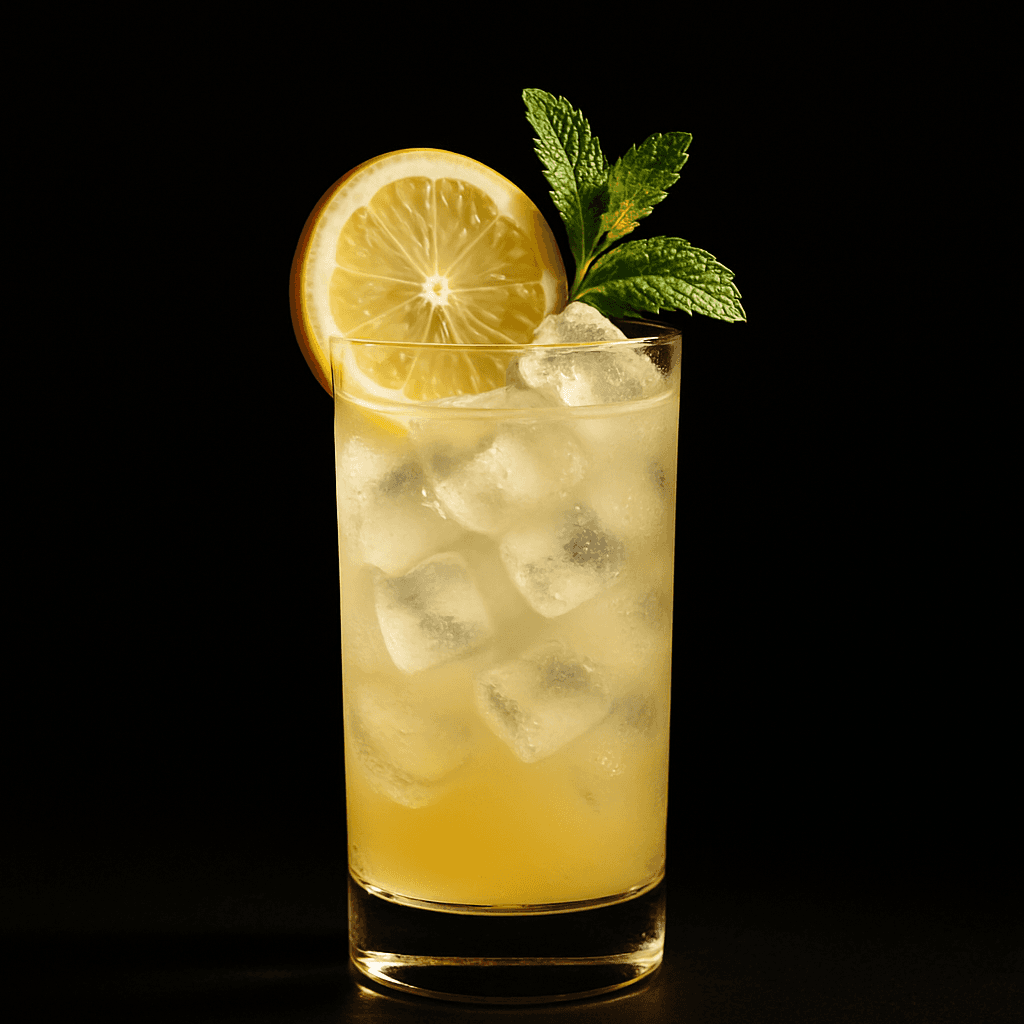
Pomada
A refreshing Spanish cocktail from Menorca featuring gin and fresh lemonade. This simple yet sophisticated drink captures the essence of Mediterranean summer with its bright citrus flavors and herbal gin notes.
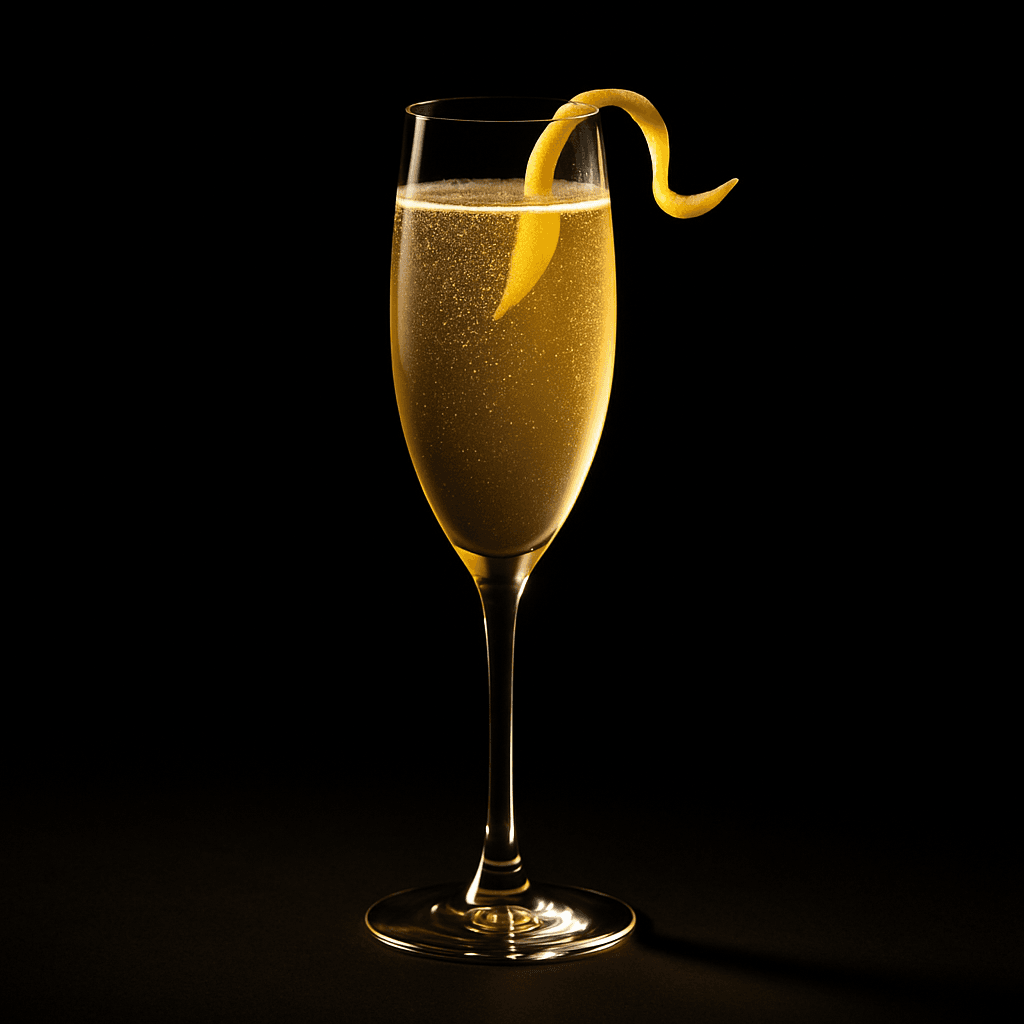
Spanish 75
A vibrant Spanish twist on the classic French 75, featuring Spanish brandy, fresh lemon juice, and cava. This effervescent cocktail balances the rich warmth of brandy with bright citrus and celebratory bubbles.
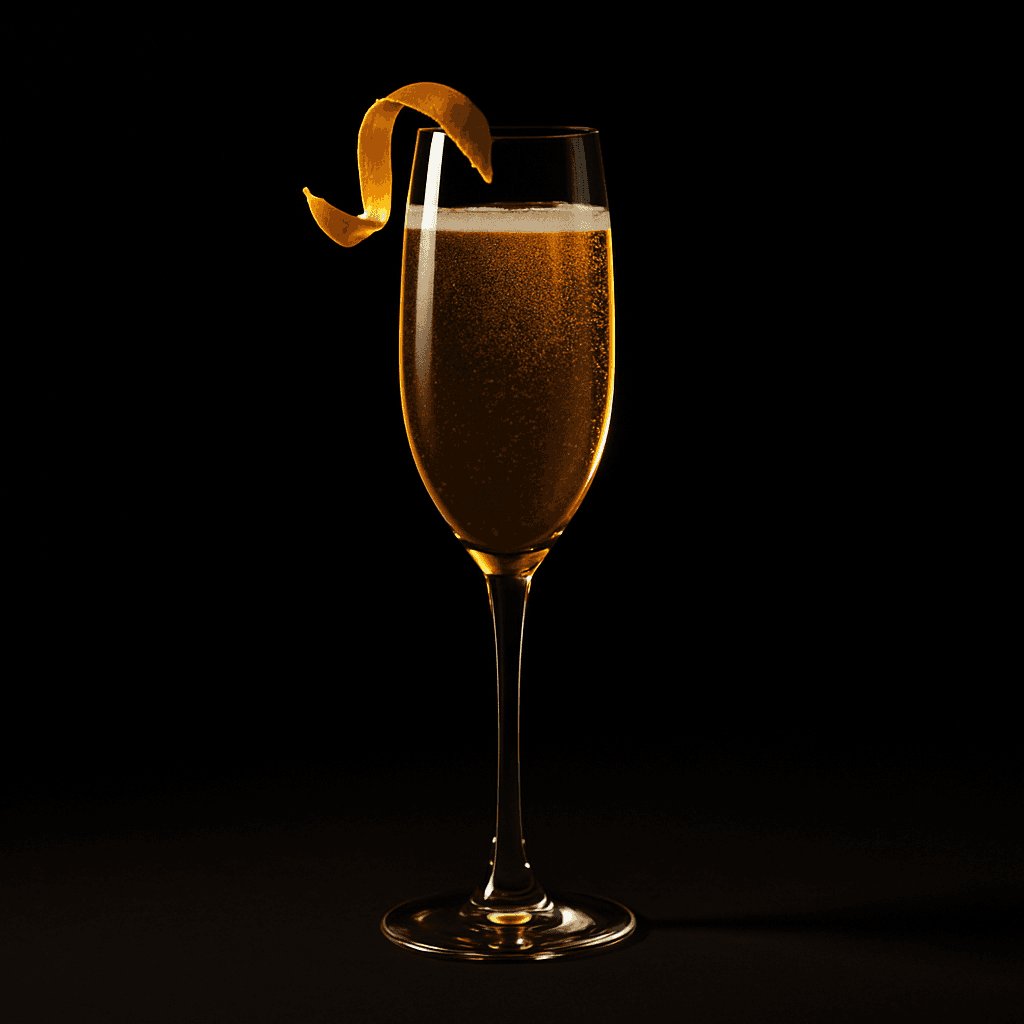
Cava Cocktail
An elegant Spanish sparkling wine cocktail that celebrates the effervescence of Cava with complementary citrus and herbal notes. Light, refreshing, and perfect for toasting special occasions or enjoying as an aperitif.
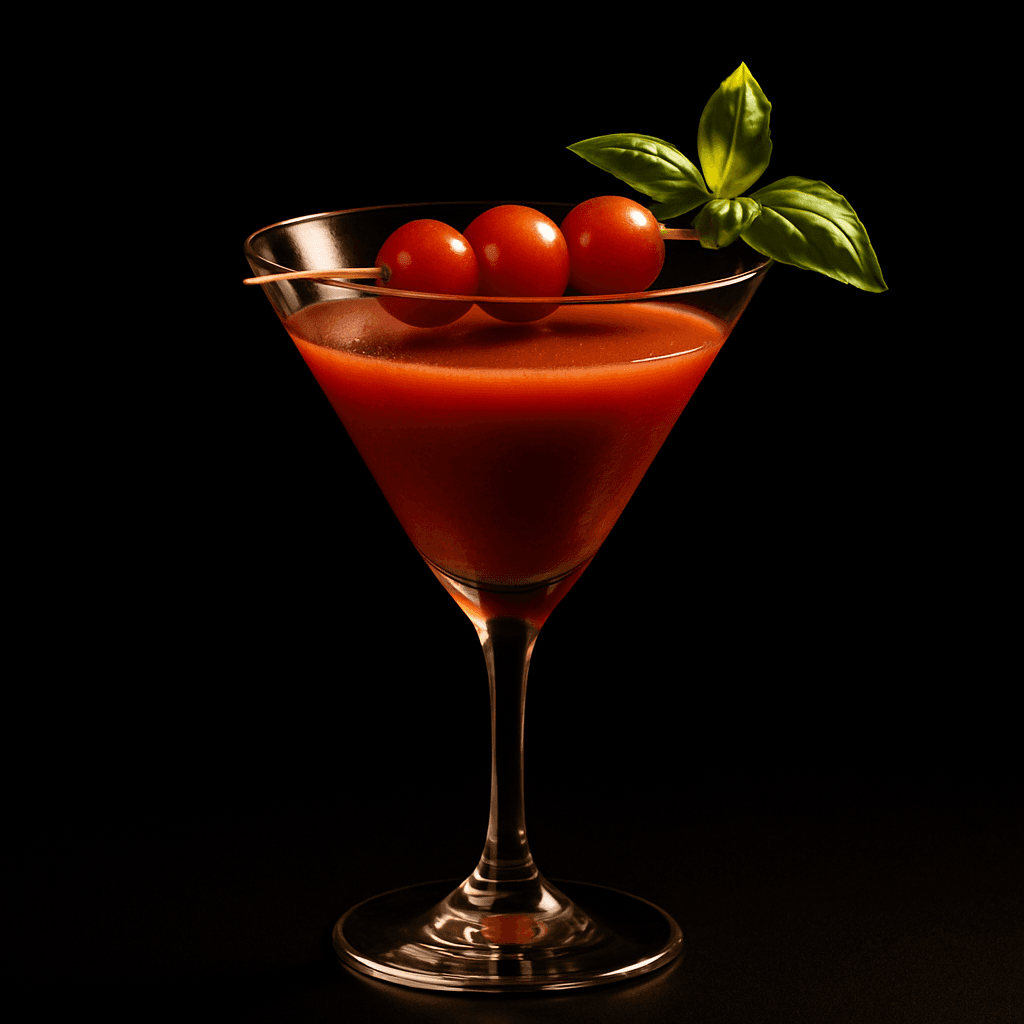
Tomato Martini
A savory twist on the classic martini that celebrates the umami richness of fresh tomatoes. This sophisticated cocktail balances gin's botanicals with the garden-fresh flavor of tomato, enhanced by herbs and a hint of acidity.
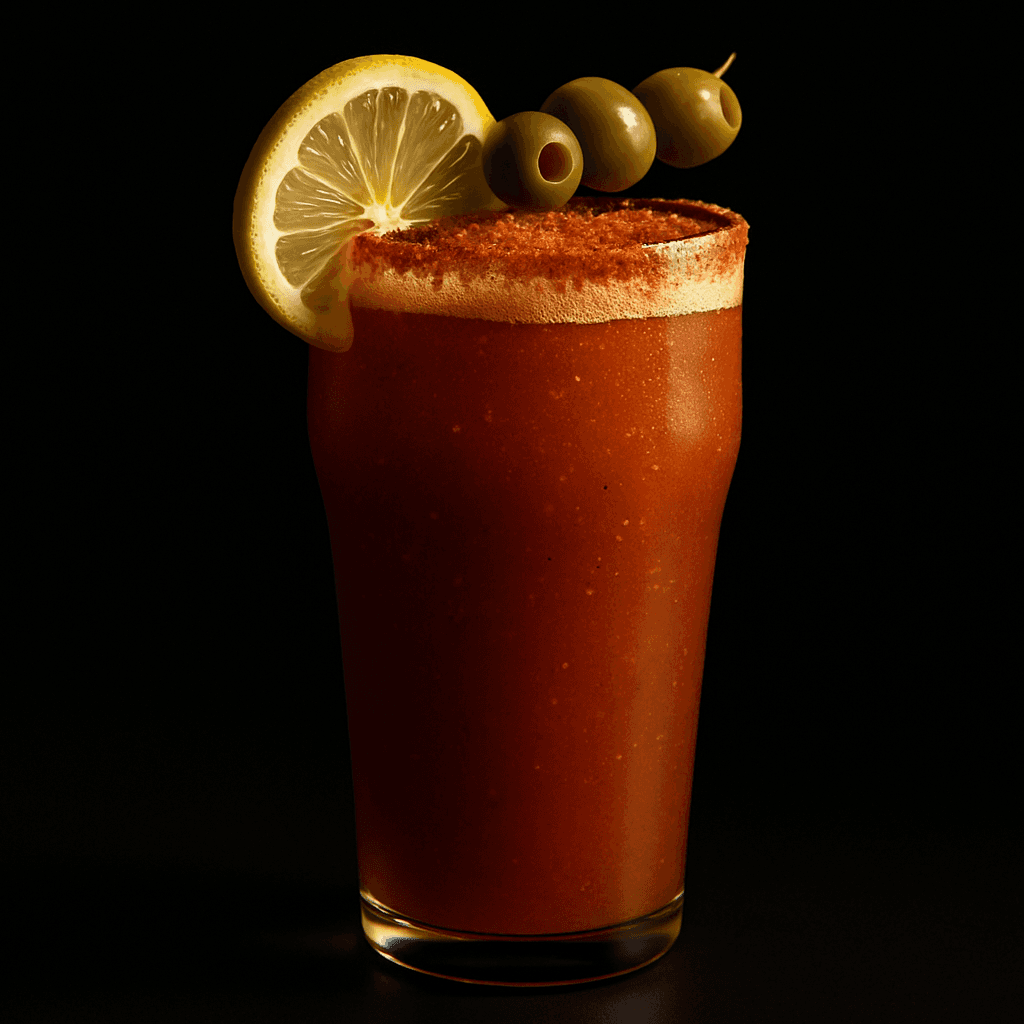
Spanish Michelada
A Spanish twist on the classic Mexican Michelada, featuring Spanish beer, sherry vinegar, and smoked paprika. This savory beer cocktail combines Mediterranean flavors with traditional Latin American refreshment.
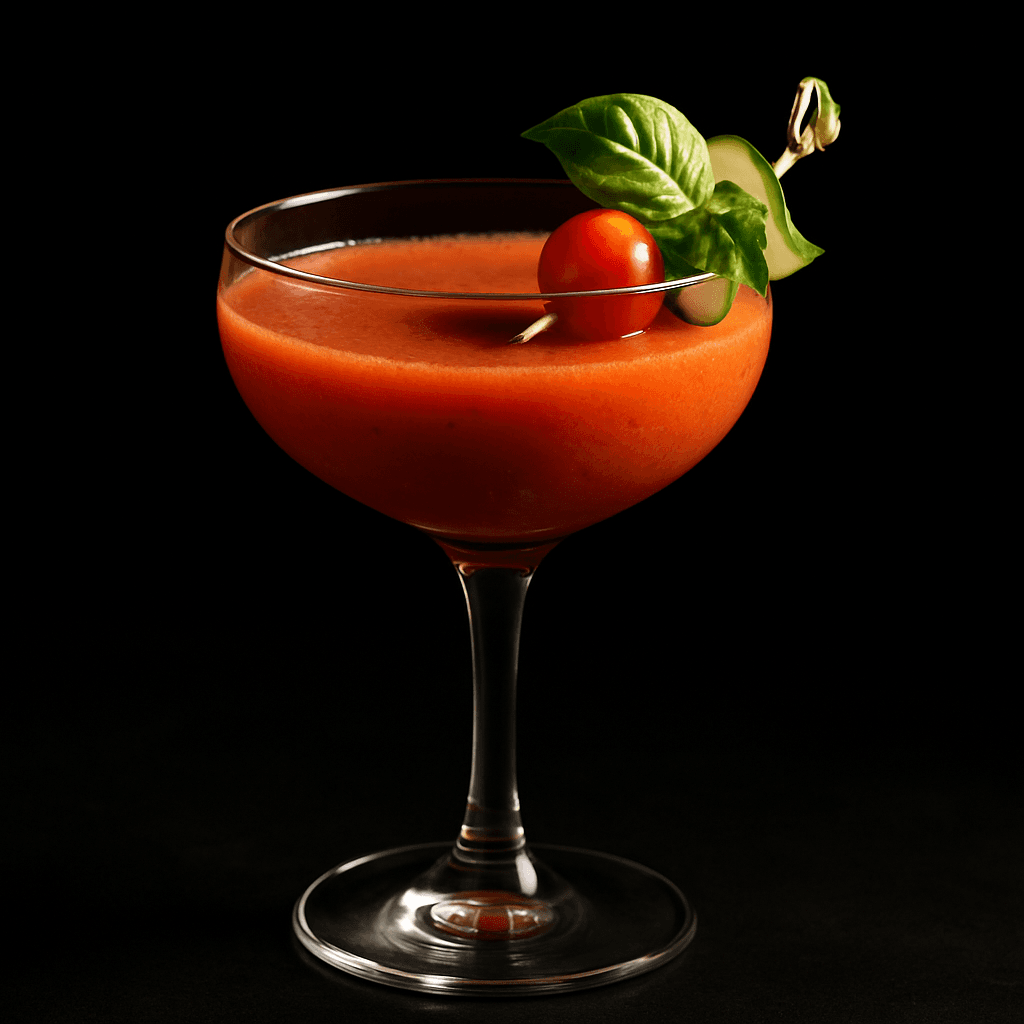
Gazpacho Cocktail
A savory-meets-sophisticated cocktail inspired by the classic Spanish cold soup. This unique libation combines fresh tomato juice, herbaceous gin, and garden-fresh ingredients for a refreshingly complex drinking experience.
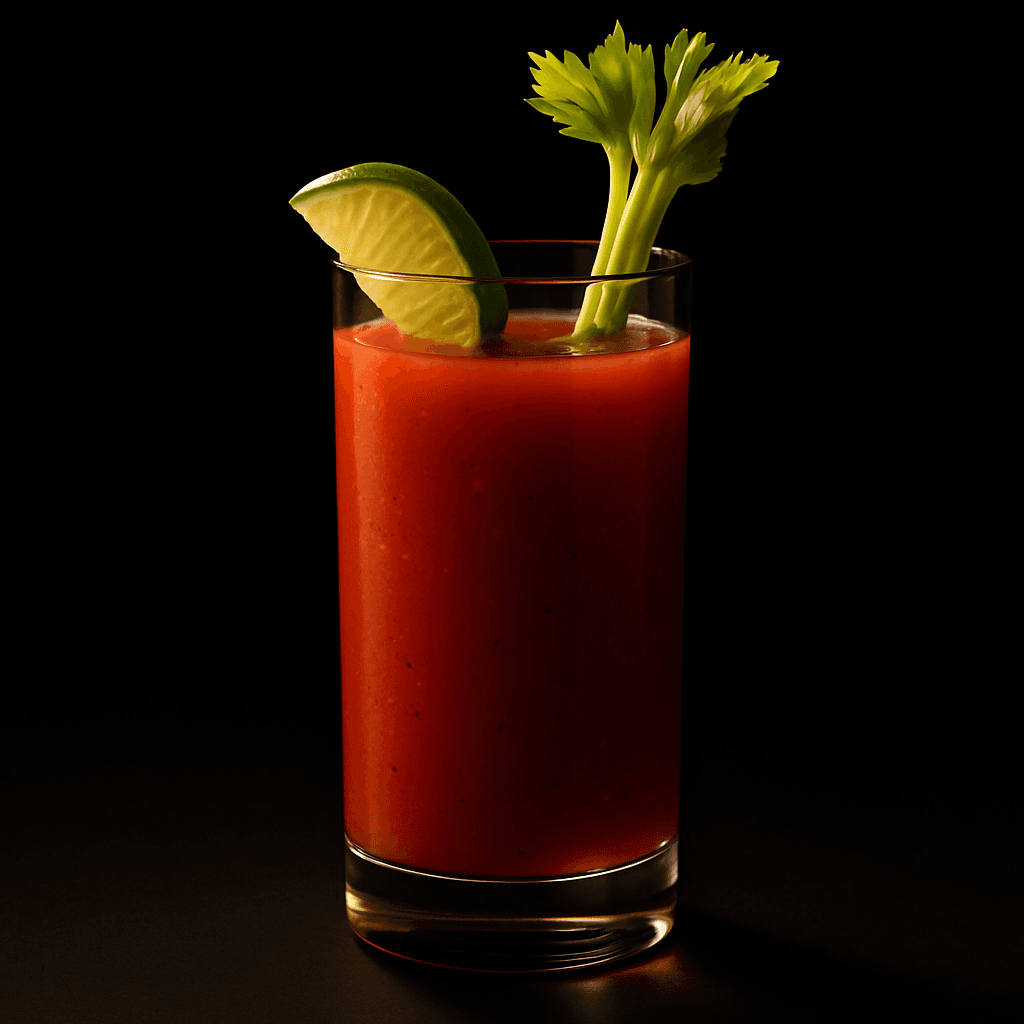
Bloody Maria
A spicy and savory twist on the classic Bloody Mary, the Bloody Maria swaps vodka for tequila, creating a bold Mexican-inspired cocktail. This zesty libation combines the earthy agave notes of tequila with traditional tomato juice and an array of seasonings for a complex, satisfying drink.
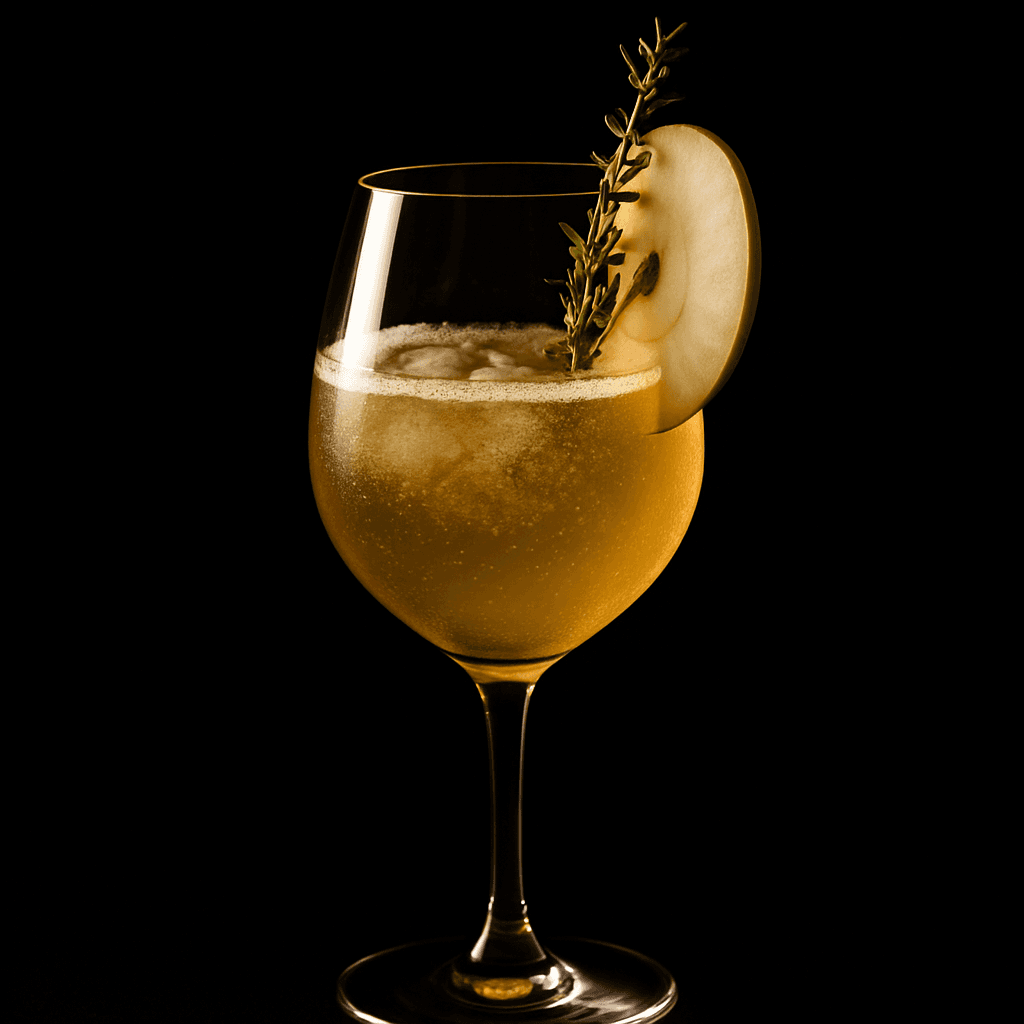
Basque Cider Cocktail
A refreshing Spanish-inspired cocktail that combines traditional Basque hard cider with apple brandy and a touch of honey. This drink celebrates the rich cider-making heritage of northern Spain's Basque Country.
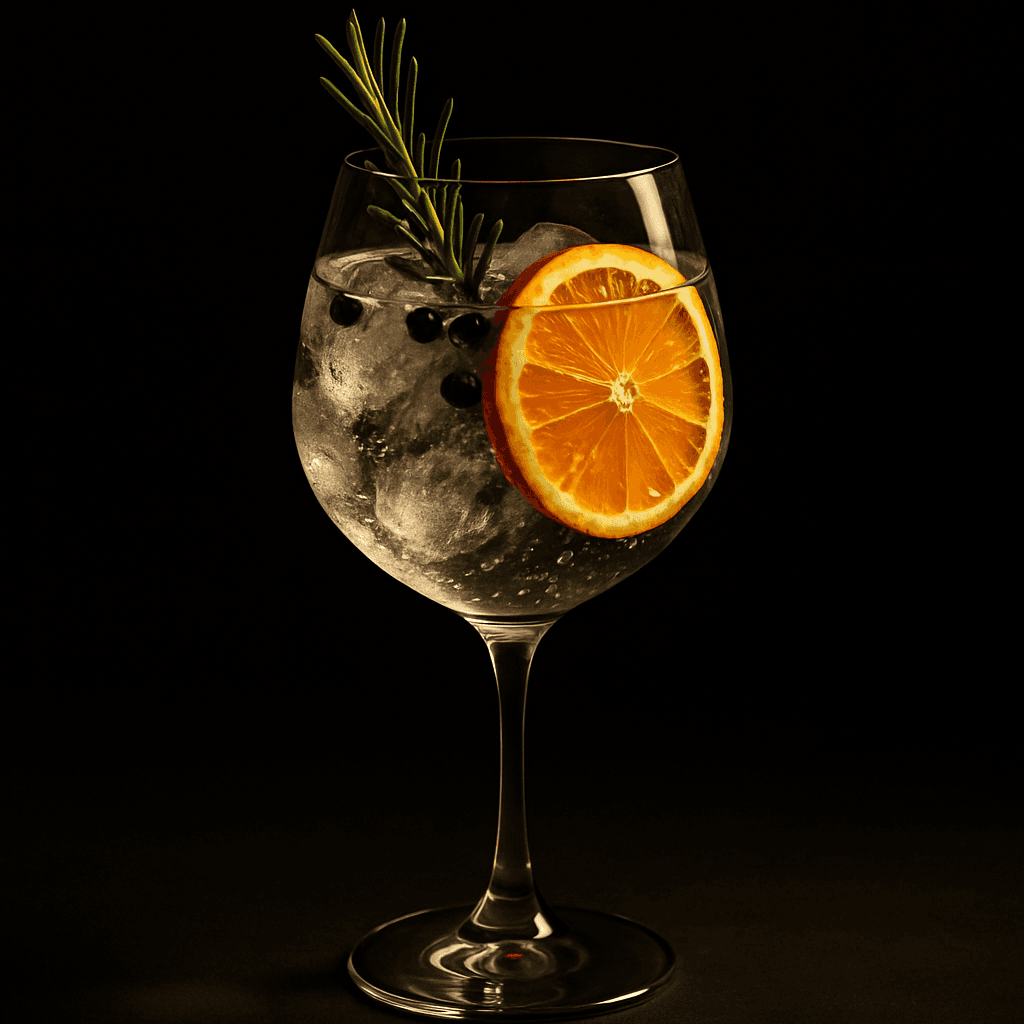
Spanish Gin Tonic
An elevated take on the classic Gin & Tonic, served in a large wine glass with premium tonic, artisanal garnishes, and theatrical presentation. This Spanish interpretation transforms a simple highball into a sophisticated, aromatic experience.
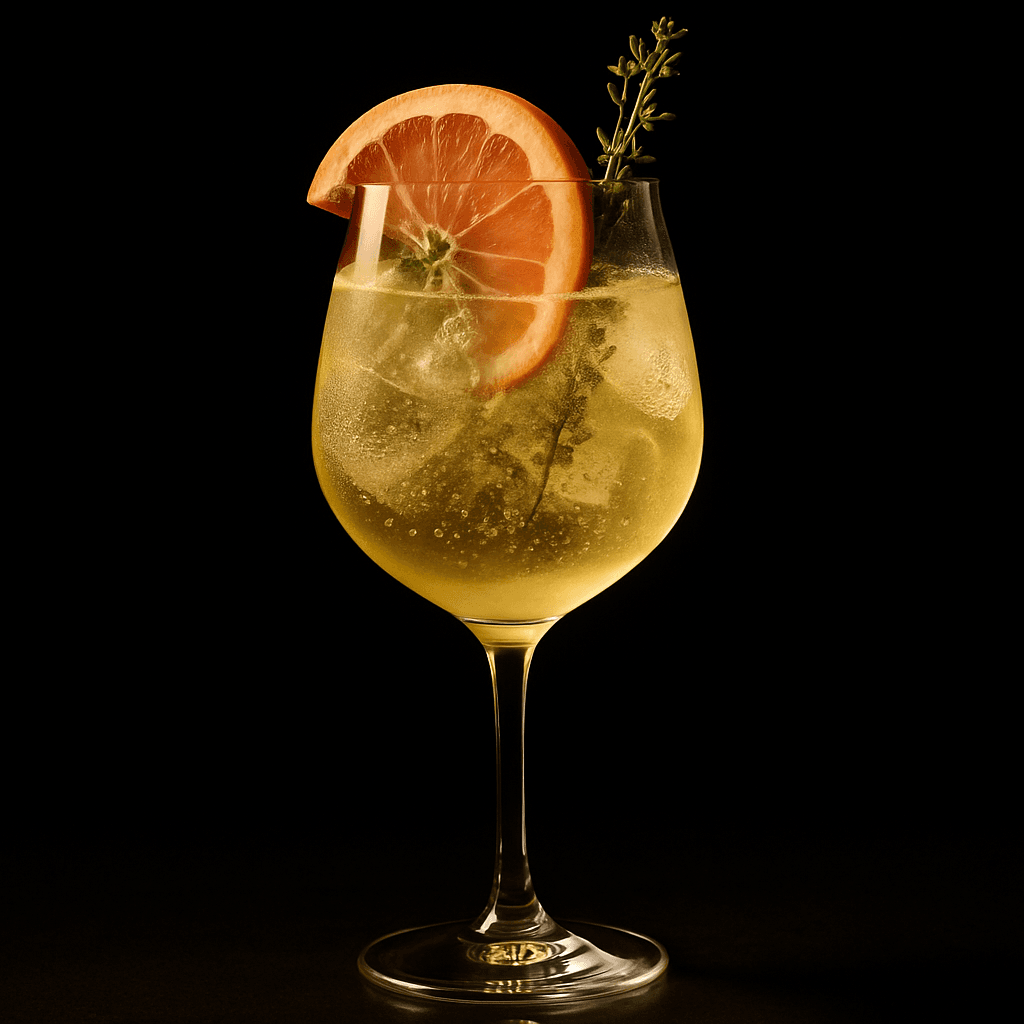
Txakoli Spritz
A refreshing Basque-inspired spritz featuring txakoli, the lightly sparkling wine from Spain's northern coast. This elegant aperitif combines citrusy brightness with herbal complexity and a touch of Mediterranean flair.
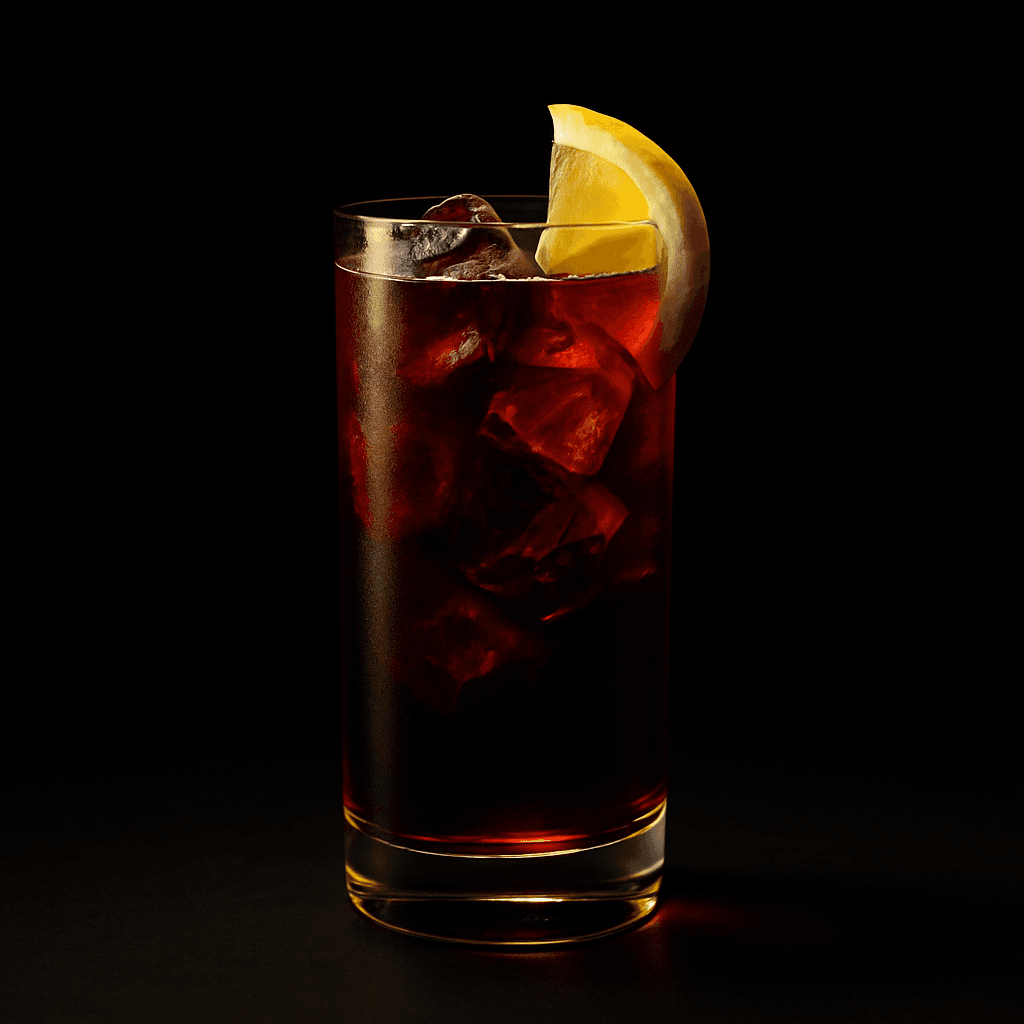
Kalimotxo
A beloved Spanish cocktail that combines red wine with cola, creating a surprisingly refreshing and balanced drink. This Basque favorite proves that simple combinations can create something magical.
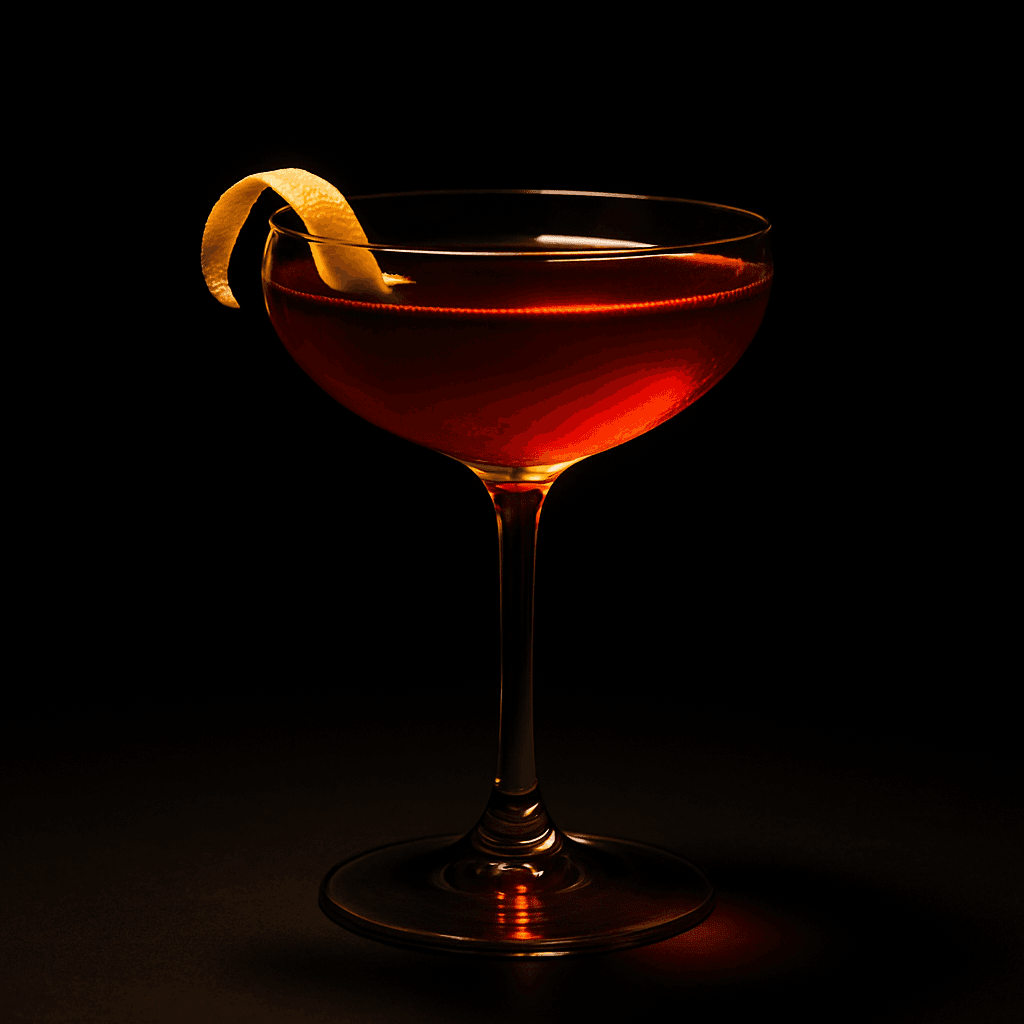
Patxarán Cocktail
A sophisticated Spanish cocktail featuring the traditional Basque sloe berry liqueur patxarán, balanced with citrus and effervescence. This elegant drink captures the essence of northern Spain's rich culinary heritage.
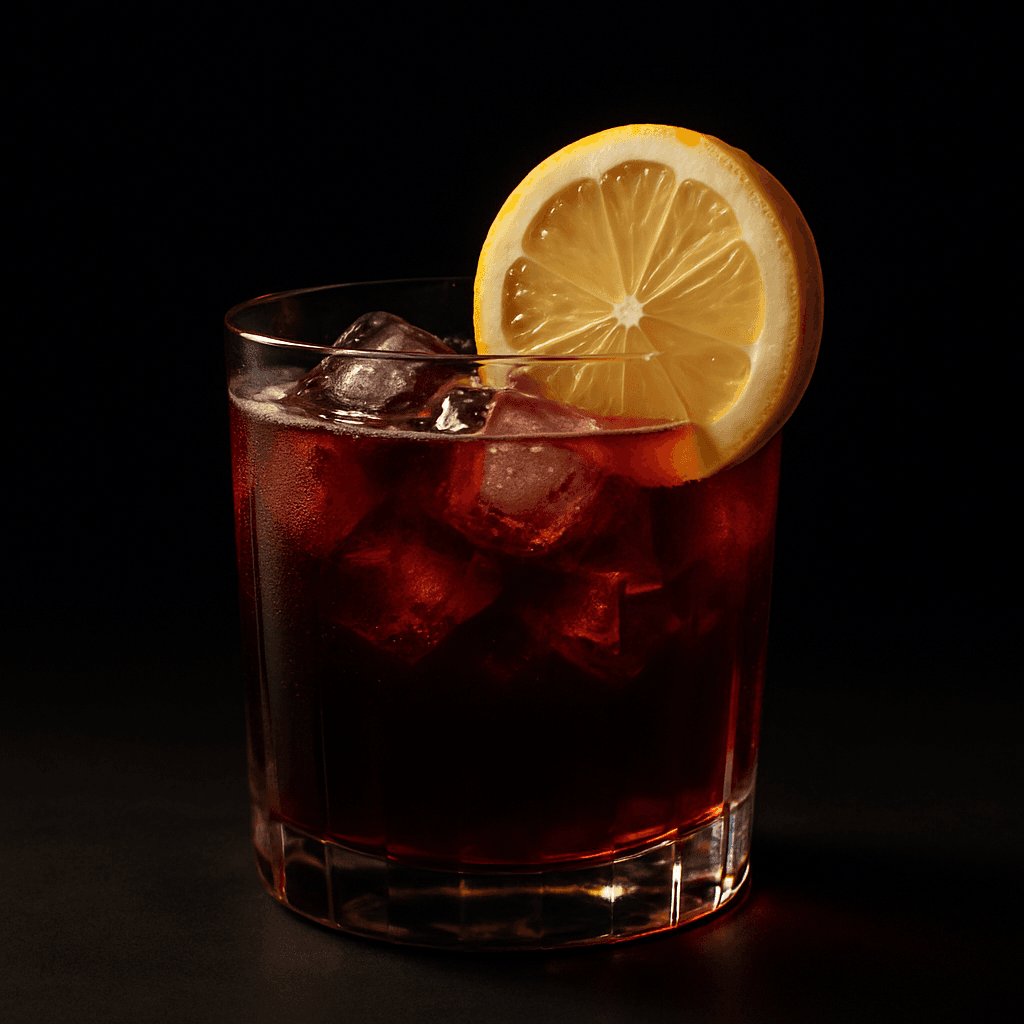
Tinto de Verano
A refreshing Spanish summer drink that combines red wine with sparkling lemon soda. This beloved Iberian cooler is lighter and more approachable than sangria, perfect for warm afternoons.
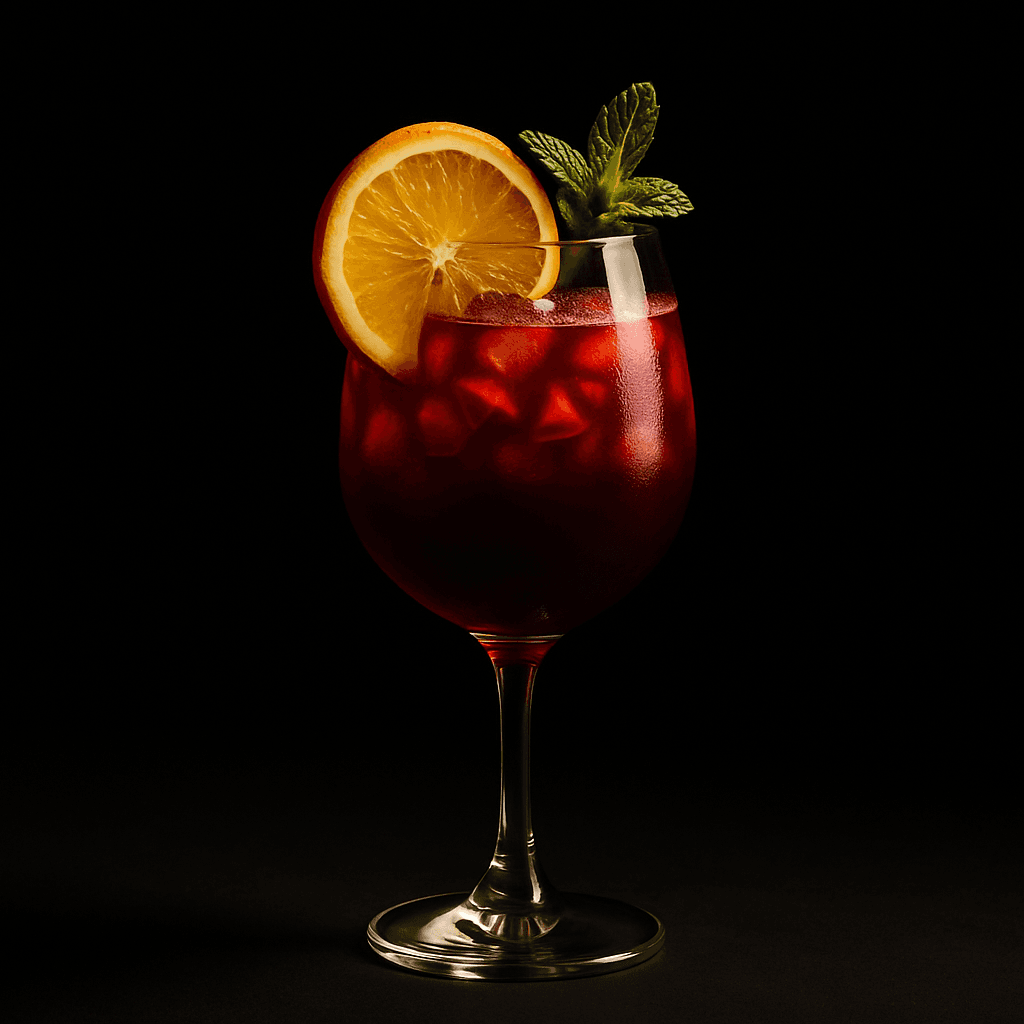
Spanish Sangria
A traditional Spanish punch that combines red wine with fresh fruit, brandy, and a touch of sweetness. This refreshing, wine-based cocktail is perfect for entertaining and captures the essence of Spanish hospitality in every sip.
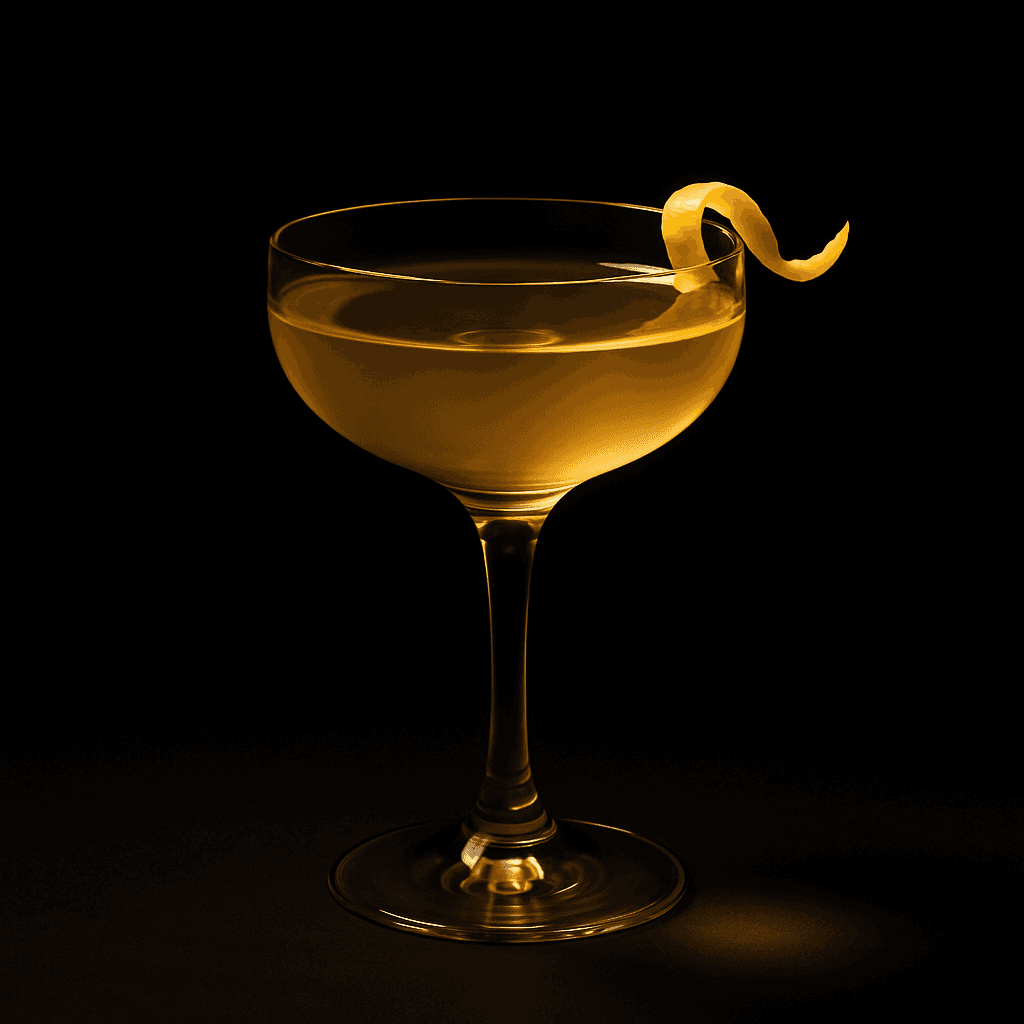
Fino Sherry Cocktail
A sophisticated and dry Spanish-inspired cocktail that showcases the delicate, nutty flavors of fino sherry. This elegant drink balances the wine's natural salinity with bright citrus and aromatic botanicals for a refreshingly complex aperitif.
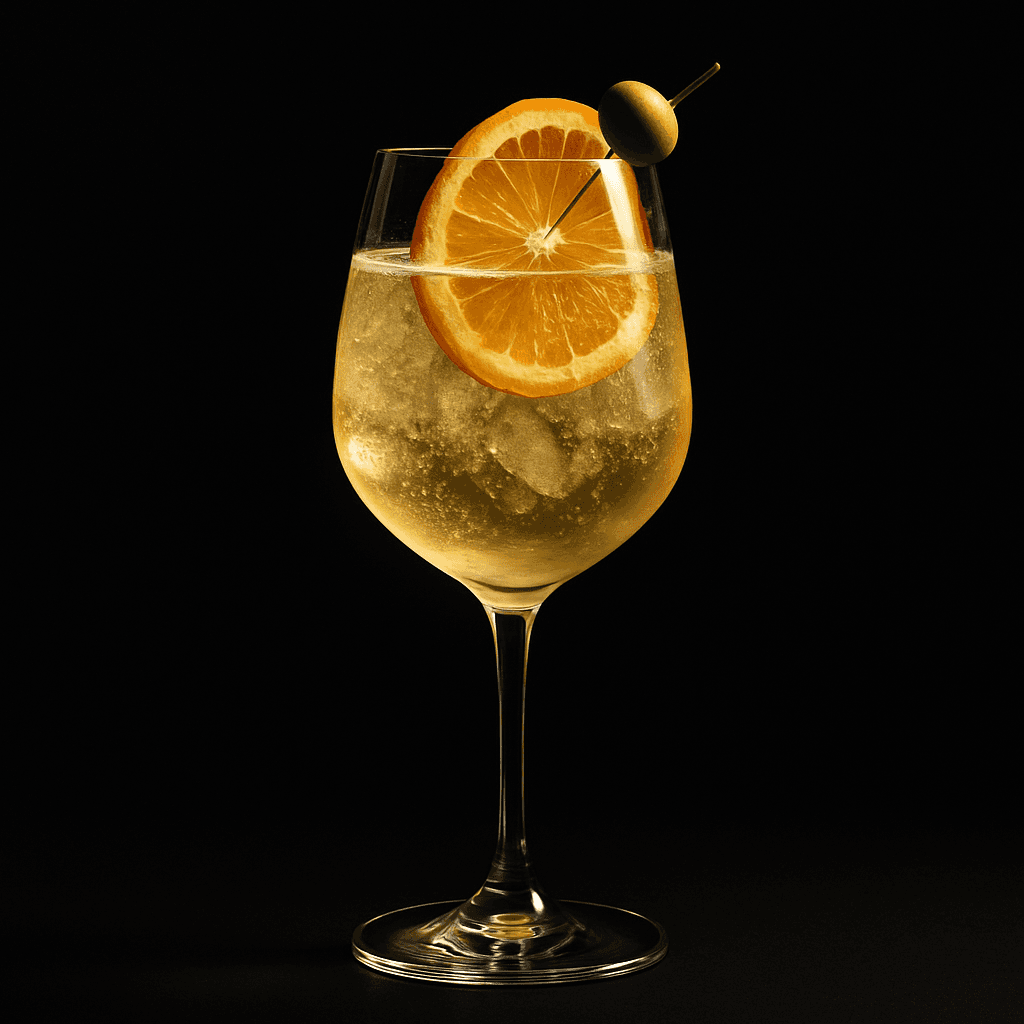
Manzanilla Spritz
A sophisticated Spanish-inspired spritz featuring the delicate, briny notes of manzanilla sherry. This effervescent aperitif balances the wine's saline minerality with bright citrus and aromatic bubbles.
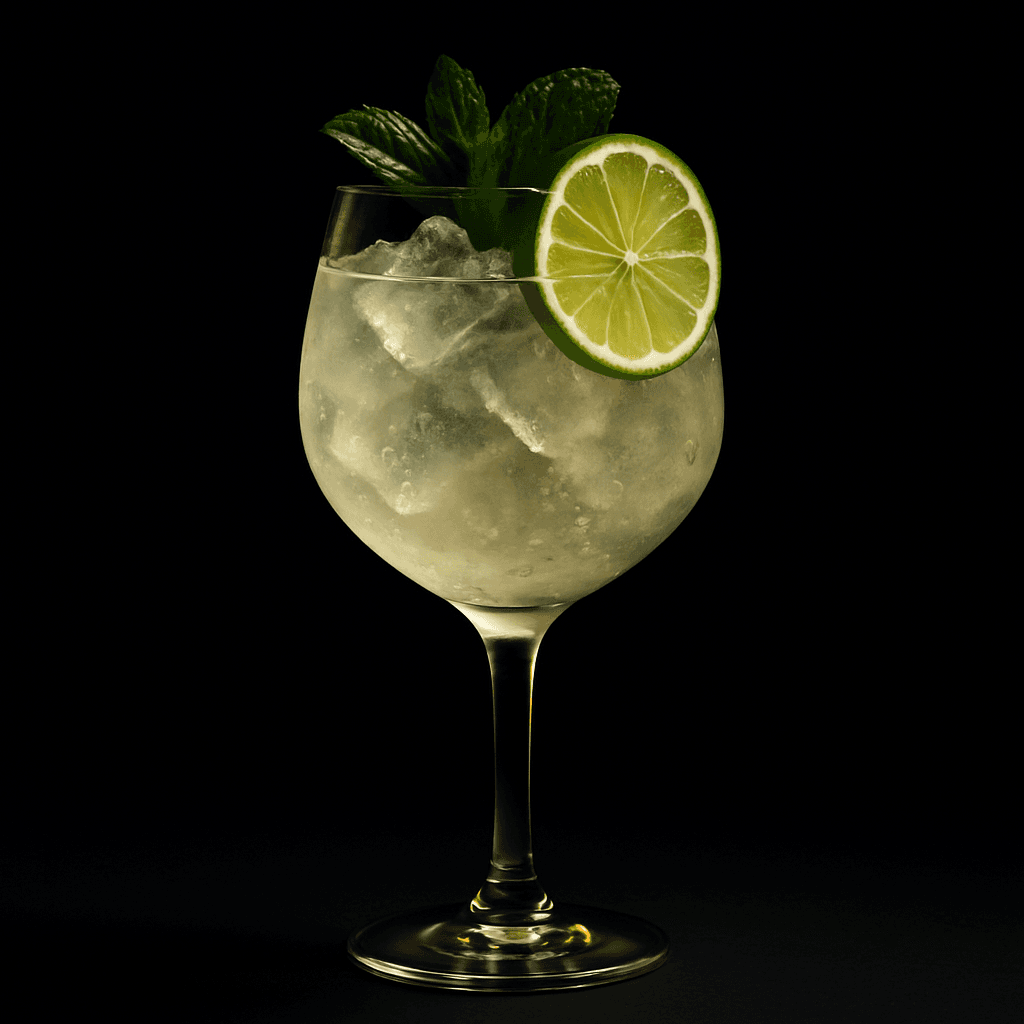
Rebujito
A refreshing Spanish cocktail that combines fino sherry with sparkling water, fresh mint, and lime. This light and herbaceous drink is perfect for warm weather and captures the essence of Andalusian summer afternoons.
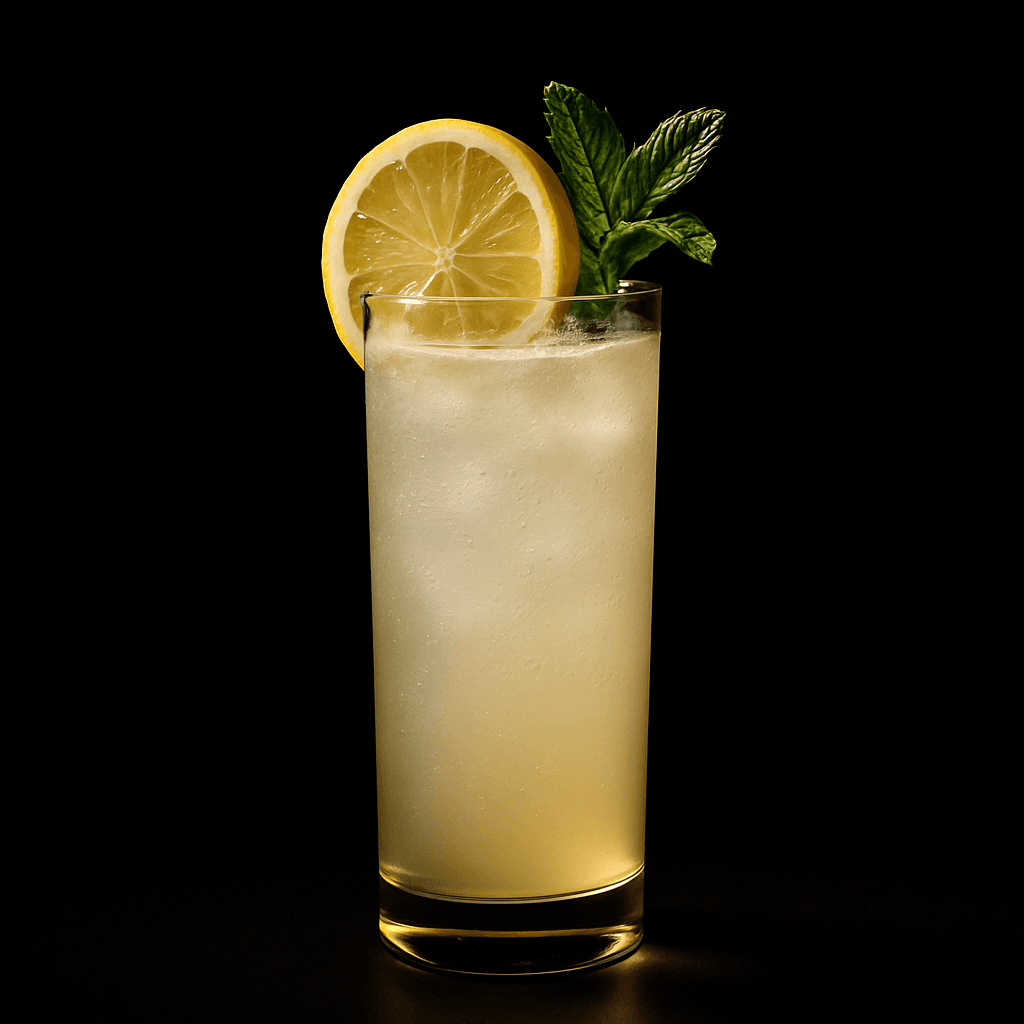
Pernod Fizz
A refreshing and aromatic cocktail that transforms the bold anise flavor of Pernod into an effervescent delight. The herbal complexity of the French absinthe substitute meets bright citrus and bubbles for a sophisticated aperitif.
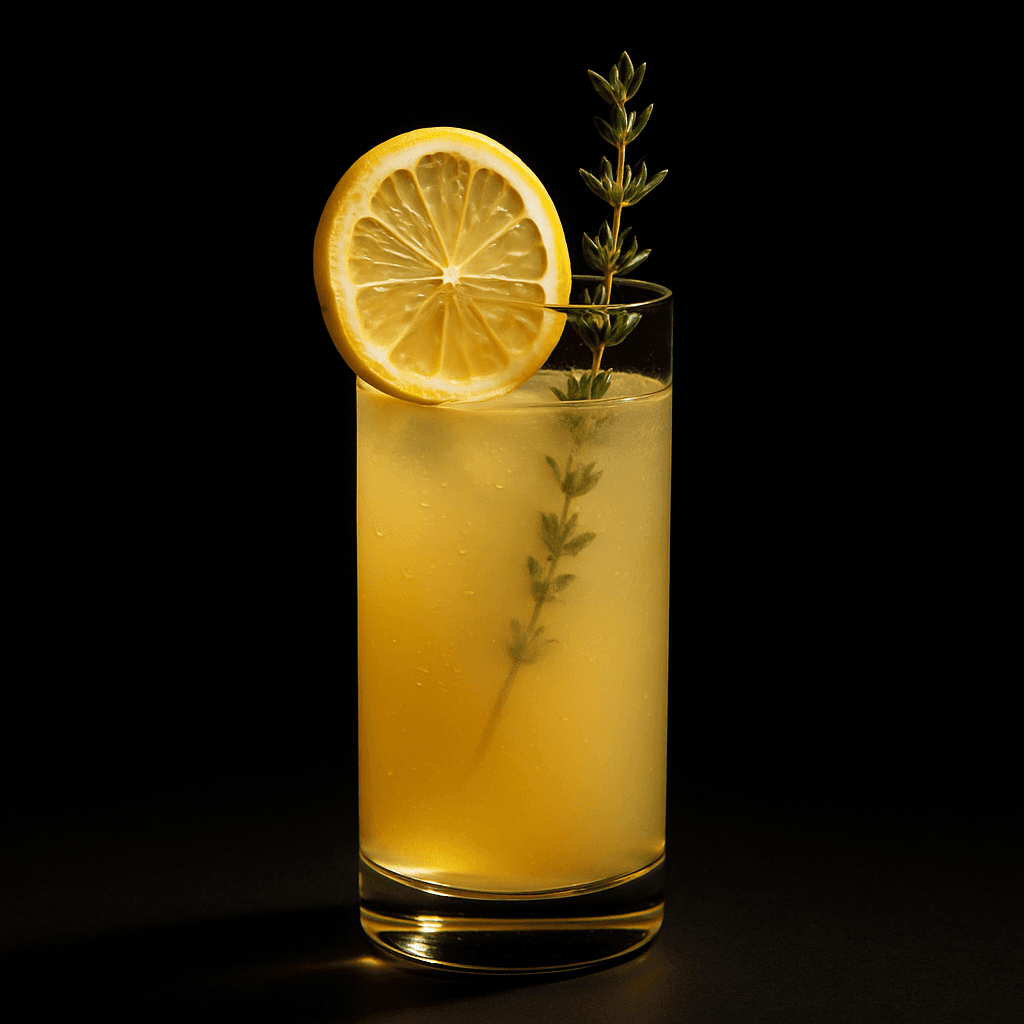
Pastis Lemonade
A refreshing Mediterranean twist on classic lemonade, featuring the distinctive anise flavor of pastis balanced with bright citrus and a touch of sweetness. This cloudy, aromatic cocktail captures the essence of a sunny afternoon in Provence.
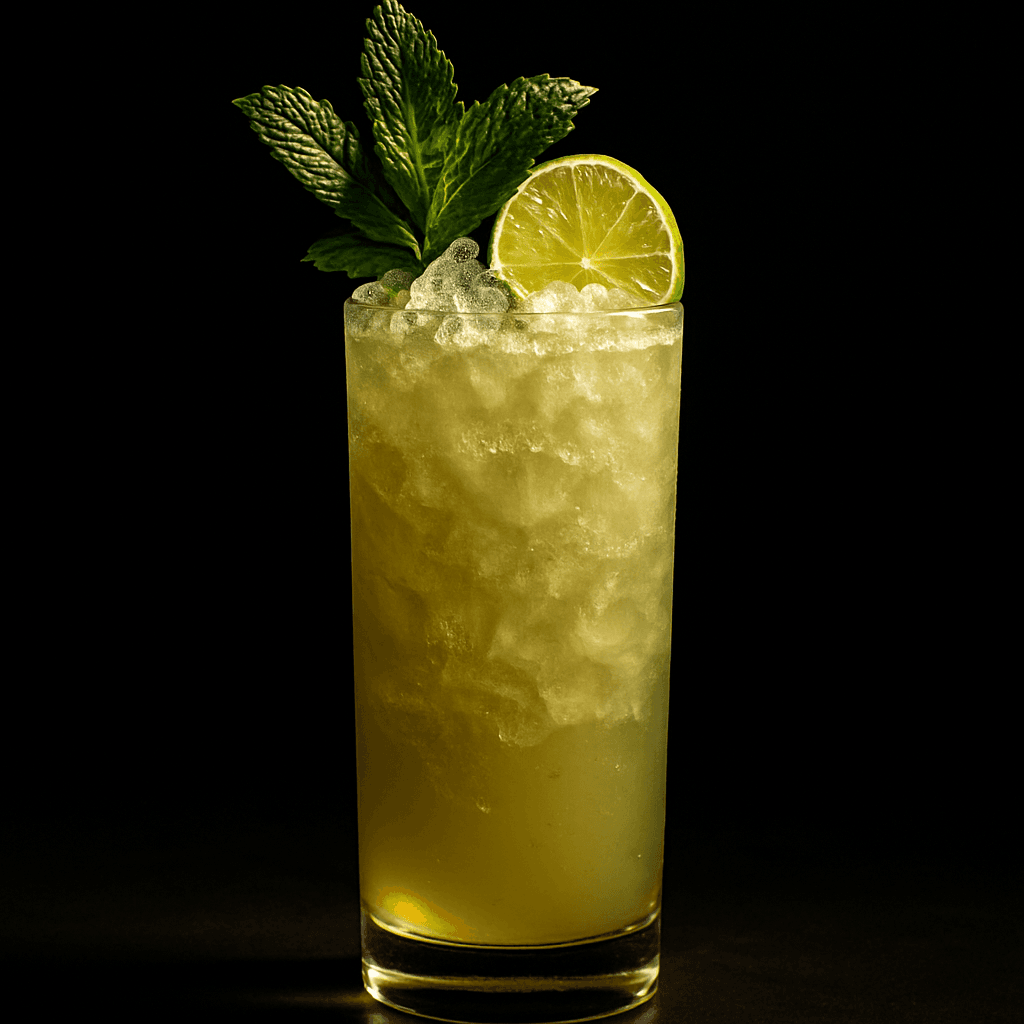
Chartreuse Swizzle
A vibrant tropical cocktail that marries the herbal complexity of Green Chartreuse with bright citrus and rich falernum. This swizzle delivers an intoxicating blend of 130 botanical herbs and spices in a refreshing, crushed ice format.
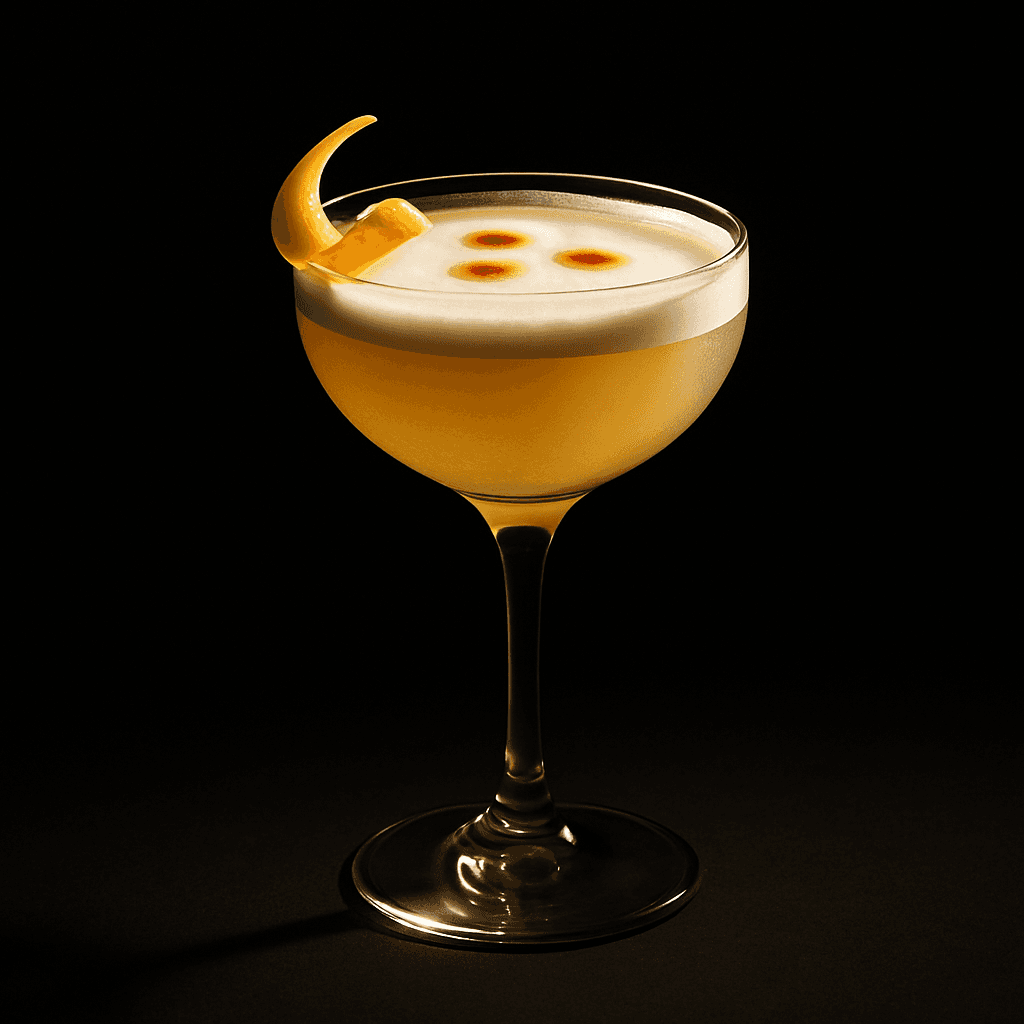
Calvados Sour
A sophisticated French twist on the classic whiskey sour, featuring the rich apple brandy of Normandy. This elegant cocktail balances the warm, orchard flavors of calvados with bright citrus and a silky foam crown.
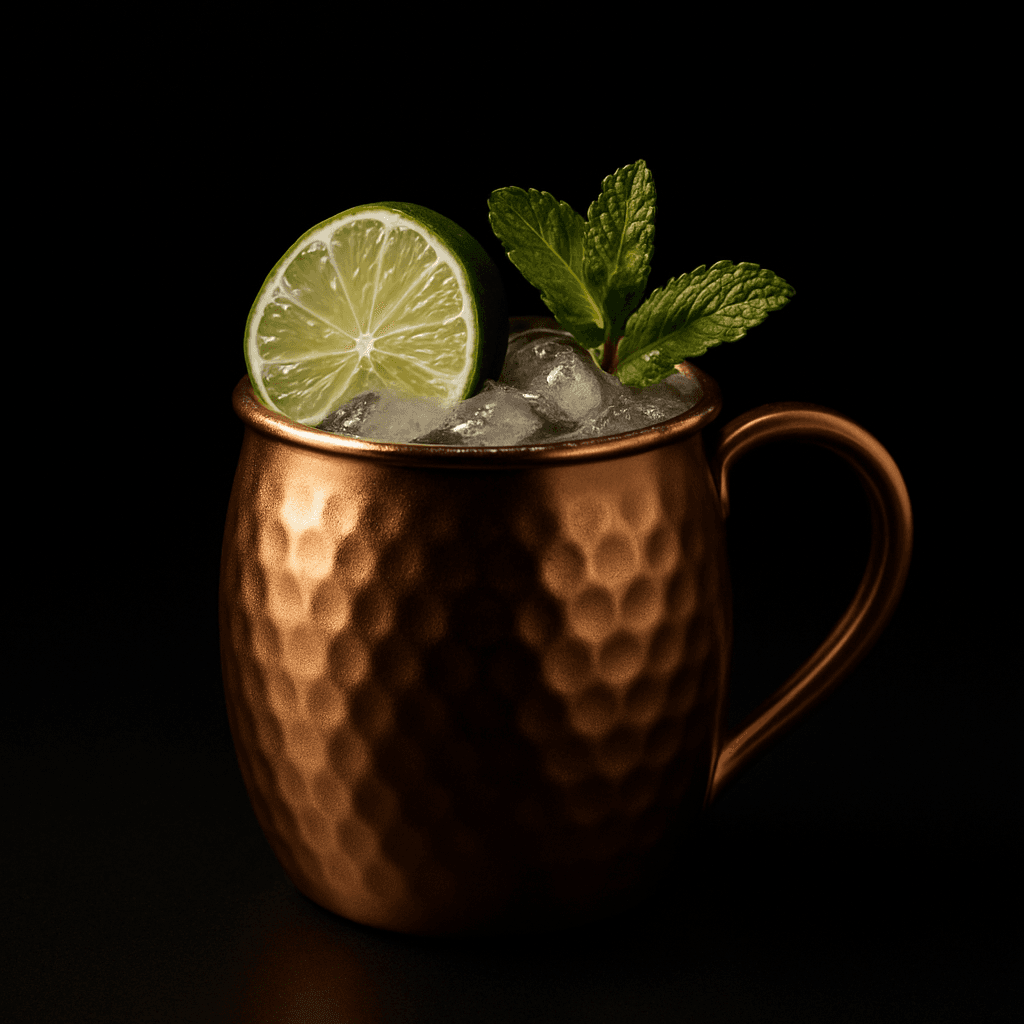
French Mule
A sophisticated twist on the classic Moscow Mule, replacing vodka with cognac and adding a touch of Parisian elegance. This refreshing cocktail combines the warm, rich notes of French brandy with the spicy kick of ginger beer and bright lime juice.
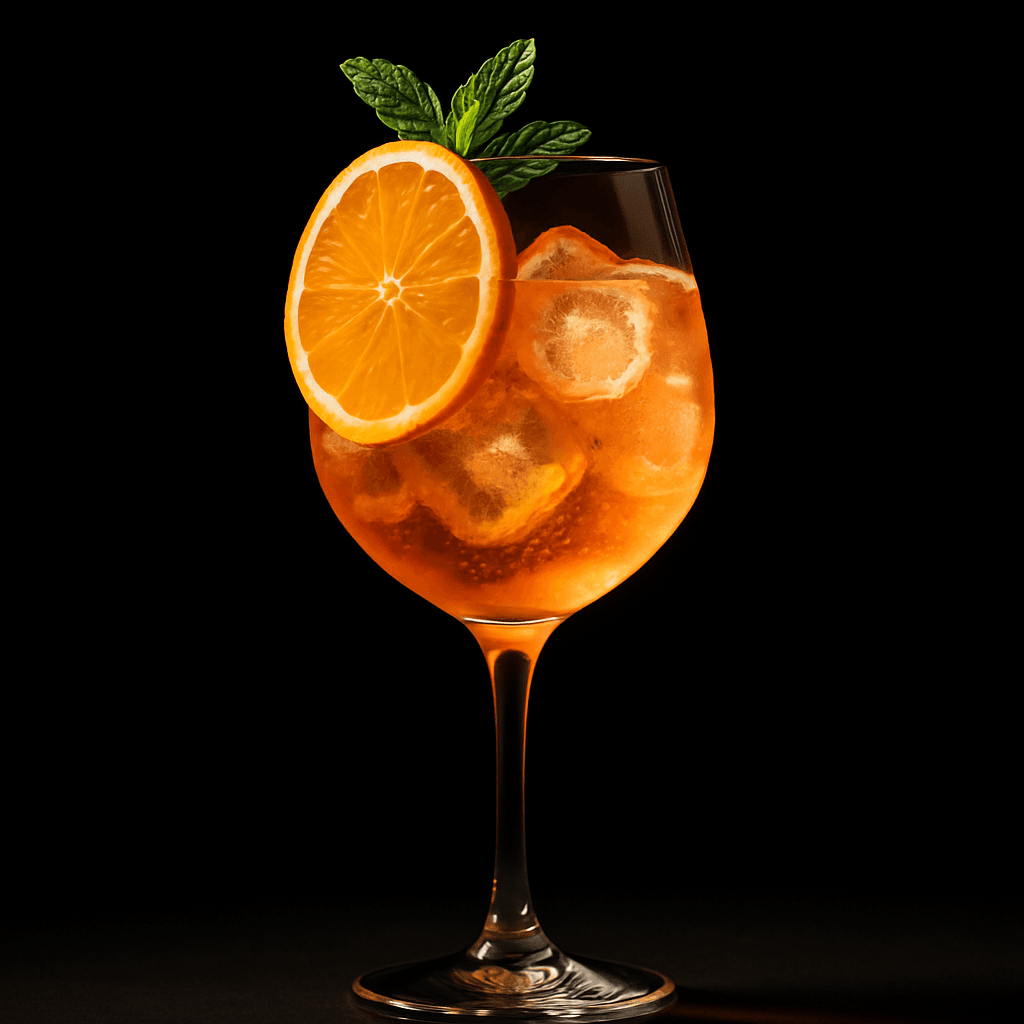
Cointreau Spritz
A sophisticated twist on the classic Aperol Spritz, featuring Cointreau's elegant orange liqueur paired with crisp Prosecco and a splash of soda. This effervescent cocktail balances sweet citrus notes with bright bubbles for a refined aperitif experience.
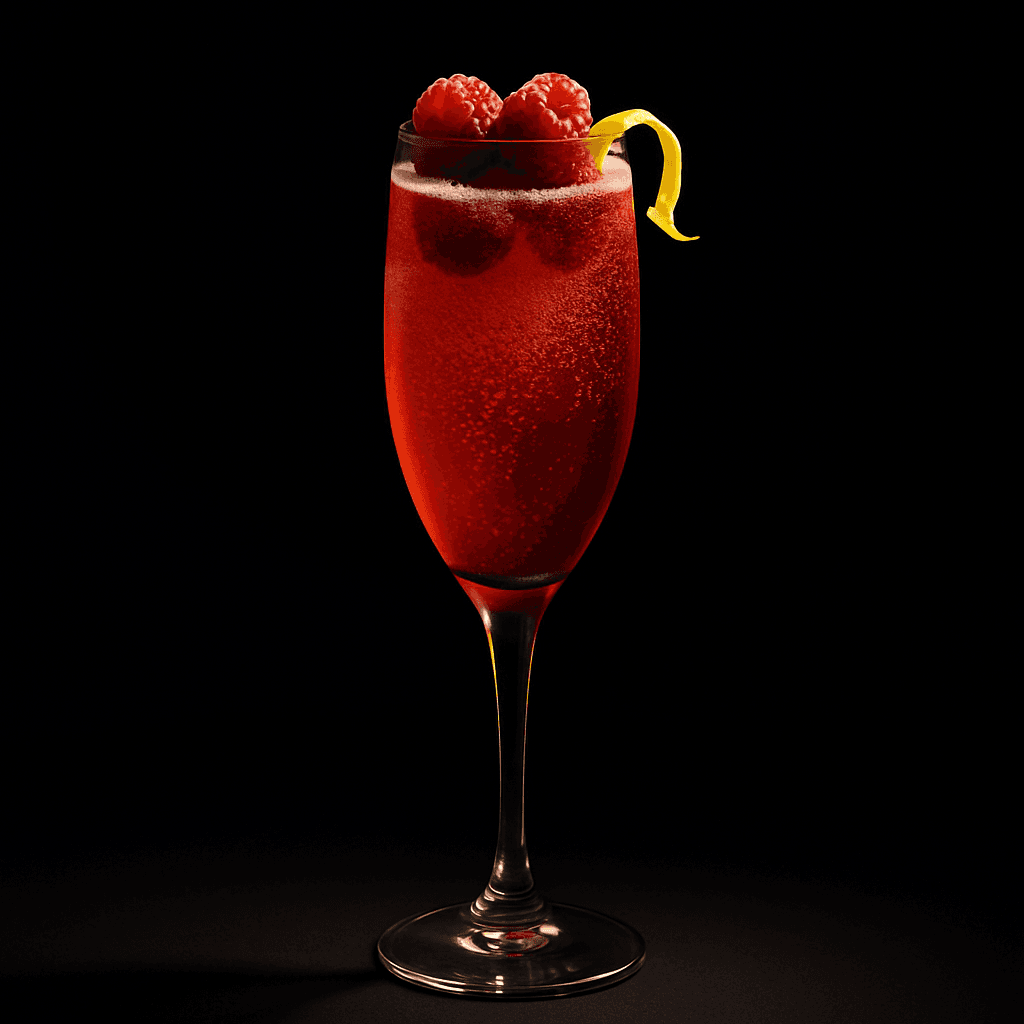
Chambord Fizz
A elegant sparkling cocktail that combines the luxurious French raspberry liqueur Chambord with bright citrus and effervescent bubbles. This sophisticated fizz delivers layers of berry sweetness balanced by tart lemon and a refreshing sparkling finish.
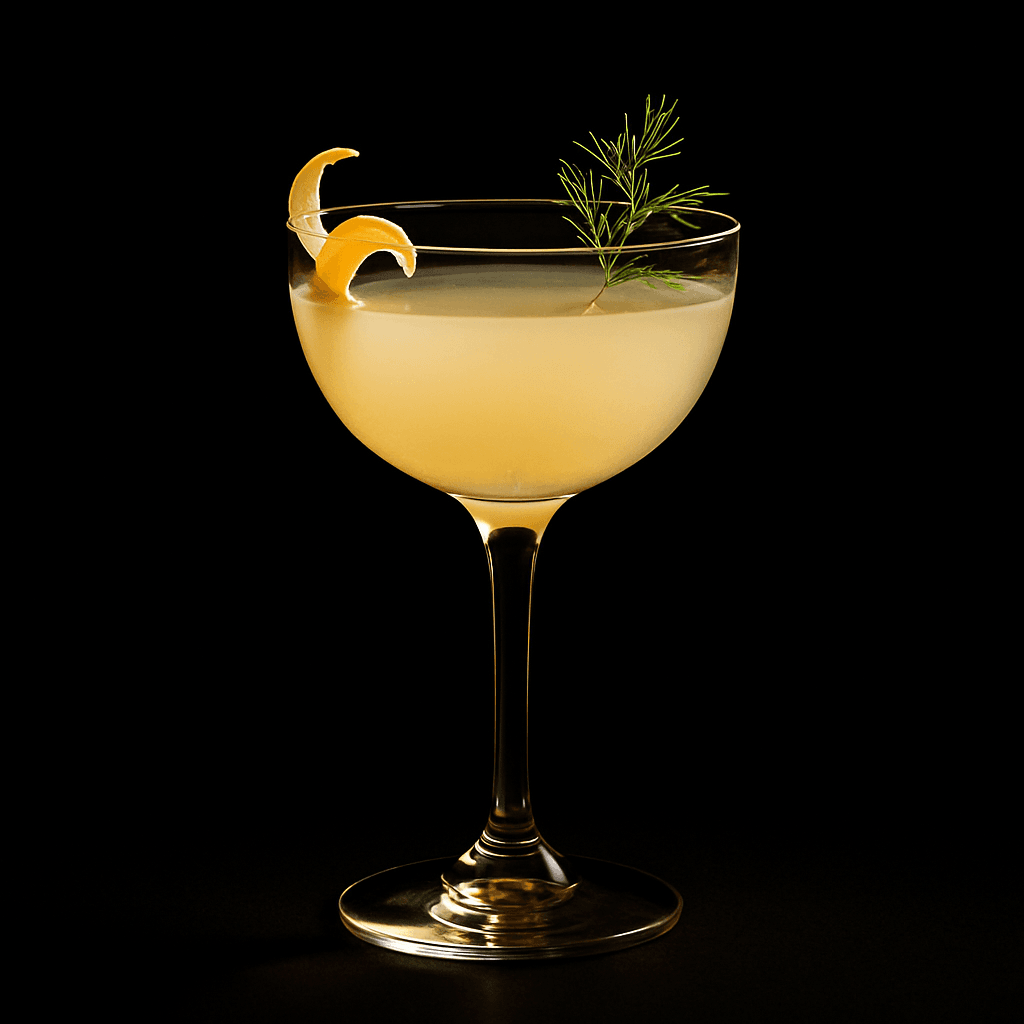
Pastis Cocktail
A sophisticated French aperitif cocktail that celebrates the anise-forward complexity of pastis. This refreshing drink balances the herbal intensity of pastis with bright citrus and a touch of sweetness, creating an elegant and aromatic experience.
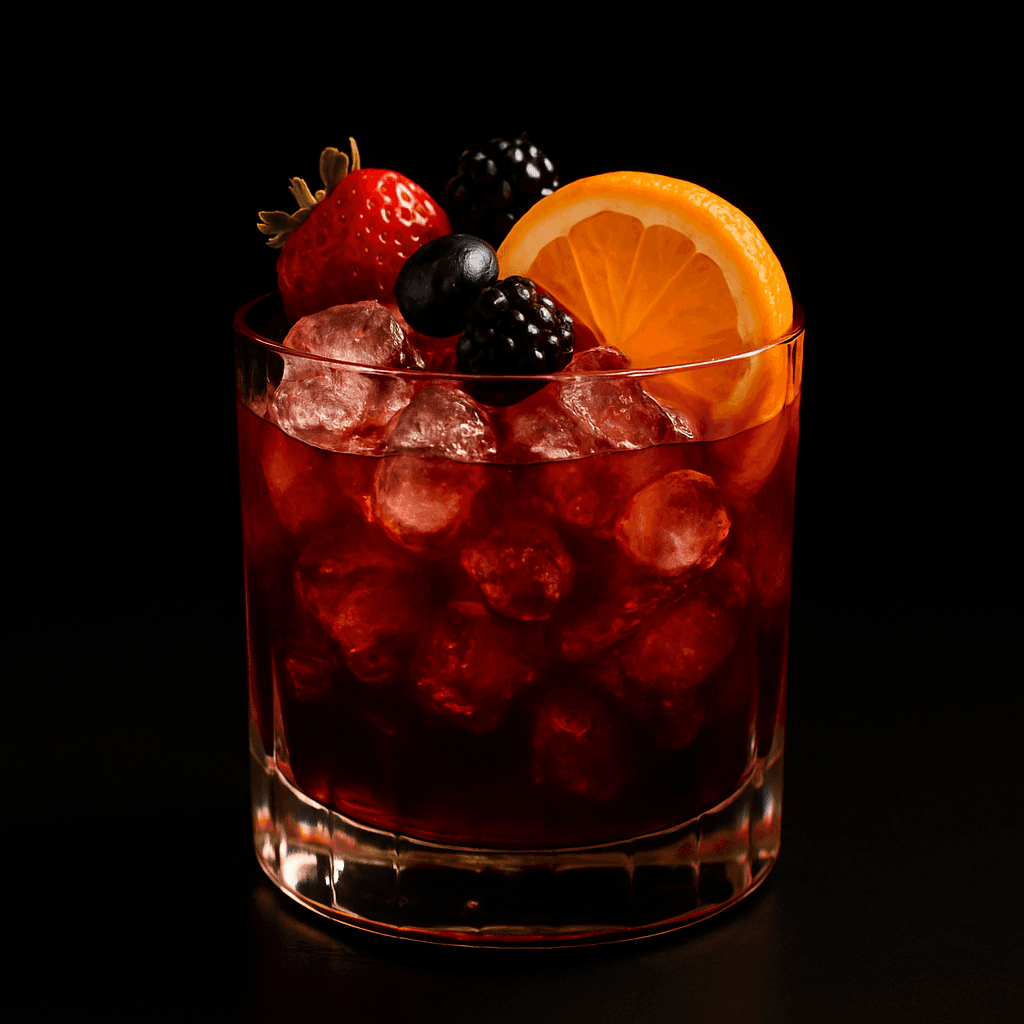
Beaujolais Cobbler
A refreshing wine-based cocktail that celebrates the bright, fruity character of Beaujolais with seasonal fruits and a touch of sweetness. This elegant sipper transforms the beloved French red into a sophisticated warm-weather refresher.
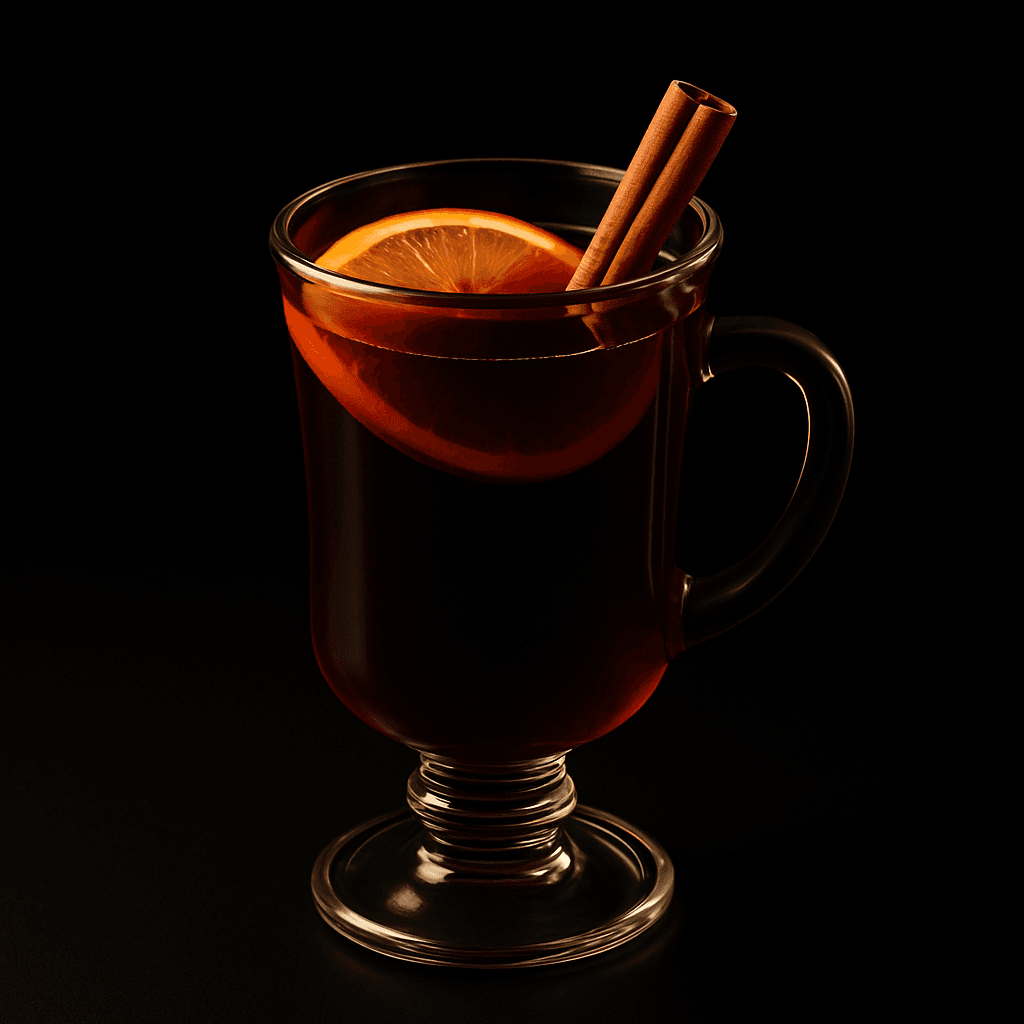
Vin Chaud
A traditional French mulled wine that transforms ordinary red wine into a warming, aromatic winter elixir. This festive drink combines wine with warming spices, citrus, and honey for the perfect cold-weather companion.
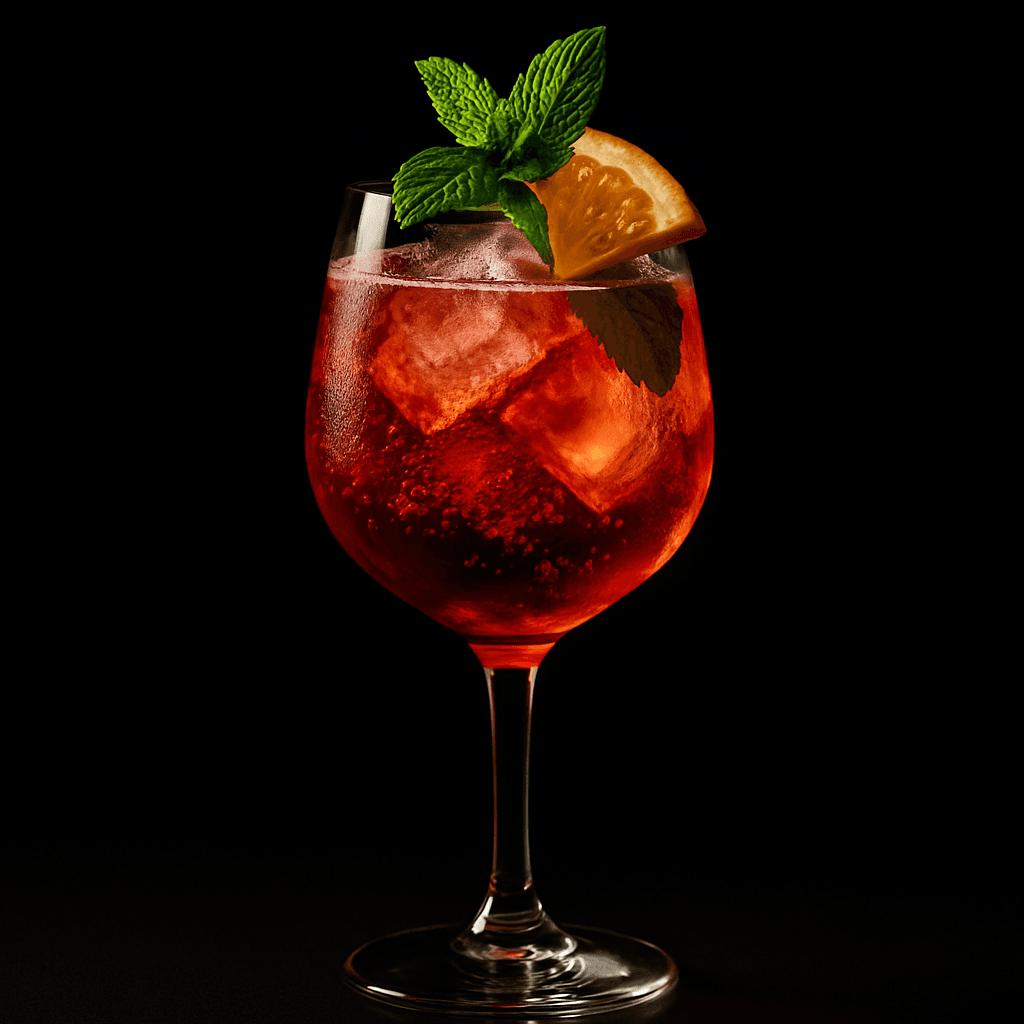
Red Wine Spritz
A refreshing and effervescent twist on the classic spritz formula, combining fruity red wine with sparkling water and a touch of citrus. This lighter, more casual cousin to the Aperol Spritz offers a beautiful ruby color and approachable flavor profile perfect for any occasion.
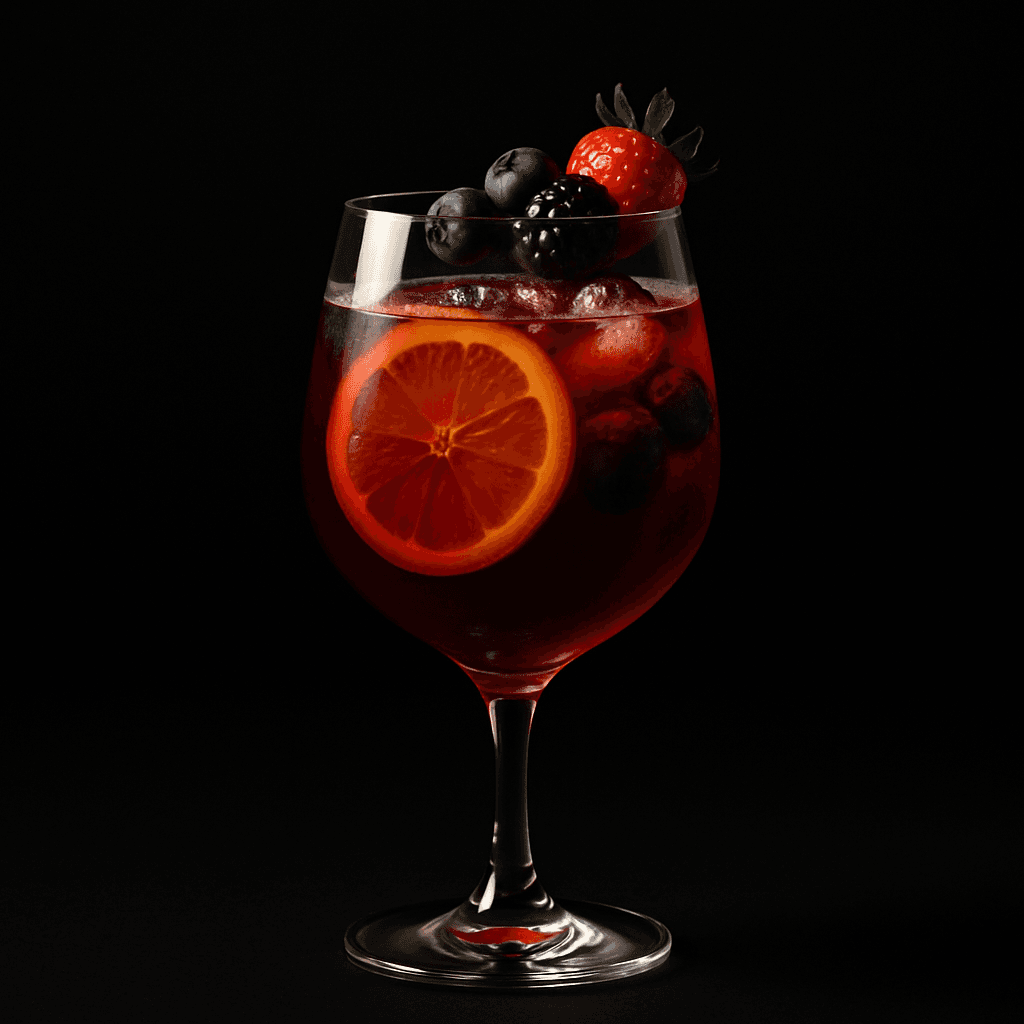
Beaujolais Sangria
A refined French twist on the classic Spanish sangria, featuring light and fruity Beaujolais wine enhanced with seasonal fruits and a touch of elderflower. This elegant pitcher cocktail balances the wine's natural berry notes with fresh citrus and aromatic herbs.
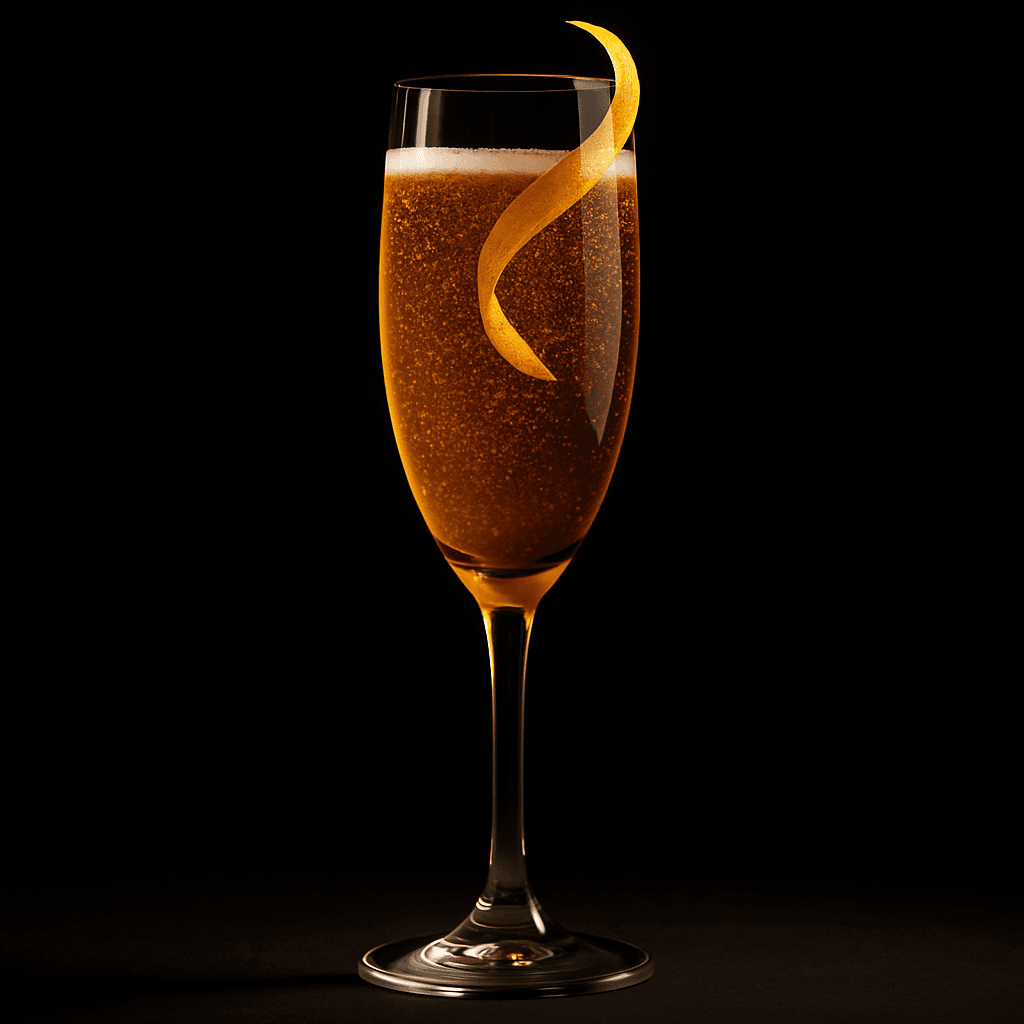
Champagne Cocktail
A timeless effervescent classic that transforms ordinary champagne into an elegant cocktail with sugar, bitters, and a twist of lemon. This sophisticated drink has been gracing cocktail menus since the 1850s.
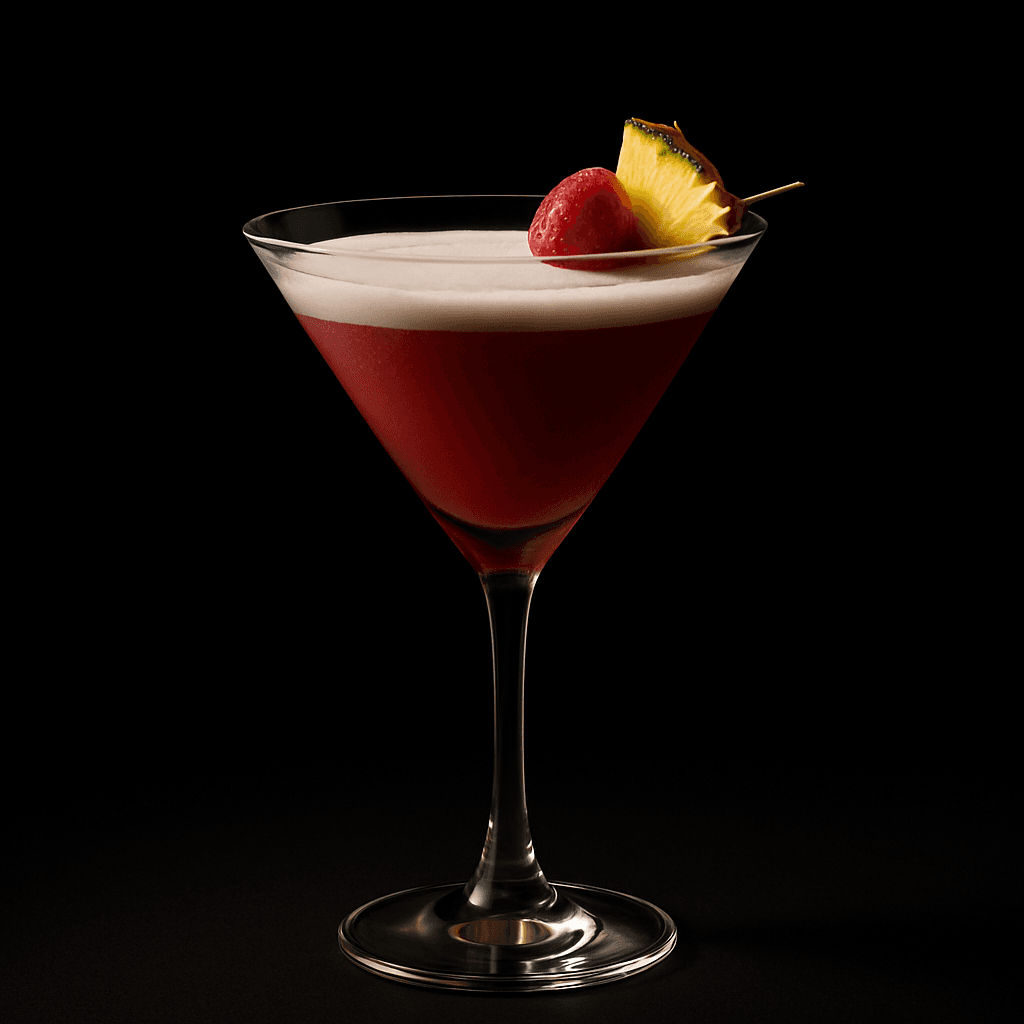
French Martini
A sophisticated and silky cocktail that combines premium vodka with the sweet richness of Chambord raspberry liqueur and fresh pineapple juice. This elegant drink offers a perfect balance of fruity sweetness and smooth sophistication.
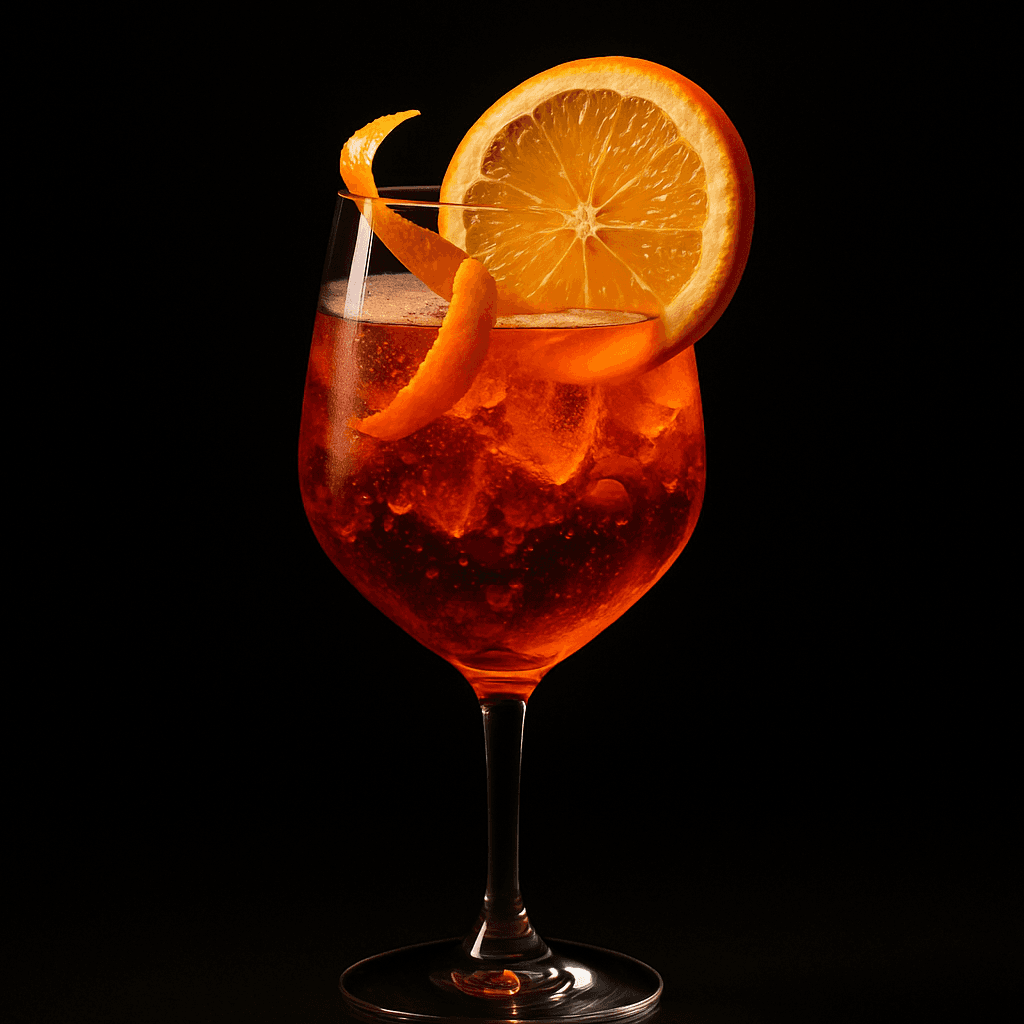
Cynar Spritz
A sophisticated Italian aperitivo cocktail that combines the herbal bitterness of Cynar artichoke liqueur with bright Prosecco and soda water. This refreshing spritz offers a perfect balance of bitter and effervescent flavors.
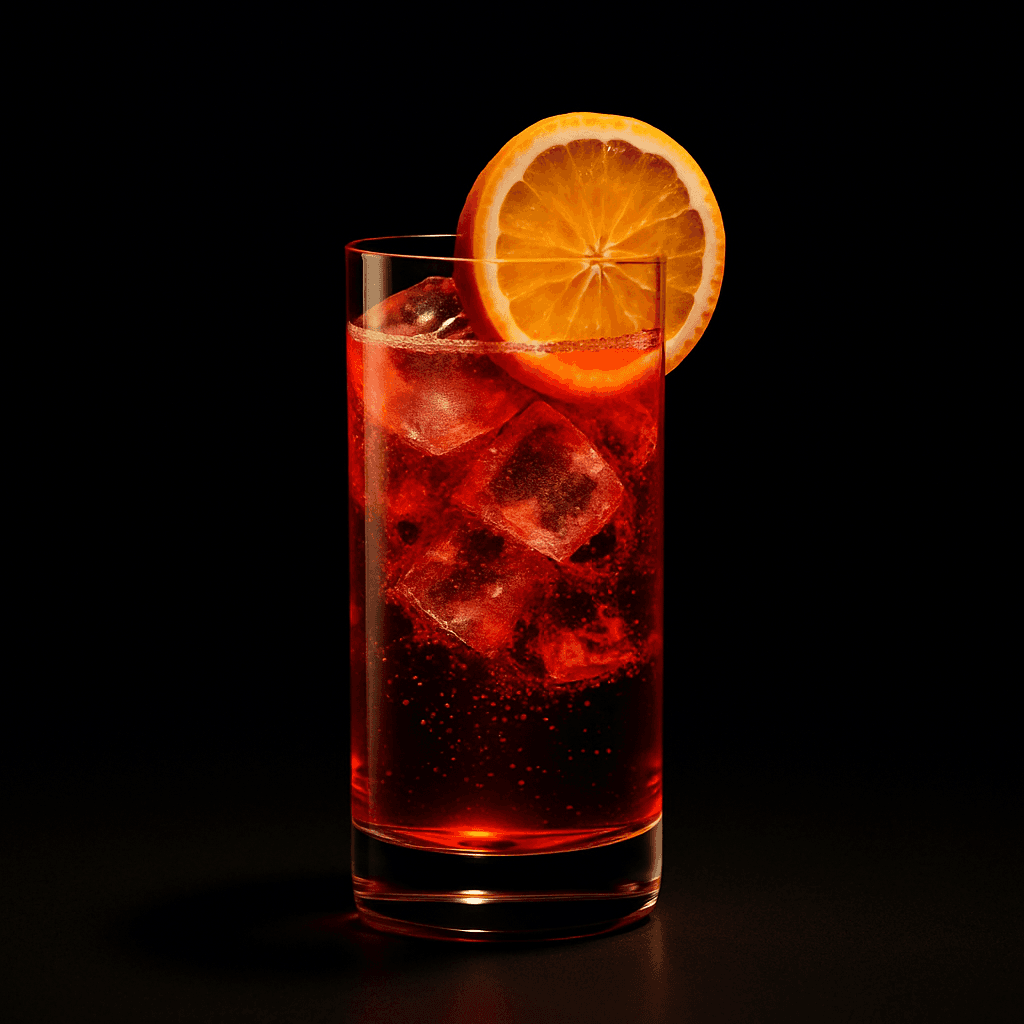
Campari Soda
A classic Italian aperitivo that combines the bitter complexity of Campari with refreshing soda water. This vibrant red cocktail is the epitome of effortless elegance and bitter-sweet sophistication.
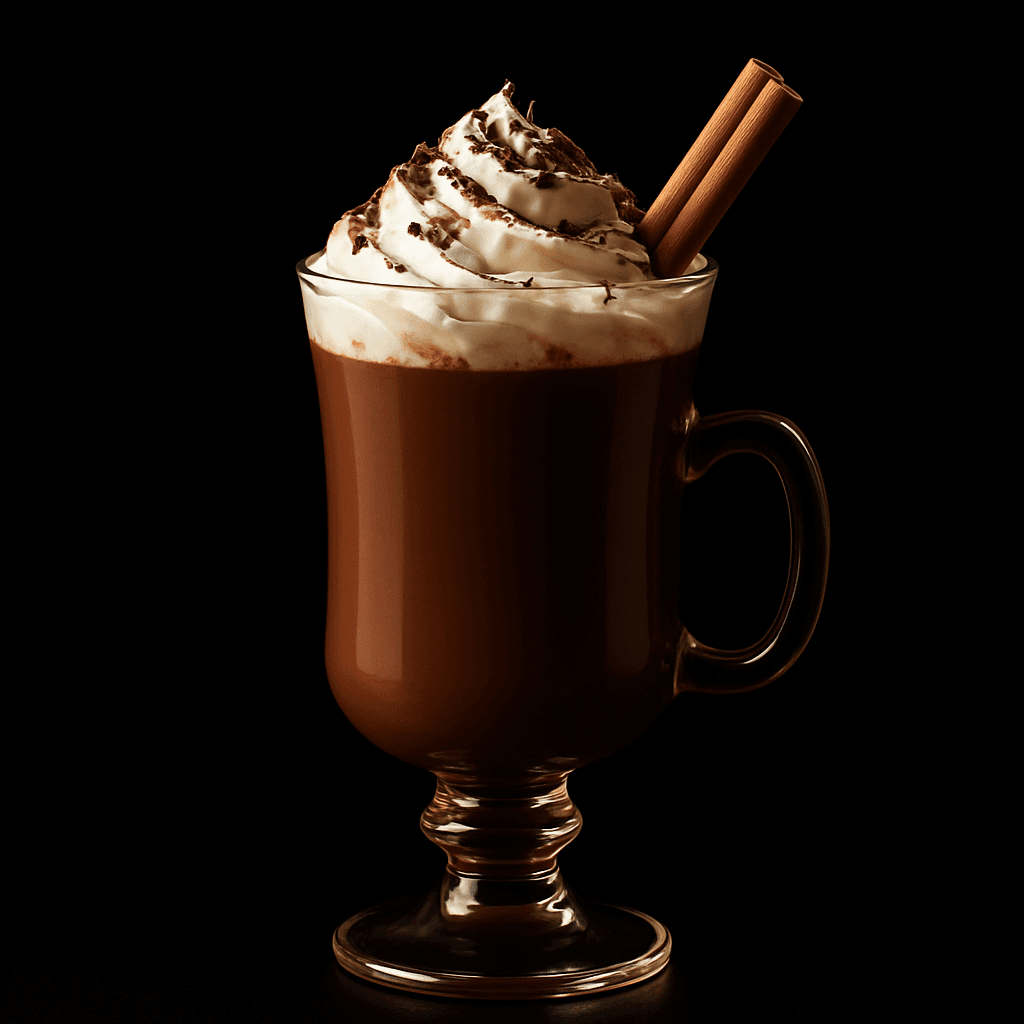
Italian Hot Chocolate Cocktail
A luxurious warm cocktail that transforms the classic Italian cioccolata calda into an indulgent adult beverage. Rich dark chocolate, smooth spirits, and aromatic spices create the perfect cold-weather sipper.
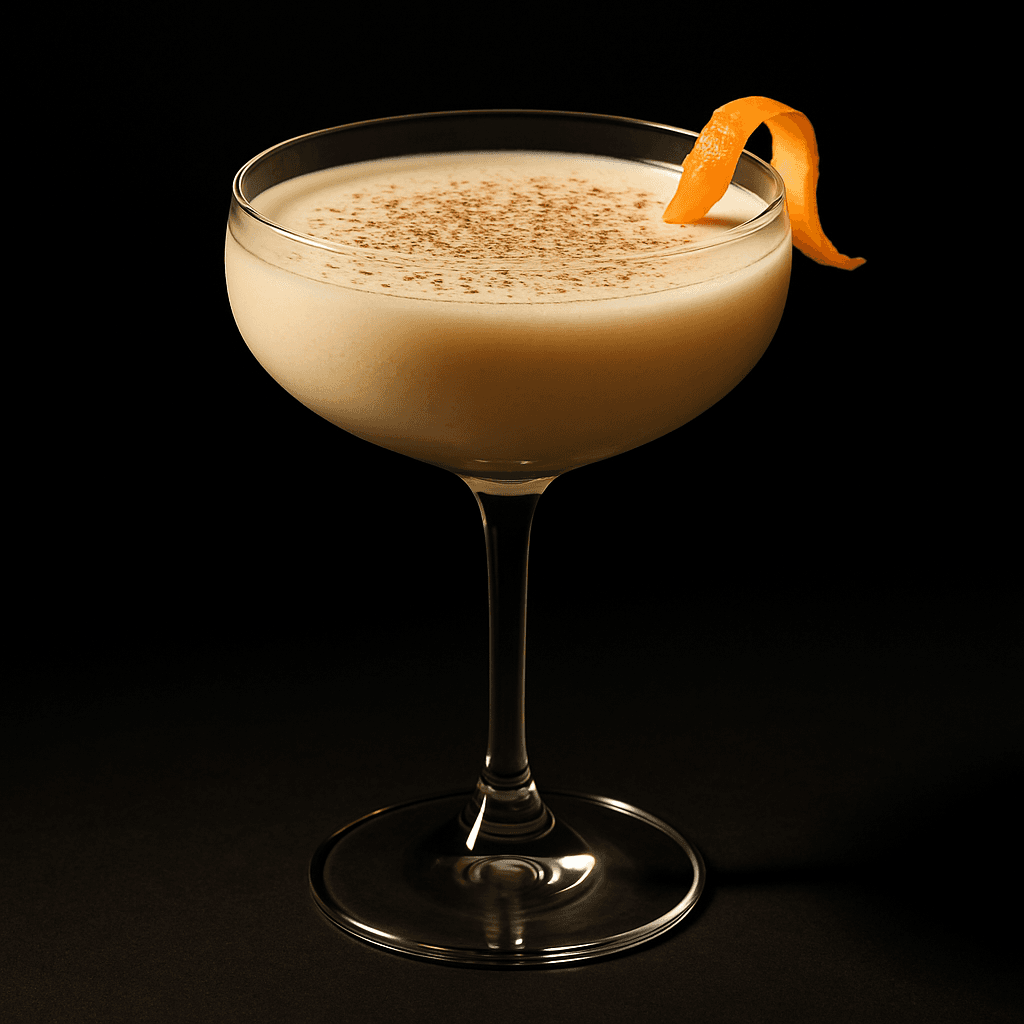
Zabaglione Cocktail
A luxurious Italian-inspired cocktail that captures the essence of the classic zabaglione dessert in liquid form. This creamy, wine-forward drink combines sweet Marsala wine with rich egg yolk and aromatic spices for an indulgent after-dinner experience.
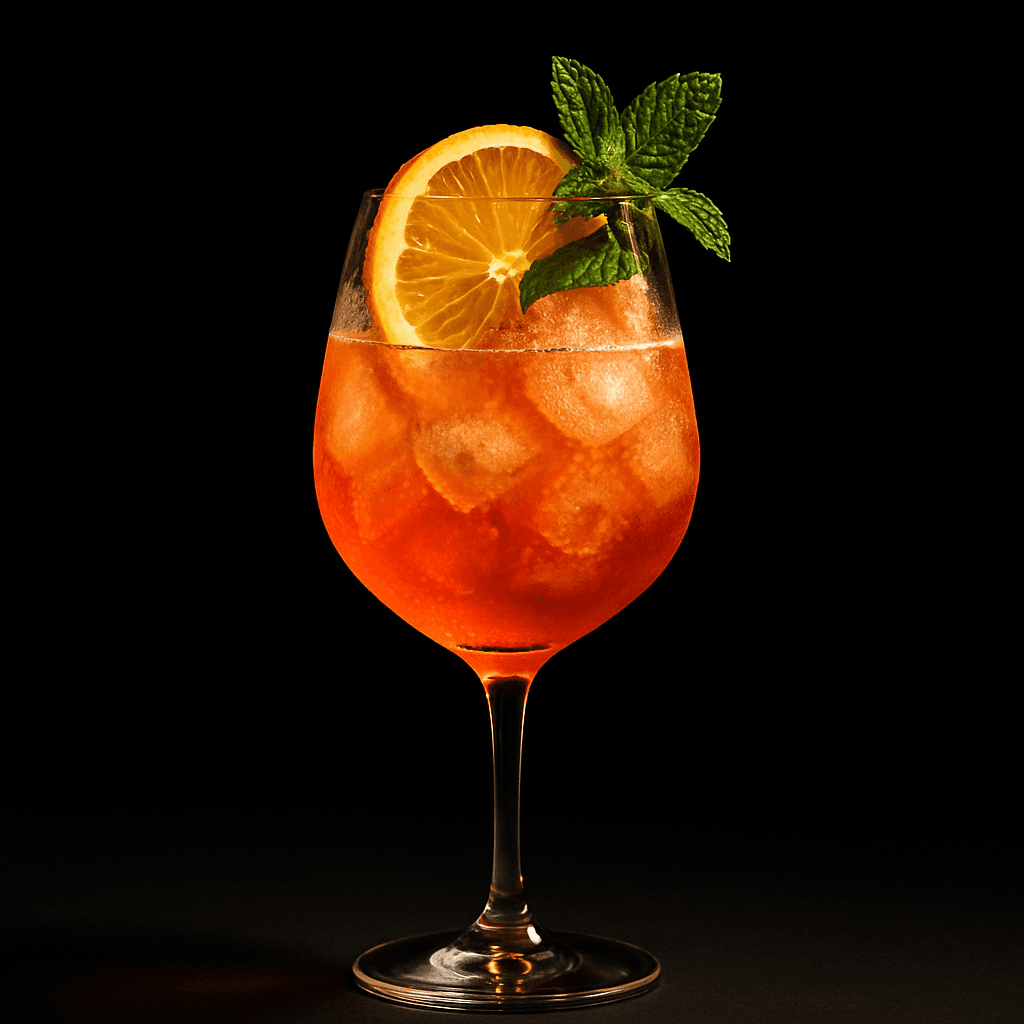
Punch all'Arancia
A vibrant Italian orange punch that marries the bitter sweetness of Aperol with fresh orange juice and sparkling wine. This effervescent cocktail captures the essence of a Mediterranean sunset in a glass.
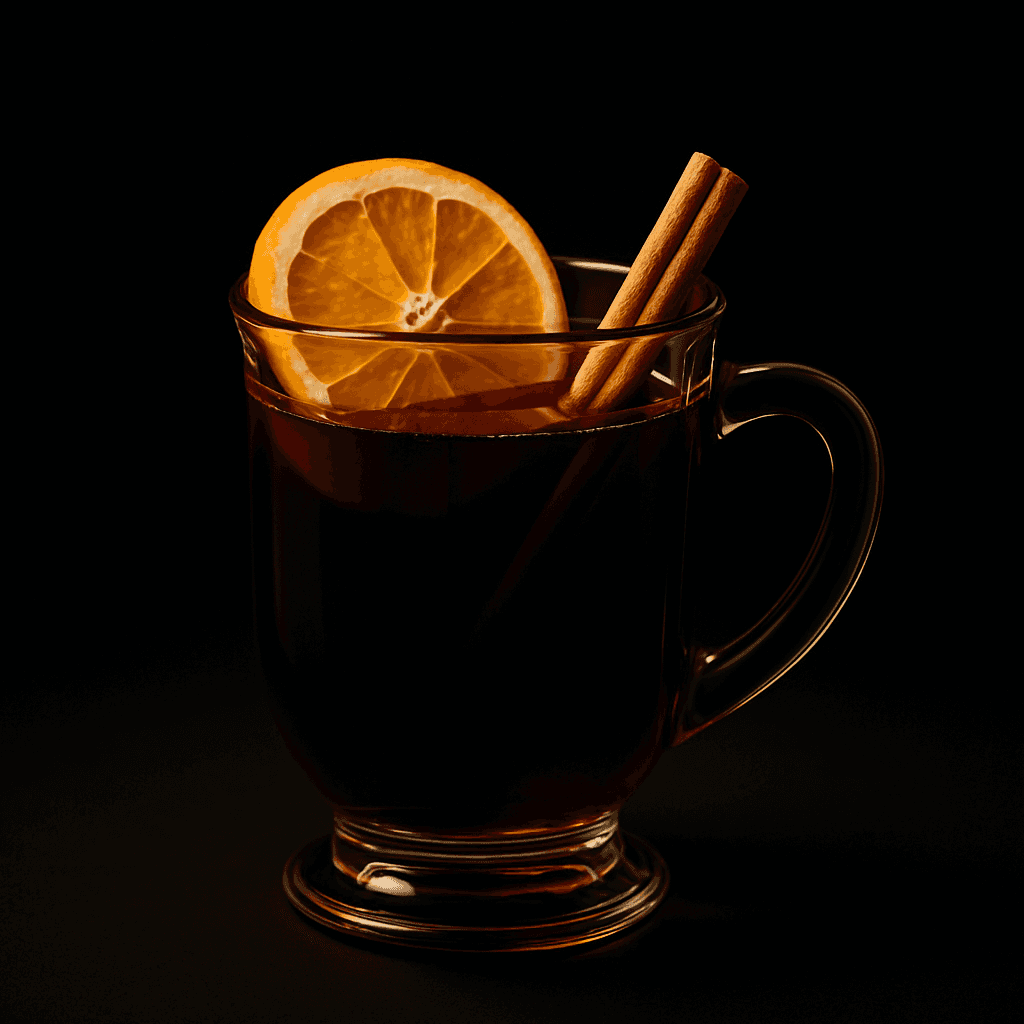
Vin Brûlé
A traditional Italian mulled wine that warms the soul with aromatic spices and rich red wine. This beloved winter drink combines the robust flavors of wine with cinnamon, cloves, and citrus for a comforting and festive experience.
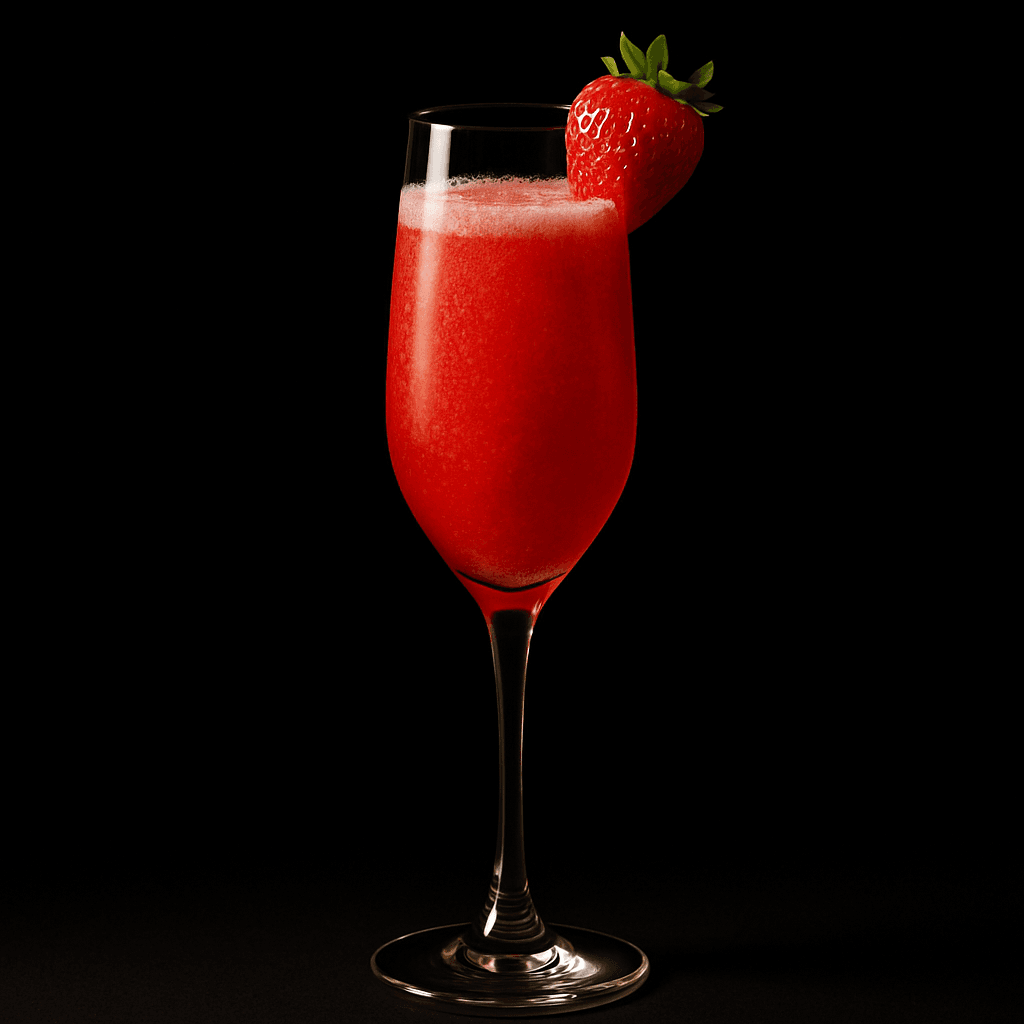
Rossini
A sophisticated Italian sparkling cocktail that combines the elegance of Prosecco with the sweet richness of fresh strawberry purée. This effervescent delight is the perfect balance of fruity sweetness and crisp bubbles.
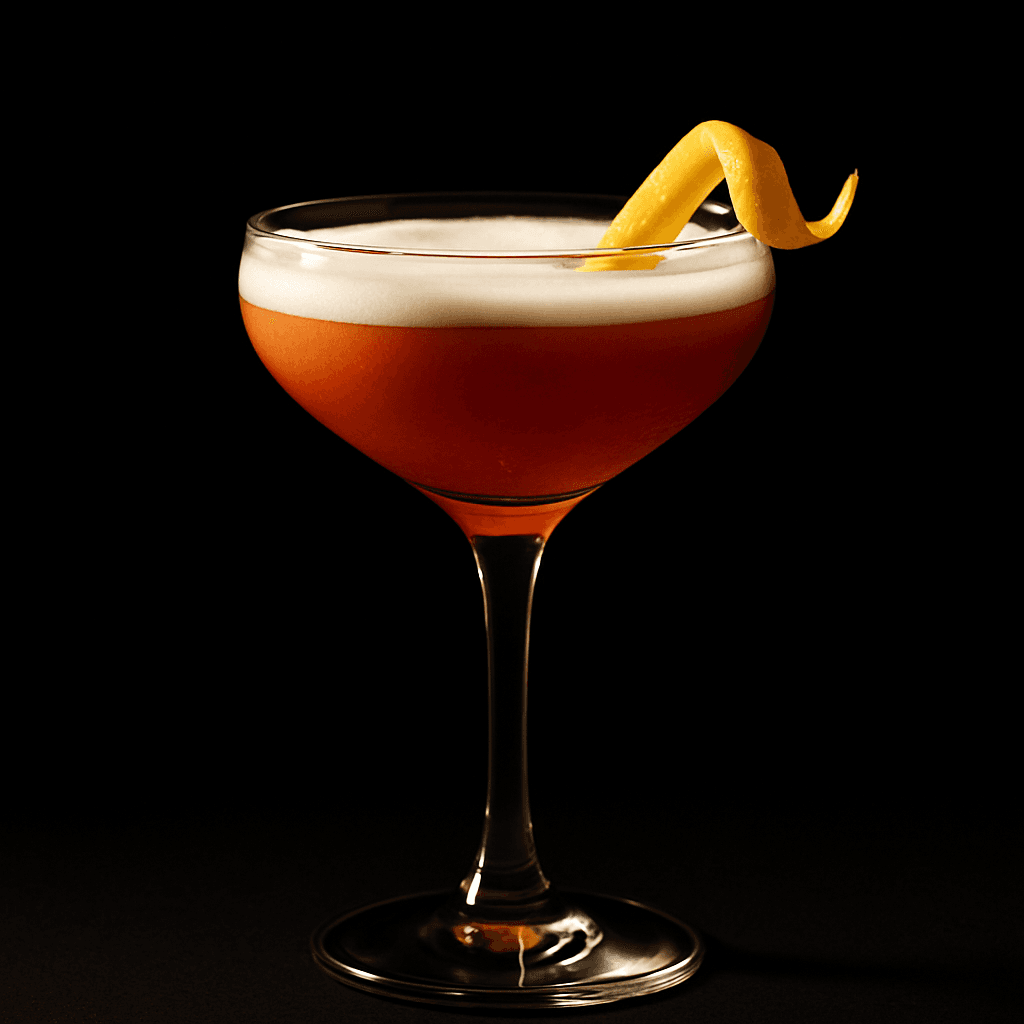
Italian Sour
A sophisticated twist on the classic whiskey sour that replaces traditional bourbon with smooth Italian amaro. This cocktail balances bitter herbal complexity with bright citrus and creamy texture from egg white.