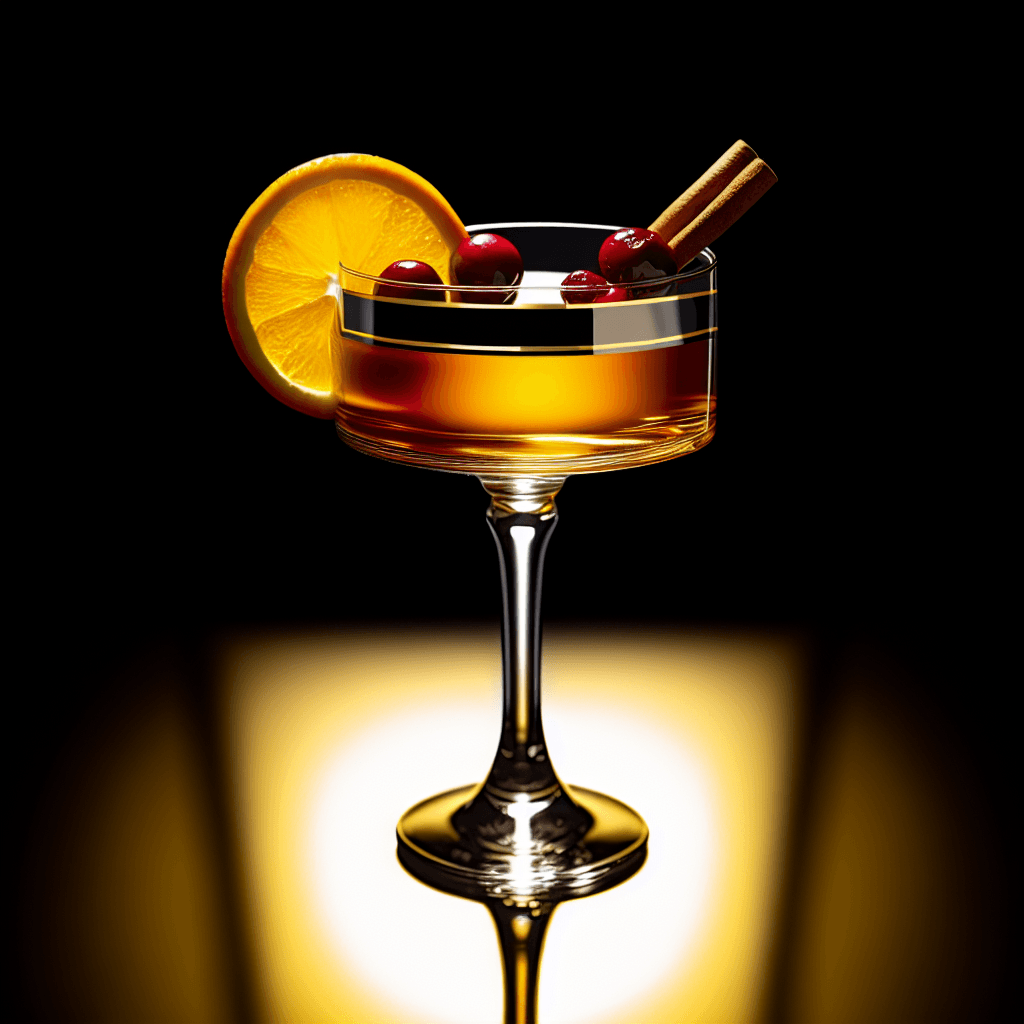
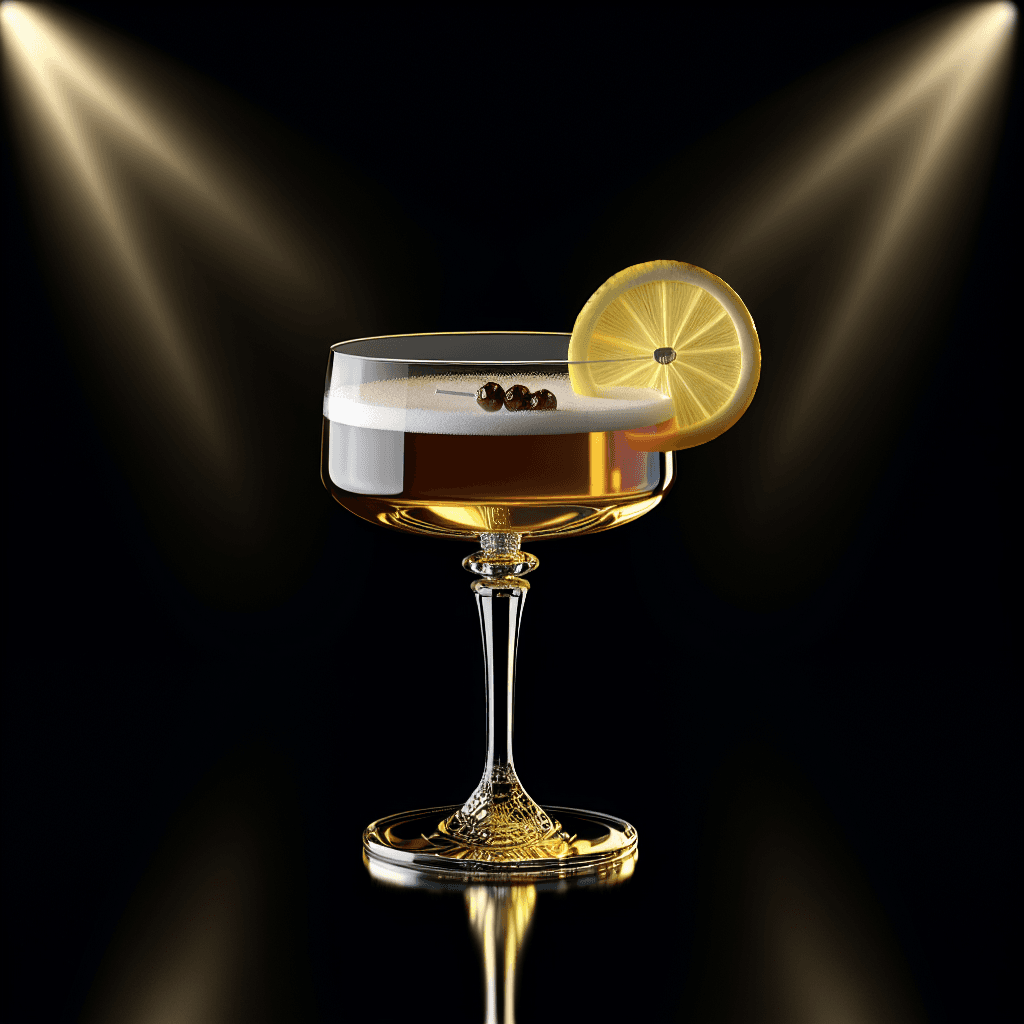
Whiskey Sour
Der Whiskey Sour stammt aus dem Jahr 1862 und bleibt einer der beliebtesten Cocktails in der Sour-Familie. Das optionale Eiweiß verwandelt ihn in ein seidiges, schaumiges Meisterwerk, das als Boston Sour bekannt ist. Seine Balance aus Bourbon-Wärme, Zitrusfrische und sanfter Süße macht ihn endlos trinkbar.
Der Whiskey Sour steht als perfekter Übergang zwischen gelegentlichem Trinken und ernsthafter Cocktail-Kunst. Das ist nicht nur ein weiterer Sour-Drink—es ist eine flüssige Zeitmaschine, die Sie in das goldene Zeitalter der amerikanischen Barkultur entführt. Mit seiner idealen Balance aus Bourbons warmer Umarmung, Zitronens heller Schärfe und der sanften Süße des einfachen Sirups beweist der Whiskey Sour, dass die besten Cocktails auf zeitlosen Grundlagen aufbauen. Fügen Sie ein Eiweiß hinzu, und Sie haben ihn zum ätherischen Boston Sour erhoben—eine wolkengleiche Kreation, die aus einem schlichten Rezept Bar-Poesie macht.
📝 Zutaten
- 0.75 oz Frischer Zitronensaft🛒 Amazon
- 0.75 oz Zuckersirup🛒 Amazon
- 2 Spritzer Angostura Bitters(optional)🛒 Amazon
- 1 Stück Maraschino-Kirsche(optional)🛒 Amazon
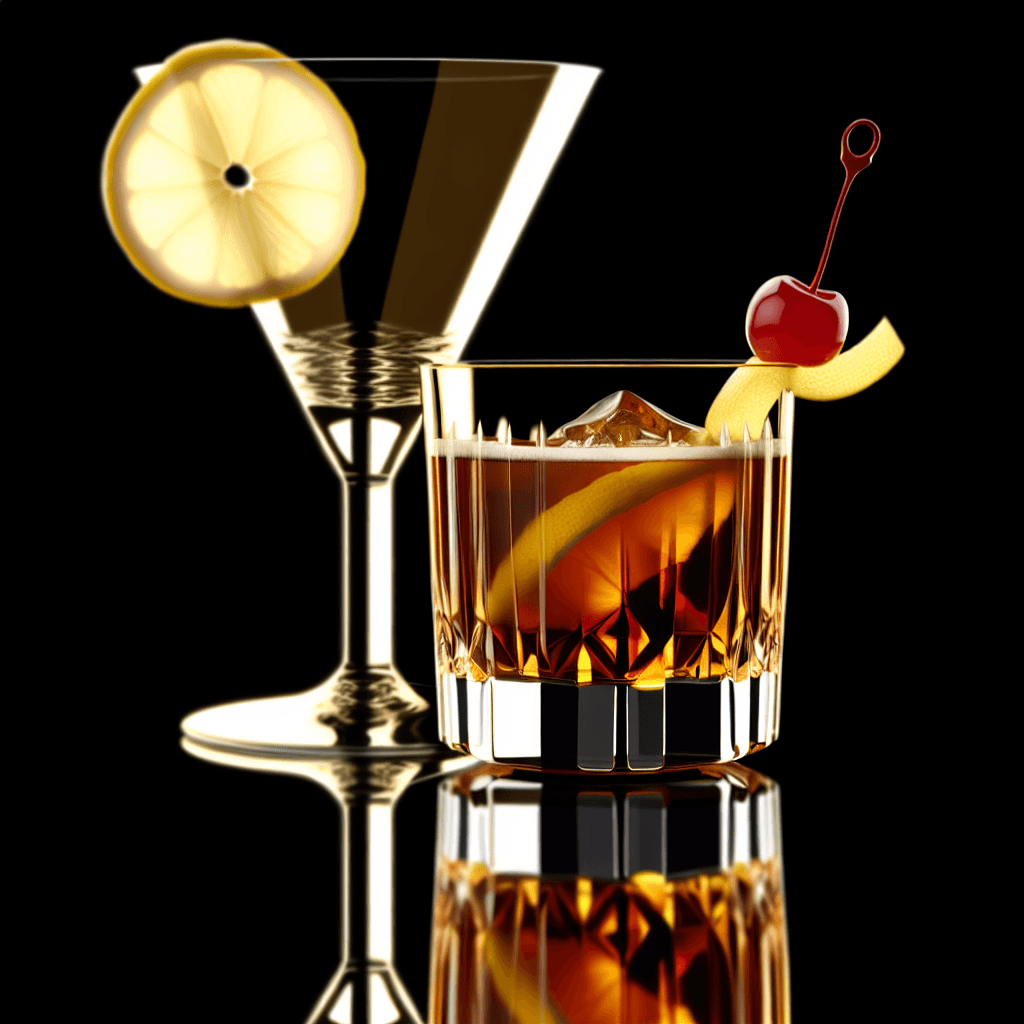
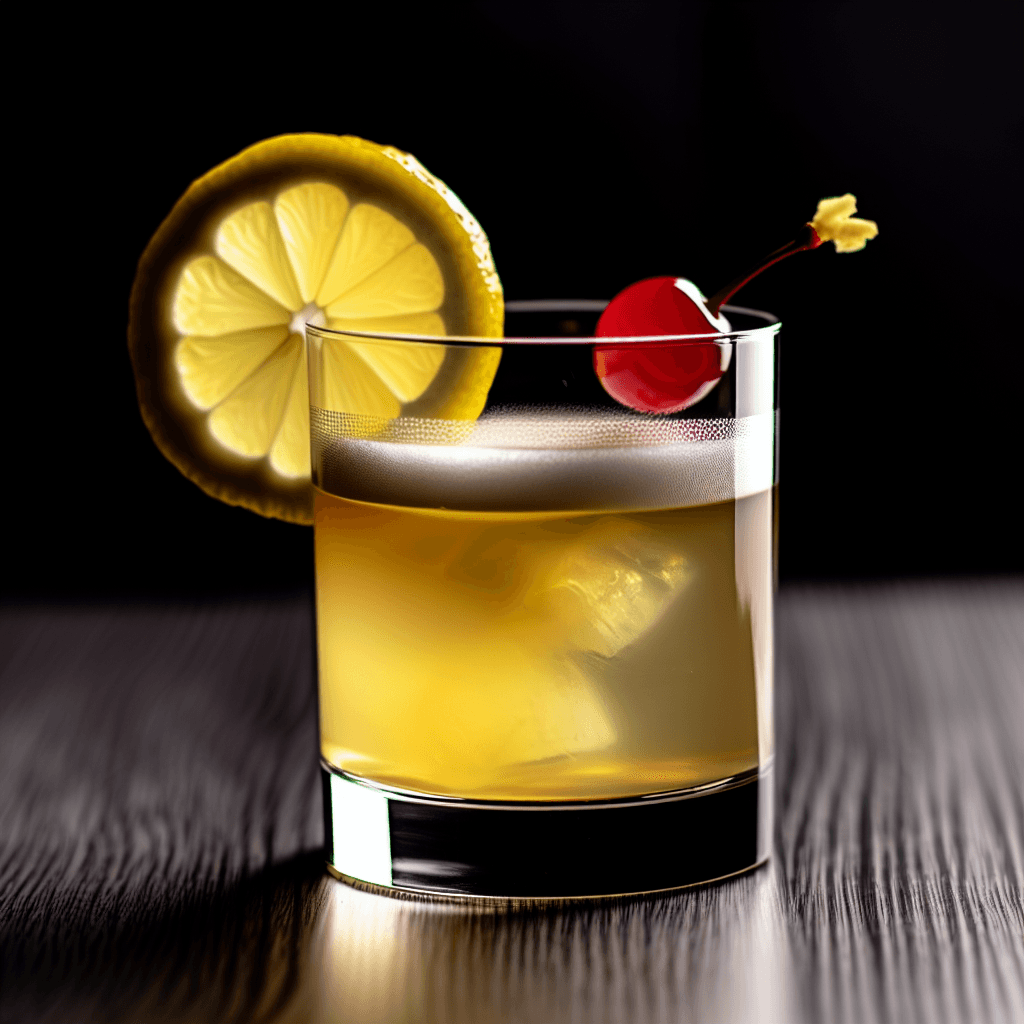
Garnitur: Zitronenscheibe und Maraschinokirsche
👨🍳 Anleitung
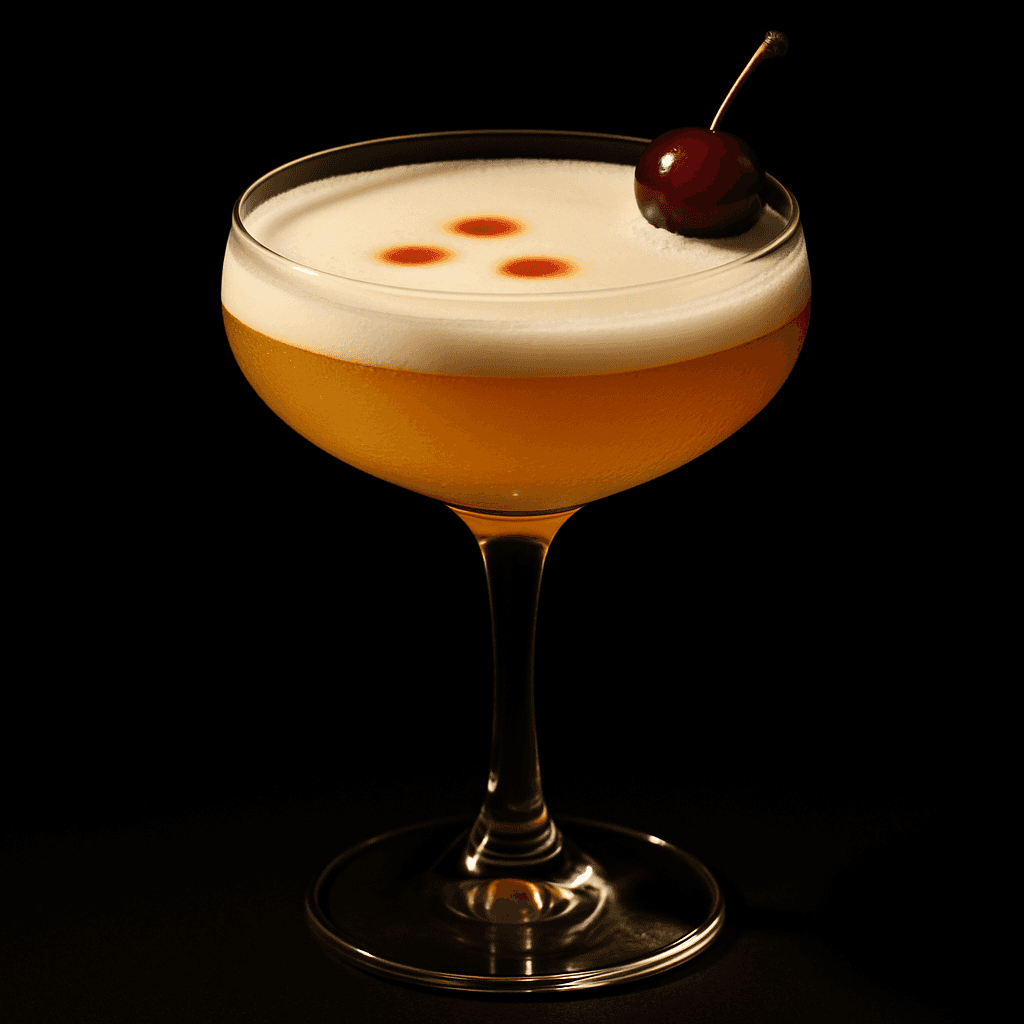
Falls Eiweiß verwendet wird, alle flüssigen Zutaten ohne Eis in einen Shaker geben und 15 Sekunden kräftig trocken schütteln, um das Eiweiß zu emulgieren.
Eis zum Shaker hinzufügen und erneut 12-15 Sekunden kräftig schütteln, bis der Cocktail gut gekühlt ist.
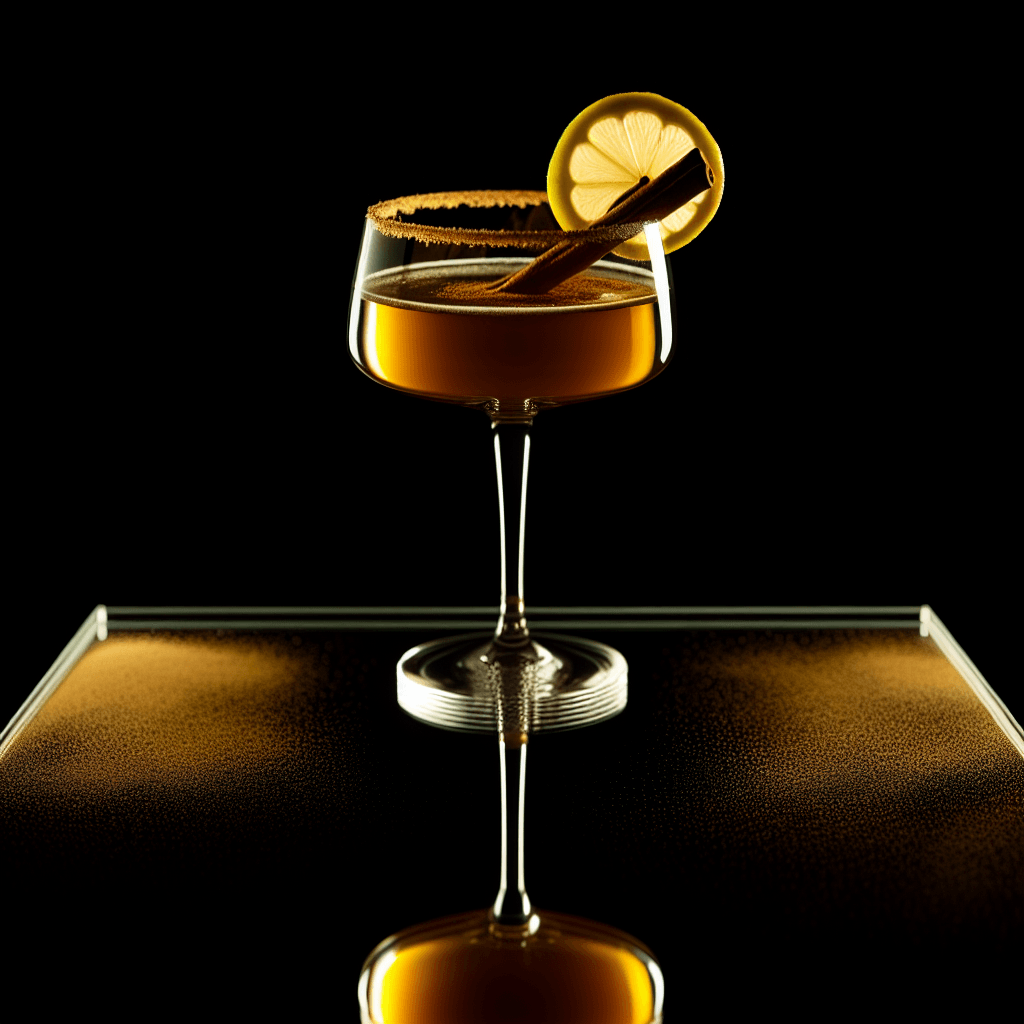
In ein Rocks-Glas über frisches Eis abseihen oder fein in eine gekühlte Coupe abseihen.
Falls Eiweiß verwendet wird, ein paar Spritzer Angostura Bitters auf den Schaum geben und mit einem Cocktail-Pick hindurchziehen für ein dekoratives Muster.
Mit einer Zitronenscheibe und einer Maraschinokirsche garnieren. Sofort servieren.
Geschmacksprofil
Benötigte Werkzeuge
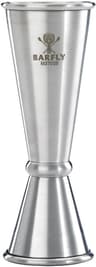
Jigger
View on Amazon →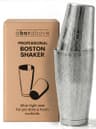
Cocktail Shaker (Boston)
View on Amazon →
OXO SteeL Cocktail Strainer (Hawthorne)
View on Amazon →
Zitruspresse
View on Amazon →
Cocktail-Spieße Set
View on Amazon →
Rocks Gläser Set
View on Amazon →
Coupe-Gläser Set
View on Amazon →💡 Profi-Tipps
- 1
Verwenden Sie immer frisch gepressten Zitronensaft—Flaschensaft tötet den hellen, herben Charakter, der diesen Cocktail zum Strahlen bringt. Rollen Sie Ihre Zitronen bei Raumtemperatur vor dem Auspressen, um maximalen Saft zu extrahieren.
- 2
Die Trocken-Schüttel-Technik ist entscheidend bei der Verwendung von Eiweiß. Schütteln Sie zuerst ohne Eis, um das Protein richtig zu emulgieren, dann fügen Sie Eis für den zweiten Schüttelgang hinzu, um richtig zu kühlen und zu verdünnen.
- 3
Wählen Sie Ihren Bourbon weise—ein höherprozentigerer Whiskey (100+ Proof) wird besser gegen Zitrus und Verdünnung bestehen, während weizen-basierte Bourbons zusätzliche Geschmeidigkeit bieten, die die Eiweiß-Textur ergänzt.
- 4
Das Verhältnis des einfachen Sirups kann nach Geschmack angepasst werden, aber beginnen Sie mit gleichen Teilen Zitrone und Sirup. Manche bevorzugen ein 2:1 Zitronen-zu-Sirup-Verhältnis für ein herberes Profil.
- 5
Für die Garnitur drücken Sie die Öle der Zitronenscheibe über die Oberfläche des Drinks, bevor Sie sie hineinlegen, und verwenden Sie immer eine hochwertige Maraschinokirsche—vermeiden Sie die neonrote Supermarkt-Variante.
📜 Geschichte und Ursprung
Geboren in den Saloons des Amerikas von 1862, entstand der Whiskey Sour in einer Ära, in der 'Sour'-Cocktails die Szene beherrschten. Das ursprüngliche Rezept erschien in Jerry Thomas' bahnbrechendem Werk 'How to Mix Drinks' und zementierte seinen Platz in der Cocktail-Geschichte. Dies war der Drink, der half, den Wilden Westen zu zivilisieren und eine raffinierte Alternative zu reinen Whiskey-Shots bot. Die Sour-Familie—umfassend Whiskey-, Brandy- und Gin-Variationen—wurde zum Fundament der amerikanischen Mixologie. Die Zugabe von Eiweiß, die die Boston Sour-Variante schuf, gewann in den frühen 1900er Jahren an Popularität, als Barkeeper entdeckten, dass ein ganzes Ei die Textur des Drinks in etwas nahezu Magisches verwandeln konnte. Während der Prohibition überlebte der Whiskey Sour, indem er sich an verfügbare Spirituosen anpasste, erblühte aber während der Nachkriegs-Cocktail-Renaissance wieder richtig. Die heutige Craft-Cocktail-Bewegung hat diesen Klassiker angenommen, wobei Barkeeper verschiedene Whiskeys, hausgemachte Sirupe und Premium-Zitrusfrüchte erforschen, um die ursprüngliche Formel zu veredeln, während sie deren elegante Einfachheit respektieren.