Negroni
Le Negroni est né à Florence, en Italie, en 1919 lorsque le comte Camillo Negroni demanda à son barman de renforcer son Americano en remplaçant l'eau gazeuse par du gin. Le résultat est un cocktail merveilleusement amer et herbacé avec un équilibre parfait entre ses trois ingrédients à parts égales. C'est un rite de passage pour les amateurs de cocktails.
Le Negroni trône comme la royauté des cocktails—une trinité triomphante de gin, Campari et vermouth doux qui captive les buveurs depuis plus d'un siècle. Ce chef-d'œuvre italien prouve que la simplicité engendre la perfection, avec sa formule à parts égales créant une symphonie de notes amères, sucrées et botaniques. Plus qu'une simple boisson, le Negroni représente un rite de passage pour les amateurs de cocktails sérieux, offrant une porte d'entrée dans le monde sophistiqué des liqueurs amères. Sa teinte rouge rubis et son profil aromatique complexe le rendent à la fois visuellement époustouflant et intellectuellement satisfaisant, lui valant des adeptes dévoués dans le monde entier qui apprécient son audace sans compromis et son élégance intemporelle.

📝 Ingrédients
- 1 morceau Zeste d'orange(facultatif)🛒 Amazon
Garniture: Zeste d'orange
👨🍳 Instructions
Ajoutez le gin, le Campari et le vermouth doux dans un verre à mélange rempli de glace.
Remuez pendant environ 30 secondes jusqu'à ce que le mélange soit bien refroidi et correctement dilué.
Filtrez dans un verre rocks sur un gros glaçon.
Exprimez l'huile d'un zeste d'orange au-dessus de la boisson, puis laissez-le tomber en guise de garniture. Servez immédiatement.
Profil de Saveur
Outils Nécessaires
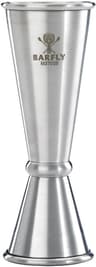
Jigger
View on Amazon →
Verre à Mélange
View on Amazon →
Cuillère de bar
View on Amazon →
OXO SteeL Cocktail Strainer (Hawthorne)
View on Amazon →
Moules à Glace (Gros Cubes)
View on Amazon →
Couteau à Cannelure/Éplucheur
View on Amazon →
Ensemble de Verres Rocks
View on Amazon →💡 Conseils d'Expert
- 1
Utilisez un gin London Dry de haute qualité avec des notes de genièvre prononcées pour résister à l'amertume assertive du Campari—des marques comme Tanqueray ou Beefeater fonctionnent magnifiquement
- 2
Remuez, ne secouez pas—ce cocktail exige une dilution appropriée et une texture soyeuse que seul le remuage peut obtenir, typiquement 30-40 secondes jusqu'à ce que le verre à mélange devienne givré
- 3
Exprimez les huiles du zeste d'orange au-dessus de la surface de la boisson avant de l'y laisser tomber—cela libère des composés aromatiques qui rehaussent la complexité du cocktail
- 4
Expérimentez avec différents vermouths doux comme Carpano Antica Formula ou Cocchi Storico Vermouth di Torino pour des variations de saveur uniques
- 5
Servez sur un gros glaçon plutôt que sur plusieurs petits pour minimiser la dilution tout en maintenant la température appropriée
📜 Histoire et Origine
L'histoire d'origine du Negroni se lit comme un folklore de cocktail qui prend vie. En 1919, au Caffè Casoni à Florence, le comte Camillo Negroni s'approcha du barman Fosco Scarselli avec une simple demande : renforcer son Americano bien-aimé en remplaçant l'eau gazeuse par du gin. Cette substitution apparemment mineure créa l'histoire des cocktails, transformant un apéritif rafraîchissant en un chef-d'œuvre à base de spiritueux qui allait conquérir le monde. La boisson gagna rapidement en popularité dans toute l'Italie pendant les années 1920, devenant un symbole de la culture italienne raffinée de la boisson. Au milieu du XXe siècle, le Negroni avait traversé les frontières, trouvant des adeptes dévoués dans la scène cocktail londonienne et conquérant finalement les bars américains. Sa renaissance dans les années 2000 coïncida avec l'adoption par le mouvement des cocktails artisanaux des saveurs amères et des recettes classiques. Aujourd'hui, le Negroni jouit d'un statut culte, inspirant d'innombrables variations tout en maintenant son caractère essentiel. L'attrait durable du cocktail réside dans sa nature démocratique—trois parts égales créant une harmonie parfaite, accessible aux barmans amateurs mais suffisamment sophistiqué pour les établissements les plus raffinés.