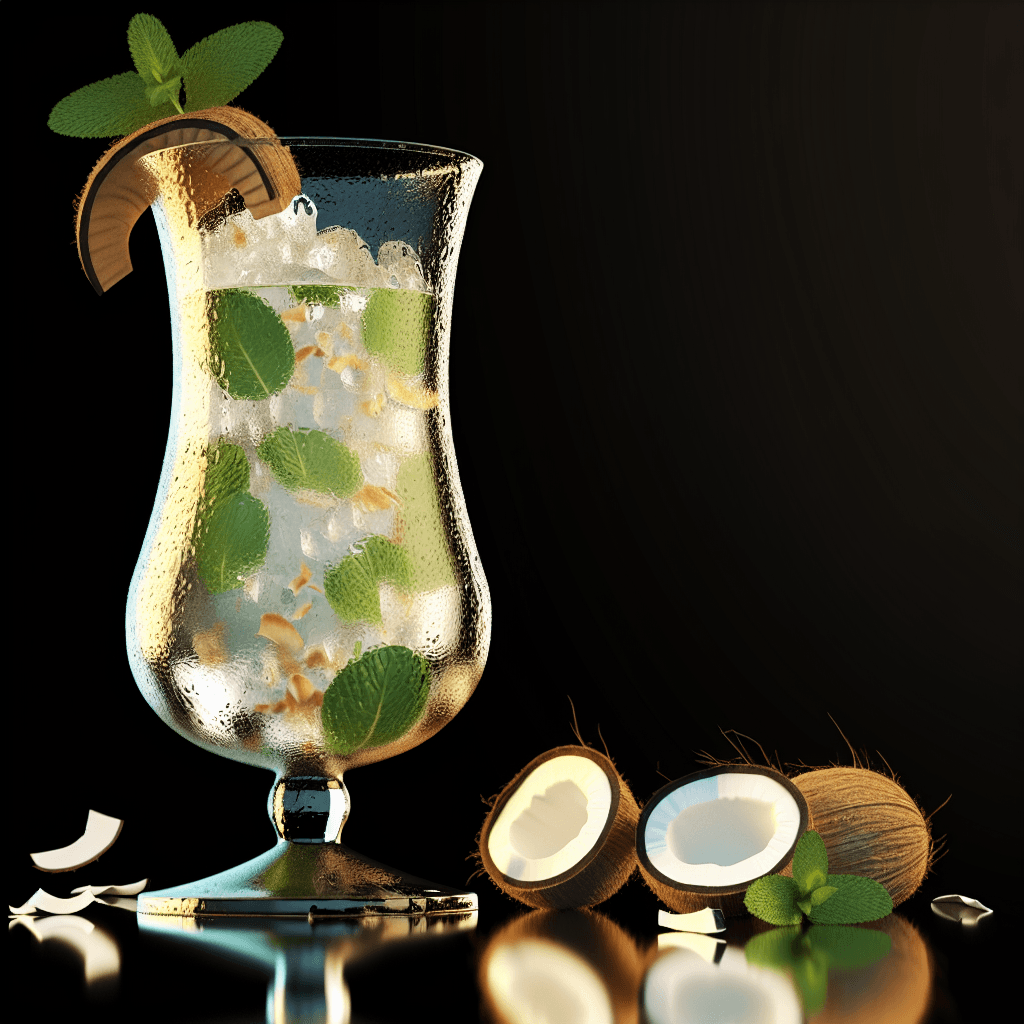
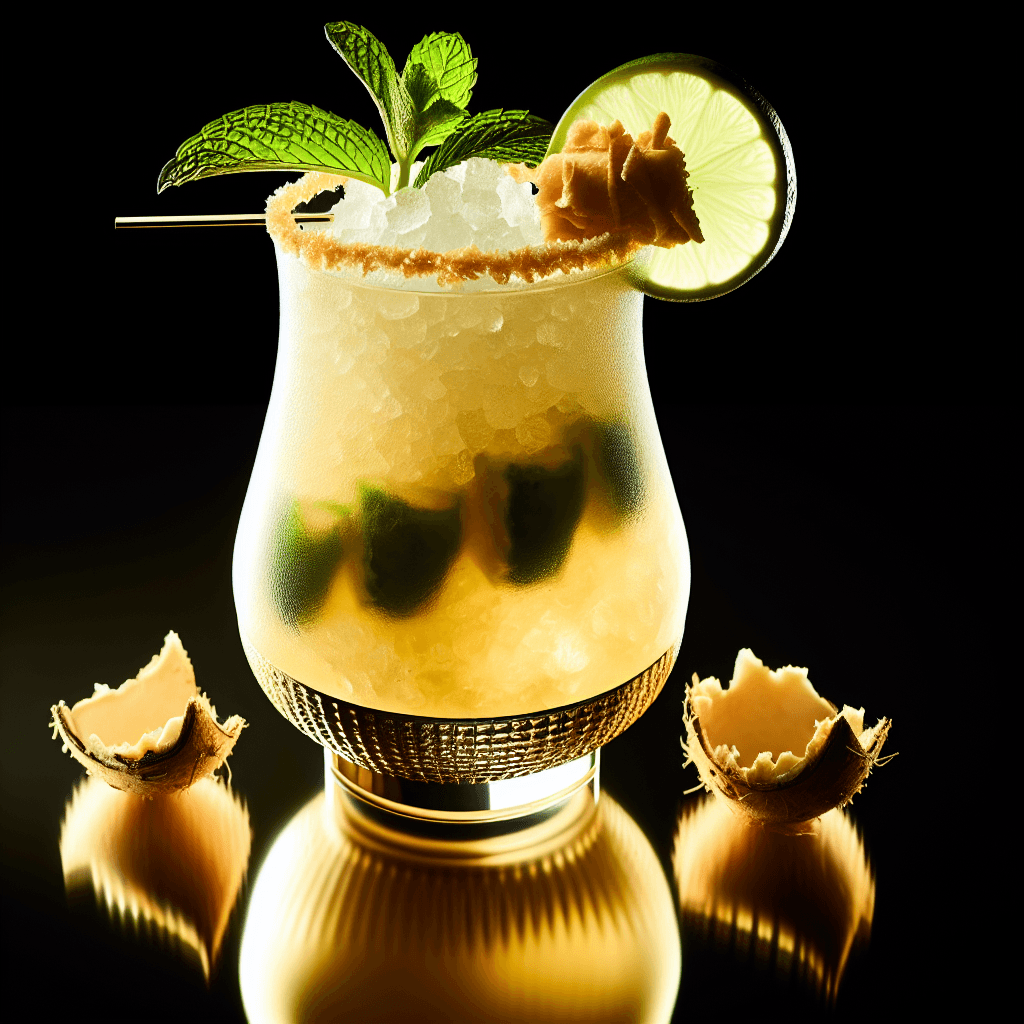
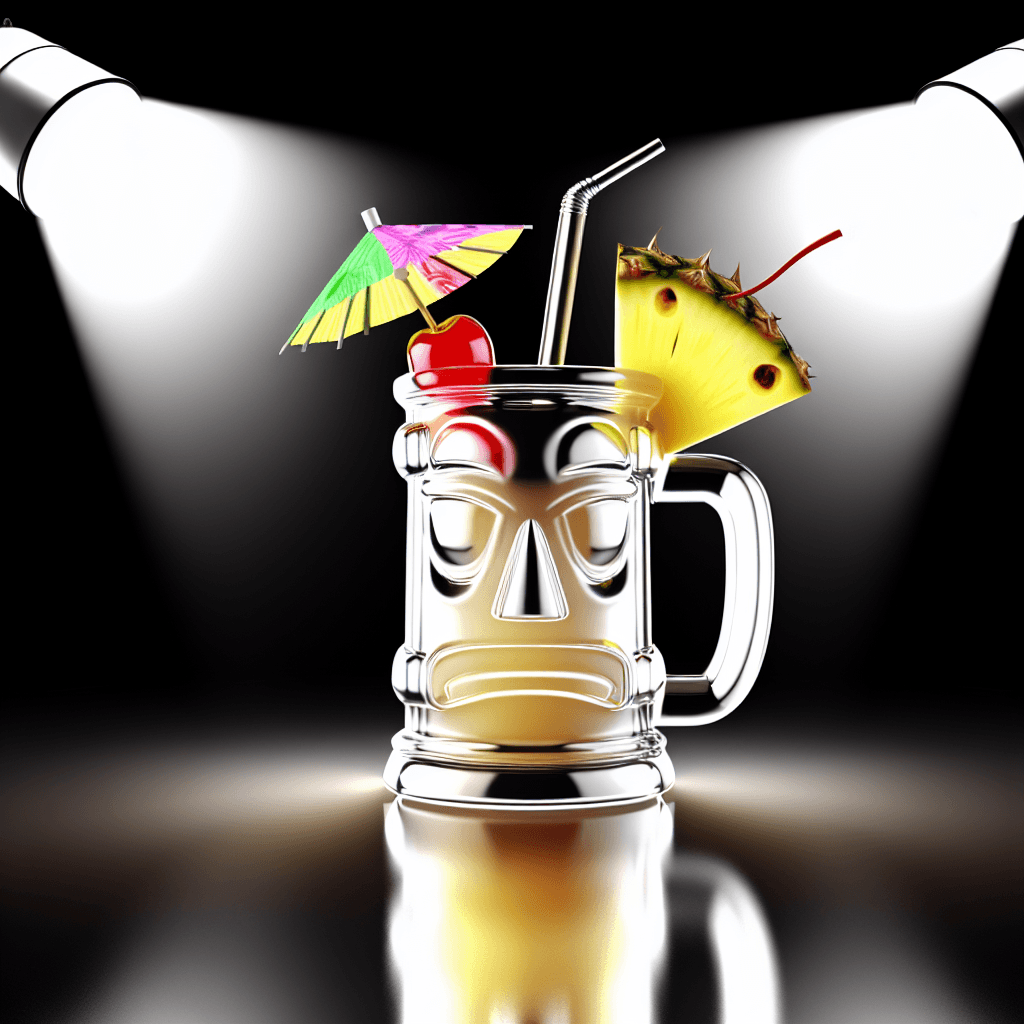
Mai Tai
El Mai Tai fue creado por Trader Vic en 1944 en su restaurante de Oakland, California. Cuando una amiga tahitiana lo probó, exclamó "Mai tai roa ae!" que significa "¡Fuera de este mundo, lo mejor!" Este clásico tiki combina ron añejo con lima, horchata de almendras y licor de naranja para una experiencia tropical compleja, con notas de nuez y cítricos que no tiene nada que ver con las versiones de ponche afrutado que se sirven en los resorts.
Adéntrate en la edad dorada de la cultura tiki con el Mai Tai, un cóctel que encarna todo lo mágico de la mixología tropical. Creado en 1944 por el legendario Trader Vic, este no es tu típico Mai Tai de resort vacacional ahogado en jugo de fruta y colores artificiales. Este es el auténtico – un equilibrio sofisticado de ron añejo, lima fresca y las distintivas notas de almendra del jarabe de horchata que crea una experiencia de sabor compleja y en capas. Cuando esa primera huésped tahitiana declaró que era '¡Mai tai roa ae!' (¡fuera de este mundo!), no estaba exagerando. Este cóctel por sí solo lanzó el movimiento tiki y sigue siendo la joya de la corona de los cócteles tropicales hoy en día.
📝 Ingredientes
- 0.5 oz Jarabe de Orgeat🛒 Amazon
- 0.5 oz Triple Sec🛒 Amazon
- 0.25 oz Jarabe Simple(opcional)🛒 Amazon
- 1 ramita Ramita de Menta(opcional)🛒 Amazon
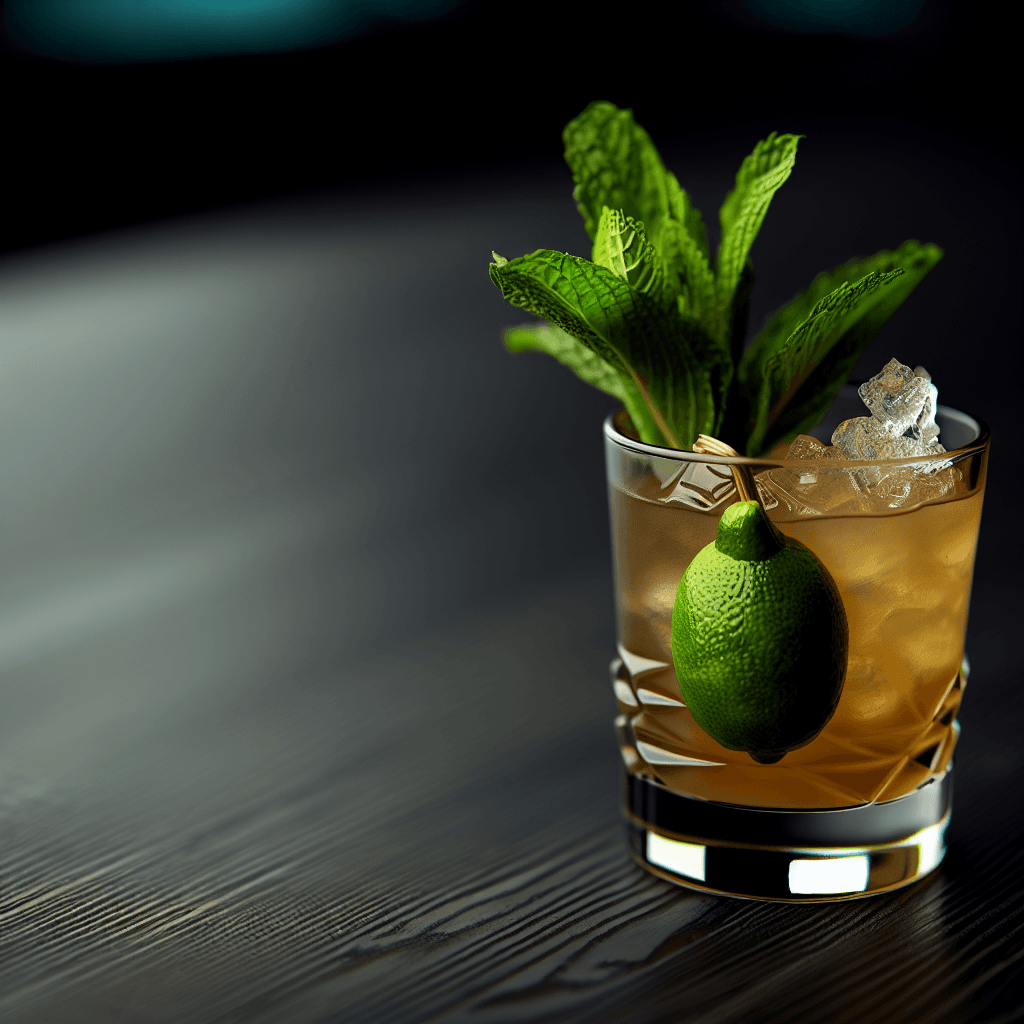
Decoración: Ramita de menta y cáscara de lima
👨🍳 Instrucciones
Combina el ron añejo, jugo de lima fresco, jarabe de horchata de almendras, curaçao de naranja y opcionalmente jarabe simple en una coctelera llena de hielo.
Agita vigorosamente por 12-15 segundos hasta que esté bien frío.
Cuela en un vaso rocks o taza tiki llena de hielo picado.
Decora con una cáscara de lima exprimida y una ramita de menta. Opcionalmente flota una pequeña cantidad de ron oscuro encima para mayor profundidad.
Perfil de Sabor
Herramientas Necesarias

Jigger
View on Amazon →
Coctelera Boston
View on Amazon →
OXO SteeL Cocktail Strainer (Hawthorne)
View on Amazon →
Bolsa Lewis y Mazo
View on Amazon →
Exprimidor de Cítricos
View on Amazon →
Set de Vasos Rocks
View on Amazon →💡 Consejos de Experto
- 1
Usa una mezcla de rones añejos para complejidad – prueba combinando rones jamaicanos y de Martinica, o usa un ron añejo de alta calidad como base con un float de ron oscuro encima
- 2
El jarabe de horchata fresco marca toda la diferencia – busca marcas como Small Hand Foods o haz el tuyo propio para ese auténtico sabor a almendra que define un Mai Tai apropiado
- 3
Exprime el jugo de lima fresco y guarda la cáscara exprimida como decoración – es tradicional y añade aceites aromáticos cuando bebes
- 4
El hielo picado es esencial para la dilución y temperatura apropiadas – crea la textura perfecta y mantiene la bebida bien fría durante todo el tiempo
- 5
No omitas la decoración de menta – golpéala suavemente para liberar aceites y crear esa experiencia aromática que te transporta a los trópicos
📜 Historia y Origen
La historia del origen del Mai Tai es tan colorida como los bares tiki que lo hicieron famoso. En 1944, Victor Bergeron, mejor conocido como Trader Vic, estaba experimentando detrás de la barra en su restaurante de Oakland cuando creó lo que se convertiría en su obra maestra. Usando ron jamaicano J. Wray & Nephew de 17 años como base, lo combinó con Cointreau francés, jarabe de horchata, jarabe de azúcar cande y jugo de lima fresco. El nombre vino de Carrie Guild, una amiga tahitiana que probó la bebida y exclamó '¡Mai tai roa ae!' – que significa '¡fuera de este mundo, lo mejor!' Sin embargo, la historia del cóctel no está exenta de controversia. Donn Beach (Ernest Raymond Beaumont Gantt) de Don the Beachcomber afirmó que él lo inventó en 1933, llamándolo el 'Mai Tai Swizzle.' Esto desató una enemistad de décadas entre los dos titanes del tiki. Independientemente de sus verdaderos orígenes, la versión de Trader Vic se convirtió en el estándar, lanzando la moda tiki que arrasó América en los años 50 y 60. El cóctel evolucionó cuando el ron J. Wray original se volvió indisponible, llevando a la práctica moderna de usar una mezcla de rones añejos para recrear ese perfil de sabor complejo.