Amaretto Sour
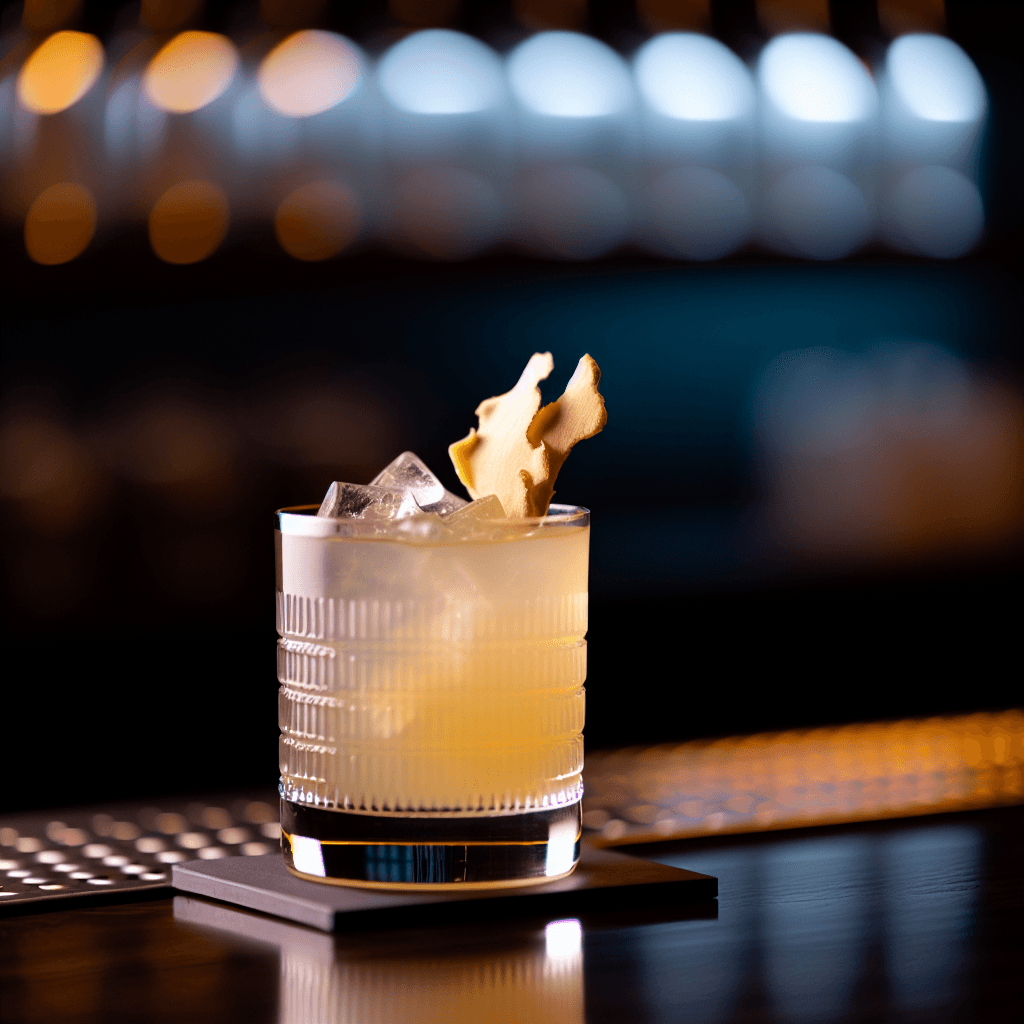
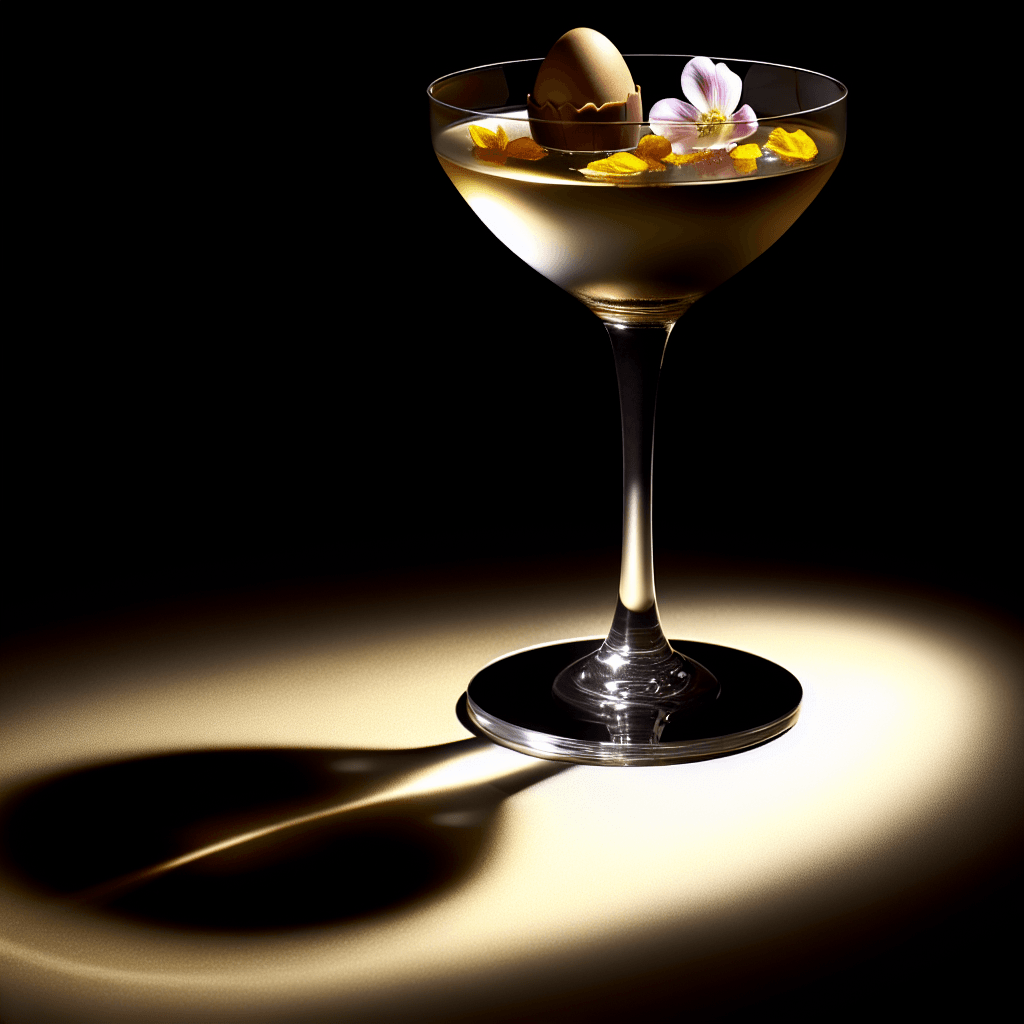
The Amaretto Sour was reinvented by bartender Jeffrey Morgenthaler, who transformed it from a syrupy punchline into a legitimate classic by adding bourbon for backbone and egg white for texture. His version balances the nutty sweetness of amaretto with citrus brightness and whiskey strength. It is proof that any cocktail can be elevated with the right technique.
The Amaretto Sour stands as one of the greatest cocktail redemption stories in modern mixology. Once dismissed as a cloying, artificial-tasting drink served at chain restaurants, this Italian-American classic was completely transformed by innovative bartenders who understood that great cocktails require balance. Today's Amaretto Sour showcases the beautiful marriage of nutty amaretto liqueur with bright citrus and rich whiskey backbone, creating a sophisticated sipper that's both approachable and complex. It's proof that any cocktail, no matter how maligned, can be elevated to greatness with the right technique and quality ingredients.
📝 Ingredients
- 0.75 oz Bourbon Whiskey🛒 Amazon
- 0.25 oz Simple Syrup🛒 Amazon
- 1 piece Maraschino Cherry(optional)🛒 Amazon
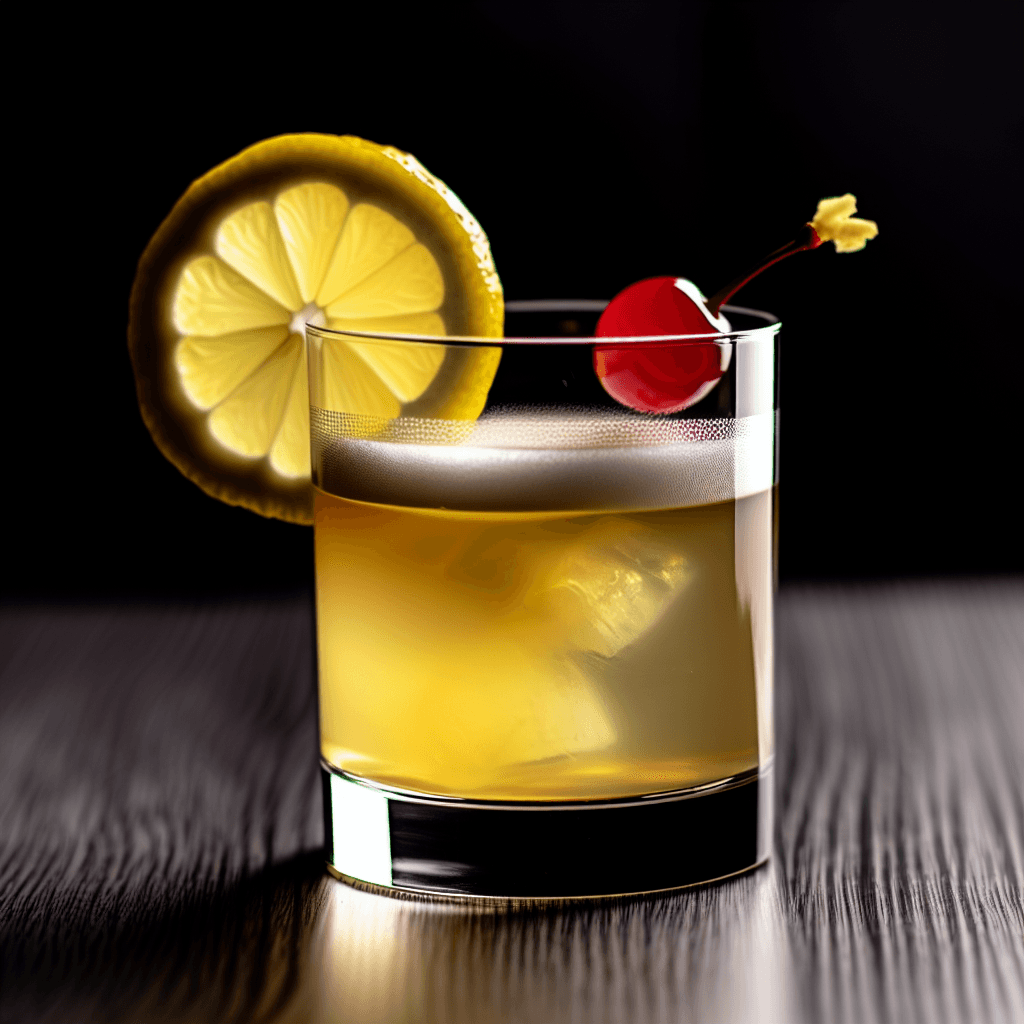
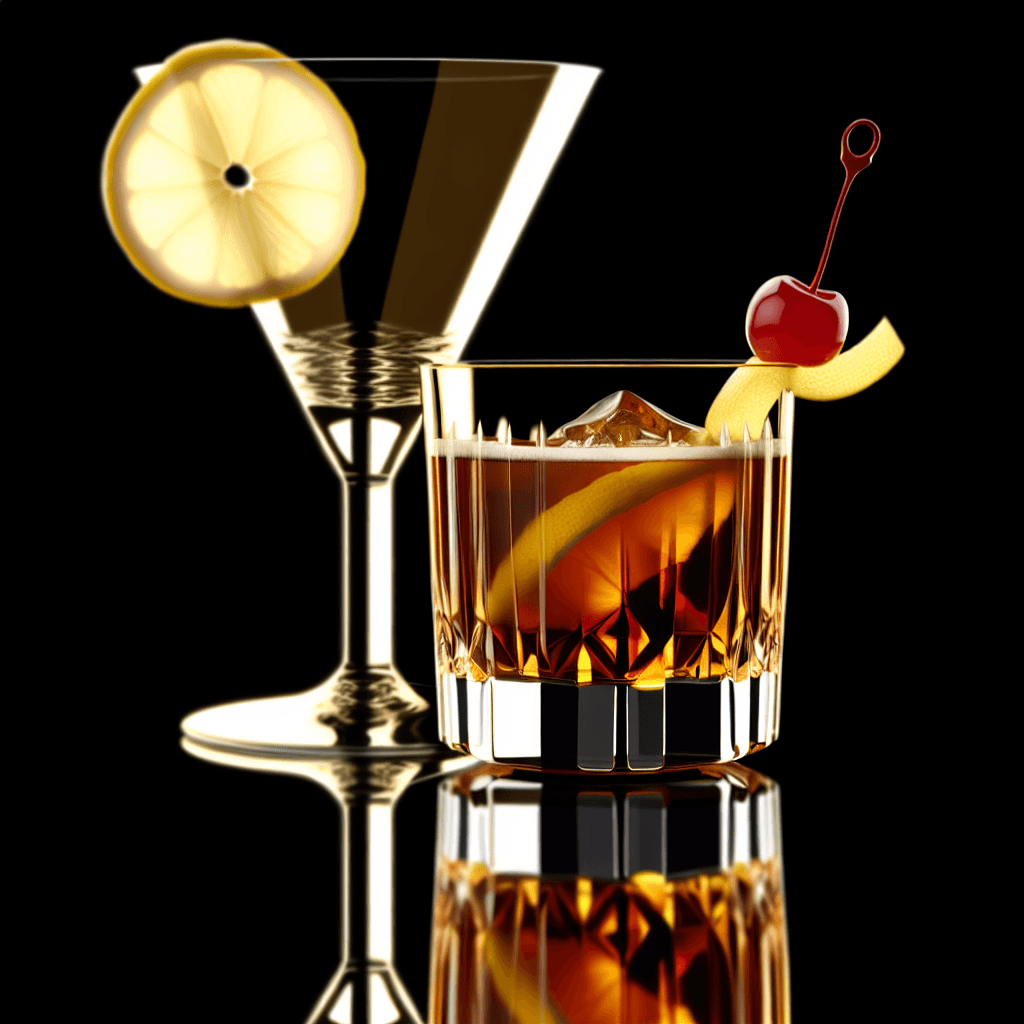
Garnish: Lemon peel and cherry
👨🍳 Instructions
Combine the amaretto, bourbon, lemon juice, simple syrup, and egg white (if using) in a shaker without ice. Dry shake vigorously for 15 seconds to emulsify.
Add ice to the shaker and shake again for 12-15 seconds until well chilled.
Strain into a rocks glass over fresh ice.
Garnish with a lemon peel and a maraschino cherry. Serve immediately.
Flavor Profile
Tools Needed
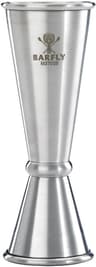
Jigger
View on Amazon →
Cocktail Shaker (Boston)
View on Amazon →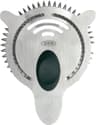
OXO SteeL Cocktail Strainer (Hawthorne)
View on Amazon →
Channel Knife/Peeler
View on Amazon →
Citrus Juicer
View on Amazon →
Cocktail Pick Set
View on Amazon →
Rocks Glass Set
View on Amazon →💡 Pro Tips
- 1
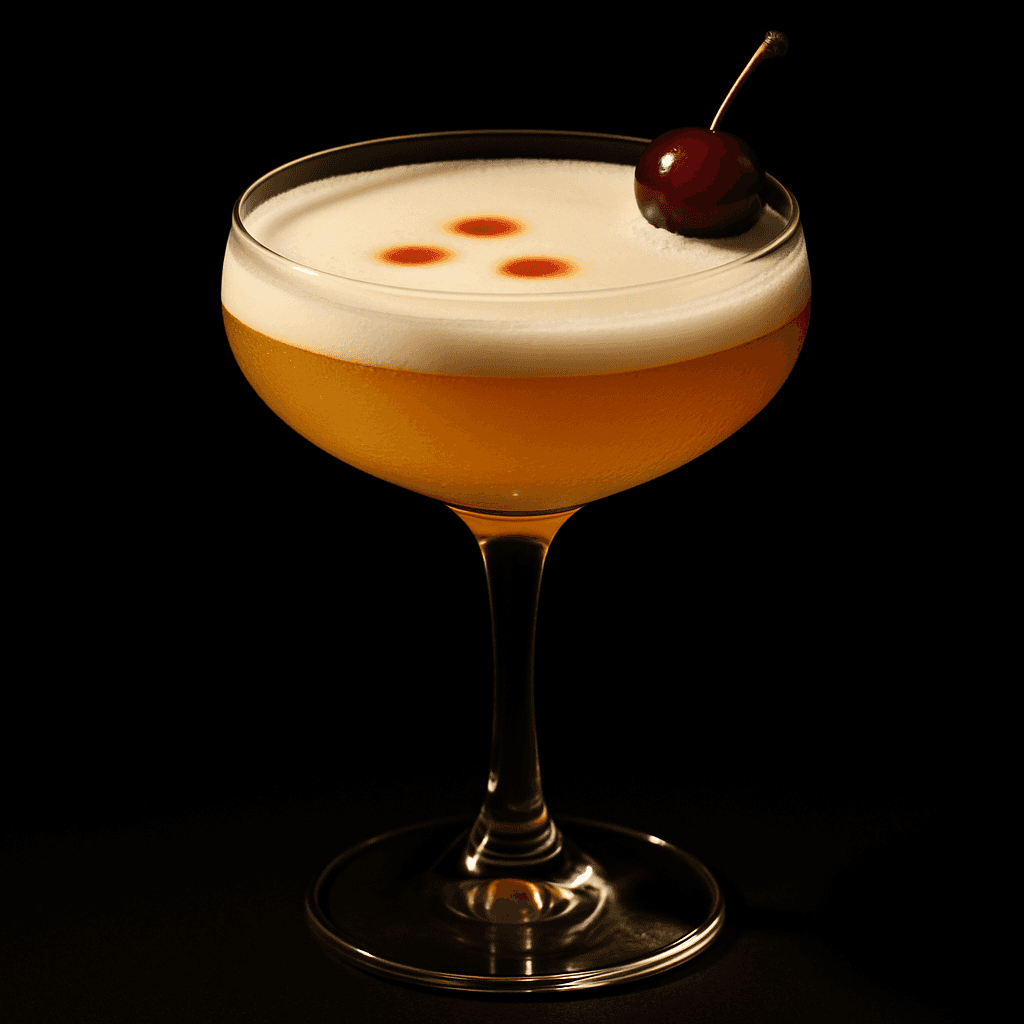
Always dry shake first without ice to properly emulsify the egg white, creating that signature silky foam cap that defines the modern Amaretto Sour
- 2
Choose a high-quality amaretto like Disaronno Originale or Luxardo over cheaper alternatives—the nutty, complex flavors are essential to the drink's success
- 3
Use a full 3/4 ounce of bourbon; don't be tempted to reduce it as the whiskey provides crucial backbone that prevents the drink from becoming cloying
- 4
Fresh lemon juice is non-negotiable—bottled juice will destroy the bright acidity that balances the amaretto's sweetness
- 5
Double strain through a fine mesh to ensure a smooth, professional presentation free of ice chips or egg white clumps
📜 History & Origin
The original Amaretto Sour emerged in the 1970s as amaretto liqueur gained popularity in American bars, but it quickly became notorious for its overly sweet, one-dimensional profile. The turning point came in 2012 when Portland bartender Jeffrey Morgenthaler published his revolutionary take on the drink, adding bourbon whiskey for structure and egg white for silky texture. His version wasn't just a tweak—it was a complete reimagining that proved how classic cocktail principles could resurrect even the most scorned drinks. Morgenthaler's approach honored the original's Italian-American roots while applying modern craft cocktail techniques. The addition of bourbon created the backbone the drink desperately needed, while the egg white provided the luxurious mouthfeel that elevated it from bar rail mixer to craft cocktail worthy of serious consideration. This transformation sparked a broader movement among bartenders to revisit and rehabilitate maligned vintage cocktails, proving that innovation often means looking backward with fresh eyes.