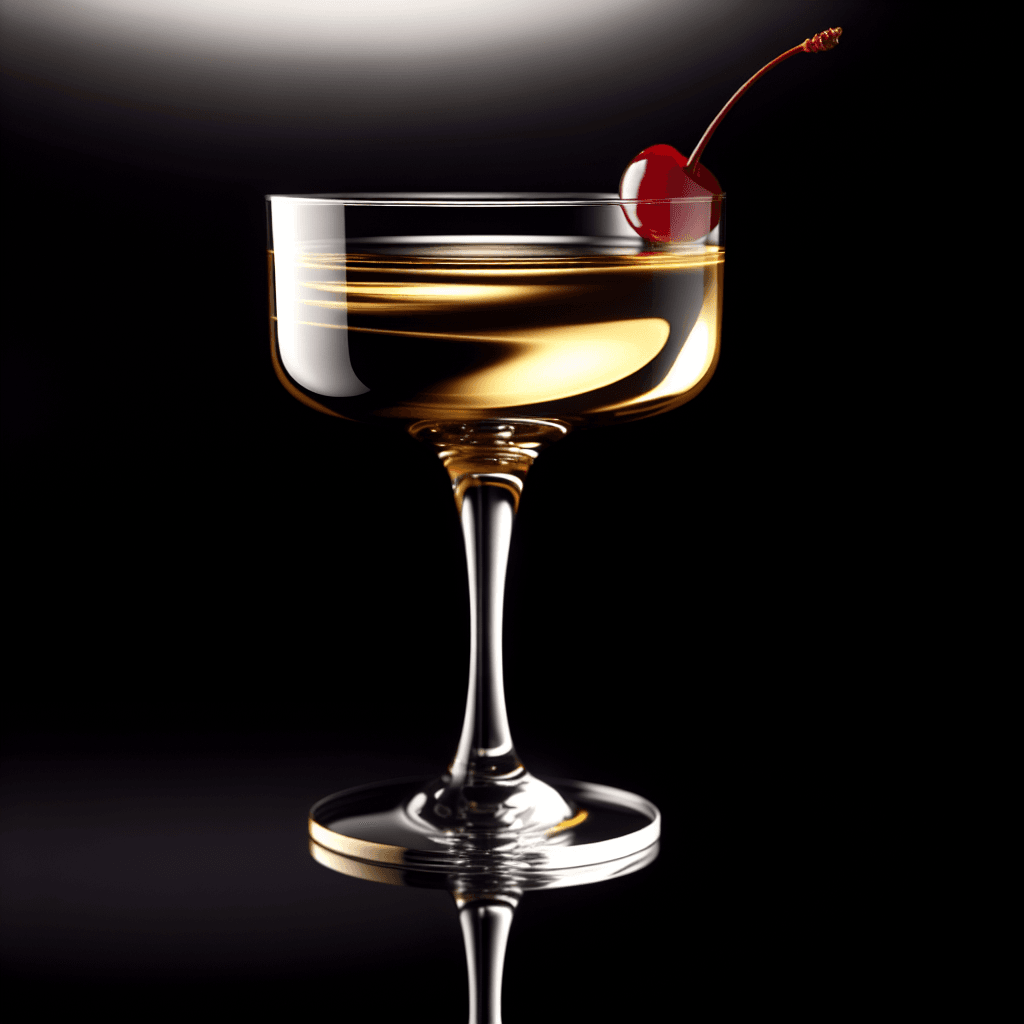
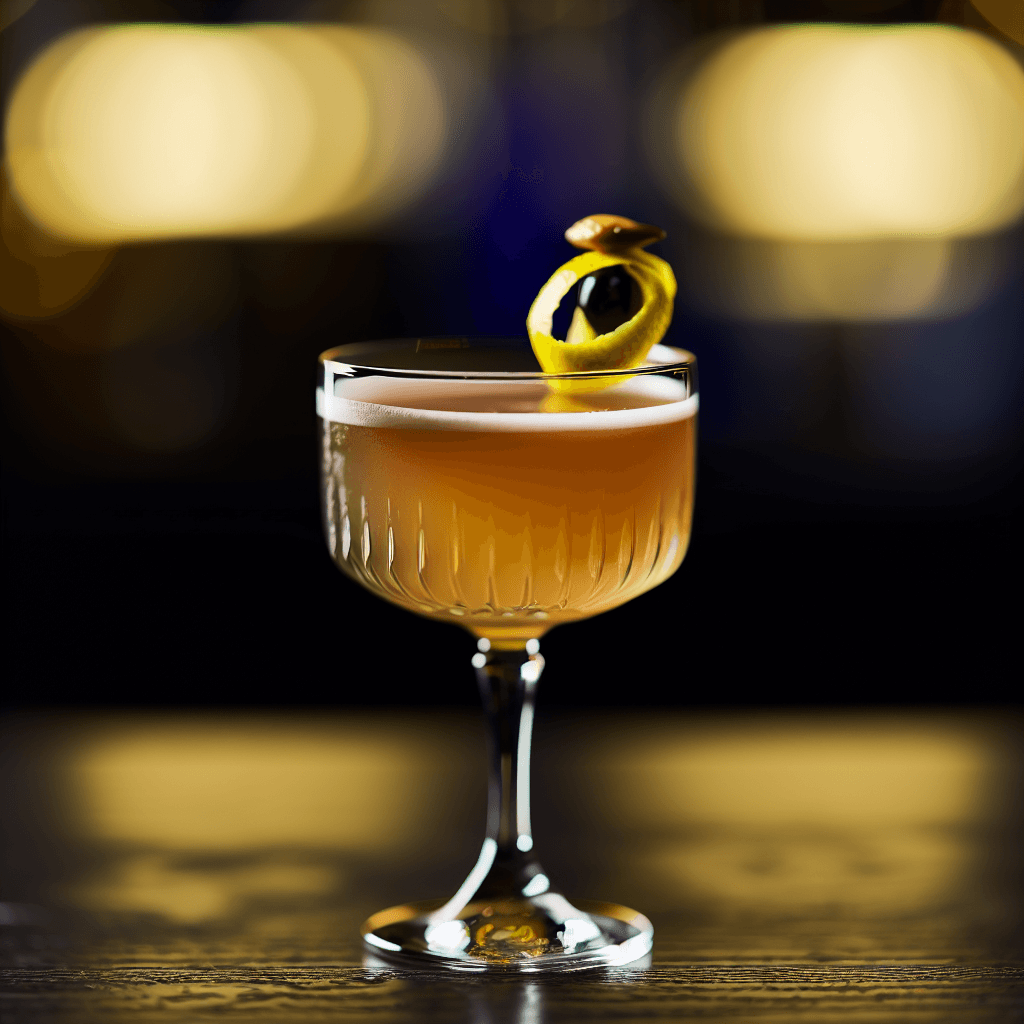
Corpse Reviver #2
The Corpse Reviver #2 belongs to a family of "hair of the dog" cocktails published in the Savoy Cocktail Book in 1930, where Harry Craddock warned "four of these taken in swift succession will un-revive the corpse again." Its equal-parts formula of gin, Cointreau, Lillet (or dry vermouth), and lemon, with a rinse of absinthe, creates a drink that is bracingly fresh and dangerously quaffable.
The Corpse Reviver #2 stands as one of cocktail history's most wickedly named and brilliantly balanced drinks. Born in the Prohibition era as a "hair of the dog" cure, this equal-parts masterpiece delivers a symphony of citrus brightness, herbal complexity, and subtle anise whispers that dance on your palate. With its ominous moniker and Harry Craddock's famous warning about overconsumption, this cocktail embodies the roaring twenties' spirit of rebellion and sophistication. Don't let the macabre name fool you—this drink is very much alive, offering a refreshing complexity that has captivated bartenders and cocktail enthusiasts for nearly a century.
📝 Ingredients
- 0.75 oz London Dry Gin🛒 Amazon
- 0.75 oz Dry Vermouth🛒 Amazon
- 0.75 oz Fresh Lemon Juice🛒 Amazon
- 1 piece Orange Peel(optional)🛒 Amazon
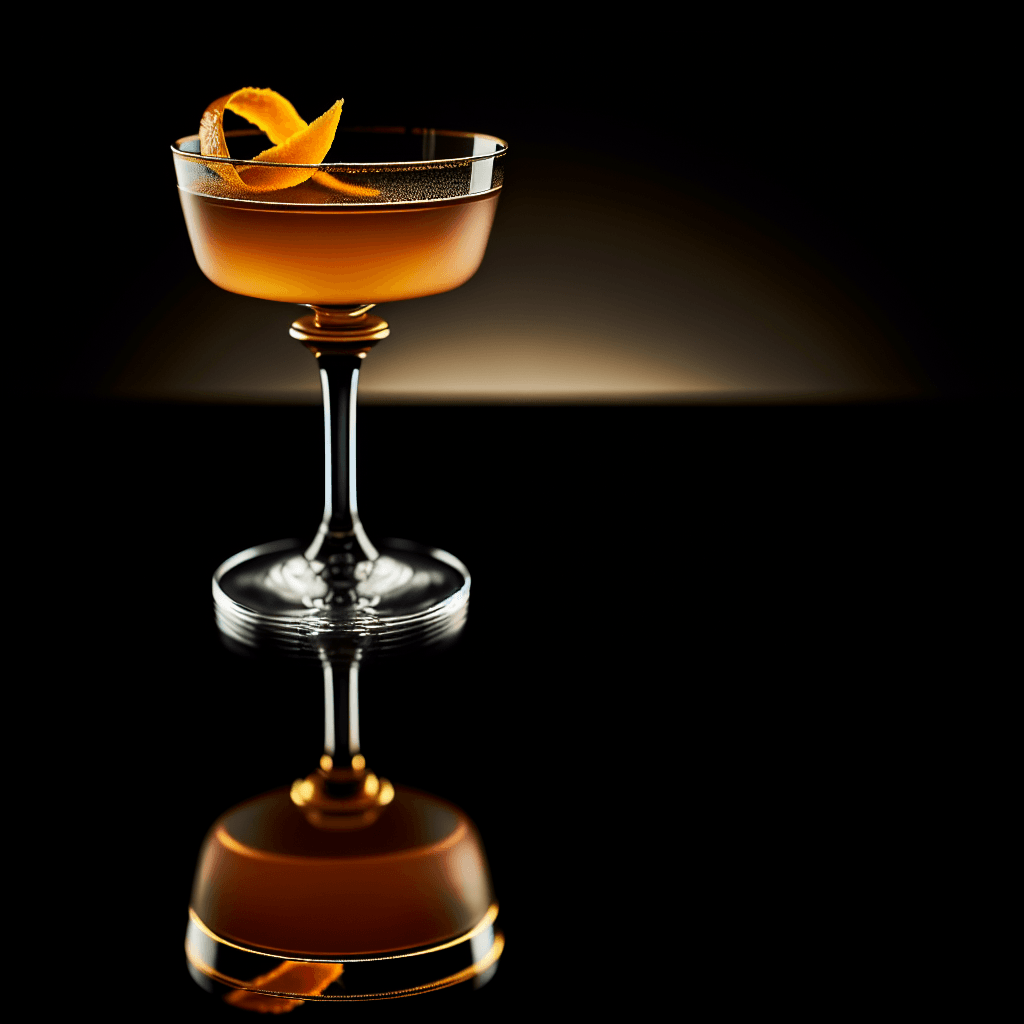
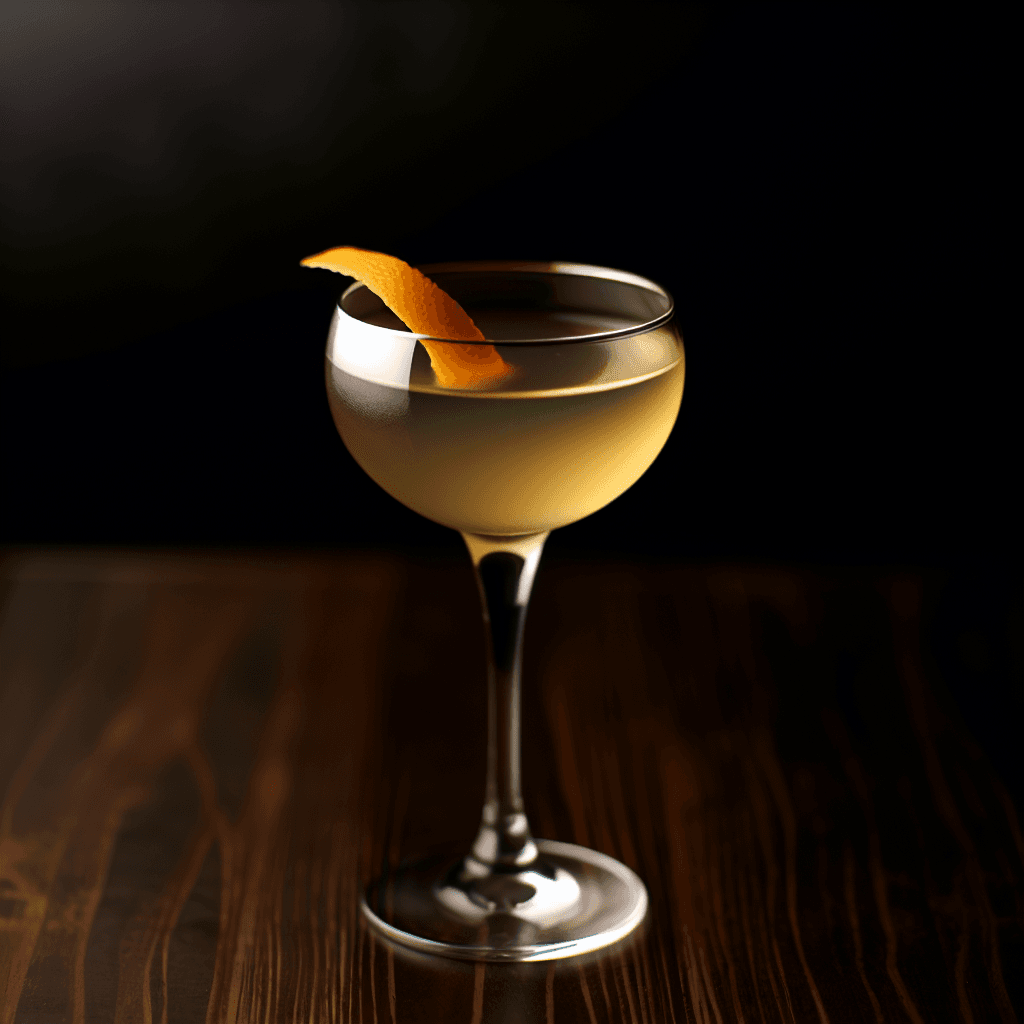
Garnish: Orange twist
👨🍳 Instructions
Rinse a chilled coupe glass with a small amount of absinthe, swirling to coat the inside, then discarding the excess.
Combine the gin, Cointreau, dry vermouth, and fresh lemon juice in a cocktail shaker filled with ice.
Shake vigorously for 12-15 seconds until well chilled.
Fine-strain into the absinthe-rinsed coupe glass.
Garnish with an orange twist. Serve immediately.
Flavor Profile
Tools Needed
Jigger
View on Amazon →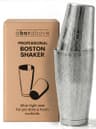
Cocktail Shaker (Boston)
View on Amazon →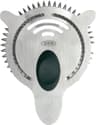
OXO SteeL Cocktail Strainer (Hawthorne)
View on Amazon →
Channel Knife/Peeler
View on Amazon →
Citrus Juicer
View on Amazon →
Coupe Glass Set
View on Amazon →💡 Pro Tips
- 1
Use high-quality London Dry Gin as your base—Plymouth or Tanqueray work beautifully, providing the botanical backbone this cocktail demands without overwhelming the delicate balance.
- 2
The absinthe rinse is crucial but easily overdone. Use just enough to coat the glass, then discard the excess. Too much absinthe will dominate the drink's elegant harmony.
- 3
Fresh lemon juice is non-negotiable—bottled juice will destroy the bright, clean finish that makes this cocktail shine. Juice your lemons just before mixing for optimal flavor.
- 4
If you can find Cocchi Americano or Kina L'Aero d'Or, use them instead of dry vermouth to recreate the original Kina Lillet's quinquina character and add subtle bitterness.
- 5
Shake with authority—this cocktail needs vigorous agitation to properly integrate the equal parts and achieve the silky texture that separates a good CR#2 from a great one.
📜 History & Origin
The Corpse Reviver #2 emerged from the legendary Savoy Hotel in London during the 1930s, immortalized by head bartender Harry Craddock in his iconic Savoy Cocktail Book. Part of a family of "corpse reviver" cocktails designed as morning-after remedies, the #2 quickly overshadowed its siblings to become the most celebrated version. Craddock's recipe came with a deliciously dark warning: "Four of these taken in swift succession will un-revive the corpse again," highlighting both the drink's potency and the era's dry wit. The cocktail represents the golden age of mixology, when equal-parts formulations ruled supreme and bartenders were true alchemists. Originally calling for Kina Lillet instead of dry vermouth, the drink has evolved with ingredient availability while maintaining its essential character. Its revival during the craft cocktail renaissance of the 2000s proved that great cocktails, like legends, never truly die. The drink's perfect balance of gin's botanicals, orange liqueur's sweetness, wine's depth, lemon's acidity, and absinthe's herbal mystery creates a template that countless modern bartenders still study and admire.