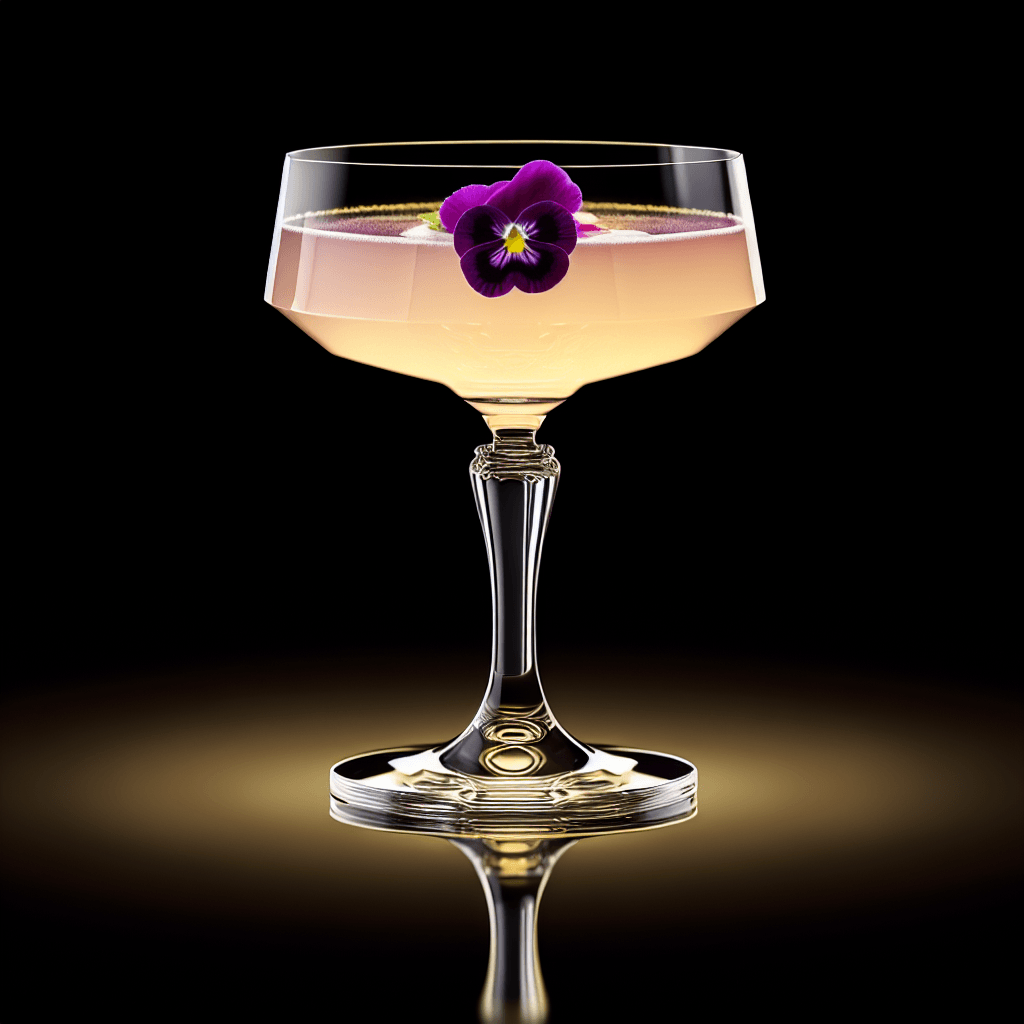
Sidecar
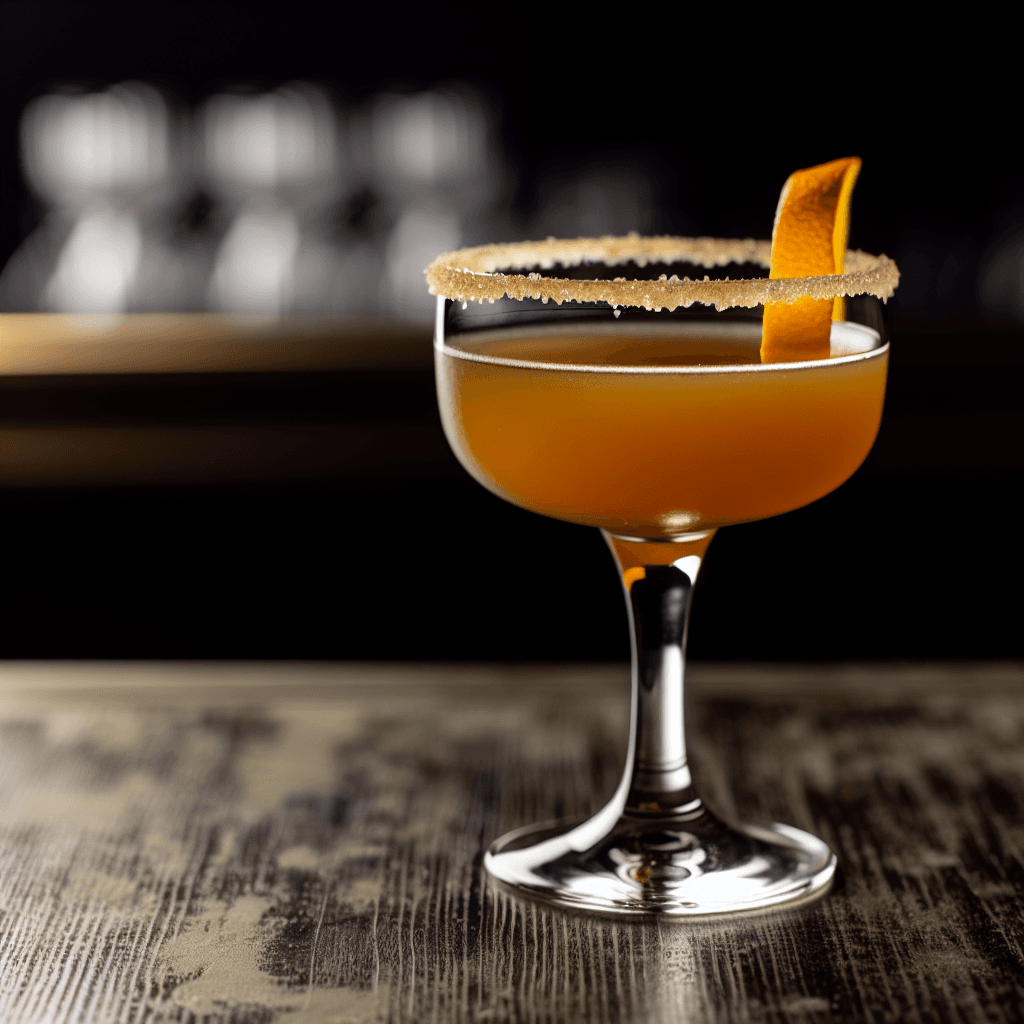
O Sidecar surgiu durante a Primeira Guerra Mundial, provavelmente criado no Ritz Paris ou no Harry's New York Bar em Paris. É o coquetel de brandy por excelência, combinando conhaque com licor de laranja e suco de limão numa fórmula que inspirou inúmeras variações. Uma borda açucarada adiciona um toque de doçura que equilibra perfeitamente o cítrico azedo.
O Sidecar permanece como uma das criações mais elegantes e duradouras da história da coquetelaria, um testemunho da arte dos bartenders do início do século XX. Nascido nos cafés de Paris durante a Primeira Guerra Mundial, este sofisticado aperitivo transforma três ingredientes simples—conhaque, licor de laranja e suco de limão fresco—em poesia líquida. O que torna o Sidecar verdadeiramente especial é seu equilíbrio perfeito: as notas quentes e complexas do conhaque dançando com cítricos vibrantes e a doçura sutil do licor de laranja premium. A borda açucarada opcional não é apenas decoração; é o toque final que eleva este coquetel de bom para extraordinário, criando uma interação harmoniosa entre doce e azedo que tem cativado bebedores por mais de um século.
📝 Ingredientes
- 0.75 oz Suco de Limão Fresco🛒 Amazon
- 1 pitada Açúcar (para bordas)(opcional)🛒 Amazon
- 1 pedaço Casca de Laranja(opcional)🛒 Amazon
Guarnição: Borda açucarada e casca de laranja
👨🍳 Instruções
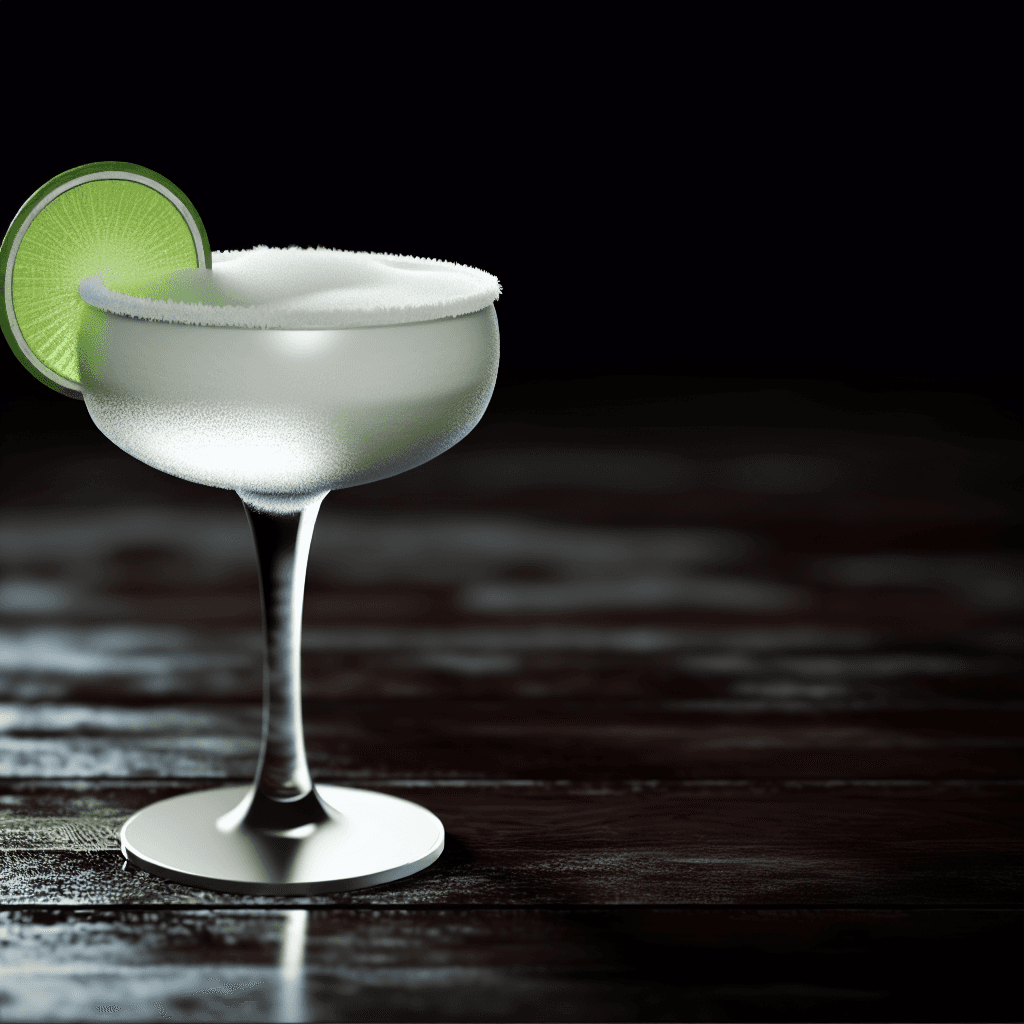
Opcionalmente, faça uma borda açucarada na taça coupe esfregando uma fatia de limão na borda e mergulhando-a num prato de açúcar refinado.
Combine o conhaque, Cointreau e suco de limão fresco numa coqueteleira cheia de gelo.
Agite vigorosamente por 12-15 segundos até ficar bem gelado.
Coe finamente para a taça coupe preparada.
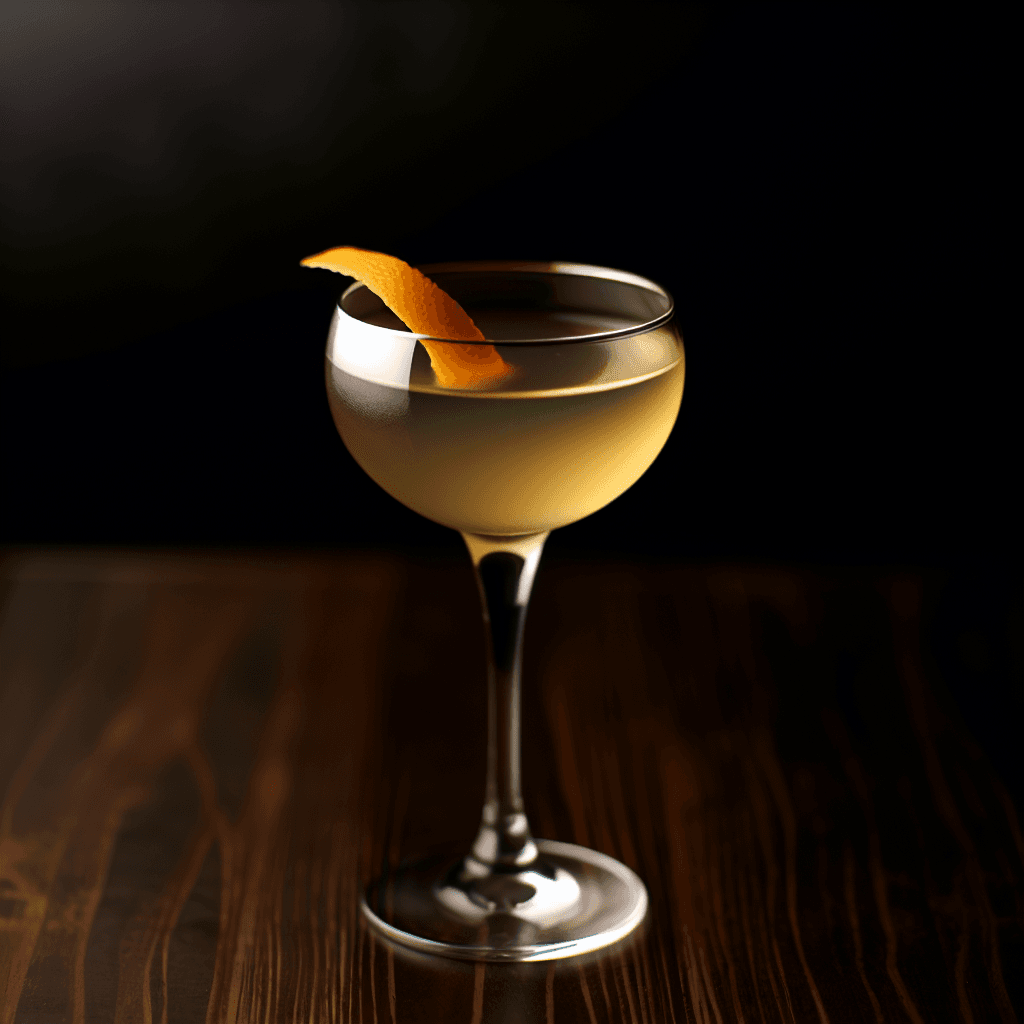
Decore com uma casca de laranja. Sirva imediatamente.
Perfil de Sabor
Ferramentas Necessárias
Jigger
View on Amazon →
Coqueteleira (Boston)
View on Amazon →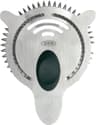
OXO SteeL Cocktail Strainer (Hawthorne)
View on Amazon →
Canelador/Descascador
View on Amazon →
Espremedor de Frutas Cítricas
View on Amazon →
Conjunto de Taças Coupe
View on Amazon →💡 Dicas de Especialista
- 1
Invista em conhaque de qualidade—grau VS funciona bem, mas VSOP elevará significativamente a bebida. O conhaque é a estrela, então não economize neste ingrediente crucial.
- 2
Use Cointreau em vez de triple sec genérico para o licor de laranja. Sua doçura equilibrada e sabor limpo de laranja cria a harmonia perfeita com o conhaque e limão.
- 3
Para a borda açucarada, use açúcar refinado e açucre apenas metade da taça. Isso permite que os bebedores controlem quanta doçura recebem a cada gole.
- 4
Agite vigorosamente com bastante gelo para obter diluição e temperatura adequadas. A bebida deve estar cristalina e gelada quando servida.
- 5
Expresse os óleos da casca de laranja sobre a bebida dando uma boa torcida, depois passe-a na borda antes de deixá-la cair—isso adiciona complexidade aromática que complementa lindamente o Cointreau.
📜 História e Origem
A história de origem do Sidecar lê como um romance ambientado na Paris em tempo de guerra. A maioria dos historiadores de coquetelaria credita sua criação aos lendários bartenders do Ritz Paris ou do Harry's New York Bar durante a Primeira Guerra Mundial, embora ambos estabelecimentos reivindiquem a honra. O conto mais colorido envolve um cliente misterioso que chegava ao bar numa moto com sidecar—daí o nome—pedindo uma bebida que o aquecesse após sua viagem gelada pelas ruas parisienses. O coquetel ganhou destaque durante a Lei Seca quando expatriados americanos afluíram para Paris, buscando tanto inspiração artística quanto bebidas legais. O Sidecar tornou-se sua bebida sofisticada de escolha, incorporando o glamour e a rebelião da Era do Jazz. Sua fórmula segue o modelo clássico do sour mas o eleva com a complexidade do conhaque e a doçura refinada do Cointreau. Ao longo das décadas, o Sidecar inspirou inúmeras variações e permanece como um pilar da cultura clássica de coquetéis, representando a era dourada da mixologia quando bartenders eram artistas e cada bebida contava uma história.