Last Word
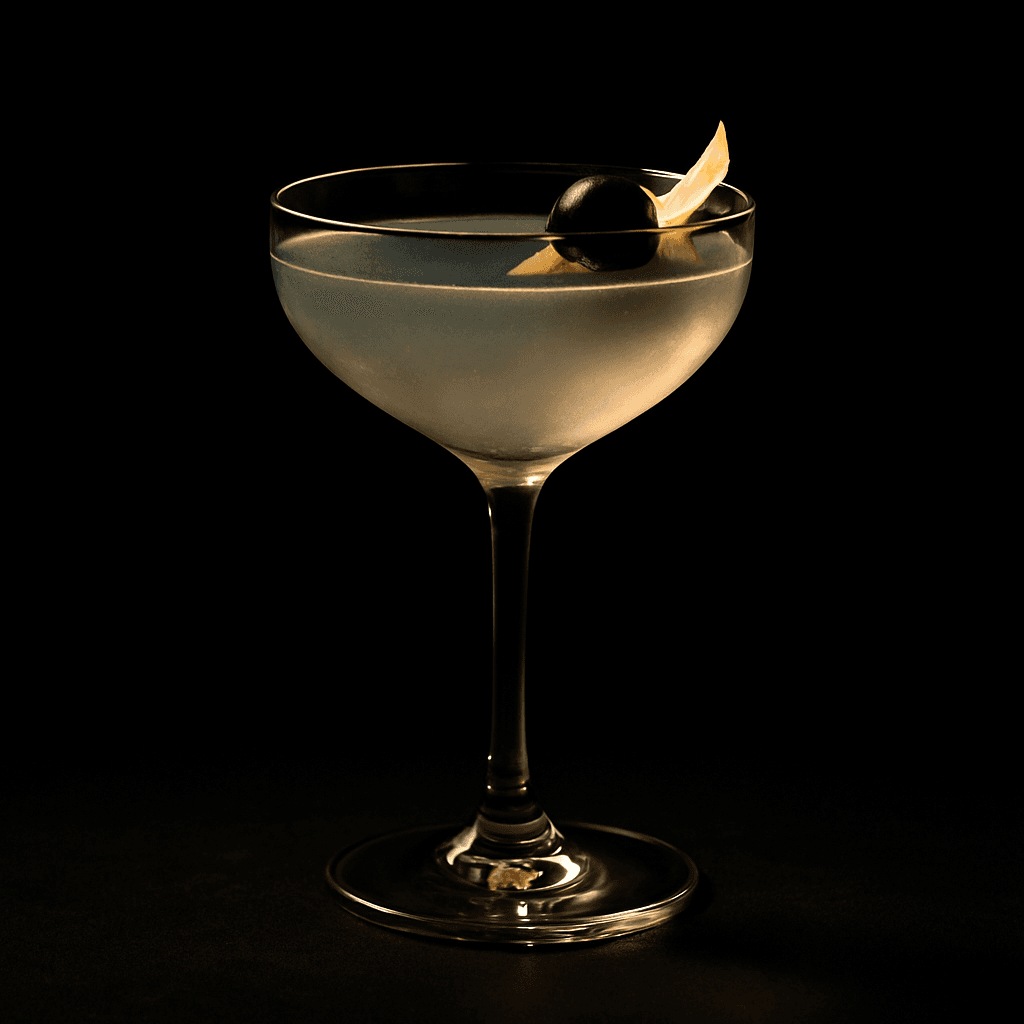
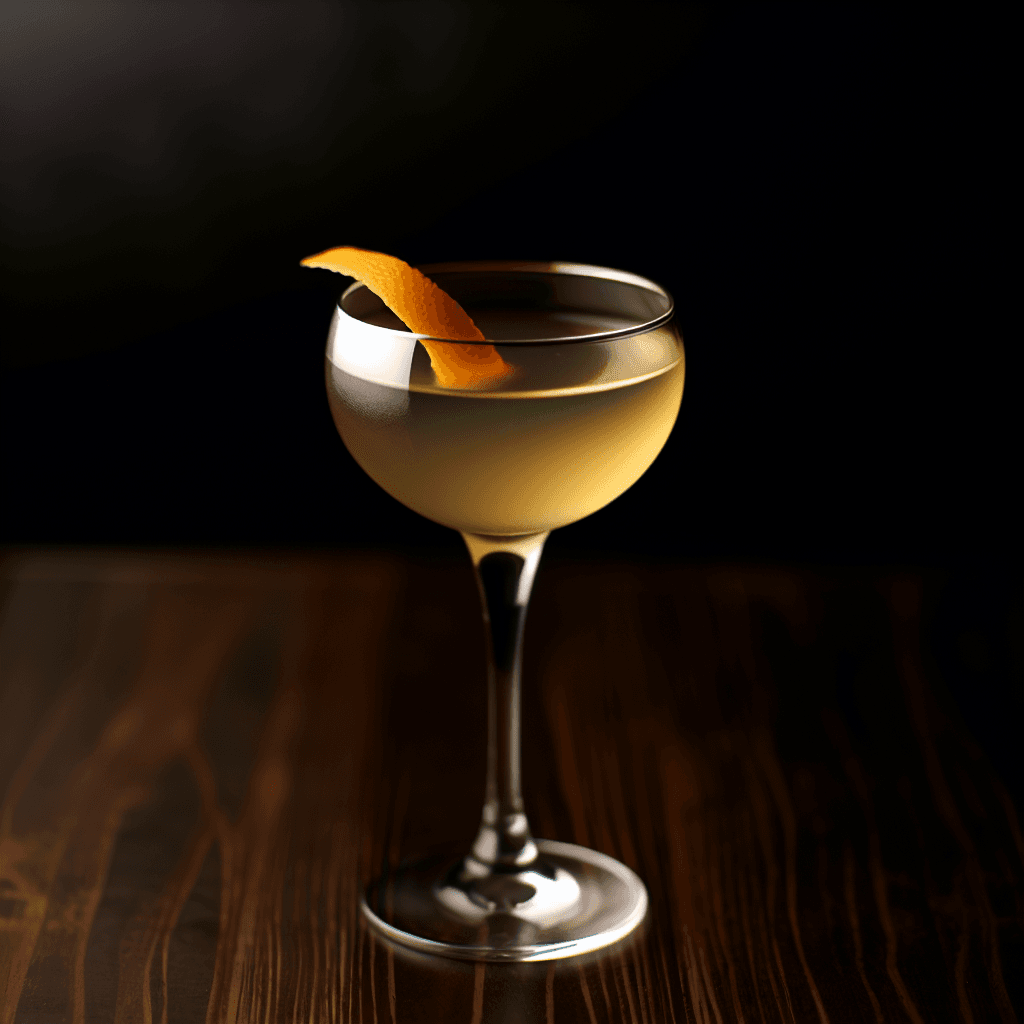
The Last Word was created at the Detroit Athletic Club during Prohibition and then forgotten for decades until bartender Murray Stenson rediscovered it at the Zig Zag Cafe in Seattle in 2004. Its equal-parts formula of gin, Green Chartreuse, maraschino liqueur, and lime creates a perfectly balanced cocktail that is at once herbal, sweet, and citrusy. It has since inspired dozens of variations.
The Last Word stands as one of cocktail history's most remarkable resurrection stories. This perfectly balanced equal-parts cocktail disappeared into obscurity after Prohibition, only to be dramatically rediscovered decades later and spark a modern cocktail renaissance. With its unique combination of gin, Green Chartreuse, maraschino liqueur, and lime juice, the Last Word delivers an impossibly harmonious blend of herbal complexity, subtle sweetness, and bright citrus that has captivated bartenders and cocktail enthusiasts worldwide. Its simple formula belies its sophisticated flavor profile, making it both approachable for home bartenders and endlessly inspiring for professionals seeking to create variations on its timeless theme.
📝 Ingredients
- 0.75 oz London Dry Gin🛒 Amazon
- 0.75 oz Green Chartreuse🛒 Amazon
- 0.75 oz Maraschino Liqueur🛒 Amazon
- 0.75 oz Fresh Lime Juice🛒 Amazon
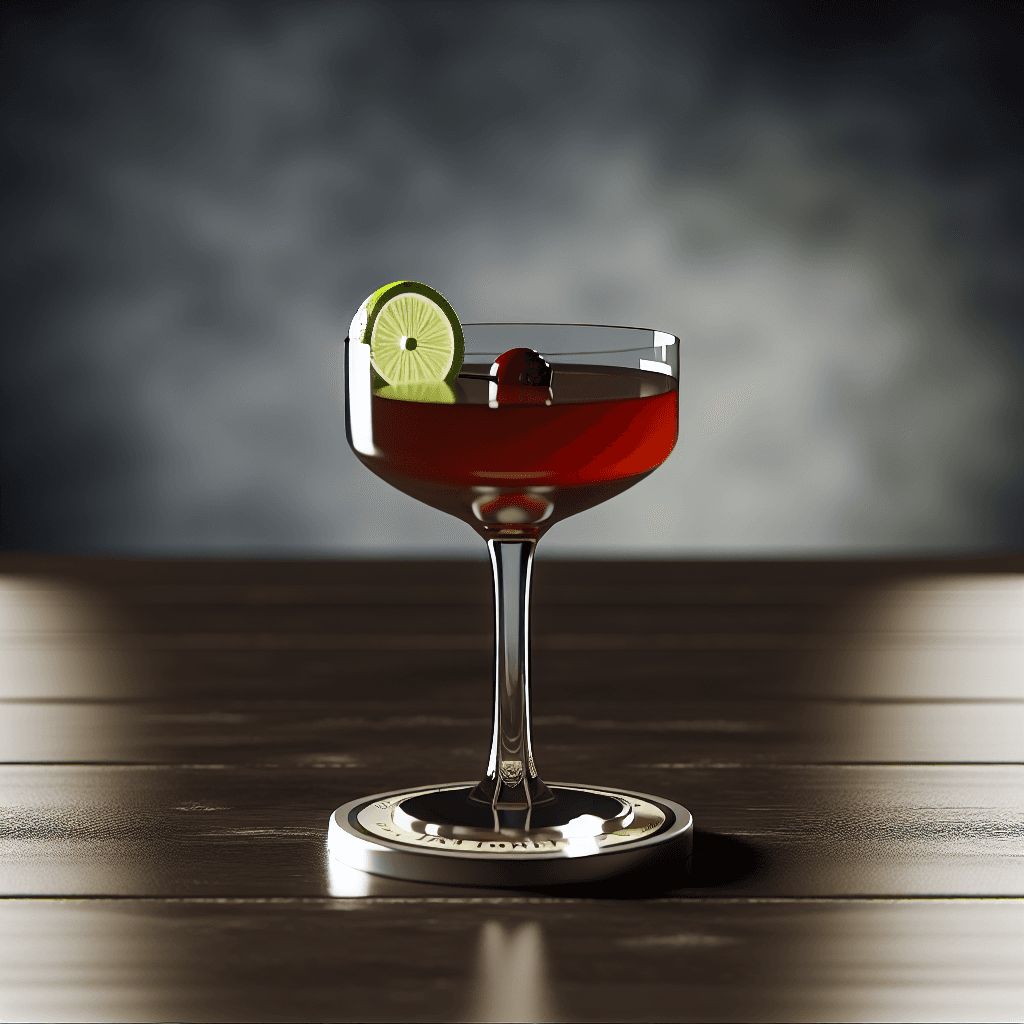
Garnish: Lime wheel or brandied cherry
👨🍳 Instructions
Combine the gin, Green Chartreuse, maraschino liqueur, and fresh lime juice in a cocktail shaker filled with ice.
Shake vigorously for 12-15 seconds until well chilled.
Fine-strain into a chilled coupe glass.
Optionally garnish with a lime wheel or a brandied cherry. Serve immediately.
Flavor Profile
Tools Needed
Jigger
View on Amazon →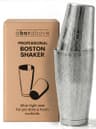
Cocktail Shaker (Boston)
View on Amazon →
OXO SteeL Cocktail Strainer (Hawthorne)
View on Amazon →
Citrus Juicer
View on Amazon →
Cocktail Pick Set
View on Amazon →
Coupe Glass Set
View on Amazon →💡 Pro Tips
- 1
Use a high-quality London Dry gin with pronounced juniper notes to stand up to the powerful Green Chartreuse - Plymouth or Tanqueray work exceptionally well
- 2
Invest in authentic Luxardo maraschino liqueur rather than substitutes - its complex cherry and almond notes are irreplaceable in this recipe
- 3
Fresh lime juice is absolutely critical - bottled juice will completely throw off the delicate balance of this equal-parts cocktail
- 4
Double-strain the cocktail to ensure a perfectly smooth texture, as the Green Chartreuse can sometimes leave small particles
- 5
Chill your coupe glass thoroughly beforehand - the Last Word is best served ice-cold to highlight its herbal complexity
📜 History & Origin
The Last Word's journey began in the 1920s at the prestigious Detroit Athletic Club, where it graced the cocktail menus during the height of Prohibition. Like many pre-Prohibition era cocktails, it vanished from collective memory as tastes shifted toward simpler drinks in the post-war era. For nearly eight decades, this gem lay buried in dusty cocktail manuals, seemingly lost forever. The cocktail's miraculous second act began in 2004 when Murray Stenson, bartender at Seattle's legendary Zig Zag Cafe, stumbled upon the recipe in Ted Saucier's 1951 book 'Bottoms Up.' Intrigued by its unusual equal-parts formula and exotic ingredients, Stenson decided to recreate it. The result was nothing short of revolutionary. The Last Word's revival coincided perfectly with the craft cocktail renaissance, and its complex interplay of flavors captured the imagination of a new generation of bartenders. The cocktail's popularity exploded, inspiring countless variations and riffs that continue to appear on menus worldwide, cementing its status as a modern classic.