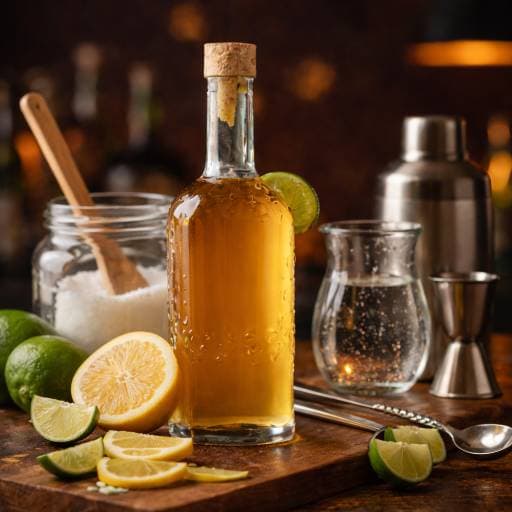
Il miele crudo è troppo denso per mescolarsi nei cocktail freddi. Lo sciroppo di miele risolve il problema — ecco come prepararlo nella giusta proporzione, scegliere il miele giusto e usarlo bene.
Hai una ricetta che richiede sciroppo di miele. Pensi di poter semplicemente versare del miele nello shaker. Questo non funziona. Il miele direttamente dal barattolo è troppo viscoso per incorporarsi in una bevanda fredda — affonda sul fondo, si attacca al ghiaccio e si rifiuta di mescolarsi uniformemente non importa quanto energicamente agiti. Ti ritrovi con un cocktail dove un sorso è stucchevolmente dolce e il successivo non ha dolcezza affatto.
Lo sciroppo di miele esiste per risolvere questo problema. Diluendo il miele con acqua calda, crei uno sciroppo versabile che si integra perfettamente nei cocktail freddi mantenendo il sapore distintivo del miele. Ci vogliono due minuti per prepararlo, dura settimane e sblocca alcuni dei migliori cocktail del repertorio moderno.
La Ricetta Base
Sciroppo di Miele 3:1 (standard):
- 3 parti di miele per volume
- 1 parte di acqua calda
Combina in un barattolo o contenitore resistente al calore. Mescola fino a quando il miele si dissolve completamente. Lascia raffreddare. Imbottiglia e refrigera.
Questa è la proporzione che la maggior parte delle ricette di cocktail assume quando richiedono "sciroppo di miele". È denso, viscoso e intensamente saporito — più vicino al carattere del miele puro che a una diluizione acquosa. Quando una ricetta richiede 0.75 once di sciroppo di miele, intende questa concentrazione.
Sciroppo di Miele 2:1 (più leggero):
- 2 parti di miele
- 1 parte di acqua calda
Più sottile, più versabile e leggermente meno dolce per oncia. Alcuni bartender preferiscono questo per drink dove vogliono il sapore del miele senza tanta consistenza. Se usi il 2:1 dove una ricetta si aspetta il 3:1, aumenta la quantità di circa il 25% per compensare.
Sciroppo di Miele 1:1 (leggero):
- Parti uguali di miele e acqua calda
Molto sottile e facile da versare, ma il sapore del miele diventa sottile. Funziona nei long drink e nelle bevande più leggere dove vuoi un sussurro di miele piuttosto che una dichiarazione.
Non riscaldare il miele oltre circa 160°F (71°C). Far bollire il miele può distruggere alcuni dei composti aromatici floreali che lo fanno sapere di miele piuttosto che di zucchero semplice. Acqua calda del rubinetto o acqua riscaldata fino al vapore è sufficiente.
Perché il Tipo di Miele Conta
Non tutto il miele è uguale, e la varietà che scegli cambia significativamente il tuo cocktail.
Il miele di trifoglio è lo standard — delicato, dolce, floreale e neutro abbastanza da funzionare in qualsiasi cocktail. Questo è quello che la maggior parte delle ricette assume. Il miele del supermercato è quasi sempre di trifoglio o una miscela di trifoglio. È la scelta sicura.
Il miele millefiori ha note floreali più complesse e un sapore leggermente più assertivo. Funziona magnificamente nei cocktail a base di gin dove il carattere floreale complementa i botanici.
Il miele di grano saraceno è scuro, simile alla melassa e intensamente saporito — terroso, maltato, quasi salato. È eccezionale nei cocktail di whiskey, in particolare nel Penicillin, dove il sapore del miele scuro rinforza il scotch. Troppo intenso per delicati drink al gin.
Il miele di zagara ha un carattere agrumato-floreale brillante che si abbina naturalmente con cocktail agli agrumi. Eccellente in un Bee's Knees.
Il miele di acacia è molto leggero, delicato e dal gusto pulito. Buono quando vuoi dolcezza senza che il miele competa per l'attenzione.
Il miele di Manuka è costoso, dal sapore medicinale e non raccomandato per i cocktail. Riservalo per il tuo toast.
Per l'uso generale nei cocktail, inizia con miele di trifoglio di buona qualità. Passa al millefiori e grano saraceno una volta che capisci come si comporta il miele nelle tue bevande.
Cocktail Essenziali con Sciroppo di Miele
Gold Rush — 2 once di bourbon, 0.75 once di succo di limone fresco, 0.75 once di sciroppo di miele (3:1). Shakerato e filtrato. Creato al Milk & Honey a New York. Lo sciroppo di miele sostituisce lo sciroppo semplice in un template whiskey sour, e la differenza è drammatica — il drink è più ricco, più caldo e più complesso. Il miele e il bourbon sono partner naturali, entrambi apportano calore, vaniglia e profondità.
Bee's Knees — 2 once di gin, 0.75 once di succo di limone fresco, 0.75 once di sciroppo di miele. Shakerato e filtrato. Un cocktail dell'era del Proibizionismo dove il miele veniva presumibilmente usato per mascherare il sapore del gin di contrabbando. Con il gin moderno, il miele e i botanici si complementano magnificamente. Guarnisci con una scorza di limone.
Penicillin — 2 once di scotch blended, 0.75 once di succo di limone fresco, 0.75 once di sciroppo miele-zenzero, 0.25 once di scotch Islay in galleggiamento. La versione miele-zenzero si prepara aggiungendo zenzero fresco allo sciroppo di miele (lascia in infusione zenzero a fette nella miscela calda miele-acqua per 30 minuti, poi filtra). Il calore dello zenzero e la dolcezza del miele creano il ponte perfetto tra gli agrumi e il fumo dello scotch.
Brown Derby — 2 once di bourbon, 1 oncia di succo di pompelmo fresco, 0.5 once di sciroppo di miele. Shakerato. Un classico sottovalutato del ristorante Brown Derby di Hollywood. L'amarezza del pompelmo e la dolcezza del miele sono una coppia notevole.
Hot Toddy — 2 once di whiskey, 0.75 once di sciroppo di miele (o un cucchiaio di miele puro), 0.5 once di succo di limone fresco, 4–5 once di acqua calda. Puoi usare miele puro qui dato che l'acqua calda lo dissolve. Il Toddy è uno dei pochi cocktail dove il miele non sciropato funziona bene.
Durata e Conservazione
Lo sciroppo di miele 3:1 dura 2–3 settimane refrigerato (per maggiori dettagli sui tempi, vedi la nostra guida su quanto durano gli sciroppi fatti in casa). L'alta concentrazione di zucchero inibisce la crescita batterica, ma il contenuto d'acqua significa che alla fine fermerà o farà la muffa. Controlla le bolle (fermentazione) o l'opacità.
Lo sciroppo di miele 2:1 dura circa 2 settimane refrigerato.
Lo sciroppo di miele 1:1 dura circa 1 settimana refrigerato — il maggior contenuto d'acqua lo rende più deperibile.
Per estendere la durata, aggiungi 0.5 once di vodka per tazza di sciroppo. L'alcol aggiuntivo aiuta a conservarlo senza influire notevolmente sul sapore. Conserva in una bottiglia o barattolo di vetro pulito con chiusura ermetica. Se vedi muffa o fermentazione, scarta e prepara un lotto fresco. Con il rapporto 3:1, una tazza di sciroppo di miele dura per parecchi cocktail, quindi prepara piccoli lotti.