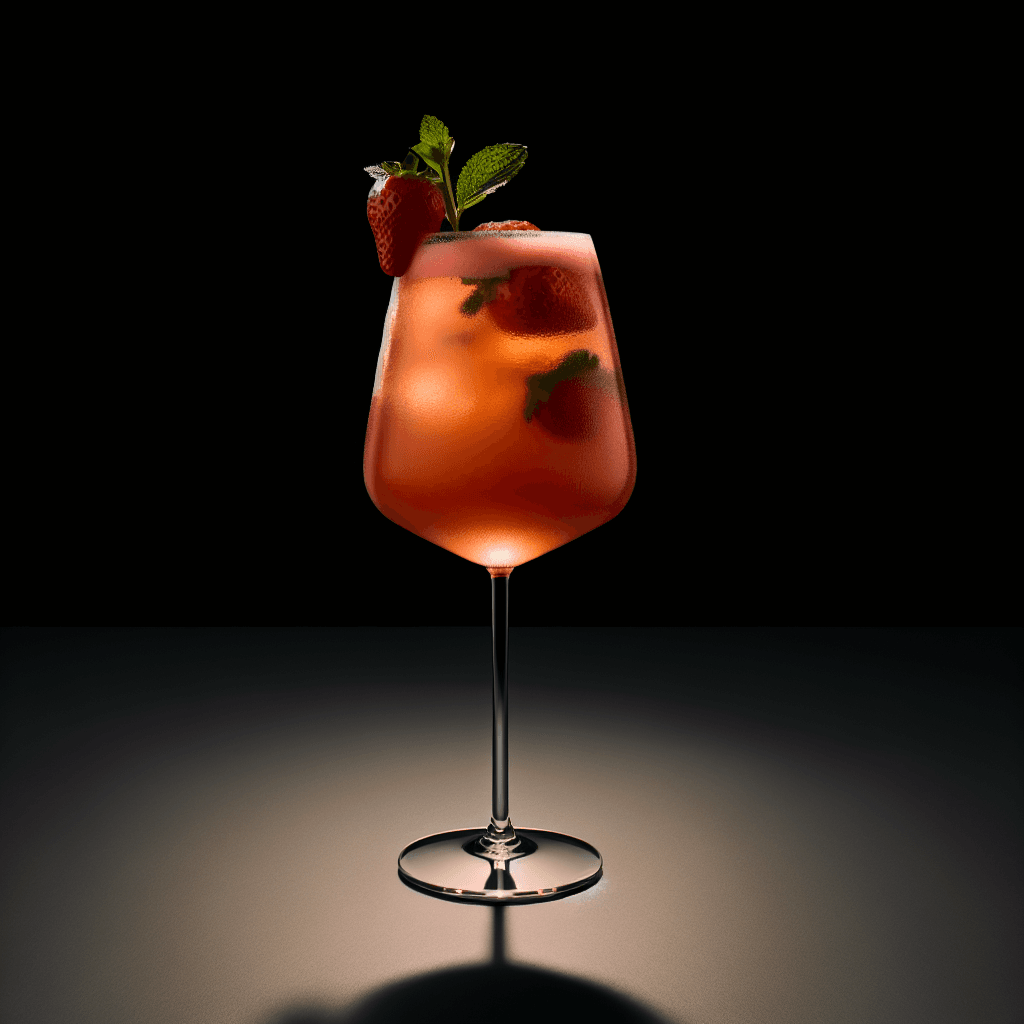
Spring Sangria
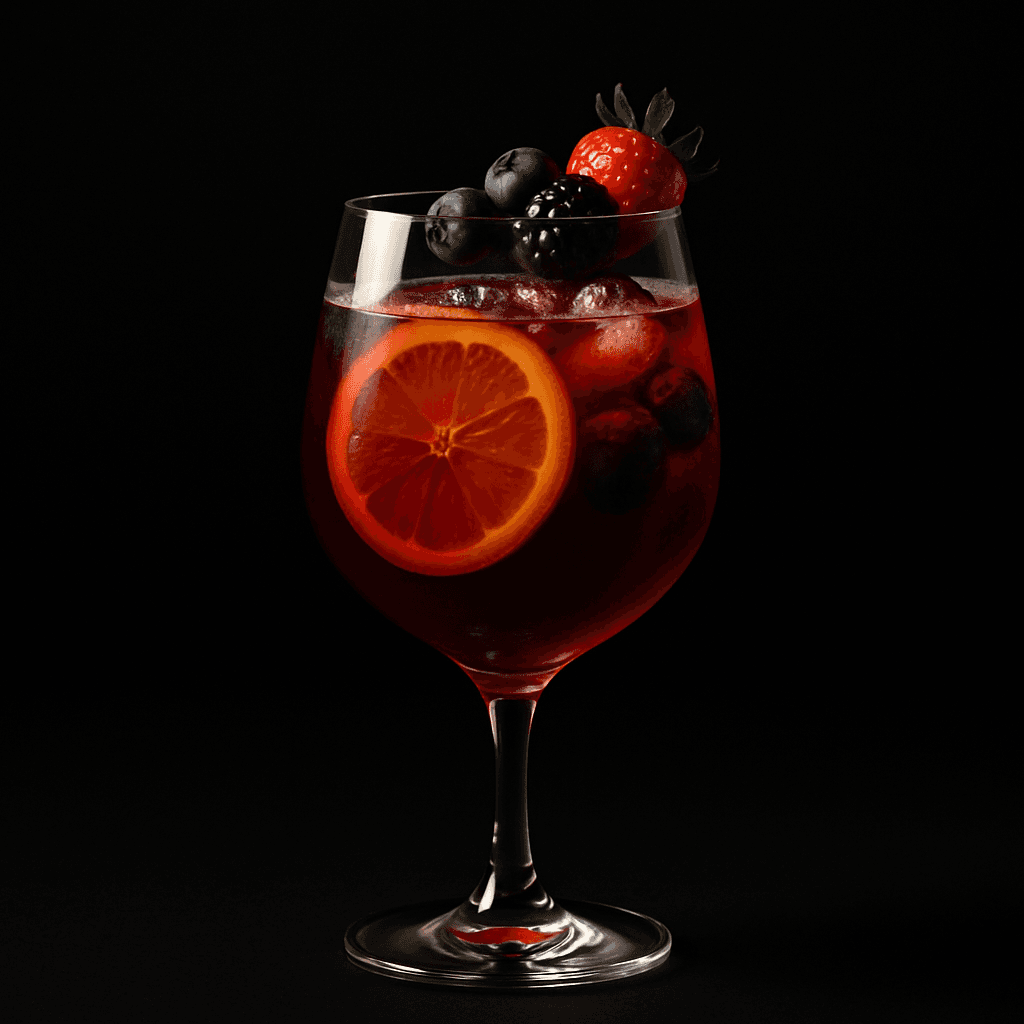
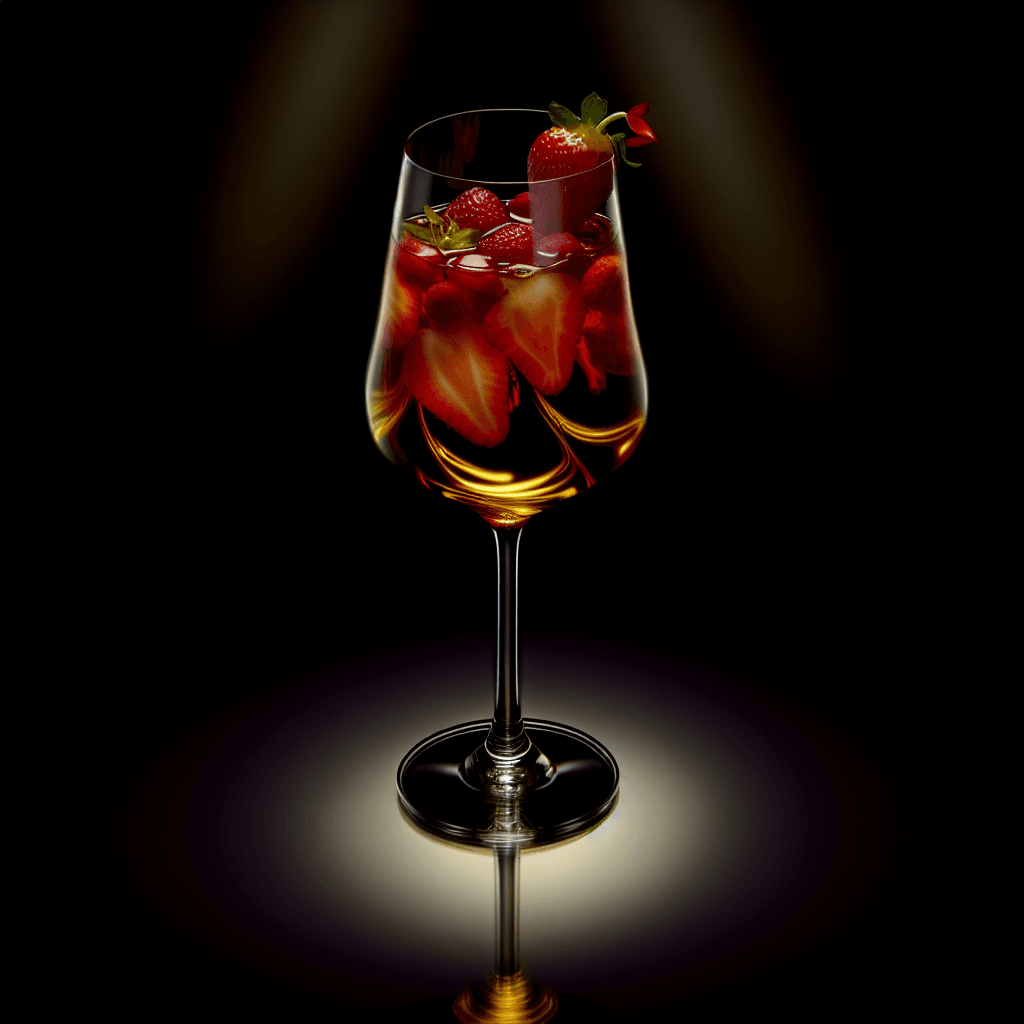
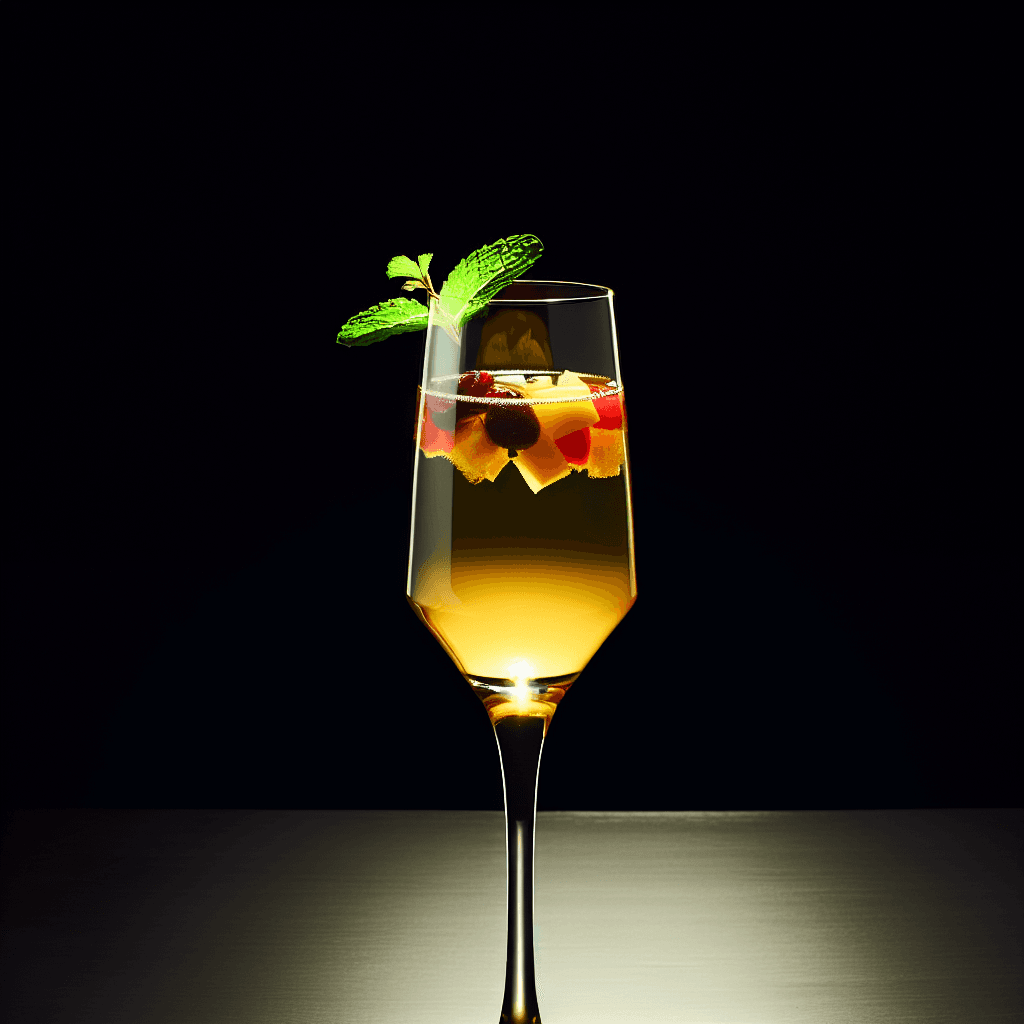
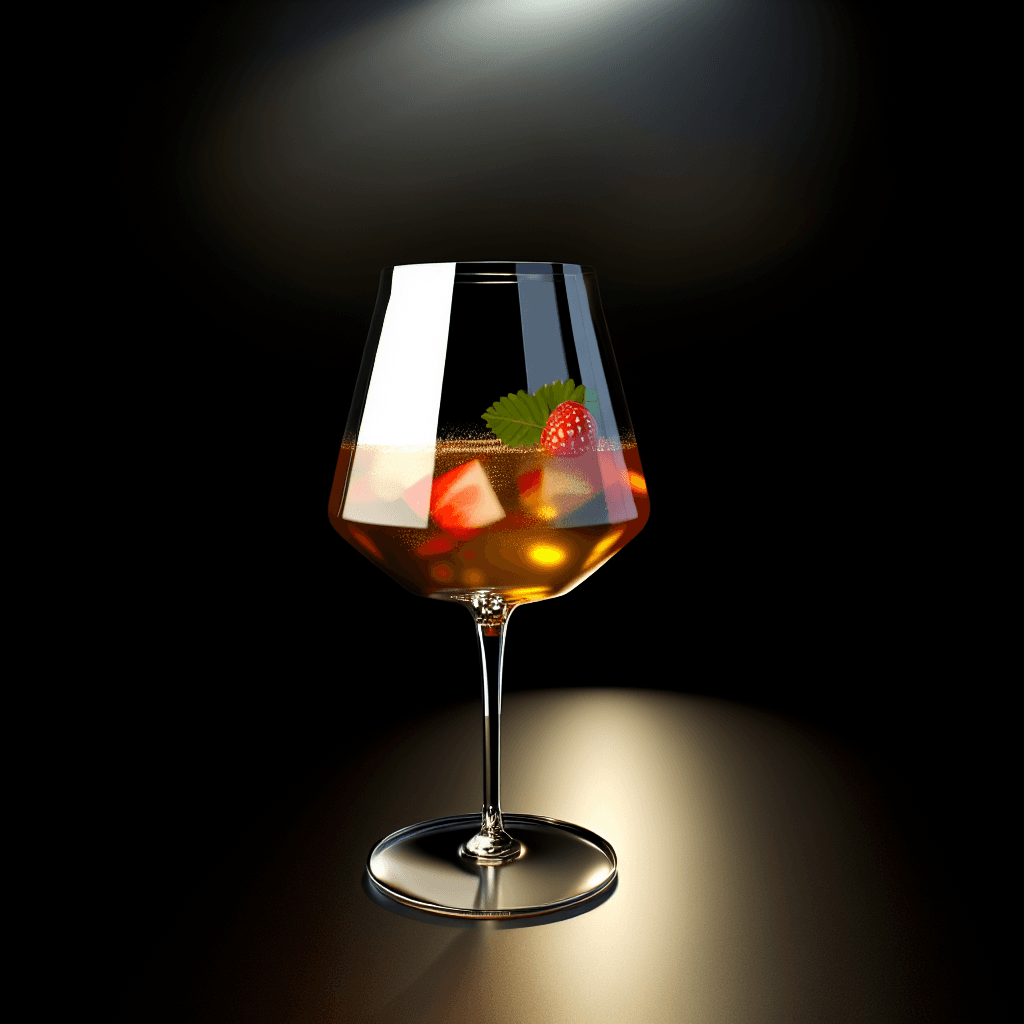
Una rinfrescante variante della classica sangria spagnola, con frutti stagionali vivaci, sambuco floreale e vino bianco frizzante. Questo cocktail perfetto per le caraffe cattura l'essenza della primavera in ogni sorso.
Quando la prima brezza tiepida di primavera sussurra tra gli alberi in fiore, non c'è modo migliore di celebrare la stagione che con una caraffa di Spring Sangria. Questa non è la tipica sangria pesante al vino rosso che domina i ritrovi estivi. Invece, questa interpretazione elegante abbraccia la delicata bellezza della primavera con vino bianco frizzante, profumato liquore di sambuco e un garden party di frutti freschi stagionali. È il ponte perfetto tra la fine dell'inverno e l'arrivo dell'estate—abbastanza leggera per feste pomeridiane in giardino, sufficientemente sofisticata per cene con gli amici e assolutamente irresistibile quando il sole inizia a rimanere alto oltre l'ora di cena.
Ricetta Creata da IA
Questa ricetta è stata creata dal nostro mixologo IA. Potrebbe non essere una ricetta tradizionale, ma dovrebbe essere un'interpretazione deliziosa.
📝 Ingredienti
- 25.4 oz Sauvignon Blanc🛒 Amazon
- 1 tazza Fragole Fresche🛒 Amazon
- 1 intero Fresh peach🛒 Amazon
- 0.5 tazza Green grapes🛒 Amazon
- 1 intero Fresh lemon🛒 Amazon
- 12 pezzo foglie di menta fresca🛒 Amazon
- 2 tazza Sparkling water🛒 Amazon
- 1 oz Sciroppo Semplice(facoltativo)🛒 Amazon
Guarnizione: Rametto di menta fresca e frutti stagionali misti
👨🍳 Istruzioni
In una grande caraffa, unire le fragole affettate, le fette di pesca, l'uva tagliata a metà e le rondelle di limone.
Aggiungere 8 foglie di menta nella caraffa e pestare delicatamente la frutta e la menta insieme con un cucchiaio di legno, facendo attenzione a non pestare eccessivamente.
Versare il liquore di sambuco e il brandy, mescolando per rivestire la frutta.
Aggiungere l'intera bottiglia di vino bianco e mescolare delicatamente per unire tutti gli ingredienti.
Assaggiare e aggiungere sciroppo semplice se desiderato per una dolcezza aggiuntiva.
Refrigerare per almeno 2 ore o fino a 24 ore per permettere ai sapori di amalgamarsi.
Appena prima di servire, aggiungere l'acqua frizzante fredda e mescolare delicatamente.
Servire con ghiaccio in calici da vino, assicurandosi che ogni bicchiere abbia una generosa porzione della frutta macerata e guarnire con i rametti di menta fresca rimanenti.
Profilo Aromatico
Strumenti Necessari

Jigger
View on Amazon →
Mixing Glass
View on Amazon →
Cucchiaio da Bar
View on Amazon →
OXO SteeL Cocktail Strainer (Hawthorne)
View on Amazon →
Muddler
View on Amazon →💡 Consigli dell'Esperto
- 1
Usa un vino bianco secco e frizzante come Sauvignon Blanc o Pinot Grigio—evita Chardonnay invecchiati in botte che possono sopraffare i delicati sapori primaverili
- 2
Lascia raffreddare la sangria per almeno 2 ore prima di servire per permettere ai frutti di macerarsi e ai sapori di amalgamarsi
- 3
Aggiungi l'acqua frizzante solo prima di servire per mantenere l'effervescenza e prevenire la diluizione
- 4
Pesta delicatamente alcune foglie di menta nella caraffa per uno strato extra di freschezza
- 5
Servi con ghiaccio in calici da vino e incoraggia gli ospiti a mangiare la frutta macerata—è deliziosa e fa parte dell'esperienza
📜 Storia e Origine
Le radici della sangria risalgono all'antica Roma, dove il vino veniva mescolato con acqua, miele e spezie sia per il sapore che per la sicurezza. La sangria moderna che conosciamo emerse in Spagna durante il XVIII secolo, tradizionalmente preparata con vino rosso, brandy e frutti locali. Il nome stesso deriva da 'sangre', che significa sangue, riferendosi al colore rosso intenso dell'originale. Tuttavia, la spring sangria rappresenta un'evoluzione più recente, nata dal rinascimento dei cocktail artigianali degli anni 2000. Barman e intrattenitori domestici iniziarono a sperimentare con basi di vino bianco per creare varianti più leggere e stagionali. L'aggiunta del liquore di sambuco—reso popolare dall'introduzione di St-Germain nei mercati americani nel 2007—trasformò la sangria da bevanda spagnola rustica in qualcosa di più raffinato e primaverile. Questo particolare stile guadagnò popolarità in wine bar e gastropub, dove l'enfasi su ingredienti stagionali e locali si allineava perfettamente con il movimento farm-to-table.