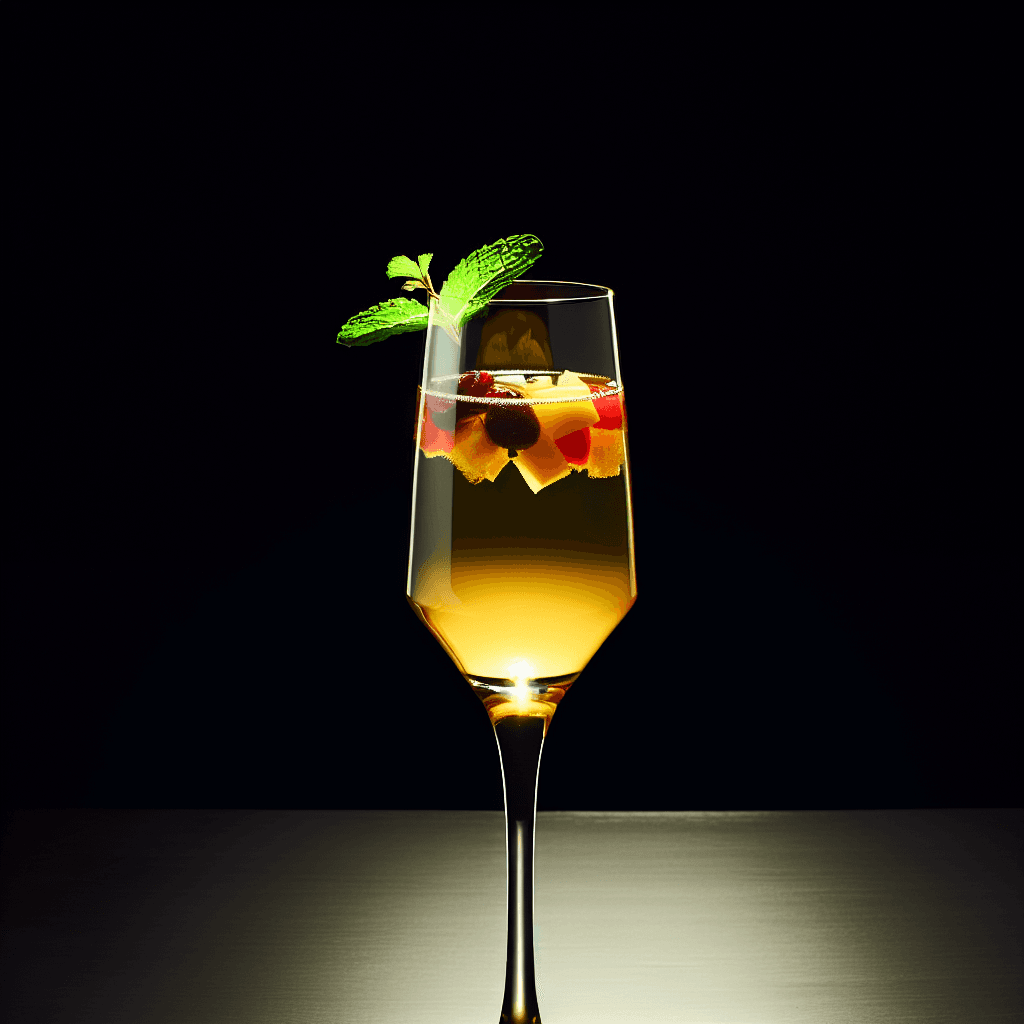
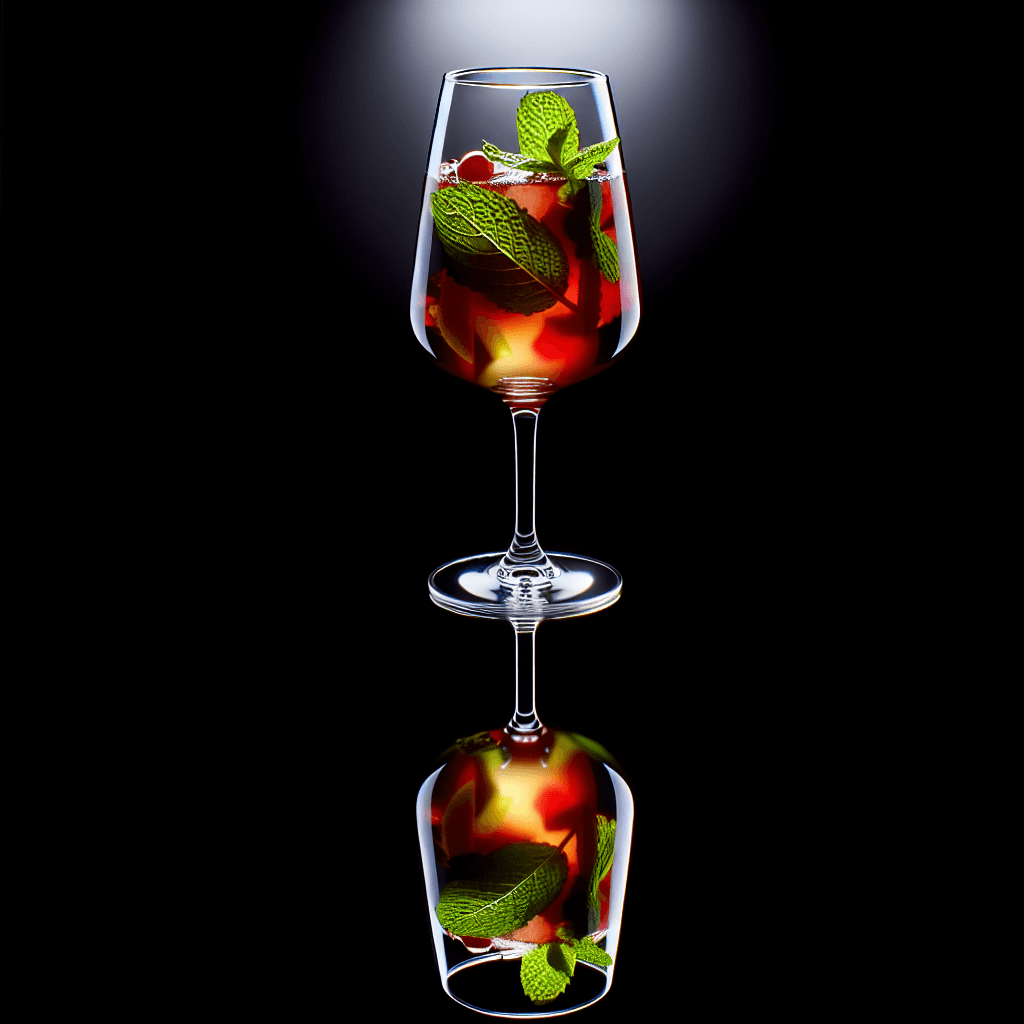
Sake Sangria
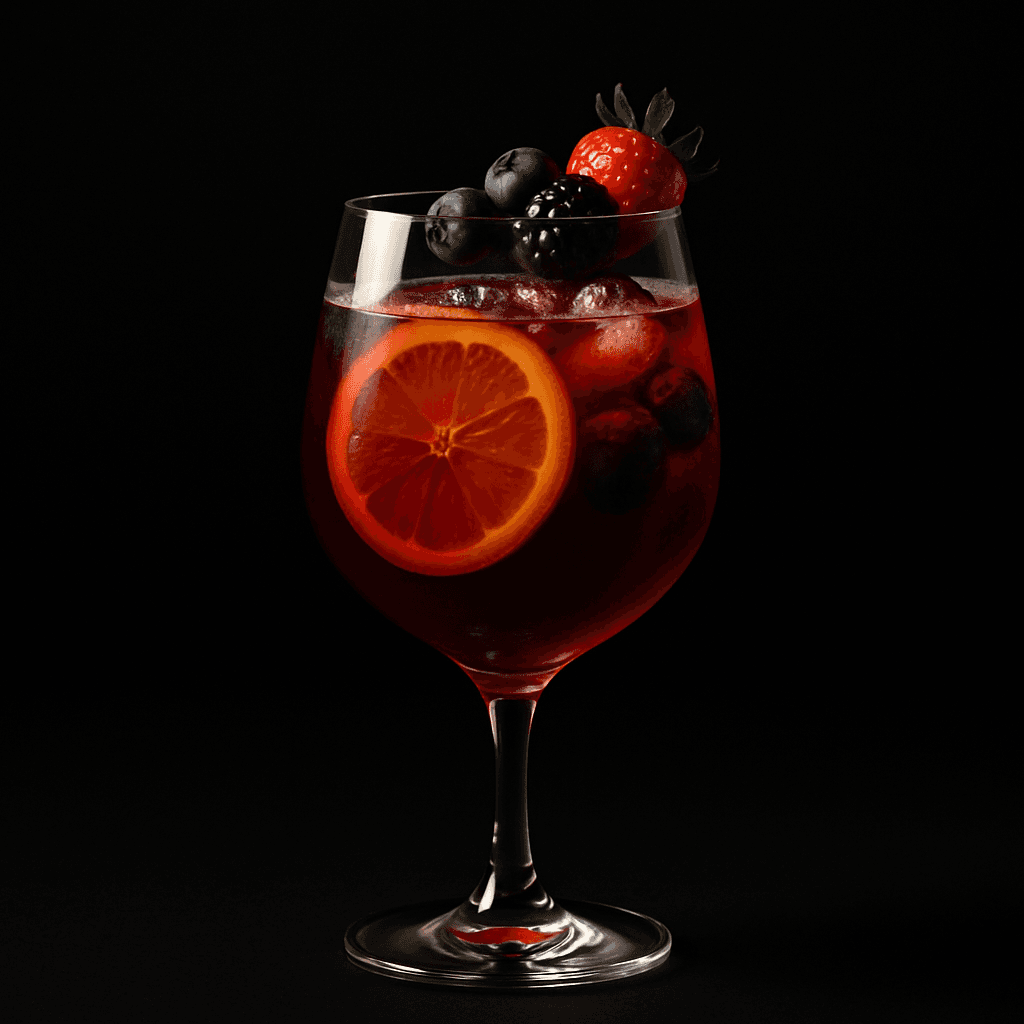
Una reinterpretazione di ispirazione giapponese della classica sangria spagnola, che combina sake premium con frutta fresca e sottili sapori asiatici. Questa rinfrescante bevanda da caraffa offre una delicata complessità floreale perfetta per intrattenere gli ospiti.
Dimentica tutto quello che credi di sapere sulla sangria. Questa non è la tipica bevanda spagnola a base di vino – è una sofisticata fusione che sposa l'eleganza pulita e cereale del sake con lo spirito festoso della sangria tradizionale. La Sake Sangria rappresenta il bellissimo incontro di due culture del bere, creando qualcosa di completamente nuovo ma rispettosamente radicato nella tradizione. Con le sue delicate note floreali, la sottile dolcezza e la vivace frutta fresca, questo cocktail trasforma qualsiasi incontro in un evento elegante. È più leggera della sangria a base di vino ma infinitamente più complessa del punch alla frutta medio.
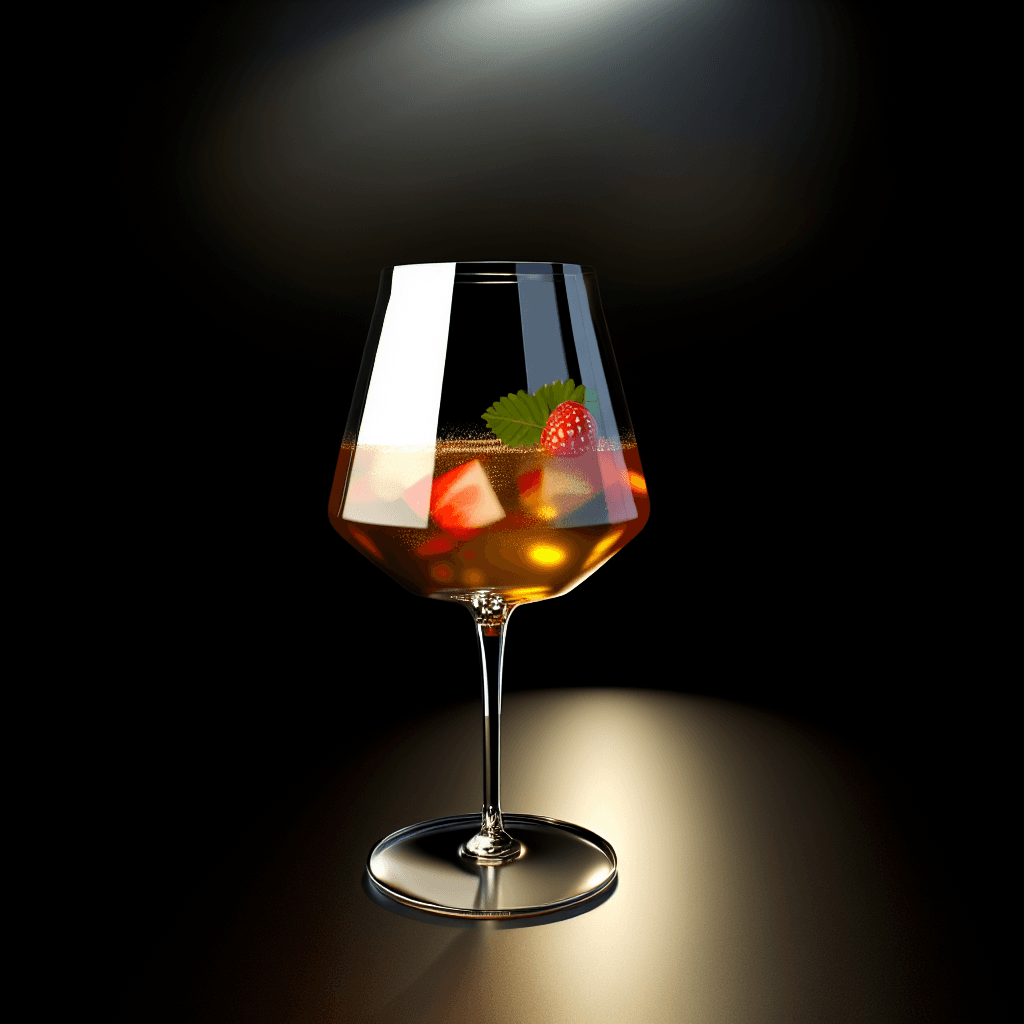
Ricetta Creata da IA
Questa ricetta è stata creata dal nostro mixologo IA. Potrebbe non essere una ricetta tradizionale, ma dovrebbe essere un'interpretazione deliziosa.
📝 Ingredienti
- 3 oz Yuzu juice🛒 Amazon
- 1 intero Asian pear🛒 Amazon
- 6 pezzo Fresh lychees🛒 Amazon
- 8 pezzo Fragole Fresche🛒 Amazon
- 2 tazza Sparkling water🛒 Amazon
- 0.25 tazza Fresh mint🛒 Amazon
Guarnizione: Pezzi di frutta fresca e rametto di menta
👨🍳 Istruzioni
In una grande caraffa, unisci il sake, il vino di prugne, il succo di yuzu e lo sciroppo semplice. Mescola bene per amalgamare.
Aggiungi alla caraffa le fette di pera asiatica, le fette di arancia, i litchi e le metà di fragola.
Pestella delicatamente alcune foglie di menta e aggiungile alla caraffa, riservandone alcune per la guarnizione.
Refrigera il composto per almeno 2 ore per permettere alla frutta di macerarsi e ai sapori di amalgamarsi.
Poco prima di servire, aggiungi l'acqua frizzante e mescola delicatamente per incorporare.
Servi su ghiaccio in bicchieri da vino, assicurandoti che ogni bicchiere riceva una generosa porzione di frutta macerata.
Guarnisci ogni bicchiere con pezzi di frutta fresca e un rametto di menta.
Profilo Aromatico
Strumenti Necessari

Jigger
View on Amazon →
Mixing Glass
View on Amazon →
Cucchiaio da Bar
View on Amazon →
OXO SteeL Cocktail Strainer (Hawthorne)
View on Amazon →
Muddler
View on Amazon →
Spremiagrumi
View on Amazon →💡 Consigli dell'Esperto
- 1
Usa sake junmai o junmai ginjo per il miglior equilibrio di sapore e morbidezza – evita il sake economico da cucina
- 2
Lascia macerare la frutta per almeno 2 ore, ma non più di 6 ore per evitare eccessiva estrazione e amarezza
- 3
Aggiungi l'acqua frizzante poco prima di servire per mantenere la carbonazione ed evitare la diluizione
- 4
Raffredda tutti gli ingredienti in anticipo e servi su ghiaccio fresco per mantenere la bevanda fresca e rinfrescante
- 5
Le pere asiatiche e i litchi aggiungono sapori giapponesi autentici, ma anche la frutta tradizionale della sangria funziona magnificamente
📜 Storia e Origine
La Sake Sangria è una creazione moderna nata dal movimento dei cocktail fusion dei primi anni 2000, quando i barman iniziarono a sperimentare con ricette tradizionali usando ingredienti di culture diverse. Mentre la sangria risale all'epoca romana e divenne sinonimo della cultura spagnola, questa variante con il sake emerse nei ristoranti giapponesi di lusso e nei bar fusion delle grandi città come New York e Los Angeles. Il concetto fu pionierato da barman giapponese-americani che volevano creare un'esperienza di bevuta comunitaria che onorasse sia il loro patrimonio che la cultura adottiva. La bevanda guadagnò popolarità durante il rinascimento dei cocktail artigianali, particolarmente nei ristoranti che servivano cucina asiatica moderna. A differenza della sangria tradizionale che può essere pesante e incentrata sul vino, la sake sangria offre un approccio più delicato e sfumato al formato del cocktail da caraffa. La ricetta si è evoluta per incorporare frutta asiatica stagionale come litchi e pera asiatica, insieme alla frutta tradizionale della sangria, creando un'esperienza di bevuta davvero unica che collega due mondi.