Sangria de Beaujolais
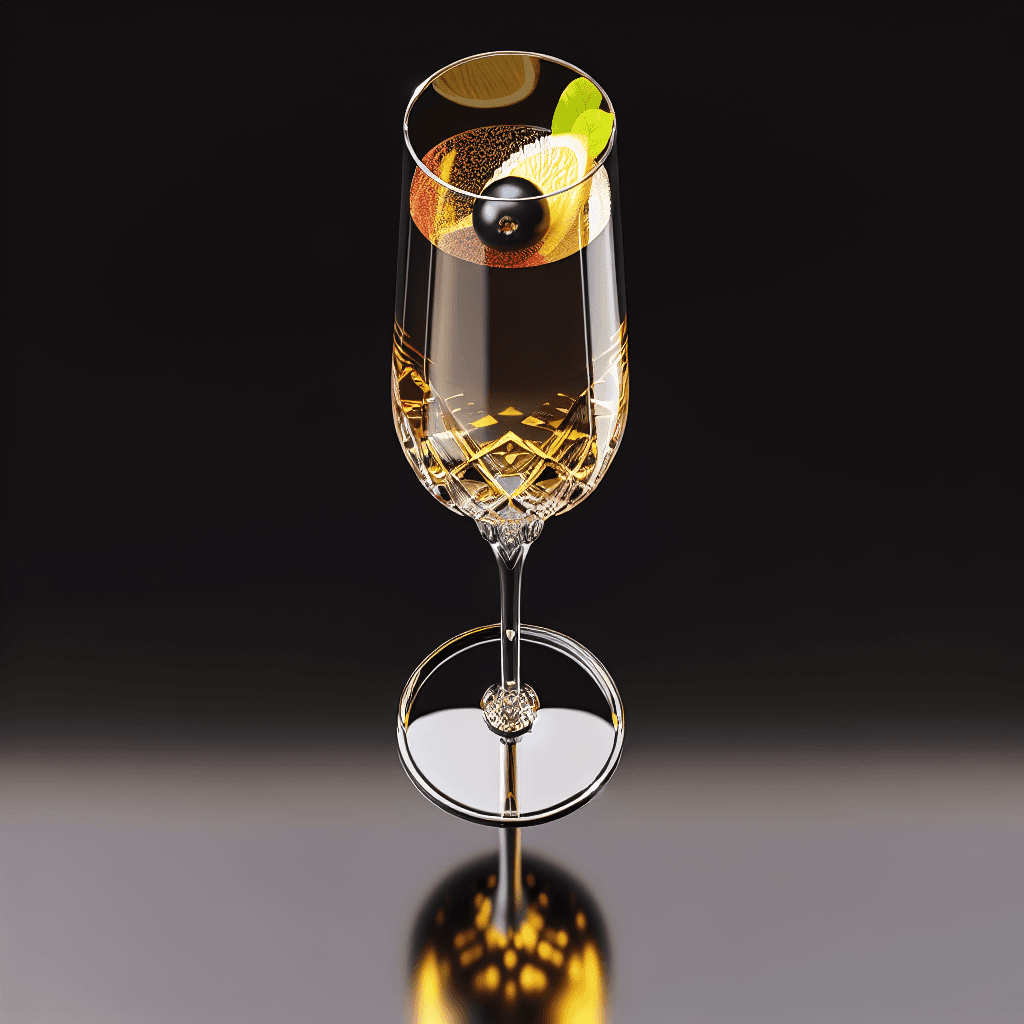
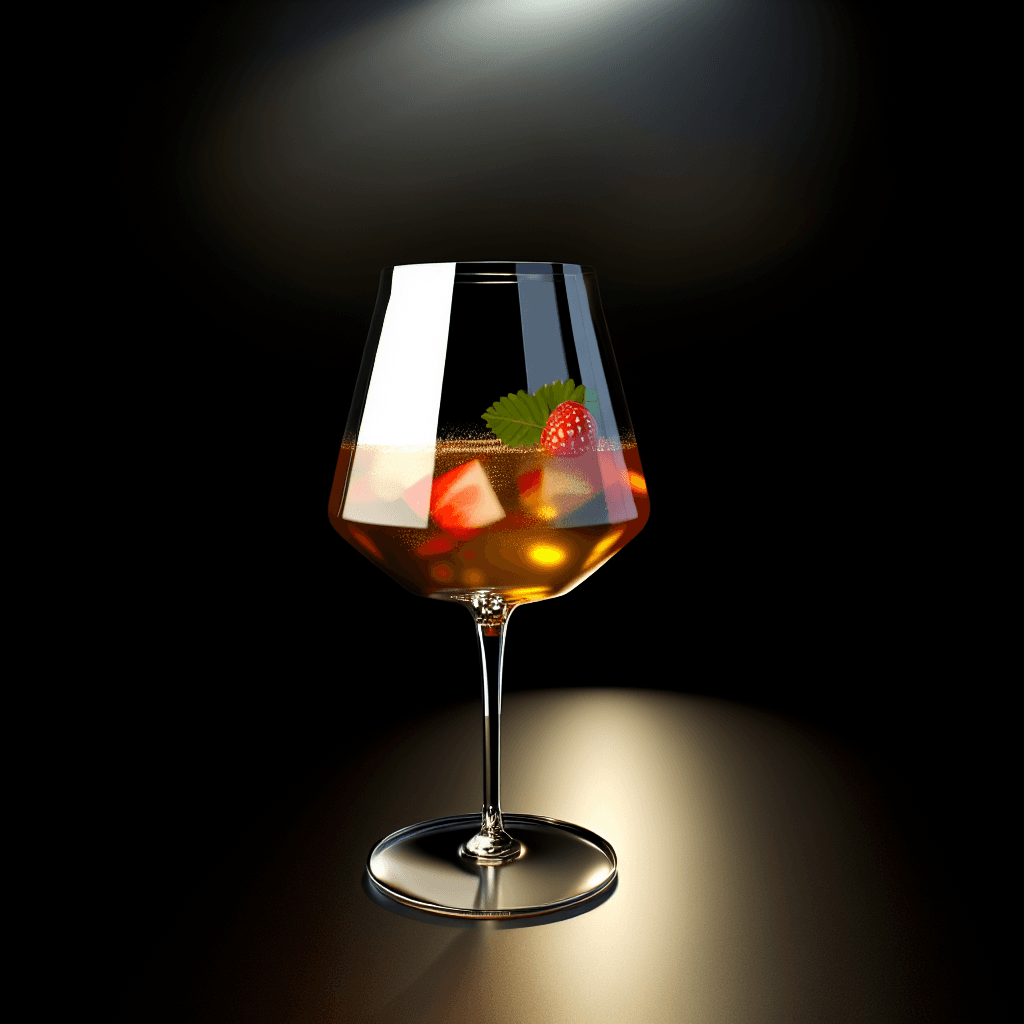
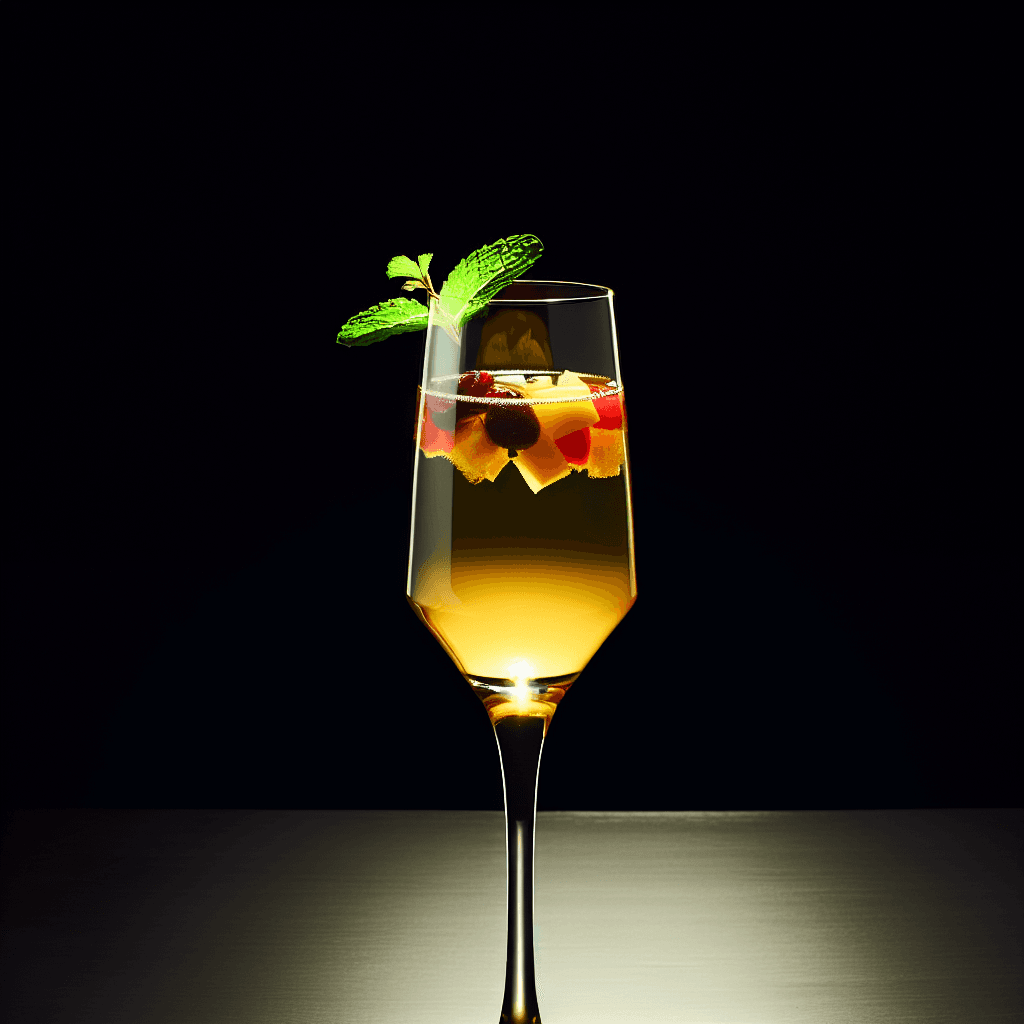
Une variante française raffinée de la sangria espagnole classique, mettant en vedette le vin léger et fruité de Beaujolais rehaussé de fruits de saison et d'une touche de sureau. Ce cocktail élégant en carafe équilibre les notes naturelles de baies du vin avec des agrumes frais et des herbes aromatiques.
Oubliez tout ce que vous croyez savoir sur la sangria. Ce n'est pas votre boisson espagnole typique lourde et trop sucrée servie en carafe. La Sangria de Beaujolais élève ce concept bien-aimé avec l'élégance de la vinification française, mettant en valeur le caractère délicat et fruité du vin de Beaujolais. Légère, rafraîchissante et sophistiquée, ce cocktail capture l'essence d'un parfait après-midi d'été dans la campagne française. L'acidité naturelle et les saveurs vives de baies du Beaujolais créent la toile parfaite pour les fruits frais de saison, tandis qu'un soupçon de liqueur de sureau ajoute une complexité florale qui transforme ce simple punch au vin en quelque chose de vraiment spécial.
Recette Créée par IA
Cette recette a été créée par notre mixologue IA. Ce n'est peut-être pas une recette traditionnelle, mais elle devrait être une interprétation délicieuse.
📝 Ingrédients
- 25.4 oz Beaujolais wine🛒 Amazon
- 1 oz Sirop de sucre(facultatif)🛒 Amazon
- 1 tasse Fraises Fraîches🛒 Amazon
- 0.5 tasse Mûres fraîches🛒 Amazon
- 6 morceau Fresh mint🛒 Amazon
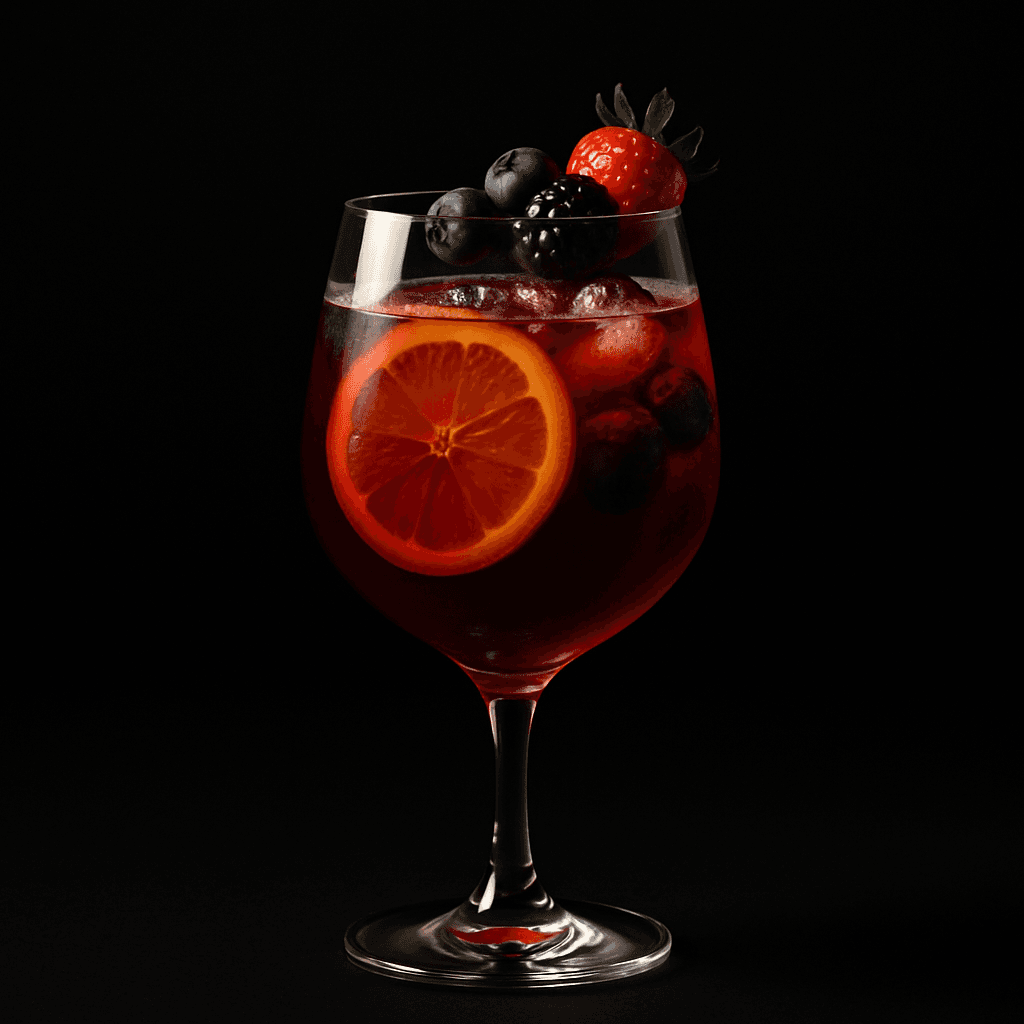
Garniture: Baies fraîches et rondelle d'orange
👨🍳 Instructions
Dans une grande carafe, mélanger les fraises tranchées, les mûres, les rondelles d'orange et les feuilles de menthe.
Ajouter le cognac, la liqueur de fleur de sureau et le jus d'orange dans la carafe.
Piler délicatement les fruits et herbes pour libérer leurs saveurs, en prenant soin de ne pas trop piler.
Verser le vin de Beaujolais et remuer délicatement pour mélanger tous les ingrédients.
Goûter et ajouter du sirop simple si plus de douceur est souhaitée.
Réfrigérer pendant au moins 2 heures pour permettre aux saveurs de se mélanger.
Juste avant de servir, ajouter l'eau pétillante et remuer délicatement.
Servir sur glace dans des verres à vin, en veillant à inclure des fruits macérés dans chaque verre.
Profil de Saveur
Outils Nécessaires

Jigger
View on Amazon →
Verre à Mélange
View on Amazon →
Cuillère de bar
View on Amazon →
OXO SteeL Cocktail Strainer (Hawthorne)
View on Amazon →
Pilon à cocktail
View on Amazon →
Presse-agrumes
View on Amazon →💡 Conseils d'Expert
- 1
Choisir un Beaujolais ou Beaujolais-Villages jeune et fruité plutôt qu'un Cru Beaujolais pour éviter de dominer les autres saveurs
- 2
Faire macérer les fruits pendant au moins 2 heures mais pas plus de 24 heures pour extraire la saveur sans rendre le vin amer
- 3
Utiliser des raisins congelés comme glaçons pour garder la sangria froide sans la diluer
- 4
Servir dans des verres à vin plutôt que dans des verres à sangria traditionnels pour mettre en valeur la couleur et les arômes du vin
- 5
Ajouter l'eau pétillante juste avant de servir pour maintenir l'effervescence et la fraîcheur
📜 Histoire et Origine
Bien que les racines de la sangria remontent à la Rome antique et qu'elle ait trouvé son expression moderne en Espagne, la variante Beaujolais représente l'évolution naturelle des cocktails au vin dans la culture bistrotière française contemporaine. Le Beaujolais, produit dans les collines ondulantes entre la Bourgogne et la vallée du Rhône, est célébré depuis l'époque romaine pour son caractère léger et accessible. Le cépage Gamay emblématique de la région produit des vins naturellement moins tanniques et plus acides—des qualités parfaites pour les cocktails. Cette interprétation moderne a émergé au début des années 2000 lorsque les barmans et sommeliers français ont commencé à expérimenter avec leurs vins locaux dans des applications cocktail, particulièrement pendant les célébrations annuelles du Beaujolais Nouveau. L'ajout de liqueur de sureau reflète la longue tradition française des cordials floraux, tandis que la sélection soigneuse des fruits met l'accent sur les caractéristiques naturelles de baies du vin plutôt que de les masquer. Aujourd'hui, cette sangria raffinée apparaît sur les menus des bars à vin de Lyon à Paris, représentant un mariage parfait entre tradition espagnole et sophistication française.