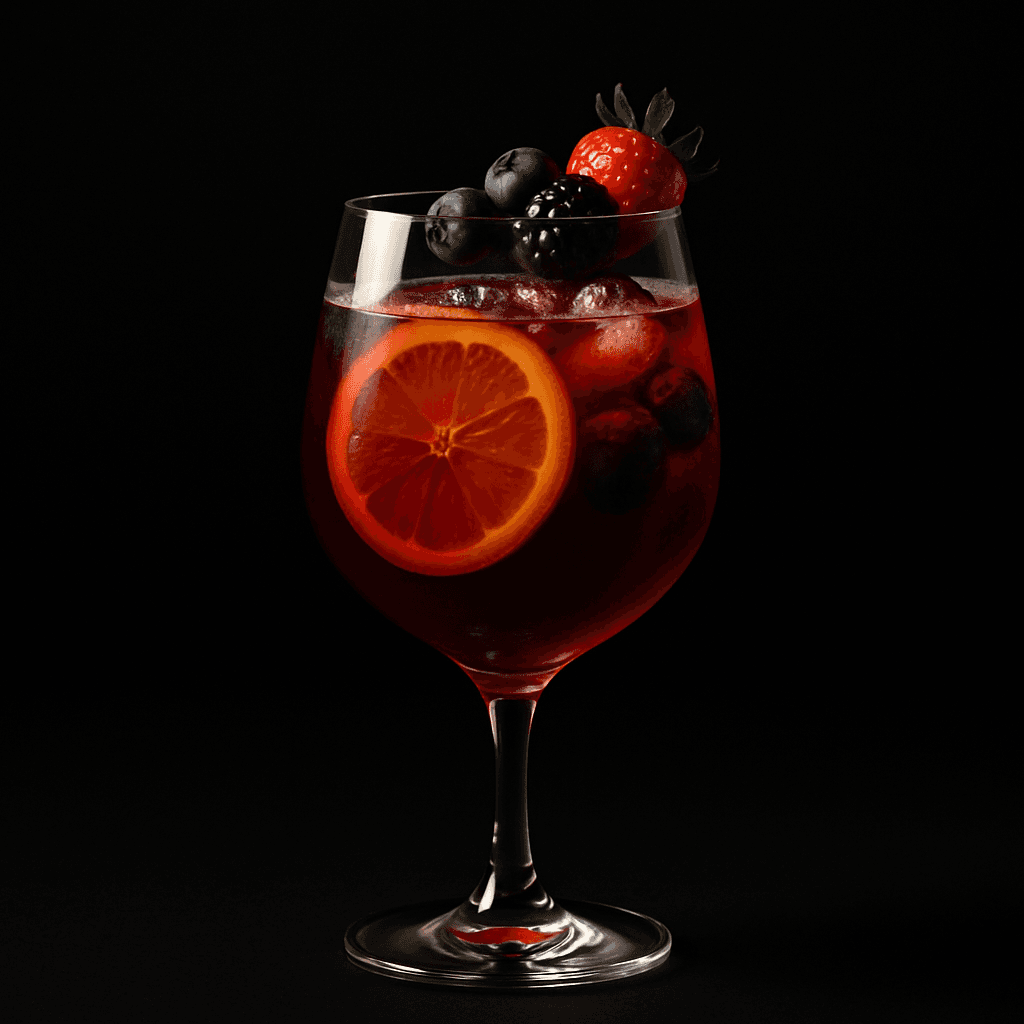
Spanish Sangria
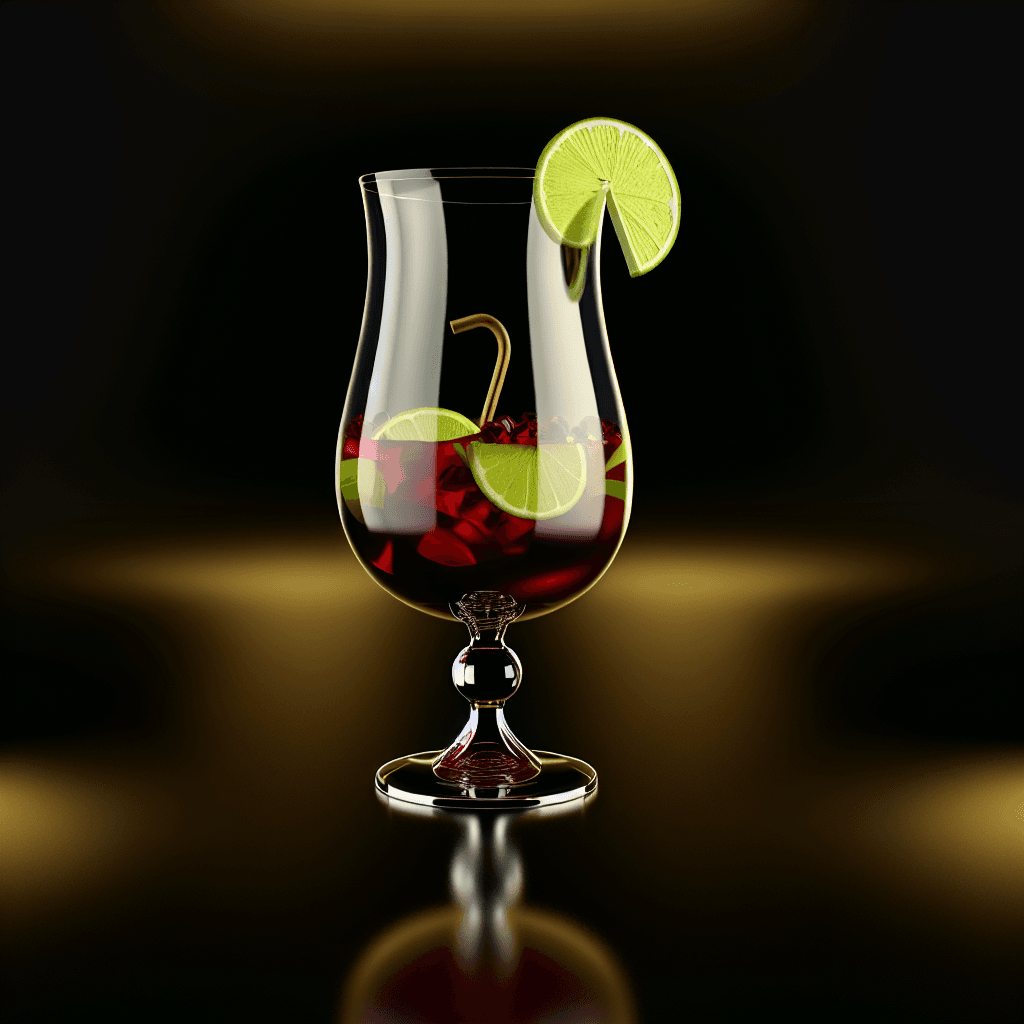
A traditional Spanish punch that combines red wine with fresh fruit, brandy, and a touch of sweetness. This refreshing, wine-based cocktail is perfect for entertaining and captures the essence of Spanish hospitality in every sip.
Few drinks capture the spirit of Spanish culture quite like authentic sangria. Born in the sun-drenched regions of Spain, this beloved wine punch transforms humble red wine into a festive celebration in a glass. More than just a cocktail, sangria is a social experience – meant to be shared among friends as the fruit slowly infuses the wine with natural sweetness and vibrant flavors. Whether you're hosting a summer gathering or simply wanting to transport yourself to a Barcelona terrace, this traditional recipe delivers the authentic taste that has made sangria a global favorite.
AI-Crafted Recipe
This recipe was created by our AI mixologist. It may not be a traditional recipe but should be a delicious interpretation.
📝 Ingredients
- 2 oz Orange Juice🛒 Amazon
- 1 oz Simple Syrup🛒 Amazon
- 8 oz Soda water🛒 Amazon
- 1 whole Cinnamon stick(optional)🛒 Amazon
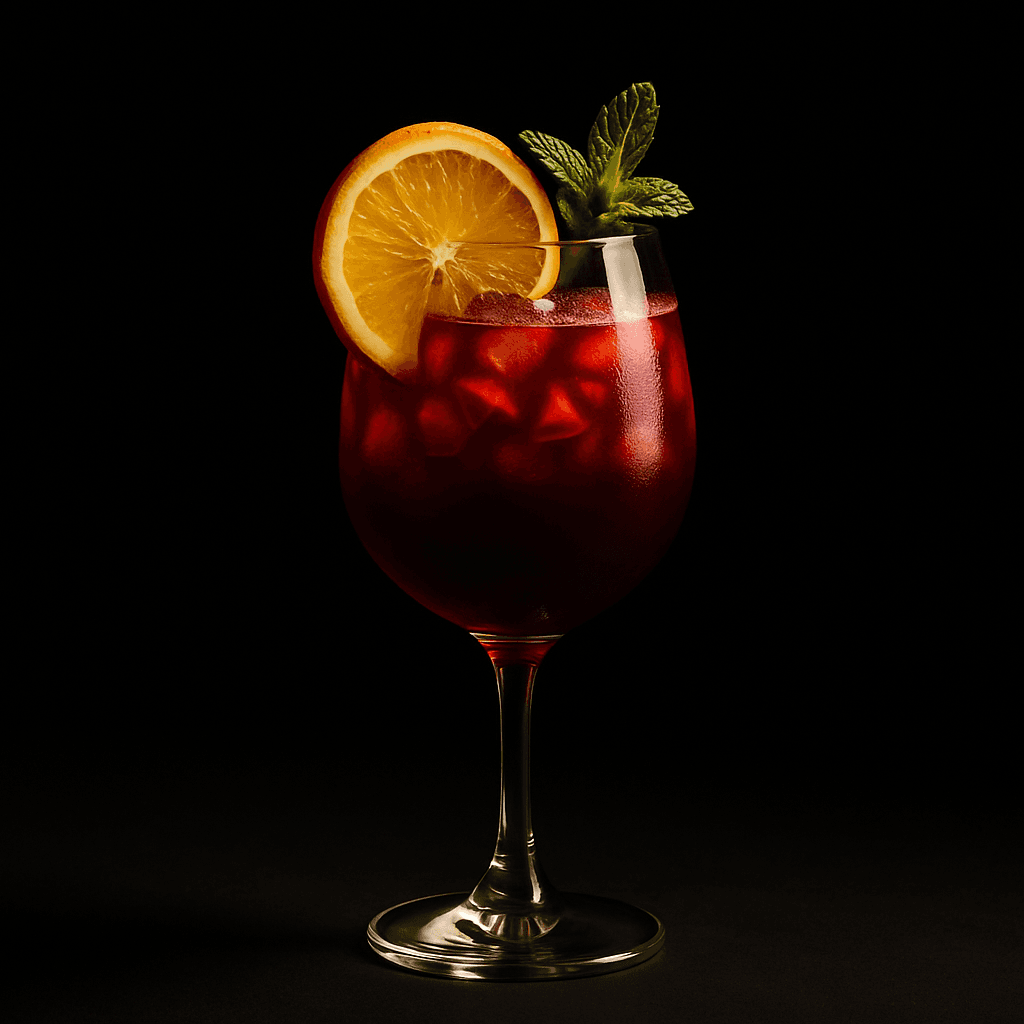
Garnish: Orange wheel and fresh mint sprig
👨🍳 Instructions
In a large pitcher, combine the red wine, Spanish brandy, orange juice, and simple syrup. Stir gently to combine.
Add the sliced orange, lemon, and diced apple to the wine mixture. Add cinnamon stick if using.
Stir all ingredients together and refrigerate for at least 2 hours, preferably 4-6 hours or overnight for best flavor development.
Just before serving, add the soda water and stir gently to combine without losing carbonation.
Fill wine glasses with ice and pour sangria, making sure to include fruit pieces in each serving.
Garnish each glass with an orange wheel and fresh mint sprig. Serve immediately.
Flavor Profile
Tools Needed

Jigger
View on Amazon →
Mixing Glass
View on Amazon →
Bar Spoon
View on Amazon →
OXO SteeL Cocktail Strainer (Hawthorne)
View on Amazon →
Citrus Juicer
View on Amazon →💡 Pro Tips
- 1
Use a Spanish Tempranillo or Garnacha wine – avoid expensive bottles as the fruit and brandy will mask subtle notes
- 2
Let the sangria rest for at least 2 hours, but preferably overnight, to allow the fruit to properly infuse
- 3
Add the soda water just before serving to maintain carbonation and prevent dilution
- 4
Cut fruit into uniform pieces – not too small or they'll break apart, not too large or they won't release flavor
- 5
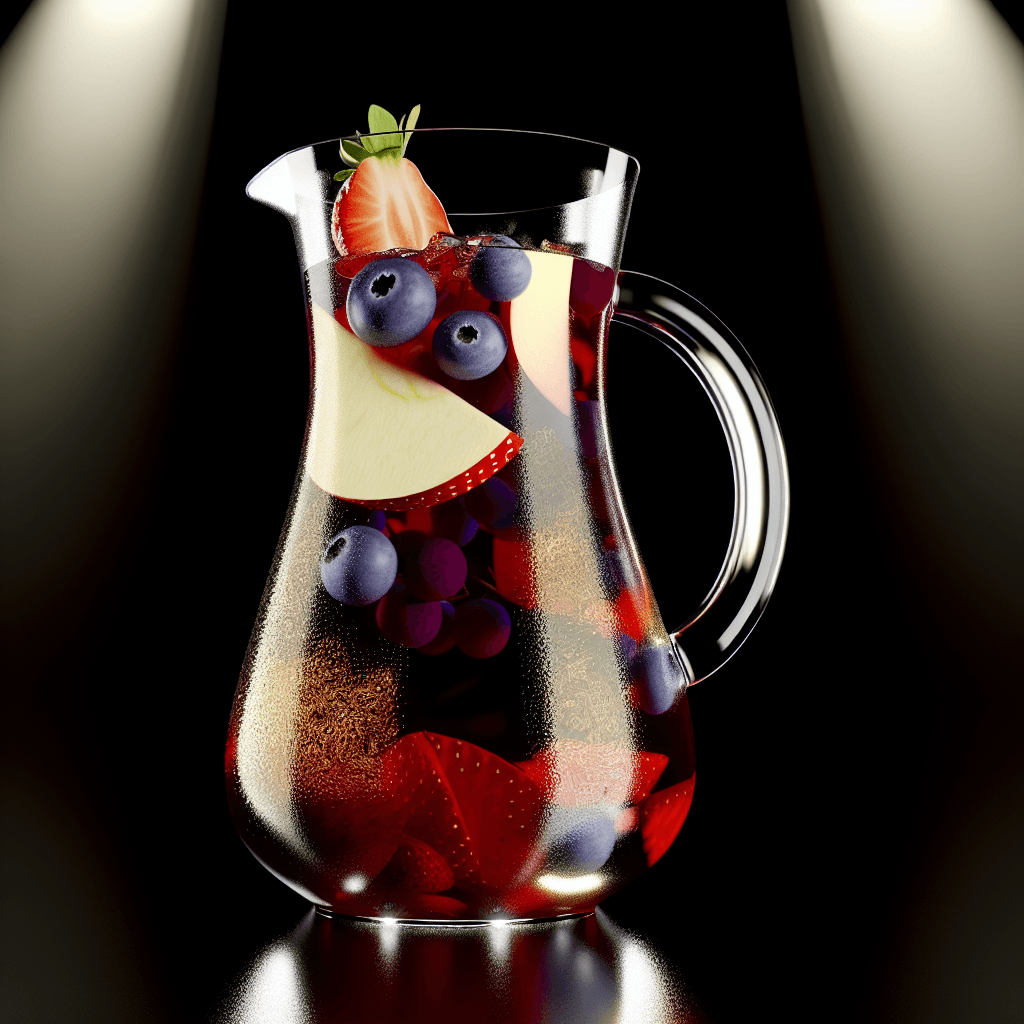
Serve in a clear glass pitcher to showcase the beautiful color and fruit presentation
📜 History & Origin
Sangria's roots stretch back over 2,000 years to when Romans first mixed wine with water, spices, and honey for both flavor and safety. The modern version we know today evolved in Spain and Portugal, with the name deriving from 'sangre,' meaning blood, referencing the drink's deep red color. The classic Spanish sangria gained international recognition during the 1964 World's Fair in New York, where it was served at the Spanish pavilion and captivated American palates. Traditionally prepared in large batches for festivals and family gatherings, authentic Spanish sangria varies by region – Andalusian versions often include peaches and apricots, while Catalonian recipes might feature cava for effervescence. The key to traditional sangria lies in allowing the fruit to macerate in the wine for several hours, creating a harmonious blend where each ingredient enhances the others rather than competing for attention.