Spanish Gin Tonic
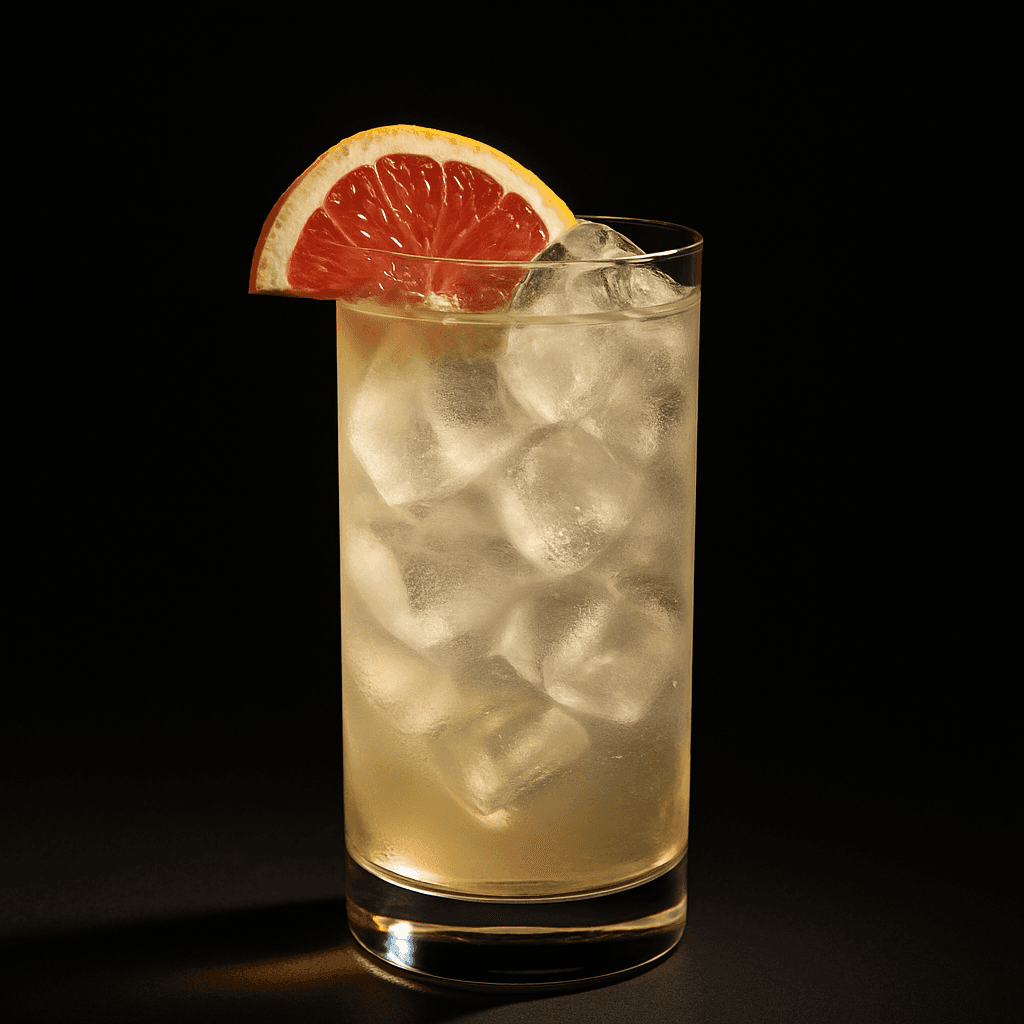
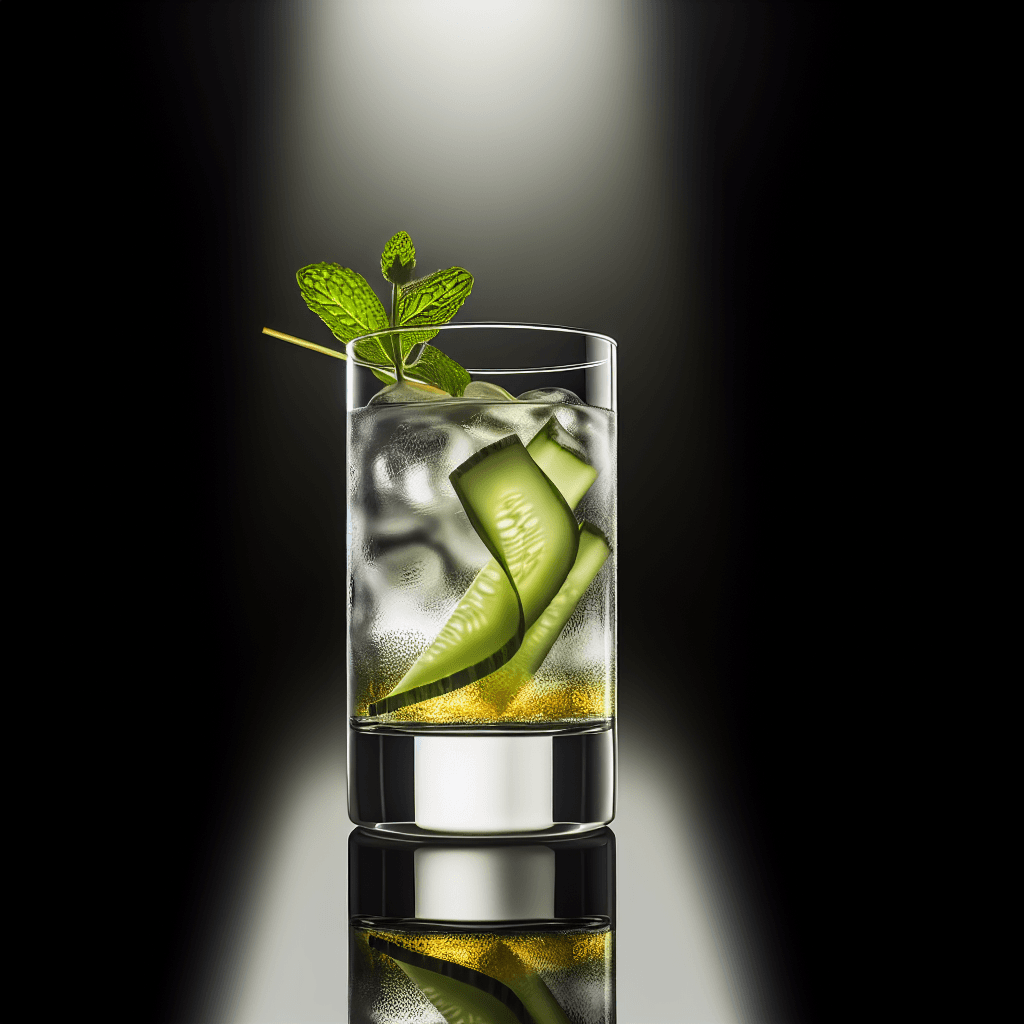
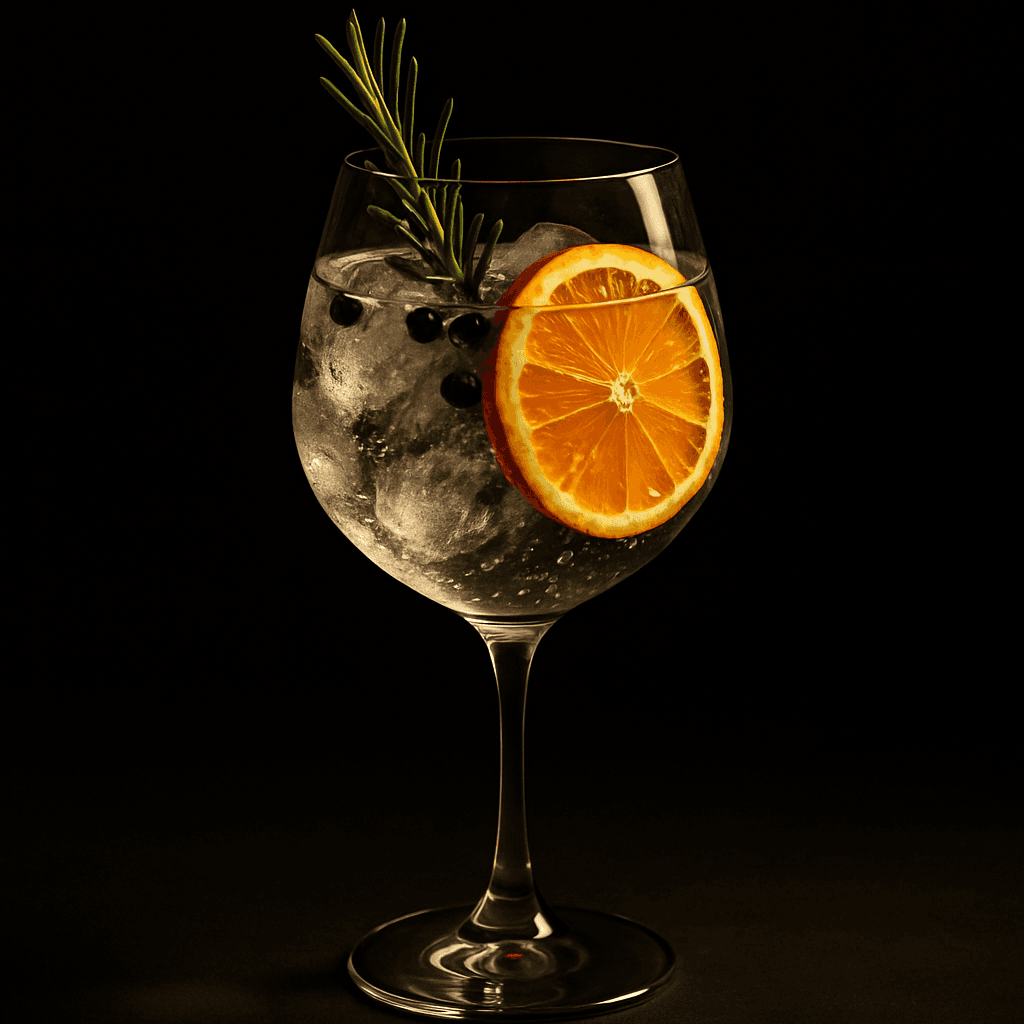
An elevated take on the classic Gin & Tonic, served in a large wine glass with premium tonic, artisanal garnishes, and theatrical presentation. This Spanish interpretation transforms a simple highball into a sophisticated, aromatic experience.
The Spanish Gin Tonic isn't just a drink—it's a cultural phenomenon that transformed Spain's cocktail scene. What started as a simple G&T has evolved into an art form, served in oversized wine glasses with carefully curated garnishes that complement the botanicals in your chosen gin. This isn't about mixing gin and tonic; it's about creating a sensory experience where every element, from the type of ice to the specific garnish, plays a crucial role in the final flavor profile. The Spanish approach celebrates the ritual of cocktail making, turning a casual drink into a moment of mindful appreciation.
AI-Crafted Recipe
This recipe was created by our AI mixologist. It may not be a traditional recipe but should be a delicious interpretation.
📝 Ingredients
- 2 oz Premium gin🛒 Amazon
- 1 whole Fresh rosemary sprig🛒 Amazon
- 1 piece Orange wheel🛒 Amazon
- 3 whole Juniper berries(optional)🛒 Amazon
Garnish: Fresh rosemary sprig, orange wheel, and juniper berries
👨🍳 Instructions
Fill a large wine glass (copa de balón) with large ice cubes, leaving room at the top
Pour the gin slowly over the ice
Gently clap the rosemary sprig between your hands to release its oils, then add to the glass
Add the orange wheel and juniper berries if using
Slowly pour the tonic water down a bar spoon to preserve carbonation
Gently stir once with a bar spoon to combine
Serve immediately with a stirring spoon
Flavor Profile
Tools Needed
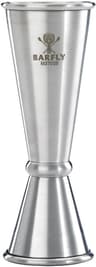
Jigger
View on Amazon →
Mixing Glass
View on Amazon →
Bar Spoon
View on Amazon →
OXO SteeL Cocktail Strainer (Hawthorne)
View on Amazon →💡 Pro Tips
- 1
Use premium tonic water like Fever-Tree or Fentimans - the quality makes a massive difference in the final drink
- 2
Chill your copa glass in the freezer for at least 10 minutes before serving
- 3
Match your garnish to your gin's botanical profile - rosemary for piney gins, cucumber for floral ones
- 4
Use large, clear ice cubes that melt slowly and don't dilute the drink too quickly
- 5
The ideal ratio is 1:3 gin to tonic, but adjust based on your gin's strength and your preference
📜 History & Origin
The Spanish Gin Tonic revolution began in the Basque Country around 2008, when bartenders started reimagining the classic G&T as a premium cocktail experience. The movement was pioneered by establishments like Casa Mono in Madrid and quickly spread throughout Spain. The key innovation was serving the drink in large wine glasses (copa de balón) with specific gin-to-tonic ratios, premium tonic waters, and elaborate garnish programs that matched botanical profiles. This wasn't just about upgrading ingredients—it was about elevating the entire drinking ritual. The Spanish approach emphasizes the importance of ice quality, garnish selection, and serving temperature. Each gin is paired with complementary garnishes: juniper-forward gins with rosemary and citrus, floral gins with cucumber and herbs, spiced gins with exotic fruits and spices. What started as a local trend became a global phenomenon, influencing gin bars worldwide and establishing Spain as a leader in gin consumption and cocktail innovation.