Fazer coquetéis para festa não é sobre agitar mais rápido—é sobre mudar sua estratégia. A diferença entre um anfitrião preso atrás do bar e um que curte sua própria festa se resume ao preparo antecipado e escolhas inteligentes de drinks. Aqui está como manter a sanidade.
Escolha 2-3 Drinks no Máximo
Esta é a regra mais difícil de seguir e a mais importante. A tentação é oferecer "opções" — um drink batido, um mexido, um tropical, um com baixo teor alcoólico — porque parece hospitaleiro. Não é. É a maneira mais rápida de se tornar prisioneiro da própria cozinha.
Em vez disso, se comprometa com 2-3 drinks no máximo. Esta limitação é na verdade uma vantagem, não uma limitação.
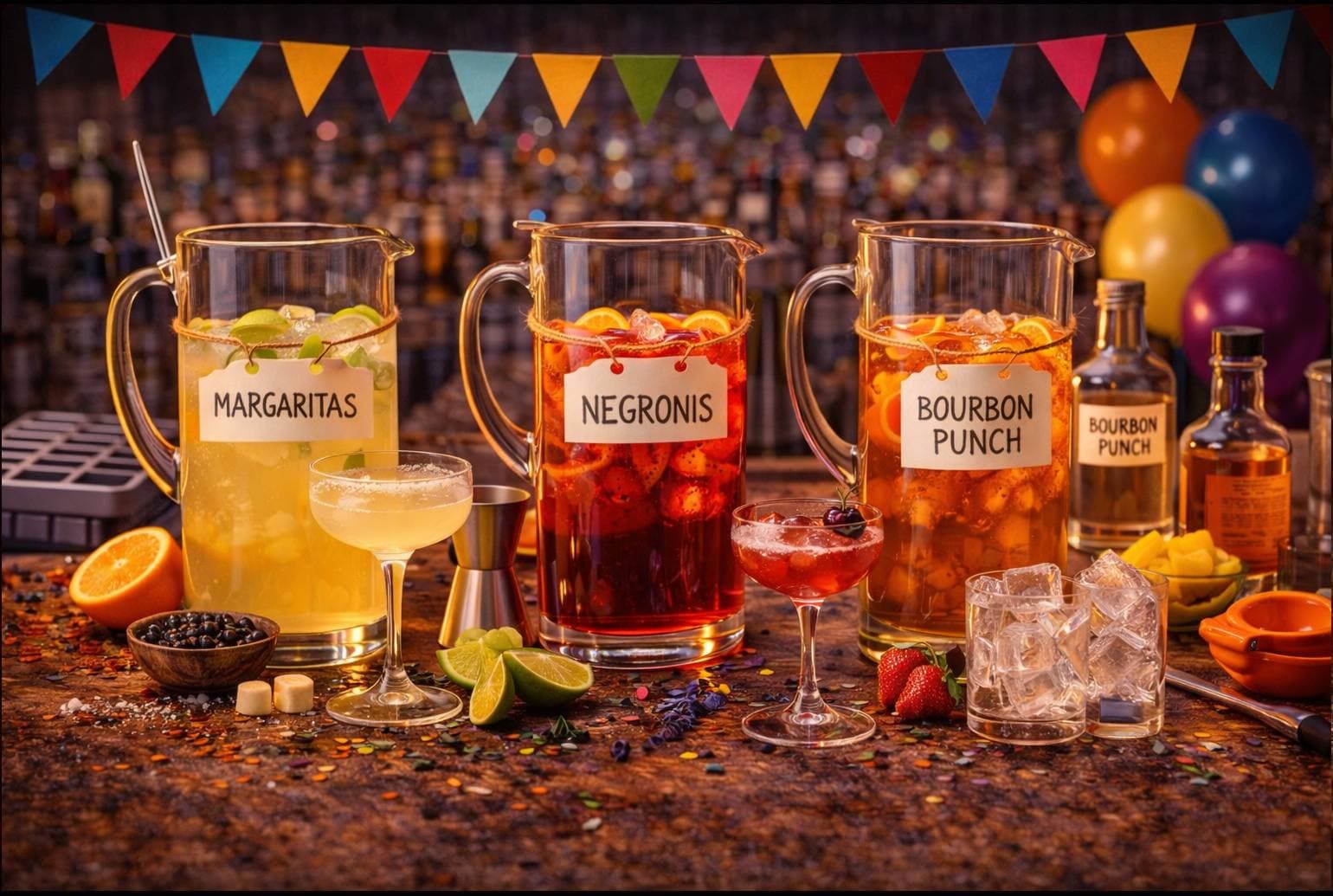
Um drink batido (algo como um Daiquiri, Margarita ou Whiskey Sour) — rápido, familiar, impressionante de assistir.
Um drink mexido/montado (algo como um Negroni, Old Fashioned ou Martini) — suave, elegante, requer menos esforço contínuo do que bater.
Um drink em lote (uma ponche, sangria ou coquetel em lote servido de uma jarra grande ou tigela) — os convidados podem se servir, e você basicamente só reabastece a jarra.
Esta combinação dá aos convidados a percepção de escolha enquanto mantém sua carga de trabalho gerenciável. E honestamente, as pessoas ficam mais impressionadas com três drinks excelentes e bem executados do que com sete medíocres.
Prepare Tudo com Antecedência
A diferença entre as 21h e 22h em uma festa é frequentemente a hora que você passou preparando às 16h.
Citrus fresco: Esprema todo o suco de limão e lima que você precisará antes dos convidados chegarem. Guarde em recipientes herméticos na geladeira. Suco fresco permanece viável por cerca de 8 horas. Se você está planejando uma festa longa, prepare em dois lotes — esprema o primeiro lote às 16h, o segundo às 19h.
A matemática do volume: Um coquetel padrão usa 15ml de suco de citrus fresco. Uma lima rende cerca de 30ml de suco. Um limão rende cerca de 45ml. Se você está servindo 20 pessoas e esperando que cada uma tome 2 drinks, você precisa de cerca de 600ml de suco de citrus total. Isso são 20 limas ou 15 limões. Esprema todos de uma vez.
Xaropes e outros ingredientes líquidos: Faça seu xarope simples, xarope de mel ou qualquer outro modificador líquido com antecedência. Se uma receita pede xarope de gengibre fresco ou xarope de amêndoa caseiro, prepare na manhã do evento. Rotule tudo com uma caneta para saber o que é o quê.
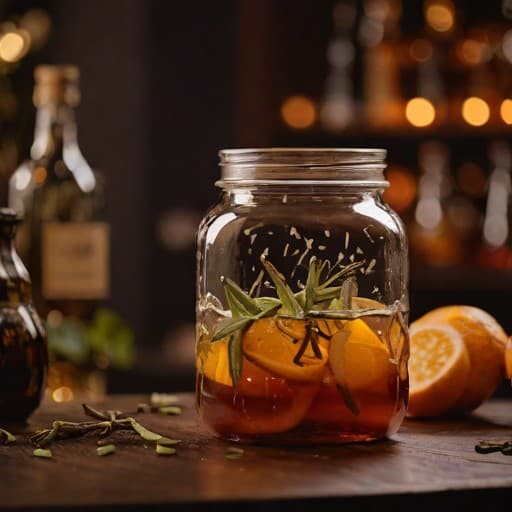
O coquetel em lote: Se você está fazendo um drink em lote, prepare todo o lote antes dos convidados chegarem. Guarde em uma jarra tampada na geladeira. O lote não se deteriora — na verdade, coquetéis em lote frequentemente ficam melhores depois de algumas horas conforme os ingredientes se integram.
Gelo: Isso é crítico. Calcule 450g de gelo por convidado. Se você está servindo 20 pessoas, compre 9kg de gelo. A maioria dos freezers domésticos não produzirá essa quantidade em pouco tempo. Compre em sacos no supermercado, e compre na manhã da festa. Guarde os sacos no seu freezer até a hora de servir.
Monte uma Estação Self-Service para Drinks Simples
O drink em lote no seu limite de 2-3 drinks é o verdadeiro trabalhador. Ele remove você de ter que bater ou mexer para cada convidado individual.
A configuração self-service mais simples: uma jarra e copos. Despeje o coquetel em lote em uma jarra grande (ou uma poncheira para uma sensação ligeiramente mais formal). Alinhe copos na mesa próxima. Os convidados se servem. Você reabastece a jarra quando ela esvazia. É só isso.
A configuração self-service melhorada: uma estação de Gin & Tônica ou estação de Spritz.
Para uma estação de Gin & Tônica: Organize garrafas de gin (3-4 variedades se você quiser oferecer escolha) e água tônica premium em uma mesa. Coloque gelo, lima fresca e guarnições simples (ervas frescas se você tiver). Coloque uma placa escrita à mão: "Faça o seu: 60ml gin + 120-180ml tônica + gelo + lima." Convidados que amam G&T ficam entretidos e ocupados. Você fica livre de servir.
Para uma estação de Spritz: Vinho branco, Aperol (ou Campari para um drink mais forte), água com gás, gelo, fatias de laranja e uma placa: "Faça o seu: 90ml vinho branco + 60ml Aperol + 30ml água com gás + gelo + laranja." Mesmo princípio.
Essas estações self-service funcionam porque os drinks são estruturalmente simples — eles não estão pedindo ao convidado para medir cuidadosamente ou lembrar técnica. E elas compram 30-45 minutos de liberdade enquanto as pessoas estão ocupadas misturando e aproveitando seus próprios drinks.
Os Drinks Batidos e Mexidos São Para Aparência
A estratégia de 2-3 drinks deixa espaço para um ou dois coquetéis onde você está ativamente envolvido. Isso é na verdade uma vantagem. Esses são os drinks onde as pessoas observam você trabalhar.
Um Daiquiri ou Martini bem executado preparado no momento certo é teatral. O convidado vê você bater com confiança, quebrar o selo da coqueteleira, coar através do coador Hawthorne e entregar um drink frio e perfeitamente equilibrado. Leva 30 segundos e cria uma impressão.
Faça esses drinks sob encomenda (no período de 30 minutos depois que os convidados chegam, e novamente mais tarde na noite quando as pessoas querem drinks frescos). Não os prepare em lote, porque coquetéis batidos e mexidos se deterioram se ficarem parados — o gelo continua derretendo, a diluição aumenta e a carbonatação (se houver) escapa.
Você precisará de uma coqueteleira (uma Boston shaker é a mais rápida) e um dosador para medir. Pré-resfrie seus copos colocando gelo neles antes de começar a bater.
Timing: A Festa de Três Fases
Estruture sua festa em torno do serviço de coquetéis em três fases:
Fase 1 (primeiros 30 minutos): Convidados chegam, você está cumprimentando pessoas e acomodando-as. Tenha o coquetel em lote já disponível — poncheira numa mesa lateral, estação self-service montada. Convidados se servem, você não está ativamente misturando. Isso compra tempo para cumprimentar pessoas sem se sentir apressado.
Fase 2 (30 minutos a 2 horas): É quando você faz os drinks batidos/mexidos sob encomenda. Você está posicionado atrás do bar (ou sua mesa designada para fazer drinks), fazendo drinks um ou dois por vez conforme os convidados pedem. O drink em lote ainda está disponível para self-service.
Fase 3 (2+ horas): Transição de volta para principalmente serviço em lote. As pessoas estão menos interessadas em assistir técnica e mais interessadas em reabastecer seu drink rapidamente. O coquetel em lote se torna o foco novamente.
O Cálculo do Gelo (450g Por Pessoa)
Isto merece sua própria seção porque é tão frequentemente calculado errado.
Bartenders domésticos tipicamente subestimam o gelo. Uma coqueteleira cheia de gelo parece muito, mas derrete surpreendentemente rápido — o gelo é cerca de 92% água, e uma batida de 10-15 segundos converte a maior parte dele em líquido.
A regra: 450g de gelo por convidado.
Para uma festa de 20 pessoas, compre 9kg de gelo. Isso leva em conta:
- Gelo usado para gelar coquetéis (batendo e mexendo)
- Gelo nos copos de servir
- Convidados com drinks sem álcool que querem gelo
- Derretimento que acontece enquanto o gelo fica no balde
Se você está fazendo drinks em lote, você precisa de menos — fazer em lote tipicamente usa um lote grande de gelo para gelar tudo, não gelo por drink individual. Então ajuste ligeiramente para baixo se você está dependendo muito de lotes.
Um saco de 4,5kg de gelo custa R$ 15-25 e armazena facilmente. Compre extra. É melhor sobrar gelo do que acabar no meio da festa.
Por Que Coquetéis em Lote Salvam Sua Sanidade
A distinção entre um "coquetel em lote" e drinks batidos individualmente é crucial para festas. Um coquetel em lote é toda a receita (todos os destilados, todos os modificadores, todos os citrus) combinados em grande volume e gelados com antecedência. Os convidados se servem do lote ou você serve.
A matemática é simples: Pré-fazer um lote de Margarita para 20 pessoas significa que você escalou a receita 4 vezes (assumindo 5 drinks por coqueteleira), combinou todos os ingredientes uma vez, e agora pode servir 20 drinks apenas com gelo e copos. Sem bater 20 vezes.
O argumento do sabor: Coquetéis na verdade ficam melhores quando feitos em lote adequadamente. Quando todos os ingredientes têm tempo para se integrar — o ácido do citrus tem tempo para se casar com os destilados, os sabores se arredondam — o drink fica mais equilibrado do que um batido com pressa. Para mais sobre a teoria aqui, veja nosso guia sobre matemática de coquetéis em lote.
O serviço: Um coquetel em lote servido de uma jarra ou poncheira parece mais generoso do que 20 drinks individuais. É menos formal, mais acessível, e as pessoas bebem no seu próprio ritmo.
Para receitas em lote, você também pode ajustar a diluição e força para adequar à multidão. Um lote é tolerante de uma forma que coquetéis individuais não são.
Lista de Verificação da Montagem
Antes dos convidados chegarem:
- Suco de citrus fresco espremido e armazenado ✓
- Coquetel em lote preparado e gelado ✓
- 450g de gelo por convidado esperado (comprado e no freezer) ✓
- Coqueteleira e dosador posicionados ao alcance do braço ✓
- Copos limpos e prontos (ou pré-gelados com gelo) ✓
- Coador acessível ✓
- Guarnições preparadas (rodelas de citrus cortadas, ervas lavadas) ✓
- Colher de bar ou colher longa para mexer (se fazendo drinks mexidos) ✓
- Estação self-service montada e rotulada (se usando uma) ✓
A Linha de Fundo
O objetivo de uma festa de coquetéis não é mostrar sua destreza como bartender ou oferecer variedade infinita. É ter drinks prontos, manter seus convidados felizes, e realmente passar tempo com eles em vez de trabalhar isoladamente.
Dois drinks batidos/mexidos mais um coquetel em lote, combinados com preparação antecipada e opções self-service, realiza tudo isso. Você ficará relaxado. Seus convidados terão bons drinks. Essa é a vitória.
Pronto para fazer lotes? Navegue por nossas receitas de coquetéis em lote para drinks formulados e escalados para festas. E para os drinks batidos e mexidos, confira nossa coleção completa de receitas — Margaritas, Daiquiris, Martinis e Negronis são todos clássicos de festa.