Preakness
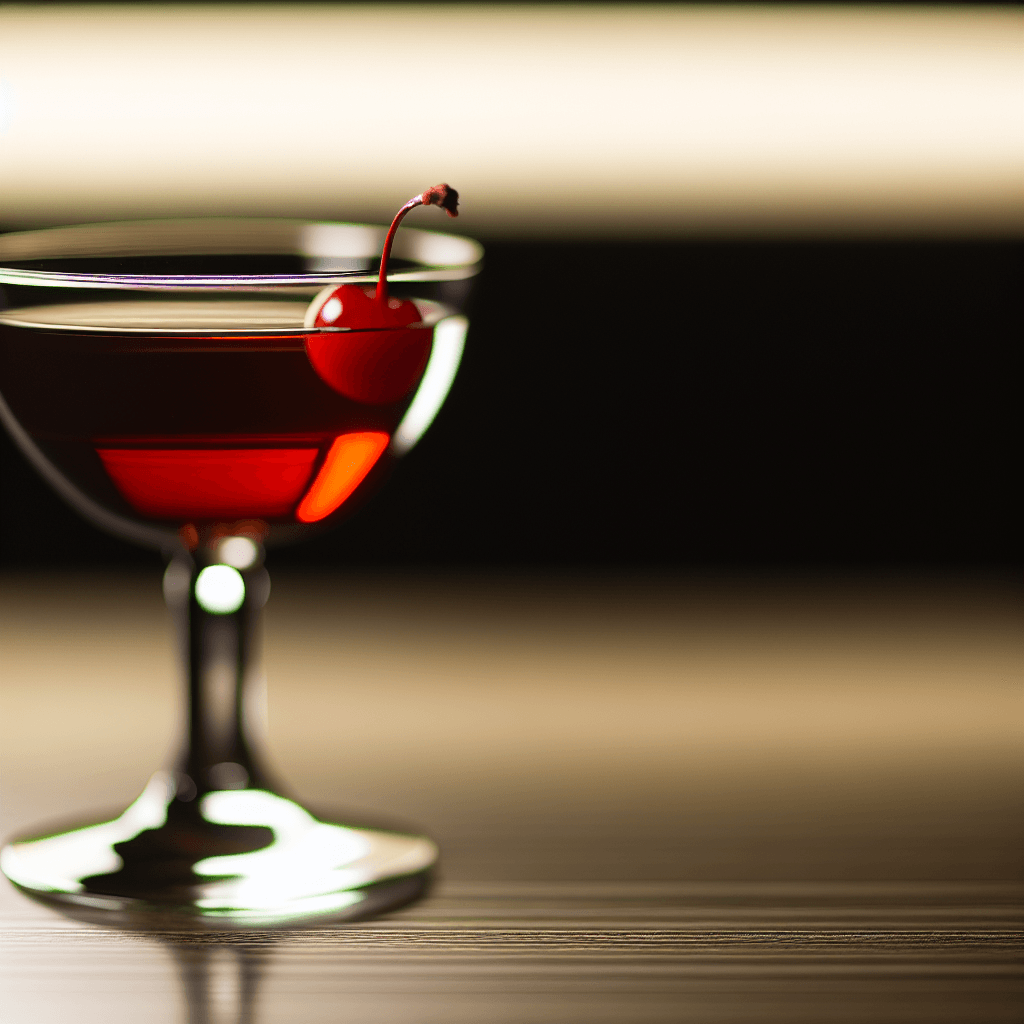
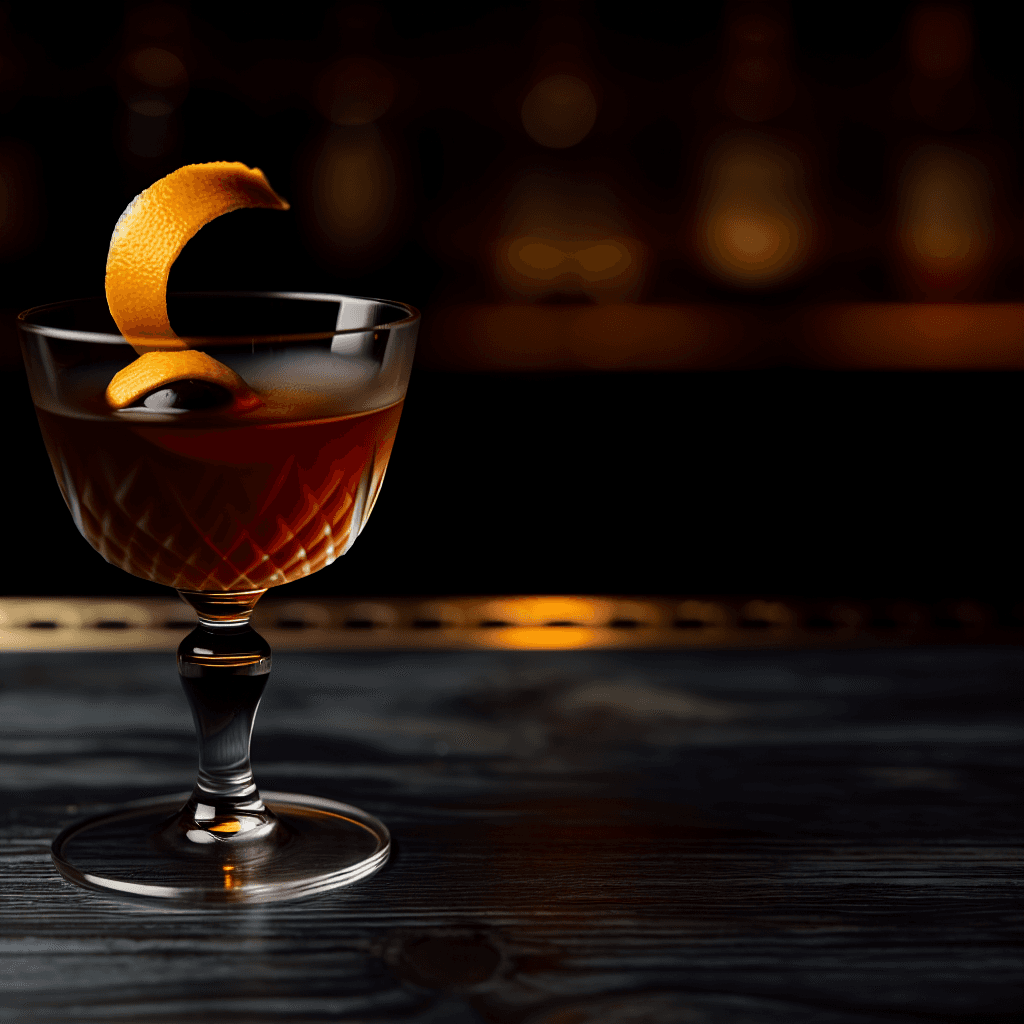
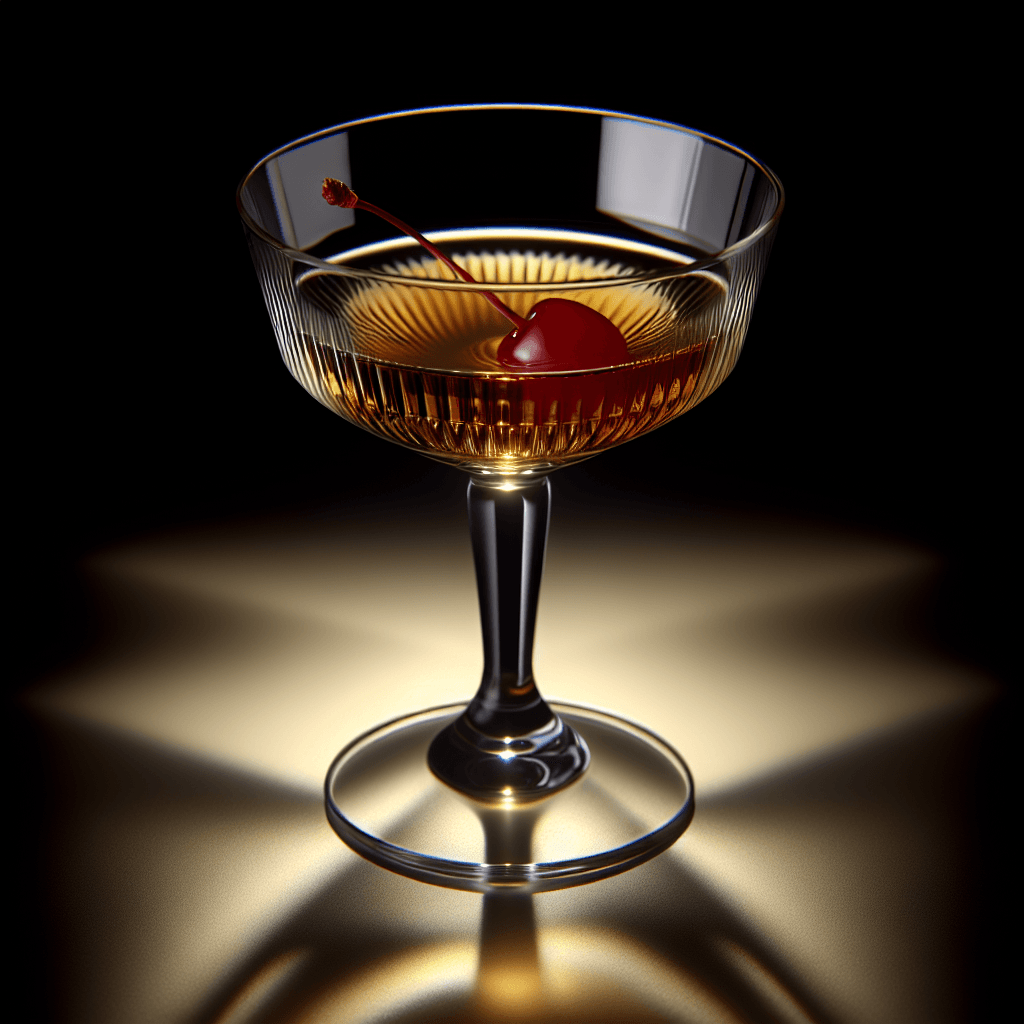
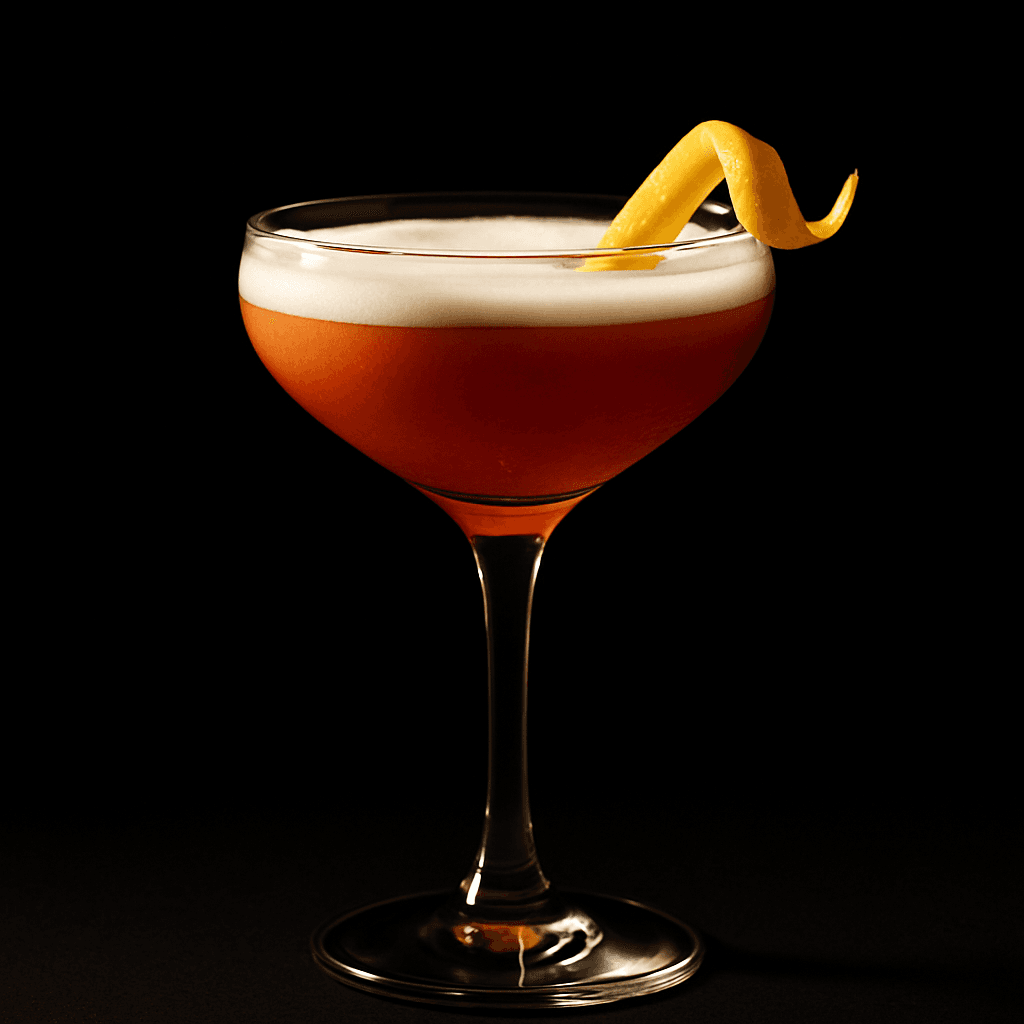
A sophisticated whiskey cocktail that combines rye whiskey with sweet vermouth and Bénédictine, creating a complex and aromatic drink. Named after the famous horse race, this cocktail embodies the elegance and tradition of the Kentucky Derby's sister race.
Step into the winner's circle with the Preakness, a distinguished cocktail that captures the spirit of America's second jewel in horse racing's Triple Crown. This refined whiskey cocktail marries the bold spice of rye with the herbal complexity of Bénédictine and the smooth sweetness of vermouth, creating a drink that's both powerful and nuanced. Like the thoroughbreds that thunder down Pimlico's track each May, the Preakness demands respect and rewards those who appreciate its intricate character. Whether you're celebrating at the track or simply savoring a moment of sophistication at home, this cocktail delivers the perfect balance of tradition and taste that has made it a favorite among discerning drinkers for generations.
AI-Crafted Recipe
This recipe was created by our AI mixologist. It may not be a traditional recipe but should be a delicious interpretation.
📝 Ingredients
- 2 oz Rye Whiskey🛒 Amazon
- 0.25 oz Benedictine🛒 Amazon
- 2 dash Angostura Bitters🛒 Amazon
- 1 piece Lemon peel🛒 Amazon
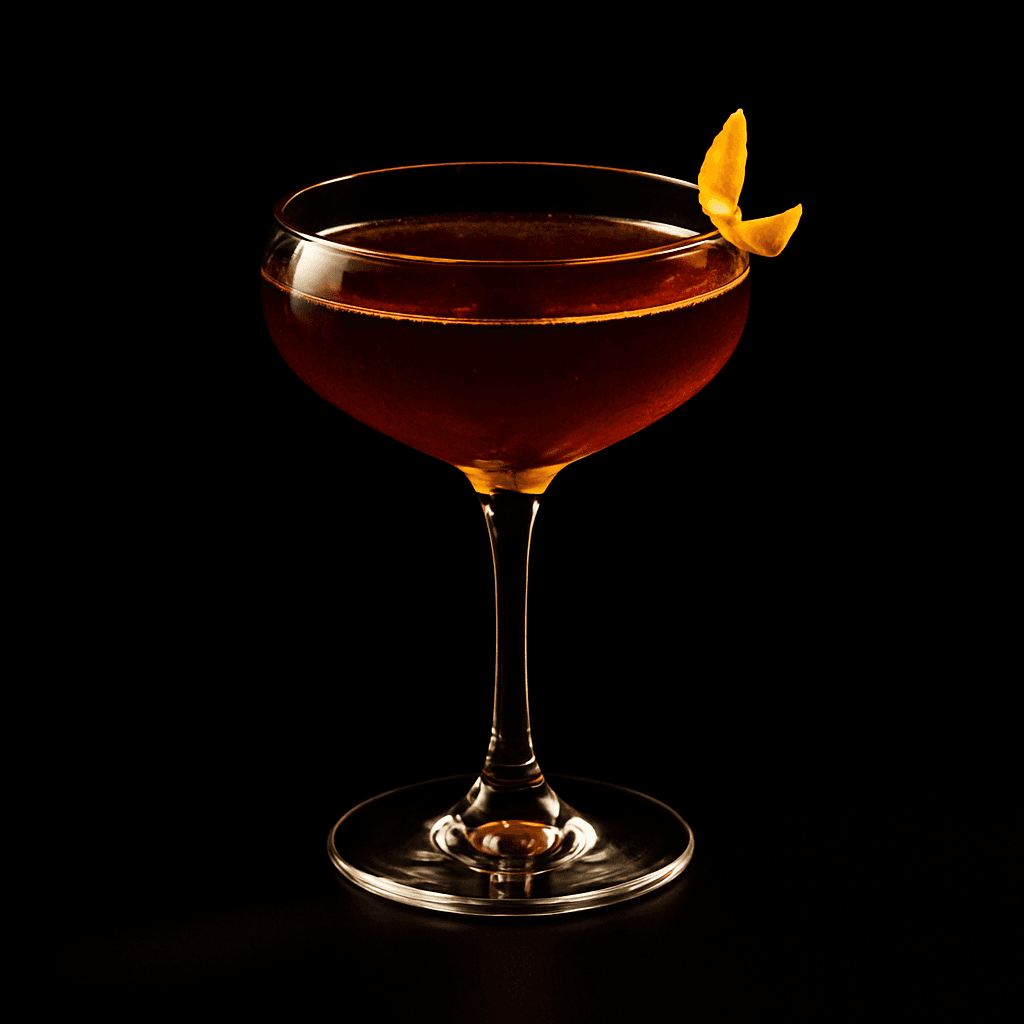
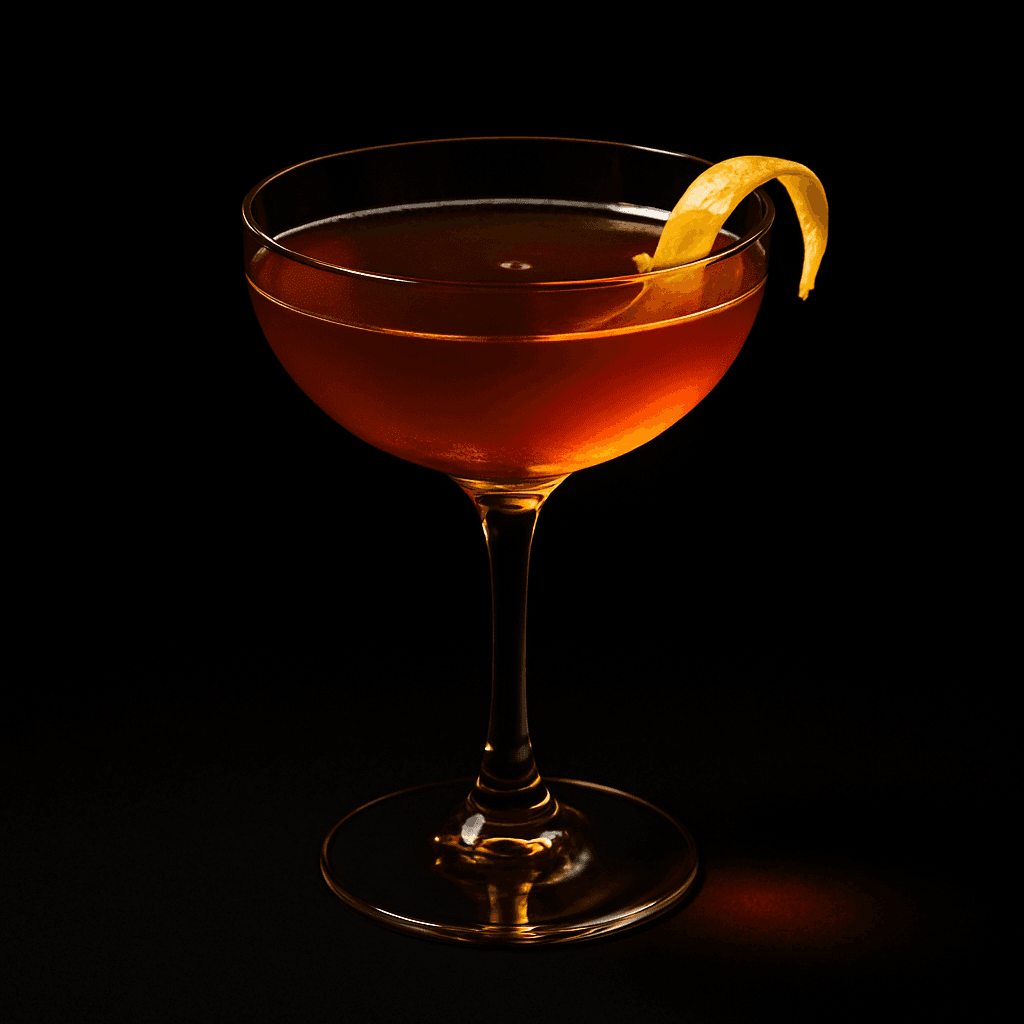
Garnish: lemon peel twist
👨🍳 Instructions
Chill a coupe glass by filling it with ice water or placing it in the freezer for 5 minutes
Add rye whiskey, sweet vermouth, Bénédictine, and Angostura bitters to a mixing glass filled with ice
Stir the mixture for 30 seconds until well-chilled and properly diluted
Empty the ice water from the chilled coupe glass
Double strain the cocktail into the prepared coupe glass using both a Hawthorne and fine mesh strainer
Express the oils from a lemon peel over the surface of the drink by holding it skin-side down and giving it a firm twist
Garnish with the expressed lemon peel twist on the rim of the glass
Flavor Profile
Tools Needed
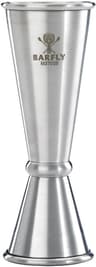
Jigger
View on Amazon →
Mixing Glass
View on Amazon →
Bar Spoon
View on Amazon →
OXO SteeL Cocktail Strainer (Hawthorne)
View on Amazon →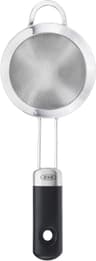
Fine Mesh Strainer
View on Amazon →
Channel Knife/Peeler
View on Amazon →
Coupe Glass Set
View on Amazon →💡 Pro Tips
- 1
Use a high-quality rye whiskey with at least 90 proof for the best backbone - the spice notes complement the herbal Bénédictine perfectly
- 2
Chill all ingredients beforehand, including the Bénédictine, as this cocktail is served straight up and benefits from being ice-cold
- 3
Express the oils from a lemon peel over the drink before discarding - the citrus oils brighten the herbal notes without overpowering them
- 4
Stir for exactly 30 seconds to achieve proper dilution without over-watering this spirit-forward cocktail
- 5
Serve immediately after straining to preserve the aromatics and prevent the drink from warming up too quickly
📜 History & Origin
The Preakness cocktail emerged in the early 20th century, during the golden age of American cocktail culture. Named after the Preakness Stakes, the second leg of horse racing's Triple Crown held annually at Pimlico Race Course in Baltimore, Maryland, this cocktail was created to honor the prestigious race that began in 1873. The drink first appeared in bartending manuals around the 1920s, during Prohibition, when creative mixologists were experimenting with European liqueurs like Bénédictine to add complexity to their whiskey-based cocktails. The combination of rye whiskey, sweet vermouth, and Bénédictine reflects the sophisticated tastes of the era's racing elite, who would gather at exclusive clubs to celebrate the sport of kings. Unlike its more famous cousin, the Mint Julep associated with the Kentucky Derby, the Preakness offered a more complex, herb-forward profile that appealed to cosmopolitan palates. The cocktail experienced a revival during the craft cocktail renaissance of the 2000s, as bartenders rediscovered classic recipes that showcased the interplay between American whiskey and European liqueurs.