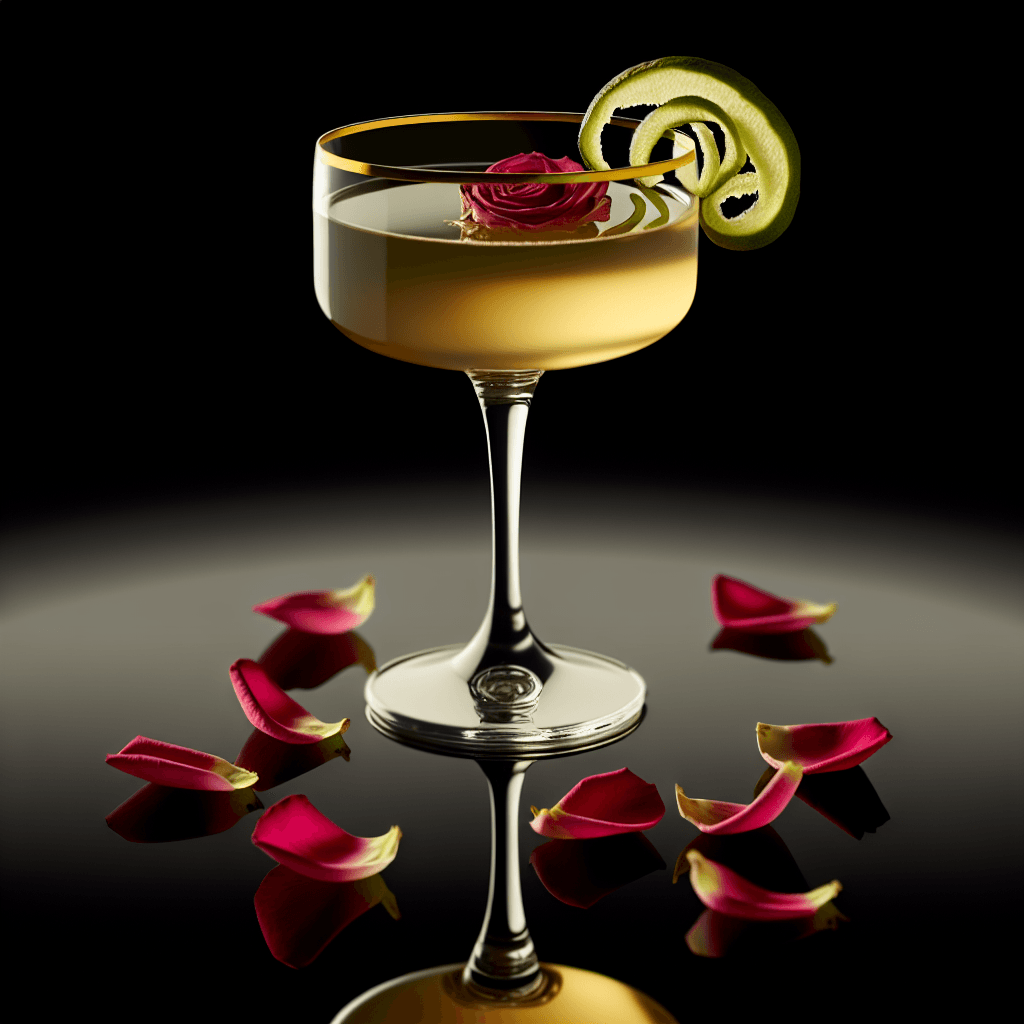
Hugo
Un cocktail spritz austriaco rinfrescante a base di sciroppo di sambuco, prosecco e menta fresca. Questo aperitivo leggero e floreale è diventato una bevanda estiva amata in tutta Europa.
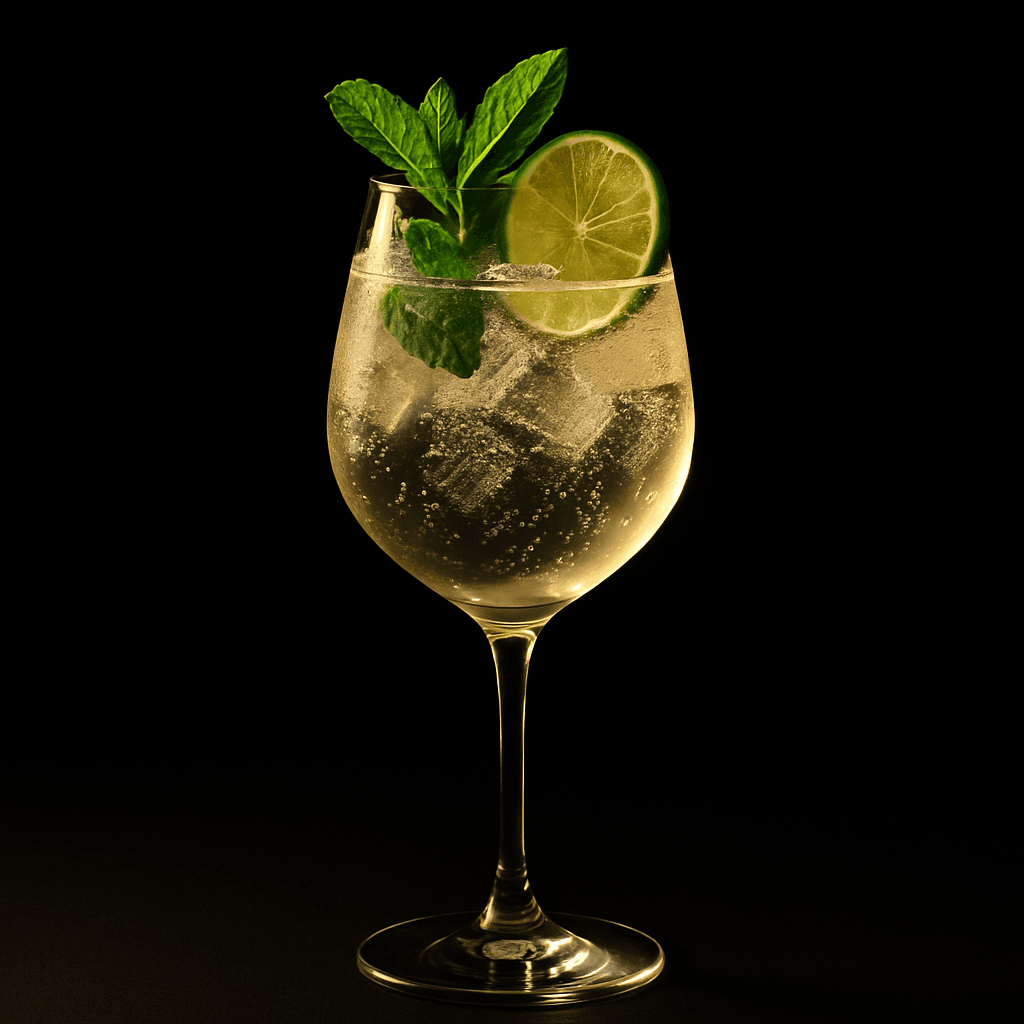
Ecco il Hugo, la risposta dell'Austria all'Aperol Spritz italiano che sta silenziosamente conquistando le terrazze europee un sorso alla volta. Questo cocktail incantevole combina le delicate note floreali del sambuco con il prosecco frizzante e la menta fresca aromatica, creando una bevanda sia sofisticata che piacevolmente accessibile. Nato nelle pittoresche regioni alpine del nord Italia e dell'Austria, l'Hugo si è guadagnato il suo posto come aperitivo perfetto per pomeriggi caldi ed eleganti riunioni. Ciò che rende questo cocktail davvero speciale è il suo bellissimo equilibrio – dolce ma non stucchevole, frizzante ma non eccessivo, e aromatico senza essere pesante.
Ricetta Creata da IA
Questa ricetta è stata creata dal nostro mixologo IA. Potrebbe non essere una ricetta tradizionale, ma dovrebbe essere un'interpretazione deliziosa.
📝 Ingredienti
- 0.75 oz Elderflower syrup🛒 Amazon
- 0.25 oz Succo di Lime Fresco🛒 Amazon
- 6 pezzo foglie di menta fresca🛒 Amazon
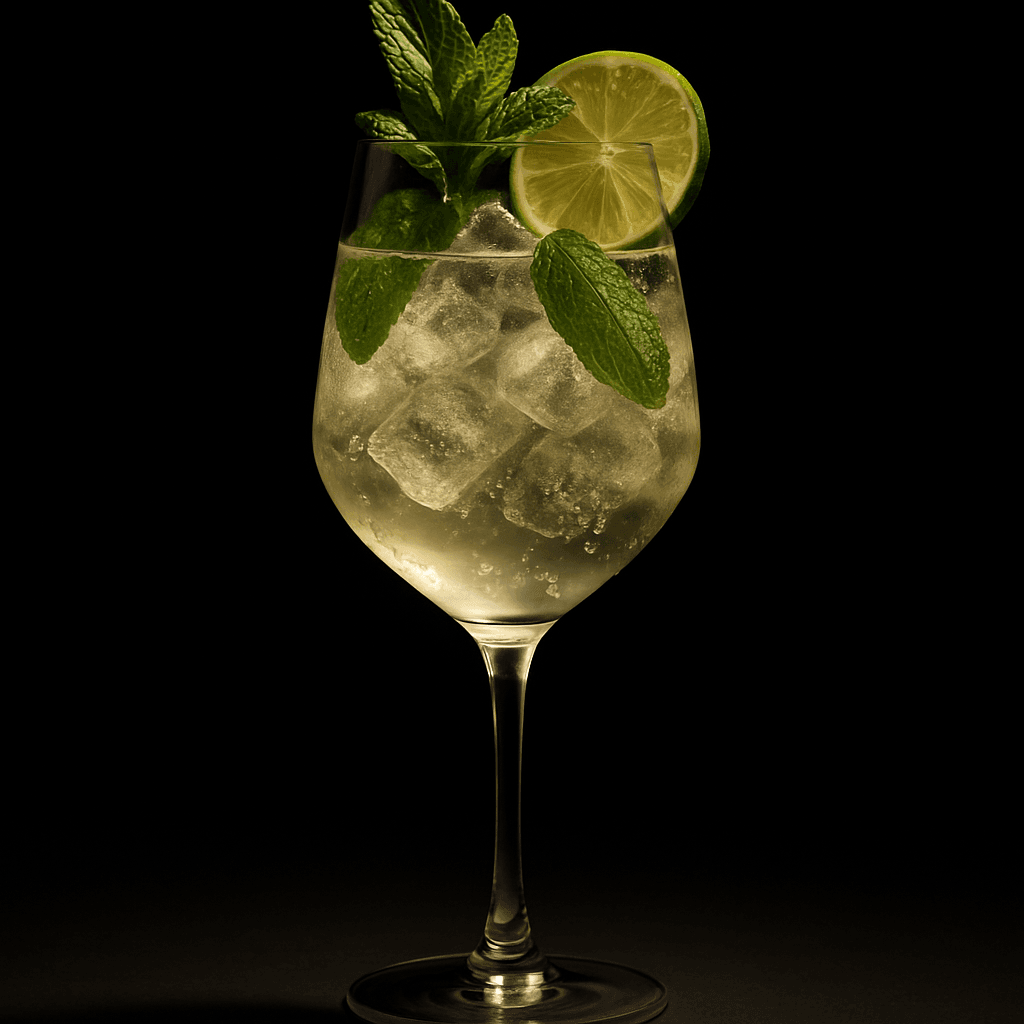
Guarnizione: Rametto di menta fresca e rotella di lime
👨🍳 Istruzioni
Riempire un bicchiere da vino capiente con cubetti di ghiaccio
Pestare delicatamente 4-5 foglie di menta sul fondo del bicchiere per rilasciare i loro oli
Aggiungere lo sciroppo di sambuco e il succo di lime fresco nel bicchiere
Versare lentamente il prosecco per preservare le bollicine
Completare con acqua frizzante e mescolare delicatamente con un cucchiaino da bar
Guarnire con il rametto di menta rimanente e una rotella di lime sul bordo
Profilo Aromatico
Strumenti Necessari
Jigger
View on Amazon →
Mixing Glass
View on Amazon →
Cucchiaio da Bar
View on Amazon →
OXO SteeL Cocktail Strainer (Hawthorne)
View on Amazon →
Muddler
View on Amazon →
Spremiagrumi
View on Amazon →💡 Consigli dell'Esperto
- 1
Utilizzare sciroppo di sambuco di alta qualità come St-Germain o sciroppo fatto in casa per le migliori note floreali
- 2
Ammaccare delicatamente le foglie di menta battendole tra i palmi delle mani prima di aggiungerle per rilasciare il massimo aroma
- 3
Servire immediatamente dopo la preparazione per mantenere l'effervescenza del prosecco
- 4
Per una versione più secca, ridurre lo sciroppo di sambuco e aggiungere un goccio di vino bianco secco
- 5
Scegliere un prosecco ben freddo ed evitare di mescolare eccessivamente per preservare le bollicine
📜 Storia e Origine
L'Hugo fu creato nel 2005 dal barman sudtirolese Roland Gruber nella pittoresca città di Naturno, in Italia, vicino al confine austriaco. Gruber cercava di creare un'alternativa più leggera e rinfrescante al popolare Aperol Spritz che potesse piacere a coloro che trovavano gli aperitivi italiani tradizionali troppo amari. Traendo ispirazione dai cespugli di sambuco che fioriscono abbondantemente nelle valli alpine, combinò lo sciroppo di sambuco con prosecco e menta fresca, creando quello che inizialmente chiamò 'Hugo Spritz'. Il cocktail divenne rapidamente popolare in tutte le regioni di lingua tedesca d'Europa, particolarmente in Austria, Germania e Alto Adige. Il suo successo può essere attribuito alla crescente tendenza verso cocktail più leggeri e meno alcolici e al fascino universale del delicato sapore di miele del sambuco. Oggi l'Hugo è onnipresente nei caffè e bar europei, specialmente durante i mesi più caldi, ed è diventato un simbolo dell'ospitalità alpina e della rilassata cultura del caffè europea.