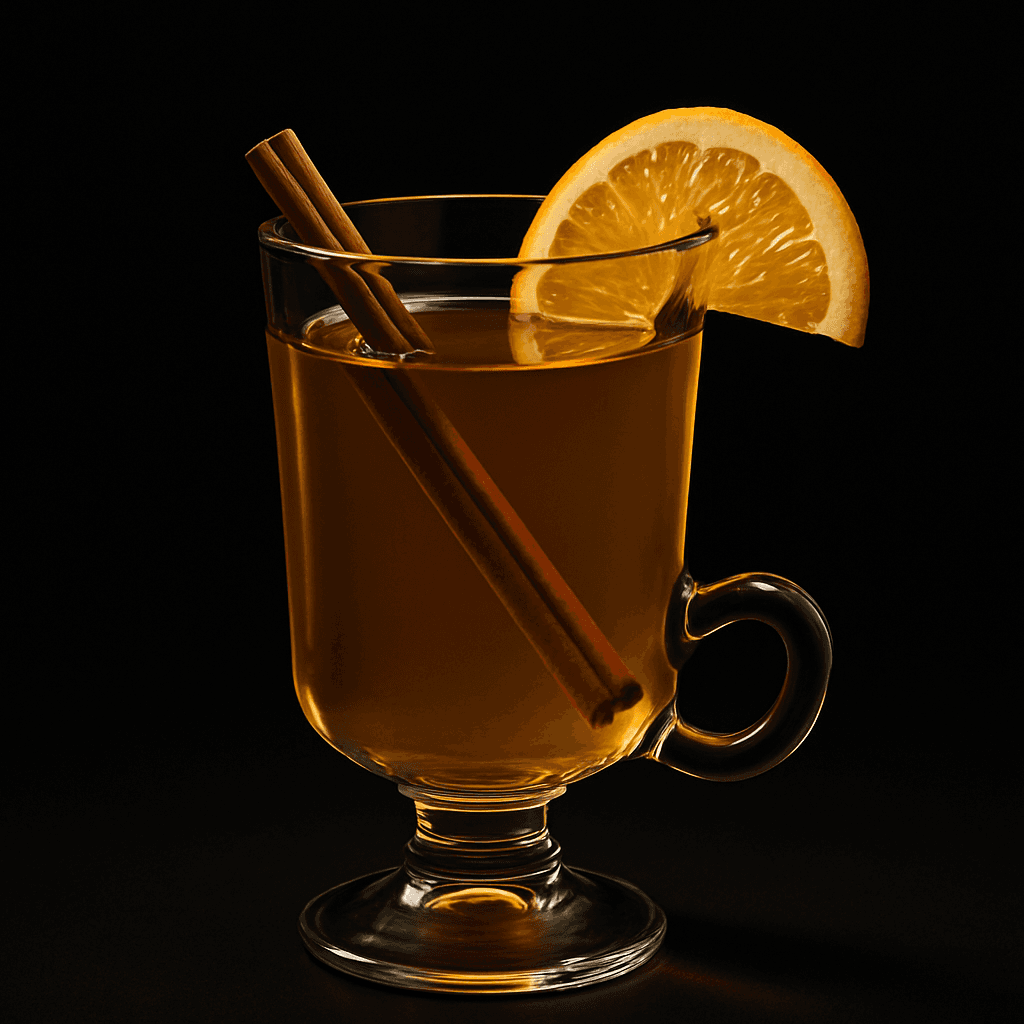
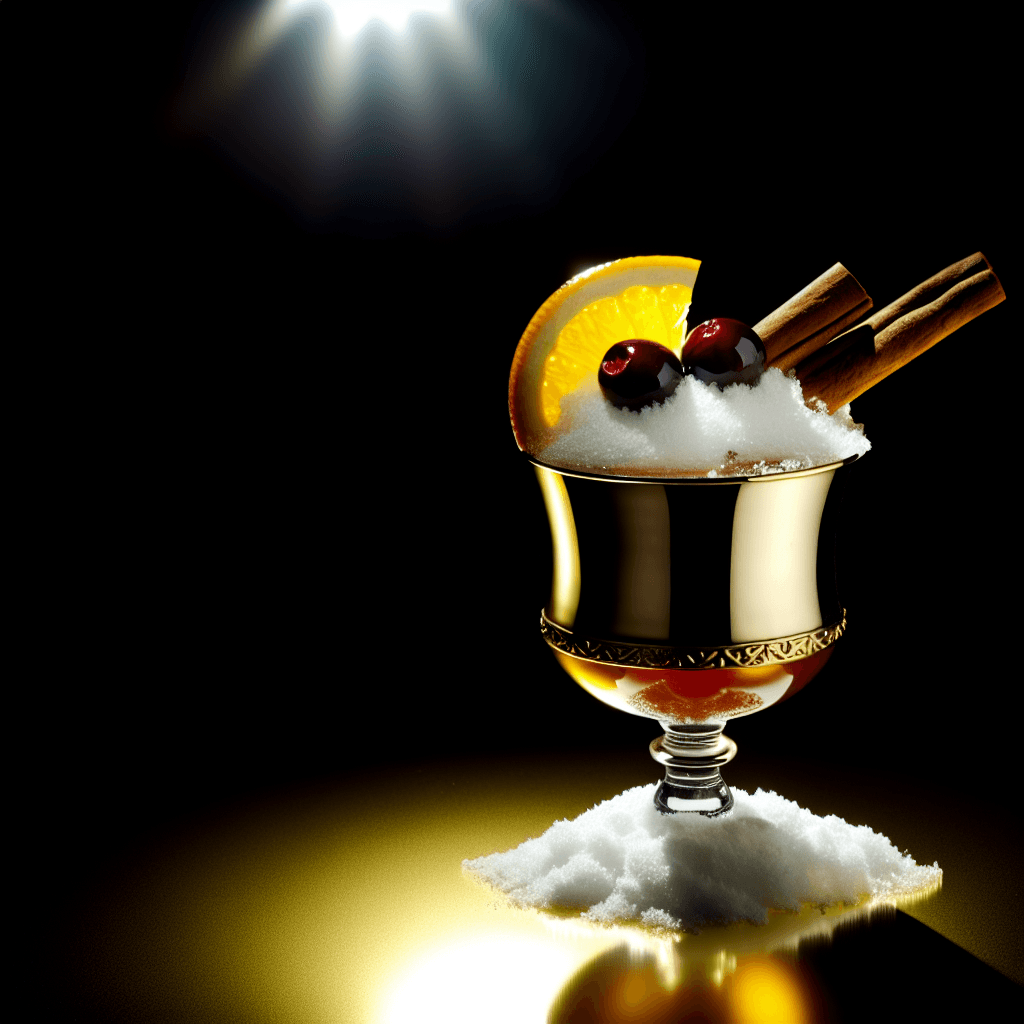
Feuerzangenbowle
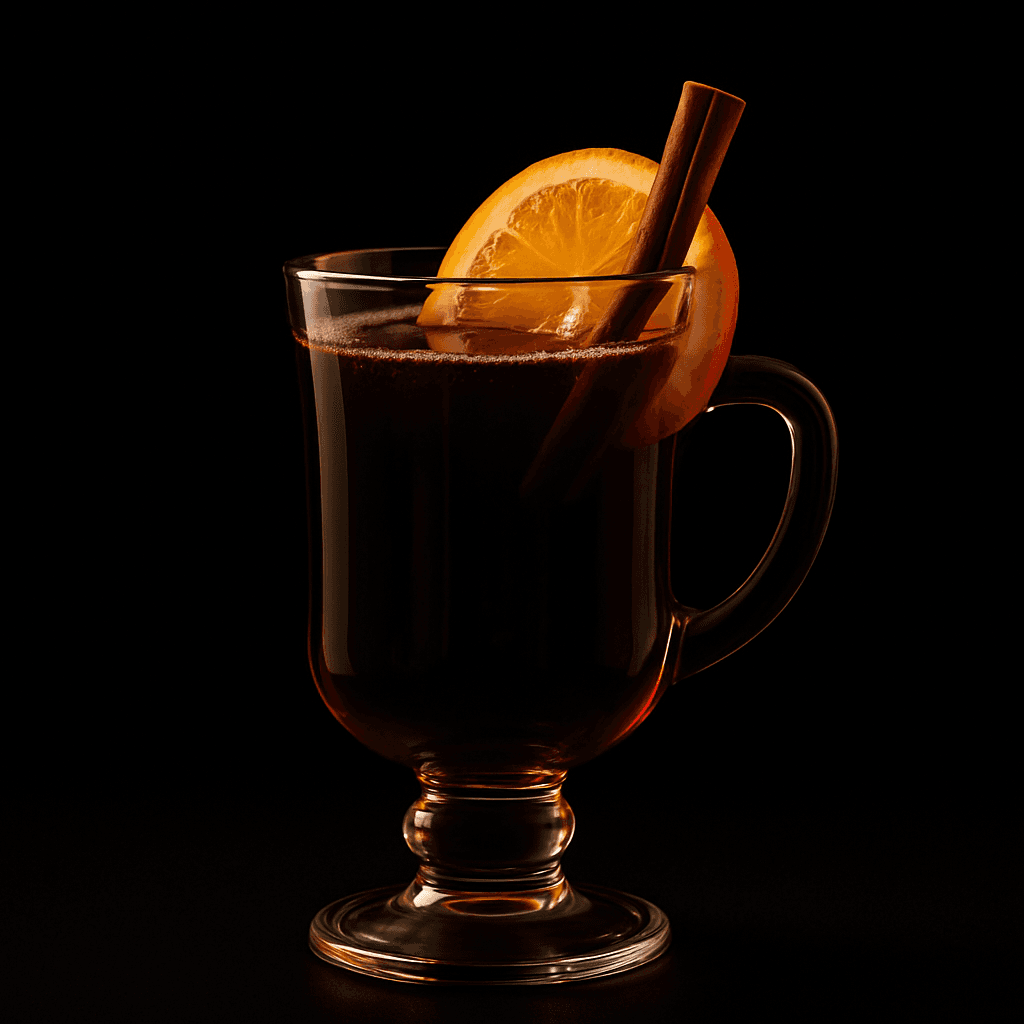
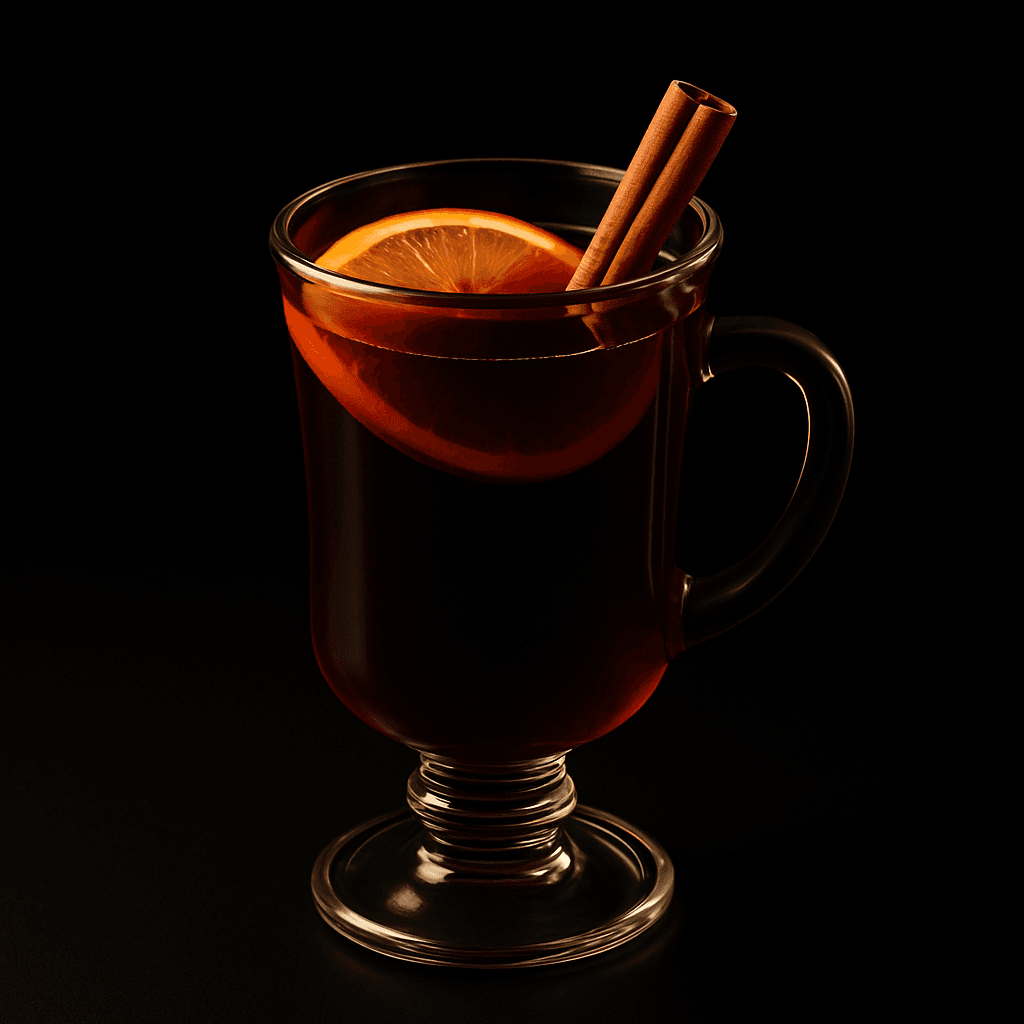
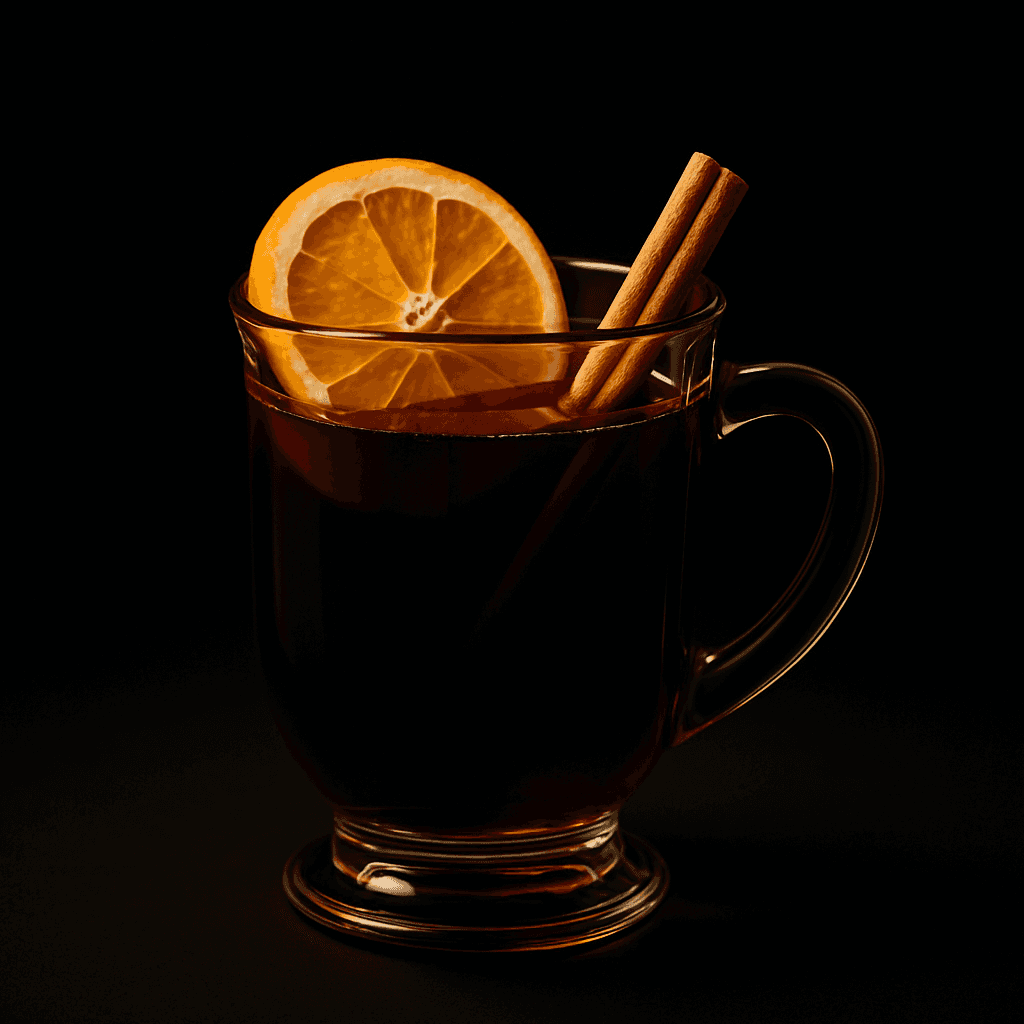
Un punch d'hiver allemand spectaculaire composé de vin rouge chaud surmonté d'un pain de sucre flambé imbibé de rhum. Cette boisson théâtrale combine des épices chaudes avec du sucre caramélisé pour un spectacle festif qui vise autant l'effet visuel que le plaisir gustatif.
Peu de cocktails captent l'attention comme la Feuerzangenbowle, la boisson d'hiver la plus théâtrale d'Allemagne. Imaginez : un chaudron de vin rouge épicé couronné d'un cône de sucre, arrosé de rhum et enflammé dans un spectacle hypnotisant de flammes bleues. Alors que le sucre fond lentement et se caramélise, il coule dans le vin en dessous, créant des couches de douceur complexe qui évoluent à chaque gorgée. Ce n'est pas seulement une boisson — c'est du théâtre culinaire dans un verre, transformant toute réunion en un spectacle inoubliable qui fait le pont entre la culture cocktail et les rituels ancestraux.
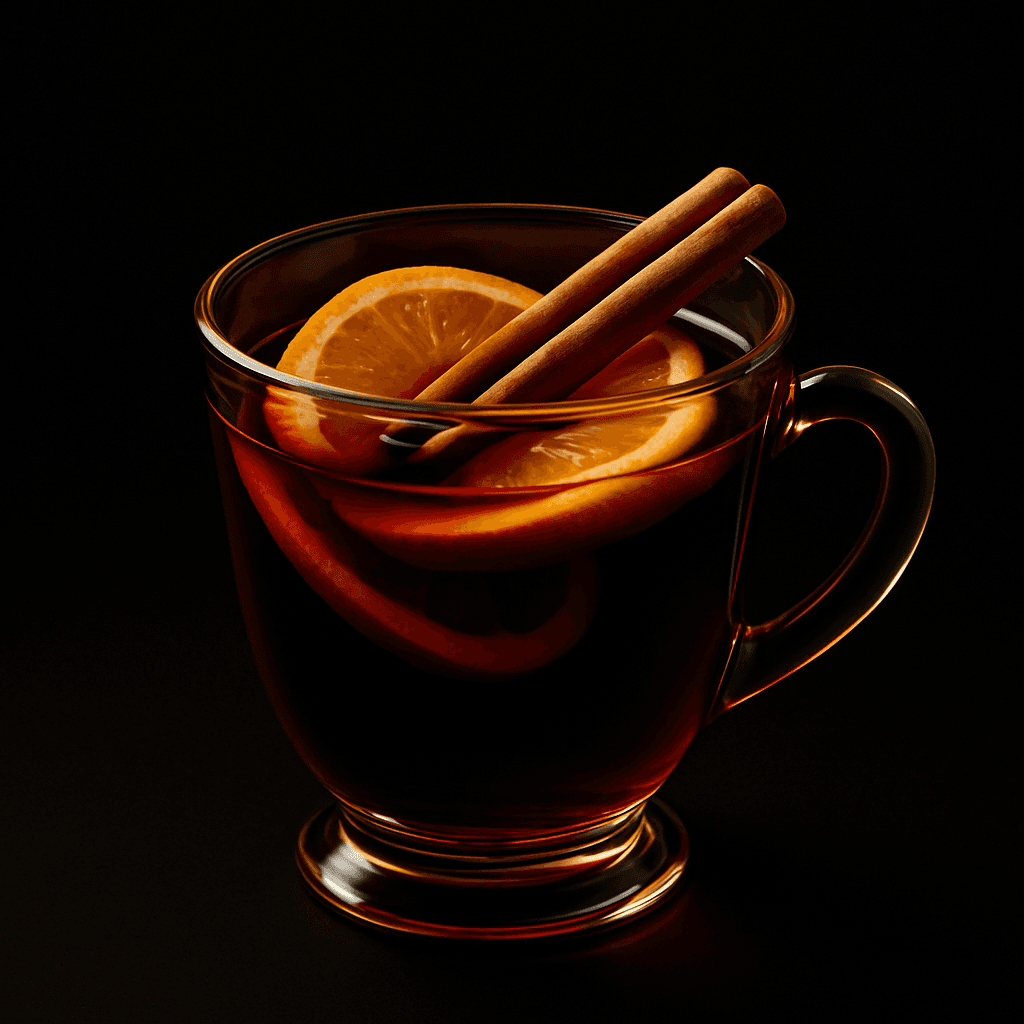
Recette Créée par IA
Cette recette a été créée par notre mixologue IA. Ce n'est peut-être pas une recette traditionnelle, mais elle devrait être une interprétation délicieuse.
📝 Ingrédients
- 2 entier Bâtons de cannelle🛒 Amazon
- 6 entier Whole cloves🛒 Amazon
- 4 entier Cardamom pods🛒 Amazon
- 2 morceau Zeste d'orange🛒 Amazon
- 2 entier Star Anise(facultatif)🛒 Amazon
Garniture: Tranches d'orange et bâtons de cannelle dans les portions individuelles
👨🍳 Instructions
Versez le vin rouge dans un grand bol résistant à la chaleur ou un pot traditionnel à Feuerzangenbowle
Ajoutez les bâtons de cannelle, les clous de girofle, les gousses de cardamome, le zeste d'orange et la badiane au vin
Réchauffez doucement le mélange de vin à feu doux pendant 15-20 minutes, en maintenant une température juste en dessous de l'ébullition (ne laissez pas bouillir)
Placez les pinces à feu (Feuerzange) en travers du rebord du bol et positionnez le cône de sucre (Zuckerhut) dessus
Versez lentement environ la moitié du rhum sur le cône de sucre, en le laissant bien s'imprégner
Allumez délicatement le cône de sucre imbibé de rhum avec une longue allumette ou un briquet
Continuez à ajouter du rhum goutte à goutte pour maintenir la flamme pendant que le sucre fond et se caramélise
Laissez le sucre flambé fondre complètement dans le vin en dessous, créant des gouttes caramélisées
Une fois que le sucre s'est entièrement dissous et que les flammes se sont éteintes, mélangez délicatement
Filtrez les épices entières et servez immédiatement dans des tasses à punch ou des chopes chauffées
Profil de Saveur
Outils Nécessaires
Jigger
View on Amazon →
Verre à Mélange
View on Amazon →
Cuillère de bar
View on Amazon →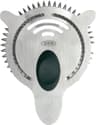
OXO SteeL Cocktail Strainer (Hawthorne)
View on Amazon →
Couteau à Cannelure/Éplucheur
View on Amazon →💡 Conseils d'Expert
- 1
Utilisez un véritable Zuckerhut (cône de sucre allemand) - le sucre granulé ordinaire ne fonctionne pas car il se dissout trop rapidement
- 2
Choisissez un vin rouge corsé comme un Spätburgunder ou Dornfelder qui peut tenir face aux épices et au sucre
- 3
Versez le rhum lentement et régulièrement sur le cône de sucre, en le laissant bien s'imprégner avant de l'allumer
- 4
Gardez du rhum supplémentaire à portée de main pour maintenir la flamme - elle s'éteindra naturellement lorsque l'alcool brûlera
- 5
Servez immédiatement après que le sucre ait complètement fondu pour un équilibre de saveurs optimal
📜 Histoire et Origine
La Feuerzangenbowle, signifiant littéralement 'bol aux pinces à feu', est apparue dans l'Allemagne du 19ème siècle à la fois comme remontant pratique d'hiver et pièce maîtresse sociale. La boisson a acquis un statut légendaire grâce au film de Heinz Rühmann de 1944 du même nom, où elle servait de catalyseur pour des récits nostalgiques entre vieux amis. Traditionnellement préparée lors des marchés de Noël et des célébrations hivernales, le rituel nécessite un équipement spécial : la feuerzange (pinces à feu) qui maintient le Zuckerhut (pain de sucre) au-dessus du vin. Cette pratique a probablement évolué des coutumes médiévales consistant à réchauffer le vin avec du métal chauffé et du sucre, mais l'élément théâtral des flammes s'est développé lorsque le rhum est devenu plus accessible dans les ports allemands. Aujourd'hui, elle reste une tradition chérie dans les marchés de Noël à travers l'Allemagne et l'Autriche, avec des sets de Feuerzangenbowle dédiés transmis de génération en génération. La boisson a connu une renaissance dans la culture cocktail moderne, les barmans appréciant à la fois son drame visuel et l'interaction complexe entre vin épicé, sucre caramélisé et rhum.