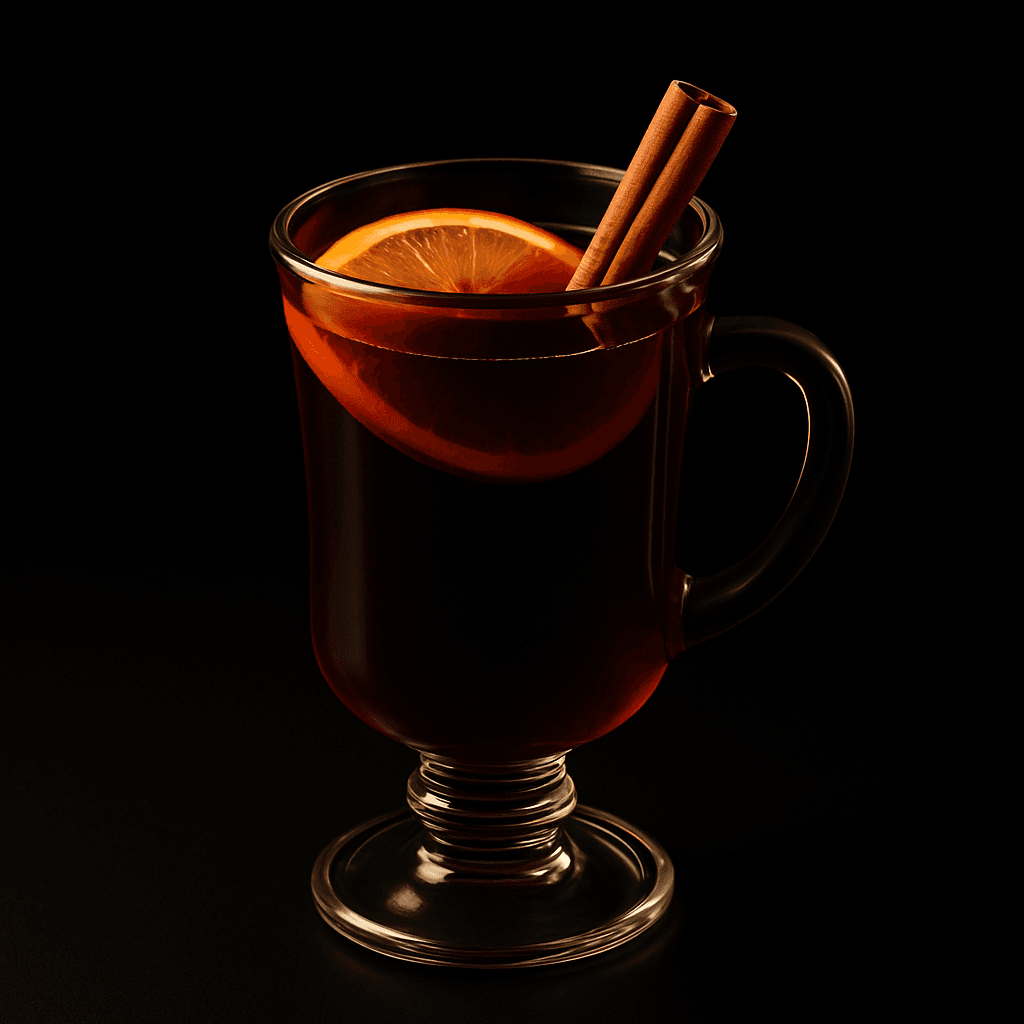
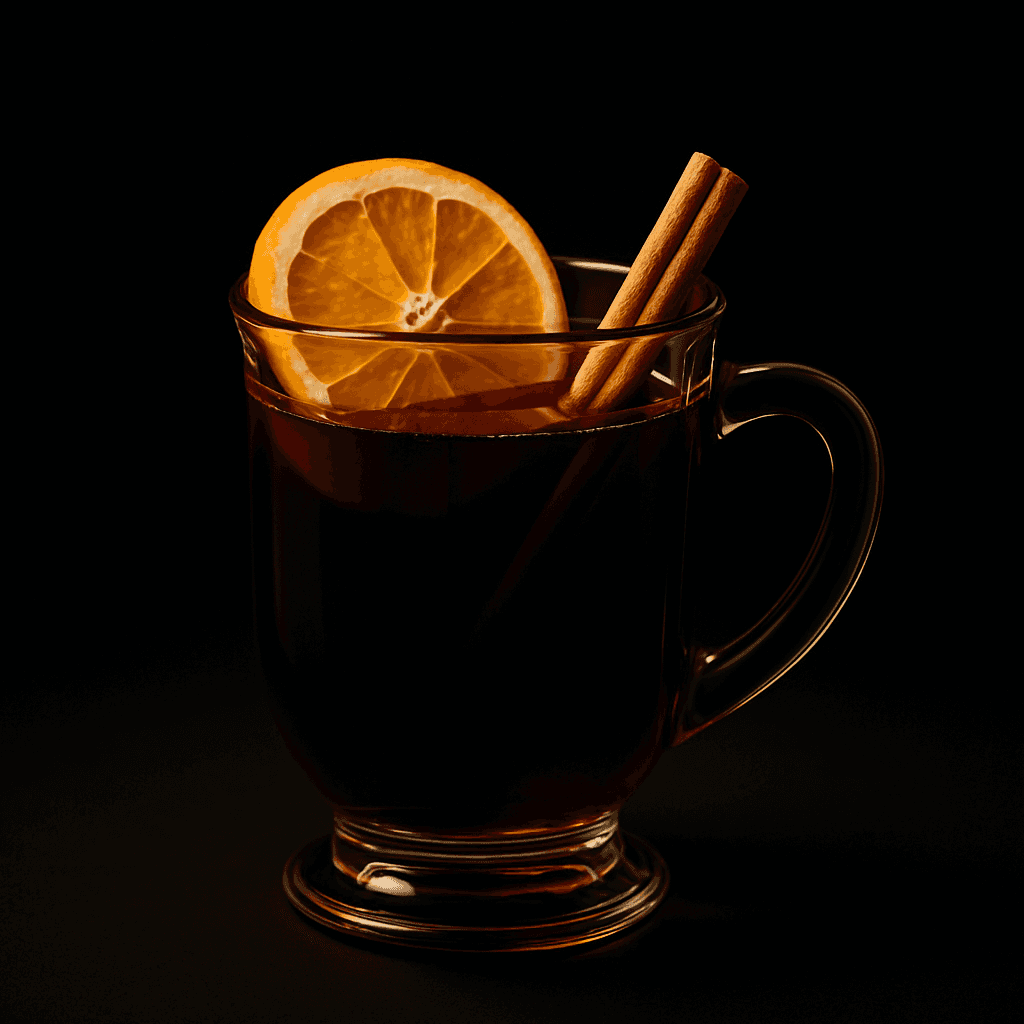
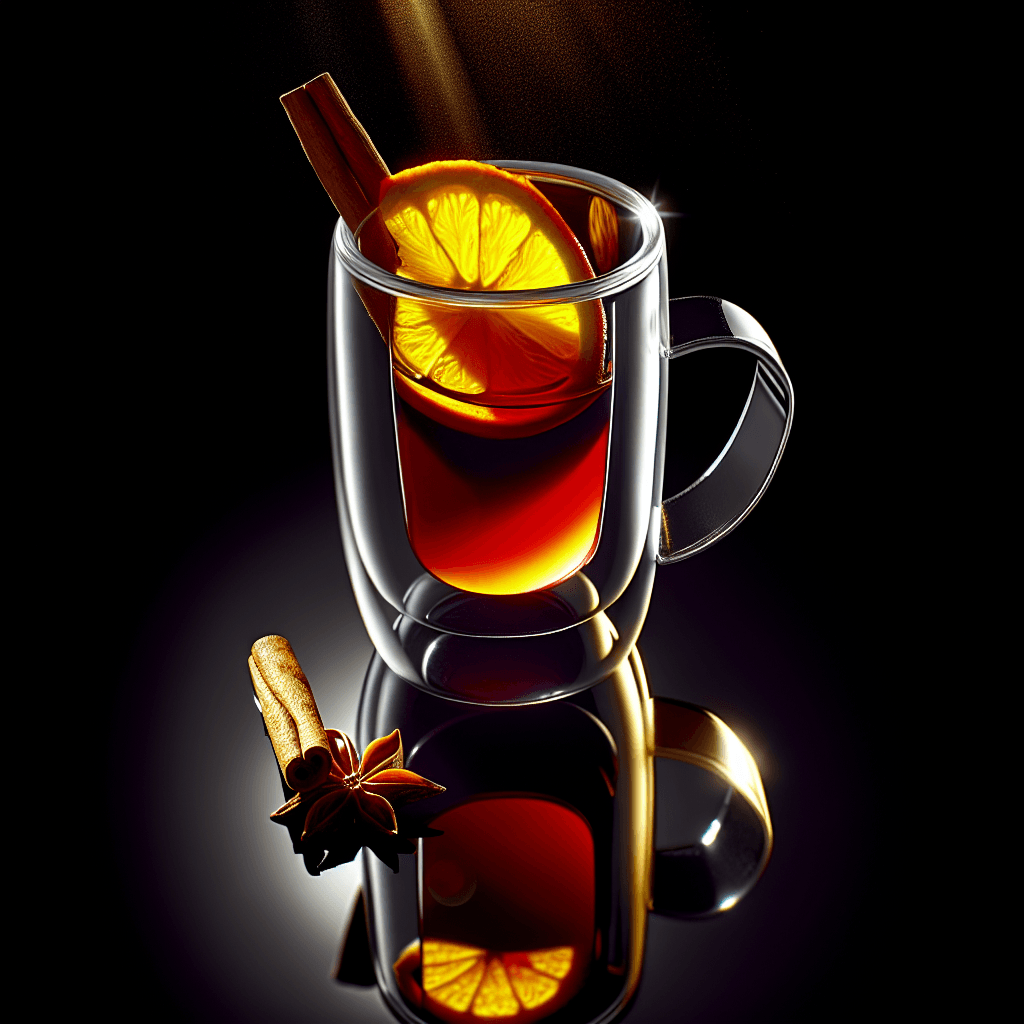
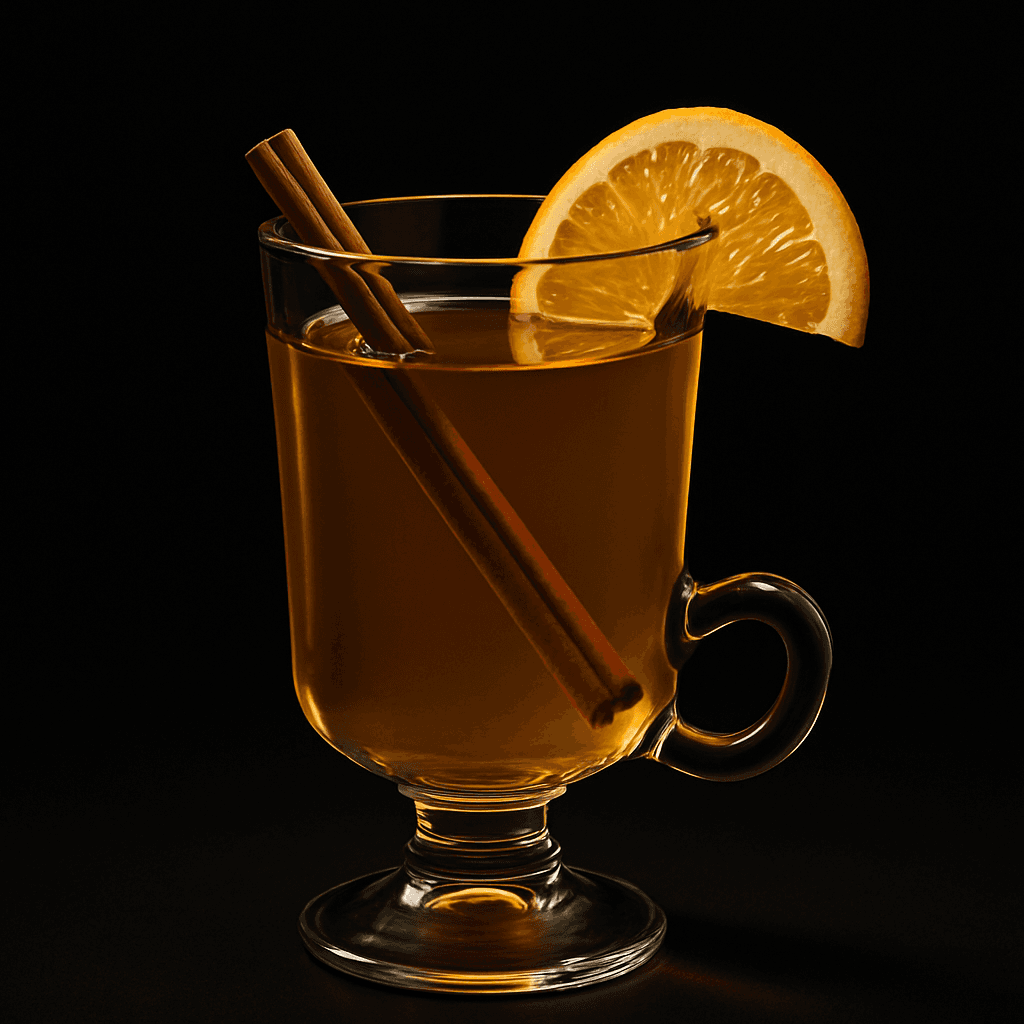
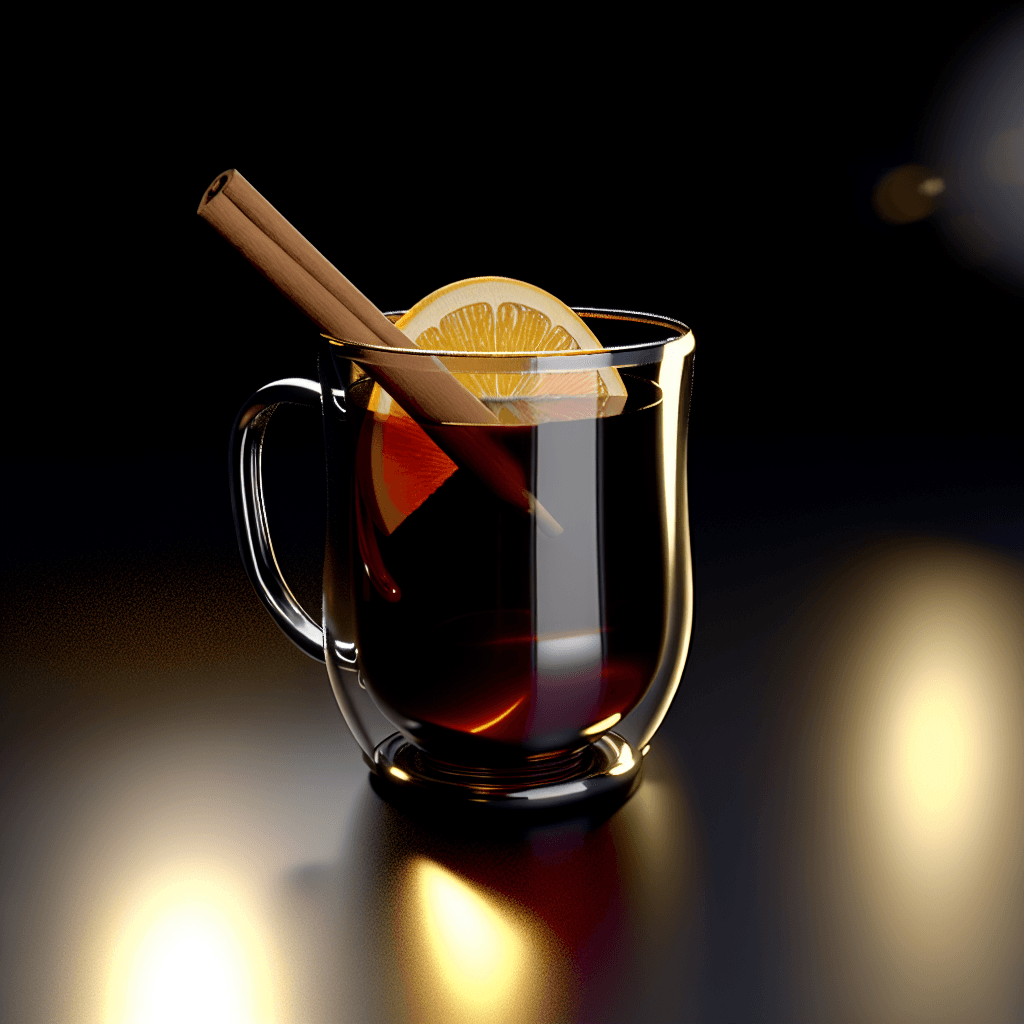
Glühwein (Vino Caliente Especiado)
Un vino especiado tradicional alemán que reconforta el alma durante los fríos meses de invierno. Este aromático cóctel caliente combina vino tinto con especias reconfortantes como canela, clavos de olor y cáscara de naranja para una bebida reconfortante perfecta para reuniones navideñas.
Nada captura la esencia de un mercado invernal europeo como el aroma embriagador del Glühwein flotando en el aire fresco. Este querido vino caliente alemán transforma una botella ordinaria de vino tinto en consuelo líquido, infundiéndolo con especias reconfortantes que danzan en tu paladar y ahuyentan el frío invernal. Más que solo una bebida, el Glühwein es un ritual—un momento para pausar, respirar el vapor fragante, y dejar que el vino especiado haga su magia. Ya sea que estés organizando una fiesta navideña o simplemente buscando consuelo en una noche fría, esta receta centenaria ofrece tanto calidez como maravilla en cada sorbo.
Receta Creada por IA
Esta receta fue creada por nuestro mixólogo de IA. Puede que no sea una receta tradicional, pero debería ser una interpretación deliciosa.
📝 Ingredientes
- 2 entero Ramas de canela🛒 Amazon
- 6 entero Whole cloves🛒 Amazon
- 2 entero Star Anise🛒 Amazon
- 3 entero Cardamom pods(opcional)🛒 Amazon
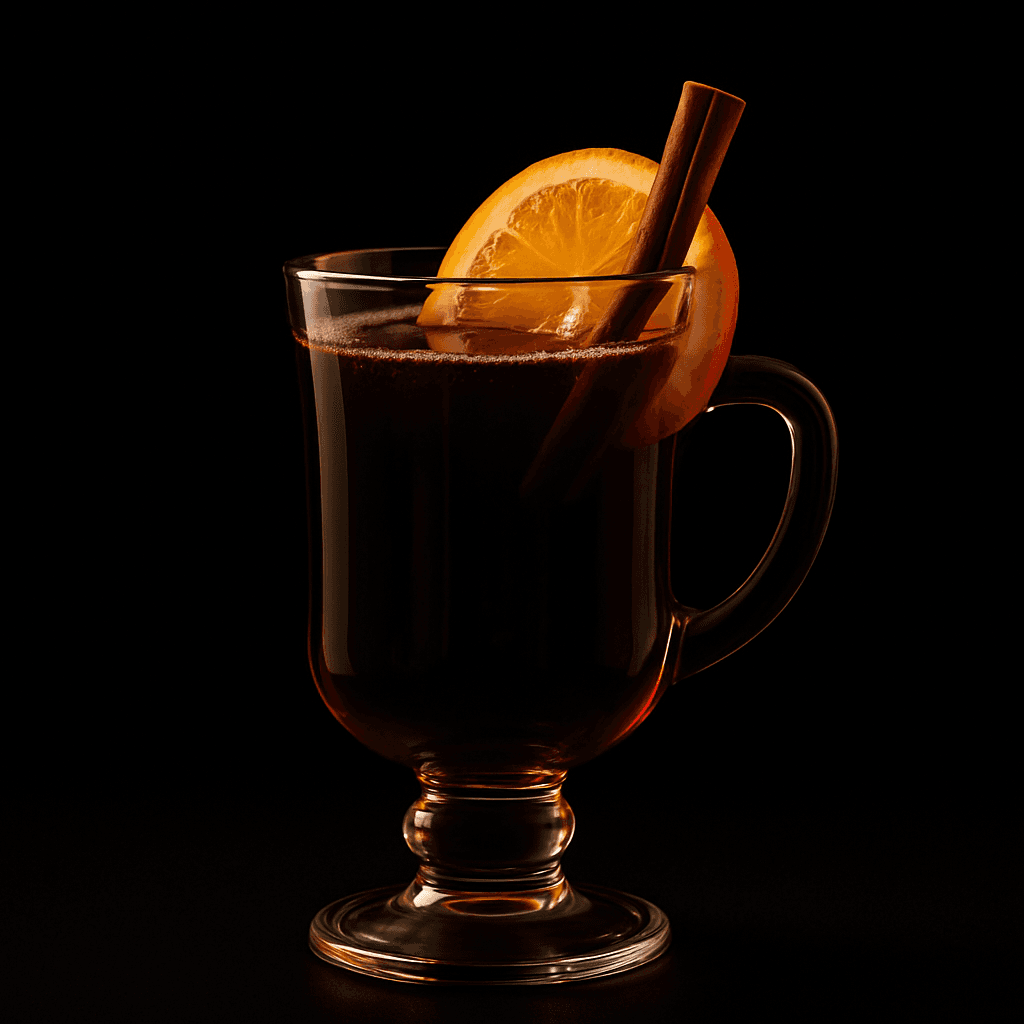
Decoración: Rodaja de naranja y rama de canela
👨🍳 Instrucciones
Vierte el vino tinto en una cacerola grande o cocción lenta. No uses utensilios de cocina de aluminio ya que pueden afectar el sabor del vino.
Añade el zumo de naranja fresco y la cáscara de naranja (evitando la parte blanca), las ramas de canela, los clavos de olor, el anís estrellado y las vainas de cardamomo al vino.
Calienta la mezcla a fuego medio-bajo hasta que comience a humear y se formen pequeñas burbujas alrededor de los bordes. No dejes que hierva.
Reduce el fuego a bajo y deja hervir a fuego lento durante 20-25 minutos, permitiendo que las especias se infusionen. Prueba y ajusta la dulzura con miel según desees.
Añade el brandy si lo usas, y deja hervir a fuego lento durante 2-3 minutos adicionales para que se integre.
Cuela el Glühwein a través de un colador de malla fina para eliminar todas las especias y la cáscara de naranja.
Sirve inmediatamente en tazas calientes, adornado con una rodaja de naranja fresca y una rama de canela.
Perfil de Sabor
Herramientas Necesarias
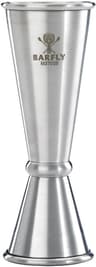
Jigger
View on Amazon →
Cuchillo Acanalador/Pelador
View on Amazon →💡 Consejos de Experto
- 1
Usa un vino tinto seco o semiseco como Merlot o Cabernet Sauvignon—evita vinos caros ya que el calentamiento silenciará los sabores sutiles
- 2
Nunca dejes que el vino hierva, ya que esto eliminará el alcohol y creará un sabor amargo; mantenlo a fuego lento suave
- 3
Cuela todas las especias antes de servir para prevenir la sobre-extracción y el amargor
- 4
Prepáralo con anticipación y déjalo reposar—el Glühwein sabe aún mejor después de que los sabores se hayan casado durante unas horas
- 5
Sirve en tazas o vasos resistentes al calor, y considera ofrecer ramas de canela como removedores para aroma extra
📜 Historia y Origen
El Glühwein, que literalmente significa 'vino que brilla' en alemán, ha calentado corazones y cuerpos en toda Europa Central durante más de 500 años. Sus orígenes se remontan a tiempos medievales cuando los comerciantes de vino calentaban vino no vendido con especias para hacerlo más apetecible y conservarlo por más tiempo. La práctica se extendió por todas las regiones de habla alemana, con cada área desarrollando su propia mezcla característica de especias. La tradición moderna del Glühwein realmente floreció en los famosos mercados navideños de Alemania, donde los vendedores comenzaron a servir la bebida humeante en tazas decorativas que se convirtieron en recuerdos preciados. La bebida ganó reconocimiento internacional después de la Segunda Guerra Mundial, cuando soldados y viajeros llevaron las recetas a casa desde sus experiencias europeas. Hoy, el Glühwein sigue siendo la piedra angular de las celebraciones invernales alemanas, con regulaciones estrictas que rigen su producción—el Glühwein auténtico debe contener al menos 7% de alcohol y no puede tener agua añadida. La tradición ha evolucionado para incluir variaciones como Feuerzangenbowle (con un pan de azúcar en llamas) y versiones de vino blanco, pero la fórmula clásica de vino tinto permanece sin cambios.