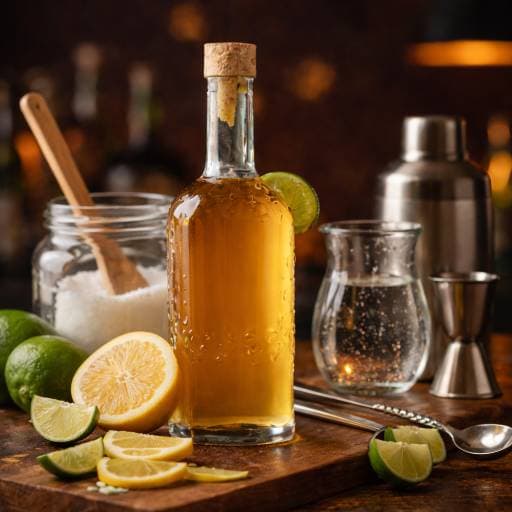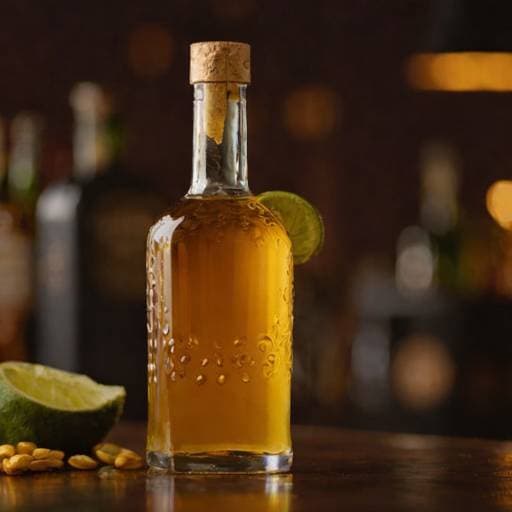
Coconut water has roughly a quarter of the sugar of most mixers and pairs naturally with rum, tequila, and vodka. Here's how to use it — and where it falls flat.
Most cocktail mixers are sugar bombs. Orange juice has about 21 grams of sugar per cup. Pineapple juice hits 25 grams. Cranberry juice cocktail tops 30 grams. Then there is coconut water — hovering around 6 grams of sugar per cup — with a subtle, slightly sweet, slightly nutty flavor that plays well with spirits instead of burying them. It is not a gimmick or a health-fad ingredient. It is a genuinely useful mixer that fills a gap most home bartenders do not realize they have: a hydrating, low-sugar, high-volume ingredient for drinks where you want length without sweetness.
If you have ever wished your rum highball was lighter, your Paloma was less sugary, or your batch cocktails were more sessionable, coconut water is the answer.
Why It Works
Coconut water succeeds as a mixer for three specific reasons.
Low sugar, real flavor. At roughly 5–6 Brix (5–6% sugar by weight), coconut water sits far below most cocktail mixers. For comparison, fresh lime juice is about 7 Brix, orange juice is about 11–12, and simple syrup is 50. Coconut water provides enough residual sweetness to soften a spirit without drowning it. You taste the spirit first, the coconut second — exactly where a good mixer should sit.
Neutral-adjacent flavor profile. Coconut water does not taste like coconut cream or coconut milk. It is not rich, not fatty, not tropical in the way that Pina Colada ingredients are. It has a clean, slightly mineral quality — almost like a very light broth — with just enough coconut character to add interest. This means it pairs with spirits rather than competing with them.
Natural electrolytes. Coconut water contains potassium, magnesium, and sodium — the same electrolytes you lose when drinking alcohol. This does not make cocktails "healthy," but it does make coconut-water-based drinks noticeably less dehydrating than comparable drinks made with juice or soda. For long afternoons of sipping, that matters.
Best Spirit Pairings
Not every spirit benefits from coconut water. Here is where it excels and where it falls short.
Rum — the natural match. White rum and coconut water are already neighbors on the tropical flavor map. A white rum and coconut water highball over ice with a squeeze of lime is one of the simplest and most refreshing warm-weather drinks you can make. Aged rum works too — the caramel and vanilla notes play beautifully against the subtle sweetness. Dark or black rum tends to overpower the coconut water, though, so keep it light.
Tequila — surprisingly excellent. Blanco tequila and coconut water share a clean, slightly vegetal quality that just clicks. The agave character of the tequila and the nuttiness of the coconut water complement each other without either one dominating. Reposado works as well — the light oak aging adds warmth without overwhelming the mixer.
Vodka — clean and simple. Vodka and coconut water is the low-effort, no-nonsense option. Add a splash of lime and you have a drink that tastes light and clean. It lacks the complexity of the rum or tequila pairings, but it is perfectly pleasant and extremely easy to drink.
Gin — mixed results. Juniper-heavy London Dry gins can clash with coconut water — the botanical intensity fights with the subtle coconut flavor. Lighter, citrus-forward gins work better. If you try it, go gentle on the pour ratio.
Whiskey — generally no. Bourbon, rye, and Scotch have too much barrel character and spice to pair well with coconut water's delicate flavor. The whiskey steamrolls it. Stick to tropical-adjacent spirits.
Three Cocktails Worth Making
Coconut Water Paloma
- 2 oz blanco tequila
- 4 oz coconut water
- 0.75 oz fresh lime juice
- 0.25 oz agave nectar or simple syrup
- Pinch of salt
Build over ice in a tall glass. Stir gently. Garnish with a lime wheel. This is a lighter, less sweet riff on the classic Paloma that replaces grapefruit soda with coconut water. The result is cleaner and more spirit-forward. Add a small splash of fresh grapefruit juice (0.5 oz) if you want a hint of that bitter citrus character back.
Coconut Daiquiri Riff
- 2 oz white rum
- 1.5 oz coconut water
- 0.75 oz fresh lime juice
- 0.5 oz simple syrup
Shake hard with ice, strain into a coupe. This is a Daiquiri with coconut water replacing some of the lime's volume and adding a subtle tropical undertone. The drink is lighter and longer than a classic Daiquiri. Adjust the simple syrup down to 0.25 oz if you want it drier — the coconut water's natural sweetness provides some cushion.
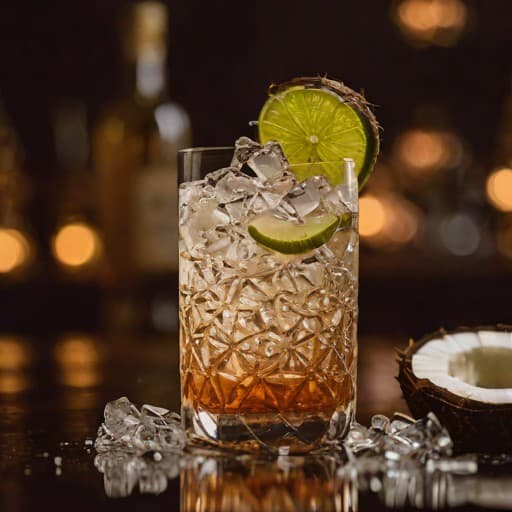
Coconut Rum Highball
- 2 oz aged rum
- 4 oz coconut water
- 0.5 oz fresh lime juice
Build over ice in a Collins glass. Stir once. Garnish with a lime wedge. Dead simple, incredibly refreshing, and low enough in sugar that you can have two without feeling like you drank dessert. This is the coconut water cocktail you will reach for most often.
Coconut Water vs. Coconut Cream vs. Cream of Coconut
These three products share the word "coconut" and absolutely nothing else. Confusing them will wreck a drink. (For the full breakdown, see coconut cream vs. cream of coconut.)
Coconut water is the clear liquid from inside a young coconut. Thin, low-fat, low-sugar (~6g per cup), light.
Coconut cream is the thick, pressed fat from coconut flesh. Rich, high-fat (20–25%), unsweetened.
Cream of coconut (Coco Lopez) is coconut cream with a massive amount of added sugar (~50g per 100ml). It is what makes a Pina Colada a Pina Colada.
If you substitute coconut water where a recipe calls for cream of coconut, your drink will be thin, watery, and not remotely sweet enough. If you substitute cream of coconut where coconut water belongs, you will have an overwhelmingly rich, cloyingly sweet mess. They are not interchangeable. Full stop.
Buying Tips
Stick with 100% coconut water. Read the label. You want a product that lists coconut water as the only ingredient — no added sugar, no added flavors, no "coconut water beverage" with pear juice or cane sugar mixed in. Brands like Harmless Harvest, Vita Coco Pure, and C2O are reliable options.
Avoid flavored varieties. Pineapple-coconut water, mango-coconut water, and similar products add sugar and artificial flavor that will clash with your spirits. Plain coconut water only.
Fresh vs. shelf-stable. Refrigerated coconut water (like Harmless Harvest) tastes slightly better — more nuanced, less processed. Shelf-stable cartons (like Vita Coco) are perfectly fine for cocktails and more convenient. The difference is marginal once you add spirits and citrus.
Shelf life once opened: 3–5 days refrigerated, then it starts to ferment and develop off-flavors. Coconut water goes bad faster than most people expect. If it smells sour or fizzy, toss it. Buy smaller cartons if you will not use a liter in a few days.
Batching with Coconut Water
Coconut water is excellent for batch cocktails — its low sugar content and neutral-adjacent flavor scale well. But the low sugar creates a specific issue you need to plan for.
The sweetness gap: When you batch a coconut water cocktail for a crowd, the total sugar content is much lower than a batch made with juice. Taste the batch before serving and adjust the sweetener. Most coconut water batches need 10–15% more sweetener than you would expect from the single-serve recipe. A splash more simple syrup or agave nectar keeps the batch from tasting flat and thin at volume.
Dilution matters more. Because coconut water is not masking anything with sweetness, over-dilution is more noticeable. If you are pre-diluting a batch (adding water to account for ice melt), be conservative — add 15% water rather than the standard 20–25% you might use for a juice-based batch. You can always add more ice at service.
Shelf life of the batch: Coconut water oxidizes faster than spirits-only batches. Make coconut water batches the same day you plan to serve them. A batch made 24 hours ahead will taste noticeably flatter than one made fresh. Keep it refrigerated until service.
Where Coconut Water Falls Short
Coconut water is not magic, and there are places it does not work.
Strong, barrel-aged spirits. Bourbon, aged Scotch, and heavily oaked rums overpower coconut water completely. You end up tasting whiskey and water, not whiskey and coconut. Stick to lighter, younger spirits.
Cocktails that need body. Coconut water is thin — basically water with flavor and a little sugar. It cannot replace cream of coconut in a Pina Colada, coconut cream in a fat-washed rum, or even juice in a cocktail that relies on viscosity and body. It is a lengthener, not a thickener.
Very sour cocktails. In drinks built around heavy citrus — a classic Daiquiri, a Whiskey Sour — coconut water's subtlety gets lost. The acid dominates and the coconut character vanishes. It works better as a supporting player alongside a moderate amount of citrus, not as a replacement for it.
The Bottom Line
Coconut water fills a real gap in the cocktail mixer world — something with genuine flavor, minimal sugar, and enough subtlety to let spirits shine. At roughly 6 grams of sugar per cup (compared to 21–30 grams for most juices), it lets you build drinks that are refreshing and sessionable without being diet-tasting or watery. Pair it with white rum, blanco tequila, or vodka. Keep it simple. Let the spirit do the work. And buy it fresh — it has a shorter shelf life than you think.
Browse our cocktail recipes for more tropical and rum-based drinks, or try the Ingredient Matcher to find recipes based on what you have on hand. For a deeper dive into choosing the right rum, see our guide on white rum vs. dark rum vs. aged rum.