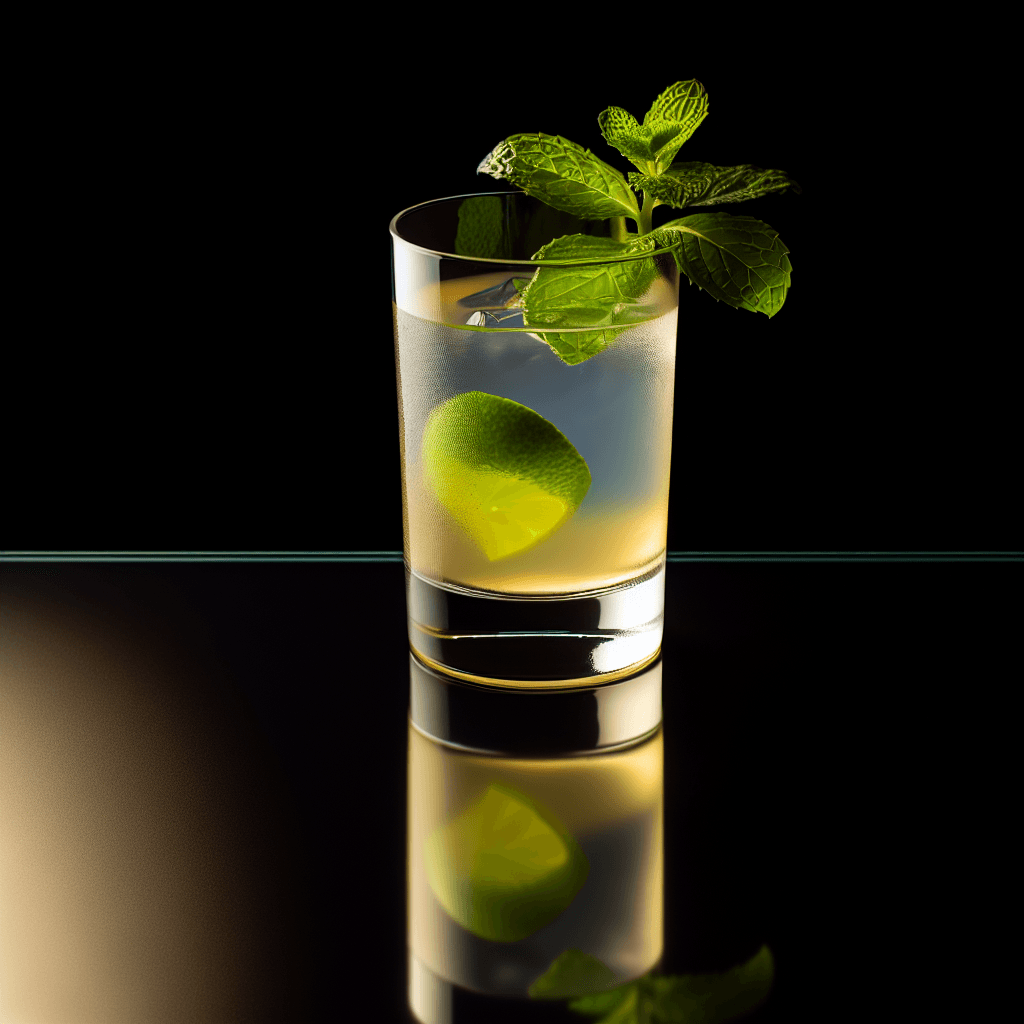
Yuzu Sake Cocktail
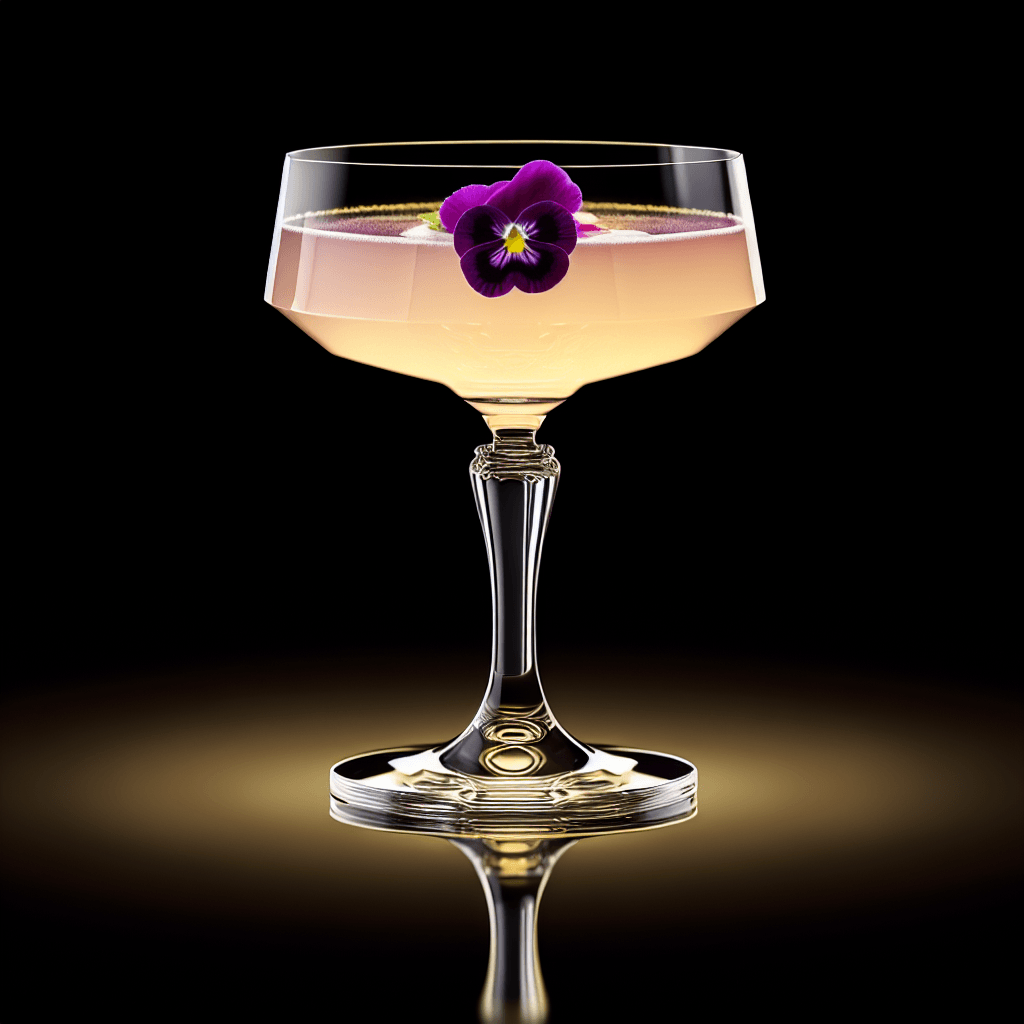
Un cocktail délicat d'inspiration japonaise qui marie l'élégance florale du saké avec les agrumes vifs et aromatiques du yuzu. Ce cocktail sophistiqué équilibre la tradition orientale avec les techniques modernes de mixologie.
Entrez dans le monde de la mixologie japonaise avec cet éthéré Yuzu Sake Cocktail, où les traditions brassicoles séculaires rencontrent l'art contemporain des cocktails artisanaux. Le profil citronné distinctif du yuzu—quelque part entre un citron, un citron vert et un pamplemousse—crée une symphonie aromatique qui complète parfaitement le caractère propre et céréalier du saké. Ce n'est pas simplement un autre cocktail aux agrumes ; c'est un pont entre les cultures, offrant un aperçu de la culture sophistiquée de consommation du Japon tout en satisfaisant les palais modernes en quête de quelque chose à la fois familier et exotique. Chaque gorgée délivre des couches de complexité qui se dévoilent graduellement, en faisant le choix parfait pour une dégustation contemplative en soirée ou comme apéritif élégant qui donne le ton à une expérience culinaire mémorable.
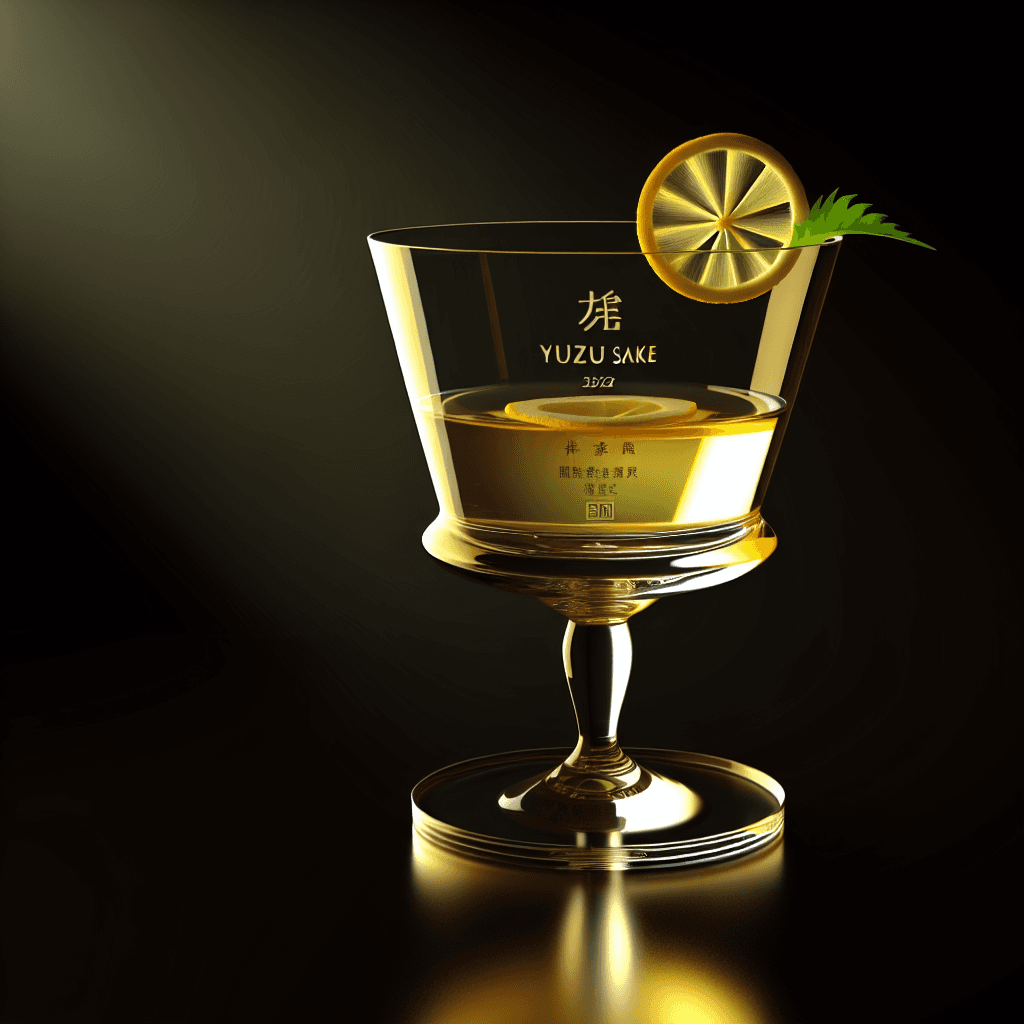
Recette Créée par IA
Cette recette a été créée par notre mixologue IA. Ce n'est peut-être pas une recette traditionnelle, mais elle devrait être une interprétation délicieuse.
📝 Ingrédients
- 3 oz Junmai sake🛒 Amazon
- 0.75 oz Fresh Yuzu Juice🛒 Amazon
- 0.5 oz Sirop de sucre🛒 Amazon
- 1 entier Blanc d'œuf(facultatif)🛒 Amazon
- 2 trait Orange Bitters(facultatif)🛒 Amazon
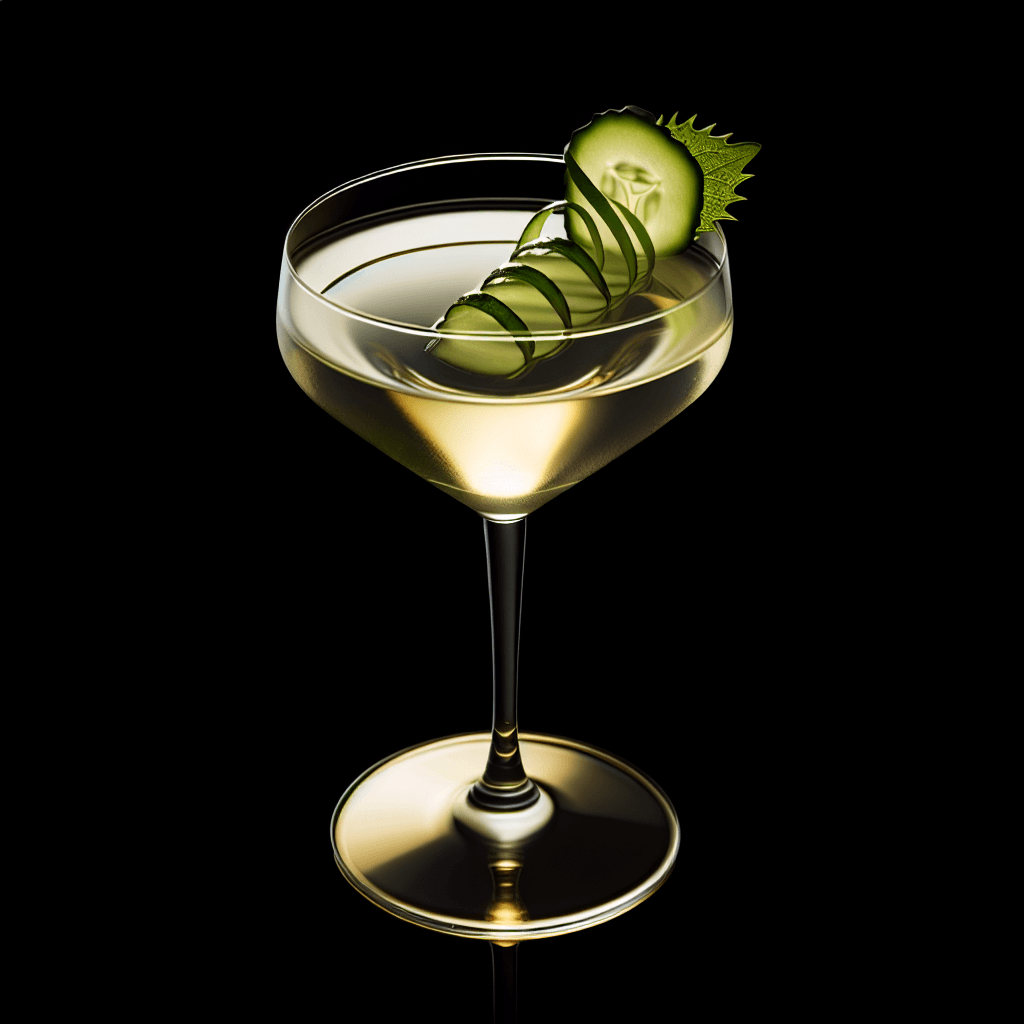
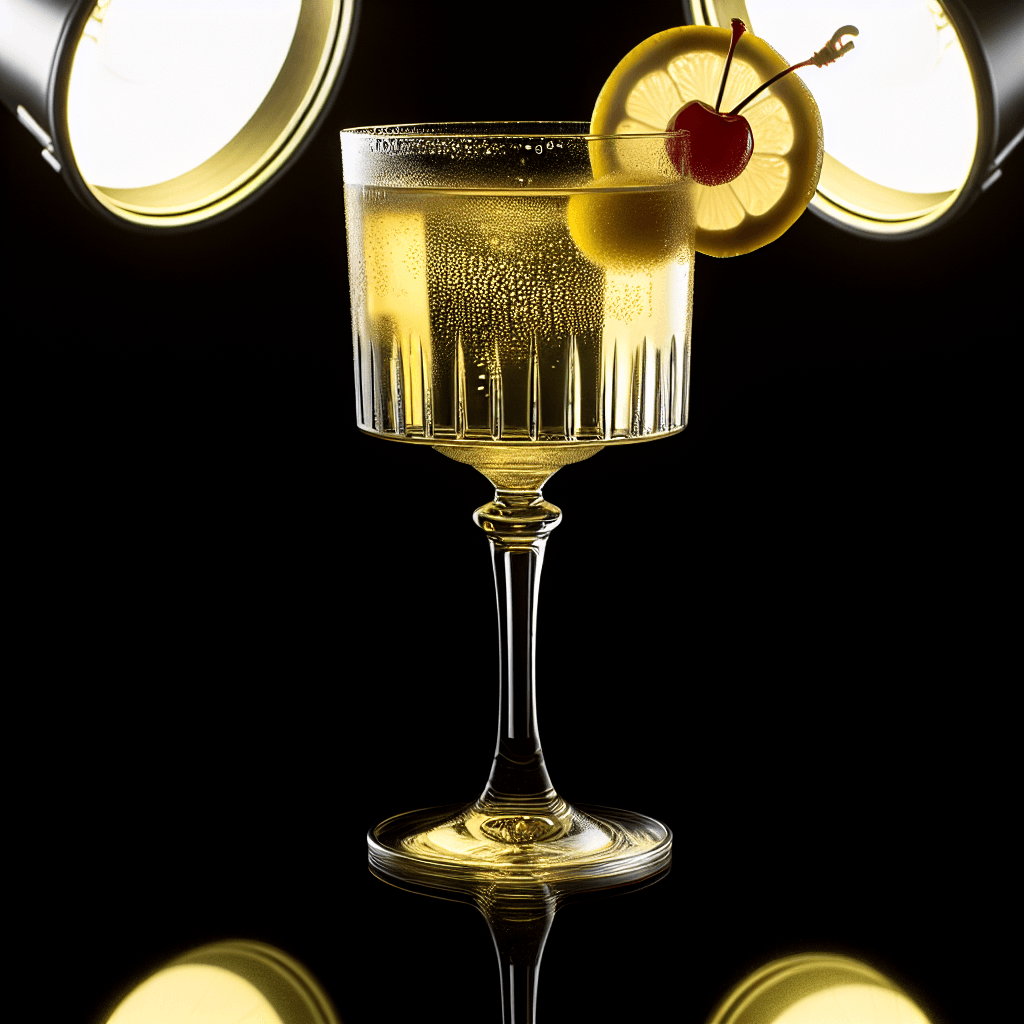
Garniture: Rondelle de yuzu ou twist de citron avec une feuille de shiso
👨🍳 Instructions
Ajouter le saké, le jus de yuzu, le sirop simple et le blanc d'œuf (si utilisé) dans le shaker sans glace
Secouer vigoureusement à sec pendant 15 secondes pour émulsionner le blanc d'œuf
Ajouter la glace dans le shaker et secouer à nouveau vigoureusement pendant 10-15 secondes
Filtrer doublement à travers une passoire fine dans un verre coupe glacé
Ajouter 2 traits d'amers à l'orange sur le dessus si désiré
Garnir d'une rondelle de yuzu et d'une feuille de shiso, servir immédiatement
Profil de Saveur
Outils Nécessaires

Jigger
View on Amazon →
Shaker à Cocktail (Boston)
View on Amazon →
OXO SteeL Cocktail Strainer (Hawthorne)
View on Amazon →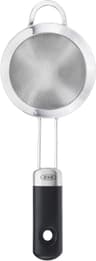
Passoire Fine
View on Amazon →
Presse-agrumes
View on Amazon →
Couteau à Cannelure/Éplucheur
View on Amazon →
Ensemble de Verres Coupe
View on Amazon →💡 Conseils d'Expert
- 1
Utilisez du saké junmai ou junmai ginjo pour le meilleur profil de saveur - évitez le saké de cuisine qui manque de la complexité nécessaire pour les cocktails
- 2
Le jus de yuzu frais est idéal, mais le jus de yuzu en bouteille de marques japonaises réputées fonctionne bien et est plus accessible
- 3
Diluez le cocktail lentement avec de la glace de qualité pour éviter de trop diluer les saveurs délicates du saké
- 4
Servez immédiatement après la préparation car les cocktails au saké perdent rapidement leur fraîcheur
- 5
Glacez votre verre au congélateur pendant 10 minutes avant de servir pour maintenir la température optimale
📜 Histoire et Origine
Bien que le saké soit apprécié au Japon depuis plus d'un millénaire, le mouvement moderne des cocktails au saké a émergé au début des années 2000 lorsque les barmen japonais ont commencé à expérimenter avec leur boisson nationale de nouvelles façons. Le Yuzu Sake Cocktail représente cet esprit innovant, s'inspirant de l'appréciation internationale croissante pour les ingrédients et techniques japonais. Le yuzu, prisé dans la cuisine japonaise depuis des siècles, n'est devenu largement disponible en dehors de l'Asie qu'dans les années 1990, rendant les cocktails comme celui-ci un phénomène relativement récent. La combinaison a gagné en popularité dans les bars à cocktails haut de gamme du district de Ginza à Tokyo avant de se répandre à New York et Londres, où les barmen ont embrassé la versatilité de l'ingrédient. Ce cocktail incarne le concept japonais de 'wa'—l'harmonie—équilibrant parfaitement la douceur subtile de riz du saké avec l'acidité vive du yuzu. La boisson a évolué d'une création de niche à un incontournable des menus de cocktails artisanaux dans le monde entier, représentant la mondialisation des saveurs japonaises et la sophistication croissante de l'appréciation du saké au-delà des méthodes de service traditionnelles.