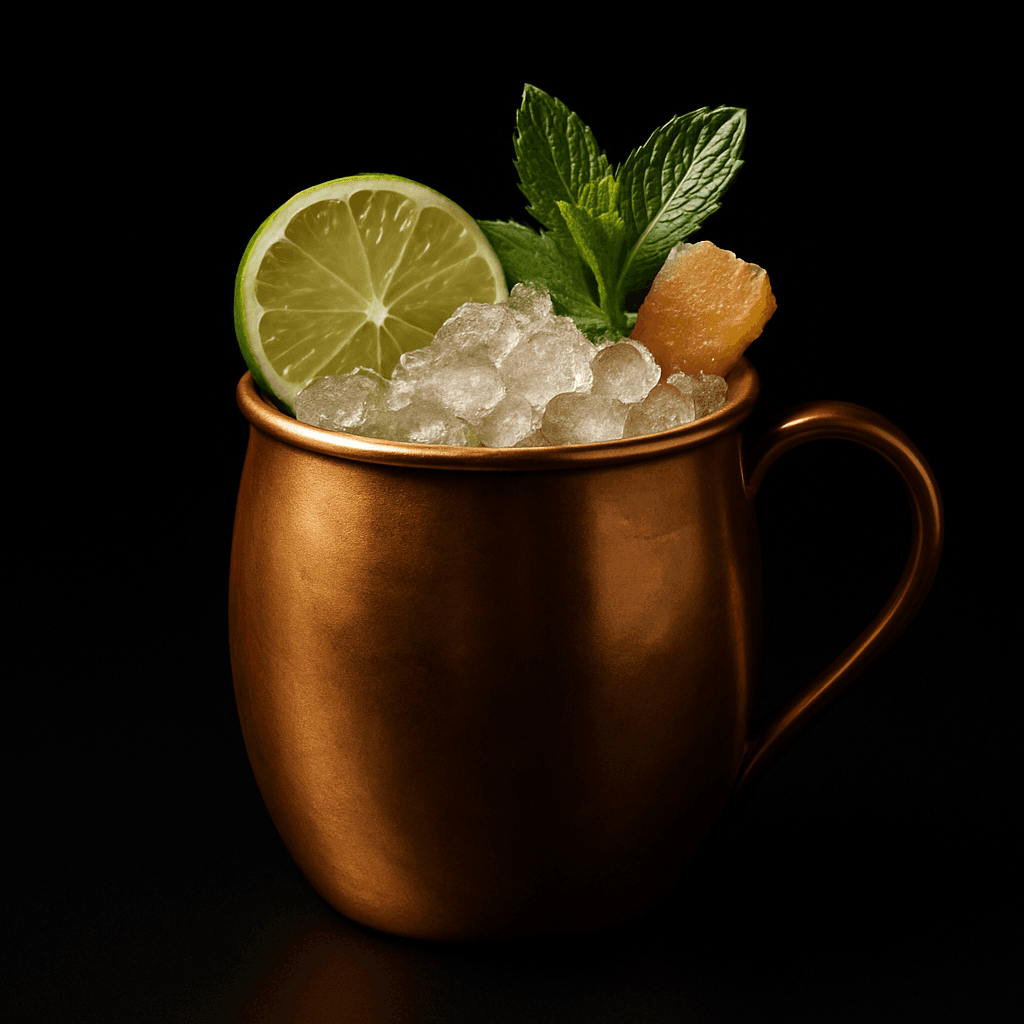
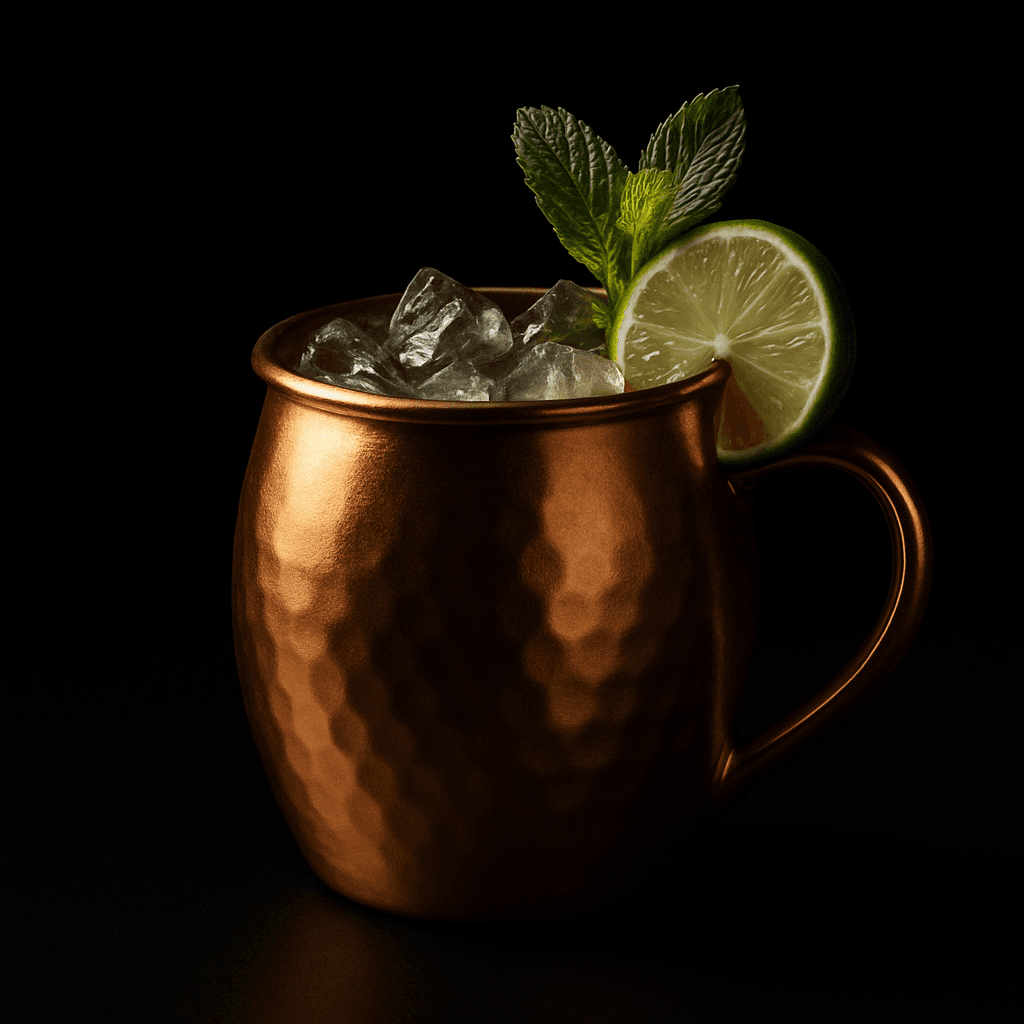
Munich Mule
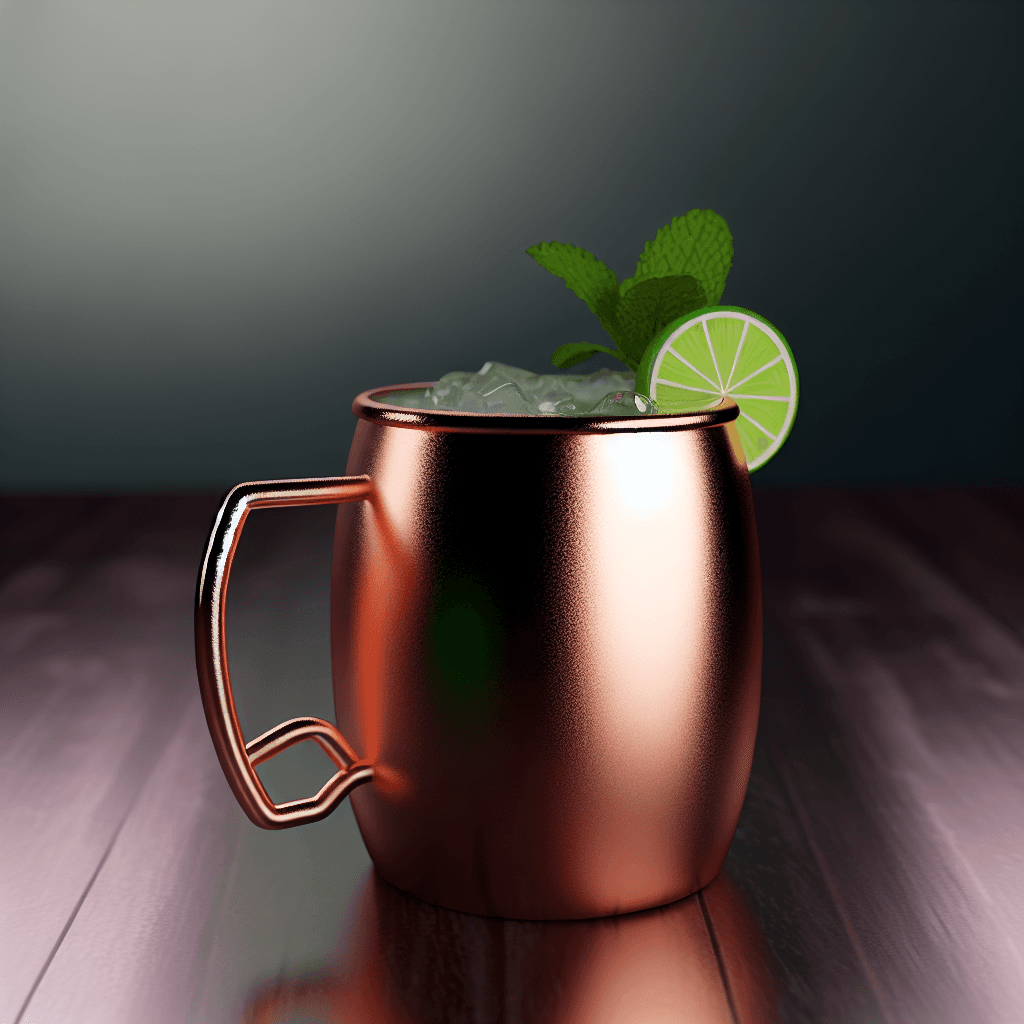
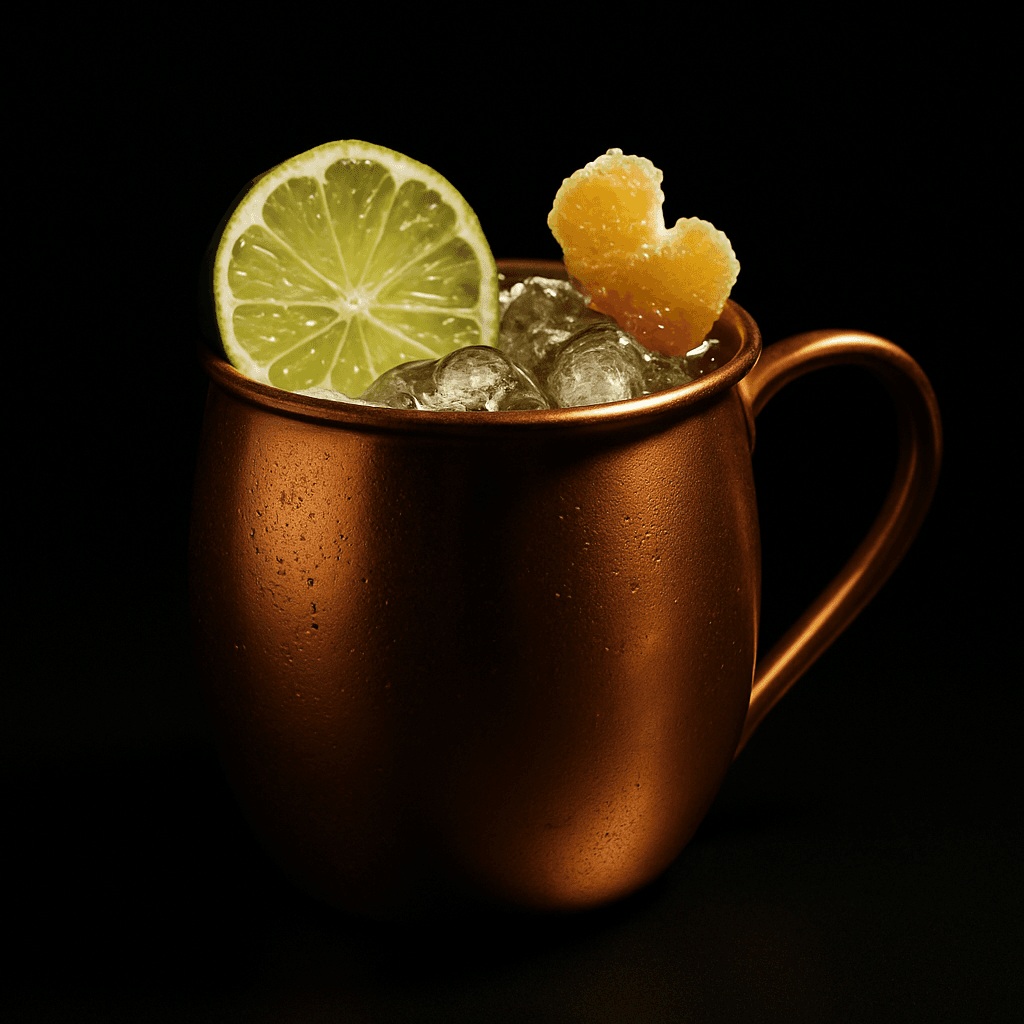
Une variante bavaroise du Moscow Mule classique qui remplace la vodka par de la bière de blé allemande et ajoute une touche de liqueur de sureau. Ce cocktail rafraîchissant combine l'effervescence vive de la Hefeweizen avec du citron vert acidulé et de la ginger beer épicée.
Le Munich Mule apporte l'Oktoberfest à votre bar maison avec une variante sophistiquée qui rendrait fier n'importe quel Bavarois. Cette variation ingénieuse du Moscow Mule tant apprécié remplace la vodka par la meilleure bière de blé allemande, créant un cocktail plus léger et plus effervescent, parfait pour siroter par temps chaud. L'ajout de liqueur de sureau apporte une note florale délicate qui se marie magnifiquement avec les esters de banane et de clou de girofle naturellement présents dans la Hefeweizen traditionnelle. Que vous organisiez une soirée sur le thème du jardin à bière ou que vous souhaitiez simplement explorer l'univers passionnant des cocktails à base de bière, le Munich Mule offre une alternative rafraîchissante aux boissons mixées traditionnelles tout en conservant le caractère accessible et plaisant qui a rendu le mule original célèbre.
Recette Créée par IA
Cette recette a été créée par notre mixologue IA. Ce n'est peut-être pas une recette traditionnelle, mais elle devrait être une interprétation délicieuse.
📝 Ingrédients
- 0.5 oz Elderflower liqueur🛒 Amazon
- 0.5 oz Jus de Lime Frais🛒 Amazon
- 2 oz Ginger Beer🛒 Amazon
- 1 morceau Rondelle de citron vert🛒 Amazon
- 1 morceau Brin de menthe fraîche🛒 Amazon
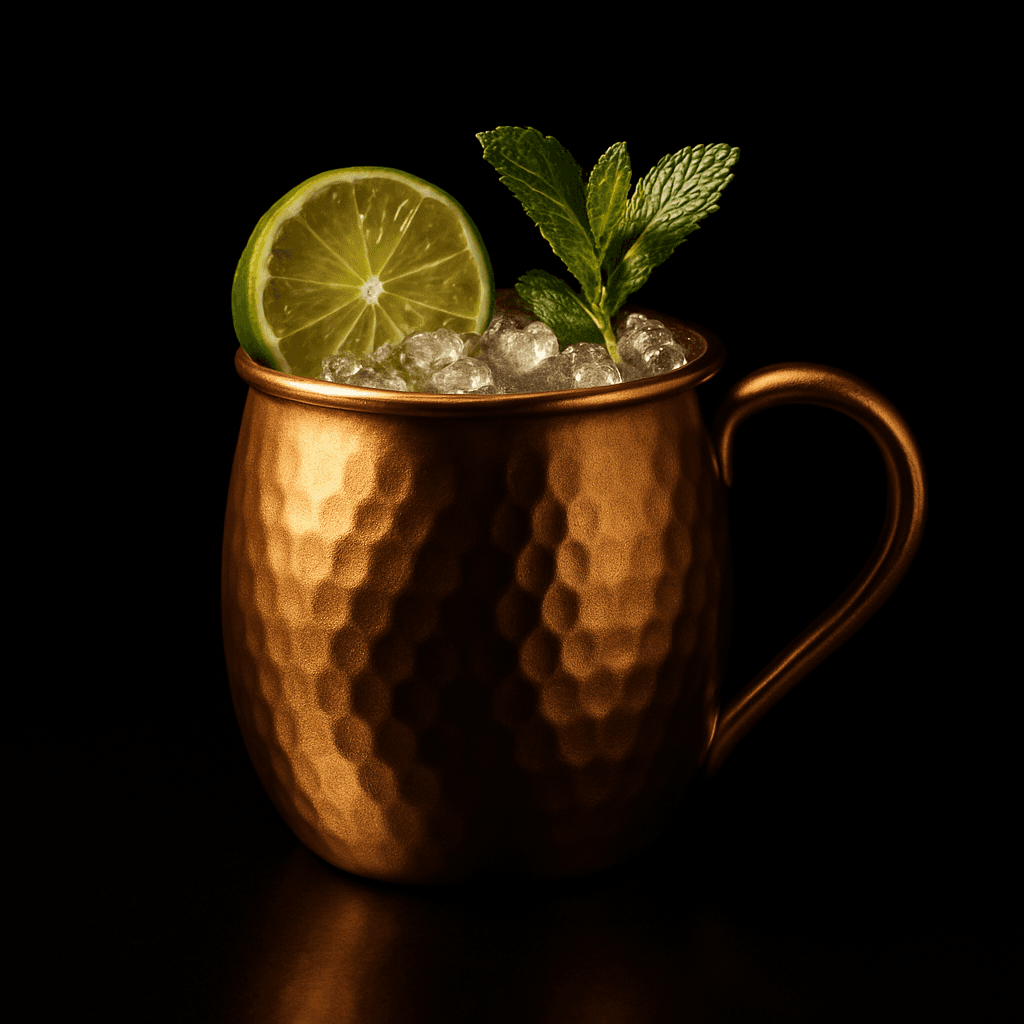
Garniture: Rondelle de citron vert et branche de menthe fraîche
👨🍳 Instructions
Remplir un mug en cuivre de glaçons
Ajouter la liqueur de sureau et le jus de citron vert frais dans le mug
Verser lentement la Hefeweizen refroidie le long d'une cuillère à mélange pour minimiser la mousse
Compléter avec la ginger beer et remuer délicatement une fois pour mélanger
Exprimer les huiles de la rondelle de citron vert au-dessus du cocktail et la déposer en garniture
Ajouter une branche de menthe fraîche et servir immédiatement
Profil de Saveur
Outils Nécessaires
Jigger
View on Amazon →
Verre à Mélange
View on Amazon →
Cuillère de bar
View on Amazon →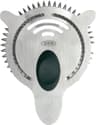
OXO SteeL Cocktail Strainer (Hawthorne)
View on Amazon →
Presse-agrumes
View on Amazon →
Benicci Moscow Mule Copper Mugs (Set of 4)
View on Amazon →💡 Conseils d'Expert
- 1
Utiliser une Hefeweizen allemande de haute qualité comme Weihenstephaner ou Paulaner pour un caractère bavarois authentique
- 2
Verser la bière lentement le long d'une cuillère à mélange pour préserver la carbonatation et éviter un excès de mousse
- 3
Refroidir tous les ingrédients au préalable, y compris le mug en cuivre, pour maintenir une température optimale
- 4
Exprimer les huiles de la rondelle de citron vert en la pressant délicatement au-dessus du cocktail avant de l'y déposer
- 5
Ajuster la liqueur de sureau selon vos préférences - commencer avec moins si vous préférez un goût plus orienté bière
📜 Histoire et Origine
Le Munich Mule a émergé au début des années 2010 dans le cadre de l'exploration par le mouvement des cocktails artisanaux des boissons mixées à base de bière. Créé par des barmen innovants cherchant à faire le pont entre la culture de la bière et celle du cocktail, ce breuvage rend hommage à la riche tradition brassicole bavaroise tout en embrassant les techniques de mixologie modernes. Contrairement à son homonyme russe, inventé en 1941 au pub Cock 'n' Bull à Hollywood, le Munich Mule n'a pas un point d'origine unique mais a plutôt évolué organiquement dans les bars à cocktails artisanaux d'Allemagne et des États-Unis. Le cocktail a gagné en popularité lorsque les barmen ont reconnu que les bières de blé allemandes, avec leurs profils aromatiques complexes présentant des notes de banane, de clou de girofle et d'agrumes, constituaient d'excellents ingrédients pour cocktails. L'ajout de liqueur de sureau reflète la préférence européenne pour les éléments floraux dans les cocktails, tout en conservant l'élément essentiel de ginger beer qui définit la famille des mules. Aujourd'hui, le Munich Mule représente la fusion réussie de l'excellence brassicole traditionnelle allemande avec l'innovation cocktail contemporaine, séduisant à la fois les amateurs de bière et les connaisseurs de cocktails.