Espresso Martini Mocktail
Eine raffinierte alkoholfreie Interpretation des beliebten Espresso Martini, die den gleichen reichen Kaffeegeschmack und elegante Präsentation bietet. Dieser Mocktail kombiniert kräftigen Espresso mit cremiger Vanille und einem Hauch Schokolade zu einem luxuriösen Abendgetränk.
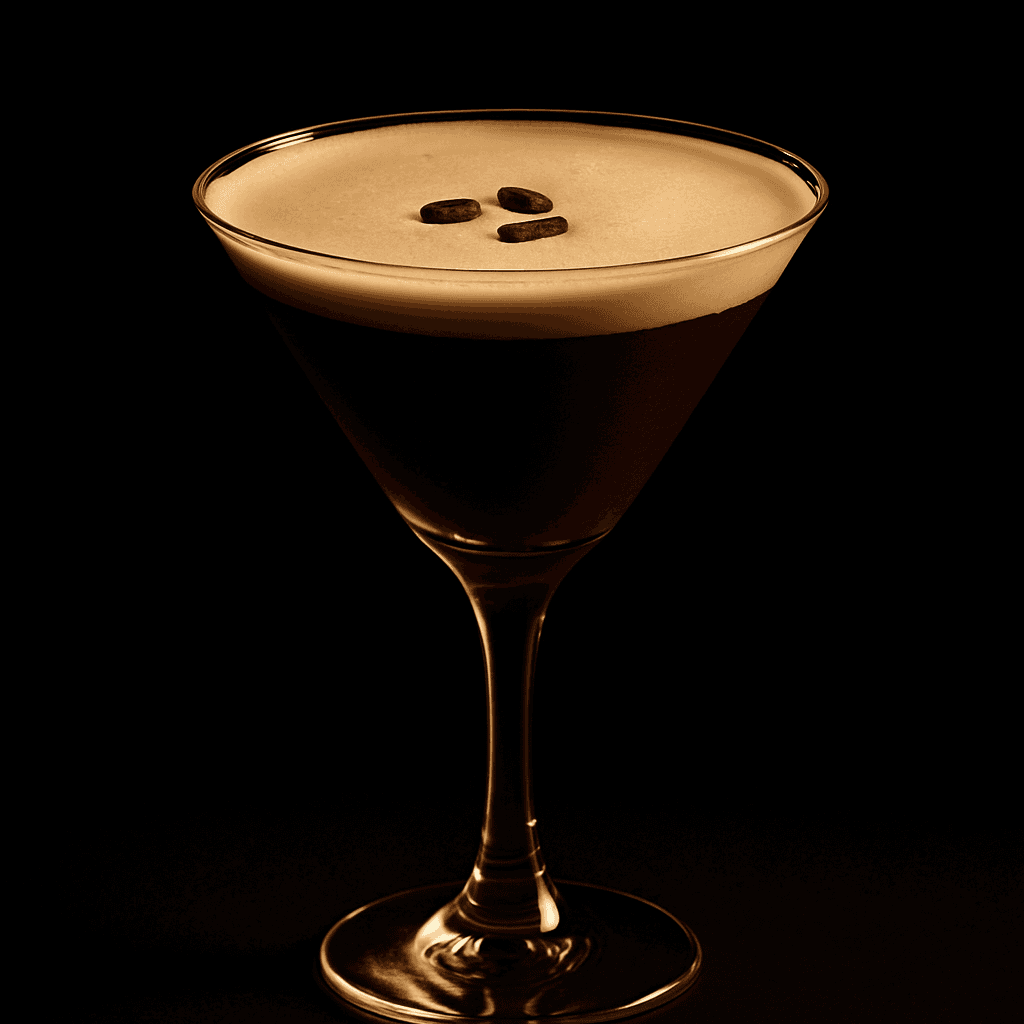
Wer sagt, dass man Alkohol braucht, um das raffinierte Vergnügen eines Espresso Martini zu genießen? Diese Mocktail-Version erfasst die gesamte verwöhnende Kaffee-Reichhaltigkeit und samtig glatte Textur des Originals und ist perfekt für Fahrer, Kaffeeliebhaber, die Alkohol meiden, oder jeden, der einen eleganten Koffein-Kick sucht. Mit seiner wunderschönen Schaumschicht und klassischen Martini-Präsentation beweist diese alkoholfreie Kreation, dass Mocktails genauso luxuriös und Instagram-tauglich sein können wie ihre alkoholischen Gegenstücke. Es ist das perfekte Getränk für nächtliche Feiern oder raffinierte Nachmittags-Muntermacher.
KI-Kreiertes Rezept
Dieses Rezept wurde von unserem KI-Mixologen erstellt. Es ist möglicherweise kein traditionelles Rezept, sollte aber eine köstliche Interpretation sein.
📝 Zutaten
- 0.75 oz Vanilla syrup🛒 Amazon
- 0.25 oz Schokoladensirup🛒 Amazon
- 0.5 oz Schlagsahne🛒 Amazon
- 0.25 oz Zuckersirup(optional)🛒 Amazon
- 3 ganz Coffee beans🛒 Amazon
Garnitur: 3 Kaffeebohnen, die auf dem Schaum schwimmen
👨🍳 Anleitung
2 oz starken Espresso zubereiten und auf Raumtemperatur abkühlen lassen (etwa 5-10 Minuten).
Den abgekühlten Espresso, Vanillesirup, Schokoladensirup, Sahne und Eiweiß in den Cocktailshaker geben.
Einen Dry Shake (ohne Eis) für 15-20 Sekunden durchführen, um Schaum aufzubauen und die Zutaten zu emulgieren.
Eis zum Shaker hinzufügen und weitere 15 Sekunden kräftig schütteln, um die Mischung zu kühlen.
Durch sowohl einen Hawthorne-Strainer als auch ein Feinsieb doppelt abseihen in ein gekühltes Martiniglas.
Den Schaum 30 Sekunden setzen lassen, dann vorsichtig 3 Kaffeebohnen als Garnitur auf den Schaum schwimmen lassen.
Geschmacksprofil
Benötigte Werkzeuge
Jigger
View on Amazon →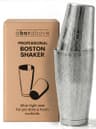
Cocktail Shaker (Boston)
View on Amazon →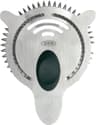
OXO SteeL Cocktail Strainer (Hawthorne)
View on Amazon →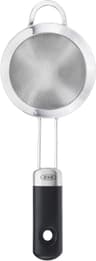
Feinmaschiges Sieb
View on Amazon →💡 Profi-Tipps
- 1
Verwenden Sie frisch gebrühten, starken Espresso und lassen Sie ihn vor dem Mischen auf Raumtemperatur abkühlen - heißer Kaffee würde das Eis schmelzen und Ihr Getränk verwässern
- 2
Zuerst trocken schütteln (ohne Eis), um die perfekte Schaumschicht aufzubauen, dann Eis hinzufügen und erneut für die richtige Kühlung schütteln
- 3
Kühlen Sie Ihr Martiniglas mindestens 10 Minuten im Gefrierschrank vor dem Servieren, um die Temperatur des Getränks zu halten
- 4
Für den besten Schaum verwenden Sie pasteurisiertes Eiweiß oder Aquafaba (Kichererbsenflüssigkeit) - beide erzeugen eine ausgezeichnete Textur
- 5
Doppelt abseihen durch sowohl einen Hawthorne-Strainer als auch ein Feinsieb, um diese seidig glatte Textur zu erreichen
📜 Geschichte und Ursprung
Der Espresso Martini Mocktail entstand aus der wachsenden Craft-Mocktail-Bewegung der 2010er Jahre, als Barkeeper alkoholfreie Versionen beliebter Klassiker kreieren wollten. Der ursprüngliche Espresso Martini wurde in den 1980er Jahren vom Londoner Barkeeper Dick Bradsell für ein Supermodel erfunden, das etwas wollte, das sie 'wachmacht und aufputscht.' Während wir den letzteren Effekt ohne Alkohol nicht nachstellen können, konzentriert sich diese Mocktail-Version auf den 'Wachmach'-Aspekt mit kräftigen Kaffeearomen. Die Herausforderung bei der Kreation dieser alkoholfreien Version bestand darin, die glatte Mundgefühl und den Schaum zu replizieren, die Wodka und Kaffeelikör bieten. Moderne Mocktail-Kunsthandwerker entdeckten, dass Eiweiß oder Aquafaba in Kombination mit hochwertigem Vanillesirup und einem Hauch Schokolade die gleiche luxuriöse Textur erzeugen konnten. Diese Version gewann an Popularität in Spezialitäten-Kaffeehäusern und Craft-Cocktail-Bars, die begannen, ihren alkoholfreien Angeboten ernsthafte Aufmerksamkeit zu widmen, und bewiesen, dass Mocktails genauso komplex und befriedigend sein können wie traditionelle Cocktails.