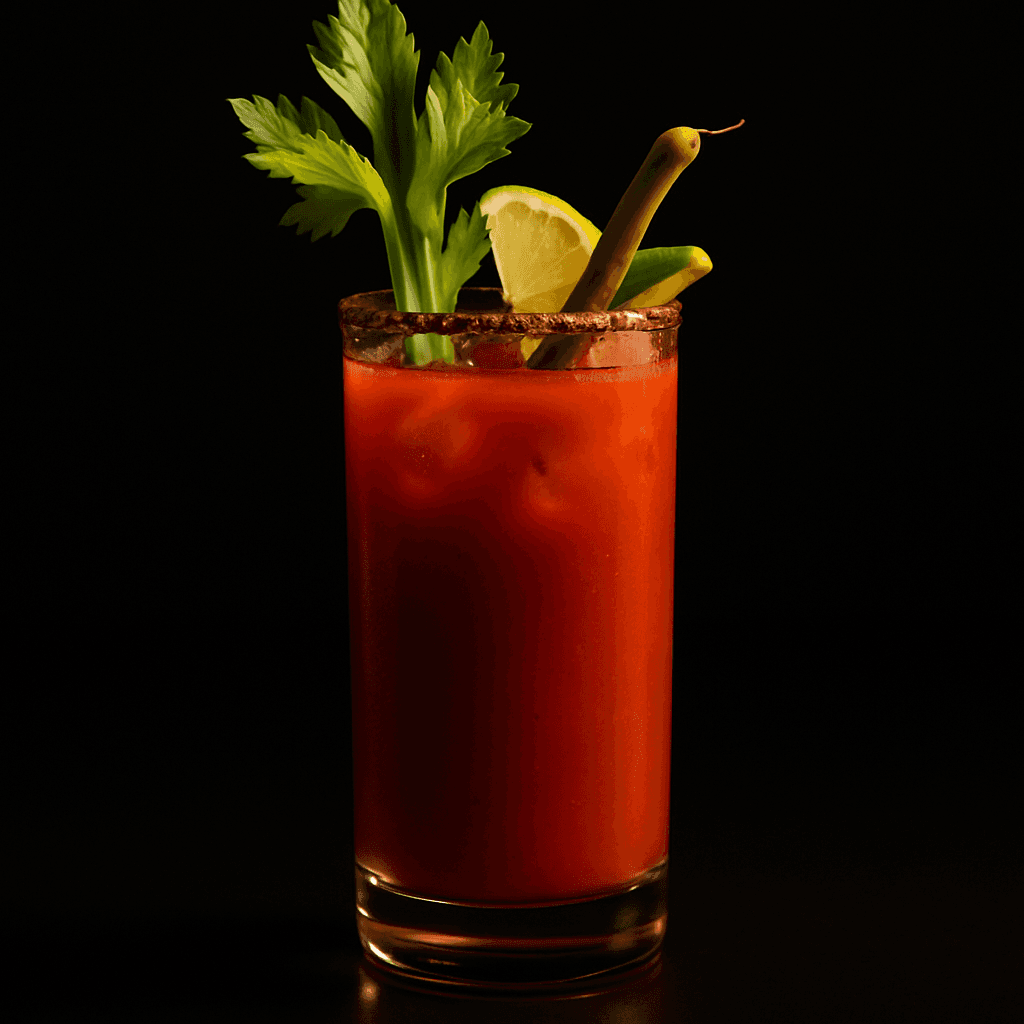
Bloody Maria
Un giro picante y sabroso del clásico Bloody Mary, el Bloody Maria cambia el vodka por tequila, creando un cóctel audaz de inspiración mexicana. Esta bebida vibrante combina las notas terrosas del agave del tequila con jugo de tomate tradicional y una variedad de condimentos para una bebida compleja y satisfactoria.
Conoce el Bloody Maria – el primo mexicano ardiente del querido Bloody Mary que está a punto de revolucionar tu juego de brunch. Aunque el original pueda tener raíces rusas a través de su base de vodka, esta variación del sur de la frontera trae el carácter distintivo del tequila a la fiesta, creando un cóctel que es tanto familiar como refrescantemente diferente. Las notas terrosas y picantes del tequila de calidad se complementan hermosamente con la base tradicional de tomate, mientras que el jugo de lima añade ese brillo cítrico esencial que hace tan irresistible a la cocina mexicana. Ya sea que estés organizando un brunch de fin de semana o necesites un estimulante audaz después de una larga noche, el Bloody Maria ofrece toda la satisfacción sabrosa que deseas con un toque únicamente mexicano que hará que tus invitados pidan la receta.
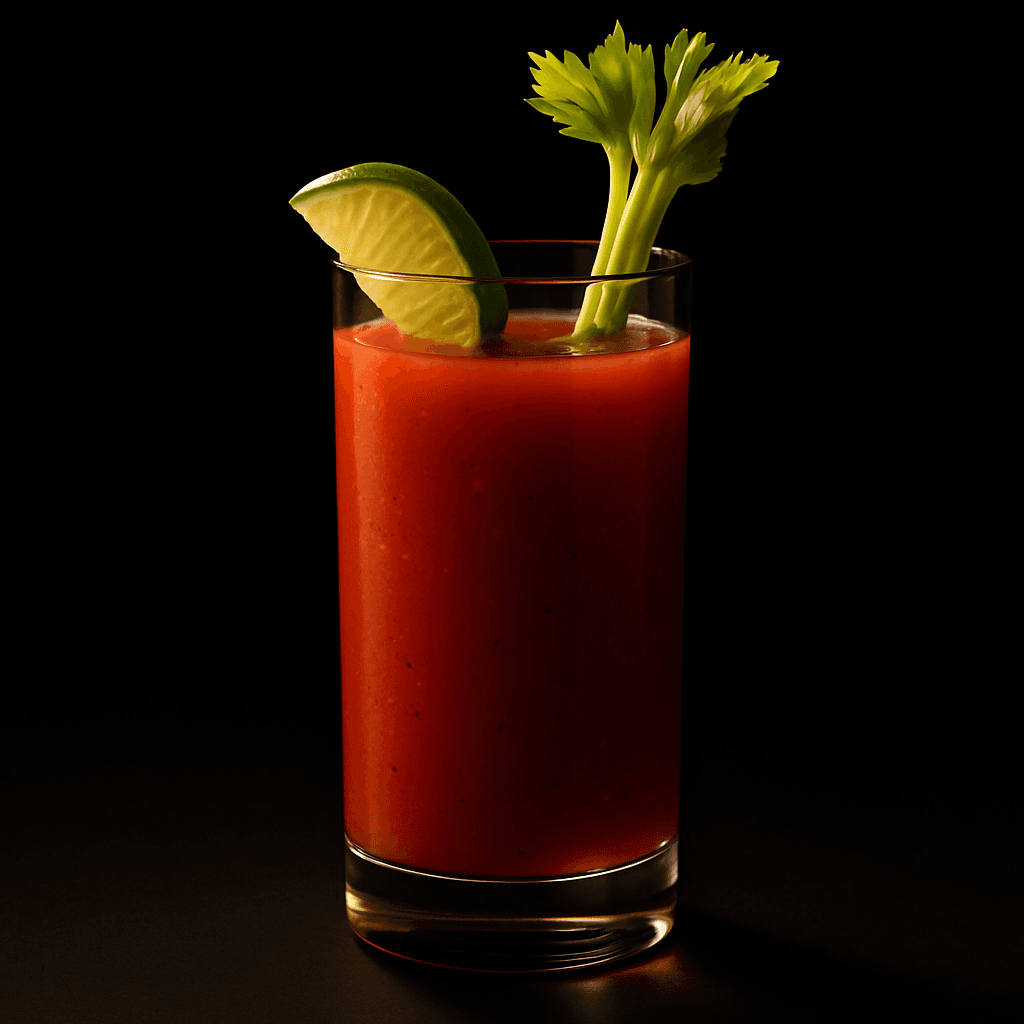
Receta Creada por IA
Esta receta fue creada por nuestro mixólogo de IA. Puede que no sea una receta tradicional, pero debería ser una interpretación deliciosa.
📝 Ingredientes
- 0.5 oz Jugo de Lima Fresco🛒 Amazon
- 3 dash Salsa Worcestershire🛒 Amazon
- 2 dash Salsa picante🛒 Amazon
- 1 dash Sal de apio🛒 Amazon
- 1 dash Ground black pepper🛒 Amazon
- 1 cucharilla de bar Coarse salt for rim(opcional)🛒 Amazon
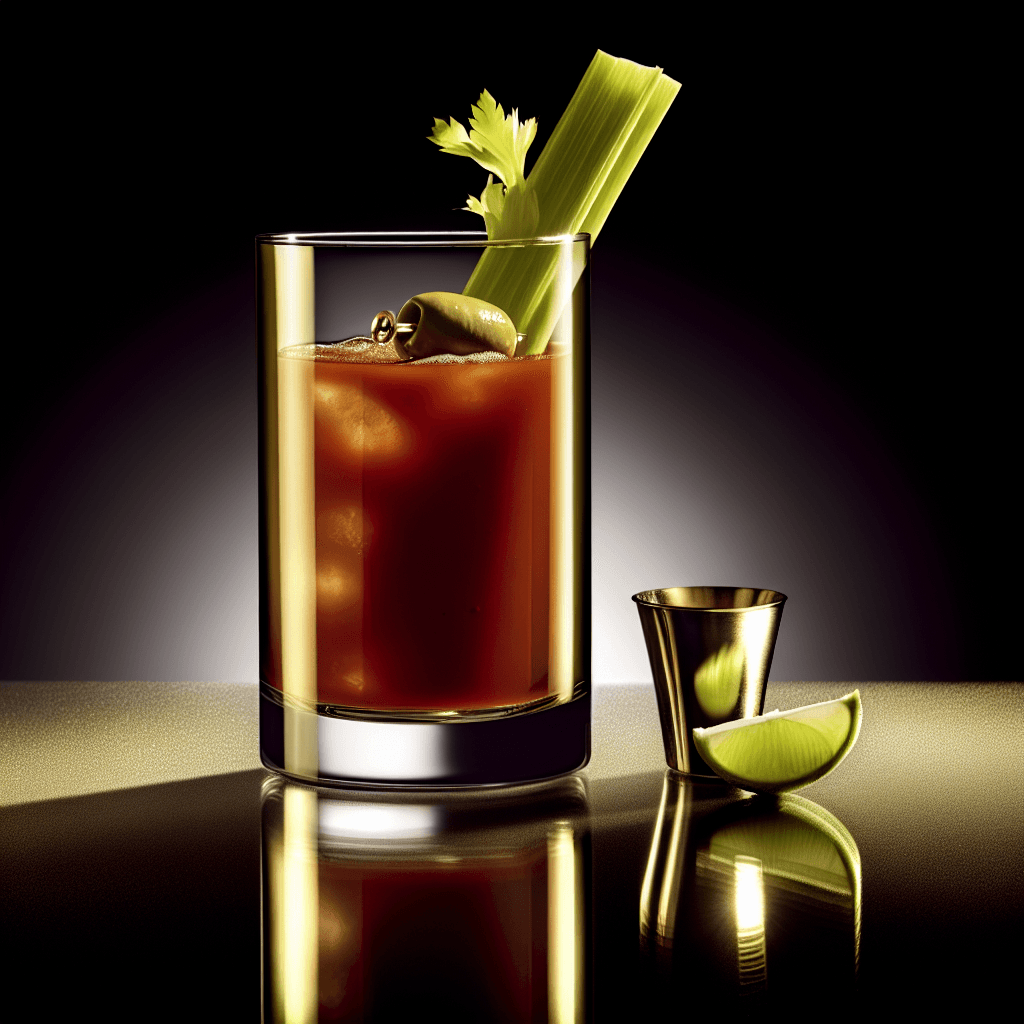
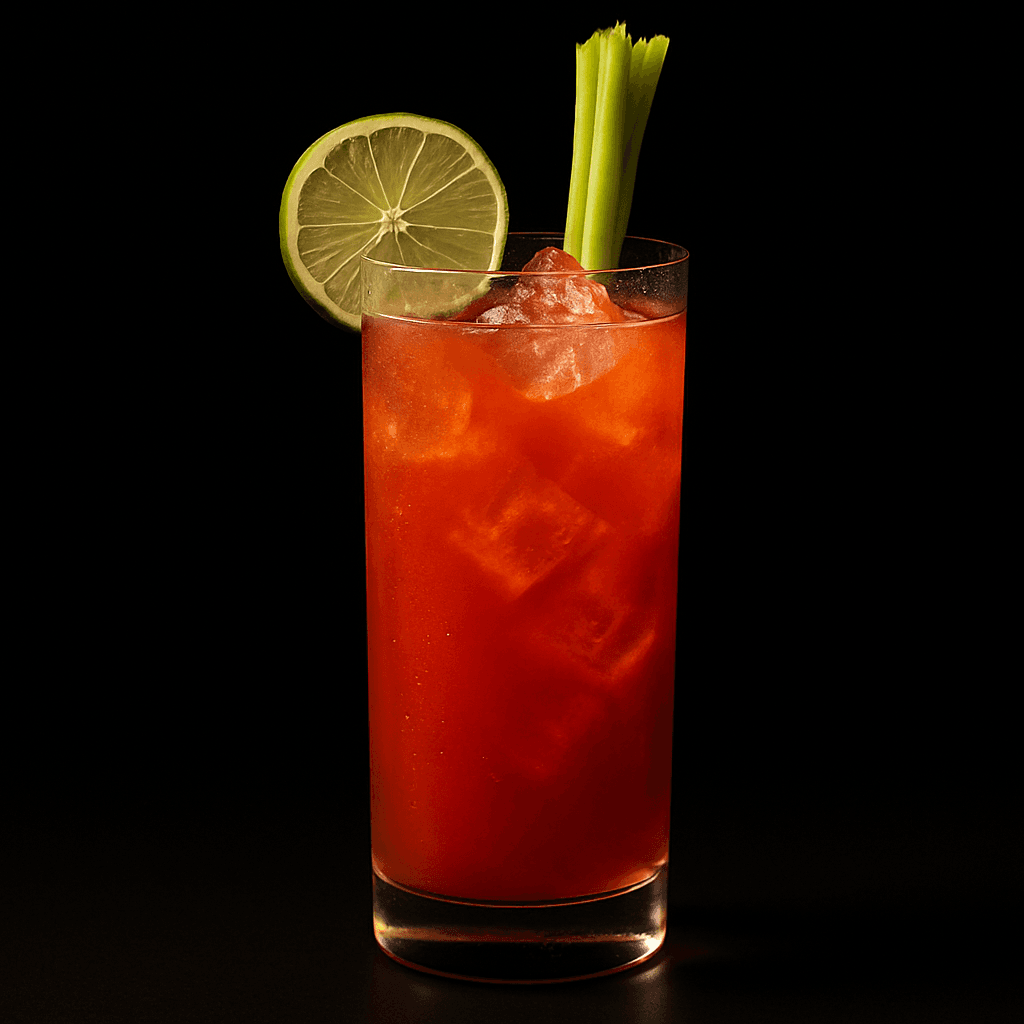
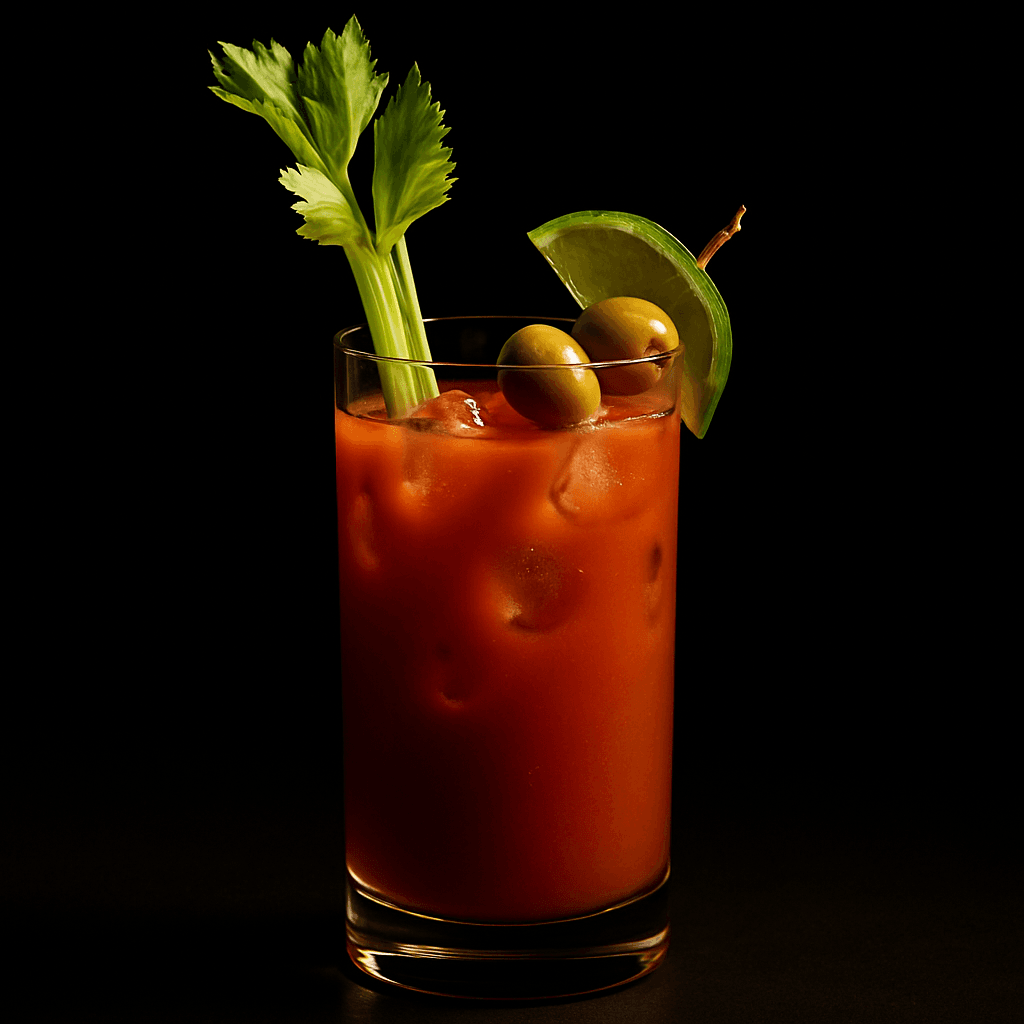
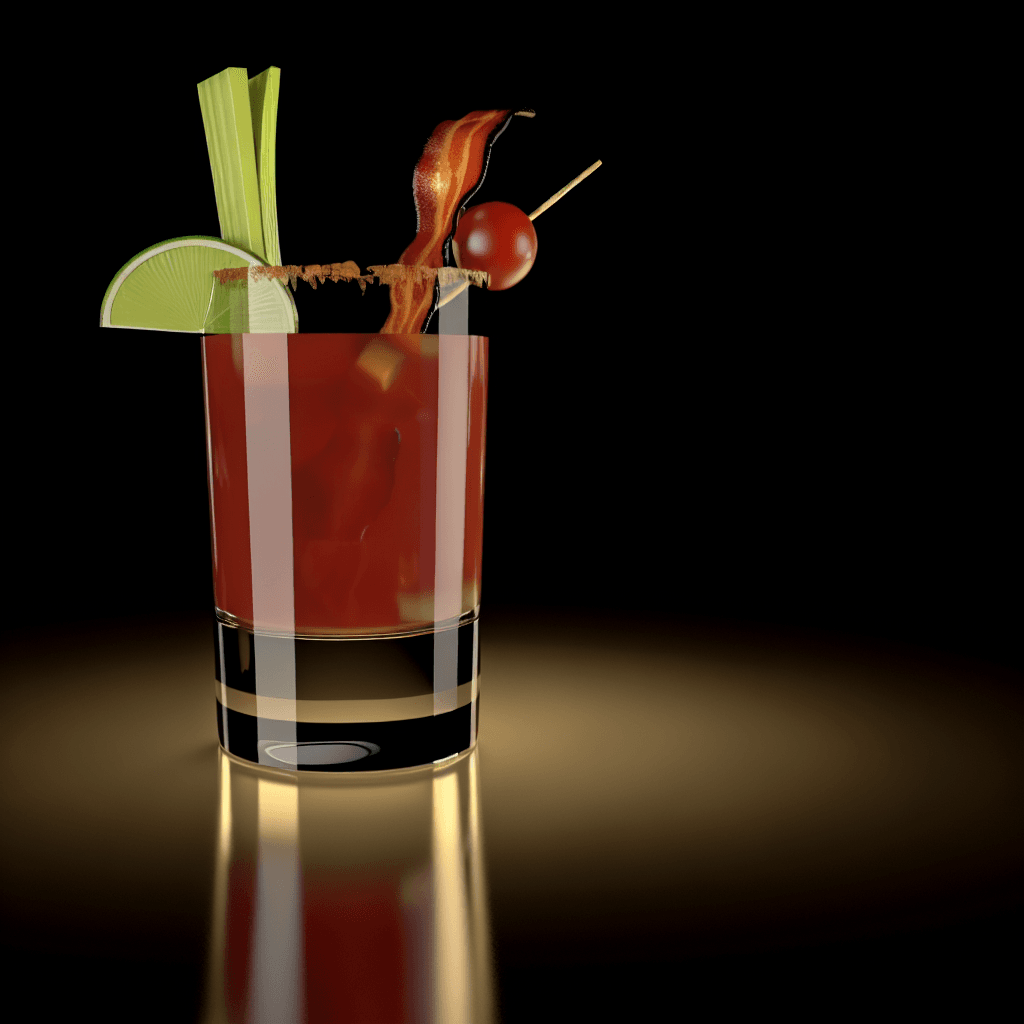
Decoración: rodaja de lima y tallo de apio
👨🍳 Instrucciones
Pasa una rodaja de lima por la mitad del borde de un vaso highball y sumérgelo en sal gruesa para crear un borde medio salado
Llena el vaso con cubitos de hielo
Añade tequila, jugo de tomate, jugo de lima, salsa Worcestershire, salsa picante, sal de apio y pimienta negra al vaso
Remueve suavemente con una cuchara de bar durante 10-15 segundos para combinar todos los ingredientes
Decora con una rodaja de lima y un tallo de apio, sirve inmediatamente
Perfil de Sabor
Herramientas Necesarias

Jigger
View on Amazon →
Vaso Mezclador
View on Amazon →
Cuchara de Bar
View on Amazon →
OXO SteeL Cocktail Strainer (Hawthorne)
View on Amazon →
Exprimidor de Cítricos
View on Amazon →
Juego de Vasos Highball
View on Amazon →💡 Consejos de Experto
- 1
Usa tequila blanco 100% agave para el sabor más limpio que no compita con los otros ingredientes
- 2
El jugo de lima fresco es crucial – el jugo de lima embotellado hará que el cóctel sepa artificial y plano
- 3
Sala solo la mitad del vaso para que los invitados puedan elegir su nivel de sal preferido con cada sorbo
- 4
Deja reposar el cóctel durante 2-3 minutos después de mezclarlo para permitir que los sabores se integren antes de servir
- 5
Ajusta el nivel de picante variando la cantidad de salsa picante y salsa Worcestershire según tu preferencia
📜 Historia y Origen
El Bloody Maria surgió en la década de 1960 cuando los cantineros comenzaron a experimentar con variaciones del clásico Bloody Mary, que fue creado en los años 1920-1930. Aunque el Bloody Mary original se atribuye a menudo a Fernand Petiot en el Harry's New York Bar de París, el Bloody Maria representa la evolución natural de este concepto cuando el tequila ganó popularidad en Estados Unidos durante mediados del siglo XX. El cóctel ganó particular tracción en el suroeste estadounidense y California, donde las influencias culinarias mexicanas eran fuertes y el tequila se estaba apreciando más ampliamente más allá de solo shots y margaritas. La bebida encarna perfectamente la fusión de la cultura coctelera estadounidense con los destilados mexicanos, creando algo que honra ambas tradiciones. A diferencia de algunas variaciones de cócteles que se sienten forzadas, el Bloody Maria funciona porque las características vegetales y terrosas del tequila complementan hermosamente la base de tomate, mientras que el maridaje tradicional mexicano de lima con destilados de agave añade un componente cítrico lógico. Hoy en día, se ha convertido en un básico en restaurantes mexicanos y ha ganado su lugar como un cóctel legítimo de brunch, especialmente popular durante las celebraciones del Cinco de Mayo y en regiones con fuertes influencias culturales hispanas.