Flaming an orange peel caramelizes the citrus oils and adds a subtle smoky note to your cocktail. It looks impressive and takes 5 seconds — here's the technique.
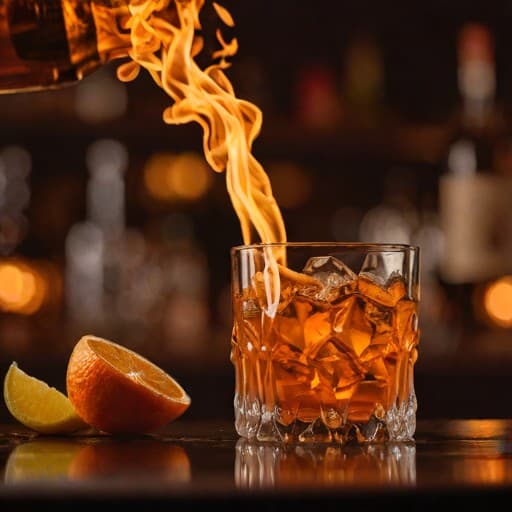
Flaming an orange peel is one of those bartending moves that looks like showing off but actually serves a purpose. When you hold a lit match between an orange peel and a cocktail, then squeeze the peel so the citrus oils spray through the flame, two things happen: the oils briefly ignite in a small flash of fire, and the heat caramelizes them on their way to the drink's surface. The result is a cocktail with a subtly different aromatic profile — slightly smoky, slightly toasted, with a warmth that a standard expressed peel does not provide.
It is not difficult. It is not dangerous if you do it correctly. And once you have done it successfully a few times, it becomes second nature.
What It Does to the Drink
A standard expressed orange peel deposits raw citrus oils on the cocktail. These oils are bright, fresh, and intensely aromatic. Flaming those oils changes their character. The brief exposure to heat partially caramelizes the oils (particularly limonene, the primary compound in orange peel oil), producing notes of:
- Toasted orange — warmer and richer than raw citrus oil
- Light caramel — a subtle sweetness from sugar compounds in the oil
- Smokiness — a faint charred quality from the combustion
The difference is subtle. It will not transform a bad drink into a good one. But in spirit-forward cocktails where the garnish is the finishing touch — an Old Fashioned, a Sazerac, a Boulevardier — flaming the peel adds a layer of complexity that a standard expression does not.
The Technique
What you need: A fresh orange, a sharp paring knife, and a match or lighter. Matches are traditional and easier to control. A long match or a long-reach lighter keeps your fingers further from the flame.
Step 1: Cut a large peel. Cut a round or oval piece of orange peel about 1.5 inches in diameter — slightly larger than for a standard expression because you need more surface area to get a good spray. Include a thin layer of pith but not too much — you want the peel to be stiff enough to snap crisply.
Step 2: Light your match. Strike the match and let the sulfur burn off (about 2 seconds). You do not want sulfur smell on your cocktail. If using a lighter, just hold it ready.
Step 3: Hold the match between the peel and the drink. Position the lit match about 1–2 inches above the surface of the cocktail. Hold the orange peel behind the match (from your perspective), skin side facing the flame and the drink.
Step 4: Squeeze the peel through the flame. In one decisive motion, snap or squeeze the peel so the oil sprays outward, passing through the flame on its way to the drink. You will see a brief flash of orange-colored fire — the oils igniting as they pass through the flame. The flash lasts less than a second.
Step 5: Wipe the rim and drop or discard. Rub the charred side of the peel around the glass rim, then drop it into the drink or discard, per your preference.
Common Failures and Fixes
No flash at all. The most common problem. Causes: (1) The peel is too dry — use a fresh orange, not one that has been sitting out for days. (2) You are not squeezing hard enough — you need a decisive snap to spray a visible mist of oil. (3) The match is too far from the peel — the oils need to pass through the flame, not around it. Bring the match closer.
The match goes out. You waited too long between lighting and squeezing. The whole sequence should take about 3–4 seconds: light match, position, squeeze. Practice the motion a few times with an unlit match to get comfortable.
Singed fingers. You are holding the peel too close to the flame. Keep your fingers at the far end of the peel from the flame. A large peel gives you more distance.
Sulfur smell on the drink. You did not let the match head burn off before positioning it over the drink. Wait 2 full seconds after striking before bringing the match near the cocktail.
Smoke alarm. The flash produces a tiny amount of smoke. In a well-ventilated area, this is nothing. In a small apartment kitchen, it can trigger a sensitive smoke detector. Open a window if needed, or do it under a range hood.
Which Cocktails Use a Flamed Peel
Old Fashioned — The classic application. A flamed orange peel over a bourbon or rye Old Fashioned adds a toasted warmth that complements the whiskey's oak and vanilla notes.
Sazerac — Some bartenders flame the lemon peel before discarding it over a Sazerac. The toasted citrus oil plays well with the absinthe rinse.
Boulevardier — The bourbon-based Negroni variant benefits from the smoky-orange note of a flamed peel.
Tequila Old Fashioned — Flamed orange peel over an añejo tequila Old Fashioned bridges the gap between the tequila's agave character and the charred barrel notes.
Any dark spirit cocktail where you would normally express an orange peel. If the base spirit has barrel-aging character — whiskey, aged rum, aged tequila, brandy — a flamed peel will likely complement it.
Safety Notes
- Keep the flame away from anything flammable. This is obvious but worth stating. Do not flame a peel near curtains, paper towels, or someone's hair.
- Do it over the drink, not over the bar. Stray oil sparks are not dangerous but they can char a wooden surface.
- Have a plan for the spent match. Drop it in water or an ashtray, not in the trash.
- Practice over a glass of water first. Get comfortable with the motion before doing it over a cocktail.
- If you are making drinks for a group, flame the peels one at a time. Trying to rush through four flamed peels in sequence with wet fingers and failing matches looks worse than just expressing them normally.
The entire maneuver takes about 5 seconds and produces a brief, controlled flash of fire. It is one of the most impressive-looking bar techniques you can learn, and it actually improves the drink. For more ways to elevate your presentation, check out our guide on how to make garnishes that look good. Just practice the snap, keep the match close, and use fresh oranges.