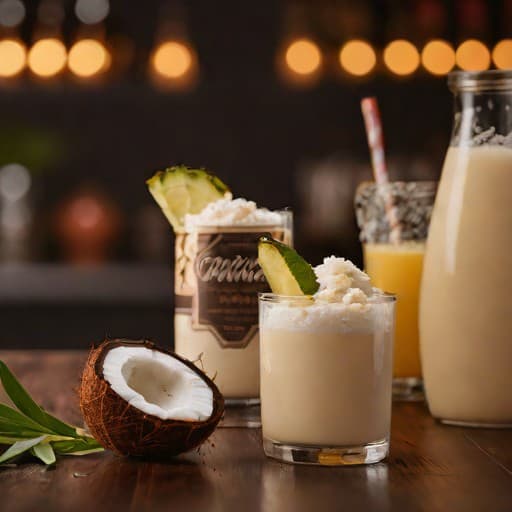
These three coconut products are NOT interchangeable. Using the wrong one will wreck your Pina Colada. Here's which tiki recipes need which — and why it matters.
Coconut cream, cream of coconut, and coconut milk sit near each other on the grocery shelf, have nearly identical names, and look similar enough in the can that people grab whichever one they see first. This is a mistake that has ruined more Pina Coladas than any other single error in cocktail making. These are three different products with different fat content, different sweetness levels, and completely different roles in drinks.
Get them confused and your tiki cocktail will be either cloyingly sweet, unpleasantly thick, or thin and watery when it should be rich and tropical. Here is what each one is and which one your recipe actually wants.
The Three Products
Cream of Coconut is the sweet one. It is coconut cream blended with a significant amount of sugar — typically 40–50% sugar by weight. The most common brand is Coco Lopez, which comes in a 15-ounce can and has a thick, almost paste-like consistency. It tastes like sweetened coconut frosting. This is what a Pina Colada calls for. The sugar is the point — cream of coconut is a sweetener and a flavoring agent in one product.
Coconut Cream is the thick, unsweetened one. It is the dense, high-fat layer that separates to the top of coconut milk. It typically has 20–25% fat and zero added sugar. It tastes rich, fatty, and purely coconut — no sweetness beyond what is naturally present. Common brands include Aroy-D and Thai Kitchen. If you refrigerate a can of full-fat coconut milk, the thick stuff that solidifies on top is essentially coconut cream.
Coconut Milk is the thin one. It is coconut flesh blended with water and strained. Full-fat coconut milk has about 15–18% fat. Light coconut milk has even less. It pours like thick dairy milk. No added sugar. It is what curries and soups call for. In cocktails, it provides coconut flavor with a lighter body than coconut cream.
The Critical Distinction: Sweetened vs. Unsweetened
The difference that matters most for cocktails is sugar content.
Cream of coconut (Coco Lopez): ~50g sugar per 100ml. Intensely sweet. Coconut cream: ~2g sugar per 100ml. No added sugar. Coconut milk: ~1-2g sugar per 100ml. No added sugar.
If a recipe calls for cream of coconut and you use coconut cream, your drink will be completely unsweetened — you have removed the equivalent of about 2 tablespoons of sugar from the recipe. If a recipe calls for coconut cream and you use cream of coconut, your drink will be cloyingly, undrinkably sweet.
This is the mistake people make. The names sound interchangeable. The products are not.
Which Tiki Recipes Need Which
Pina Colada: Cream of coconut (Coco Lopez). This is non-negotiable. The classic recipe is 2 ounces white rum, 1.5 ounces cream of coconut, 1.5 ounces pineapple juice, blended with ice. The sweetness of Coco Lopez is part of the drink's design — it provides both the coconut flavor and the sweetness. If you use unsweetened coconut cream, you need to add simple syrup separately, and the result is never quite the same.
Painkiller: Cream of coconut. Same principle as the Pina Colada — the recipe from the Soggy Dollar Bar on Jost Van Dyke uses Pusser's Navy Rum, pineapple juice, orange juice, and cream of coconut. The sweetness is structural.
Jungle Bird: Neither — this cocktail uses pineapple juice for tropical character without coconut. But if you are making a coconut-washed version, use coconut cream (unsweetened) for fat-washing the rum.
Batida de Coco: This Brazilian cocktail traditionally uses coconut cream (unsweetened) plus sweetened condensed milk. The condensed milk provides the sweetness. Using cream of coconut instead would make it tooth-achingly sweet.
Coconut-washed spirits: Use coconut cream (unsweetened) or coconut oil. The fat-washing technique extracts coconut flavor into the spirit without adding sweetness.
Common Substitution Disasters
"I used coconut milk instead of cream of coconut in my Pina Colada." The drink is thin, watery, and not sweet. It tastes like rum and pineapple juice with a slight coconut tinge. Fix: add 2 tablespoons of sugar and a splash of regular coconut cream, or just start over with Coco Lopez.
"I used cream of coconut instead of coconut milk in a Batida." The drink is so sweet it makes your teeth hurt. The double-sweetening of Coco Lopez plus condensed milk is overwhelming.
"I used light coconut milk instead of coconut cream." The drink is thin and lacks body. Light coconut milk has neither the fat content to provide richness nor the sugar to provide sweetness. It is the worst option for cocktails in nearly every case.
Practical Buying Guide
Coco Lopez (cream of coconut) is available at most liquor stores and large grocery stores, usually in the cocktail mixer section. It comes in a 15-ounce can. Once opened, transfer to a glass jar and refrigerate — it solidifies in the fridge and needs to be warmed or stirred before use. Lasts 2-3 weeks refrigerated (for more on shelf life, see how long do homemade syrups last — similar storage principles apply).
Real Coco is another cream of coconut option that some bartenders prefer — slightly less processed than Coco Lopez.
Aroy-D Coconut Cream (unsweetened) is available at Asian grocery stores and many supermarkets. Comes in 19-ounce cans or shelf-stable cartons. Excellent quality.
Tip: If you can only find coconut cream and need cream of coconut, you can make your own. Combine 1 cup of coconut cream with 0.5 cup of sugar in a saucepan, warm until the sugar dissolves, cool, and bottle. This is a close approximation of Coco Lopez.
One Last Note
When a recipe just says "coconut" without specifying which product, check the recipe's other sweetener. If there is no other sugar source (no simple syrup, no juice-based sweetness), it almost certainly means cream of coconut — the drink needs that sugar. If there is already simple syrup or another sweetener in the recipe, it probably means unsweetened coconut cream or coconut milk.
When in doubt, taste the product before adding it to the shaker. One spoonful will tell you immediately whether you are holding the sweet version or the unsweetened version. That two-second check saves you from pouring a drink down the drain. And if you want precise measurements every time, a jigger matters more than you think.