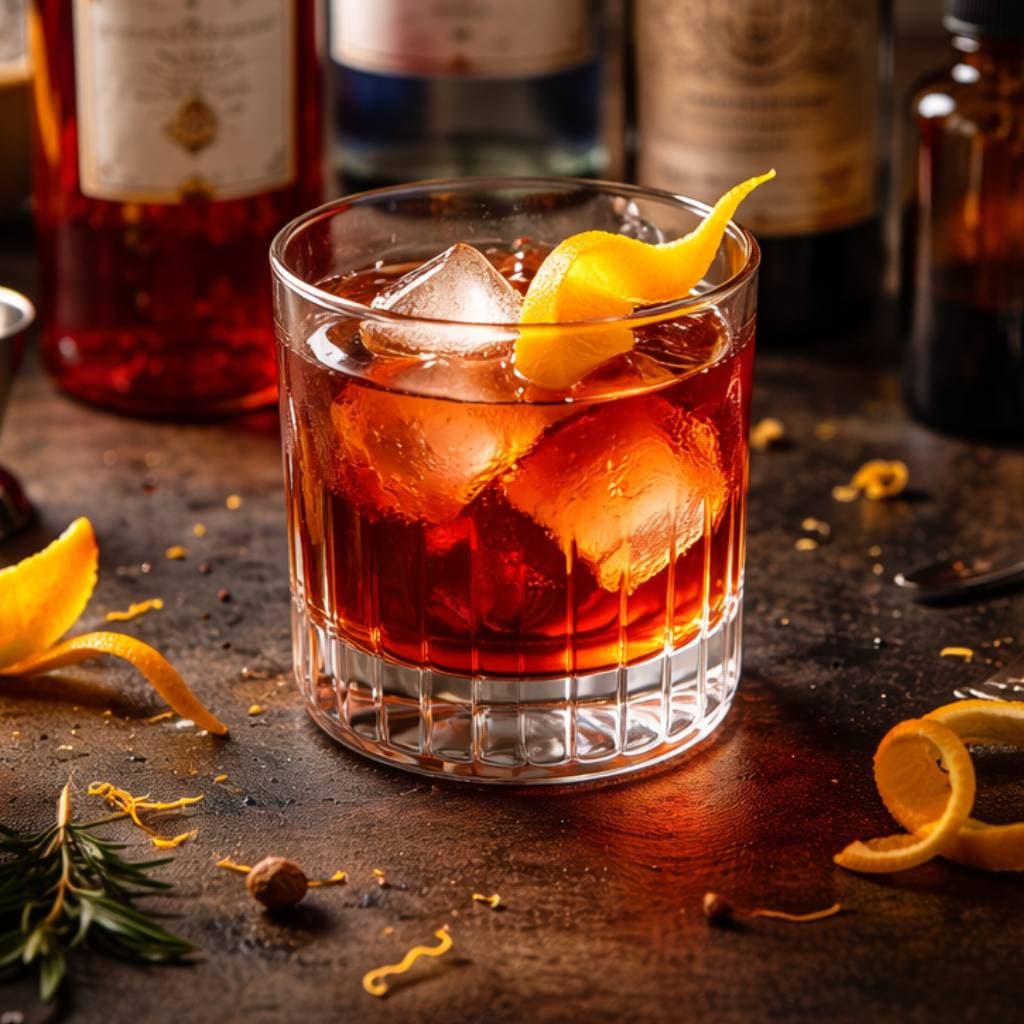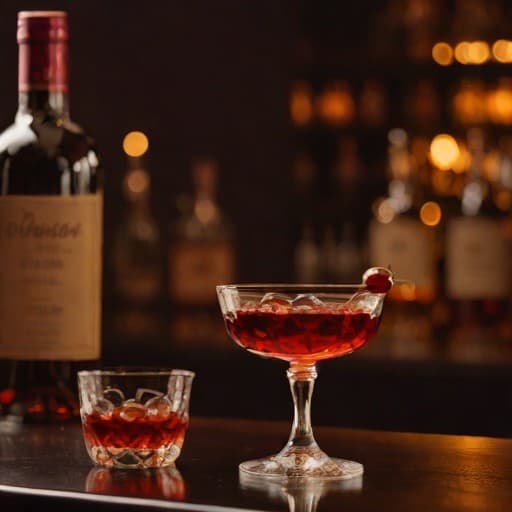
Der Manhattan ist einer der ältesten Cocktails im amerikanischen Repertoire — und einer der umstrittensten. Hier erfahren Sie, wie er entstand, sich entwickelte und richtig zubereitet wird.
Der Manhattan ist einer jener Cocktails, die zu einfach erscheinen, um darüber zu streiten. Whiskey, süßer Wermut, Bitter, eine Kirsche. Drei Zutaten und eine Garnitur. Und dennoch debattieren Barkeeper, Historiker und Whiskey-Liebhaber seit über einem Jahrhundert über jedes Detail dieses Drinks — welcher Whiskey, welcher Wermut, welches Verhältnis, welche Kirsche und ob die ganze Entstehungsgeschichte überhaupt stimmt.
Das liegt daran, dass der Manhattan nicht nur ein Rezept ist. Er ist ein lebendiges Dokument darüber, wie sich die amerikanische Trinkkultur gewandelt, angepasst und gelegentlich selbst vergessen hat. Den Manhattan zu verstehen bedeutet, 150 Jahre Cocktailgeschichte in einem einzigen Coupe-Glas zu erfassen.
Die Entstehungsgeschichte — Wahrscheinlich wahr, möglicherweise nicht
Die am weitesten verbreitete Version lautet so: Der Manhattan wurde in den frühen 1870er Jahren im Manhattan Club in New York City erfunden, angeblich für ein Bankett, das von Lady Randolph Churchill — Winston Churchills Mutter — ausgerichtet wurde. Es ist eine großartige Geschichte. Sie ist wahrscheinlich auch ausgeschmückt oder zumindest verkürzt.
Was wir mit Sicherheit wissen ist, dass Cocktails aus Whiskey, Wermut und Bitter in Barkeeper-Handbüchern der 1880er Jahre auftauchen. O.H. Byrons The Modern Bartenders' Guide von 1884 enthält ein Manhattan-Rezept. In den 1890er Jahren war der Drink ein Klassiker.
Der Manhattan Club-Ursprung? Er ist plausibel. New Yorks private Clubs waren Cocktail-Brutstätten im Goldenen Zeitalter. Ihn aber auf eine einzige Nacht und eine einzige Party festzulegen ist die Art von sauberer Erzählung, die die Geschichte liebt und die Beweise selten stützen. Was mehr zählt ist dies — der Manhattan war einer der ersten Cocktails, der Wermut als Hauptzutat verwendete, und das änderte alles.
Das ursprüngliche Rezept war einfacher als Sie denken
Die frühesten Manhattan-Rezepte sind überraschend unkompliziert:
- Whiskey (speziell Rye)
- Süßer Wermut
- Ein oder zwei Spritzer Bitter (normalerweise Angostura)
- Eine Kirsch-Garnitur
Das war's. Keine Orangenschale, keine mit Brandy eingelegte Kirsche, keine aufwendigen Spezifikationen. Und was Sie überraschen könnte — das ursprüngliche Verhältnis lag bei etwa 1:1 Whiskey zu Wermut. Manchmal sogar mehr Wermut als Whiskey.
Wenn Sie moderne Manhattans nur im 2:1 oder sogar 3:1 Verhältnis kennen, fühlt sich die Zubereitung mit gleichen Teilen völlig anders an. Er ist runder, aromatischer, niedriger im Alkoholgehalt und viel wermut-betonter. Ob Sie ihn bevorzugen ist Geschmackssache — aber Sie sollten ihn mindestens einmal probieren, um zu verstehen, woher dieser Drink kommt.
Die Whiskey-Debatte: Rye vs. Bourbon
Hier ist etwas, was den meisten Bourbon-Manhattan-Trinkern nicht bewusst ist — Rye war die ursprüngliche und einzige Wahl. Vor der Prohibition bedeutete "amerikanischer Whiskey" im Wesentlichen Rye. Das war es, was der Nordosten destillierte, was New Yorker Bars auf Lager hatten, und was ohne Frage in einen Manhattan gehörte.
Dann zerstörte die Prohibition die amerikanische Whiskey-Industrie. Als die Destillation wieder aufgenommen wurde, füllte Bourbon — süßer, weicher und in Kentucky zentriert — die Lücke, die Rye hinterlassen hatte. Die Rye-Produktion erholte sich erst wieder während des Craft-Cocktail-Revivals der 2000er Jahre.
Was ist also der Unterschied in Ihrem Glas?
Rye bringt Gewürz, Pfeffer, Trockenheit und Struktur. Ein Rye-Manhattan ist schlanker und durchsetzungsfähiger. Der Whiskey stellt sich gegen die Süße des Wermuts. Rittenhouse Rye Bottled-in-Bond ist hier das Arbeitstier der Barkeeper — 100 Proof, erschwinglich und zum Mixen gemacht.
Bourbon bringt Süße, Vanille, Karamell und Körper. Ein Bourbon-Manhattan ist runder und reichhaltiger. Manche finden ihn zugänglicher. Maker's Mark, Buffalo Trace und Wild Turkey 101 funktionieren alle gut.
Keiner ist falsch. Aber wenn Sie den Drink wollen, den New Yorker in den 1880er Jahren bestellten, greifen Sie zum Rye.
Der Wermut ist wichtiger als Sie denken
Hier scheitern die meisten hausgemachten Manhattans. Sie kaufen anständigen Whiskey, greifen zu dem süßen Wermut, der seit acht Monaten in Ihrem Regal steht, und der Drink schmeckt flach, hohl und vage medizinisch.
Süßer Wermut ist ein Weinprodukt. Er oxidiert. Die Flasche, die Sie letzten Sommer geöffnet haben? Sie ist hinüber. Wenn Ihr Wermut nicht gut genug schmeckt, um ihn pur zu trinken — leicht süß, kräuterig, komplex — wird er in Ihrem Manhattan nicht gut schmecken. Lagern Sie ihn im Kühlschrank und verbrauchen Sie ihn innerhalb von 4-6 Wochen.
Der Wermut, den Sie wählen, prägt den gesamten Drink:
- Carpano Antica Formula — reich, vanille-lastig, kräftig. Die moderne Standard-Wahl der Barkeeper für einen Manhattan. Er ist intensiv und hält hochprozentigem Rye stand.
- Cocchi Vermouth di Torino — leichter und ausgewogener als Carpano, mit Kakao- und Zitrusnoten. Mein persönlicher Favorit für einen Bourbon-Manhattan.
- Dolin Rouge — zart, blumig, zurückhaltend. Großartig, wenn der Whiskey die Führung übernehmen soll.
Billiger, oxidierter Wermut ist der Hauptgrund, warum Menschen denken, sie mögen keine Manhattans. Reparieren Sie den Wermut und der Drink verwandelt sich.
Die Verhältnis-Evolution
Die Proportionen des Manhattan haben sich während seiner Lebensdauer dramatisch verschoben:
- 1880er–1900er: etwa 1:1 Whiskey zu Wermut, manchmal sogar wermut-lastig
- Mitte des 20. Jahrhunderts: 2:1 wurde zum Standard, als sich amerikanische Gaumen vom Wermut abwandten
- Moderne Craft-Bars: 2:1 bleibt Standard, obwohl manche 2,5:1 oder sogar 3:1 verwenden
Der Trend ist klar — wir reduzieren kontinuierlich den Wermut. Teilweise liegt das an einer Geschmacksverschiebung hin zu spirituosen-betonten Drinks. Teilweise sind es die anhaltenden Schäden durch billigen Wermut, die Menschen vor der Zutat zurückschrecken lassen.
Meine Empfehlung: Beginnen Sie mit 2:1 (60ml Whiskey, 30ml süßer Wermut, 2 Spritzer Angostura-Bitter) und justieren Sie von dort. Wenn Ihr Wermut hochwertig ist, könnten Sie sich dabei wiederfinden, das Verhältnis zurück zum Original zu ziehen.
Die lohnenswerten Variationen
Das Manhattan-Schema — Basis-Spirituose, süßer Wermut, Bitter — ist eines der vielseitigsten in der Cocktailwelt. Einige Variationen haben ihre eigene Identität verdient:
Der Perfect Manhattan verwendet halb süßen und halb trockenen Wermut. "Perfect" bedeutet nicht besser — es bedeutet geteilt. Das Ergebnis ist trockener und komplexer, kann aber unscharf wirken, wenn die Wermuts nicht gut harmonieren.
Der Dry Manhattan tauscht süßen Wermut komplett gegen trockenen. Das ist eine Nischen-Vorliebe — schlank, streng und definitiv ein erworbener Geschmack.
Der Rob Roy ersetzt amerikanischen Whiskey durch Scotch. Ein Blended Scotch wie Monkey Shoulder hält ihn zugänglich; ein sherryfass-gelagerter Single Malt wie Glenfiddich 15 macht ihn luxuriös. Wenn Sie neugierig auf Scotch in Cocktails sind, ist das der richtige Einstieg.
Der Black Manhattan ersetzt süßen Wermut durch Averna Amaro. Er ist reicher, bitterer und intensiv aromatisch. Wenn Sie Amari mögen, könnte diese Variation Ihr neuer Standard werden.
Technik: Gerührt, immer gerührt
Der Manhattan wurde für das Rührglas geschaffen. Das ist ein spirituosen-betonter Cocktail ohne Zitrus, ohne Sahne, ohne Ei — nichts, was die Belüftung oder Emulgierung des Schüttelns benötigt.
Rühren Sie ihn 20-30 Sekunden mit reichlich Eis. Sie wollen ordentliche Verdünnung (etwa 25-30% des finalen Volumens sollte Wasser sein) und gründliche Kühlung. Der Drink sollte so kalt sein, dass das Coupe- oder Nick & Nora-Glas leicht beschlägt, wenn Sie ihn hineinsieben.
Und die Kirsche — bitte nicht die neonroten Maraschino-Kirschen aus dem Plastikglas. Luxardo Maraschino-Kirschen sind der Standard. Sie sind dunkel, reich, in Sirup aus der Frucht selbst konserviert und kosten etwa 20 Euro pro Glas. Sie halten sich praktisch ewig im Kühlschrank. Eine Kirsche, in den Drink fallen gelassen. Das war's.
Ihren Manhattan zusammenstellen
Hier ist das Rezept, zu dem ich immer zurückkehre:
- 60ml Rye-Whiskey (Rittenhouse BiB)
- 30ml süßer Wermut (Cocchi di Torino, frisch)
- 2 Spritzer Angostura-Bitter
- 1 Luxardo-Kirsche
Whiskey, Wermut und Bitter in einem Rührglas mit Eis kombinieren. 25 Sekunden rühren. In ein gekühltes Coupe sieben. Kirsche hineinfallen lassen.
Es dauert etwa 90 Sekunden und ist einer der befriedigendsten Cocktails, die Sie je trinken werden — vorausgesetzt, Sie respektieren den Wermut. Das ist immer die Lektion bei einem Manhattan. Der Whiskey bekommt die Anerkennung, aber der Wermut macht die Arbeit.
Das Fazit
Der Manhattan hat 150 Jahre wechselnder Geschmäcker, ein nationales Alkoholverbot, Jahrzehnte der Vernachlässigung und ein Craft-Cocktail-Revival überlebt, das ihn wieder auf den Sockel stellte. Das Rezept hat sich entwickelt — das Verhältnis hat sich verschoben, der Whiskey hat sich geändert, die Wermut-Qualität hat geschwankt — aber die Kernidee bleibt unberührt. Whiskey. Wermut. Bitter. Kalt gerührt. Aufrecht serviert.
Es ist ein Drink, der Aufmerksamkeit für Details belohnt, ohne Komplexität zu verlangen. Besorgen Sie frischen Wermut, wählen Sie einen Whiskey, den Sie mögen, und rühren Sie ihn ordentlich. Mehr verlangt er nicht.
Entdecken Sie mehr Cocktailgeschichte und Rezepte auf MixologyRecipe.com. Ihr nächster Manhattan ist nur einen Rührer entfernt.