Uma borda de sal adequada é metade do copo, aplicada com uma fatia de citrus — não mergulhada em um pires. Aprenda a técnica correta, explore alternativas como Tajín e sal defumado, e saiba quando uma borda ajuda uma bebida e quando a arruína.
Uma borda salgada pode ser o garnish mais reconhecível em cocktails. É a primeira coisa que você vê em uma Margarita, a primeira coisa que você prova antes mesmo da bebida tocar sua língua, e — quando mal feita — a primeira coisa que arruína um coquetel bem-feito. Um anel grosso e grudento de sal de mesa iodado grudado de forma irregular ao redor de toda a borda de um copo não é um garnish. É um ataque. Feita corretamente, uma borda de sal é uma cobertura fina e uniforme em metade do copo que dá ao bebedor uma escolha a cada gole: lado com sal ou lado limpo. A técnica leva trinta segundos para aprender e faz uma diferença mensurável no sabor da bebida.
Por que o Sal Funciona em Cocktails
O sal faz a mesma coisa na borda de um coquetel que faz na culinária: realça a percepção do sabor. Os íons de sódio interagem com os receptores gustativos para suprimir o amargor, amplificar a doçura e aumentar a intensidade percebida de outros sabores. Um gole de Margarita através de uma borda de sal tem sabor mais brilhante, mais arredondado e mais complexo do que o mesmo gole do lado limpo do copo.
O sal também proporciona contraste textural. O crocante dos cristais de sal contra o líquido suave e frio adiciona uma dimensão tátil que torna a experiência de beber mais interessante. É a mesma razão pela qual os chefs finalizam pratos com sal em flocos ao invés de incorporar todo o sal durante o cozimento — a textura do sal de finalização faz parte da experiência.
Há uma interação de sabor específica para Margaritas e outros cocktails de tequila-citrus: o sal suprime a percepção do amargor no citrus e na tequila, fazendo a bebida ter sabor mais suave e acessível. É por isso que a tradição de borda de sal na Margarita pegou — ela genuinamente melhora o sabor da bebida para a maioria das pessoas, não apenas o torna diferente.
A Técnica Correta
A maioria das pessoas aprende a salgar uma borda vendo alguém mergulhar o copo inteiro em um prato de sal. Este é o método errado. Produz uma borda irregular, com excesso de sal, que derruba pedaços de sal na bebida e faz cada gole ter sabor de oceano. Aqui está a técnica adequada.
Passo 1: Escolha seu sal. Cobriremos tipos de sal na próxima seção, mas qualquer sal em flocos ou grosso funciona. Não use sal de mesa fino — ele dissolve muito rapidamente, forma uma pasta grossa e tem sabor áspero e químico do iodo e agentes antiaglomerantes.
Passo 2: Espalhe o sal em um prato pequeno ou pires. Despeje uma camada fina e uniforme de cerca de três milímetros de profundidade. Você quer o suficiente para cobrir o copo, mas não tanto que fique empacotado.
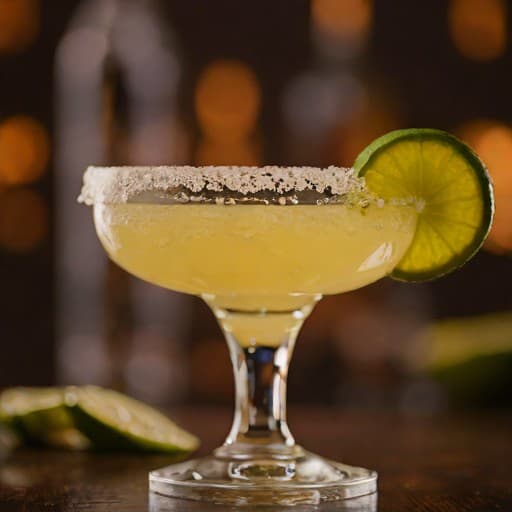
Passo 3: Umedeça a borda com citrus. Pegue uma fatia de limão (para Margaritas e bebidas de tequila) ou uma fatia de limão siciliano (para outros cocktails) e passe ao longo da borda externa do copo — apenas em metade da circunferência. Você quer uma linha fina de suco de citrus no lábio externo, não uma borda encharcada. Não molhe o interior do copo — sal no interior cai diretamente na bebida e a deixa salgada demais.
Passo 4: Pressione a metade umedecida no sal. Segure o copo em um ângulo ligeiro e pressione a seção molhada suavemente no sal, girando ligeiramente para obter uma cobertura uniforme. Levante, bata uma vez para tirar qualquer excesso solto, e pronto.
A abordagem de meia borda é padrão em bons bares de coquetel por uma razão: dá controle ao bebedor. Quer sal com este gole? Vire o copo para o lado do sal. Quer um gole limpo para provar o coquetel como a receita pretendia? Vire para o outro lado. Fazer a borda no copo inteiro tira essa escolha e força sal em cada gole, o que fica cansativo no final da bebida. A meia borda também parece mais refinada e profissional do que um copo completamente incrustado.
Tipos de Sal e Quando Usar Cada Um
Nem todo sal é igual, e a escolha do sal muda significativamente a experiência da borda.
Sal kosher (Diamond Crystal ou Morton) é o mais versátil. Os flocos grandes e irregulares aderem bem ao copo, dissolvem em ritmo moderado e têm sabor limpo e puramente salgado sem sabores estranhos. Diamond Crystal tem flocos maiores e mais leves que Morton, o que o torna ligeiramente melhor para bordas — é menos denso, então você obtém uma cobertura mais leve. Esta é a escolha padrão para Margaritas na maioria dos bares.
Sal marinho Maldon é a melhoria. Os cristais planos em formato de pirâmide são bonitos na borda do copo, proporcionam um crocante satisfatório e dissolvem lentamente para uma borda mais duradoura. Maldon é mais caro que sal kosher, mas uma caixa dura para dezenas de cocktails porque você usa muito pouco por bebida. Esta é a escolha quando a apresentação importa — um jantar, uma noite romântica, quando você quer que a borda pareça tão boa quanto a bebida.
Sal defumado (defumado com carvalho, madeira de maçã ou mesquite) adiciona uma dimensão saborosa de fogueira à borda. Combina excepcionalmente bem com cocktails à base de mezcal, onde o sal defumado ecoa o destilado defumado. Uma borda de sal defumado em uma Margarita de mezcal ou um Paloma de mezcal é um coquetel que tem sabor como se tivesse um ingrediente extra, mesmo que a receita seja inalterada. Use com moderação — o sabor de fumaça é forte e pode sobrecarregar bebidas delicadas.
Sal negro (kala namak) tem uma qualidade sulfurosa, quase como ovo, que parece terrível mas funciona brilhantemente em cocktails salgados. Um Bloody Mary com borda de sal negro ganha uma profundidade umami que sal comum não consegue igualar. É uma escolha de nicho, mas vale a pena conhecer.
Fleur de sel é delicado, úmido e caro. Dissolve rapidamente na borda, o que o torna menos prático que kosher ou Maldon para cocktails — quando você termina de fazer a bebida, metade da borda já derreteu. Melhor reservado para finalizar comida.
Além do Sal: Bordas Alternativas
O sal é o clássico, mas está longe de ser a única opção. Ingredientes criativos para bordas podem transformar o perfil de sabor e apresentação visual de um coquetel.
Tajín é a alternativa mais popular na cultura moderna de cocktails, e por boa razão. Este tempero mexicano de pimenta-limão combina pimenta seca, sal e suco de limão desidratado em um pó picante, salgado e ácido que funciona em praticamente qualquer coquetel de tequila ou mezcal. Uma borda de Tajín em uma Margarita, Paloma ou Michelada adiciona um formigamento quente de pimenta e brilho cítrico que só o sal não consegue alcançar. Tornou-se tão popular que muitos bares agora o oferecem como a borda padrão de Margarita.
Bordas de açúcar são a contraparte doce das bordas de sal e aparecem em uma categoria diferente de cocktails. Um Lemon Drop Martini, um Sidecar ou um Brandy Crusta tradicionalmente recebem uma borda de açúcar. Use açúcar superfino ao invés de cristal — os cristais menores aderem mais uniformemente e dissolvem na bebida menos agressivamente. Para uma borda de açúcar mais interessante, misture o açúcar com uma pitada de ácido cítrico ou raspas de citrus.
Sal de pimenta-limão é uma versão caseira do Tajín que permite controlar as proporções. Misture 2 partes de sal kosher, 1 parte de pimenta ancho em pó (calor doce e suave) e 1 parte de raspas de limão desidratadas. Guarde em um pote. Ajuste a proporção pimenta-sal conforme sua preferência de ardência. Isso é excelente em Micheladas e Bloody Marys assim como Margaritas.
Tempero de bagel everything parece absurdo, mas funciona em cocktails salgados — particularmente Bloody Marys e Martinis dirty. As sementes de gergelim, sementes de papoula, alho, cebola e sal proporcionam uma borda crocante e saborosa que complementa suco de tomate e salmoura de azeitona. É uma jogada de coquetel de brunch que sempre gera reação.
Bordas de cacau e especiarias funcionam em cocktails de sobremesa. Misture partes iguais de cacau em pó sem açúcar e açúcar superfino, opcionalmente com uma pitada de pimenta cayenne ou canela em pó. Isso pertence a um Espresso Martini, um Martini de chocolate ou um coquetel de chocolate quente mexicano. O cacau proporciona amargor e aroma, o açúcar proporciona doçura e textura, e a especiaria opcional adiciona calor.
Biscoito graham triturado misturado com um pouco de manteiga derretida e açúcar cria uma borda com sabor de massa de torta. Pertence a Martinis de limão Key e cocktails temáticos de s'mores. Use um adesivo mais amplo — espalhe uma linha fina de mel ou agave na borda ao invés de suco de citrus, porque citrus vai brigar com o sabor de sobremesa.
Coco tostado funciona em cocktails tropicais. Coco finamente ralado e tostado aderido com uma linha fina de néctar de agave cria uma borda que sinaliza "tropical" antes mesmo de você provar a bebida. Combine com uma Piña Colada ou um Daiquiri de rum de coco.
Quais Cocktails Recebem uma Borda
Nem todo coquetel se beneficia de um copo com borda. Aqui estão as bebidas onde uma borda é tradicional, esperada ou melhora ativamente a experiência — e aquelas onde não pertence.
Margarita: Borda de sal (ou Tajín) é tradicional e recomendada. A interação sal-limão-tequila é uma das combinações de sabor mais sinérgicas em cocktails.
Paloma: Sal ou Tajín. O refrigerante de toranja e a tequila se beneficiam das propriedades realçadoras de sabor do sal.
Michelada: Sal, Tajín ou sal de pimenta-limão. Este é um coquetel salgado onde uma borda agressiva faz parte da identidade.
Bloody Mary: Sal, sal de aipo ou tempero de bagel everything. A natureza saborosa e muito garnished de um Bloody Mary suporta uma borda ousada.
Lemon Drop Martini: Borda de açúcar. O açúcar ecoa o perfil doce-ácido do coquetel.
Sidecar / Brandy Crusta: Borda de açúcar. Isso é historicamente tradicional e adiciona um crocante doce que equilibra o citrus e o cognac.
Espresso Martini: Borda de cacau-açúcar é opcional mas realça a conexão de sabor café-chocolate.
Daiquiri, Gimlet, Whiskey Sour, Martini, Manhattan, Negroni, Old Fashioned: Sem borda. Estes cocktails são cuidadosamente equilibrados como estão, e uma borda introduziria um elemento de sabor que a receita não levou em conta. O equilíbrio de um Daiquiri clássico é prejudicado por sal em cada gole. Um Martini com borda de açúcar é uma abominação. Deixe estes em paz.
Quando a Borda Prejudica uma Bebida
Há três situações onde uma borda ativamente piora um coquetel.
Quando o sabor da borda conflita com o coquetel. Sal em um coquetel doce, estilo sobremesa, cria uma experiência de sabor confusa. Açúcar em um coquetel salgado e amargo faz o mesmo. O ingrediente da borda precisa complementar o perfil de sabor existente da bebida, não lutar contra ele.
Quando a borda é grossa demais ou aplicada de forma muito agressiva. Uma borda deve ser uma cobertura fina e uniforme — um cristal de profundidade, não uma crosta de meio centímetro. Excesso de borda significa que cada gole entrega mais borda que coquetel, afogando os sabores cuidadosamente equilibrados por baixo. Se seu convidado está recebendo uma bocada de sal antes de provar qualquer tequila, você exagerou na borda.
Quando a borda cai na bebida. Isso acontece quando a borda é aplicada no interior do copo ou quando o sal é fino demais e dissolve ao contato com o líquido. Os primeiros goles são normais, mas no meio da bebida, material suficiente da borda se dissolveu no coquetel para mudar sua salinidade ou doçura além do que a receita pretendia. Sempre aplique a borda apenas no exterior do copo, e use sal grosso ou em flocos que resiste à dissolução.
A melhor abordagem é perguntar ao seu convidado antes de fazer a borda. Em um bar, bons bartenders perguntam "borda de sal?" ao invés de presumir. Em casa, prepare metade com borda e metade sem, ou faça a técnica de meia borda para que cada bebedor possa escolher por si mesmo.
Pronto para praticar sua técnica de borda? Navegue pelas nossas receitas de cocktails para Margaritas, Palomas e outras bebidas que merecem borda, ou experimente nosso Combinador de Ingredientes para encontrar receitas que funcionam com o que você tem.