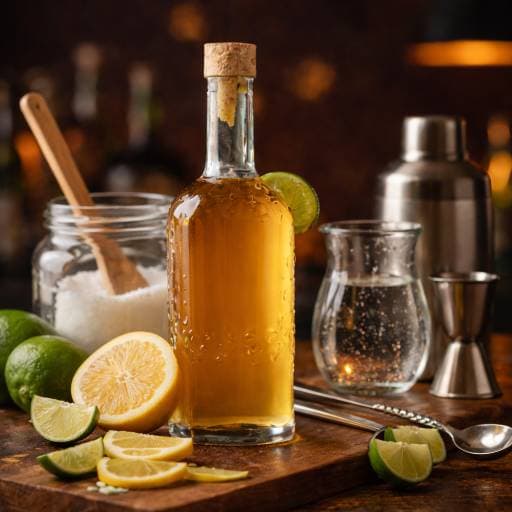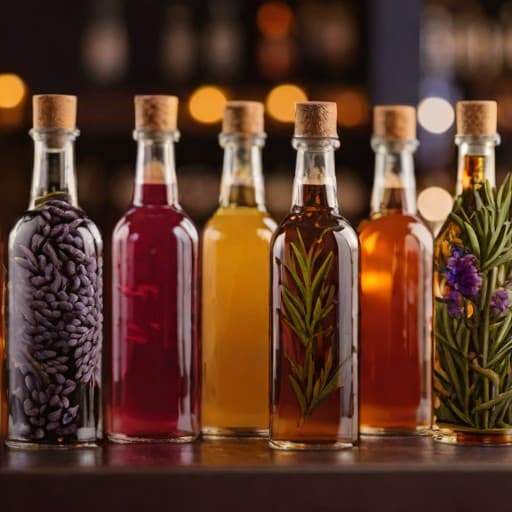
Les sirops aromatisés transforment les cocktails de base en quelque chose de spécial. Voici des recettes testées pour la lavande, le gingembre, la cannelle, le romarin, le jalapeño et la vanille — avec la durée de conservation pour chacun.
Un sirop aromatisé bien fait transforme un bon cocktail en excellent cocktail. C'est aussi l'une des façons les plus simples d'élargir votre gamme de cocktails sans acheter plus de bouteilles — un investissement de 3 $ en gingembre frais et en sucre vous donne un ingrédient qui rehausse une douzaine de boissons différentes. Chaque bar maison sérieux devrait avoir au moins un sirop aromatisé au réfrigérateur en permanence.
Les méthodes sont simples. Les résultats sont considérablement meilleurs que tout ce que vous pouvez acheter en bouteille. Voici les techniques et recettes spécifiques qui fonctionnent.
Deux Méthodes : Procédé à Chaud vs. Procédé à Froid
Le procédé à chaud consiste à chauffer l'eau et le sucre ensemble, puis à infuser l'ingrédient aromatisant. Cela fonctionne mieux pour les ingrédients robustes — épices, racines, écorce, herbes coriaces — qui ont besoin de chaleur pour libérer leurs composés aromatiques. La plupart des sirops aromatisés utilisent cette méthode.
Le procédé à froid consiste à dissoudre le sucre dans un liquide aromatisé sans chaleur. Cela fonctionne mieux pour les ingrédients délicats — fleurs, herbes tendres, baies — où la chaleur détruirait les qualités fraîches et aromatiques que vous voulez préserver. Les sirops à froid ont tendance à goûter plus vif et plus fidèle à l'ingrédient original.
Sirop de Lavande
Méthode : Procédé à chaud Recette : 1 tasse d'eau, 1 tasse de sucre, 2 cuillères à soupe de lavande culinaire séchée
Porter l'eau et le sucre à frémissement, en remuant jusqu'à dissolution. Retirer du feu, ajouter la lavande et laisser infuser 15–20 minutes. Filtrer à travers une passoire fine. Laisser refroidir et embouteiller.
Note critique : Ne pas sur-infuser. La lavande devient savonneuse et médicinale après 20 minutes. Goûter à 15 minutes — si cela sent comme un jardin relaxant, arrêter. Si cela sent comme une feuille d'assouplissant, vous êtes allé trop loin.
**Utiliser dans :** Lavender Collins (gin, [citron](/blog/the-role-of-citrus-in-cocktails), sirop de lavande, soda), Limonade à la Lavande, variation French 75, Bee's Knees avec sirop de miel à la lavande.
Durée de conservation : 2–3 semaines au réfrigérateur.
Sirop de Gingembre
Méthode : Procédé à chaud (ou méthode au mixeur) Recette : 1 tasse de gingembre frais (épluché, tranché finement), 1 tasse d'eau, 1 tasse de sucre
Plaque de cuisson : Faire mijoter le gingembre, l'eau et le sucre ensemble pendant 20 minutes. Le gingembre libère son piquant et sa chaleur dans le sirop. Filtrer à travers une passoire fine, en pressant le gingembre pour extraire tout le liquide.
Méthode au mixeur (plus intense) : Mixer le gingembre épluché avec l'eau jusqu'à obtenir un mélange lisse. Filtrer à travers une étamine, en pressant fort. Combiner le jus de gingembre avec des parts égales de sucre, remuer jusqu'à dissolution. Cela produit un sirop plus intensément gingembré — plus frais, plus épicé, avec plus de mordant.
Utiliser dans : Penicillin (combiner avec sirop de miel pour un sirop miel-gingembre), variation Gold Rush, amélioration Moscow Mule, Dark 'n' Stormy avec sirop de gingembre maison, cocktails gin-gingembre.
Durée de conservation : 2–3 semaines au réfrigérateur. La version méthode au mixeur peut fermenter plus rapidement — ajouter 0,5 once de vodka par tasse pour prolonger.
Sirop de Cannelle
Méthode : Procédé à chaud Recette : 1 tasse d'eau, 1 tasse de sucre, 4 bâtons de cannelle (cassés en morceaux)
Porter l'eau, le sucre et la cannelle à frémissement. Remuer jusqu'à dissolution du sucre. Retirer du feu et laisser infuser pendant 2 heures (ou toute la nuit au réfrigérateur pour une saveur plus intense). Filtrer les bâtons de cannelle.
Utiliser des bâtons de cannelle entiers, pas de la cannelle en poudre. La cannelle en poudre crée un sirop trouble et granuleux qui est impossible à filtrer clairement. Les bâtons donnent une saveur de cannelle pure sans sédiment.
Utiliser dans : Cinnamon Old Fashioned, Zombie (de nombreuses recettes demandent du sirop de cannelle), Hot Toddy, cocktails au cidre de pomme, boissons tiki, chocolat chaud mexicain avec spiritueux.
Durée de conservation : 3–4 semaines au réfrigérateur. La cannelle a des propriétés antimicrobiennes légères qui aident.
Sirop de Romarin
Méthode : Procédé à chaud (infusion brève) Recette : 1 tasse d'eau, 1 tasse de sucre, 3–4 brins de romarin frais
Porter l'eau et le sucre à frémissement. Ajouter les brins de romarin. Retirer immédiatement du feu et laisser infuser 15 minutes seulement. Filtrer et jeter le romarin.
Comme la lavande, le romarin devient désagréable si sur-infusé — il passe de résineux et herbacé à amer et médicinal. Garder l'infusion courte.
Utiliser dans : Rosemary Gimlet (gin, citron vert, sirop de romarin), whiskey sour au romarin, cocktails romarin-pamplemousse, gin tonic avec sirop de romarin.
Durée de conservation : 2 semaines au réfrigérateur.
Sirop de Jalapeño
Méthode : Procédé à chaud Recette : 1 tasse d'eau, 1 tasse de sucre, 2 jalapeños (tranchés, graines incluses pour plus de piquant ou retirées pour plus de douceur)
Faire mijoter l'eau et le sucre jusqu'à dissolution. Ajouter les jalapeños tranchés et faire mijoter pendant 5 minutes. Goûter. Si vous voulez plus de piquant, laisser infuser hors du feu pendant 5–10 minutes supplémentaires. Filtrer immédiatement une fois le niveau d'épice désiré atteint.
Les graines et la membrane blanche contiennent la capsaïcine. Les laisser pour un piquant sérieux, les retirer pour un sirop plus doux avec la saveur jalapeño mais moins de brûlure. Commencer avec les graines et goûter fréquemment — vous pouvez toujours filtrer tôt, mais vous ne pouvez pas retirer le piquant une fois qu'il est dans le sirop.
Utiliser dans : Margarita épicée, cocktails jalapeño-ananas, Paloma épicée, boissons congelées jalapeño-mangue, amélioration Bloody Mary.
Durée de conservation : 2–3 semaines au réfrigérateur.
Sirop de Vanille
Méthode : Procédé à chaud + infusion Recette : 1 tasse d'eau, 1 tasse de sucre, 1 gousse de vanille (fendue dans le sens de la longueur et grattée)
Faire mijoter l'eau, le sucre et la gousse de vanille (cosse et graines) jusqu'à dissolution du sucre. Retirer du feu, couvrir et laisser la vanille infuser jusqu'à ce que le sirop refroidisse à température ambiante — au moins 30 minutes, jusqu'à toute la nuit. Filtrer si désiré, bien que laisser les graines ajoute un attrait visuel et une saveur supplémentaire.
Utiliser de vraies gousses de vanille, pas d'extrait. L'extrait fonctionne en pâtisserie mais produit une vanille plus mince et unidimensionnelle dans les sirops. Une seule gousse de vanille coûte 3–5 $ et fait une tasse de sirop qui goûte significativement meilleur.
Utiliser dans : Vanilla Old Fashioned, Espresso Martini, cocktails vanille-bourbon, Rum Punch à la vanille, French Vanilla Sour.
Durée de conservation : 3–4 semaines au réfrigérateur.
Conseils Généraux
Ratio de sucre : 1:1 (parts égales de sucre et d'eau) est standard pour les sirops aromatisés. Les sirops riches 2:1 fonctionnent aussi mais la douceur plus forte peut masquer l'aromatisation. Commencer avec 1:1.
Filtrage : Utiliser une passoire fine pour la plupart des sirops. Pour les sirops avec des particules fines (comme le gingembre de la méthode au mixeur), filtrer à travers une étamine ou un filtre à café pour un résultat plus propre.
Stockage : Toujours utiliser des bouteilles ou pots en verre propres avec des couvercles étanches. Étiqueter avec la saveur et la date. Réfrigérer immédiatement après refroidissement. Pour un regard plus approfondi sur la détérioration et la durée de conservation, voir combien de temps durent les sirops maison.
Mise à l'échelle : Ces recettes font environ 1,5 tasse de sirop chacune — assez pour 20–30 cocktails à 0,5 once par boisson. Faire de petits lots et les utiliser pendant qu'ils sont frais. Un sirop fait la semaine dernière goûte mieux qu'un fait le mois dernier.
Combinaison de saveurs : Gingembre-miel, lavande-citron, romarin-pamplemousse, cannelle-vanille, et jalapeño-ananas sont toutes des combinaisons éprouvées. Et si vous voulez compléter votre étagère à sirops, la grenadine maison est un autre projet de 10 minutes qui vaut la peine d'être entrepris. Faire un sirop de base avec une saveur, puis ajouter la seconde au moment de l'infusion.