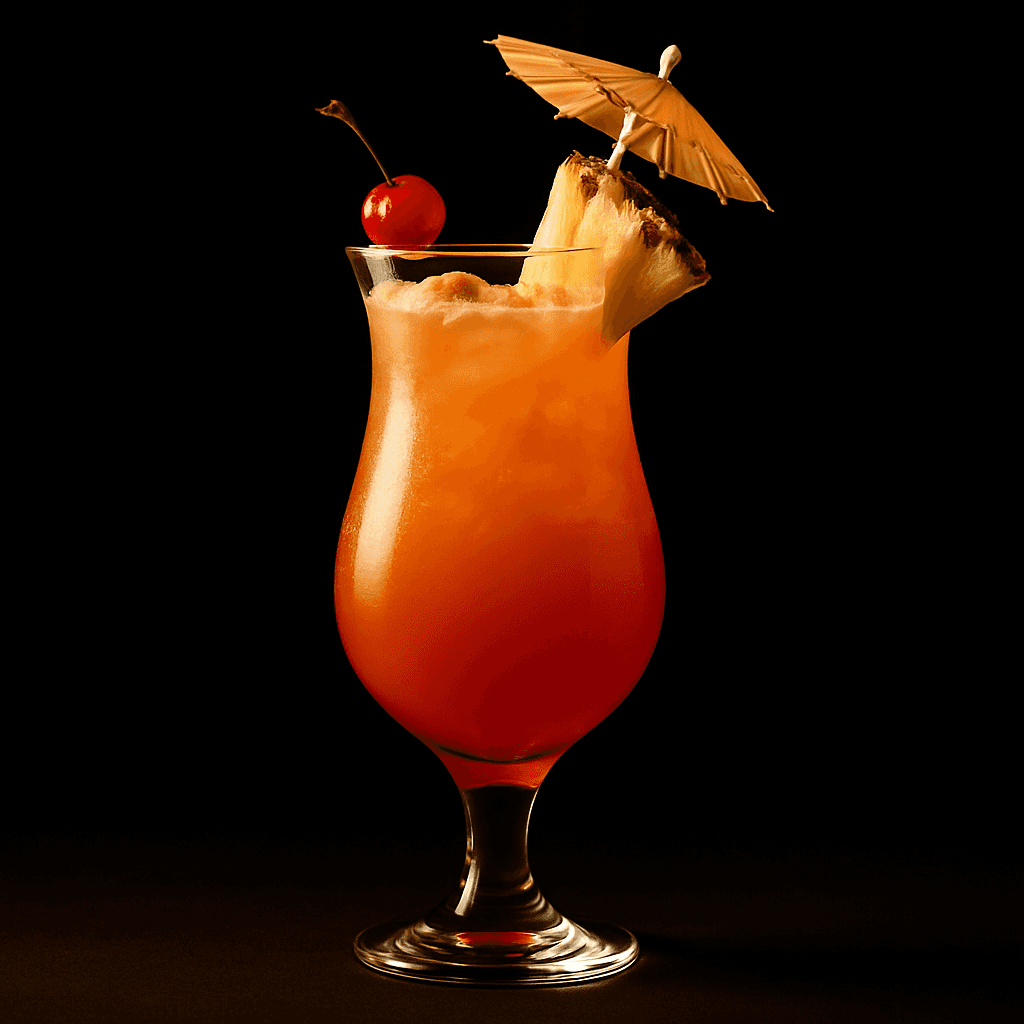
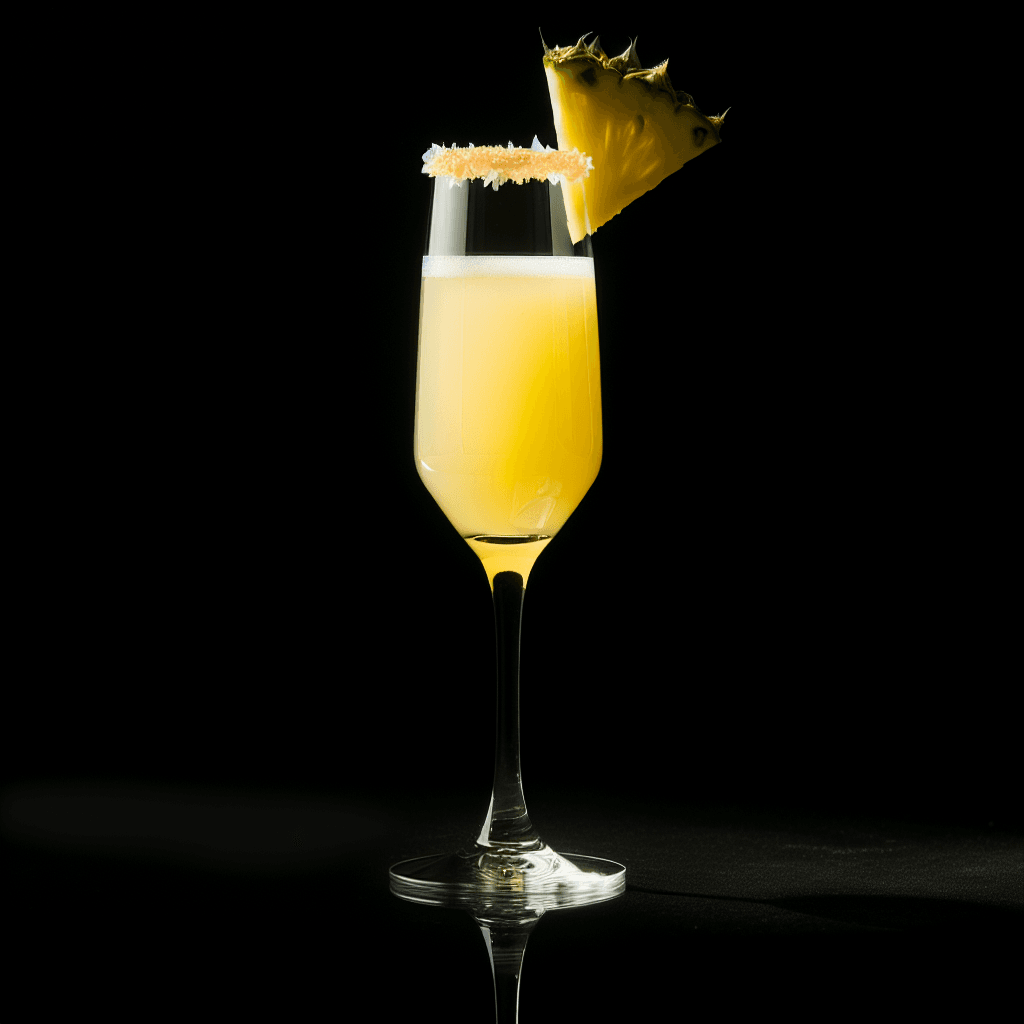
Sake Sunrise
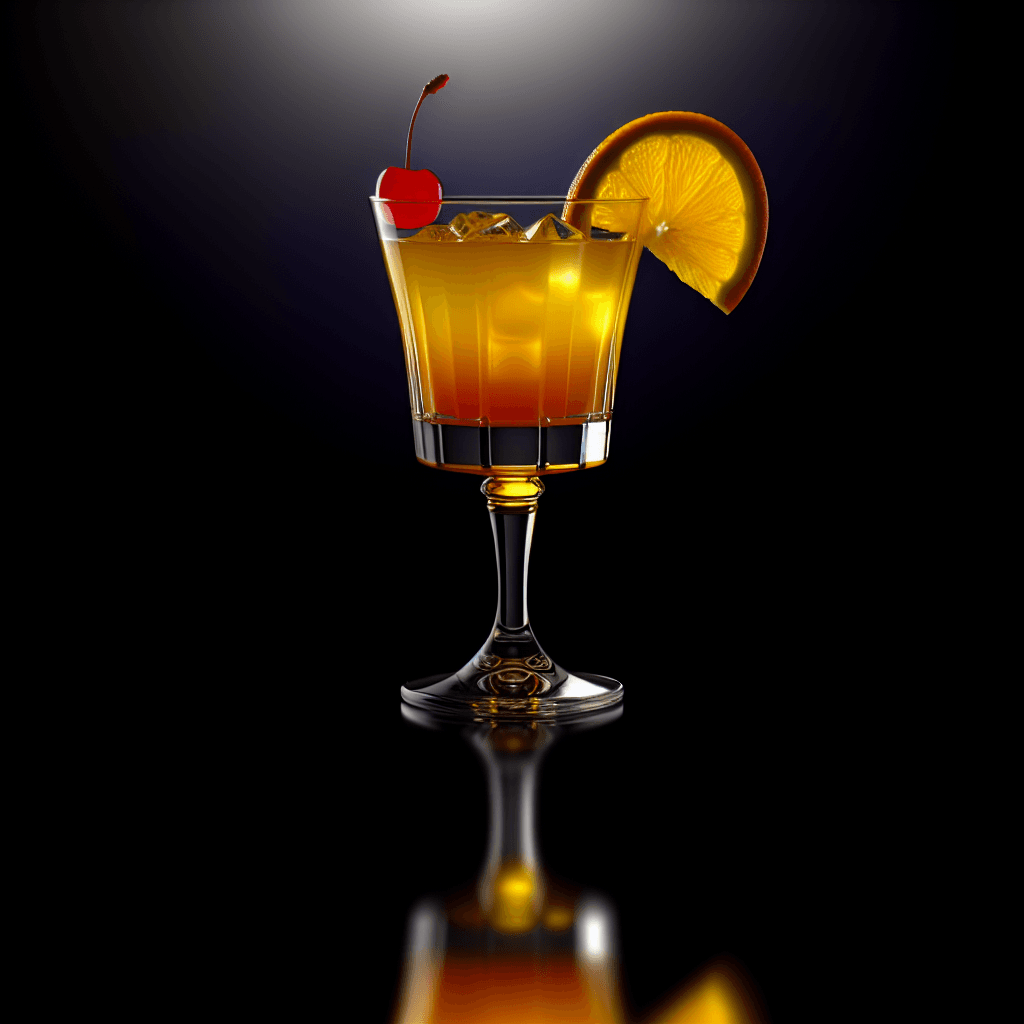
Ein delikater Fusion-Cocktail, der japanischen Sake mit tropischen Aromen und einem atemberaubenden visuellen Farbverlauf vereint. Dieser elegante Drink kombiniert die subtilen Reiswein-Noten des Sake mit frischen Zitrusfrüchten und einem wunderschönen Sonnenaufgang-Effekt.
Der Sake Sunrise repräsentiert die perfekte Verbindung von Ost und West in Cocktail-Form. Diese atemberaubende Kreation fängt die ruhige Schönheit einer japanischen Morgendämmerung ein und liefert dabei ein erfrischend komplexes Geschmacksprofil, das sowohl vertraut als auch exotisch ist. Im Gegensatz zu seinem Tequila-basierten Verwandten bietet diese Sake-Variante einen nuancierteren, delikateren Ansatz für das Sonnenaufgang-Konzept. Die sanfte Reiswein-Basis bietet eine elegante Leinwand für tropische Fruchtaromen, während der charakteristische Farbverlauf-Effekt ein visuelles Meisterwerk schafft, das ebenso Instagram-tauglich wie köstlich ist. Ob Sie eine anspruchsvolle Dinnerparty veranstalten oder einfach Ihr Abendritual aufwerten möchten - der Sake Sunrise bringt eine Atmosphäre von raffinierter Gelassenheit zu jedem Anlass.
KI-Kreiertes Rezept
Dieses Rezept wurde von unserem KI-Mixologen erstellt. Es ist möglicherweise kein traditionelles Rezept, sollte aber eine köstliche Interpretation sein.
📝 Zutaten
- 3 oz Ananassaft🛒 Amazon
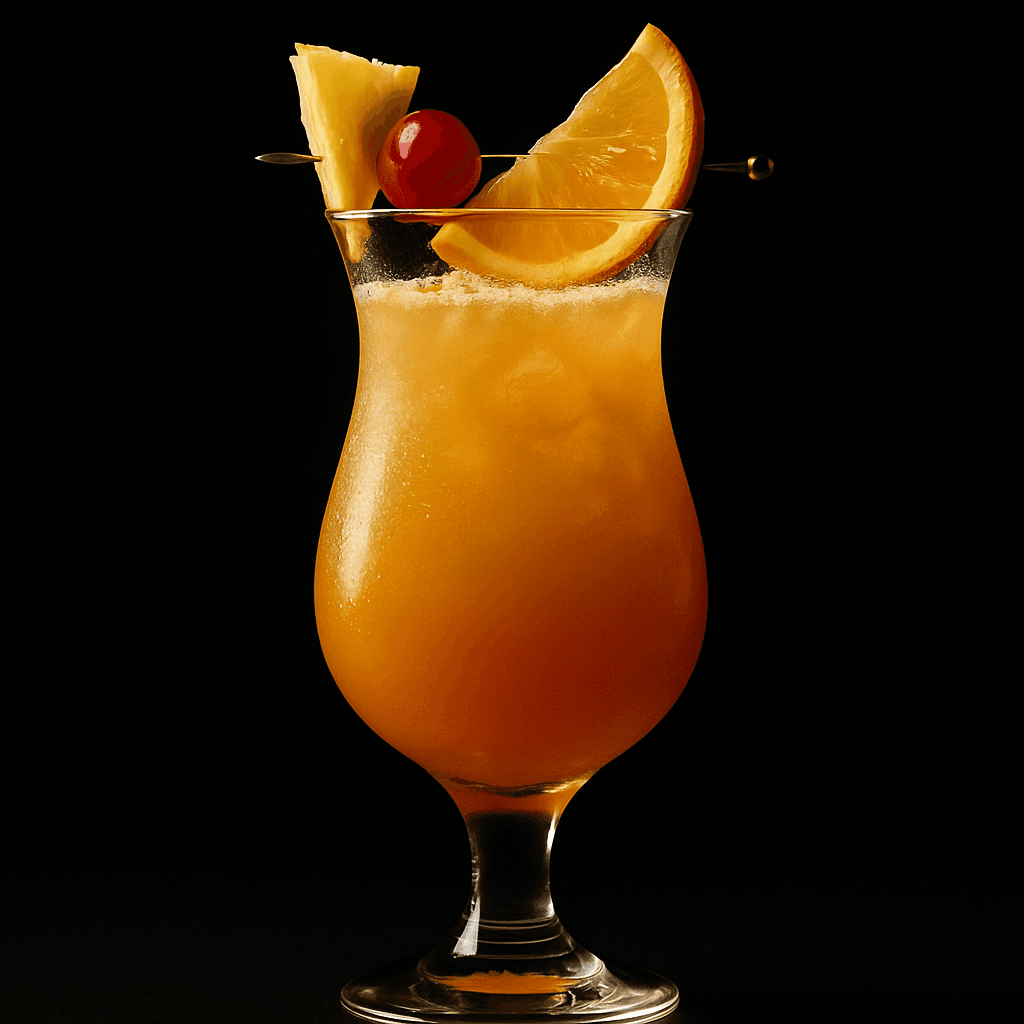
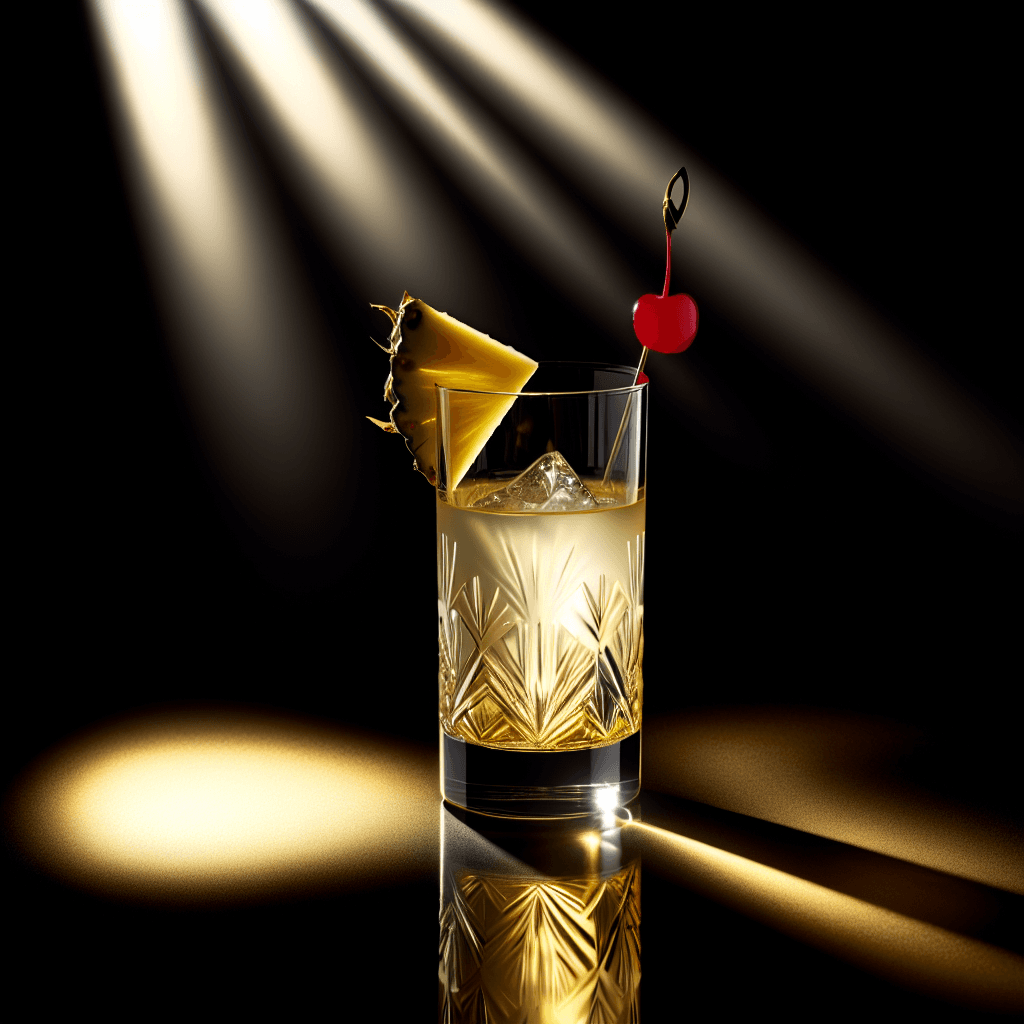
Garnitur: Ananasstück und Kirsche an einem Cocktailspieß
👨🍳 Anleitung
Füllen Sie ein Highball-Glas mit Eiswürfeln und lassen Sie es 2 Minuten kühlen.
In einem mit Eis gefüllten Cocktail-Shaker Sake, Ananassaft und Limettensaft vermengen.
10-15 Sekunden kräftig schütteln, bis die Mischung gut gekühlt ist.
Die Mischung über frisches Eis in das vorbereitete Highball-Glas abseihen.
Grenadine langsam über den Rücken eines Barlöffels gießen und dabei sinken lassen, um den Sonnenaufgang-Farbverlauf zu erzeugen.
Mit einem Ananasstück und einer Kirsche an einem Cocktailspieß garnieren. Sofort servieren.
Geschmacksprofil
Benötigte Werkzeuge
Jigger
View on Amazon →
Cocktail Shaker (Boston)
View on Amazon →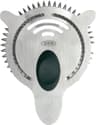
OXO SteeL Cocktail Strainer (Hawthorne)
View on Amazon →
Zitruspresse
View on Amazon →
Cocktail-Spieße Set
View on Amazon →
Highball Gläser Set
View on Amazon →💡 Profi-Tipps
- 1
Verwenden Sie hochwertigen Junmai oder Junmai Ginjo Sake für den besten Geschmack - vermeiden Sie Koch-Sake, der zu salzig sein kann
- 2
Kühlen Sie alle Zutaten im Voraus, um den Schichteffekt beizubehalten und vorzeitiges Vermischen zu verhindern
- 3
Gießen Sie die Grenadine sehr langsam über den Rücken eines Barlöffels, um den perfekten Farbverlauf zu erzeugen
- 4
Frischer Ananassaft macht einen erheblichen Unterschied - vermeiden Sie Konserven wenn möglich
- 5
Sofort nach der Zubereitung servieren, um den visuellen Sonnenaufgang-Effekt beizubehalten
📜 Geschichte und Ursprung
Der Sake Sunrise ist eine moderne Interpretation des klassischen Tequila Sunrise, entstanden in den frühen 2000er Jahren, als die japanische Küche und Sake-Kultur in westlichen Cocktailbars zunehmend an Popularität gewannen. Während der ursprüngliche Tequila Sunrise auf die 1930er Jahre zurückgeht und in den 1970er Jahren berühmt wurde, entstand die Sake-Version aus der Fusion-Cocktail-Bewegung, die durch kosmopolitische Städte wie New York, Los Angeles und London fegte. Visionäre Mixologen in japanisch-inspirierten Etablissements begannen mit Sake als Basis-Spirituose zu experimentieren und erkannten dessen Vielseitigkeit und subtile Komplexität. Das Getränk gewann besonders in gehobenen Sushi-Bars und modernen japanischen Restaurants an Bedeutung, wo Barkeeper nach Cocktails suchten, die die delikaten Aromen der Küche ergänzten, ohne den Gaumen zu überfordern. Die visuelle Attraktivität des geschichteten Sonnenaufgang-Effekts, kombiniert mit der wachsenden Wertschätzung von Sake unter westlichen Trinkern, half dabei, diesen Cocktail als anspruchsvolle Alternative zu traditionelleren Mixgetränken zu etablieren. Heute repräsentiert er die erfolgreiche Fusion japanischer Trinkkultur mit westlicher Cocktail-Handwerkskunst.