Patio Pounder
Un cocktail estivo pericolosamente rinfrescante che combina il pugno tropicale del rum con agrumi brillanti e un tocco di spezie. Questo cocktail che conquista le folle scende facilmente ma ha un pugno serio, rendendolo perfetto per i pigri pomeriggi sulla terrazza.
Alcuni cocktail sussurrano dolci nulla al tuo orecchio. Il Patio Pounder? Sfonda la porta con un sorriso e pretende che tu ti diverta. Non è il tuo delicato aperitivo da garden party - è un cocktail robusto, audacemente sfacciato che celebra l'arte del perfetto drink del pigro pomeriggio. Con la sua miscela ingannevolmente morbida di rum invecchiato, frutti tropicali e un calcio a sorpresa di zenzero, il Patio Pounder si è guadagnato la reputazione di drink che trasforma qualsiasi spazio esterno nel tuo paradiso personale. Un sorso e capirai perché questa bellezza è diventata l'inno non ufficiale dei raduni estivi ovunque.

Ricetta Creata da IA
Questa ricetta è stata creata dal nostro mixologo IA. Potrebbe non essere una ricetta tradizionale, ma dovrebbe essere un'interpretazione deliziosa.
📝 Ingredienti
- 0.75 oz Succo di Lime Fresco🛒 Amazon
- 0.5 oz Ginger syrup🛒 Amazon
- 0.25 oz Orange curaçao🛒 Amazon
- 1 pezzo Fresh ginger🛒 Amazon
- 2 goccio Angostura Bitters🛒 Amazon
Guarnizione: Spicchio di ananas e spiedo di zenzero candito
👨🍳 Istruzioni
Nel shaker, pestare delicatamente il dischetto di zenzero fresco per rilasciarne gli oli senza polverizzarlo completamente.
Aggiungere il rum invecchiato, il succo di ananas fresco, il succo di lime, lo sciroppo di zenzero e il curaçao all'arancia allo shaker.
Aggiungere 2 spruzzi di Angostura bitter e riempire lo shaker con ghiaccio.
Shakerare vigorosamente per 12-15 secondi fino a quando non è ben raffreddato e diluito correttamente.
Filtrare doppiamente in un bicchiere rocks riempito di ghiaccio fresco per rimuovere eventuali residui di zenzero.
Guarnire con uno spicchio di ananas e uno spiedo di zenzero candito per il tocco finale perfetto.
Profilo Aromatico
Strumenti Necessari

Jigger
View on Amazon →
Shaker per Cocktail (Boston)
View on Amazon →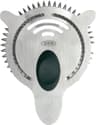
OXO SteeL Cocktail Strainer (Hawthorne)
View on Amazon →
Muddler
View on Amazon →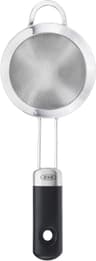
Colino a Maglia Fine
View on Amazon →
Spremiagrumi
View on Amazon →
Set di Bicchieri Rocks
View on Amazon →💡 Consigli dell'Esperto
- 1
Usa un rum invecchiato di alta qualità come base - la nota di rovere aggiunge profondità che i rum giovani non possono fornire
- 2
Il succo di ananas fresco è innegociabile; il succo in scatola renderà questo drink piatto e artificiale
- 3
Pesta lo zenzero delicatamente per rilasciare gli oli senza creare pezzetti amari
- 4
Servi immediatamente dopo aver shakerato per mantenere la perfetta consistenza spumosa
- 5
Raddoppia la ricetta e servi in una caraffa per le feste - si scala magnificamente
📜 Storia e Origine
Il Patio Pounder è emerso nei primi anni 2000 dai bar tiki-revival della California del Sud, dove i barman cercavano di creare un drink che catturasse l'atmosfera rilassata dei barbecue in cortile mantenendo la complessità dei cocktail tiki classici. Creato dal barman Miguel Santos al The Bamboo Room di Los Angeles, il cocktail originariamente si chiamava 'The Deck Wrecker' prima che i clienti abituali lo soprannominassero 'Patio Pounder' per la sua capacità di cogliere di sorpresa i bevitori ignari. Santos si ispirò alle ricette classiche del punch e alla cultura del rum caraibico, volendo creare qualcosa che sembrasse sia familiare che eccitante. Il drink ha guadagnato popolarità attraverso il passaparola alle feste in piscina e ai raduni sulla spiaggia, arrivando infine nei cocktail bar artigianali di tutto il paese. Quello che lo distingue da altri drink tropicali è il suo perfetto equilibrio tra accessibilità e sofisticazione - è abbastanza complesso per gli appassionati di cocktail ma abbastanza semplice per l'intrattenimento casual. Il Patio Pounder rappresenta l'evoluzione moderna della cultura tiki americana, dove le influenze tradizionali polinesiane incontrano le preferenze contemporanee del bere.