Cantarito
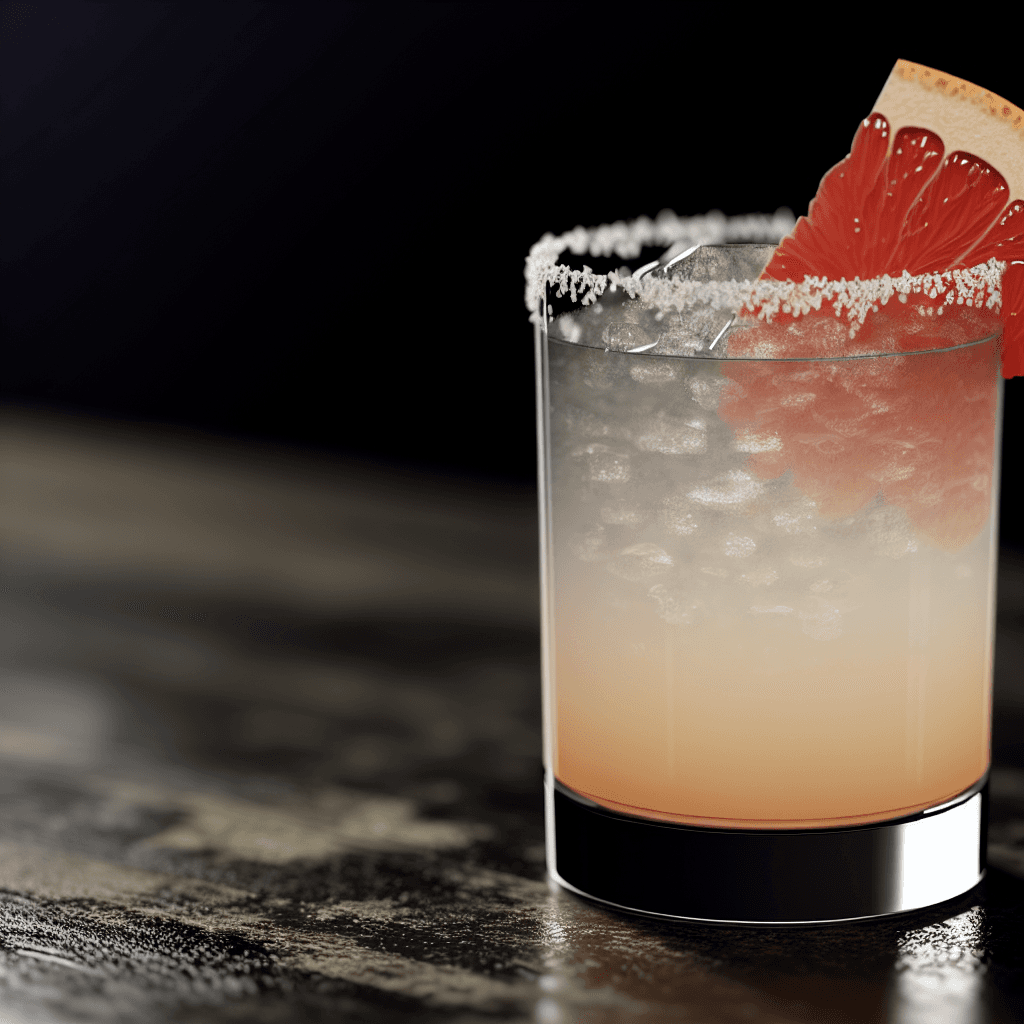
Un cóctel highball mexicano refrescante tradicionalmente servido en una olla de barro (cantarito), con tequila, jugos cítricos frescos y refresco de toronja. Esta bebida vibrante encarna el espíritu de las cantinas mexicanas con su equilibrio perfecto entre elementos dulces, ácidos y burbujeantes.
Entra a cualquier cantina mexicana auténtica y probablemente te encuentres con el Cantarito—una bebida que captura el alma de México en cada sorbo efervescente. Tradicionalmente servido en ollas de barro hechas a mano que mantienen la bebida refrescantemente fría, este cóctel es más que una simple bebida; es una experiencia cultural. El Cantarito combina las notas terrosas del agave del tequila con la acidez brillante del limón fresco y la dulzura sutil del refresco de toronja, creando una sinfonía de sabores que bailan en tu paladar. Lo que hace verdaderamente especial a esta bebida es su conexión con la tradición mexicana—la vasija de barro no solo proporciona enfriamiento natural sino que también aporta un carácter mineral sutil que mejora la experiencia general de la bebida.
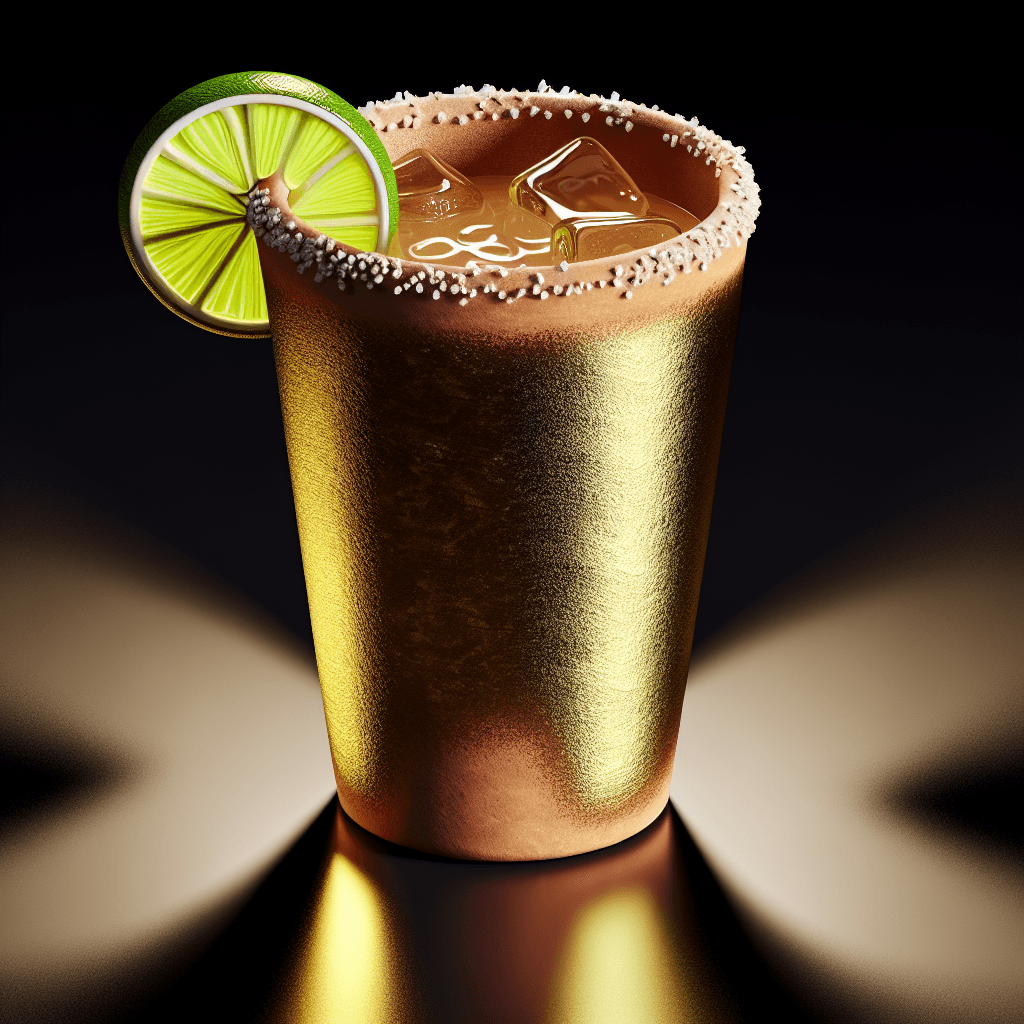
Receta Creada por IA
Esta receta fue creada por nuestro mixólogo de IA. Puede que no sea una receta tradicional, pero debería ser una interpretación deliciosa.
📝 Ingredientes
- 1 dash Sal Gruesa🛒 Amazon
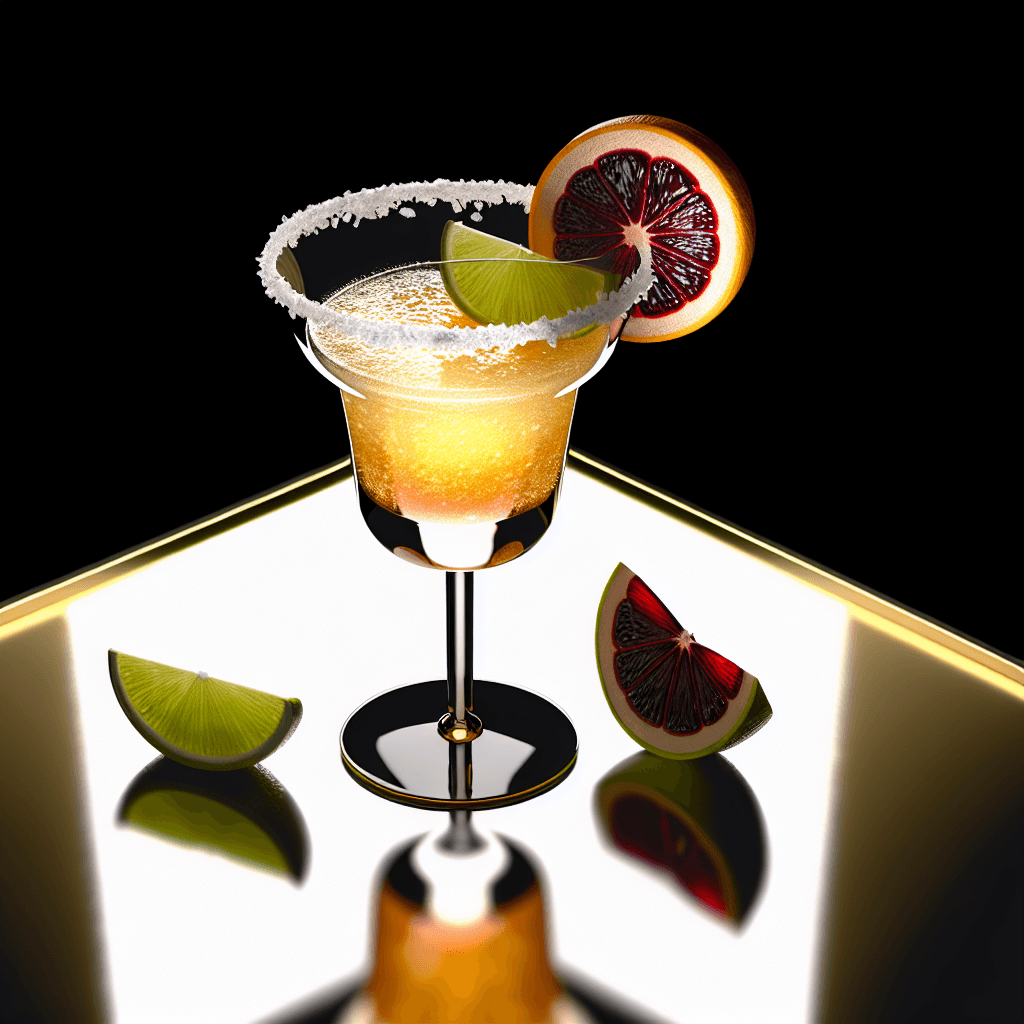
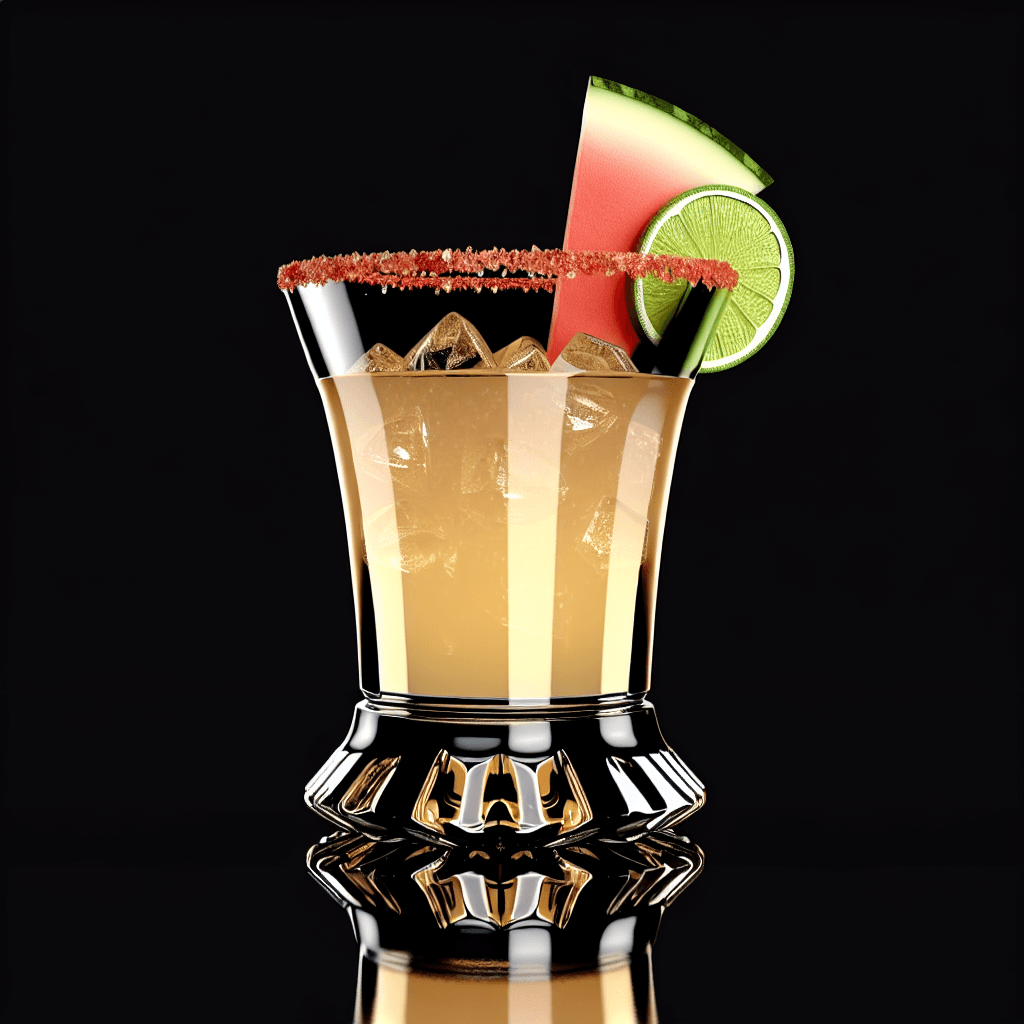
Decoración: rodaja de limón, rodaja de naranja y borde de sal gruesa
👨🍳 Instrucciones
Pasa una rodaja de limón por la mitad del borde de tu cantarito o vaso highball y sumérgelo en sal gruesa
Llena el vaso con cubos de hielo hasta el tope
Añade el tequila, jugo de limón fresco y jugo de naranja fresco al vaso
Completa con refresco de toronja, dejando aproximadamente 1/2 pulgada desde el borde
Añade una pizca de sal directamente a la bebida y revuelve suavemente con una cuchara de bar
Decora con rodajas de limón y naranja, y sirve con popote
Perfil de Sabor
Herramientas Necesarias
Jigger
View on Amazon →
Vaso Mezclador
View on Amazon →
Cuchara de Bar
View on Amazon →
OXO SteeL Cocktail Strainer (Hawthorne)
View on Amazon →
Exprimidor de Cítricos
View on Amazon →
Juego de Vasos Highball
View on Amazon →💡 Consejos de Experto
- 1
Usa un cantarito de barro tradicional si es posible—remójalo en agua durante 30 minutos antes de usar para prevenir rajaduras y mejorar el efecto refrescante
- 2
Elige tequila blanco 100% agave para el sabor más limpio que no compita con los cítricos y el refresco
- 3
Sala solo la mitad del borde para dar a los bebedores la opción entre sorbos salados y sin sal
- 4
Usa jugos cítricos recién exprimidos—la diferencia es notable comparado con las versiones embotelladas
- 5
Sirve con un popote de metal o cuchara de barro para revolver, ya que la experiencia tradicional incluye mezclar la bebida mientras la disfrutas
📜 Historia y Origen
El Cantarito se originó en el estado mexicano occidental de Jalisco, cuna del tequila, donde ha sido disfrutado por generaciones en cantinas locales y establecimientos callejeros. El nombre proviene del recipiente tradicional de barro llamado 'cantarito' o 'jarrito de barro,' que ha sido utilizado en la cultura mexicana durante siglos para mantener las bebidas frescas en el clima caluroso. Estas ollas de barro sin esmalte regulan naturalmente la temperatura a través de la evaporación, haciéndolas perfectas para bebidas refrescantes. El cóctel ganó popularidad en todo México a mediados del siglo XX cuando el refresco de toronja se volvió más ampliamente disponible, particularmente marcas como Squirt y Fresca. Aunque el inventor exacto es desconocido, la bebida está profundamente arraigada en la cultura de cantina mexicana, donde los cantineros combinaban cualquier cítrico que estuviera fresco con tequila local y mezcladores gaseosos. El Cantarito representa la filosofía mexicana de usar ingredientes simples y frescos para crear algo mayor que la suma de sus partes, encarnando el espíritu convivial de compartir bebidas con amigos y familia.