Caipirinha
Le cocktail national du Brésil préparé avec de la cachaça, du citron vert pilé et du sucre.
La Caipirinha est bien plus que le cocktail national du Brésil—c'est l'incarnation liquide de l'esprit vibrant et de la culture décontractée du pays. Ce chef-d'œuvre à trois ingrédients d'une simplicité trompeuse transforme l'humble cachaça, le citron vert frais et le sucre en quelque chose de magique grâce à l'art ancestral du pilage. Née sur les plages de Rio et perfectionnée dans les bars animés de São Paulo, la Caipirinha prouve que les cocktails les plus mémorables proviennent souvent des combinaisons les plus simples. Avec son équilibre parfait entre agrumes acidulés, sucre de canne doux et les notes herbacées distinctives de la cachaça, cet élixir rafraîchissant capture l'essence de la joie de vivre brésilienne à chaque gorgée.
👨🍳 Instructions
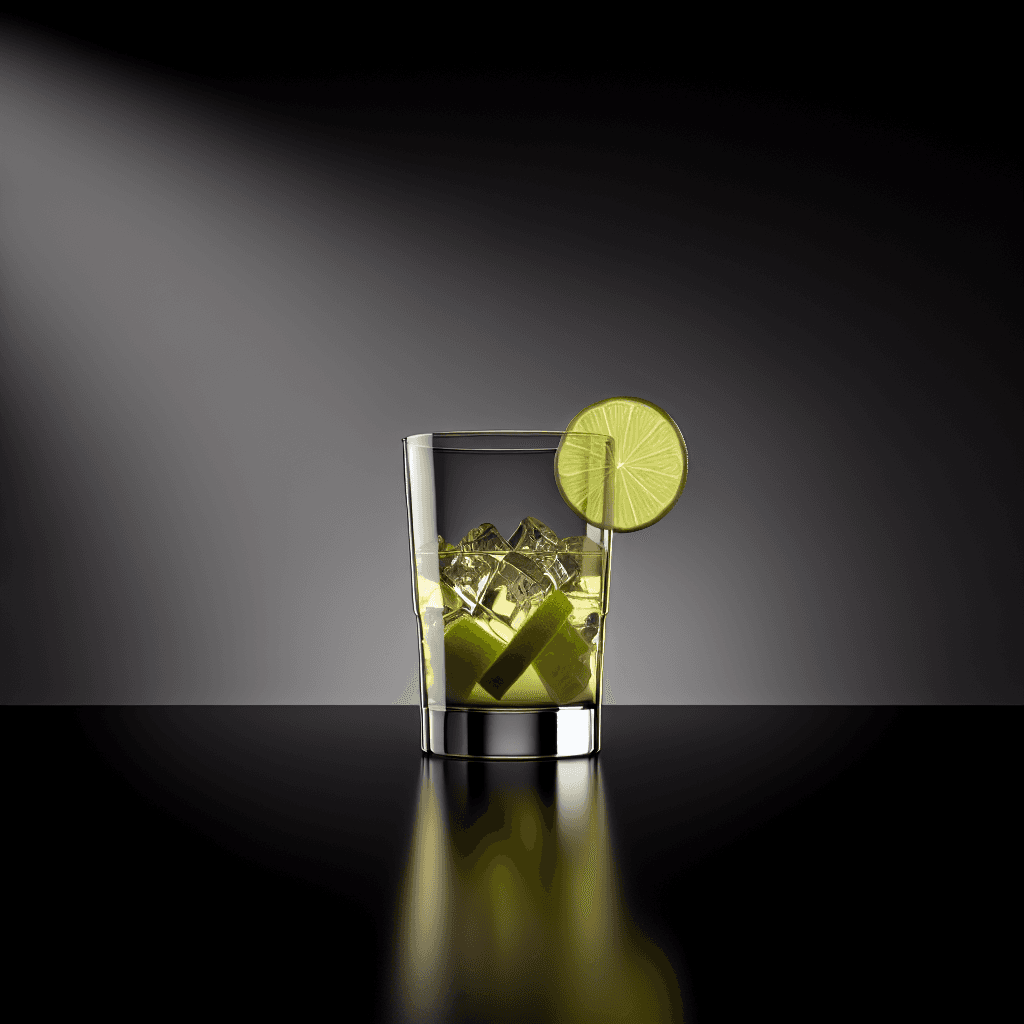
Couper un citron vert en quartiers et placer dans un verre à whisky.
Ajouter le sucre et piler pour extraire le jus et les huiles du citron vert.
Remplir le verre de glace.
Ajouter la cachaça et bien remuer.
Garnir d'une rondelle de citron vert.
Profil de Saveur
Outils Nécessaires

Jigger
View on Amazon →
Verre à Mélange
View on Amazon →
Cuillère de bar
View on Amazon →
OXO SteeL Cocktail Strainer (Hawthorne)
View on Amazon →
Pilon à cocktail
View on Amazon →
Ensemble de Verres Rocks
View on Amazon →💡 Conseils d'Expert
- 1
Utilisez uniquement des citrons verts frais à température ambiante—ils se pilent mieux et libèrent plus d'huiles que les citrons verts froids. Ne jamais substituer avec du jus de citron vert en bouteille.
- 2
Pilez avec autorité mais sans agressivité. Pressez et tournez pour extraire les huiles de l'écorce de citron vert tout en évitant le sur-pilage, qui crée des composés amers.
- 3
Le sucre fin se dissout mieux que le sucre granulé, mais les recettes brésiliennes traditionnelles utilisent du sucre blanc ordinaire. Certains barmans préfèrent le sirop simple pour la consistance.
- 4
Une cachaça de qualité fait toute la différence—recherchez de la cachaça 100% canne à sucre plutôt que les versions industrielles. La cachaça vieillie ajoute de la complexité, tandis que la cachaça blanche reste traditionnelle.
- 5
Servir immédiatement après préparation et ne pas filtrer—les morceaux de citron vert pilés font partie de l'expérience authentique et continuent d'infuser les saveurs.
📜 Histoire et Origine
Les origines de la Caipirinha remontent au Brésil rural du 19ème siècle, où elle a commencé comme remède populaire contre la grippe espagnole. Les fermiers mélangeaient la cachaça—un spiritueux distillé à partir de jus de canne à sucre frais—avec du citron vert, de l'ail et du miel pour combattre la maladie. Au fil du temps, les ingrédients médicinaux ont cédé la place au sucre, et une légende de cocktail était née. La boisson a gagné en popularité dans tout le Brésil au début des années 1900, particulièrement parmi les travailleurs des plantations de canne à sucre qui avaient un accès facile à la fois à la cachaça et aux citrons verts frais. Au milieu du 20ème siècle, la Caipirinha était passée d'une boisson rustique de campagne au cocktail national officieux du Brésil. Le nom lui-même vient de 'caipira', signifiant 'campagnard' ou 'péquenaud', reflétant ses humbles origines rurales. La reconnaissance internationale est arrivée dans les années 1960 quand les touristes brésiliens ont commencé à introduire le cocktail dans les bars du monde entier. Aujourd'hui, elle est célébrée mondialement comme l'une des représentations les plus authentiques de la culture brésilienne, officiellement reconnue par le gouvernement brésilien comme le cocktail national du pays en 2003. Sa montée a coïncidé avec l'appréciation croissante des spiritueux artisanaux et le mouvement de la ferme au verre, faisant de la cachaça l'un des spiritueux les plus consommés au monde.