
Karneval / Fasching
Cócteles alemanes festivos para la temporada de Carnaval
Una colección enérgica de cócteles de inspiración alemana perfectos para las celebraciones de Karneval y Fasching — desde vinos calientes reconfortantes hasta burbujeantes refrescantes que mantienen la fiesta desde Weiberfastnacht hasta Rosenmontag.
10 recipes
El Karneval en Renania y el Fasching en el sur de Alemania marcan el período más salvaje del calendario alemán. Desde el jueves de Weiberfastnacht hasta el desfile de Rosenmontag y la tranquilización del Miércoles de Ceniza, millones celebran con disfraces, desfiles y abundantes bebidas. Esta colección reúne cócteles basados en ingredientes alemanes y tradiciones de bebida, diseñados para el tipo de fiestas caseras, Sitzungen y celebraciones callejeras que definen la quinta estación. Encontrarás desde un reconfortante Glühwein Cocktail para tardes frías viendo desfiles hasta un fresco Kölsch Cocktail que rinde homenaje a Colonia — la capital no oficial del Karneval. Cada receta funciona igual de bien como porción individual o escalada para multitudes, para que puedas pasar menos tiempo preparando y más tiempo celebrando.
Recipes in This Collection
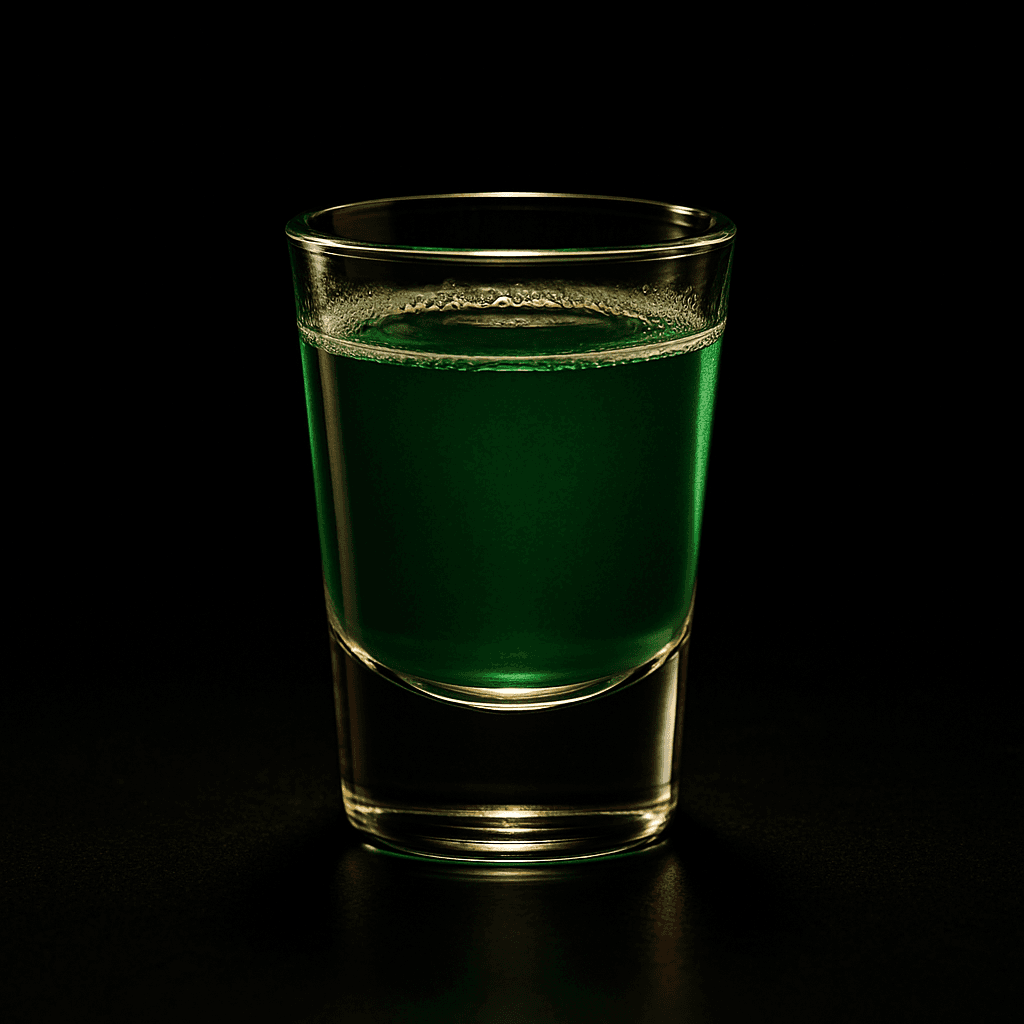
Berliner Luft Shot
A refreshing mint liqueur shot that captures the essence of Berlin's crisp air. This smooth, cooling shot is perfect for cleansing the palate or as a digestif after a hearty meal.
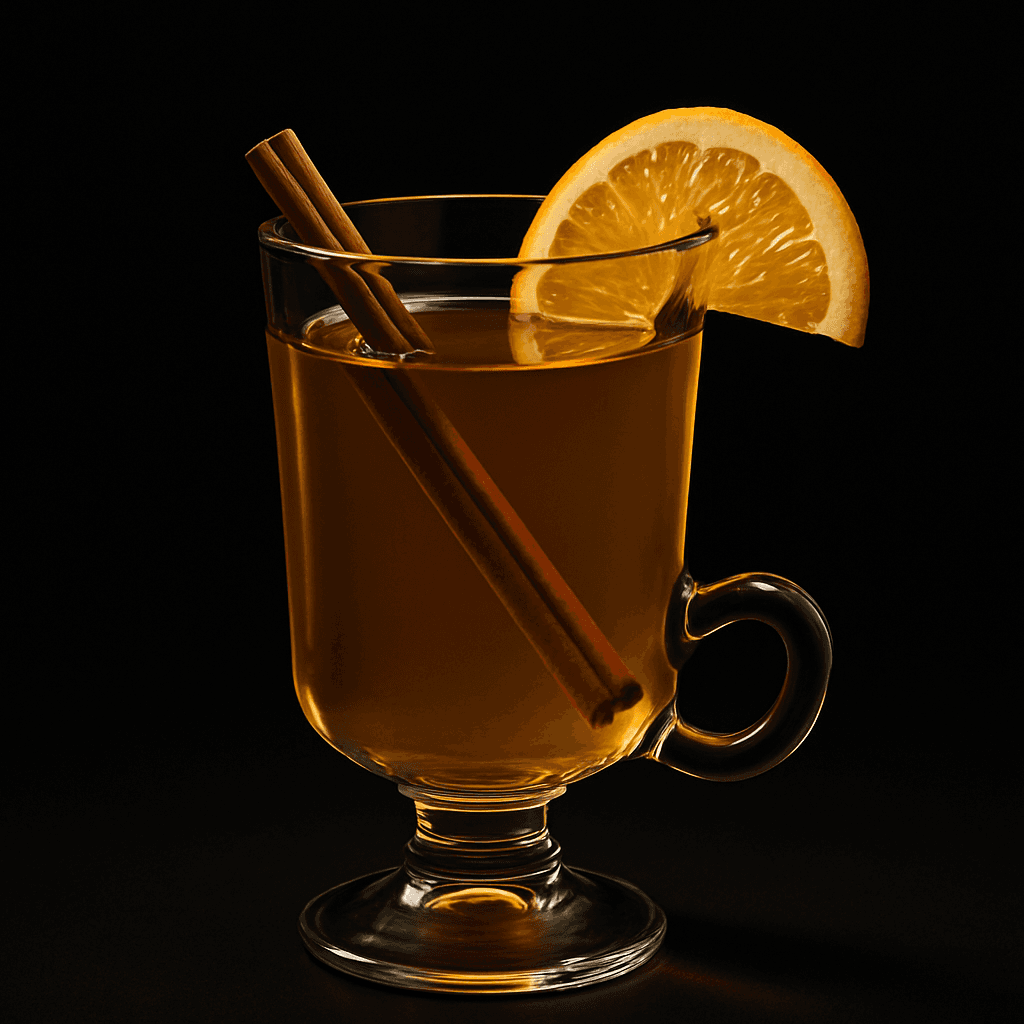
Heißer Apfelwein
A traditional German mulled apple wine that warms both body and soul during cold winter months. This aromatic beverage combines dry apple wine with warming spices and a touch of sweetness, creating the perfect companion for chilly evenings and festive gatherings.

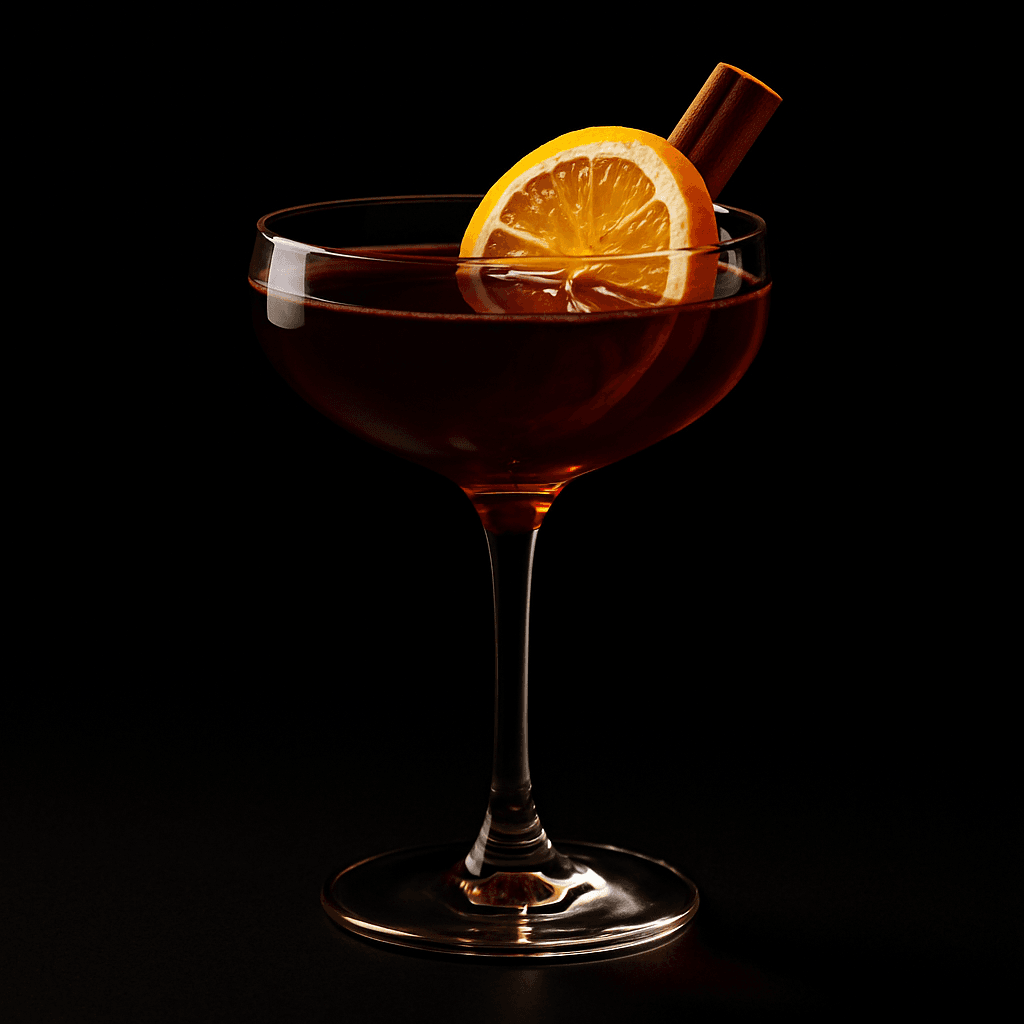
Glühwein Cocktail
A refined cocktail interpretation of traditional German mulled wine, combining red wine with warming spices and a spirited twist. This elegant drink captures the cozy essence of Christmas markets in a sophisticated glass.
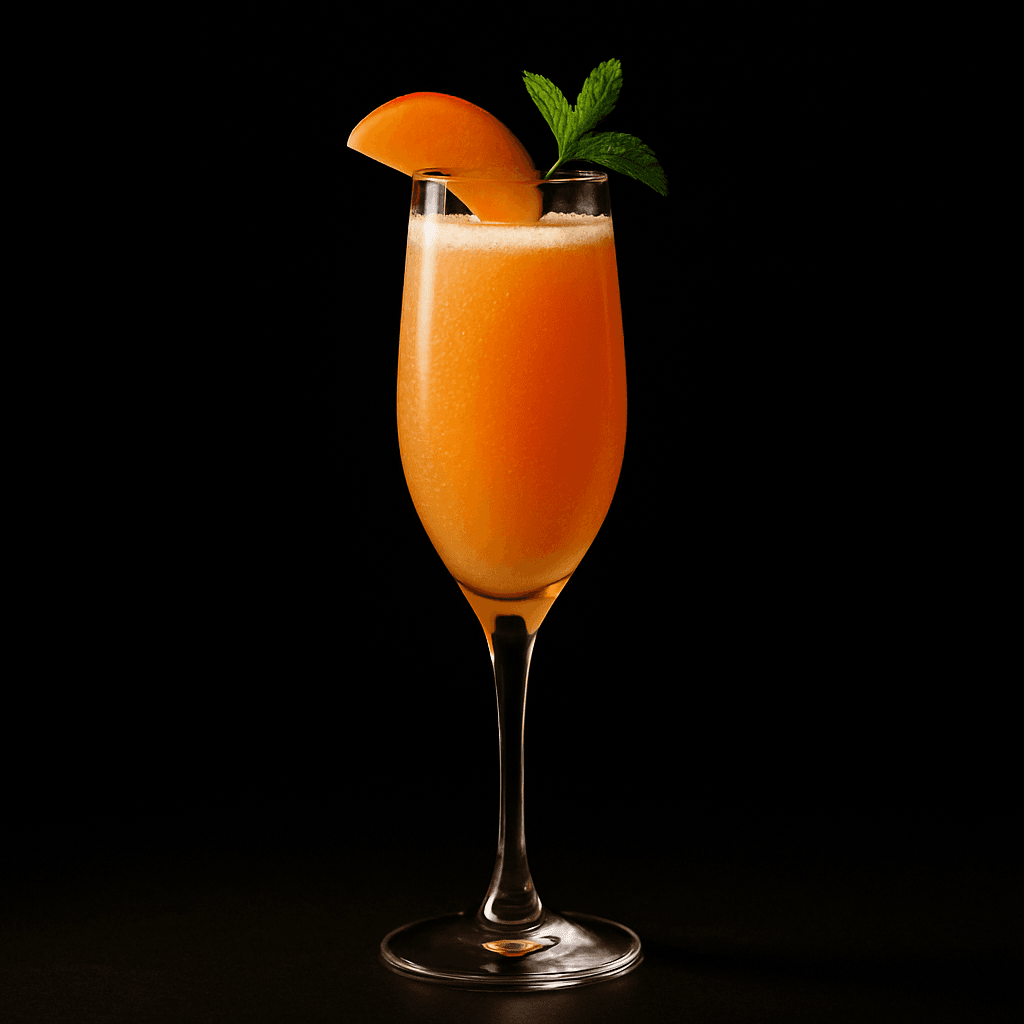
Pfirsich Bellini
A German-inspired twist on the classic Venetian Bellini, featuring fresh peach purée and sparkling wine. This elegant cocktail captures the essence of summer peaches with effervescent bubbles.
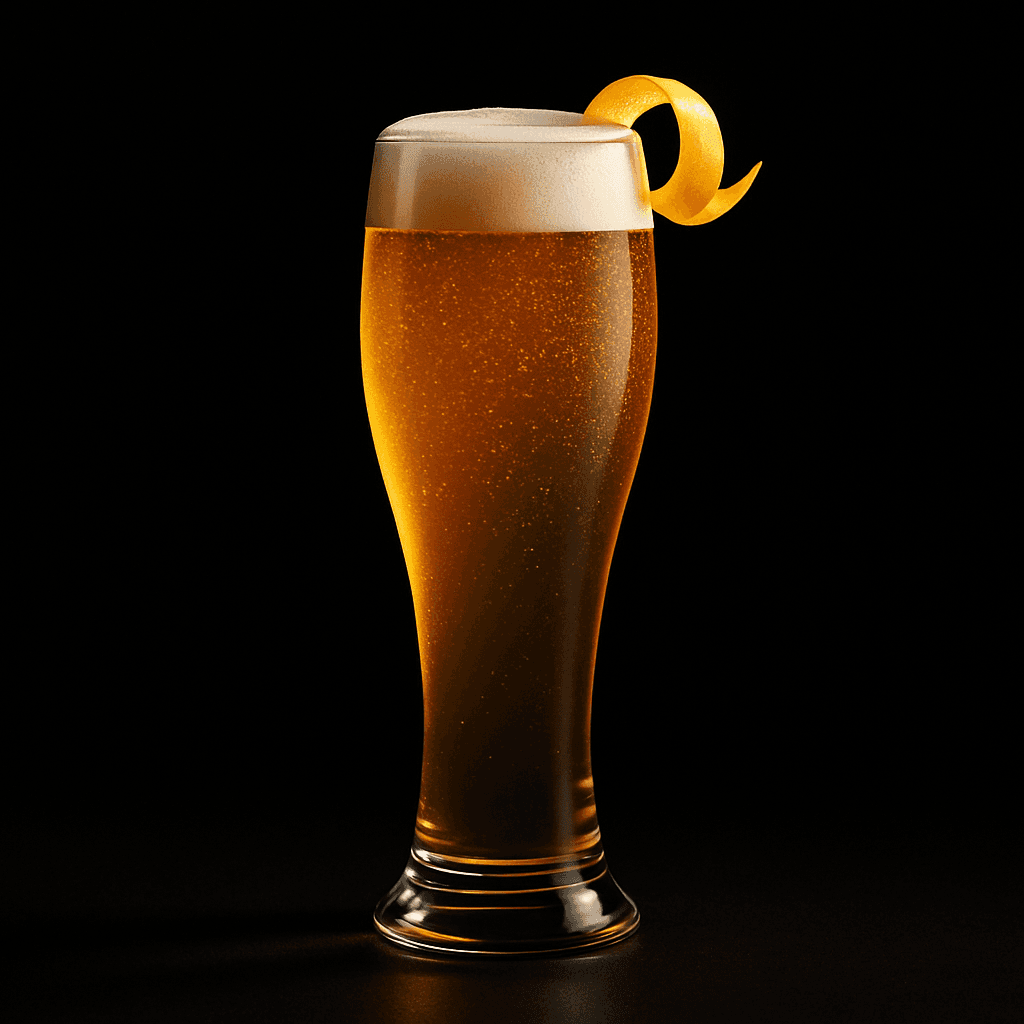
Kölsch Cocktail
A refreshing beer cocktail that celebrates Germany's beloved Kölsch beer with elderflower liqueur, fresh lemon, and herbaceous notes. Light, effervescent, and perfectly balanced between floral sweetness and crisp beer character.
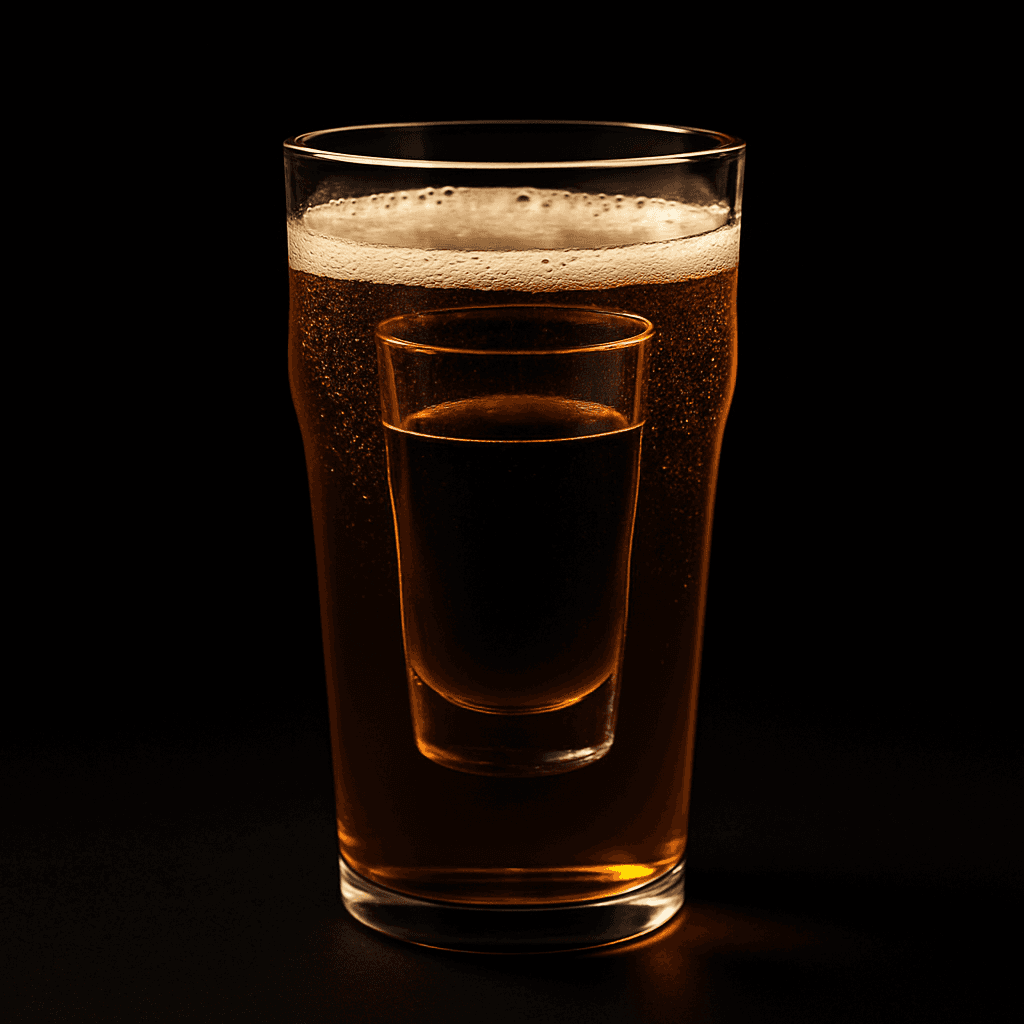
Jäger Bomb
A high-energy party drink that combines the herbal complexity of Jägermeister with the sweet fizz of energy drink. This drop shot delivers an instant caffeine and alcohol rush that's become synonymous with late-night revelry.
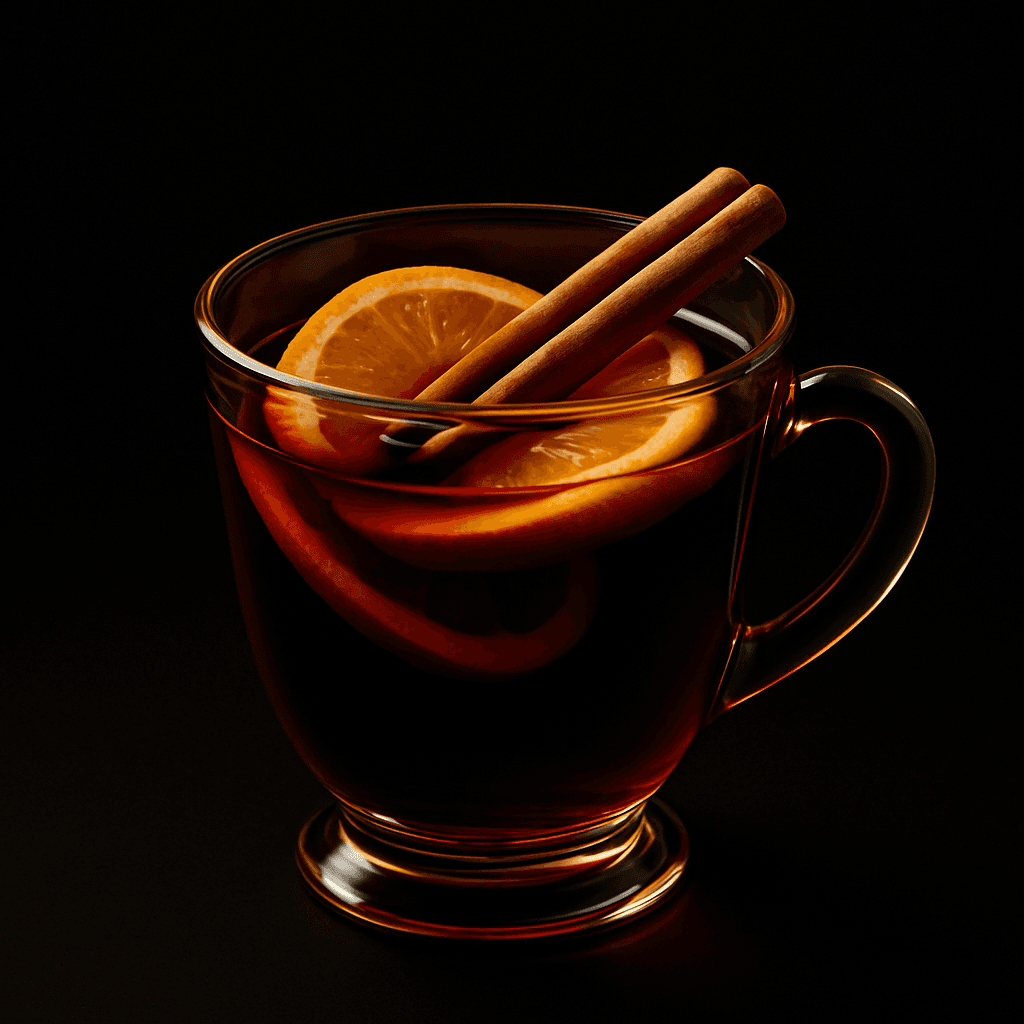
Feuerzangenbowle
A dramatic German winter punch featuring mulled red wine topped with a flaming sugar loaf soaked in rum. This theatrical drink combines warm spices with caramelized sugar for a festive spectacle that's as much about the show as the sip.
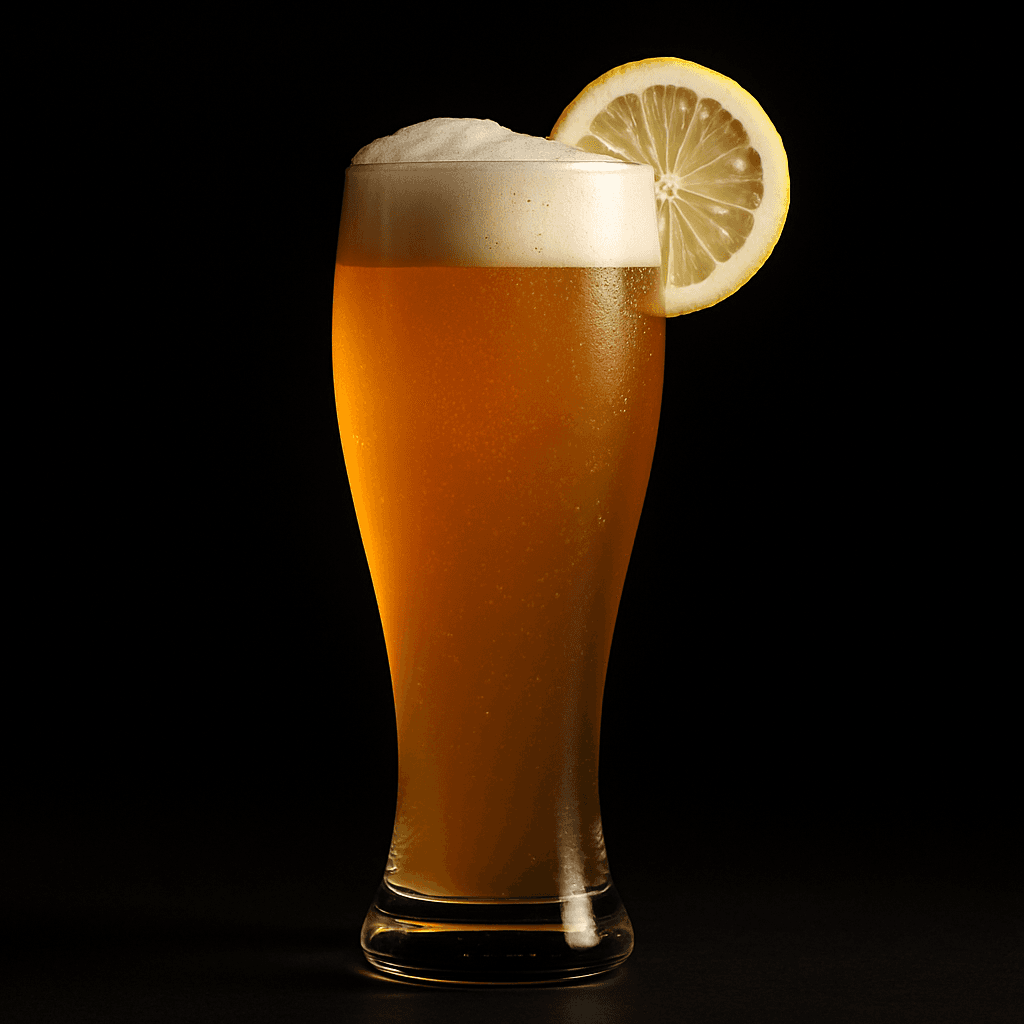
Radler Shandy
A refreshing German-inspired beer cocktail that combines crisp lager with tangy lemonade. This low-alcohol drink is perfect for hot summer days and outdoor gatherings.
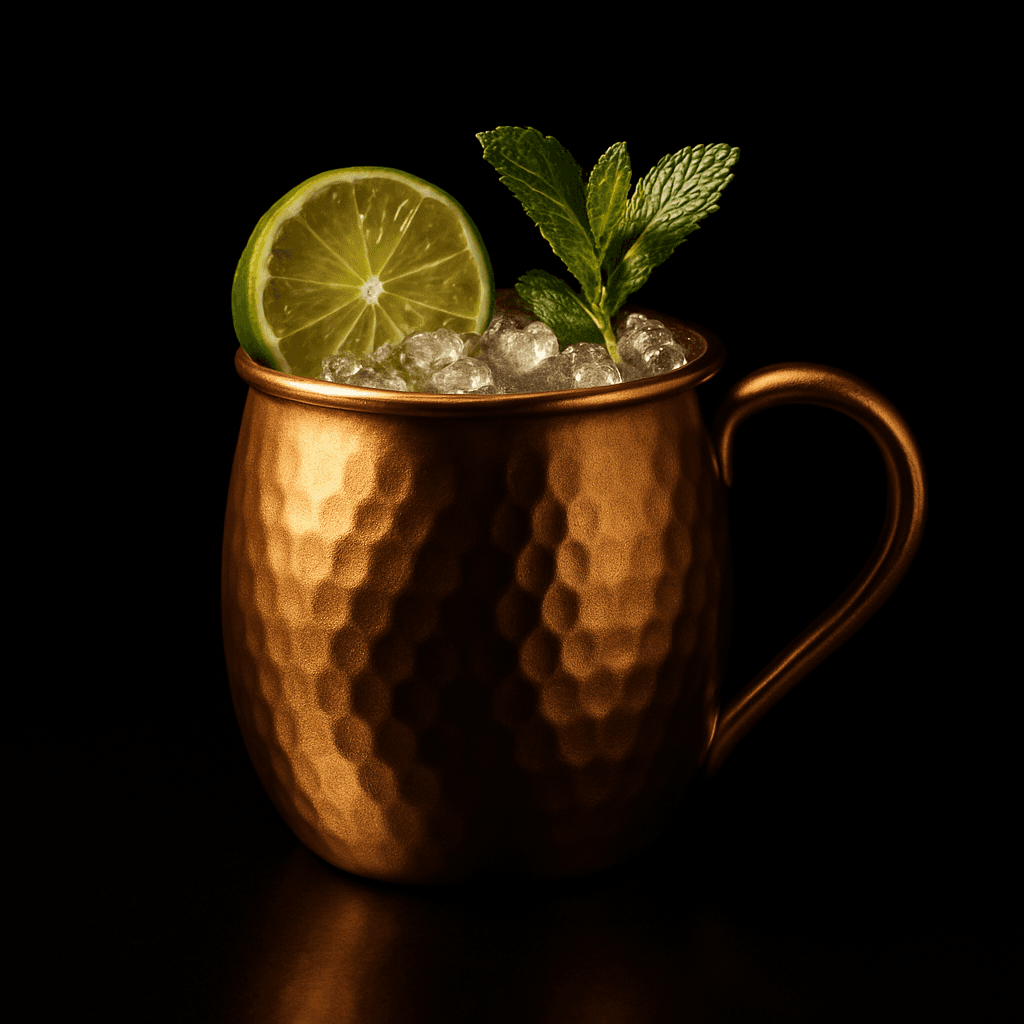
Munich Mule
A Bavarian twist on the classic Moscow Mule that replaces vodka with German wheat beer and adds a touch of elderflower liqueur. This refreshing cocktail combines the crisp effervescence of Hefeweizen with zesty lime and spicy ginger beer.
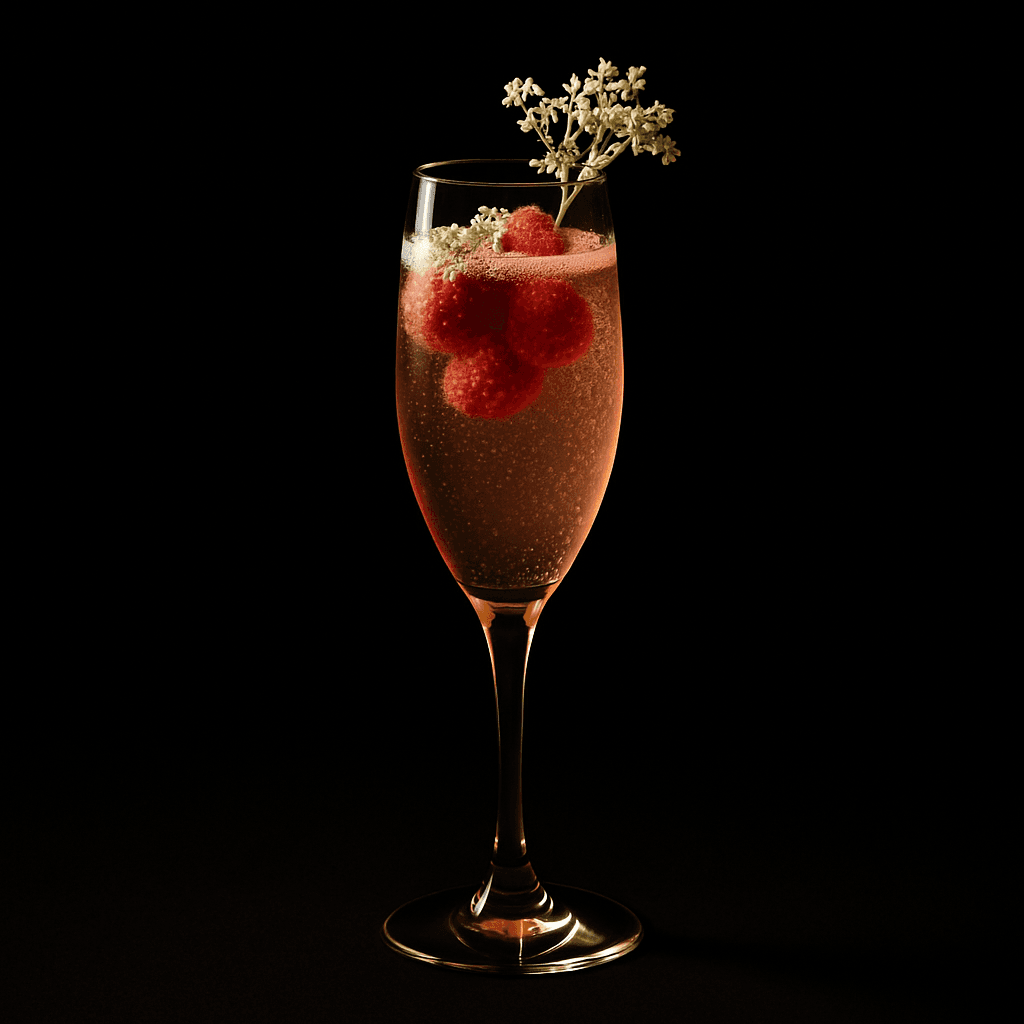
Sekt Cocktail
A refreshing German sparkling wine cocktail that combines the effervescence of Sekt with fresh fruit and herbal notes. This elegant aperitif offers a perfect balance of bubbles, sweetness, and botanical complexity.
Frequently Asked Questions
- ¿Cuál es la diferencia entre Karneval y Fasching?
- Karneval y Fasching se refieren a la misma temporada de carnaval pre-cuaresmal, pero el nombre depende de dónde te encuentres en Alemania. En Renania — Colonia, Düsseldorf, Mainz y Bonn — se llama Karneval. En Baviera, Franconia y gran parte del sur de Alemania, se conoce como Fasching. Un tercer nombre, Fastnacht, se usa en el suroeste de Alemania y partes de Suiza. Las tradiciones varían por región — el Karneval renano es conocido por los desfiles masivos de Rosenmontag, mientras que el Fasching del sur presenta más procesiones enmascaradas — pero el espíritu de juerga, disfraces y bebida festiva es universal.
- ¿Cuándo comienza y termina la temporada de Karneval?
- La temporada de Karneval oficialmente abre el 11 de noviembre a las 11:11 AM, pero las celebraciones reales ocurren en la semana final antes de la Cuaresma. El pico va desde Weiberfastnacht (Día del Carnaval de las Mujeres, el jueves antes del Miércoles de Ceniza) hasta Rosenmontag (Lunes de Rosas) y termina el Martes de Carnaval. Como estas fechas dependen de la Pascua, cambian cada año — típicamente cayendo en febrero o principios de marzo. Los días finales son cuando los desfiles, disfraces y fiestas alcanzan su apogeo, haciendo ese fin de semana el momento ideal para una reunión de cócteles con temática de Karneval.
- ¿Cuáles son las bebidas tradicionales alemanas que se sirven durante Karneval?
- La bebida tradicional del Karneval se centra en la cerveza Kölsch en Colonia, Altbier en Düsseldorf, y varias cervezas regionales en otros lugares. El vino caliente (Glühwein) es popular durante eventos fríos al aire libre. Los schnapps y licores herbales como Jägermeister, Underberg y Killepitsch (una especialidad de Düsseldorf) son comunes como shots entre rondas. El Sekt — vino espumoso alemán — fluye libremente en celebraciones más elegantes. Esta colección toma estas tradiciones y les da un giro de coctelería mientras se mantiene fiel a los sabores y espíritu de la temporada.
- ¿Puedo preparar estos cócteles en lotes para una fiesta de Karneval?
- Absolutamente — la mayoría de estas recetas están diseñadas con la preparación en lotes en mente. Para cócteles espumosos como el Pfirsich Bellini, pre-mezcla el puré de fruta y cualquier licor, luego agrega el vino espumoso justo antes de servir. Las bebidas calientes como el Glühwein Cocktail y el Heißer Apfelwein funcionan hermosamente en una olla de cocción lenta o una olla grande a fuego bajo, permitiendo que los invitados se sirvan durante toda la noche. La base del Kölsch Cocktail puede mezclarse con anticipación excepto por el componente de cerveza. Como regla general, prepara dos a tres veces más de lo que crees que necesitas — las fiestas de Karneval tienen una manera de crecer.
- ¿Qué comida combina bien con los cócteles de Karneval?
- Los aperitivos clásicos de Karneval incluyen Berliner Pfannkuchen (rosquillas rellenas de mermelada conocidas simplemente como Berliner o Krapfen dependiendo de la región), Mutzen (pequeños pasteles fritos espolvoreados con azúcar en polvo), y Reibekuchen (tortitas de papa crujientes servidas con compota de manzana). Para comida más contundente, prueba Flammkuchen (pan plano alsaciano con crème fraîche y cebollas), Mettbrötchen (carne de cerdo cruda sazonada en panecillos — un básico renano), o un plato de embutidos alemanes y pretzels. Los cócteles dulces y espumosos de esta colección complementan las comidas ricas y fritas que dominan la alimentación del Karneval.