
Weihnachtsmarkt (Christmas Market)
Wärmende Getränke aus der Weihnachtsmarkt-Tradition
Die ikonischen heißen Getränke der deutschen Weihnachtsmärkte — vom klassischen Glühwein bis zur dramatischen Feuerzangenbowle — bereit, Weihnachtsmarkt-Zauber in Ihr Zuhause zu bringen.
6 recipes
Deutschlands Weihnachtsmärkte sind genauso sehr für ihre Getränke wie für ihre Waren bekannt. Von Ende November bis Dezember öffnen mehr als 2.500 Weihnachtsmärkte im ganzen Land, jeder mit Reihen von Holzbuden, die dampfende Tassen Glühwein, Eierpunsch und Feuerzangenbowle in die kalte Nachtluft ausschenken. Diese Getränke sind keine Nebensache — sie sind der Grund, warum Millionen von Besuchern Jahr für Jahr eisige Temperaturen ertragen. Diese Sammlung versammelt die wichtigsten Weihnachtsmarkt-Getränke, vom traditionellen Glühwein, der jeden Markt prägt, bis hin zum alpenländisch inspirierten Jagertee und dem italienisch beeinflussten Bombardino, die auf süddeutschen und österreichischen Märkten zu finden sind. Jedes Rezept ist für die Zubereitung zu Hause konzipiert, egal ob Sie eine kleine Runde oder eine richtige Weihnachtsmarkt-Party veranstalten.
Recipes in This Collection
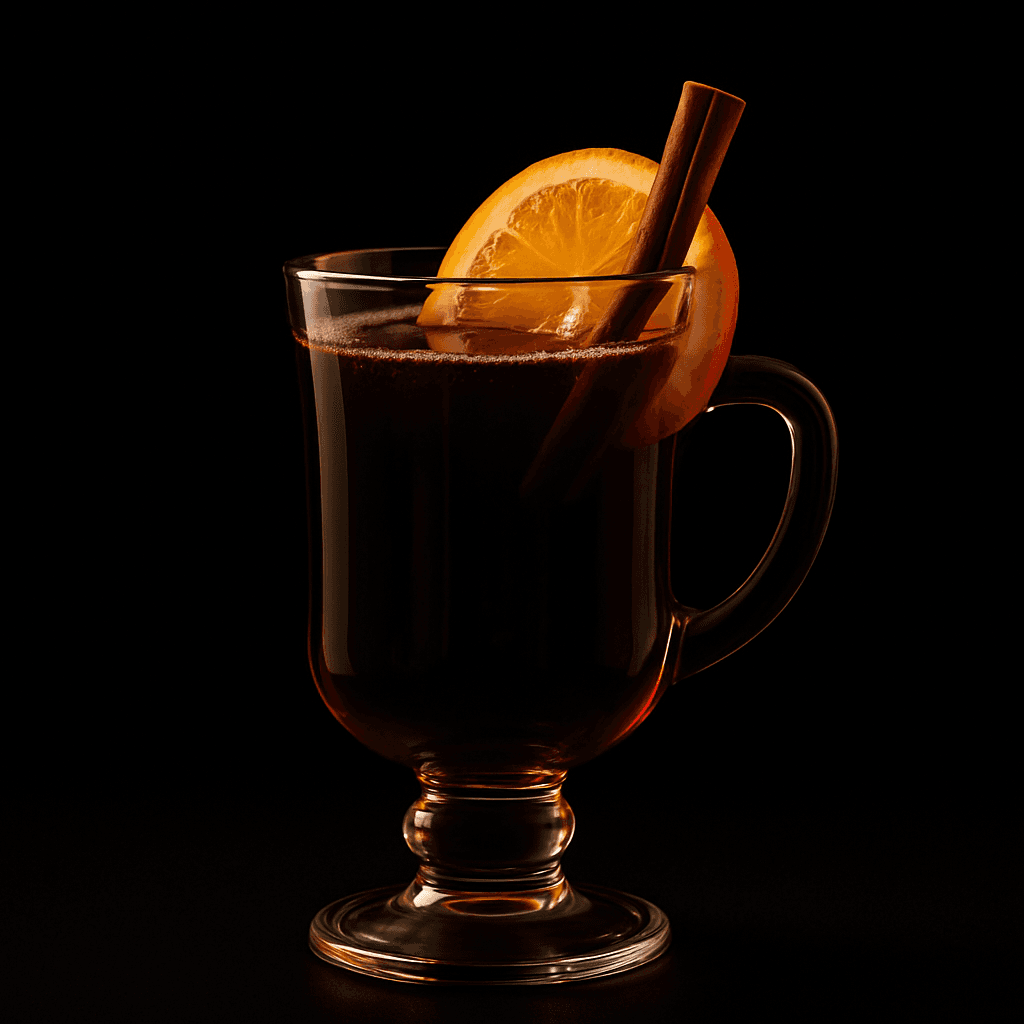
Glühwein (Mulled Wine)
A traditional German spiced wine that warms the soul during cold winter months. This aromatic hot cocktail combines red wine with warming spices like cinnamon, cloves, and orange peel for a comforting beverage perfect for holiday gatherings.
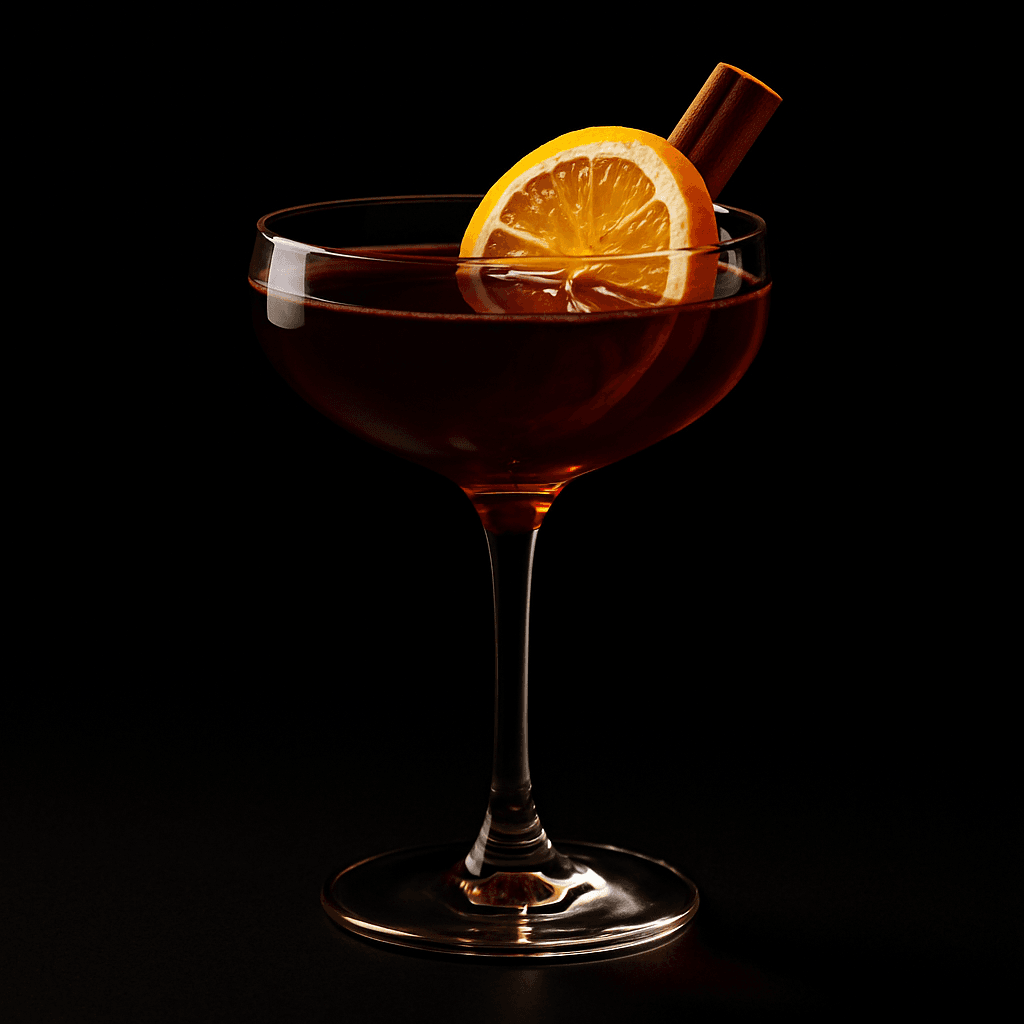
Glühwein Cocktail
A refined cocktail interpretation of traditional German mulled wine, combining red wine with warming spices and a spirited twist. This elegant drink captures the cozy essence of Christmas markets in a sophisticated glass.
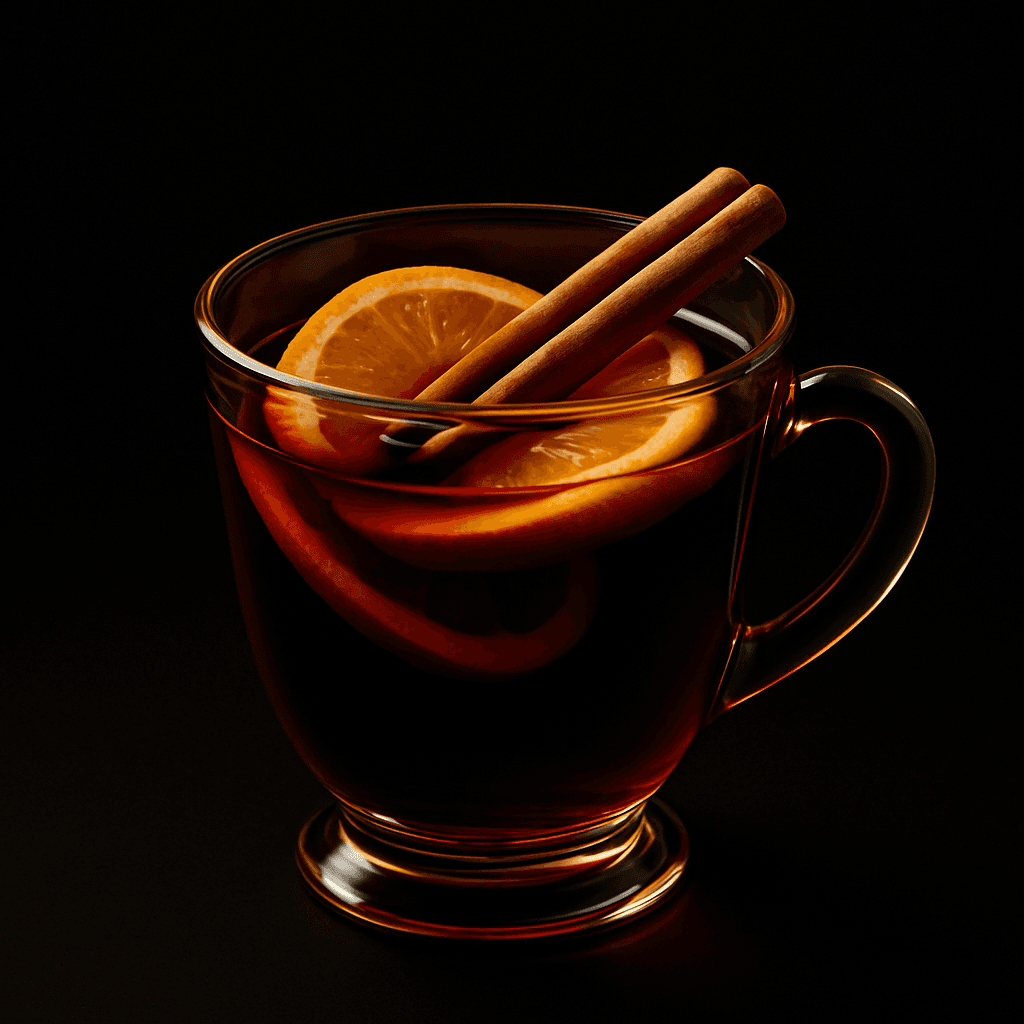
Feuerzangenbowle
A dramatic German winter punch featuring mulled red wine topped with a flaming sugar loaf soaked in rum. This theatrical drink combines warm spices with caramelized sugar for a festive spectacle that's as much about the show as the sip.
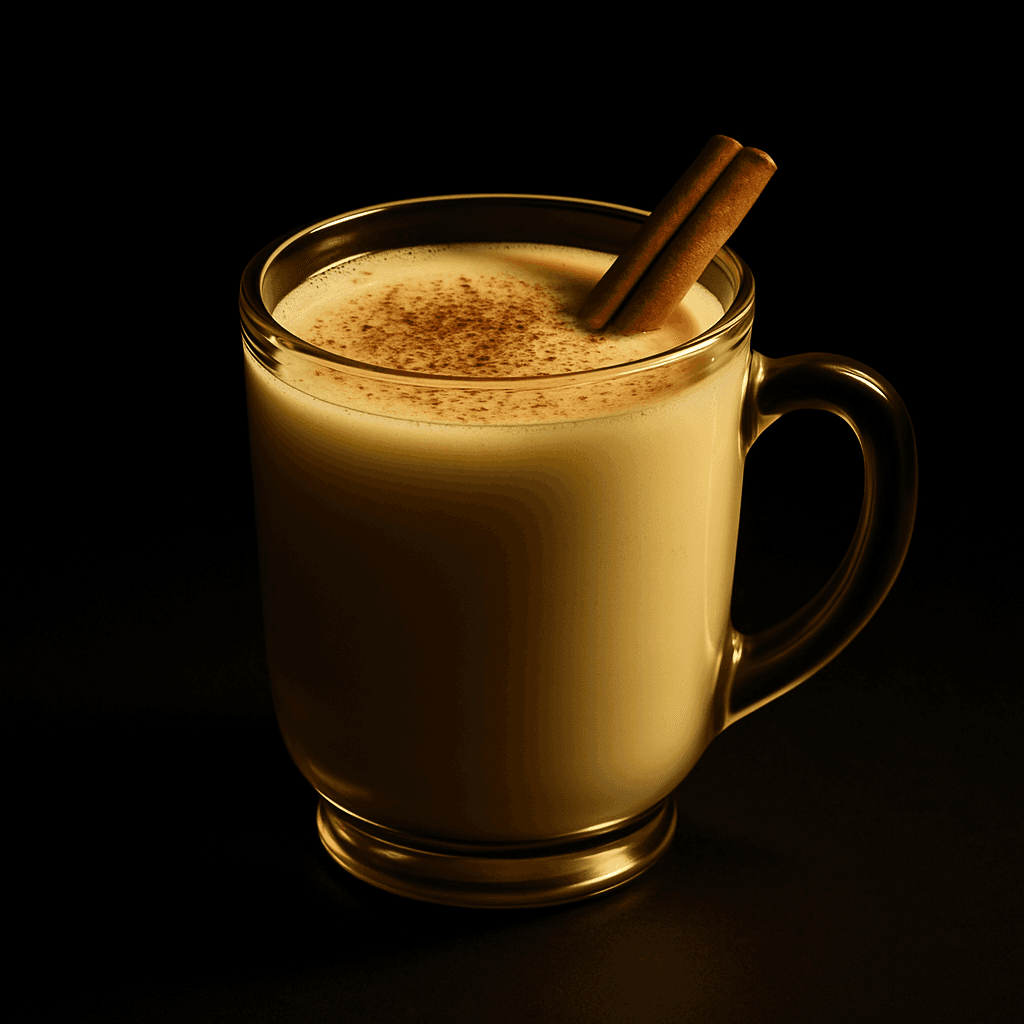
Eierpunsch
A traditional German winter warmer that combines cognac, white wine, and sugar with whole eggs to create a rich, creamy, and luxuriously smooth hot cocktail. This festive drink is perfect for cold evenings and holiday celebrations.
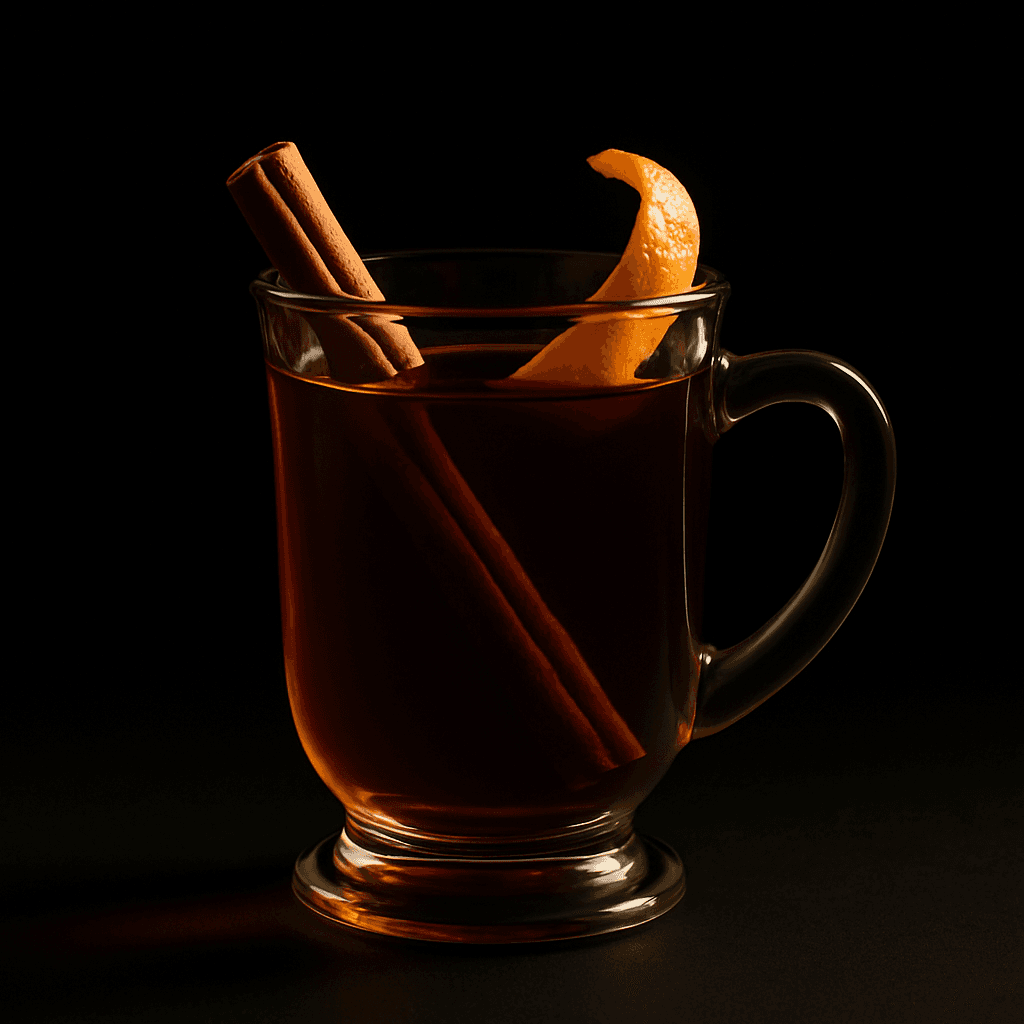
Jagertee
A warming Austrian alpine drink that combines black tea with rum and spices, perfect for cold mountain evenings. This traditional après-ski beverage delivers comfort and warmth with every sip.
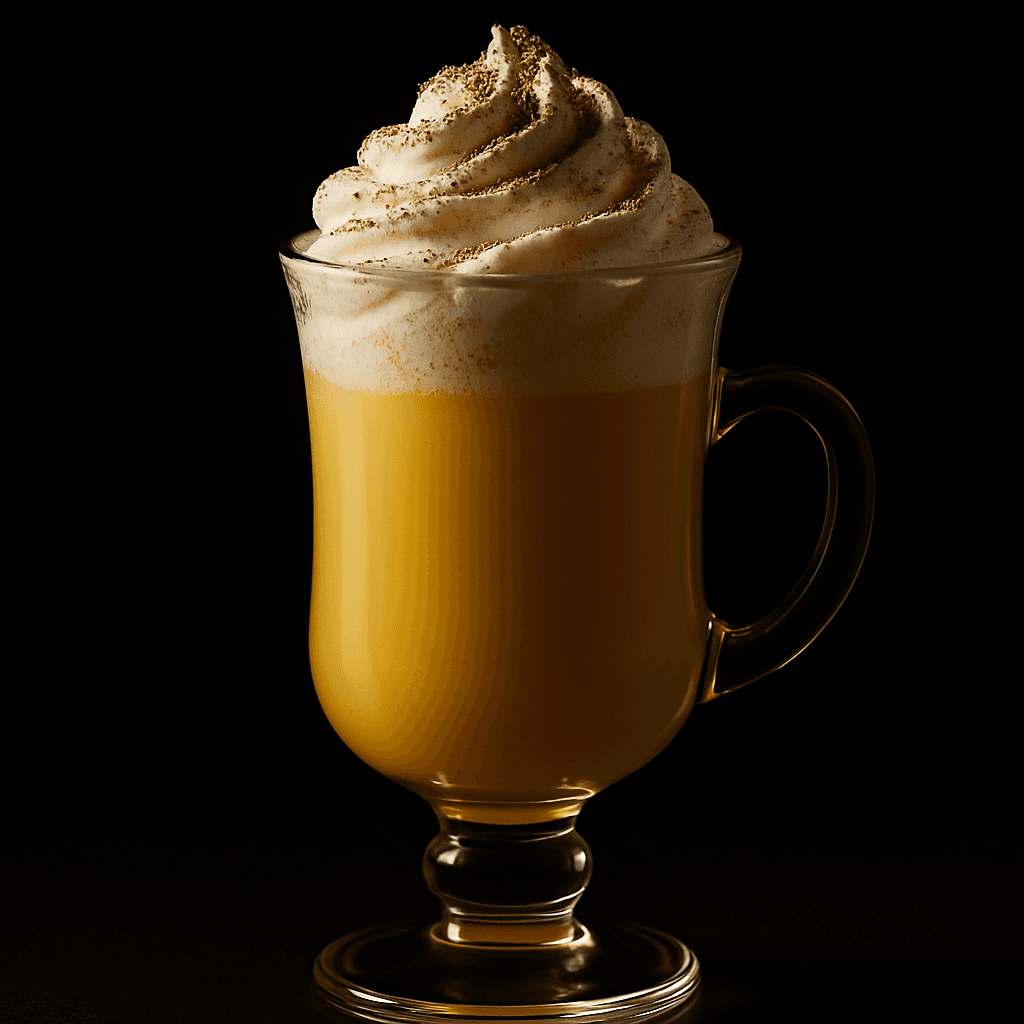
Bombardino
A beloved Italian après-ski cocktail that combines rich brandy with creamy liqueur and a luxurious whipped cream topping. This warming drink originated in the ski resorts of northern Italy and has become synonymous with cozy mountain lodge culture.
Frequently Asked Questions
- Was ist Glühwein und wie unterscheidet er sich von Glühwein aus anderen Ländern?
- Glühwein ist Deutschlands Version des gewürzten warmen Weins, hergestellt durch Erhitzen von Rotwein mit Zimt, Nelken, Sternanis, Orangenschale und Zucker. Während das Konzept des gewürzten warmen Weins in ganz Europa existiert — vin chaud in Frankreich, glögg in Skandinavien — hat Glühwein seinen ganz eigenen Charakter. Deutscher Glühwein ist tendenziell süßer und weniger komplex als skandinavischer Glögg, der oft Spirituosen und Rosinen enthält. Auf Weihnachtsmärkten wird Glühwein in Sammel-Keramiktassen (Tassen) serviert, die je nach Stadt und Jahr variieren, und viele Besucher sammeln sie als Souvenirs. Für die Tasse ist ein kleines Pfand erforderlich, das Sie zurückerhalten oder die Tasse behalten können.
- Was ist Feuerzangenbowle und wie macht man sie sicher?
- Feuerzangenbowle ist eine dramatische deutsche Punschbowle, bei der ein rumgetränkter Zuckerhut auf eine spezielle Zange (Feuerzange) über einen Topf mit Glühwein gelegt und angezündet wird. Während der Zucker karamellisiert und in den darunterliegenden Wein tropft, entsteht ein reichhaltiger, tiefgewürzter Punsch. Sicherheit ist wichtig — verwenden Sie ein stabiles, zweckgebundenes Feuerzangen-Set, halten Sie die Rumflasche weit von der Flamme entfernt und gießen Sie niemals Rum direkt auf offenes Feuer. Stellen Sie das Set auf eine hitzebeständige Oberfläche weit entfernt von brennbaren Gegenständen auf. Das Spektakel ist die halbe Freude und macht einen beeindruckenden Mittelpunkt für eine Weihnachtsfeier.
- Was ist Eierpunsch und wie unterscheidet er sich von Eierlikör?
- Eierpunsch ist ein traditioneller deutscher Eierpunsch, der Eier, Zucker, Weißwein und eine Spirituose wie Cognac oder Rum zu einem warmen, schaumigen Getränk kombiniert. Anders als amerikanischer Eggnog, der kalt mit schwerer Sahne und Muskat serviert wird, wird Eierpunsch immer heiß serviert und hat einen leichteren, weinbetonteren Körper. Er wird schaumig geschlagen und in einer Glastasse serviert, oft mit Schlagsahne gekrönt. Auf Weihnachtsmärkten ist er die süßere, reichhaltigere Alternative zu Glühwein und ist besonders beliebt bei denen, die Glühwein zu trocken oder tanninhaltig finden.
- Kann ich eine Weihnachtsmarkt-Party zu Hause veranstalten?
- Eine Weihnachtsmarkt-Party zu Hause funktioniert wunderbar. Richten Sie zwei oder drei Getränkestationen ein — einen Slow Cooker mit Glühwein, einen Topf mit Eierpunsch und wenn Sie sich ehrgeizig fühlen, eine Feuerzangenbowle als Glanzstück. Servieren Sie in Keramiktassen, wenn Sie welche haben. Als Essen bieten Sie Bratwurst, Lebkuchen, geröstete Mandeln (gebrannte Mandeln), Kartoffelpuffer und Stollen an. Spielen Sie traditionelle deutsche Weihnachtsmusik, hängen Sie Lichterketten auf und zünden Sie Kerzen an. Der Schlüssel ist die Atmosphäre — das warme Licht, die gewürzten Aromen und das Gemeinschaftsgefühl, um einen dampfenden Topf mit etwas Wärmendem zu stehen.
- Wann öffnen und schließen deutsche Weihnachtsmärkte?
- Die meisten deutschen Weihnachtsmärkte öffnen Ende November, typischerweise am Montag vor dem ersten Adventssonntag oder am Freitag davor. Sie laufen bis zum 23. Dezember, einige wenige bis zum Heiligabend-Morgen. Zu den berühmtesten Märkten gehören Nürnbergs Christkindlesmarkt, Dresdens Striezelmarkt (Deutschlands ältester, aus dem Jahr 1434), Kölns sieben miteinander verbundene Märkte und Stuttgarts Markt auf dem Schlossplatz. Wenn Sie eine Weihnachtsmarkt-Party zu Hause planen, funktioniert jedes Wochenende im Dezember — die Tradition ist flexibel.